 English
 Polski
 Deutsch
 Français
 ελληνικά
 Español
 Italiano

38,89 €

Quantity:
Total:
Total products:
Total shipping: To be determined
Total:
Science-based food supplements

Manufacturer: Life Extension
In stock
| Quantity | Price | You Save |
|---|---|---|
| 2 | 26,70 € | Up to 2,22 € |
| 4 | 26,14 € | Up to 6,67 € |
By buying this product you can collect up to 27 loyalty points. Your cart will total 27 points that can be converted during next order into a voucher of 1,35 €.

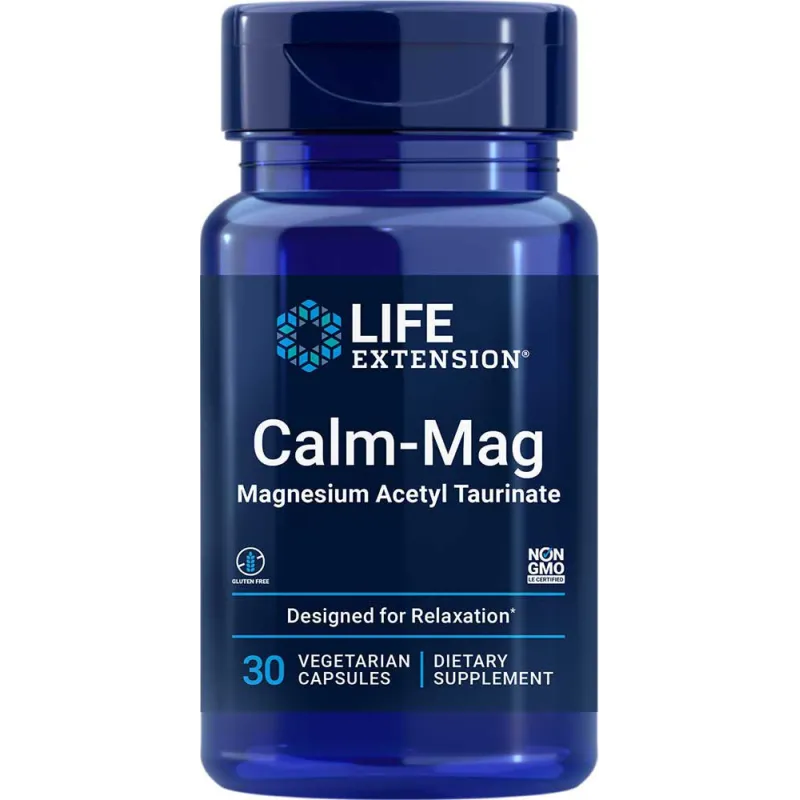
Calm-Mag
30 vegetarian capsules
Item Catalog Number: 02434

Did you know that stress and magnesium levels are correlated? Studies show unmanaged stress leads to increased levels of stress hormones and low levels of magnesium, making it more difficult for the body to manage a healthy stress response.1
Many people are turning to magnesium supplements to help their bodies combat the effects of stress. But unless the mighty mineral is well absorbed and can access the brain, it won’t help the body manage stress.
Benefits at a Glance:
Calm-Mag Magnesium Acetyl Taurinate is designed to help the body encourage feelings of calmness and relaxion by delivering a special form of magnesium (magnesium acetyl-taurate) that can cross the blood-brain barrier and positively impact brain pathways associated with stress management. Magnesium has been shown to help support the activity of neurotransmitters like serotonin and GABA.2
A preclinical study compared how magnesium levels in brain tissue were affected by different magnesium compounds: magnesium glycinate, magnesium acetyl-taurate, magnesium citrate and magnesium malate. The results showed that magnesium brain tissue levels were significantly increased by magnesium acetyl-taurate.3
A clinical trial of 19 women with a magnesium-poor diet showed improved feelings of relaxation and emotional calmness after supplementing with magnesium acetyl-taurate.4
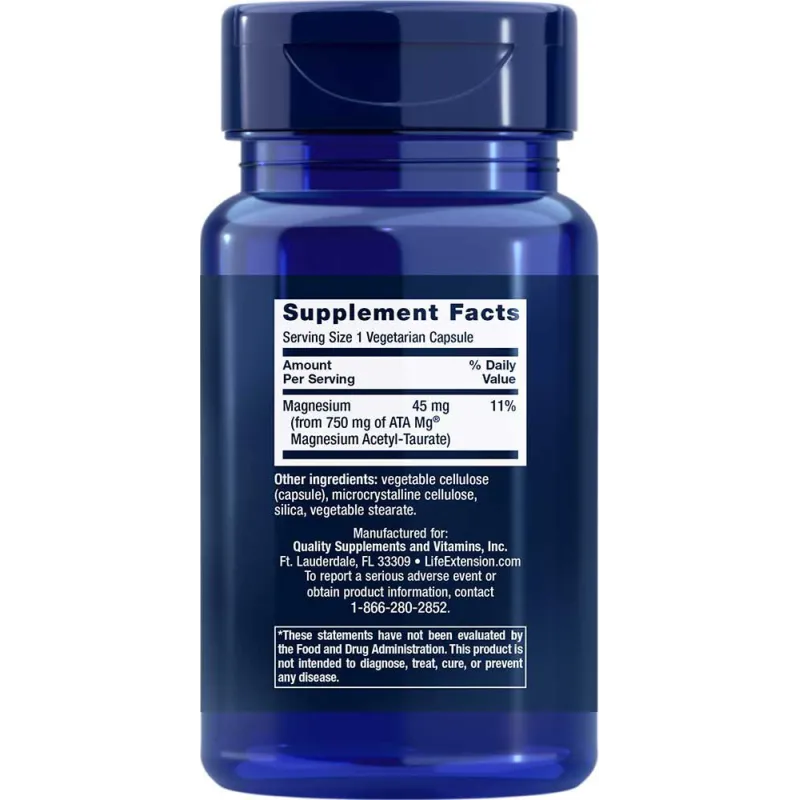
Serving Size 1 vegetarian capsule
| Amount Per Serving | |
|---|---|
| Magnesium (from 750 mg of ATA Mg ® Magnesium Acetyl-Taurate) | 45 mg |
| Other ingredients: vegetable cellulose (capsule), microcrystalline cellulose, silica, vegetable stearate. | |
Non-GMO
ATA Mg ® is a registered trademark of AIDP, Inc .
Dosage and Use
Take one (1) capsule daily, or as recommended by a healthcare practitioner
WARNINGS
KEEP OUT OF REACH OF CHILDREN
DO NOT EXCEED RECOMMENDED DOSE
Do not purchase if outer seal is broken or damaged.
When using nutritional supplements, please consult with your physician if you are undergoing treatment for a medical condition or if you are pregnant or lactating.
38,89 €

56,47 €
18,99 €
28,06 €
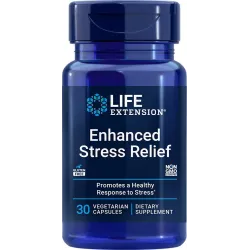
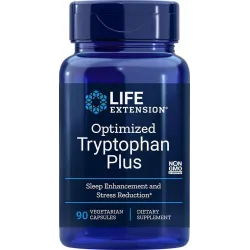
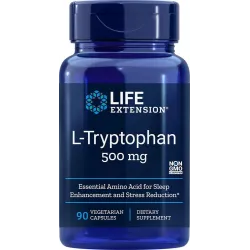
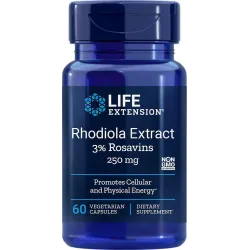








The relationship between magnesium and stress is bidirectional and well-documented in scientific literature. Stress depletes magnesium from your body through multiple pathways - stress hormones like cortisol increase urinary excretion of magnesium, and the heightened metabolic demands of stress responses consume magnesium stores. Conversely, magnesium deficiency makes your body less able to manage stress effectively, creating a potentially problematic cycle where stress depletes magnesium, and low magnesium makes you more susceptible to stress.
Magnesium plays crucial roles in the nervous system that directly impact stress responses. It regulates the hypothalamic-pituitary-adrenal (HPA) axis - your body's central stress response system. When magnesium levels are optimal, the HPA axis functions smoothly, producing appropriate amounts of stress hormones and then returning to baseline after the stressor passes. With inadequate magnesium, the HPA axis can become dysregulated, leading to excessive or prolonged stress hormone production.
At the cellular level, magnesium acts as a natural calcium channel blocker, helping regulate the flow of calcium into neurons. This regulation is critical because excessive calcium influx can overexcite neurons, contributing to feelings of anxiety, muscle tension, and difficulty relaxing. By modulating calcium channels, magnesium helps maintain a calmer, more balanced nervous system.
Calm-Mag uses a specific form called magnesium acetyl taurate (also known as ATA Mg®), which has unique advantages for supporting stress management and promoting calmness. This form combines magnesium with both acetic acid and taurine, creating a compound that crosses the blood-brain barrier more effectively than standard magnesium forms. This enhanced brain penetration means the magnesium can directly support brain magnesium levels and influence neurotransmitter systems involved in mood and stress responses.
Each capsule provides 45mg of elemental magnesium from 750mg of magnesium acetyl taurate. While 45mg may seem modest compared to some high-dose magnesium supplements providing 400mg or more, the superior absorption and brain bioavailability of this form means it can have significant effects on brain magnesium status despite the lower elemental dose.
Magnesium acetyl taurate works through several mechanisms to promote feelings of calmness and support healthy stress responses. One of the most important is its influence on neurotransmitter systems, particularly GABA (gamma-aminobutyric acid) and serotonin - two neurotransmitters critically involved in mood regulation and stress management.
GABA is your brain's primary inhibitory neurotransmitter, meaning it reduces neuronal excitability and promotes a sense of calm. Magnesium acts as a cofactor for the enzyme (glutamic acid decarboxylase) that converts glutamate into GABA, essentially supporting GABA production. Additionally, magnesium enhances GABA receptor activity, making the GABA that's present more effective at calming neural activity. These dual actions - supporting GABA synthesis and enhancing GABA receptor function - make magnesium a powerful natural promoter of calmness.
Serotonin, often called the "feel-good" neurotransmitter, also depends on magnesium for optimal function. Magnesium is required for the enzymatic conversion of tryptophan to serotonin, and it influences serotonin receptor sensitivity. Research has found that magnesium deficiency can reduce serotonin production and receptor responsiveness, potentially contributing to mood difficulties. Adequate magnesium supports healthy serotonin metabolism, which influences not just mood but also sleep quality, appetite regulation, and stress resilience.
What distinguishes magnesium acetyl taurate from other magnesium forms is its enhanced ability to elevate brain magnesium levels. A preclinical study compared magnesium acetyl taurate to other common forms (magnesium glycinate, magnesium citrate, and magnesium malate) and found that only magnesium acetyl taurate significantly increased magnesium concentrations in brain tissue. This brain-specific elevation is crucial because systemic magnesium levels (measured in blood) don't always reflect brain magnesium status, and it's brain magnesium that most directly influences stress responses and mood.
The taurine component of this form provides additional benefits. Taurine itself has calming properties and supports GABA function. It also helps protect neurons from excitotoxicity (damage from excessive stimulation) and supports healthy brain cell membranes. The combination of magnesium and taurine in one molecule creates synergistic effects that neither would provide alone.
Clinical research specifically on magnesium acetyl taurate has demonstrated meaningful improvements in subjective measures of stress and calmness. A clinical trial with 19 women experiencing stress and consuming inadequate dietary magnesium found that supplementation with magnesium acetyl taurate led to significant improvements in feelings of relaxation and emotional calmness after several weeks of use.
The preclinical research comparing magnesium forms is particularly compelling. When researchers measured magnesium concentrations in different brain regions after supplementation with various magnesium compounds, they found that magnesium acetyl taurate increased brain tissue magnesium levels significantly while other common forms did not. This superior brain penetration explains why even a relatively modest dose of elemental magnesium (45mg) from this form can have noticeable effects.
Broader research on magnesium and stress has shown consistent benefits. A systematic review of studies examining magnesium supplementation and stress/anxiety outcomes found that magnesium reduced subjective stress and anxiety symptoms in multiple trials. The effects were most pronounced in people with lower baseline magnesium status, highlighting the importance of adequate magnesium for stress resilience.
Studies examining magnesium's effects on stress biomarkers have found that supplementation can help normalize cortisol levels and improve HPA axis function in people under chronic stress. One study found that magnesium supplementation reduced cortisol responses to stress challenges, meaning participants' stress hormone levels didn't spike as high during stressful events. This physiological evidence supports the subjective reports of feeling calmer and more resilient to stress.
The safety profile of magnesium, including the acetyl taurate form, is excellent. Magnesium supplements are generally very well-tolerated, with the most common side effect being mild digestive upset (typically loose stools) that occurs when doses exceed individual tolerance levels. The 45mg elemental dose in Calm-Mag is well below levels associated with digestive effects, making it comfortable for most people to take daily without gastrointestinal issues.
For best results, take one capsule of Calm-Mag daily, preferably in the evening. Many people find that taking magnesium in the evening supports the transition to a calmer state conducive to relaxation and quality sleep. Magnesium's role in promoting calmness and supporting GABA function makes evening timing particularly appropriate, though you can take it at any time that's consistent and convenient.
You can take Calm-Mag with or without food. Unlike some nutrients that require food for absorption, magnesium is well-absorbed either way. However, if you have a sensitive stomach, taking it with a light meal or snack may minimize any potential digestive effects, though these are rare at this moderate dose.
Consistency matters more than perfect timing. The effects of magnesium on stress and mood build over time as brain magnesium levels are optimized and neurotransmitter systems rebalance. Most people notice subtle improvements within 1-2 weeks, with more pronounced benefits emerging after 4-6 weeks of daily use. Think of magnesium as a foundation for stress resilience rather than an acute intervention for immediate symptom relief.
Support your supplementation with stress-reducing lifestyle practices. Magnesium works best as part of a comprehensive approach to stress management that includes adequate sleep (7-9 hours nightly), regular physical activity (even moderate exercise like walking helps manage stress), mindfulness practices like meditation or deep breathing, and maintaining social connections. The combination of magnesium supplementation with these evidence-based stress management techniques creates synergistic benefits.
Pay attention to dietary magnesium as well. While Calm-Mag provides a targeted, brain-specific form of magnesium, getting magnesium from food sources supports overall magnesium status. Good dietary sources include dark leafy greens (spinach, Swiss chard), nuts and seeds (especially pumpkin seeds and almonds), whole grains, legumes, and dark chocolate. Aim for a diet rich in these magnesium-containing foods to complement your supplementation.
Calm-Mag is particularly valuable for adults experiencing daily stress who want natural support for emotional calmness and stress resilience. If you find yourself feeling frequently overwhelmed, tense, or anxious, or if you have difficulty unwinding at the end of the day, the combination of stress-reducing magnesium in a brain-penetrating form may provide meaningful support.
People with high-stress lifestyles - demanding careers, caregiving responsibilities, financial pressures, or other chronic stressors - often benefit from magnesium supplementation. The daily depletion of magnesium from stress responses means that even if your diet is good, your requirements may exceed what food provides. Targeted supplementation helps maintain the magnesium levels needed for optimal stress management.
Individuals with inadequate dietary magnesium intake should consider Calm-Mag. Survey data suggests that roughly half of Americans don't consume the recommended dietary allowance for magnesium, creating a widespread deficiency that may contribute to reduced stress resilience across the population. If your diet is low in magnesium-rich foods, supplementation becomes more important.
Those experiencing muscle tension, jaw clenching, or physical manifestations of stress may find Calm-Mag particularly helpful. Magnesium's role in muscle relaxation - it counterbalances calcium's muscle-contracting effects - means that adequate magnesium can help reduce the physical tension that often accompanies psychological stress.
However, certain individuals should exercise caution. People with kidney disease should consult their physician before taking any magnesium supplement, as impaired kidney function can lead to magnesium accumulation that may be harmful. Those taking certain medications, particularly antibiotics (tetracyclines, fluoroquinolones) or bisphosphonates (for bone health), should space magnesium supplementation several hours apart from these medications as magnesium can interfere with their absorption. Individuals with heart rhythm disorders should discuss magnesium use with their cardiologist, as while magnesium generally supports healthy heart rhythm, dosing should be coordinated with medical care. Pregnant women should consult their obstetrician before supplementing, though magnesium is generally considered safe during pregnancy and is sometimes recommended by prenatal healthcare providers.
Results: Magnesium acetyl taurate significantly increased brain tissue magnesium levels compared to magnesium glycinate, citrate, and malate which showed no significant brain elevation.
Citation: Biol Trace Elem Res. 2019;192(2):244-251.
Results: 19 women with low magnesium intake showed improved feelings of relaxation and emotional calmness after supplementing with magnesium acetyl taurate.
Citation: Rousseau C. Efficiency of magnesium salt (ATA MG® 770mg) on premenopausal syndrome. Synapharm. 2021.
Results: Systematic review found magnesium supplementation reduced subjective stress and anxiety symptoms across multiple trials, especially in those with lower baseline magnesium.
Citation: Nutrients. 2020;12(12):3672.
Results: Magnesium supplementation normalized cortisol responses and improved HPA axis regulation in chronically stressed individuals.
Citation: Aust J Prim Health. 2012;18(2):172-6.