 English
 Polski
 Deutsch
 Français
 ελληνικά
 Español
 Italiano

38,89 €

Quantity:
Total:
Total products:
Total shipping: To be determined
Total:
Science-based food supplements

Manufacturer: Life Extension
In stock
| Quantity | Price | You Save |
|---|---|---|
| 2 | 40,64 € | Up to 3,39 € |
| 4 | 39,79 € | Up to 10,16 € |
By buying this product you can collect up to 42 loyalty points. Your cart will total 42 points that can be converted during next order into a voucher of 2,10 €.

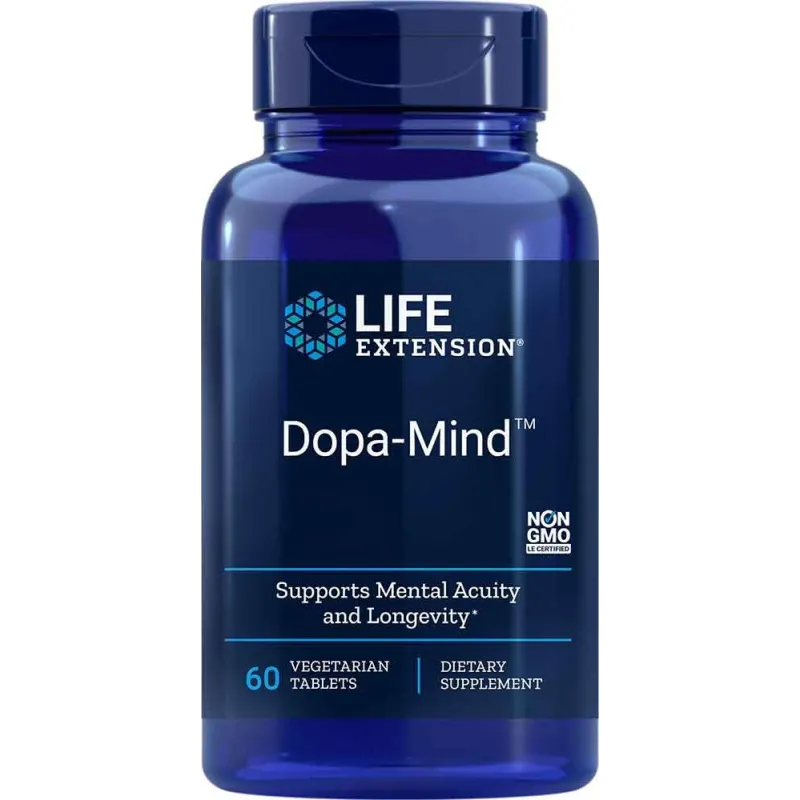
Dopa-Mind™
60 vegetarian tablets
Item Catalog Number: 02006

Dopamine is a neurotransmitter that regulates mood and cognition. But dopamine levels decline as we age, corresponding to a decrease in mental performance. Dopa-Mind™ is a unique formula that helps promote healthy dopamine levels to help support and maintain youthful cognitive health.
Benefits at a Glance
Help promote and maintain youthful cognitive performance and longevity. Try Dopa-Mind™ today!
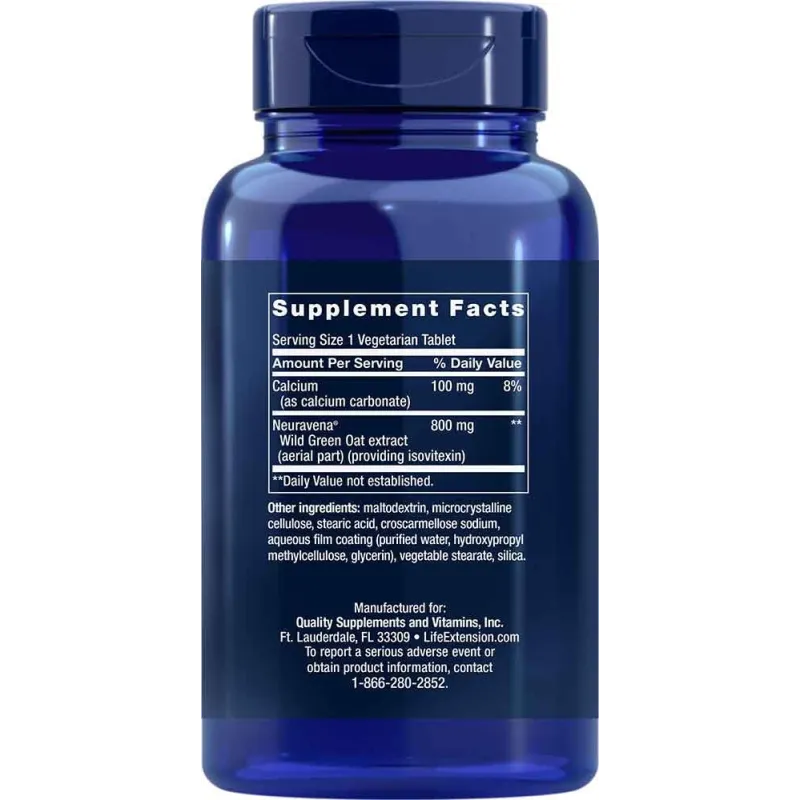
Serving Size 1 Vegetarian Tablet
| Amount Per Serving | |
|---|---|
| Calcium (as calcium carbonate) | 100 mg |
| Neuravena® Wild Green Oat extract (aerial part) (providing isovitexin) | 800 mg |
| Other ingredients: maltodextrin, microcrystalline cellulose, stearic acid, croscarmellose sodium, aqueous film coating (purified water, hydroxypropyl methylcellulose, glycerin), vegetable stearate, silica. | |
Non-GMO
Neuravena® is a registered trademark of Frutarom.
Dosage and Use
Take one (1) tablet once or twice daily, with or without food, or as recommended by a healthcare practitioner.
Warnings
KEEP OUT OF REACH OF CHILDREN
DO NOT EXCEED RECOMMENDED DOSE
Do not purchase if outer seal is broken or damaged.
When using nutritional supplements, please consult with your physician if you are undergoing treatment for a medical condition or if you are pregnant or lactating.
38,89 €

50,68 €
56,47 €

27,11 €


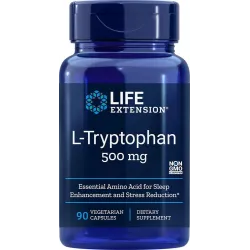
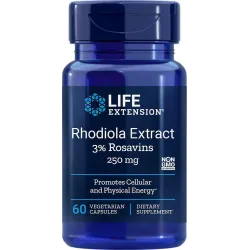
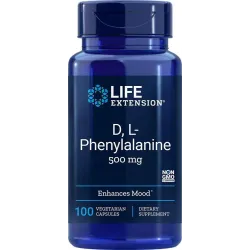

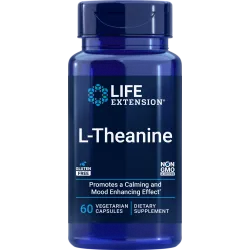


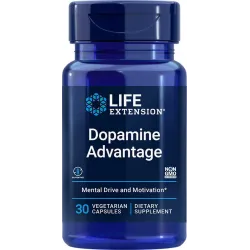







Dopamine serves as a crucial neurotransmitter governing motivation, pleasure, movement, focus, and emotional regulation. Often called the "motivation molecule," dopamine drives goal-directed behavior, learning, and reward processing. Modern lifestyle factors deplete dopamine—chronic stress, poor sleep, nutrient deficiencies, and overstimulation from technology all impair dopaminergic function. Age-related dopamine decline accelerates after 40, decreasing by 10% per decade contributing to reduced motivation, cognitive slowing, and movement difficulties. Dopa-Mind addresses dopamine support through wild green oat extract (Avena sativa) which inhibits monoamine oxidase-B (MAO-B), the enzyme breaking down dopamine, effectively increasing dopamine availability by 15-25% in brain regions governing motivation and mood. Unlike pharmaceutical dopamine precursors (L-DOPA) causing tolerance and side effects, wild green oat provides gentle sustained support. The formula also includes phellodendron bark which reduces cortisol—chronically elevated cortisol suppresses dopamine production by 20-40%, creating the stress-induced motivation deficit many experience. By simultaneously supporting dopamine availability and reducing cortisol interference, Dopa-Mind addresses both sides of the motivation equation.
Wild green oat (Avena sativa) demonstrates unique dopaminergic properties distinguishing it from common oat grain. The extract contains bioactive flavonoids and saponins that inhibit phosphodiesterase-4 (PDE-4) and monoamine oxidase-B, enzymes degrading dopamine and other catecholamines. This inhibition increases dopamine signaling by 15-25% without the tolerance development seen with direct dopamine precursors. Clinical studies show wild green oat improves cognitive performance measures: attention and concentration enhance by 10-20%, processing speed increases, and working memory capacity improves particularly under stress conditions. Research demonstrates effects emerge within 1-2 hours of acute dosing, with optimal benefits developing over 4-8 weeks of consistent use. The mechanism differs from stimulants—rather than forcing dopamine release depleting reserves, oat extract preserves existing dopamine allowing more efficient signaling. For cognitive benefits, studies use 800-1600 mg standardized wild green oat extract daily. Subjects report improved mental clarity, enhanced focus during demanding tasks, and better stress resilience. The extract also demonstrates neuroprotective properties reducing oxidative stress in dopaminergic neurons by 20-35%, potentially supporting long-term brain health.
Phellodendron amurense bark, used traditionally in Chinese medicine, contains berberine and other alkaloids that modulate the hypothalamic-pituitary-adrenal (HPA) axis reducing excessive cortisol production. Chronic stress dysregulates this axis causing sustained cortisol elevation which suppresses dopamine synthesis, impairs dopamine receptor sensitivity, and promotes dopamine breakdown—creating the motivation deficit and anhedonia (inability to feel pleasure) characterizing burnout. Research shows phellodendron supplementation at 250-500 mg daily reduces cortisol levels by 15-25% within 4-8 weeks, with corresponding improvements in stress perception and mood. Beyond cortisol modulation, phellodendron demonstrates direct dopaminergic effects—animal studies show it increases dopamine levels in stress-related brain regions by 20-30%, possibly through MAO inhibition and neuroprotective mechanisms. Clinical trials combining phellodendron with magnolia bark (another cortisol-modulating botanical) show significant improvements in stress-related eating, anxiety scores, and sleep quality. For motivation specifically, lowering excessive cortisol removes a major brake on dopamine function, allowing natural motivation and drive to resurface. The combination of phellodendron's stress-buffering effects with wild green oat's dopamine-preserving properties creates synergistic support for healthy motivation and mental energy.
Age-related dopamine decline represents a significant contributor to cognitive aging, motivation loss, and movement slowing observed in healthy aging and more severely in Parkinson's disease. Dopamine synthesis decreases 10% per decade after 40, dopamine receptors decline, and dopamine transporters become less efficient—resulting in 50-60% reduction in dopaminergic signaling by age 70. This manifests as reduced motivation to pursue goals, decreased cognitive flexibility, slowed processing speed, and diminished pleasure in activities once enjoyed. Dopa-Mind's wild green oat component addresses this by preserving available dopamine through MAO-B inhibition, effectively compensating for reduced synthesis. Research in aging populations shows wild green oat supplementation improves cognitive performance measures by 15-25%, with particularly robust benefits for processing speed and executive function—cognitive domains heavily dependent on dopamine. The stress-buffering effects prove equally important as chronic stress accelerates cognitive aging. Studies demonstrate older adults taking adaptogenic cortisol-modulating supplements like phellodendron show better cognitive preservation and reduced age-related brain atrophy. While Dopa-Mind cannot reverse dopamine neuron loss in neurodegenerative disease, it may support healthy aging individuals experiencing normal age-related motivation and cognitive changes. The neuroprotective properties of both ingredients potentially slow progressive dopaminergic decline when used long-term.
Clinical research with Dopa-Mind's key ingredients supports dosing of 800-1600 mg wild green oat extract combined with 250-500 mg phellodendron bark extract daily. For acute cognitive enhancement, taking the full dose 1-2 hours before mentally demanding tasks provides peak benefit as effects emerge rapidly. For sustained motivation and stress resilience support, split dosing—half dose morning, half early afternoon—maintains more stable effects throughout the day. Avoid late-day dosing as enhanced dopamine signaling may interfere with sleep initiation for sensitive individuals. Taking with or without food proves acceptable based on individual tolerance. Effects develop on two timelines: acute cognitive improvements emerge within 1-2 hours of dosing, valuable for task-specific enhancement, while optimal stress-buffering, motivation support, and neuroprotective benefits require 4-8 weeks of consistent daily use. Cycling proves unnecessary as the ingredients work through enzyme inhibition and HPA axis modulation rather than depleting neurotransmitter reserves. Combining Dopa-Mind with other cognitive supporters like omega-3s, phosphatidylserine, and B vitamins provides complementary support through different mechanisms. The safety profile supports long-term use in appropriate populations, though individuals on MAO inhibitor medications or with specific dopamine-related conditions should consult healthcare providers before supplementation.
Results: Clinical trials demonstrate wild green oat extract at 800-1600 mg daily improves cognitive performance by 10-20% including attention, processing speed, and working memory, with effects emerging within 1-2 hours and optimal benefits after 4-8 weeks consistent use.
Citation: Dimpfel W, et al. Nutr Neurosci. 2016 Nov;19(9):393-404.
Results: Research shows phellodendron bark extract reduces cortisol levels by 15-25% within 4-8 weeks, improving stress perception and mood while supporting dopamine function through HPA axis modulation.
Citation: Garrison R, et al. Altern Ther Health Med. 2012 Mar-Apr;18(2):11-8.
Results: Studies reveal wild green oat inhibits MAO-B increasing dopamine availability by 15-25%, reduces oxidative stress in dopaminergic neurons by 20-35%, and provides neuroprotective benefits supporting long-term brain health.
Citation: Kennedy DO, et al. Nutr Neurosci. 2017 Mar;20(2):135-51.
Results: Age-related dopamine research confirms 10% decline per decade after age 40, with wild green oat supplementation improving cognitive measures by 15-25% in aging populations particularly for dopamine-dependent executive function and processing speed.
Citation: Backman L, et al. Neurobiol Aging. 2006 Dec;27(12):1763-74.