
 English
 Polski
 Deutsch
 Français
 ελληνικά
 Español
 Italiano
Tryptophan. Why Aging People Become Depressed, Fatigued, and Overweight part 2
 Fortunately, the new understanding of how tryptophan is degraded in aging humans provides a basis for engineering a natural solution around this epidemic problem.
First of all, we know from studies in patients with high levels of systemic inflammation that if sufficient niacinamide is given, the degradation of tryptophan in the body is significantly reduced.57,58 We also know that the amino acid lysine competes with tryptophan in the same oxidative degradation pathway. This means that in the presence of lysine, less tryptophan is oxidized.59
Tryptophan, however, can still be degraded by the IDO enzyme that increases as humans age. Nutrients such as curcumin inhibit interferon-induced nuclear factor-kappa-B and COX-2 expression and may limit the induction of IDO, thus making more tryptophan available for conversion to serotonin in the brain.60
It is thus possible for aging people to supplement with a modest dose of tryptophan (1,000-1,500 mg per day) and significantly decrease tryptophan oxidation/degradation, as long as lysine, niacinamide, and the proper cytokine-suppressing nutrients are taken with it to neutralize the effects of the IDO enzyme.
Cofactors that facilitate the conversion of tryptophan to serotonin in the brain are vitamin B6, magnesium, and vitamin C.60-62 These nutrients are already taken by most health-conscious people.
Tryptophan Dosage
 An important factor in the decision to supplement with L-tryptophan is its excellent tolerability and the lack of development of tolerance during long-term use. Furthermore, L-tryptophan does not cause difficulties when trying to wake up the next morning.63
The minimal dose of L-tryptophan for effective treatment of insomnia may be at least 1,000 mg, and repeat administration of L-tryptophan may be required for improvement in chronic, well-established, sleep-onset insomnia or insomnia characterized by both sleep-onset and sleep-maintenance abnormalities.63 Low doses of L-tryptophan (250 to 500 mg) may not offer a significant benefit on sleep latency.64 For those with insomnia who wish to try L-tryptophan, a strong initial dose (1,000 to 4,000 mg) is recommended for the first week, followed by a lower maintenance dose (500 mg to 1,000 mg).
Evening oral doses of tryptophan as low as 250 mg have been shown to improve sleep quality, although the typical dosage range for sleep disorders and depression is 1,000-3,000 mg daily. Safe and effective dosages for other disorders range from 500 mg to 4,000 mg/day, while doses around 3,500 mg/day have been used short term as a smoking cessation intervention.65
Tryptophan is oxidized in the liver by tryptophan-2,3-dioxygenase (TDO), an enzyme that is induced both by glucocorticoids and by large doses of tryptophan itself. The enzyme activity of TDO increases after tryptophan administration66 and results in a relatively short half-life of tryptophan remaining in the plasma.67 Thus, tryptophan is often given in divided daily doses instead of a single dose. A single dose of 3,000 mg is sufficient to keep human brain serotonin synthesis maximized for about eight to twelve hours.68 Giving three daily doses of 2,000 mg will probably keep the rate-limiting tryptophan hydroxylase enzyme in the brain fully saturated for most of each 24-hour period, meaning that brain serotonin levels would be maintained at a constant optimal level.
Tryptophan Blackout Is Lifted!
 American consumers can once again obtain tryptophan as a dietary supplement. Particularly compelling news is the discovery that aging people produce tryptophan-degrading enzymes, which can be neutralized by the simultaneous ingestion of nutrients that block pro-inflammatory cytokines and mitigate tryptophan depletion via other oxidative pathways.
A novel formula is now available that combines pharmaceutical-pure tryptophan with a blend of nutrients designed to nourish the brain with optimal levels of serotonin.
Based on hundreds of scientific studies, depletion of serotonin may contribute to age-related weight gain, depression, insomnia, anxiety, and loss of feeling of well-being.
By restoring serotonin to optimal levels, aging people can regain the neurotransmitter balance enjoyed in their youth. Those suffering from age-related weight gain or sleep difficulties could experience significant improvement by using tryptophan to increase their brain serotonin to youthful levels.
Tryptophan Precautions
 For many decades, tens of millions of people have safely used tryptophan supplements. The mechanisms by which tryptophan functions in the body, however, indicate that those taking certain prescription drugs should exercise caution when using tryptophan on a regular basis.
Although tryptophan has been shown to be safe when used alone, it can potentiate side effects of certain antidepressant drugs. Case reports of serotonin syndrome have noted a connection between tryptophan used concomitantly with monoamine oxidase (MAO) inhibitor drugs.69 A few popularly prescribed MAO-inhibiting drugs include Nardil® (phenelzine), Parnate® (tranylcyrpromine), and Marplan® (isocarboxazide). In studies measuring the antidepressant effects of an MAO-inhibitor drug alone compared with that of the MAO inhibitor plus tryptophan, the most common side effects of the combination were dizziness, nausea, and headache.70 The magnitude of these side effects was sufficient to limit the usefulness of the combination. However, the most serious complication in the use of the combination of tryptophan and MAO inhibitors is the serotonin syndrome. This syndrome is characterized by agitation, restlessness, shivering and tremor, confusion, delirium, tachycardia, diaphoresis, hypomania, myoclonus, hyperreflexia, and blood pressure fluctuations. Although no reports have been published, it is possible that tryptophan, when taken in combination with a selective serotonin-reuptake inhibitor (SSRI) drug such as Prozac®, Paxil®, Zoloft®, or Lexapro®, may also precipitate serotonin syndrome.71
The serotonin syndrome was first described in rats. When these animals were given tryptophan plus a monoamine oxidase inhibitor, or various other drugs including high doses of 5-hydroxytryptophan (5-HTP) (with a peripheral decarboxylase inhibitor drug), or serotonin-receptor agonists, the animals exhibited tremor, rigidity, hypertonicity, hind-limb abduction, rigidly arched tail, lateral head shaking, treading movements of the forelimbs, hyperreactivity, myoclonus, and even generalized seizures.72
The appearance of the serotonin syndrome in 38 patients in 12 reports has been reviewed.73 The majority of these cases were associated with patients taking a combination of tryptophan and an MAO-inhibitor drug, but the combination of serotonin-reuptake inhibitor and MAO-inhibitor drugs can also cause the serotonin syndrome. The incidence of the serotonin syndrome in patients is unknown, but some experts argue that it is under-reported, perhaps because it is not recognized, or possibly because it is confused with the neuroleptic malignant syndrome, which has some similarities in terms of symptoms.
 The serotonin syndrome usually resolves within 24 hours of cessation of tryptophan treatment, with no residual symptoms. Although the animal model suggests that serotonin antagonists should be a useful treatment, this has not been tested in humans. Supportive measures have been used including cooling for hypothermia, intramuscular chlorpromazine as an antipyretic and sedative, artificial ventilation for respiratory insufficiency, anticonvulsants for seizures, clonazepam for myoclonus, and nifedipine for hypertension .73
Although the serotonin syndrome has been reported in patients taking tryptophan and an MAO-inhibitor drug, the incidence of this disorder is low. The total number of patients in the literature reporting symptoms of the serotonin syndrome after taking tryptophan and an MAO-inhibitor drug is less than 40. This is in spite of the fact that tryptophan has been on the market as an antidepressant in the United Kingdom for over 20 years, and psychiatrists in that country are more likely than psychiatrists in North America to use MAO-inhibitor drugs.
Moreover, in the clinical trials on the combination of tryptophan and an MAO-inhibitor drug, there is only one report of symptoms resembling the serotonin syndrome in spite of the very large doses of tryptophan used (up to 18,000 mg of tryptophan per day).74 There have been no reports of permanent effects after the serotonin syndrome was resolved in patients receiving tryptophan and an MAO-inhibitor drug, although deaths have been seen after the serotonin syndrome in patients who were given MAO-inhibitor and tricyclic antidepressant drugs.
Interaction with Herbs
Tryptophan may cause excessive sedation if it is taken with potentially sedating herbs such as catnip, kava kava, St. John’s wort, or valerian.75
Warnings and Contraindications
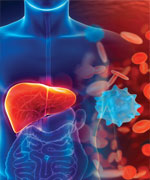 Patients with liver cirrhosis should avoid tryptophan supplementation. Cirrhotic liver disease patients present with reduced activity of tryptophan 2,3-dioxygenase (22%), with subsequent increased free tryptophan and half-life, and decreased clearance.76 Tryptophan is known to pass into the breast milk of new mothers, but its possible effects in infants are not known. Therefore, tryptophan should also be avoided during breast-feeding. Tryptophan may cause sedation, which may result in sleepiness or mental confusion during the daytime. Individuals who choose to take it should be careful when driving or performing other tasks that require alertness.
Toxicological studies
L-tryptophan has low oral toxicity. A rat carcinogenicity bioassay conducted by the US National Cancer Institute found no evidence of cancer causation.77
Potential side effects of L-tryptophan at high doses (100 mg/kg/day or 7,000 mg taken by a 150-pound person) include gastric irritation, vomiting, and head twitching.78 Less severe side effects include:
- Blurry vision
- Daytime drowsiness
- Dry mouth
- Headaches
- Muscle incoordination
-
Nausea
Eosinophilia Myalgia Syndrome
In early 1990s, taking tryptophan was considered to be associated with a severe condition known as eosinophilia myalgia syndrome (EMS).65 Although the exact causes for the outbreak are still not completely known, it is believed that a defective manufacturing process used by one company either introduced contaminants or caused reactions that formed toxic substances within the tryptophan that was produced. However, an independent scientific committee on toxicity recently concluded that tryptophan has not resulted in a detectable increase in risk of EMS, and that pure tryptophan preparations are safe.
Material used with permission of Life Extension. All rights reserved.
1. Payton A, Gibbons L, Davidson Y, et al. Influence of serotonin transporter gene polymorphisms on cognitive decline and cognitive abilities in a nondemented elderly population. Mol Psychiatry. 2005 Dec;10(12):1133-9.
2. Meltzer CC, Price JC, Mathis CA, et al. Serotonin 1A receptor binding and treatment response in late-life depression. Neuropsychopharmacology. 2004 Dec;29(12):2258-65.
3. Meltzer CC, Smith G, DeKosky ST, et al. Serotonin in aging, late-life depression, and Alzheimer’s disease: the emerging role of functional imaging. Neuropsychopharmacology. 1998 Jun;18(6):407-30.
4. Fernstrom JD, Wurtman RJ. Brain serotonin content: physiological dependence on plasma tryptophan levels. Science. 1971 Jul 9;173(992):149-52.
5. Fukuwatari T, Ohta M, Kimtjra N, Sasaki R, Shibata K. Conversion ratio of tryptophan to niacin in Japanese women fed a purified diet conforming to the Japanese Dietary Reference Intakes. J Nutr Sci Vitaminol (Tokyo). 2004 Dec;50(6):385-91.
6. Bell C, Abrams J, Nutt D. Tryptophan depletion and its implications for psychiatry. Br J Psychiatry. 2001 May;178:399-405.
7. Juhl JH. Fibromyalgia and the serotonin pathway. Altern Med Rev. 1998 Oct;3(5):367-75.
8. Cangiano C, Ceci F, Cairella M, et al. Effects of 5-hydroxytryptophan on eating behavior and adherence to dietary prescriptions in obese adult subjects. Adv Exp Med Biol. 1991;294:591-3.
9. Riemann D, Feige B, Hornyak M, Koch S, Hohagen F, Voderholzer U. The tryptophan depletion test: impact on sleep in primary insomnia – a pilot study. Psychiatry Res. 2002 Mar 15;109(2):129-35.
10. Demisch K, Bauer J, Georgi K, Demisch L. Treatment of severe chronic insomnia with L-tryptophan: results of a double-blind cross-over study. Pharmacopsychiatry. 1987 Nov;20(6):242-4.
11. Hartmann E, Lindsley JG, Spinweber C. Chronic insomnia: effects of tryptophan, flurazepam, secobarbital, and placebo. Psychopharmacology (Berl). 1983;80(2):138-42.
12. Schneider-Helmert D. Interval therapy with L-tryptophan in severe chronic insomniacs. A predictive laboratory study. Int Pharmacopsychiatry. 1981;16(3):162-73.
13. Gendall KA, Joyce PR. Meal-induced changes in tryptophan:LNAA ratio: effects on craving and binge eating. Eat Behav. 2000 Sep;1(1):53-62.
14. Ashley DV, Fleury MO, Golay A, Maeder E, Leathwood PD. Evidence for diminished brain 5-hydroxytryptamine biosynthesis in obese diabetic and non-diabetic humans. Am J Clin Nutr. 1985 Dec;42(6):1240-5.
15. Schloss P, Williams DC. The serotonin transporter: a primary target for antidepressant drugs. J Psychopharmacol. 1998;12(2):115-21.
16. Gross C, Zhuang X, Stark K, et al. Serotonin1A receptor acts during development to establish normal anxiety-like behaviour in the adult. Nature. 2002 Mar 28;416(6879):396-400.
17. Available at: http://www.acnp.org/Docs/G5/CH2_15-34.pdf . Accessed January 5, 2008.
18. Altman PL, Dittmer DS (Editors). Metabolism Bethesda, Maryland: Federation of American Societies for Experimental Biology, 1968.
19. Hartmann E, Spinweber CL. Sleep induced by L-tryptophan. Effect of dosages within the normal dietary intake. J Nerv Ment.Dis. 1979 Aug;167(8):497-9.
20. Kepplinger B, Baran H, Kainz A, et al. Age-related increase of kynurenic acid in human cerebrospinal fluid – IgG and beta2-microglobulin changes. Neurosignals. 2005;14(3):126-35.
21. Sainio E-L, Pulkki K, Young SN. L-tryptophan: biochemical, nutritional and pharmacological aspects. Amino Acids. 1996 Mar;10(1):21-47.
22. Li JS, Han Q, Fang J, Rizzi M, James AA, Li J. Biochemical mechanisms leading to tryptophan 2,3-dioxygenase activation. Arch Insect Biochem Physiol. 2007 Feb;64(2):74-87.
23. Brown RR, Ozaki Y, Datta SP, et al. Implications of interferon-induced tryptophan catabolism in cancer, auto-immune diseases and AIDS. Adv Exp Med Biol. 1991;294:425-35.
24. MacKenzie CR, Heseler K, Müller A, Däubener W. Role of indoleamine 2,3-dioxygenase in antimicrobial defence and immuno-regulation: tryptophan depletion versus production of toxic kynurenines. Curr Drug Metab. 2007 Apr;8(3):237-44.
25. Schrocksnadel K, Wirleitner B, Winkler C, Fuchs D. Monitoring tryptophan metabolism in chronic immune activation. Clin Chim Acta. 2006 Feb;364(1-2):82-90.
26. Schroecksnadel K, Zangerle R, Bellmann-Weiler R, et al. Indoleamine-2, 3-dioxygenase and other interferon-gamma-mediated pathways in patients with human immunodeficiency virus infection. Curr Drug Metab. 2007 Apr;8(3):225-36.
27. Boasso A, Herbeuval JP, Hardy AW, et al. HIV inhibits CD4+ T-cell proliferation by inducing indoleamine 2,3-dioxygenase in plasmacytoid dendritic cells. Blood. 2007 Apr 15;109(8):3351-9.
28. Potula R, Poluektova L, Knipe B, et al. Inhibition of indoleamine 2,3-dioxygenase (IDO) enhances elimination of virus-infected macrophages in an animal model of HIV-1 encephalitis. Blood. 2005 Oct 1;106(7):2382-90.
29. Frick B, Schroecksnadel K, Neurauter G, Leblhuber F, Fuchs D. Increasing production of homocysteine and neopterin and degradation of tryptophan with older age. Clin Biochem. 2004 Aug;37(8):684-7.
30. Pertovaara M, Raitala A, Lehtimaki T, et al. Indoleamine 2,3-dioxygenase activity in nonagenarians is markedly increased and predicts mortality. Mech Ageing Dev. 2006 May;127(5):497-9.
31. Oldendorf WH, Szabo J. Amino acid assignment to one of three blood-brain barrier amino acid carriers. Am J Physiol. 1976 Jan;230(1):94-8.
32. Lucini V, Lucca A, Catalano M, Smeraldi E. Predictive value of tryptophan/large neutral amino acids ratio to antidepressant response. J Affect Disord. 1996 Jan 22;36(3-4):129-33.
33. Wurtman RJ, Wurtman JJ. Brain serotonin, carbohydrate-craving, obesity and depression. Obes Res. 1995 Nov;3 Suppl 4477S-80S.
34. Lieberman HR, Caballero B, Finer N. The composition of lunch determines afternoon plasma tryptophan ratios in humans.J Neural Transm. 1986;65(3-4):211-7.
35. Heraief E, Burckhardt P, Mauron C, Wurtman JJ, Wurtman RJ. The treatment of obesity by carbohydrate deprivation suppresses plasma tryptophan and its ratio to other large neutral amino acids. J Neural Transm. 1983;57(3):187-95.
36. Bender DA, Totoe L. High doses of vitamin B6 in the rat are associated with inhibition of hepatic tryptophan metabolism and increased uptake of tryptophan into the brain. J Neurochem. 1984 Sep;43(3):733-6.
37. Green AR, Aronson JK. Metabolism of an oral tryptophan load III: effect of a pyridoxine supplement. Br J Clin Pharmacol. 1980 Dec;10(6):617-9.
38. Korner E, Bertha G, Flooh E, et al. Sleep-inducing effect of L-tryptophane. Eur Neurol. 1986;25 Suppl 2:75-81.
39. Schmidt HS. L-tryptophan in the treatment of impaired respiration in sleep. Bull Eur Physiopathol Respir. 1983 Nov;19(6):625-9.
40. Lieberman HR, Corkin S, Spring BJ, Wurtman RJ, Growdon JH. The effects of dietary neurotransmitter precursors on human behavior. Am J Clin Nutr. 1985 Aug;42(2):366-70.
41. Booij L, Van der Does AJ, Haffmans PM, et al. The effects of high-dose and low-dose tryptophan depletion on mood and cognitive functions of remitted depressed patients. J Psychopharmacol. 2005 May;19(3):267-75.
42. Herrington RN, Bruce A, Johnstone EC, Lader MH. Comparative trial of L-tryptophan and amitriptyline in depressive illness. Psychol Med. 1976 Nov;6(4):673-8.
43. Kaye WH, Gendall KA, Fernstrom MH, et al. Effects of acute tryptophan depletion on mood in bulimia nervosa. Biol Psychiatry. 2000 Jan 15;47(2):151-7.
44. Wurtman RJ, Wurtman JJ, Regan MM, et al. Effects of normal meals rich in carbohydrates or proteins on plasma tryptophan and tyrosine ratios. Am J Clin Nutr. 2003 Jan;77(1):128-32.
45. Asheychik R, Jackson T, Baker H, et al. The efficacy of L-tryptophan in the reduction of sleep disturbance and depressive state in alcoholic patients. J Stud Alcohol. 1989 Nov;50(6):525-32.
46. van Praag H, de HS. Depression vulnerability and 5-hydroxytryptophan prophylaxis. Psychiatry Res. 1980 Sep;3(1):75-83.
47. van Hiele LJ. l-5-Hydroxytryptophan in depression: the first substitution therapy in psychiatry? The treatment of 99 out-patients with ‘therapy-resistant’ depressions. Neuropsychobiology. 1980;6(4):230-40.
48. Meyers S. Use of neurotransmitter precursors for treatment of depression. Altern Med Rev. 2000 Feb;5(1):64-71.
49. Steinberg S, Annable L, Young SN, Liyanage N. A placebo-controlled clinical trial of L-tryptophan in premenstrual dysphoria. Biol Psychiatry. 1999 Feb 1;45(3):313-20.
50. Hrboticky N, Leiter LA, Anderson GH. Menstrual cycle effects on the metabolism of tryptophan loads. Am J Clin Nutr. 1989 Jul;50(1):46-52.
51. Breum L, Rasmussen MH, Hilsted J, Fernstrom JD. Twenty-four-hour plasma tryptophan concentrations and ratios are below normal in obese subjects and are not normalized by substantial weight reduction. Am J Clin Nutr. 2003 May;77(5):1112-8.
52. Wurtman, JJ, Wurtman RJ. Suppression of carbohydrate consumption at snacks and at mealtime by DI-fenfluramine or tryptophan. In S. Garattini andamp;:R. Samamin, (Eds.), Anorectic agents:Mechanisms of action and tolerance. New York: Raven Press, 1981:169-82.
53. Wurtman JJ, Wurtman RJ, Growdon JH, Henry P, Lipscomb A, Zeisel SH. Carbohydrate craving in obese people: Suppression by treatments affecting serotoninergic transmission. Int J Eat Disord. 1981 1(1):2-15.
54. Cavaliere H, Medeiros-Neto G. The anorectic effect of increasing doses of L-tryptophan in obese patients. Eat Weight Disord. 1997 Dec;2(4):211-5.
55. Heraief E, Burckhardt P, Wurtman J, Wurtman R. Tryptophan administration may enhance weight loss by some moderately obese patients on a protein-sparing modified fast (PSMF) diet. Int J Eat Disord. 1985; 4(3):281-92.
56. Hyman SL, Coyle JT, Parke JC, et al. Anorexia and altered serotonin metabolism in a patient with argininosuccinic aciduria. J Pediatr. 1986 May;108(5 Pt 1):705-9.
57. Murray MF, Langan M, MacGregor RR. Increased plasma tryptophan in HIV-infected patients treated with pharmacologic doses of nicotinamide. Nutrition. 2001 Jul;17(7-8):654-6.
58. Chouinard G, Young SN, Annable L, Sourkes TL. Tryptophan-nicotinamide, imipramine and their combination in depression. A controlled study. Acta Psychiatr Scand. 1979 Apr;59(4):395-414.
59. Murray MF. Tryptophan depletion and HIV infection: a metabolic link to pathogenesis. Lancet Infect Dis. 2003 Oct;3(10):644-52.
60. Lee J, Im YH, Jung HH, et al. Curcumin inhibits interferon-alpha induced NF-kappaB and COX-2 in human A549 non-small cell lung cancer cells. Biochem Biophys Res Commun. 2005 Aug 26;334(2):313-8.
61. Cooper JR. The role of ascorbic acid in the oxidation of tryptophan to 5-hydroxytryptophan. Ann NY Acad Sci. 1961 Apr 21;92:208-11.
62. Freyre AV, Flichman JC. Spasmophilia caused by magnesium deficit. Psychosomatics. 1970 Sep;11(5):500-1.
63. Schneider-Helmert D, Spinweber CL. Evaluation of L-tryptophan for treatment of insomnia: a review. Psychopharmacology (Berl). 1986;89(1):1-7.
64. Ferrero F, Zahnd J. Tryptophan in the treatment of insomnia in hospitalized psychiatric patients. Encephale. 1987 Jan;13(1):35-7.
65. No authors listed. Monograph: L-Tryptophan. Altern Med Rev.2006 Mar;11(1):52-6.
66. Young SN, Oravec M. The effect of growth hormone on the metabolism of a tryptophan load in the liver and brain of hypophysectomized rats. Can J Biochem. 1979 Jun;57(6):517-22.
67. Green AR, Aronson JK, Curzon G, Woods HF. Metabolism of an oral tryptophan load. I: Effects of dose and pretreatment with tryptophan. Br J Clin Pharmacol. 1980 Dec;10(6):603-10.
68. Young SN, Gauthier S. Effect of tryptophan administration on tryptophan, 5-hydroxyindoleacetic acid and indoleacetic acid in human lumbar and cisternal cerebrospinal fluid. J Neurol Neurosurg Psychiatry. 1981 Apr;44(4):323-8.
69. Price WA, Zimmer B, Kucas P. Serotonin syndrome: a case report. J Clin Pharmacol. 1986 Jan;26(1):77-8.
70. Pope HG Jr, Jonas JM, Hudson JI, Kafka MP. Toxic reactions to the combination of monoamine oxidase inhibitors and tryptophan. Am J Psychiatry. 1985 Apr;142(4):491-2.
71. Avarello TP, Cottone S. Serotonin syndrome: a reported case. Neurol Sci. 2002 Sep;23 Suppl 2:S55-6.
72. Gerson SC, Baldessarini RJ. Motor effects of serotonin in the central nervous system. Life Sci. 1980 Oct 20;27(16):1435-51.
73. Sternbach H. The serotonin syndrome. Am J Psychiatry. 1991 Jun;148(6):705-13.
74. Glassman AH, Platman SR. Potentiation of a monoamine oxidase inhibitor by tryptophan. J Psychiatr Res. 1969 Dec;7(2):83-8.
75. Available at: http://www.drugdigest.org/DD/DVH/HerbsInteractions/0,3926,4031%7CL%252Dtryptophan,00.html. Accessed February 1, 2008.
76. Rossle M, Herz R, Mullen KD, Jones DB. The disposition of intravenous L-tryptophan in healthy subjects and in patients with liver disease. Br J Clin Pharmacol. 1986 Dec;22(6):633-8.
77. Available at: http://ntp.niehs.nih.gov/ntp/htdocs/LT_rpts/tr071.pdf. Accessed February 1, 2008.
78. Marz RB. Medical Nutrition from Marz. 2nd edition. Portland, OR:Omni Press;1999.
Related products
-
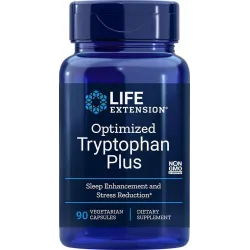
Optimized Tryptophan Plus
Price: 30,81 €Lessen stress, enhance rest, & eat less Your body requires tryptophan to... -
Related posts
-
 Feed Your Brain!
Millions of people around the world are adhering to low-fat, low-cholesterol diets in an effort to reduce the impact...
Feed Your Brain!
Millions of people around the world are adhering to low-fat, low-cholesterol diets in an effort to reduce the impact... -
Lipoic Acid Reverses Mitochondrial Decay
It is estimated that 85% of the oxygen contained in every breath you take is consumed by the mitochondria within each...
-
Vitamin C and Dihydroquercetin
Every day, our bodies are under continual assault by damaging agents known as free radicals. Generally, both internal...
-
How Resveratrol Combats Leading Causes of Death
In 1997, the first scientific paper on resveratrol was published showing that this polyphenol could prevent cancer in...
-
Discovering Coffee's Unique Health Benefits
Every morning, many of us sip our coffee with no real thought given to the beans behind the brew. But coffee beans...