
 English
 Polski
 Deutsch
 Français
 ελληνικά
 Español
 Italiano
Vitamin C and Dihydroquercetin
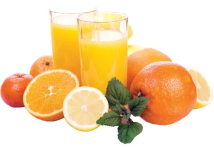 Every day, our bodies are under continual assault by damaging agents known as free radicals. Generally, both internal and dietary antioxidants do an excellent job of keeping free radicals in check. However, once this balance is disrupted, lethal diseases such as cancer, heart disease, lung disease, diabetes, Parkinson’s disease, arthritis, Alzheimer’s disease, and stroke can be initiated.1-3
A wealth of scientific evidence has repeatedly demonstrated that specialized compounds in fresh fruits and vegetables exert critical protection against free-radical assault.4 Of these, vitamin C and plant substances known as flavonoids may be among nature’s most potent natural antioxidants.1-6
Exciting new studies suggest that a flavonoid called dihydroquercetin, in combination with vitamin C, provides even more powerful, synergistic protection against oxidative stress than either substance alone.
Flavonoids: Nature’s “Biological Response Modifiers”
 Scientists have recently begun to attribute many of the beneficial effects of fruits, vegetables, tea, and even red wine to the flavonoid compounds they contain.5,6
Flavonoids perform two important functions in the body. First, they strengthen the body’s immune response to attacks from allergens, viruses, and carcinogens. Second, they act as powerful antioxidants, protecting the body against the oxidative stress and free-radical damage that underlie many cardiovascular, neurological, and diabetic diseases. Studies have shown that those who have increased flavonoid intake clearly demonstrate a decreased incidence and mortality of heart disease.7-10
One of the most important attributes of these flavonoids is their ability to enhance the effects of vitamin C. Vitamin C’s main function in humans is to reduce the dangerous effects of oxidative reactions throughout the body. Unfortunately, because vitamin C is water soluble, it stays in the body for only a very brief time before being excreted. This time frame limits vitamin C’s efficacy.10 Until now, it has been recommended that vitamin C be taken in several doses to maintain optimal benefits. However, flavonoids have been shown to improve the concentration and efficacy of vitamin C throughout the body. This important finding means that you can take less vitamin C while it lasts longer and works harder.11
Dihydroquercetin
One flavonoid, dihydroquercetin, has been found to be extremely beneficial in helping vitamin C re-circulate throughout the body. Additionally, it limits the inactivation or oxidation of vitamin C, which enables vitamin C to last longer in the body.12,13
The addition of this unique flavonoid creates an entirely new way to deliver vitamin C to cells in need of its protection. Now, supplement users can maximize their benefits from longer-lasting and more effective vitamin C.
Dihydroquercetin Fights Cardiovascular Disease
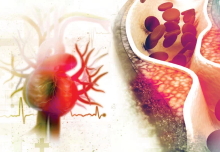 Dihydroquercetin acts in several ways to help avert cardiovascular disease.
Scientists have demonstrated that dihydroquercetin inhibits lipid peroxidation, a process that often leads to atherosclerosis.14,24,32 In an animal study, dihydroquercetin inhibited the peroxidation of serum and liver lipids following exposure to toxic ionizing radiation.33 Dihydroquercetin’s inhibitory effects on lipid peroxidation are enhanced by both vitamin C and vitamin E.34 By inhibiting the oxidation of harmful low-density lipoprotein (LDL), dihydroquercetin may help prevent atherosclerosis.35
Lowering high levels of low-density lipoprotein (LDL) is one the the major goals of anti-cholesterol or statin therapy as used by mainstream physicians. Studies suggest that dihydroquercetin may be helpful in therapeutic efforts to lower LDL by inhibiting the formation of apolipoprotein B, one of the primary components of LDL.36
Other studies have shown that dihydroquercetin lowers serum and liver lipid and cholesterol concentrations in rats.37 A conjugated form of dihydroquercetin known as astilbin inhibits the same enzyme targeted by popular cholesterol-lowering statin drugs such as Lipitor®, Zocor®, and Pravachol®.38
Attacking heart disease from another angle, animal studies showed that dihydroquercetin lowers high blood pressure and normalizes an electrical measure associated with activation of the heart’s pumping chambers (ventricles).39
Synergistic Effects of Vitamin C and Dihydroquercetin
 Unlike plants and most animals, humans cannot manufacture vitamin C within the body and therefore must obtain it from external sources. This has led some scientists, including the late Nobel Prize-winning chemist Linus Pauling, to propose that humans would enjoy better health if they supplemented their diets with an amount of the nutrient proportional to the amount produced in animal species that manufacture their own vitamin C. Moreover, aging adults experience a decrease in vitamin C levels, which may contribute to the development of several degenerative diseases, such as cardiovascular disease, cancer, neurodegenerative conditions, and eye disorders.14-16
The combination of vitamin C and dihydroquercetin offers such tremendous promise in preserving and restoring health that it has been approved as a prescription drug in some parts of the world.
In Russia, a drug known as Ascovertin (a complex of dihydroquercetin and vitamin C) is a popular treatment for many health conditions that share oxidative stress as an underlying mechanism. Since oxidative stress characterizes many of the degenerative conditions associated with aging,1-3 Ascovertin’s potential applications are quite broad.
For example, Ascovertin may have applications in the management of stroke, a crippling, often fatal condition marked by a diminished supply of blood and oxygen to the brain. Studies of the effects of oxygen deprivation in rat brains demonstrated that Ascovertin decreased the damage caused by lack of blood flow. Additionally, Ascovertin restored normal structure and electrochemical activity to nerve synapses, the junctions that allow nerve cells to transmit information.17,18
The Russian Academy of Medical Sciences recently conducted two clinical studies of Ascovertin in 52 patients with impaired blood flow to the brain. Ascovertin was administered for 21 days. The resulting decrease in blood viscosity and blood-clotting tendency improved attention, memory, and mental performance, relieved vertigo, normalized sleep, relieved headaches, and decreased fatigue.19,20 No such changes were observed in the age-matched control patients.
Ascovertin may also protect against some of the damaging consequences of heart attack. Studies in rats showed that Ascovertin inhibits the blood clotting and brain damage that can occur following a heart attack.21,22
The tissues of the eye may benefit from Ascovertin as well. Studies in rats found that Ascovertin inhibits damage to the eye’s retina induced by high-intensity light.23
 A novel bioflavonoid, dihydroquercetin, offers exceptional benefits by enhancing the health-promoting benefits of vitamin C. Dihydroquercetin enhances the effectiveness of vitamin C by extending its period of bioactivity, enhancing its regeneration, and slowing its elimination from the body.
- Dihydroquercetin offers protection against cardiovascular disease by inhibiting several steps in the disease process. Additionally, dihydroquercetin helps guard nervous system health, prevents the complications of dia-betes, protects the liver against hepatitis-inducing agents, fights infection, and quells inflammation that can lead to dermatitis, arthritis, and pain.
- Some of vitamin C’s best-known applications are preventing viral infection, enhancing cancer protection, and averting cardiovascular disease and stroke.
- In some parts of the world, a combination of vitamin C and dihydroquercetin is available as a prescription drug known as Ascovertin. Physicians utilize Ascovertin to manage health conditions that share oxidative stress as an underlying mechanism. Ascovertin has demonstrated efficacy in protecting against stroke, heart attack, and light-induced damage to the eye.
- Consumers in the United States can use the benefits of a dietary supplement combining dihydroquercetin and vitamin C without a prescription.
Common Applications of Vitamin C
Long considered essential to optimal health, vitamin C may offer targeted protection against viral infections, cancer, cardiovascular disease, and stroke.
 Viruses. Vitamin C is widely used to support the immune system’s protection against colds and flus. In adults and children, the preventive use of vitamin C reduced the duration of colds by up to 14%.64 In athletes and soldiers, daily vitamin C intake reduced the incidence of colds by 50%. A recent study found mice that were deficient in vitamin C experienced increased lung tissue damage following infection with the influenza virus. Vitamin C-deficient mice also demonstrated increased expression of pro-inflammatory cytokines. These findings suggest that vitamin C is required for an effective immune response to infection with the influenza virus.65
- Cancer. Vitamin C may offer essential aid in fighting cancer. Higher intakes of vitamin C are associated with a decreased incidence of cancers of the mouth, throat, esophagus, stomach, colon, and lung.64 In 2005, research by the National Institutes of Health found that vitamin C administered intravenously helped kill several strains of cancer cells. This led scientists to note that intravenous vitamin C may be an important tool in fighting cancer, which supports similar findings by Linus Pauling.66 Furthermore, a recent clinical trial documented the safety of high-dose vitamin C in advanced cancer patients.67 Several recent studies indicate that the combination of lysine and proline with vitamin C more effectively inhibits cancer cells than vitamin C alone.68-79
- Cardiovascular Disease and Stroke. Studies indicate that low or deficient intake of vitamin C is associated with an increased risk of cardiovascular disease. Similarly, the risk of death from cardiovacular diseases was found to be 25-42% lower in adults who consumed plentiful amounts of vitamin C through diet and supplements compared to adults who were deficient in vitamin C. Some research suggests that vitamin C supplements are more protective than dietary vitamin C in protecting against heart disease. Higher serum levels of vitamin C have been found to diminish the risk of suffering a stroke by up to 29%. Daily supplementation with vitamin C reduces high blood pressure, a contributor to cardiovascular and stroke risk.64
Dihydroquercetin Supports Nervous System Health
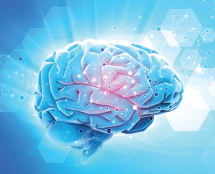 The brain and nervous system are particularly sensitive to the damaging effects of free radicals. As we age, free-radical damage can accumulate in the brain, leading to cognitive decline and other illnesses such as dementia and Alzheimer’s. Maintaining optimal mental function is one of the leading goals of aging baby boomers. Fortunately, dihydroquercetin offers essential protection to critical brain and nerve cells.
To examine methods to protect the brain against injury, scientists used an animal model of stroke. Dihydroquercetin inhibited the expression of enzymes that lead to inflammation. Additionally, dihydroquercetin helped prevent inflammatory white blood cells from attacking and adhering to vulnerable areas of the brain. These actions help provide essential neuroprotection against the free-radical-induced oxidative damage that often occurs when the brain does not receive enough blood and oxygen.27,28,40
In addition to the cognitive decline that often accompanies aging, critical functions such perception, thinking, language, and consciousness can be adversely affected. Protecting the areas of the brain that oversee these functions is another important benefit of dihydroquercetin. In one study, researchers found dihydroquercetin prevented free radicals from causing oxidative damage to crucial nerve cells that oversee these functions.41
By protecting the cells of the brain and central nervous system, dihydroquercetin may help avert some of the most devastating changes associated with aging.
Dihydroquercetin Inhibits Oxidative Stress and Inflammation
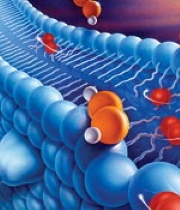 Because of its forceful antioxidant abilities, dihydroquercetin can search for and destroy two of the most dangerous types of free radicals in the body: the superoxide and peroxide radicals. Dihydroquercetin also works overtime to protect red and white blood cells. Studies show that it protects white blood cells from environmental injury and prevents oxidative cell death in red blood cells. The result is a stronger, more vigorous immune system that can aggressively police and protect critical cell units throughout the body.24-26
As Life Extension readers know, inflammation is a key culprit in degenerative diseases such as arthritis, cardiovascular disease, and cancer. Dihydroquercetin has shown its ability to reduce inflammation-producing enzymes such as cyclooxygenase-2 (COX-2) and to inhibit inflammatory mediators, including cytokines.27-30 The COX-2 enzyme has been the focus of extensive pharmaceutical research that has produced drugs such as Vioxx® and Celebrex®. These drugs went on to be implicated in the creation of lethal heart disease. Dihydroquercetin may provide a safe alternative to certain pharmaceuticals used to address inflammation.
Inflammation also makes its presence known through allergic reactions. Histamines are widely recognized as the trigger of most allergic episodes. Dihydroquercetin suppresses the release of histamines, thereby reducing the severity of allergic occurrences.31
Dihydroquercetin Averts Complications of Diabetes
 One of the most dreaded of diseases, diabetes has particularly damaging consequences for the cardiovascular system and the eyes. Dihydroquercetin may offer much-needed support for people who are trying to manage or reverse the effects of type II diabetes.
Scientists have noted that people with type II diabetes are at higher risk for arterial disease. This is partly because type II diabetes increases the capacity of certain white blood cells called neutrophils to adhere to the blood vessel lining, or endothelium.42 This may contribute to vascular disease throughout the body, particularly in the essential blood vessels of the heart. A Russian study found that dihydroquercetin inhibits the pro-inflammatory activity of neutrophils in patients with type II diabetes,43 and thus may help protect the vascular system against the damaging effects of the disease.
In diabetics, dihydroquercetin has been found to protect against two common causes of vision loss: macular degeneration and cataract. Macular degeneration occurs when an area of the eye’s retina that is responsible for detailed vision begins to deteriorate. Dihydroquercetin promotes blood flow to this region of the eye, which offers protection against vision loss. Also, by inhibiting the activity of an enzyme in the eye lens, dihydroquercetin may help to prevent cataract formation in diabetic patients.44,45
Dihydroquercetin Protects Against Liver Damage and Hepatitis
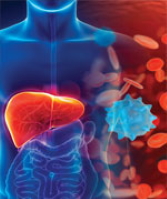 Many chemicals used for industrial and commercial purposes—such as dioxins, dibenzofurans, and carbon tetrachloride—act like poisons in the liver. Some can induce liver toxicity and hepatitis by promoting the peroxidation of lipids.46 Through its powerful antioxidant effects, dihydroquercetin may protect the liver against both toxic exposure and viral infection. When rats were supplemented with dihydroquercetin for four days before being exposed to a chemical formerly used in the dry cleaning and refrigeration industries, they were protected against the toxin’s hepatitis-inducing effects.47
Moreover, in a mouse model of liver injury, dihydroquercetin was more effective than vitamin E in inhibiting the biochemical changes that can lead to hepatitis. Specifically, dihydroquercetin blocked production of pro-inflammatory tumor necrosis factor-alpha as well as the infiltration of immune system cells.48-50
Dihydroquercetin also shows promise in fighting virally induced hepatitis A. The hepatitis A virus is typically contracted through eating unsanitary food. In the laboratory, dihydroquercetin inhibited the replication and pathogenic effects of the hepatitis A virus.51
Supplementation with dihydroquercetin thus offers important benefits for the liver by helping to protect against the damaging effects of exposure to toxins and viral hepatitis infection.
Studies Confirm Safety and Efficacy
Studies indicate that dihydroquercetin is highly safe and efficacious. In fact, research suggests that dihydroquercetin is even safer than its nutritional cousin, quercetin.61,62 No toxic effects were observed in rats that were treated with high levels of dihydroquercetin for long periods of time.63
Dihydroquercetin Alleviates Arthritis Pain, Inflammation
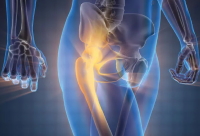 The most common types of arthritis result from either inflammation-induced deterioration of the cartilage in joints (osteoarthritis) or the body’s autoimmune attack against its own joint tissues (rheumatoid arthritis). Dihydroquercetin may offer benefits for both types of arthritis.52,53
One of the important ways in which dihydroquercetin may limit the onset of arthritis is by blocking the expression of inflammatory biochemicals. This action has been shown to avert the development of autoimmune-induced arthritis.53 Additionally, dihydroquercetin inhibits the formation of activated immune cells, which could be effective in treating a variety of autoimmune disorders, including rheumatoid arthritis.31,54
Furthermore, dihydroquercetin may offer natural pain relief. In a study in mice, dihydroquercetin was more potent than aspirin or acetaminophen (Tylenol®) in inhibiting pain and inflammation.55
Dihydroquercetin may thus hold promise in averting the inflammation and autoimmune activity that contribute to arthritis. In existing instances of pain and inflammation, dihydroquercetin may offer natural relief from the discomfort of arthritis.
Dihydroquercetin Provides Immune Support
 Exciting studies indicate that dihydroquercetin may support the fight against two types of serious infection: pneumonia and HIV.
Investigators examined dihydroquercetin’s effects in patients suffering from acute pneumonia. When individuals undergoing standard therapy supplemented with an antioxidant formula featuring dihydroquercetin, they recovered faster from symptoms of lung inflammation compared to patients who underwent traditional therapy alone.56
Preliminary studies may suggest a role for dihydroquercetin in fighting the HIV virus. Dihydroquercetin was recently isolated as the active component in the stem bark of Chinese walnut, a plant extract that selectively kills cells infected with the human immunodeficiency virus.57 Moreover, dihydroquercetin was found to inhibit the activity of an enzyme that viruses such as HIV use to replicate their genetic material.58
Dihydroquercetin Soothes Irritated Skin
In a human study of skin inflammation, dihydroquercetin blocked various biochemicals that contribute to dermatitis.29 Dihydroquercetin alleviates skin inflammation by stimulating a powerful, anti-inflammatory cytokine molecule known as IL-10.59,60 IL-10 helps reduce the skin’s hypersensitivity reactions to external agents, an all-too-common cause of dermatitis.
Conclusion
While people in Russia require a prescription to acquire the many benefits of dihydroquercetin and vitamin C, this broad-spectrum nutrient combination is now readily available as a low-cost dietary supplement to Americans seeking to enhance their health and well-being. By protecting and enhancing vitamin C as it courses through the body, dihydroquercetin dramatically increases the benefits of this important nutrient.
Substantial scientific evidence suggests that this novel combination of nutrients confers powerful, synergistic protection against some of the most common and dangerous diseases of aging, including cardiovascular, neurological, and diabetic disorders. Incorporating vitamin C and dihydroquercetin in a daily supplementation program is a simple, low-cost way to further strengthen the body’s natural antioxidant defenses.
Material used with permission of Life Extension. All rights reserved.
1. Kregel KC, Zhang HJ. An integrated view of oxidative stress in aging: basic mechanisms, functional effects and pathological considerations. Am J Physiol Regul Integr Comp Physiol. 2006 Aug 17.
2. Harman D. Free radical theory of aging: an update: increasing the functional life span. Ann NY Acad Sci. 2006 May;1067:10-21.
3. Valko M, Leibfritz D, Moncol J, Cronin MT, Mazur M, Telser J. Free radicals and antioxidants in normal physiological functions and human disease. Int J Biochem Cell Biol. 2006 Aug 4; [Epub ahead of print]
4. Halvorsen BL, Carlsen MH, Phillips KM, Bohn SK, Holte K, Jacobs DR Jr, Blomhoff R. Content of redox-active compounds (ie, antioxidants) in foods consumed in the United States. Am J Clin Nutr. 2006 Jul;84(1):95-135.
5. Available at: http://en.wikipedia.org/wiki/Bioflavonoids. Accessed October 10, 2006.
6. Ross JA, Kasum CM. Dietary flavonoids: bioavailability, metabolic effects, and safety. Annu Rev Nutr. 2002;22:19-34.
7. Hertog MG, Kromhout D, Aravanis C, et al. Flavonoid intake and long-term risk of coronary heart disease and cancer in the seven countries study. Arch Intern Med. 1995 Feb 27;155(4):381-6.
8. Knekt P, Kumpulainen J, Jarvinen R, et al. Flavonoid intake and risk of chronic diseases. Am J Clin Nutr. 2002 Sep;76(3):560-8.
9. Landrault N, Larronde F, Delaunay JC, et al. Levels of stilbene oligomers and astilbin in French varietal wines and in grapes during noble rot development. J Agric Food Chem. 2002 Mar 27;50(7):2046-52.
10. Available at: http://en.wikipedia.org/wiki/Vitamin_c. Accessed October 10, 2006.
11. Vinson JA, Bose P. Comparative bioavailability to humans of ascorbic acid alone or in a citrus extract. Am J Clin Nutr. 1988 Sep;48(3):601-4.
12. Harper KA, Morton AD, Rolfe EJ. Phenolic compounds of black currant juice and their effect on ascorbic acid. III Mechanism of ascorbic acid oxidation and its inhibition by flavonoids. J Food Tech. 1969;4:255-67.
13. Nijveldt RJ, van NE, van Hoorn DE, et al. Flavonoids: a review of probable mechanisms of action and potential applications. Am J Clin Nutr. 2001 Oct;74(4):418-25.
14. van der LB, Bachschmid M, Spitzer V, et al. Decreased plasma and tissue levels of vitamin C in a rat model of aging: implications for antioxidative defense. Biochem Biophys Res Commun. 2003 Apr 4;303(2):483-7.
15. Jacob RA, Sotoudeh G. Vitamin C function and status in chronic disease. Nutr Clin Care. 2002 Mar;5(2):66-74.
16. Bsoul SA, Terezhalmy GT. Vitamin C in health and disease. J Contemp Dent Pract. 2004 May 15;5(2):1-13.
17. Logvinov SV, Pugachenko NV, Potapov AV, et al. Ischemia-induced changes in synaptoarchitectonics of brain cortex and their correction with ascovertin and Leuzea extract. Bull Exp Biol Med. 2001 Oct;132(4):1017-20.
18. Plotnikov MB, Logvinov SV, Pugachenko NV, et al. Cerebroprotective effects of diquertin and ascorbic acid. Bull Exp Biol Med. 2000 Nov;130(11):1080-3.
19. Plotnikov MB, Plotnikov DM, Aliev OI, et al. Hemorheological and antioxidant effects of Ascovertin in patients with sclerosis of cerebral arteries. Clin Hemorheol Microcirc. 2004;30(3-4):449-52.
20. Plotnikov MB, Plotnikov DM, Alifirova VM, et al. Clinical efficacy of a novel hemorheological drug ascovertin in patients with vascular encephalopathy. Zh Nevrol Psikhiatr Im SS Korsakova. 2004;104(12):33-7.
21. Plotnikov MB, Aliev OI, Maslov MJ, Vasiliev AS, Tjukavkina NA. Correction of the high blood viscosity syndrome by a mixture of Diquertin and ascorbic acid in vitro and in vivo. Phytother Res . 2003 Mar;17(3):276-8.
22. Plotnikov MB, Aliev OI, Maslov MJ, Vasiliev AS, Tjukavkina NA. Correction of haemorheological disturbances in myocardial infarction by diquertin and ascorbic acid. Phytother Res. 2003 Jan;17(1):86-8.
23. Logvinov SV, Plotnikov MB, Varakuta EY, et al. Effect of ascovertin on morphological changes in rat retina exposed to high-intensity light. Bull Exp Biol Med. 2005 Nov;140(5):578-81.
24. Potapovich AI, Kostyuk VA. Comparative study of antioxidant properties and cytoprotective activity of flavonoids. Biochemistry (Mosc.). 2003 May;68(5):514-9.
25. Haraguchi H, Mochida Y, Sakai S, et al. Protection against oxidative damage by dihydroflavonols in Engelhardtia chrysolepis. Biosci Biotechnol Biochem. 1996 Jun;60(6):945-8.
26. Kostyuk VA, Potapovich AI. Antiradical and chelating effects in flavonoid protection against silica-induced cell injury. Arch Biochem Biophys. 1998 Jul 1;355(1):43-8.
27. Wang YH, Wang WY, Chang CC, et al. Taxifolin ameliorates cerebral ischemia-reperfusion injury in rats through its anti-oxidative effect and modulation of NF-kappa B activation. J Biomed Sci. 2006 Jan;13(1):127-41.
28. Soliman KF, Mazzio EA. In vitro attenuation of nitric oxide production in C6 astrocyte cell culture by various dietary compounds. Proc Soc Exp Biol Med. 1998 Sep;218(4):390-7.
29. Bito T, Roy S, Sen C,K et al. Flavonoids differentially regulate IFN gamma-induced ICAM-1 expression in human keratinocytes: molecular mechanisms of action. FEBS Lett. 2002 Jun 5;520(1-3):145-52.
30. Devi MA, Das NP. In vitro effects of natural plant polyphenols on the proliferation of normal and abnormal human lymphocytes and their secretions of interleukin-2. Cancer Lett. 1993 May 14;69(3):191-6.
31. Bronner C, Landry Y. Kinetics of the inhibitory effect of flavonoids on histamine secretion from mast cells. Agents Actions. 1985 Apr;16(3-4):147-51.
32. Kravchenko LV, Morozov SV, Tutel’yan VA. Effects of flavonoids on the resistance of microsomes to lipid peroxidation in vitro and ex vivo. Bull Exp Biol Med. 2003 Dec;136(6):572-5.
33. Teselkin YO, Babenkova IV, Tjukavkina NA, et al. Influence of dihydroquercetin on the lipid peroxidation of mice during post-radiation period. Phytotherapy Research. 1998;12:517-9.
34. Vasiljeva OV, Lyubitsky OB, Klebanov GI, Vladimirov YA. Effect of the combined action of flavonoids, ascorbate and alpha-tocopherol on peroxidation of phospholipid liposomes induced by Fe2+ ions. Membr Cell Biol. 2000;14(1):47-56.
35. Kostyuk VA, Kraemer T, Sies H, Schewe T. Myeloperoxidase/nitrite-mediated lipid peroxidation of low-density lipoprotein as modulated by flavonoids. FEBS Lett. 2003 Feb 27;537(1-3):146-50.
36. Casaschi A, Rubio BK, Maiyoh GK, Theriault AG. Inhibitory activity of diacylglycerol acyltransferase (DGAT) and microsomal triglyceride transfer protein (MTP) by the flavonoid, taxifolin, in HepG2 cells: potential role in the regulation of apolipoprotein B secretion. Atherosclerosis. 2004 Oct;176(2):247-53.
37. Igarashi K, Uchida Y, Murakami N, Mizutani K, Masuda H. Effect of astilbin in tea processed from leaves of Engelhardtia chrysolepis on the serum and liver lipid concentrations and on the erythrocyte and liver antioxidative enzyme activities of rats. Biosci Biotechnol Biochem. 1996 Mar;60(3):513-5.
38. Chen TH, Liu JC, Chang JJ, et al. The in vitro inhibitory effect of flavonoid astilbin on 3-hydroxy-3-methylglutaryl coenzyme A reductase on Vero cells. Zhonghua Yi Xue Za Zhi (Taipei). 2001 Jul;64(7):382-7.
39. Tikhonov VP, Makarova MN, Zajtseva MA, Makarov VG. Efficacy of (±)-taxifolin from Larix sibirica (Mûnchh.) Ledeb. on blood pressure in experiments in vivo. Planta Med. 2006;72:174.
40. Wang YH, Wang WY, Liao JF, et al. Prevention of macrophage adhesion molecule-1 (Mac-1)-dependent neutrophil firm adhesion by taxifolin through impairment of protein kinase-dependent NADPH oxidase activation and antagonism of G protein-mediated calcium influx. Biochem Pharmacol. 2004 Jun 15;67(12):2251-62.
41. Dok-Go H, Lee KH, Kim HJ, et al. Neuroprotective effects of antioxidative flavonoids, quercetin, (+)-dihydroquercetin and quercetin 3-methyl ether, isolated from Opuntia ficus-indica var. saboten. Brain Res. 2003 Mar 7;965(1-2):130-6.
42. van Oostrom AJ, van Wijk JP, Sijmonsma TP, Rabelink TJ, Castro CM. Increased expression of activation markers on monocytes and neutrophils in type 2 diabetes. Neth J Med. 2004 Oct;62(9):320-5.
43. Fedosova NF, Alisievich SV, Lyadov KV, et al. Mechanisms underlying diquertin-mediated regulation of neutrophil function in patients with non-insulin-dependent diabetes mellitus. Bull Exp Biol Med. 2004 Feb;137(2):143-6.
44. Haraguchi H, Ohmi I, Fukuda A, et al. Inhibition of aldose reductase and sorbitol accumulation by astilbin and taxifolin dihydroflavonols in Engelhardtia chrysolepis. Biosci Biotechnol Biochem. 1997 Apr;61(4):651-4.
45. Haraguchi H, Ohmi I, Masuda H, et al. Inhibition of aldose reductase by dihydroflavonols in Engelhardtia chrysolepis and effects on other enzymes. Experientia. 1996 Jun 15;52(6):564-7.
46. Batt AM, Ferrari L. Manifestations of chemically induced liver damage. Clin Chem. 1995 Dec;41(12 Pt 2):1882-7.
47. Teselkin YO, Babenkova IV, Kolhir VK, et al. Dihydroquercetin as a means of antioxidative defence in rats with tetrachloromethane hepatitis. Phytother Res. 2000 May;14(3):160-2.
48. Wang J, Zhao Y, Xu Q. Astilbin prevents concanavalin A-induced liver injury by reducing TNF-alpha production and T lymphocytes adhesion. J Pharm Pharmacol. 2004 Apr;56(4):495-502.
49. Xu Q, Wu F, Cao J, et al. Astilbin selectively induces dysfunction of liver-infiltrating cells—novel protection from liver damage. Eur J Pharmacol. 1999 Jul 14;377(1):93-100.
50. Closa D, Torres M, Hotter G, et al. Prostanoids and free radicals in Cl4C-induced hepatotoxicity in rats: effect of astilbin. Prostaglandins Leukot Essent Fatty Acids. 1997 Apr;56(4):331-4.
51. Biziagos E, Crance JM, Passagot J, Deloince R. Effect of antiviral substances on hepatitis A virus replication in vitro. J Med Virol. 1987 May;22(1):57-66.
52. Gupta MB, Bhalla TN, Gupta GP, Mitra CR, Bhargava KP. Anti-inflammatory activity of taxifolin. Jpn J Pharmacol. 1971 Jun;21(3):377-82.
53. Cai Y, Chen T, Xu Q. Astilbin suppresses collagen-induced arthritis via the dysfunction of lymphocytes. Inflamm Res. 2003 Aug;52(8):334-40.
54. Yan R, Xu Q. Astilbin selectively facilitates the apoptosis of interleukin-2-dependent phytohemagglutinin-activated Jurkat cells. Pharmacol Res. 2001 Aug;44(2):135-+9.
55. Cechinel-Filho V, Vaz ZR, Zunino L, Calixto JB, Yunes RA. Antinociceptive and anti-oedematogenic properties of astilbin, taxifolin and some related compounds. Arzneimittelforschung. 2000 Mar;50(3):281-5.
56. Kolhir VK, Bykov VA, Teselkin YO, et al. Use of a new antioxidant diquertin as an adjuvant in the therapy of patients with acute pneumonia. Phytotherapy Research. 1998;12:606-8.
57. Min BS, Lee HK, Lee SM, et al. Anti-human immunodeficiency virus-type 1 activity of constituents from Juglans mandshurica. Arch Pharm Res. 2002 Aug;25(4):441-5.
58. Chu SC, Hsieh YS, Lin JY. Inhibitory effects of flavonoids on Moloney murine leukemia virus reverse transcriptase activity. J Nat Prod. 1992 Feb;55(2):179-83.
59. Fei M, Wu X, Xu Q. Astilbin inhibits contact hypersensitivity through negative cytokine regulation distinct from cyclosporin A. J Allergy Clin Immunol. 2005 Dec;116(6):1350-6.
60. Cai Y, Chen T, Xu Q. Astilbin suppresses delayed-type hypersensitivity by inhibiting lymphocyte migration. J Pharm Pharmacol. 2003 May;55(5):691-6.
61. Bjeldanes LF, Chang GW. Mutagenic activity of quercetin and related compounds. Science. 1977 Aug 5;197(4303):577-8.
62. Nagao M, Morita N, Yahagi T, et al. Mutagenicities of 61 flavonoids and 11 related compounds. Environ Mutagen. 1981;3(4):401-19.
63. Booth AN, Deeds F. The toxicity and metabolism of dihydroquercetin. J Am Pharm Assoc Am Pharm Assoc (Baltim.). 1958 Mar;47(3, Part 1):183-4.
64. Available at: http://lpi.oregonstate.edu/infocenter/vitamins/vitaminC/. Accessed October 11, 2006.
65. Li W, Maeda N, Beck MA. Vitamin C deficiency increases the lung pathology of influenza virus-infected gulo-/- mice. J Nutr. 2006 Oct;136(10):2611-6.
66. Chen Q, Espey MG, Krishna MC, et al. Pharmacologic ascorbic acid concentrations selectively kill cancer cells: action as a pro-drug to deliver hydrogen peroxide to tissues. Proc Natl Acad Sci USA. 2005 Sep 20;102(38):13604-9.
67. Riordan HD, Casciari JJ, Gonzalez MJ, et al. A pilot clinical study of continuous intravenous ascorbate in terminal cancer patients. PR Health Sci J. 2005 Dec;24(4):269-76.
68. Roomi MW, Ivanov V, Kalinovsky T, Niedzwiecki A, Rath M. Inhibition of malignant mesothelioma cell matrix metalloproteinase production and invasion by a novel nutrient mixture. Exp Lung Res. 2006 Mar;32(3-4):69-79.
69. Roomi MW, Ivanov V, Kalinovsky T, Niedzwiecki A, Rath M. Antitumor effect of ascorbic acid, lysine, proline, arginine, and green tea extract on bladder cancer cell line T-24. Int J Urol. 2006 Apr;13(4):415-9.
70. Roomi MW, Ivanov V, Kalinovsky T, Niedzwiecki A, Rath M. In vivo and in vitro antitumor effect of ascorbic acid, lysine, proline, arginine, and green tea extract on human fibrosarcoma cells HT-1080. Med Oncol. 2006;23(1):105-11.
71. Roomi MW, Ivanov V, Kalinovsky T, Niedzwiecki A, Rath M. Inhibition of matrix metalloproteinase-2 secretion and invasion by human ovarian cancer cell line SK-OV-3 with lysine, proline, arginine, ascorbic acid and green tea extract. J Obstet Gynaecol Res. 2006 Apr;32(2):148-54.
72. Roomi MW, Ivanov V, Netke S, et al. In vivo and in vitro antitumor effect of ascorbic acid, lysine, proline and green tea extract on human melanoma cell line A2058. In Vivo. 2006 Jan;20(1):25-32.
73. Roomi MW, Roomi N, Ivanov V, et al. Inhibitory effect of a mixture containing ascorbic acid, lysine, proline and green tea extract on critical parameters in angiogenesis. Oncol Rep.2005 Oct;14(4):807-15.
74. Roomi MW, Roomi NW, Ivanov V, et al. Modulation of N-methyl-N-nitrosourea induced mammary tumors in Sprague-Dawley rats by combination of lysine, proline, arginine, ascorbic acid and green tea extract. Breast Cancer Res. 2005;7(3):R291-5.
75. Roomi MW, Ivanov V, Kalinovsky T, Niedzwiecki A, Rath M. In vitro and in vivo antitumorigenic activity of a mixture of lysine, proline, ascorbic acid, and green tea extract on human breast cancer lines MDA-MB-231 and MCF-7. Med Oncol. 005;22(2):129-38.
76. Roomi MW, Ivanov V, Kalinovsky T, Niedzwiecki A, Rath M. Antitumor effect of a combination of lysine, proline, arginine, ascorbic acid, and green tea extract on pancreatic cancer cell line MIA PaCa-2. Int J Gastrointest Cancer. 2005;35(2):97-102.
77. Roomi MW, Ivanov V, Kalinovsky T, Niedzwiecki A, Rath M. In vivo antitumor effect of ascorbic acid, lysine, proline and green tea extract on human prostate cancer PC-3 xenografts in nude mice: evaluation of tumor growth and immunohistochemistry. In Vivo. 2005 Jan;19(1):179-83.
78. Roomi MW, Ivanov V, Kalinovsky T, Niedzwiecki A, Rath M. In vivo antitumor effect of ascorbic acid, lysine, proline and green tea extract on human colon cancer cell HCT 116 xenografts in nude mice: evaluation of tumor growth and immunohistochemistry. Oncol Rep. 2005 Mar;13(3):421-5.
79. Roomi MW, Ivanov V, Kalinovsky T, Niedzwiecki A, Rath M. Antitumor effect of nutrient synergy on human osteosarcoma cells U-2OS, MNNG-HOS and Ewing’s sarcoma SK-ES.1. Oncol Rep. 2005 Feb;13(2):253-7.
Related product
-
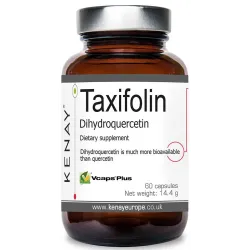
TAXIFOLIN Dihydroquercetin
Price: 26,92 €Strong antioxidant and anti-inflammatory properties Inhibits inflammation...
Related posts
-
 Rebuild Aging Joints!
In this article, you will learn about UC-II®, or undenatured type II collagen, a novel intervention for both...
Rebuild Aging Joints!
In this article, you will learn about UC-II®, or undenatured type II collagen, a novel intervention for both... -
Is Conventional Pomegranate Extract Enough?
An abundance of clinical data has established pomegranate as a broad-spectrum, multi-modal defense against the...
-
Next-Generation Nutrients for Rapid Relief of Joint Pain
In recent years, adults seeking relief from the crippling pain of arthritis have had to choose between expensive,...
-
Feed Your Brain!
Millions of people around the world are adhering to low-fat, low-cholesterol diets in an effort to reduce the impact...
-
Lipoic Acid Reverses Mitochondrial Decay
It is estimated that 85% of the oxygen contained in every breath you take is consumed by the mitochondria within each...