
 English
 Polski
 Deutsch
 Français
 ελληνικά
 Español
 Italiano
The High Risk of Low Magnesium
 Magnesium is required for the function of over 300 enzymes in the body.1,2
A deficiency of this mineral has been tied to increased risk for body-wide health conditions including osteoporosis,3,4 cardiovascular and metabolic disease,3-5 cognitive decline,4 and dementia.4
It’s estimated that about 60% of Americans don’t get enough magnesium from their diet,6 making supplementation important for many individuals.7
The potential benefits can be enormous:
- In an observational study, men with a higher intake of magnesium had a 41% lower stroke risk compared to those with a lower intake.8
- In a prospective study, older women with higher magnesium intake had a 12% reduced risk of frailty as compared to those with the lowest intake.9
- In another prospective study of adults with or at risk for osteoporosis, women with the highest dietary magnesium intake reduced their fracture risk by up to 62%; in men this risk was reduced by 53%.10
- In people with or at risk for type II diabetes, taking magnesium improved glucose control11-13 and insulin sensitivity.11,14
- In a clinical trial of individuals with metabolic syndrome and low magnesium levels, supplementation with magnesium significantly reduced multiple cardiovascular risk factors in a clinical trial.15
These favorable human data have caused magnesium supplementation to surge upward in recent years.
What you need to know: The Importance of Magnesium
 Magnesium plays critical roles throughout the body and is required for over 300 enzymatic reactions.
- Most Americans do not get enough magnesium, placing them at higher risk for cardiovascular disease, type II diabetes, and other chronic diseases.
- Magnesium intake has been shown to improve cognition, support cardiovascular and metabolic health, lower stroke risk, improve insulin sensitivity and glucose control, and promote bone strength.
Magnesium Deficits
In the U.S., about 45% of the overall population are magnesium deficient.6,16
This poses serious health risks.6,7,17 Magnesium has been shown to:
- Facilitate cellular energy production,17,18
- Support DNA synthesis and repair,3,19 and
- Counter chronic inflammation.20,21
Multiple body systems and functions depend on adequate magnesium and suffer when deficiency occurs.17,22
Cardiovascular Effects
 Blood levels of magnesium are strongly associated with cardiovascular risk.23,24
An epidemiological study of 3,523 men aged 60-79, with no prior history of cardiovascular disease, found that heart failure risk declined with rising magnesium levels, particularly in men who were at a higher risk of ischemia.25
Higher magnesium consumption is also associated with lower stroke risk. One observational study found that men in the top 30% of magnesium intake had a 41% reduction in stroke risk compared to those in the bottom 10% of magnesium intake.8
Magnesium helps regulate blood pressure by a variety of mechanisms, including improving dilation of blood vessels.26 In one intervention study of patients with essential hypertension, 300 mg magnesium supplementation for a month resulted in a significant reduction in both systolic and diastolic blood pressure.27
A meta-analysis of seven randomized controlled clinical trials found that magnesium supplementation improved endothelial function,28 a critical determinant of vascular health and overall cardiovascular risk.29
A meta-analysis of human trials found that 300 mg per day of magnesium supplementation for a duration of one month in hypertensive patients reduced
systolic and diastolic blood pressure.30
Patients with low magnesium levels are more susceptible to arrhythmias (irregular heartbeat).31,32 Magnesium deficiency is common among individuals with congestive heart failure or those undergoing diuretic therapy. Magnesium supplementation helps maintain normal heart rhythm in high-risk individuals.7
In a clinical study of adults with metabolic syndrome and magnesium deficiency, taking magnesium significantly improved multiple parameters of metabolic disease and cardiovascular complications, including blood pressure, fasting glucose, triglycerides, and HDL (“good”) cholesterol.15
 All forms of magnesium are absorbed in the body. The key to maintaining optimal magnesium levels is regular supplementation and adherence to the recommended dosage on the product label. Oral magnesium comes in many different forms, including the following:
- Magnesium glycinate combines magnesium with the amino acid glycine,42 enhancing its stability and solubility.43 This compound is easily absorbed in the small intestine, is well tolerated and is associated with fewer gastrointestinal side effects.44 Magnesium glycinate is a good option for those who have gastrointestinal distress with other forms.
- Magnesium citrate is more soluble than magnesium oxide,47 which allows for quick release in a form that is readily absorbed for shorter-term benefits.
- Magnesium oxide is less soluble than magnesium citrate but contains a higher percentage of elemental magnesium per single dose.45 It is commonly used for maintaining bowel regularity by people with chronic constipation and for supporting healthy magnesium levels.46
- Magnesium L-threonate has demonstrated brain health benefits in adults with cognitive dysfunction.35
- Magnesium acetyl taurate is rapidly absorbed in the body and has been shown to help manage anxiety.48,49
- Magnesium carbonate has been shown to help relieve gastrointestinal symptoms such as heartburn and constipation.50
Some forms, such as magnesium citrate and glycinate, offer high solubility, making them ideal for delivering a lower dose of elemental magnesium in a single dose. Other forms offer a higher concentration of elemental magnesium in a single dose, making it desirable for multi-ingredient products that aim to deliver higher concentrations of elemental magnesium without increasing the number of pills.45
Promoting Brain Health
 In the brain, magnesium plays key roles in cognitive function, including learning and memory.33,34
In adults aged 50-70 years with cognitive impairment, one form of magnesium, magnesium threonate, improved overall cognitive ability. By the end of a 12-week randomized trial, magnesium supplementation improved measures of brain aging by nine years.35
In another trial of patients with mild to moderate dementia, magnesium led to improvements in cognitive function after 12 weeks. Increased levels of magnesium in red blood cells were also associated with improvement in executive function (which includes mental skills like problem-solving and organizing) and overall cognition in some patients.36
Blood Sugar Control
Many enzymes that rely on magnesium are involved in insulin function and the metabolism of blood
glucose.2,5,37
Observational studies show that the lower the dietary magnesium intake, the higher the risk of developing diabetes.5,37,38
In clinical studies of people with type II diabetes or at high risk of developing it, taking magnesium:
- Improved control of glucose and A1C (which measures glucose levels over time),11-13
- Enhanced insulin sensitivity,14 and
- Positively affected metabolic pathways.39
These effects may reduce damage inflicted by type II diabetes and help delay its development.
 Magnesium and vitamin D are linked in the following ways:
- Vitamin D supports optimal absorption of magnesium in the intestines.1,17,51
- Magnesium is required for vitamin D activation. Vitamin D must be converted into its active, useful form in the body by enzymes that require magnesium.1,17
- Vitamin D transport to tissues relies on the vitamin D-binding protein, which requires magnesium to function.1
If either nutrient is lacking, the other suffers as well. It’s vital to get enough of both.
Stronger Bones
 Magnesium is necessary for bone remodeling, the process by which old bone is broken down and new bone is formed.40,41
This explains why about half of all magnesium in the body is stored in the bones.3
Magnesium deficiency is associated with a decrease in bone mass and an increase in inflammation and tissue damage, which can lead to osteoporosis.2,41
In a prospective study of 3,765 participants ranging from 45 to 79 years old, those with the highest magnesium intake reduced their fracture risk over eight years by 53% for men and 62% for women.10
The benefits of magnesium are evident throughout the body.
Summary
Magnesium promotes health throughout the body, and a deficiency increases the risk of chronic health problems.
Higher magnesium intake or blood levels have been shown to improve cardiovascular health, reduce stroke risk, enhance cognitive function, improve blood sugar regulation, and strengthen bones.
Material used with permission of Life Extension. All rights reserved.
- Uwitonze AM, Razzaque MS. Role of Magnesium in Vitamin D Activation and Function. J Am Osteopath Assoc. 2018 Mar 1;118(3):181-9.
- de Baaij JH, Hoenderop JG, Bindels RJ. Magnesium in man: implications for health and disease. Physiol Rev. 2015 Jan;95(1):1-46.
- Available at: https://ods.od.nih.gov/factsheets/Magnesium-HealthProfessional/. Accessed September, 19, 2023.
- Barbagallo M, Veronese N, Dominguez LJ. Magnesium in Aging, Health and Diseases. Nutrients. 2021 Jan 30;13(2).
- Piuri G, Zocchi M, Della Porta M, et al. Magnesium in Obesity, Metabolic Syndrome, and Type 2 Diabetes. Nutrients. 2021 Jan 22;13(2).
- Workinger JL, Doyle RP, Bortz J. Challenges in the Diagnosis of Magnesium Status. Nutrients. 2018 Sep 1;10(9).
- DiNicolantonio JJ, O’Keefe JH, Wilson W. Subclinical magnesium deficiency: a principal driver of cardiovascular disease and a public health crisis. Open Heart. 2018;5(1):e000668.
- Bain LK, Myint PK, Jennings A, et al. The relationship between dietary magnesium intake, stroke and its major risk factors, blood pressure and cholesterol, in the EPIC-Norfolk cohort. Int J Cardiol. 2015 Oct 1;196:108-14.
- Struijk EA, Fung TT, Bischoff-Ferrari HA, et al. Total magnesium intake and risk of frailty in older women. J Cachexia Sarcopenia Muscle. 2024 Aug;15(4):1275-82.
- Veronese N, Stubbs B, Solmi M, et al. Dietary magnesium intake and fracture risk: data from a large prospective study. Br J Nutr. 2017 Jun;117(11):1570-6.
- WA EL, Naser IA, Taleb MH, et al. The Effects of Oral Magnesium Supplementation on Glycemic Response among Type 2 Diabetes Patients. Nutrients. 2018 Dec 26;11(1).
- Song Y, He K, Levitan EB, et al. Effects of oral magnesium supplementation on glycaemic control in Type 2 diabetes: a meta-analysis of randomized double-blind controlled trials. Diabet Med. 2006 Oct;23(10):1050-6.
- Solati M, Ouspid E, Hosseini S, et al. Oral magnesium supplementation in type II diabetic patients. Med J Islam Repub Iran. 2014;28:67.
- Mooren FC, Kruger K, Volker K, et al. Oral magnesium supplementation reduces insulin resistance in non-diabetic subjects - a double-blind, placebo-controlled, randomized trial. Diabetes Obes Metab. 2011 Mar;13(3):281-4.
- Rodriguez-Moran M, Simental-Mendia LE, Gamboa-Gomez CI, et al. Oral Magnesium Supplementation and Metabolic Syndrome: A Randomized Double-Blind Placebo-Controlled Clinical Trial. Adv Chronic Kidney Dis. 2018 May;25(3):261-6.
- Costello RB, Elin RJ, Rosanoff A, et al. Perspective: The Case for an Evidence-Based Reference Interval for Serum Magnesium: The Time Has Come. Adv Nutr. 2016 Nov;7(6):977-93.
- Data on file.
- Chen HY, Cheng FC, Pan HC, et al. Magnesium enhances exercise performance via increasing glucose availability in the blood, muscle, and brain during exercise. PLoS One. 2014;9(1):e85486.
- Petrovic J, Stanic D, Dmitrasinovic G, et al. Magnesium Supplementation Diminishes Peripheral Blood Lymphocyte DNA Oxidative Damage in Athletes and Sedentary Young Man. Oxid Med Cell Longev. 2016;2016(1):2019643.
- Veronese N, Pizzol D, Smith L, et al. Effect of Magnesium Supplementation on Inflammatory Parameters: A Meta-Analysis of Randomized Controlled Trials. Nutrients. 2022 Feb 5;14(3).
- Nielsen FH. Magnesium deficiency and increased inflammation: current perspectives. J Inflamm Res. 2018;11:25-34.
- Kostov K, Halacheva L. Role of Magnesium Deficiency in Promoting Atherosclerosis, Endothelial Dysfunction, and Arterial Stiffening as Risk Factors for Hypertension. Int J Mol Sci. 2018 Jun 11;19(6).
- Rosique-Esteban N, Guasch-Ferre M, Hernandez-Alonso P, et al. Dietary Magnesium and Cardiovascular Disease: A Review with Emphasis in Epidemiological Studies. Nutrients. 2018 Feb 1;10(2).
- Ye L, Zhang C, Duan Q, et al. Association of Magnesium Depletion Score With Cardiovascular Disease and Its Association With Longitudinal Mortality in Patients With Cardiovascular Disease. J Am Heart Assoc. 2023 Sep 19;12(18):e030077.
- Wannamethee SG, Papacosta O, Lennon L, et al. Serum magnesium and risk of incident heart failure in older men: The British Regional Heart Study. Eur J Epidemiol. 2018 Sep;33(9):873-82.
- AlShanableh Z, Ray EC. Magnesium in hypertension: mechanisms and clinical implications. Front Physiol. 2024;15:1363975.
- Banjanin N, Belojevic G. Changes of Blood Pressure and Hemodynamic Parameters after Oral Magnesium Supplementation in Patients with Essential Hypertension-An Intervention Study. Nutrients. 2018 May 8;10(5).
- Darooghegi Mofrad M, Djafarian K, Mozaffari H, et al. Effect of magnesium supplementation on endothelial function: A systematic review and meta-analysis of randomized controlled trials. Atherosclerosis. 2018 Jun;273:98-105.
- Reriani MK, Lerman LO, Lerman A. Endothelial function as a functional expression of cardiovascular risk factors. Biomark Med. 2010 Jun;4(3):351-60.
- Zhang X, Li Y, Del Gobbo LC, et al. Effects of Magnesium Supplementation on Blood Pressure: A Meta-Analysis of Randomized Double-Blind Placebo-Controlled Trials. Hypertension. 2016 Aug;68(2):324-33.
- Tangvoraphonkchai K, Davenport A. Magnesium and Cardiovascular Disease. Adv Chronic Kidney Dis. 2018 May;25(3):251-60.
- Negru AG, Pastorcici A, Crisan S, et al. The Role of Hypomagnesemia in Cardiac Arrhythmias: A Clinical Perspective. Biomedicines. 2022 Sep 21;10(10).
- Slutsky I, Abumaria N, Wu LJ, et al. Enhancement of learning and memory by elevating brain magnesium. Neuron. 2010 Jan 28;65(2):165-77.
- Zhang C, Hu Q, Li S, et al. A Magtein((R)), Magnesium L-Threonate-Based Formula Improves Brain Cognitive Functions in Healthy Chinese Adults. Nutrients. 2022 Dec 8;14(24).
- Liu G, Weinger JG, Lu ZL, et al. Efficacy and Safety of MMFS-01, a Synapse Density Enhancer, for Treating Cognitive Impairment in Older Adults: A Randomized, Double-Blind, Placebo-Controlled Trial. J Alzheimers Dis. 2016;49(4):971-90.
- Wroolie TE, Watson K, Chen K, et al. Open Label Trial of Magnesium L-Threonate in Patients with Dementia. Innov Aging. 2017 Jul Jun 30;1(Suppl 1):170. doi: 10.1093/geroni/igx004.661. eCollection 2017 Jul.
- Kostov K. Effects of Magnesium Deficiency on Mechanisms of Insulin Resistance in Type 2 Diabetes: Focusing on the Processes of Insulin Secretion and Signaling. Int J Mol Sci. 2019 Mar 18;20(6).
- Dong JY, Xun P, He K, et al. Magnesium intake and risk of type 2 diabetes: meta-analysis of prospective cohort studies. Diabetes Care. 2011 Sep;34(9):2116-22.
- Chacko SA, Sul J, Song Y, et al. Magnesium supplementation, metabolic and inflammatory markers, and global genomic and proteomic profiling: a randomized, double-blind, controlled, crossover trial in overweight individuals. Am J Clin Nutr. 2011 Feb;93(2):463-73.
- Castiglioni S, Cazzaniga A, Albisetti W, et al. Magnesium and osteoporosis: current state of knowledge and future research directions. Nutrients. 2013 Jul 31;5(8):3022-33.
- Liu L, Luo P, Wen P, et al. The role of magnesium in the pathogenesis of osteoporosis. Front Endocrinol (Lausanne). 2024;15:1406248.
- Schuette SA, Lashner BA, Janghorbani M. Bioavailability of magnesium diglycinate vs magnesium oxide in patients with ileal resection. JPEN J Parenter Enteral Nutr. 1994 Sep-Oct;18(5):430-5.
- Pardo MR, Garicano Vilar E, San Mauro Martin I, et al. Bioavailability of magnesium food supplements: A systematic review. Nutrition. 2021 Sep;89:111294.
- Uberti F, Morsanuto V, Ruga S, et al. Study of Magnesium Formulations on Intestinal Cells to Influence Myometrium Cell Relaxation. Nutrients. 2020 Feb 22;12(2).
- Blancquaert L, Vervaet C, Derave W. Predicting and Testing Bioavailability of Magnesium Supplements. Nutrients. 2019 Jul 20;11(7).
- Mori H, Tack J, Suzuki H. Magnesium Oxide in Constipation. Nutrients. 2021 Jan 28;13(2).
- Schuchardt JP, Hahn A. Intestinal Absorption and Factors Influencing Bioavailability of Magnesium-An Update. Curr Nutr Food Sci. 2017 Nov;13(4):260-78.
- Uysal N, Kizildag S, Yuce Z, et al. Timeline (Bioavailability) of Magnesium Compounds in Hours: Which Magnesium Compound Works Best? Biol Trace Elem Res. 2019 Jan;187(1):128-36.
- Synapharm Internal Study. Efficiency of a magnesium salt (ATA MG® 770mg) on premenopausal syndrome: a clinical study report. Data on file. 2022.
- Hillier K. Magnesium Carbonate. In: Enna SJ, Bylund DB, editors. xPharm: The Comprehensive Pharmacology Reference. New York: Elsevier; 2007:1-4.
- Al Alawi AM, Majoni SW, Falhammar H. Magnesium and Human Health: Perspectives and Research Directions. Int J Endocrinol. 2018;2018:9041694.
Related products
-

Magnesium Glycinate
Price: 23,56 €Heart, bone & whole-body health Magnesium supports heart, bone, muscle... -
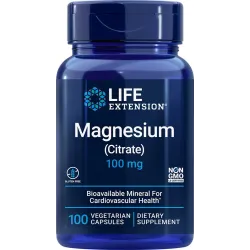
Magnesium (Citrate)
Price: 16,75 €Get the magnesium your body needs Is required as a cofactor in hundreds of... -

Neuro-Mag® Magnesium L-Threonate
Price: 37,62 €Enhances memory and cognitive function Supports healthy memory and... -

Related posts
-
 Is Conventional Pomegranate Extract Enough?
An abundance of clinical data has established pomegranate as a broad-spectrum, multi-modal defense against the...
Is Conventional Pomegranate Extract Enough?
An abundance of clinical data has established pomegranate as a broad-spectrum, multi-modal defense against the... -
Feed Your Brain!
Millions of people around the world are adhering to low-fat, low-cholesterol diets in an effort to reduce the impact...
-
Lipoic Acid Reverses Mitochondrial Decay
It is estimated that 85% of the oxygen contained in every breath you take is consumed by the mitochondria within each...
-
Vitamin C and Dihydroquercetin
Every day, our bodies are under continual assault by damaging agents known as free radicals. Generally, both internal...
-
How Resveratrol Combats Leading Causes of Death
In 1997, the first scientific paper on resveratrol was published showing that this polyphenol could prevent cancer in...