
 English
 Polski
 Deutsch
 Français
 ελληνικά
 Español
 Italiano
Feed Your Brain!
 Millions of people around the world are adhering to low-fat, low-cholesterol diets in an effort to reduce the impact of disease-promoting calories. What they don’t realize is they’re also starving their brains of specific nutrients needed for memory and healthy cognitive function.
“Heart-healthy” diets that restrict eggs, meats, cheese, and other sources of cholesterol and saturated fats may not be so healthy for the brain. Such diets can lead to shortages of two essential nutrients, choline (as alpha-glycerylphosphorylcholine) and serine (as phosphatidylserine), required by the brain to manufacture memory-related neurotransmitters and functional membrane lipids.
The brain’s demand for choline and serine becomes even more critical with aging. Recent trends in the incidence of cognitive dysfunction suggest that optimizing our intake of these compounds could help reverse the alarming rise in dementia among older Americans. An estimated 10-20% of people over 65 years of age already suffer from mild cognitive impairment1 and as many as 5.2 million people in the US are currently living with Alzheimer’s disease.2 Researchers predict that as many as 10 million baby boomers could develop Alzheimer’s during their lifetime.2
New research suggests that the biochemical processes that lead to cognitive decline represent a modifiable risk factor for the development of dementia, including Alzheimer’s disease, and that two essential brain nutrients, phosphatidylserine and alpha-glycerylphosphorylcholine (GPC), may enable aging humans to forestall or even reverse declines in memory and cognitive performance.
Phosphatidylserine: A Documented Way to Fight Brain Aging
 Phosphatidylserine is essential to help brain neurons support and maintain memory function and neuroplasticity—the dynamic capacity to replace damaged neurons and to make new ones. Neuron-to-neuron communication and neuroplasticity depend on a steady supply of phosphatidylserine and other “smart” nutrients.
Maintaining an optimal intake of phosphatidylserine is crucial to preventing age-related cognitive decline. Even if you are a healthy individual today, research shows that you could eventually experience a dramatic decline in your cognitive capacities by the time you reach 70 years of age.3
In 2003, even the biased FDA granted “qualified health claim” status to phosphatidylserine, allowing supplement manufacturers to state that “consumption of phosphatidylserine may reduce the risk of dementia in the elderly” and “consumption of phosphatidylserine may reduce the risk of cognitive dysfunction in the elderly.”4
Studies suggest that phosphatidylserine can benefit people of all ages. In the middle-aged and the elderly, phosphatidylserine has been shown to prevent and restore memory loss5 and alleviate stress6 and anxiety.7 Preliminary research indicates that phosphatidylserine may also benefit children with attention, learning, or behavioral problems.8-10
A significant component of human breast milk, phosphatidylserine11 is classified as a phospholipid. Phospholipids are orthomolecules12 (those naturally present in the body) that play a vital role in cell-to-cell communication in the brain and are required to maintain the fluidity of all cell membranes. Membranes are the “working surfaces” of every cell, carrying out cellular communication and hormonal signal transduction.
 Preclinical13-17 and human studies5,18,19 have shown that phosphatidylserine can favorably affect neuronal membranes, cell metabolism, and levels of brain neurotransmitters such as acetylcholine. Two “meta-analyses” of multiple clinical studies concluded that phosphatidylserine could provide significant benefits for cognitive functions that typically decline with age, including concentration, learning, memory, and vocabulary skills.20,21
By boosting glucose metabolism and stimulating production of acetylcholine, supplemental phosphatidylserine (100 mg three times daily) has been shown to improve cognitive performance in patients experiencing age-associated memory impairment or other signs of cognitive decline.22,23
In a double-blind, placebo-controlled trial involving 425 patients ages 65-93 with moderate-to-severe cognitive decline, investigators gave study participants oral doses of 300 mg of phosphatidylserine daily for up to six months. Those individuals in the treatment group showed consistent improvement in clinical global impression and such activities of daily living as memory, learning, and socialization.24
Results of a recent Israeli Phase IV clinical trial showed that a nutraceutical formulated with phosphatidylserine (100 mg) and GPC (600 mg) could significantly improve memory and restore loss of essential mental skills in men and women 67-80 years of age.25 The study’s investigators were able to measure this remarkable improvement in 15 weeks. In other studies, most using phosphatidylserine at a dosage of 300-400 mg/day, improvement tended to be the greatest in those with less severe cognitive impairment.22,26-28
GPC: A Brain-Friendly Form of Choline for Mental Health
 Choline is found in foods such as beef and chicken liver, egg yolk, soybeans, beef, milk, and peanuts. However, strict vegetarians, endurance athletes, people who drink a lot of alcohol, and those who follow low-fat/low-cholesterol diets may be at risk of choline deficiency.
GPC (alpha-glycerylphosphorylcholine), like phosphatidylserine, is an orthomolecular compound (found naturally in the brain), where it serves as an acetylcholine precursor.29,30 Acetylcholine is an essential neurotransmitter involved in memory, cognition, sleep, and neuromuscular control.31 Acetylcholine decline coincides with advancing age, and is a hallmark of neurodegenerative disease.
In Europe, GPC is regulated as a prescription drug used to treat Alzheimer’s disease, where it is known under the generic name, choline alphoscerate. In the United States, GPC is available as a dietary supplement. GPC is believed to prevent and ameliorate dementia and memory and learning loss because it increases plasma levels of choline and therefore increases production of acetylcholine and phosphatidylcholine.32,33
 Diets that contain processed foods and those that limit consumption of high-cholesterol foods, including eggs and meats, may not contain sufficient amounts of the essential nutrients that support cognitive function and membrane structure.
- A growing body of research suggests that mild cognitive decline is preventable and sometimes reversible through the use of such supplements as phosphatidylcholine and GPC, which are known to support the optimal structure and function of brain cells.
- After the age of 30, we become increasingly vulnerable to brain aging and its consequences, including impaired memory and progressive loss of cognitive function that can lead to the development of Alzheimer’s disease and other forms of dementia.
- Preventing cognitive decline throughout life requires early intervention decades before the onset of the symptoms of cognitive decline.
- A proactive and preventive approach to preserving and enhancing cognitive function using phosphatidylserine and GPC may help protect against mild cognitive decline and may be effective in helping people with senile dementia, including Alzheimer’s disease.
- Data from animal and human studies that have tested phosphatidylserine and GPC strongly suggest that these neuroprotective and neurotrophic compounds play an essential role in preventing and restoring loss of healthy brain functions as we age.
- Studies show that GPC and phosphatidylserine enjoy a higher safety profile and superior benefit-to-risk profile than drugs currently prescribed to treat dementia.
- Studies suggest that GPC and phosphatidylserine act on multiple levels and work synergistically to prevent cognitive decline and restore healthy brain function.
 In a well-controlled multicenter study that included 261 participants, GPC significantly improved cognitive function in patients with mild-to-moderate Alzheimer’s disease.34 The patients were randomly assigned to receive either 1,200 mg of GPC or placebo daily for six months, and both groups were similarly impaired before entering the study. Patients who received GPC scored better than those who received placebo at three months and at six months. A measure of cognitive function substantially improved in the GPC treated group, but worsened in the placebo group. Compared to placebo, the GPC group also fared better in behavioral improvement and standardized physician ratings. What makes these results particularly encouraging is that they resemble those obtained through the use of three currently prescribed Alzheimer’s drugs: Aricept®, Exelon®, and Razadyne®.
Other human trials of GPC reveal equally impressive results. One review of published clinical data on GPC and cognitive decline in 10 controlled trials with a total of 1,570 patients with various forms of dementia concluded that GPC was better or equal to those observed in control groups under active pharmacological treatment and superior to the results observed in placebo groups.35
GPC may protect and facilitate communication between nerves through its effect on receptors for nerve growth factor.
 GPC has also been used to treat people who suffer from stroke and transient ischemic attack (TIA). In one study, 2,044 patients received GPC within 10 days post-stroke or TIA (1,000 mg/day intramuscularly for 28 days followed by 400 mg three times daily orally for the next five months). At the end of the trial, a remarkable 71% showed no cognitive decline or forgetfulness.36
GPC may protect and facilitate communication between nerves through its effect on receptors for nerve growth factor, a naturally occurring substance that regulates acetylcholine receptors. With aging, the number of nerve growth factor receptors typically decline. GPC promotes the growth, repair, and increased expression of nerve growth factor receptors in the cerebellar cortex, a brain region responsible for coordination and movement control.37
Animal studies have shown that GPC treatment counters the age-dependent reduction of nerve cell density and acetylcholine receptors in the hippocampus of older rats.38,39 These results suggest that GPC treatment is effective in slowing down the expression of structural changes occurring in the aging brain.
Another animal study found that long-term treatment with GPC offset, in part, the loss of nerve fibers and brain cells that typically occurs with aging. In GPC-treated rats, both the density and the area occupied by neuroconnecting fibers were significantly higher than in age-matched controls. The number of neurons of the hippocampus, a part of the brain that is closely associated with the cerebral cortex, was higher in GPC-treated animals than in control 24-month-old rats. Study investigators stated that it appears GPC treatment “counteracts some anatomical changes of the rat hippocampus occurring in old age.”40
Safer Than Prescription Drugs
 It is widely recognized that a decline in brain acetylcholine levels coincides with advancing age and that such a decline can lead to neurodegeneration, a hypothesis that was proposed almost 30 years ago.45
It is now believed that a dysfunction of acetylcholine-related neurons and their “transmission lines” (axons and dendrites) in the brain contribute to the cognitive decline observed in aging humans and in those diagnosed with Alzheimer’s disease. This hypothesis has provided the dominant rationale for the development of drugs to treat dementia, which are designed to deactivate an enzyme that degrades acetylcholine. Regrettably, the prescription drugs such as Aricept® (donepezil) which were designed to block the acetylcholinesterase enzyme in the brain suffer from poor benefit-to-risk profiles and pose numerous health risks to older patients who use them.46,47
As acetylcholinesterase inhibitors, these drugs increase the concentration of acetylcholine at the synapse (nerve-to-nerve junction) for longer periods, thereby enhancing activity in nerve pathways that use acetylcholine. Unlike drugs that inhibit the breakdown of acetylcholine, GPC stimulates the manufacture of new acetylcholine. This could be one reason for GPC’s greater safety record compared to prescription drugs.
GPC performs a number of essential roles in maintaining optimal cognitive function throughout the human life span:
 GPC enhances communication between nerves in the cerebellar cortex, a brain region responsible for coordination and movement control through its effect on receptors for nerve growth factor. As we age, nerve growth factor receptors tend to decrease unless sufficient GPC is present.41
- GPC stimulates release of the neurotransmitter, GABA (gamma-aminobutyric acid) in an animal model study, making more GABA available to brain cells.42 GABA is the chief inhibitory neurotransmitter in the mammalian nervous system, and declining GABA levels have been linked with neurological disorders such as anxiety, depression, pain, panic, Parkinson’s disease, and Alzheimer’s disease.43
- GPC is also involved in the synthesis and recycling of phospholipids in the brain. Laboratory studies suggest that GPC can increase the rate of phospholipid synthesis, including the phosphoinositides, which are used for signal transduction in the central nervous system.44
Summary
Mild cognitive decline is no longer considered solely a normal part of aging.
Memory deficits can occur because of suboptimal intakes of neuroprotective and neurotrophic nutrients through “low-fat” and low cholesterol dieting, consuming foods devoid of such nutrients, and lifestyle-related chronic inflammation and oxidative damage to brain neurons.
By taking advantage of recent advances in our understanding of cognition, memory, and nerve cell function, health-conscious adults can use safe and effective brain-protective nutrients such as phosphatidylserine and GPC to prevent and reverse the very nutrient deficits that can lead to cognitive decline. A large body of published evidence indicates that phosphatidylserine and GPC play vital roles in helping aging individuals to maintain sharper memory and other cognitive abilities.
Material used with permission of Life Extension. All rights reserved.
- Available at: http://www.alz.org/national/documents/report_alzfactsfigures2010.pdf. Accessed September 25, 2010.
- Available at: http://www.washingtonpost.com/wp-dyn/content/article/2008/03/18/AR2008031802101.html. Accessed September 28, 2010.
- Available at: http://www.nih.gov/news/health/sep2010/nia-07.htm. Accessed September 28, 2010.
- Available at: http://www.fda.gov/Food/LabelingNutrition/LabelClaims/QualifiedHealthClaims/ucm073006.htm. Accessed September 28, 2010.
- Crook TH, Tinklenberg J, Yesavage J, Petrie W, Nunzi MG, Massari DC. Effects of phosphatidylserine in age-associated memory impairment. Neurology. 1991 May;41(5):644-9.
- Baumeister J, Barthel T, Geiss KR, Weiss M. Influence of phosphatidylserine on cognitive performance and cortical activity after induced stress. Nutr Neurosci. 2008 Jun;11(3):103-10.
- Hellhammer J, Fries E, Buss C, et al. Effects of soy lecithin phosphatidic acid and phosphatidylserine complex (PAS) on the endocrine and psychological responses to mental stress. Stress. 2004 Jun;7(2):119-26.
- Phosphatidylserine. Monograph. Altern Med Rev. 2008 Sept;13(3):245-7.
- Kidd PM. Omega-3 DHA and EPA for cognition, behavior, and mood: clinical findings and structural-functional synergies with cell membrane phospholipids. Altern Med Rev. 2007 Sept;12(3):207-27.
- Kidd PM. Attention deficit/hyperactivity disorder (ADHD) in children: rationale for its integrative management. Altern Med Rev. 2000 Oct;5(5):402-28.
- Holmes-McNary MQ, Cheng WL, Mar MH, Fussell S, Zeisel SH. Choline and choline esters in human and rat milk and in infant formulas. Am J Clin Nutr. 1996 Oct;64(4):572-6.
- Pauling L. Orthomolecular psychiatry. Varying the concentrations of substances normally present in the human body may control mental disease. Science. 1968 Apr 19;160(825):265-71.
- Lee B, Sur BJ, Han JJ, et al. Krill phosphatidylserine improves learning and memory in Morris water maze in aged rats. Prog Neuropsychopharmacol Biol Psychiatry. 2010 Aug 16;34(6):1085-93.
- Suzuki S, Yamatoya H, Sakai M, Kataoka A, Furushiro M, Kudo S. Oral administration of soybean lecithin transphosphatidylated phosphatidylserine improves memory impairment in aged rats. J Nutr. 2001 Nov;131(11):2951-6.
- Blokland A, Honig W, Brouns F, Jolles J. Cognition-enhancing properties of subchronic phosphatidylserine (PS) treatment in middle-aged rats: comparison of bovine cortex PS with egg PS and soybean PS. Nutrition. 1999 Oct;15(10):778-83.
- Zanotti A, Valzelli L, Toffano G. Chronic phosphatidylserine treatment improves spatial memory and passive avoidance in aged rats. Psychopharmacology (Berl).1989;99(3):316-21.
- Fagioli S, Castellano C, Oliverio A, Pavone F, Populin R, Toffano G. Phosphatidylserine administration during postnatal development improves memory in adult mice. Neurosci Lett. 1989 Jun 19;101(2):229-33.
- Crook T, Petrie W, Wells C, Massari DC. Effects of phosphatidylserine in Alzheimer’s disease. Psychopharmacol Bull. 1992;28(1):61-6.
- Engel RR, Satzger W, Gunther W, et al. Double-blind cross-over study of phosphatidylserine vs. placebo in patients with early dementia of the Alzheimer type. Eur Neuropsychopharmacol. 1992 Jun;2(2):149-55.
- Kidd PM. Phosphatidylserine; membrane nutrient for memory. A clinical and mechanistic assessment. Altern Med Rev.1996;1(2):70-84.
- Pepeu G, et al. A review of phosphatidylserine pharmacological and clinical effects. Is phosphatidylserine a drug for the aging brain? Pharmacol Res. 1996 Feb;33(2):73-80.
- Schreiber S, Kampf-Sherf O, Gorfine M, Kelly D, Oppenheim Y, Lerer B. An open trial of plant-source derived phosphatydilserine for treatment of age-related cognitive decline. Isr J Psychiatry Relat Sci. 2000;37(4):302-7.
- Kidd PM. Neurodegeneration from mitochondrial insufficiency: nutrients, stem cells, growth factors, and prospects for brain rebuilding using integrative management. Altern Med Rev. 2005 Dec;10(4):268-93.
- Cenacchi T, Bertoldin T, Farina C, Fiori MG, Crepaldi G. Cognitive decline in the elderly: a double-blind, placebo-controlled multicenter study on efficacy of phosphatidylserine administration. Aging (Milano).1993 Apr;5(3):123-33.
- Available at: http://clinicaltrials.gov/ct2/show/study/NCT00719953?sect=X6015. Accessed September 30, 2010.
- Klinkhammer P, Szelies B, Heiss WD. Effect of phosphatidylserine on cerebral glucose metabolism in Alzheimer’s disease. Dementia. 1990;1(4):197-201.
- Cenacchi T, Baggio C, Palin E. Human tolerability of oral phosphatidylserine assessed through laboratory examinations. Clin Trials J. 1987;24:125-30.
- Ransmayr G, Plorer S, Gerstenbrand F, Bauer G. Double-blind placebo-controlled trial of phosphatidylserine in elderly patients with arteriosclerotic encephalopathy. Clin Trials J. 1987;24:62-72.
- Blusztajn JK. Choline, a vital amine. Science. 1998 Aug;281(5378):794-5.
- de Moliner P, et al. Pharmacokinetics of choline alphoscerate in the healthy volunteer. Le Basi Raz Ter.1993;23 (Suppl 3):75.
- Zeisel SH. Choline: an essential nutrient for humans. Nutrition. 2000 Jul-Aug;16(7-8):669-71.
- Gatti G, Barzaghi N, Acuto G, Abbiati G, Fossati T, Perucca E. A comparative study of free plasma choline levels following intramuscular administration of L-alpha-glycerylphosphorylcholine and citocholine in normal volunteers. Int J Clin Pharmacol Ther Toxicol. 1992;30:331-5.
- Di Perri R, Coppola G, Ambrosio LA, Grasso A, Puca FM, Rizzo M. A multicentre trial to evaluate the efficacy and tolerability of alpha-glycerylphosphorylcholine versus cytosine diphosphocholine in patients with vascular dementia. J Int Med Res. 1991 Jul-Aug;19(4):330-41.
- De Jesus Moreno Moreno M. Cognitive improvement in mild to moderate Alzheimer’s dementia after treatment with the acetylcholine precursor choline alfoscerate: a multicenter, double-blind, randomized, placebo-controlled trial. Clin Ther. 2003 Jan;25(1):178-93.
- Parnetti L, Amenta F, Gallai V. Choline alphoscerate in cognitive decline and in acute cerebrovascular disease: an analysis of published clinical data. Mech Ageing Dev. 2001 Nov;122(16):2041-55.
- Barbagallo Sangiorgi G, Barbagallo M, Giordano M, Panzarasa R. Alpha-glycerophosphocholine in the mental recovery of cerebral ischemic attacks: An Italian multicenter clinical trial. Ann N Y Acad Sci. 1994 Jun 30;717:253-69.
- Vega JA, Cavallotti C, del Valle ME, Mancini M, Amenta F. Nerve growth factor receptor immunoreactivity in the cerebellar cortex of aged rats: effect of choline alfoscerate treatment. Mech Ageing Dev. 1993 Jun;69(1-2):119-27.
- Amenta F, Ferrante F, Vega JA, Zaccheo D. Long term choline alfoscerate treatment counters age-dependent microanatomical changes in rat brain. Prog Neuropsychopharmacol Biol Psychiatry. 1994 Sep;18(5):915-24.
- Amenta F, Franch F, Ricci A, Vega JA. Cholinergic neurotransmission in the hippocampus of aged rats: influence of L-alpha-glycerylphosphorylcholine treatment. Ann N Y Acad Sci. 1993 Sep 24;695:311-3.
- Ricci A, Bronzetti E, Vega JA, Amenta F. Oral choline alfoscerate counteracts age-dependent loss of mossy fibres in the rat hippocampus. Mech Ageing Dev. 1992;66(1):81-91.
- Vega JA, Cavallotti C, del Valle ME, Mancini M, Amenta F. Nerve growth factor receptor immunoreactivity in the cerebellar cortex of aged rats: effect of choline alfoscerate treatment. Mech Ageing Dev. 1993 Jun;69(1-2):119-27.
- Ferraro L, Tanganelli S, Marani L, Bianchi C, Beani L, Siniscalchi A. Evidence for an in vivo and in vitro modulation of endogenous cortical GABA release by alpha-glycerylphosphorylcholine. Neurochem Res. 1996 May;21(5):547-52.
- Gajcy K, Lochynski S, Librowski T. A role of GABA analogues in the treatment of neurological diseases. Curr Med Chem. 2010;17(22):2338-47.
- Aleppo G, Nicoletti F, Sortino MA, Casabona G, Scapagnini U, Canonico PL. Chronic L-alpha-glyceryl-phosphoryl-choline increases inositol phosphate formation in brain slices and neuronal cultures. Pharmacol Toxicol. 1994 Feb;74(2):95-100.
- Bartus RT, Dean RL 3rd, Beer B, Lippa AS. The cholinergic hypothesis of geriatric memory dysfunction. Science. 1982 Jul 30;217(4558):408-14.
- Gilstad JR, Finucane TE. Results, rhetoric, and randomized trials: the case of donepezil. J Am Geriatr Soc. 2008 Aug;56(8):1556-62.
- Raschetti R, Albanese E, Vanacore N, Maggini M. Cholinesterase inhibitors in mild cognitive impairment: a systematic review of randomised trials. PLoS Med. 2007 Nov 27;4(11):e338.
Related products
-

-
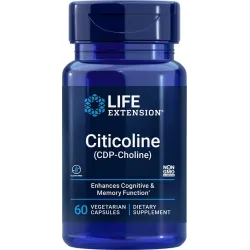
Citicoline (CDP-Choline)
Price: 36,15 €Cognition, attention & memory, 2-month supply Encourages the synthesis of... -
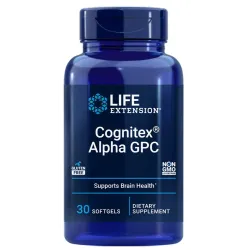
Cognitex® Alpha GPC
Price: 31,11 €Lay a strong foundation for cognitive health Promotes youthful memory...
Related posts
-
 Lipoic Acid Reverses Mitochondrial Decay
It is estimated that 85% of the oxygen contained in every breath you take is consumed by the mitochondria within each...
Lipoic Acid Reverses Mitochondrial Decay
It is estimated that 85% of the oxygen contained in every breath you take is consumed by the mitochondria within each... -
Vitamin C and Dihydroquercetin
Every day, our bodies are under continual assault by damaging agents known as free radicals. Generally, both internal...
-
How Resveratrol Combats Leading Causes of Death
In 1997, the first scientific paper on resveratrol was published showing that this polyphenol could prevent cancer in...
-
Discovering Coffee's Unique Health Benefits
Every morning, many of us sip our coffee with no real thought given to the beans behind the brew. But coffee beans...
-
Green Tea
Scientific research on the health benefits of green tea is expanding exponentially, with more than 1,500 articles...