
 English
 Polski
 Deutsch
 Français
 ελληνικά
 Español
 Italiano
How Resveratrol Combats Leading Causes of Death
 In 1997, the first scientific paper on resveratrol was published showing that this polyphenol could prevent cancer in experimental models.1
Since then, researchers have documented resveratrol’s ability to favorably modulate multiple processes associated with degenerative disease, from atherosclerosis to obesity.
What had been lacking was a systematic, comprehensive overview of the available data to determine the underlying mechanisms by which resveratrol exerts its anti-aging effect.
Until now!
In 2011, the findings of the 2010 Resveratrol Conference2 held in Denmark were published. Its primary objective was to examine the totality of the evidence for resveratrol’s disease-preventing role in aging humans. Nearly 3,700 published studies were analyzed.
In this article, you will discover the 12 mechanisms of action these experts identified by which resveratrol acts to combat the killer diseases of aging and delay the aging process itself.
You will also learn of the latest data on resveratrol’s multimodal power to protect cells, tissues, and organ systems against five leading causes of death among Americans, including heart disease, cancer, and diabetes.
 The participating scientists at the 2010 conference covered a broad range of research on the biological effects of resveratrol. Since 1997, roughly 3,650 studies on resveratrol have been published, all of which were reviewed.
Based on the most encouraging data, they focused specifically on resveratrol’s capacity to favorably modulate factors involved in cancer, heart disease, neurodegeneration, systemic inflammation, obesity, and diabetes.1,2
Out of this extensive analysis they isolated 12 mechanisms by which resveratrol exerts its anti-aging, disease-preventing effects (See table 1).
A thorough review of the literature was then undertaken to identify their relevance in onset of various forms of degenerative disease.
They found confirmatory evidence of resveratrol’s preventive role in five of the leading causes of death in maturing Americans (See table 2).
Resveratrol and Heart Disease
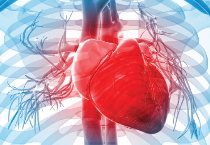
 America’s number one killer is heart disease, which includes the conditions atherosclerosis, hypertension, heart attack, and heart failure.
Recent studies confirm that a central mechanism of resveratrol’s activity is to mimic the biological effects of calorie restriction, which is known to extend life span in virtually all living organisms.4
Resveratrol helps to combat high blood pressure (hypertension) by a variety of mechanisms. It decreases inflammatory cell infiltration into blood vessel walls and improves those vessels’ ability to respond to changes in blood pressure.5 In addition, resveratrol has recently been shown to reduce the unfavorable remodeling and stiffening of blood vessels and heart muscle that results from sustained hypertension.5 Resveratrol also acts in the brainstem to reverse increases in blood pressure that are triggered by a variety of dietary and hormonal factors.6
Studies published in 2011 show that resveratrol helps mitigate the cholesterol elevations that result from obesity and a high-fat diet by directly regulating expression of genes that control lipid metabolism.7 Exposure to resveratrol triggers correction of abnormal fatty acid utilization, by inducing mitochondrial enzymes that help break down fat molecules.8 And in pigs with the equivalent of human metabolic syndrome, resveratrol supplementation lowered body mass indices, serum cholesterol, the inflammatory marker C-reactive protein, improved glucose tolerance and endothelial function.9
In the presence of sustained hypertension and/or elevated cholesterol and other fats, damage occurs to the delicate, reactive cells lining capillaries, known as endothelial cells. Endothelial dysfunction is a major contributor to heart attacks, strokes, and heart failure, and is an important target of cardiovascular disease prevention. New data show that resveratrol reduces the effects of both hypertension on endothelial cells and inhibits signs of endothelial dysfunction.10
 Build-up of calcium in arteries is a major contributor to arterial stiffening and blockage that occurs fairly late in atherosclerosis.11 It also contributes to the inflammatory changes that exacerbate cardiovascular disease.12 Arterial calcification was formerly thought to be caused by passive accumulation of calcium, similar to mineral deposits in pipes. It is now known to be an active process whereby arterial cells “turn into” bone-forming cells as a result of age- and inflammation-induced genetic changes. Certain drugs, such as the now-withdrawn antidiabetic drug Avandia® (rosiglitazone), can hasten this destructive process.13 New data demonstrate that resveratrol slows or reverses the process by which arterial cells become “bone-like”, reducing the amount and extent of calcium build-up in arterial walls.11,13 Resveratrol limits the inflammation-inducing effects of calcium in cells lining blood vessels.12
In addition to elevated fat and calcium content in vessel walls, aggregation of clot-forming platelets contributes to arterial blockages resulting in heart attacks, strokes, and other cardiovascular events. New data now show that resveratrol inhibits the platelet aggregation that can trigger formation of a deadly blood clot.14
When an artery in the heart becomes blocked, blood flow to the heart is restricted, causing ischemic damage. Restoration of blood flow (reperfusion) makes matters worse, at first, by flooding the damaged tissue with oxygen free radicals. Sophisticated molecular probes have now revealed that resveratrol leaves a unique “footprint” in heart muscle that has been subjected to ischemia/reperfusion injury.15 The result is a considerable reduction in death (apoptosis) of cardiac cells following such an injury, and improved cardiovascular function.16
Resveratrol’s calorie restriction-mimicking effects directly improve mitochondrial function in energy-intensive heart muscle cells, making them beat more effectively and reducing their vulnerability to oxidative stress.4 Furthermore, we now understand that resveratrol produces cardioprotective effects in heart muscle cells that do undergo the massive oxidant stress of a heart attack or a serious infection.17
 A recent international conference devoted to the subject of resveratrol found that this natural polyphenol has 12 key mechanisms of action, each of which contributes to reduction in the impact of factors contributing to premature death.
- Five of the leading causes of death may be prevented or mitigated by resveratrol supplementation, including heart disease, cancer, stroke, Alzheimer’s disease, and diabetes.
- Resveratrol’s ability to modulate 5 leading causes of death, along with its longevity-promoting effects, makes it an important part of every wellness program.
Resveratrol and Cancer
 More than half a million Americans die of cancer each year, despite considerable strides in our understanding of the disease.
Breaking news since the 2010 Resveratrol Conference shows that resveratrol fights cancer on multiple levels.20 The following is a summary of the latest on resveratrol and cancer prevention.
Resveratrol can prevent dangerous DNA “adducts,” modified stretches of DNA that, un-repaired, can trigger a cell to become cancerous in the step known as cancer initiation.21
Once initiated, cancers grow by proliferation of abnormal cells. Resveratrol is a modest anti-proliferative agent, as new data show. Consumption of resveratrol by human colon cancer patients reduced tumor cell proliferation by 5% at a dose of 500 to 1,000 mg daily for 8 days prior to surgery.22 And resveratrol inhibits an important cancer cell signaling pathway called STAT3, further reducing cancerous proliferation, as was recently shown in certain brain cancer cells.23
The body naturally controls cancer growth through the process of apoptosis, by which cancer cells are triggered to die off. Proper apoptosis requires activation of important “suicide” genes found in all cancer cells. Resveratrol has recently been found to increase expression and activation of one important “suicide” pathway known as p53.24
Insulin-like growth factor I (IGF-1) is important in growth and healing, but it also promotes cancer propagation once a malignancy has been initiated. A new human study showed that dosing with resveratrol at 2.5 grams/day (which is much higher than currently recommended) caused a significant decrease in circulating levels of IGF-1 and its binding protein, suggesting that suppression of IGF-1 may be involved in one of resveratrol’s anti-cancer mechanisms.25
Table 1: Resveratrol’s 12 Key Anti-Aging Mechanisms
| Mechanism | Diseases or Conditions Affected |
|
All chronic disease |
|
All chronic disease |
|
Obesity, diabetes, cardiovascular disease |
|
Cancer |
|
Neurodegenerative diseases |
|
Multiple hormone- dependent cancers |
|
Bone health and osteoporosis |
Resveratrol targets 12 key mechanisms to combat chronic, age-related diseases, including those that comprise the primary contributing factors to the leading causes of death.
Many carcinogens enter the body as “safe” compounds, but become
 modified by enzyme systems in the liver to trigger cancer. Interestingly, liver enzymes are responsible for detoxifying active carcinogens before they can cause harm. Resveratrol has recently been shown to favorably modulate both classes of enzymes, reducing activation of potential carcinogens while actively detoxifying known carcinogenic molecules.26
Inflammation is now widely recognized as a cancer-promoting event. New evidence shows how resveratrol reduces production of inflammatory molecules such as leukotrienes by inhibiting the enzymes that produce them.27,28 Inflammation is also important in promoting cancer spread, or metastasis. In a 2011 study, resveratrol remarkably inhibited invasion and spread of melanoma cells by up to 75%.20
A class of tiny strands of material called RNA, known as microRNAs, is known to regulate cancer cell growth and development. In new research, resveratrol shows the ability to modify the microRNA content of cells, up-regulating cancer-suppressing microRNAs, while down-regulating cancer-promoting ones.29-31
As tumors grow, they stimulate new blood vessel growth to support their ravenous needs for nutrients. Inhibiting this process, known as angiogenesis, has become a major target of cancer prevention and treatment. Resveratrol, in recent studies, has been shown to stimulate new blood vessels in healthy tissue, but to inhibit their growth in malignant melanoma cell cultures as well as in whole tumors.32,33
All of this means resveratrol is reaching the level of large-scale clinical trials by mainstream physicians. Phase I, “dose-finding” studies have now been completed that validate resveratrol’s safety even at very high levels of up to 5 grams (this does not mean people should take this high dose yet).25,34
Resveratrol and Stroke
 Strokes are caused by many of the same vascular changes that trigger heart attacks: atherosclerosis, plaque formation, and ultimately blood vessel occlusion that deprive brain tissue of vital blood flow. In addition, aging and certain conditions like diabetes cause brain blood vessels to lose their ability to dilate and increase blood flow as needed, exacerbating damage caused during a stroke. When blood flow is restored after the acute blood vessel blockage is resolved, oxygen free radicals occur abundantly and cause the final destruction of brain tissue. That process is known as ischemia/reperfusion injury.
Resveratrol protects brain tissue from ischemia/reperfusion injury, according to a host of recently-released studies.35 Researchers at Johns Hopkins showed that resveratrol induces production of the enzyme heme oxygenase, which is protective against oxidative stress.36,37 Furthermore, resveratrol protects vulnerable mitochondria during ischemia/reperfusion injury, allowing them to continue their important job of providing cells with energy.38
 During the acute phase of a stroke, excitatory neurotransmitters such as glutamate are released in large amounts.39 This release then triggers acute and chronic damage to brain cells. Researchers have now shown that resveratrol significantly prevents dangerous glutamate release following a stroke.39
Finally, new data show that treating diabetic animals with resveratrol restores the responsiveness of their brain arteries to blood flow variations.40 That allows them to re-direct blood flow to vital areas blocked by the stroke.
The combined effect of these mechanisms is to reduce the size of a stroke significantly.41 Remarkably, this protection even occurs when resveratrol is given up to 6 hours after the stroke begins.41 Some experts are now hailing that discovery as evidence that resveratrol may be a potent new drug for use in treatment of acute ischemic stroke.41 Nonetheless, the strongest and most recent evidence suggests that resveratrol used regularly in advance of a stroke provides the best tolerance to an ischemic event if and when one should arise.42,43
Table 2: Sufficient Evidence Exists for Resveratrol’s Protective Effects in 5 Leading Causes of Death2
| Condition | Mechanism(s) |
| Heart disease |
|
| Cancer |
|
| Stroke |
|
| Neurodegenerative diseases , brain injury |
|
| Diabetes (and obesity) |
|
Resveratrol targets 12 key mechanisms to combat chronic age-related diseases, including those that comprise the primary contributing factors to the leading causes of death.
Resveratrol and Alzheimer’s Disease
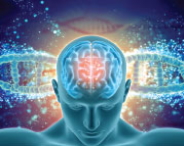 Nearly 75,000 Americans die annually from Alzheimer’s disease, and more than 230,000 others suffer dementia severe enough to require nursing home care.44 Recent studies suggest that resveratrol holds promise in reducing the risk of Alzheimer’s disease and stroke.45 New science reveals in great detail how resveratrol acts through activation of the “longevity gene” SIRT-1, which triggers many favorable events that may help prevent Alzheimer’s and other neurodegenerative diseases.35,46-48
Much of resveratrol’s neuroprotection arises from its ability to interfere in the cascade of events caused by accumulation of abnormal proteins known as amyloid-beta.49 Amyloid-beta triggers oxidative stress and inflammation that directly damages brain cells, especially in memory centers of the brain. That’s why Alzheimer’s patients have such profound and progressive memory loss.
Resveratrol inhibits amyloid-beta toxicity at multiple points in the cascade.49 Resveratrol acts as a powerful antioxidant, scavenging oxygen free radicals and inducing protective enzymes such as heme oxygenase.36,50 Two recent studies demonstrated that the addition of melatonin synergistically enhances resveratrol’s neuroprotective effects.45,51
New data also show that resveratrol can prevent amyloid-beta molecules from clumping together into damaging oligomers, or small collections of individual molecules.48,52 That action significantly prevents amyloid-beta damage. Exciting new studies also show that resveratrol can remodel existing oligomers into non-toxic forms.53
 Studies released in 2010 revealed that, by activating specific intracellular signaling pathways, resveratrol can reduce toxicity caused by the excitatory neurotransmitter glutamate.54 Glutamate toxicity is thought to be a major trigger for Alzheimer’s disease symptoms.
An intriguing study published in late 2010 demonstrated that, by protecting brain mitochondria, the combination of resveratrol and mitochondria-targeted antioxidants could restore normal function in an experimental model of Alzheimer’s.55 That effect in turn produced new outgrowth of the tiny intercellular connections known as neurites, which are damaged or lost in Alzheimer’s and other neurodegenerative diseases.55
Finally, an important recent study showed that orally administered resveratrol achieves effective concentrations in brain tissue, meaning it crosses the blood-brain barrier that keeps so many other potentially beneficial compounds out. This finding has important implications for future research into resveratrol’s role in protection against neurodegenerative disease.56
Resveratrol and Diabetes
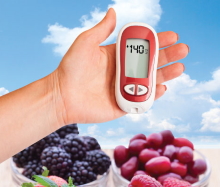 Diabetes is one of the most preventable chronic conditions known. It kills more than 70,000 Americans annually, and its complications impair function in hundreds of thousands more.3 Overweight and obesity, conditions that cause many cases of diabetes, now occur in nearly 70% of Americans, and contribute to untold numbers of additional untimely deaths.57 Resveratrol’s actions have been shown to protect against the development and consequences of this deadly condition.
High blood sugar, both chronically and acutely following a meal, exerts massive oxidative stress on body proteins, ultimately changing their structure and inducing inflammation. It’s these changes that produce diabetic complications. New studies show that resveratrol, by activating the important SIRT-1 system, inhibits cellular oxidative stress and resulting inflammation in diabetes.58,59
Resveratrol improves insulin sensitivity through its effects on SIRT-1.58,60 New, highly detailed data reveal that these benefits arise from resveratrol’s ability to stimulate metabolic sensing pathways in cells that allow them to use insulin and glucose more effectively, helping to reduce blood sugar levels.61
 Glucose-damaged blood vessels lose their ability to regulate blood flow in brain and heart tissue, contributing to heart attack and stroke damage. Chronic resveratrol treatment has recently been found to restore blood vessel responsiveness in diabetic animals.40
As a result of these basic mechanisms, resveratrol is showing promise in protecting against virtually all forms of diabetic complications. Resveratrol may be beneficial in treating or preventing diabetic foot syndrome, a devastating loss of nerve function and blood flow that results in thousands of amputations annually.62 Resveratrol treatment retarded progression of diabetic kidney disease through modulation of oxidative stress and inflammation in a 2011 animal study.63 Muscle wasting and deranged lipid metabolism are common in diabetes; resveratrol ameliorated both issues in one recent study.64 Abnormal blood vessel leakiness is a major cause of diabetic eye disease, a condition that can now be blocked by resveratrol treatment in an animal model of early diabetes.65
Summary
A 2010 international conference found that resveratrol operates via twelve key mechanisms to combat five of the ten leading age-related causes of death in the US.
Studies released since that time further clarify and amplify the power of resveratrol to prevent, and in some cases reverse, the biological changes associated with chronic disease and aging. Compelling evidence is now available for resveratrol’s ability to favorably modulate factors implicated in the onset of heart disease, cancer, stroke, Alzheimer’s disease, and diabetes.
Material used with permission of Life Extension. All rights reserved.1. Jang M, Cai L, Udeani GO, et al. Cancer chemopreventive activity of resveratrol, a natural product derived from grapes. Science. 1997 Jan 10;275(5297):218-20.
2. Vang O, Ahmad N, Baile CA, et al. What is new for an old molecule? Systematic review and recommendations on the use of resveratrol. PLoS One. 2011;6(6):e19881.
3. Available at: http://www.cdc.gov/nchs/fastats/lcod.htm. Accessed August 31, 2011.
4. Dolinsky VW, Dyck JR. Calorie restriction and resveratrol in cardiovascular health and disease. Biochim Biophys Acta. 2011 Jul 1.
5. Chan V, Fenning A, Iyer A, Hoey A, Brown L. Resveratrol improves cardiovascular function in DOCA-salt hypertensive rats. Curr Pharm Biotechnol. 2011 Mar 1;12(3):429-36.
6. Subramanian M, Balasubramanian P, Garver H, et al. Chronic estradiol-17beta exposure increases superoxide production in the rostral ventrolateral medulla and causes hypertension: reversal by resveratrol. Am J Physiol Regul Integr Comp Physiol. 2011 Jun;300(6):R1560-8.
7. Azorin-Ortuno M, Yanez-Gascon MJ, Gonzalez-Sarrias A, et al. Effects of long-term consumption of low doses of resveratrol on diet-induced mild hypercholesterolemia in pigs: a transcriptomic approach to disease prevention. J Nutr Biochem. 2011 Aug 16.
8. Bastin J, Lopes-Costa A, Djouadi F. Exposure to resveratrol triggers pharmacological correction of fatty acid utilization in human fatty acid oxidation-deficient fibroblasts. Hum Mol Genet. 2011 May 15;20(10):2048-57.
9. Robich MP, Osipov RM, Chu LM, et al. Resveratrol modifies risk factors for coronary artery disease in swine with metabolic syndrome and myocardial ischemia. Eur J Pharmacol. 2011 Aug 16;664(1-3):45-53.
10. Xia L, Ding F, Zhu JH, Fu GS. Resveratrol attenuates apoptosis of pulmonary microvascular endothelial cells induced by high shear stress and proinflammatory factors. Hum Cell. 2011 Sep 3.
11. Takemura A, Iijima K, Ota H, et al. Sirtuin 1 retards hyperphosphatemia-induced calcification of vascular smooth muscle cells. Arterioscler Thromb Vasc Biol. 2011 Sep;31(9):2054-62.
12. Gutierrez-Perez A, Cortes-Rojo C, Noriega-Cisneros R, et al. Protective effects of resveratrol on calcium-induced oxidative stress in rat heart mitochondria. J Bioenerg Biomembr. 2011 Apr;43(2):101-7.
13. Bruedigam C, Eijken M, Koedam M, Chiba H, van Leeuwen JP. Opposing actions of rosiglitazone and resveratrol on mineralization in human vascular smooth muscle cells. J Mol Cell Cardiol. 2011 Jul 28.
14. Yang Y, Wang X, Zhang L, An H, Zao Z. Inhibitory effects of resveratrol on platelet activation induced by thromboxane a(2) receptor agonist in human platelets. Am J Chin Med. 2011;39(1):145-59.
15. Mukhopadhyay P, Pacher P, Das DK. MicroRNA signatures of resveratrol in the ischemic heart. Ann N Y Acad Sci. 2011 Jan;1215:109-16.
16. Usta E, Mustafi M, Walker T, Ziemer G. Resveratrol suppresses apoptosis in intact human cardiac tissue – in vitro model simulating extracorporeal circulation. J Cardiovasc Surg (Torino). 2011 Jun;52(3):399-409.
17. Sebai H, Sani M, Aouani E, Ghanem-Boughanmi N. Cardioprotective effect of resveratrol on lipopolysaccharide-induced oxidative stress in rat. Drug Chem Toxicol. 2011 Apr;34(2):146-50.
18. Available at: http://www.cdc.gov/nchs/fastats/cancer.htm. Accessed August 31, 2011.
19. Shukla Y, Singh R. Resveratrol and cellular mechanisms of cancer prevention. Ann N Y Acad Sci. 2011 Jan;1215:1-8.
20. Salado C, Olaso E, Gallot N, et al. Resveratrol prevents inflammation-dependent hepatic melanoma metastasis by inhibiting the secretion and effects of interleukin-18. J Transl Med. 2011;9:59.
21. Zahid M, Saeed M, Beseler C, Rogan EG, Cavalieri EL. Resveratrol and N-acetylcysteine block the cancer-initiating step in MCF-10F cells. Free Radic Biol Med. 2011 Jan 1;50(1):78-85.
22. Patel KR, Brown VA, Jones DJ, et al. Clinical pharmacology of resveratrol and its metabolites in colorectal cancer patients. Cancer Res. 2010 Oct 1;70(19):7392-9.
23. Yang YP, Chang YL, Huang PI, et al. Resveratrol suppresses tumorigenicity and enhances radiosensitivity in primary glioblastoma tumor initiating cells by inhibiting the STAT3 axis. J Cell Physiol. 2011 Apr 18.
24. Hsieh TC, Wong C, Bennett DJ, Wu JM. Regulation of p53 and cell proliferation by resveratrol and its derivatives in breast cancer cells: An in silico and biochemical approach targeting integrin alphavbeta3. Int J Cancer. 2011 Jan 10.
25. Brown VA, Patel KR, Viskaduraki M, et al. Repeat dose study of the cancer chemopreventive agent resveratrol in healthy volunteers: safety, pharmacokinetics, and effect on the insulin-like growth factor axis. Cancer Res. 2010 Nov 15;70(22):9003-11.
26. Chow HH, Garland LL, Hsu CH, et al. Resveratrol modulates drug- and carcinogen-metabolizing enzymes in a healthy volunteer study. Cancer Prev Res (Phila). 2010 Sep;3(9):1168-75.
27. Chatterjee M, Das S, Janarthan M, Ramachandran HK. Role of 5-lipoxygenase in resveratrol mediated suppression of 7,12-dimethylbenz(alpha)anthracene-induced mammary carcinogenesis in rats. Eur J Pharmacol. 2011 Oct 1;668(1-2):99-106.
28. Oi N, Jeong CH, Nadas J, et al. Resveratrol, a red wine polyphenol, suppresses pancreatic cancer by inhibiting leukotriene ahydrolase. Cancer Res. 2010 Dec 1;70(23):9755-64.
29. Tili E, Michaille JJ. Resveratrol, microRNAs, inflammation, and cancer. J Nucleic Acids. 2011;2011:102431.
30. Tili E, Michaille JJ, Adair B, et al. Resveratrol decreases the levels of miR-155 by upregulating miR-663, a microRNA targeting JunB and JunD. Carcinogenesis. 2010 Sep;31(9):1561-6.
31. Tili E, Michaille JJ, Alder H, et al. Resveratrol modulates the levels of microRNAs targeting genes encoding tumor-suppressors and effectors of TGFbeta signaling pathway in SW480 cells. Biochem Pharmacol. 2010 Dec 15;80(12):2057-65.
32. Trapp V, Parmakhtiar B, Papazian V, Willmott L, Fruehauf JP. Anti-angiogenic effects of resveratrol mediated by decreased VEGF and increased TSP1 expression in melanoma-endothelial cell co-culture. Angiogenesis. 2010 Dec;13(4):305-15.
33. Kunimasa K, Ohta T, Tani H, et al. Resveratrol derivative-rich melinjo (Gnetum gnemon L.) seed extract suppresses multiple angiogenesis-related endothelial cell functions and tumor angiogenesis. Mol Nutr Food Res. 2011 Sep 21.
34. la Porte C, Voduc N, Zhang G, et al. Steady-State pharmacokinetics and tolerability of trans-resveratrol 2000 mg twice daily with food, quercetin and alcohol (ethanol) in healthy human subjects. Clin Pharmacokinet. 2010 Jul 1;49(7):449-54.
35. Albani D, Polito L, Signorini A, Forloni G. Neuroprotective properties of resveratrol in different neurodegenerative disorders. Biofactors. 2010 Sep;36(5):370-6.
36. Bastianetto S, Quirion R. Heme oxygenase 1: another possible target to explain the neuroprotective action of resveratrol, a multifaceted nutrient-based molecule. Exp Neurol. 2010 Oct;225(2):237-9.
37. Sakata Y, Zhuang H, Kwansa H, Koehler RC, Dore S. Resveratrol protects against experimental stroke: putative neuroprotective role of heme oxygenase 1. Exp Neurol. 2010 Jul;224(1):325-9.
38. Agrawal M, Kumar V, Kashyap MP, Khanna VK, Randhawa GS, Pant AB. Ischemic insult induced apoptotic changes in PC12 cells: protection by trans resveratrol. Eur J Pharmacol. 2011 Sep;666(1-3):5-11.
39. Li C, Yan Z, Yang J, et al. Neuroprotective effects of resveratrol on ischemic injury mediated by modulating the release of neurotransmitter and neuromodulator in rats. Neurochem Int. 2010 Feb;56(3):495-500.
40. Arrick DM, Sun H, Patel KP, Mayhan WG. Chronic resveratrol treatment restores vascular responsiveness of cerebral arterioles in type 1 diabetic rats. Am J Physiol Heart Circ Physiol. 2011 Sep;301(3):H696-703.
41. Shin JA, Lee H, Lim YK, Koh Y, Choi JH, Park EM. Therapeutic effects of resveratrol during acute periods following experimental ischemic stroke. J Neuroimmunol. 2010 Oct 8;227(1-2):93-100.
42. Saleh MC, Connell BJ, Saleh TM. Resveratrol preconditioning induces cellular stress proteins and is mediated via NMDA and estrogen receptors. Neuroscience. 2010 Mar 17;166(2):445-54.
43. Zhang F, Wu Y. Resveratrol may be an effective prophylactic agent for ischemic stroke. J Formos Med Assoc. 2011 Aug;110(8):485-6.
44. Available at: http://www.cdc.gov/nchs/fastats/alzheimr.htm. Accessed August 31, 2011.
45. Kwon KJ, Kim HJ, Shin CY, Han SH. Melatonin potentiates the neuroprotective properties of resveratrol against beta-amyloid-induced neurodegeneration by modulating AMP-activated protein kinase pathways. J Clin Neurol. 2010 Sep;6(3):127-37.
46. Sun AY, Wang Q, Simonyi A, Sun GY. Resveratrol as a therapeutic agent for neurodegenerative diseases. Mol Neurobiol. 2010 Jun;41(2-3):375-83.
47. Wang J, Fivecoat H, Ho L, Pan Y, Ling E, Pasinetti GM. The role of Sirt1: at the crossroad between promotion of longevity and protection against Alzheimer’s disease neuropathology. Biochim Biophys Acta. 2010 Aug;1804(8):1690-4.
48. Albani D, Polito L, Forloni G. Sirtuins as novel targets for Alzheimer’s disease and other neurodegenerative disorders: experimental and genetic evidence. J Alzheimers Dis. 2010;19(1):11-26.
49. Feng Y, Wang XP, Yang SG, et al. Resveratrol inhibits beta-amyloid oligomeric cytotoxicity but does not prevent oligomer formation. Neurotoxicology. 2009 Nov;30(6):986-95.
50. Granzotto A, Zatta P. Resveratrol acts not through anti-aggregative pathways but mainly via its scavenging properties against Abeta and Abeta-metal complexes toxicity. PLoS One. 2011;6(6):e21565.
51. Kwon KJ, Kim JN, Kim MK, et al. Melatonin synergistically increases resveratrol-induced heme oxygenase-1 expression through the inhibition of ubiquitin-dependent proteasome pathway: a possible role in neuroprotection. J Pineal Res. 2011 Mar;50(2):110-23.
52. Richard T, Pawlus AD, Iglesias ML, et al. Neuroprotective properties of resveratrol and derivatives. Ann N Y Acad Sci. 2011 Jan;1215:103-8.
53. Ladiwala AR, Lin JC, Bale SS, et al. Resveratrol selectively remodels soluble oligomers and fibrils of amyloid Abeta into off-pathway conformers. J Biol Chem. 2010 Jul 30;285(31):24228-37.
54. Lee EO, Park HJ, Kang JL, Kim HS, Chong YH. Resveratrol reduces glutamate-mediated monocyte chemotactic protein-1 expression via inhibition of extracellular signal-regulated kinase 1/2 pathway in rat hippocampal slice cultures. J Neurochem. 2010 Mar;112(6):1477-87.
55. Manczak M, Mao P, Calkins MJ, et al. Mitochondria-targeted antioxidants protect against amyloid-beta toxicity in Alzheimer’s disease neurons. J Alzheimers Dis. 2010;20 Suppl 2:S609-31.
56. Vingtdeux V, Giliberto L, Zhao H, et al. AMP-activated protein kinase signaling activation by resveratrol modulates amyloid-beta peptide metabolism. J Biol Chem. 2010 Mar 19;285(12):9100-13.
57. Available at: http://www.cdc.gov/obesity/data/trends.html. Accessed August 31, 2011.
58. Yun JM, Chien A, Jialal I, Devaraj S. Resveratrol up-regulates SIRT1 and inhibits cellular oxidative stress in the diabetic milieu: mechanistic insights. J Nutr Biochem. 2011 Aug 1.
59. Ghanim H, Sia CL, Abuaysheh S, et al. An antiinflammatory and reactive oxygen species suppressive effects of an extract of Polygonum cuspidatum containing resveratrol. J Clin Endocrinol Metab. 2010 Sep;95(9):E1-8.
60. Knight CM, Gutierrez-Juarez R, Lam TK, et al. Mediobasal Hypothalamic Sirtuin 1 Is Essential for Resveratrol’s Effects on Insulin Action in Rats. Diabetes. 2011 Sep 6.
61. Brasnyo P, Molnar GA, Mohas M, et al. Resveratrol improves insulin sensitivity, reduces oxidative stress and activates the Akt pathway in type 2 diabetic patients. Br J Nutr. 2011 Aug;106(3):383-9.
62. Bashmakov YK, Assaad-Khalil S, Petyaev IM. Resveratrol may be beneficial in treatment of diabetic foot syndrome. Med Hypotheses. 2011 Sep;77(3):364-7.
63. Chang CC, Chang CY, Wu YT, Huang JP, Yen TH, Hung LM. Resveratrol retards progression of diabetic nephropathy through modulations of oxidative stress, proinflammatory cytokines, and AMP-activated protein kinase. J Biomed Sci. 2011;18(1):47.
64. Chen KH, Cheng ML, Jing YH, Chiu DT, Shiao MS, Chen JK. Resveratrol ameliorates metabolic disorders and muscle wasting in streptozotocin-induced diabetic rats. Am J Physiol Endocrinol Metab. 2011 Jul 26.
65. Kim YH, Kim YS, Roh GS, Choi WS, Cho GJ. Resveratrol blocks diabetes-induced early vascular lesions and vascular endothelial growth factor induction in mouse retinas. Acta Ophthalmol. 2011 Sep 13.
Related products
-
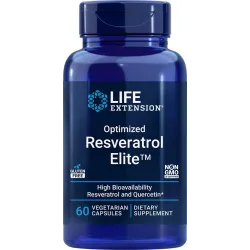
Optimized Resveratrol Elite™
Price: 34,25 €Live a long, healthy life with trans-resveratrol & quercetin Longevity... -
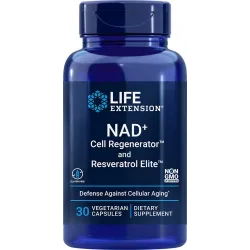
NAD+ Cell Regenerator™ and Resveratrol Elite
Price: 52,71 €Promote longevity & cell energy with NIAGEN® and resveratrol Special... -
Triple Action Cruciferous Vegetable Extract...
Price: 29,12 €Maintains healthy hormone levels and DNA and promotes longevity Offers...
Related posts
-
 Is Conventional Pomegranate Extract Enough?
An abundance of clinical data has established pomegranate as a broad-spectrum, multi-modal defense against the...
Is Conventional Pomegranate Extract Enough?
An abundance of clinical data has established pomegranate as a broad-spectrum, multi-modal defense against the... -
Feed Your Brain!
Millions of people around the world are adhering to low-fat, low-cholesterol diets in an effort to reduce the impact...
-
Lipoic Acid Reverses Mitochondrial Decay
It is estimated that 85% of the oxygen contained in every breath you take is consumed by the mitochondria within each...
-
Vitamin C and Dihydroquercetin
Every day, our bodies are under continual assault by damaging agents known as free radicals. Generally, both internal...
-
Autoimmune Diseases part 1
Autoimmune diseases are characterized by the body's immune responses being directed against its own tissues, causing...