
 English
 Polski
 Deutsch
 Français
 ελληνικά
 Español
 Italiano
Lipoic Acid Reverses Mitochondrial Decay
 It is estimated that 85% of the oxygen contained in every breath you take is consumed by the mitochondria within each cell of your body.1
The decay of these energy-producing powerhouses in turn lies at the core of most age-related pathologies.
In experimental models examining the mitochondrial theory of aging, it has been shown that cells microinjected with mitochondria isolated from old animals degenerate far more rapidly than those microinjected with mitochondria from young animals.2
The good news is that when supplied with a nutrient regimen that includes lipoic acid, a profound regeneration is observed in similar animal models,3 including improved metabolic function and a marked decline in oxidative stress.
In this article, the recent data on lipoic acid’s multimodal power to combat a host of age-related diseases is detailed. You will learn how it may help prevent cardiovascular disease, obesity, diabetes, neurodegenerative disorders, and cancer. You will also learn of drug company efforts to produce high-cost, synthetic forms of lipoic acid to capitalize on its unique health-promoting properties at your expense.
 The mitochondrial theory of aging has long helda prominent place in scientists’ understanding ofthe processes that impact aging. First proposed by Denman Harman in 1972, this theory posits that accumulated DNA damage to mitochondria, the cells’ energy generators, leads to increased free radical stress and decreased cellular energy production.4 In the past 30 years, a wealth of evidence supporting the mitochondrial theory of aging has led prominent researchers such as Bruce Ames to consider it a major contributor to aging.5
Experimental models support this theory and demonstrate the importance of youthful mitochondria function in maintaining cellular health. For example, cells microinjected with mitochondria from aged animals display greater cellular degeneration, compared with cells microinjected with mitochondria from youthful animals.2 The mitochondrial theory of aging has analyzed the components of young and old cells. Youthful organisms contain abundant numbers of smaller, bioenergetically efficient mitochondria, while older organisms contain larger, inefficient mitochondria that decrease energy supply in the cells.6,7
Delaying mitochondrial aging through the use of nutrients such as lipoic acid and acetyl-L-carnitine has been proposed as a top-line strategy for preventing aging-related diseases.8
How Lipoic Acid Combats Cellular Degeneration
 Lipoic acid is a vital “co-factor” for enzymatic reactions within the mitochondria, helping to optimize energy conversion.9,10 It possesses unique properties that specifically slow mitochondrial aging by preventing release of mutagenic oxidants.11 Recent research further reveals lipoic acid’s ability to alleviate mitochondrial dysfunction in aging cells (thus improving mitochondrial function).12,13
Researchers have further discovered that lipoic acid enhances the effects of insulin, benefitting glucose metabolism and lowering blood sugar levels.10
This in turn mitigates the pathologic cross-linking of glucose and protein that result in advanced glycation end products (AGEs).14
These advanced glycation end products have been shown to accelerate the onset of cardiovascular disease, brain degeneration, ocular disorders, and cancer.14-17
Lipoic acid also suppresses production of inflammatory cell-signaling molecules, while increasing production of molecules involved in vascular tone, such as endothelial nitric oxide synthase (eNOS).18,19
Owing to its pronounced power to combat mitochondrial aging, behemoth pharmaceutical companies are now attempting to manipulate its molecular structure and render it patentable.20 Such drugs include more complex molecules in which lipoic acid is “conjugated,” or chemically joined, to form hybrid compounds with additional biological characteristics.
This would allow drug manufacturers to make absurd claims of superior benefit for their artificial, synthetic lipoic acid products. The result would be needless additional cost for what is already a proven multi-modal nutrient.
Lipoic acid in the biologically active “R” form (see below) is readily available without a prescription and affordable.
 Lipoic acid comes in two “mirror image” forms labeled “R” and “S.” Only the R form is produced and used by life processes. Inexpensive chemical manufacturing produces equal quantities of R and S lipoic acid, often labeled “R/S Lipoic Acid” or simply “alpha lipoic acid” (ALA).
Newer precision techniques allow production of a pure R-lipoic acid, which has a much higher potency. A dose of pure R-lipoic acid provides twice the active ingredient as a typical R/S-alpha lipoic acid supplement, simply because the whole dose consists of the active “R” molecule. Look for the “R” label to assure you are getting the most potent form of this valuable nutrient.21,22
Lipoic Acid and Cardiovascular Defense
 Lipoic acid’s powerful antioxidant, anti-inflammatory, and lipid-lowering capabilities make it an ideal, multi-targeted nutrient for reducing cardiovascular risk.23,24 Lipoic acid helps protect the endothelium, the delicate, one-cell-thick lining of blood vessels. Additionally, lipoic acid improves blood vessels’ ability to relax, helping to lower blood pressure, improve blood flow, and reduce risk for cardiovascular events such as heart attack and stroke.25-28 Better blood flow in legs can also mean reduced pain with prolonged walking or other exercise.29
Cardiac surgeons are now beginning to recommend lipoic acid, along with other antioxidants such as CoQ10, prior to surgery in order to protect delicate blood vessels during surgery. Improved physical and mental quality of life in such patients has been reported to last for more than a month after the surgery.30
You can use lipoic acid to help lower your risk for cardiovascular disease long before you need cardiac surgery, though. Lipoic acid lowers total cholesterol and low-density lipoprotein (LDL) levels and reduces the size and number of atherosclerotic plaques, the dangerous points of arterial narrowing that produce heart attacks and strokes.23,24,28,31 In addition, lipoic acid may also lower levels of certain cellular toxins that contribute to cardiovascular diseases, especially those related to diabetes.32,33
Even people with pre-existing heart disease can benefit from lipoic acid. Cardiac stents, intended to improve blood flow following a heart attack, can become blocked by formation of unwanted new tissue, an effect that is prevented by lipoic acid supplementation.34 And, lipoic acid prevents death of heart cells exposed to high blood sugar levels, a contributor to diabetic heart disease.35
Lipoic Acid - Targeting Obesity
 Lipoic acid has beneficial effects on the forces that cause us to gain weight and store excess fat. It works on brain areas to reduce appetite, food intake, and body weight.36-39 Lipoic acid also stimulates increased energy expenditure, burning excess calories by activating cellular energy signaling complexes.13,36
Overweight and obese people lose their normal sensitivity to insulin, resulting in ever-higher levels of blood sugar and advanced glycation end product–induced tissue damage. Lipoic acid improves insulin sensitivity and stimulates sugar uptake from the blood to help normalize sugar levels.40-43 In the liver, lipoic acid decreases fat production and accumulation, helping to prevent development of dangerous non-alcoholic fatty liver disease (NAFLD).44,45
Lipoic acid has been successfully used in patients taking medications that stimulate weight gain, such as antipsychotic drugs.46 Even in people who are only overweight (not yet obese), lipoic acid reduced body weight by 8% while shrinking waist size by more than 2 inches.47 In patients who are already obese, there was a 9% loss of weight and a decrease in waist size of more than 3 inches.47
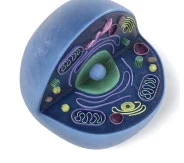 Cells with mitochondria isolated from old animals degenerate far more rapidly than those with mitochondria from young animals.
- When supplied with a nutrient regimen that includes lipoic acid, a profound regenerative effect is observed.
- Experimental models show that lipoic acid optimizes function of the mitochondria in aging cells and reverses cell aging.
- Recent data reveal that lipoic acid specifically targets factors that contribute to mitochondrial aging, dysfunction, and cell death.
- Lipoic acid can help to prevent cardiovascular disease, obesity, insulin resistance, and diabetic complications.
- Lipoic acid protects against nerve and brain cell damage induced by aging and trauma.
- New evidence suggests that lipoic acid may also have important cancer-preventive effects, even against some of the most difficult-to-treat malignancies.
Lipoic Acid - An Anti-Diabetic
 Lipoic acid has an important role in managing diabetes, particularly the massive oxidative and inflammatory changes the disease produces.48,49 The benefits of lipoic acid include promoting insulin sensitivity and glucose uptake.50-52 Diabetics are at increased risk for the kinds of cardiovascular problems that lipoic acid can prevent, including accumulation of cellular toxins.32,53 By protecting against endothelial damage, lipoic acid reduces the threat of diabetic vascular and kidney complications.26,54
Lipoic acid is proving to be especially effective at preventing the painful and debilitating condition known as diabetic neuropathy, an almost inevitable complication in people with poor blood sugar control.55 Diabetic neuropathy begins with pain, burning, and/or stabbing sensations in the extremities.56 In more advanced stages of this condition, the pain disappears as severe damage is done to microscopic blood vessels. Ultimately the loss of nerve function can lead to open sores, infections, and even amputations. Despite considerable knowledge about how diabetic neuropathy arises, no drug treatment has yet proved effective in preventing or reversing the condition.56
Lipoic acid’s powerful antioxidant actions limit damage to the lining and blood supply of nerves, helping to reduce both symptoms and nerve dysfunction.57 Clinical studies have uniformly demonstrated improvements in pain, numbness, and stinging, while also improving nerve conduction velocity, a measure of how efficiently nerves transmit electrical impulses.58-61 Studies have shown that lipoic acid produces significant improvements when administered for 3 weeks, and longer studies have shown sustained effects.62,63 Lipoic acid also has beneficial effects on circulation in patients with diabetic neuropathy, improving blood flow and the amount of blood reserve available during high demand.64
It’s essential to start early with optimal levels of lipoic acid to prevent diabetic neuropathy. People with good blood sugar control and younger patients do better, as do women, and thinner patients in general.58 While doses of up to 1,800 mg/day are well-tolerated, 600 mg/day of alpha-lipoic acid seems to produce the best results in those with diabetes.59 This translates into a 300 mg dose of R-lipoic acid to obtain the same biological activity.21,22
Protection from Brain Cell Degeneration
 Lipoic acid protects brain tissue from the long-term effects of advanced glycation end products and the resulting inflammation and oxidative damage, conditions that lead to neurodegenerative diseases like Alzheimer’s disease.9,65,66 A hallmark of Alzheimer’s disease is the formation of an abnormal protein called amyloid-beta, the result of chronic inflammation and a producer of increased oxidative stress. Lipoic acid reduces amyloid-beta-induced inflammation and improves brain cells’ production of the chemical signaling molecules called neurotransmitters.67,68 Mitochondrial function is significantly impaired in the brains of Alzheimer’s and Parkinson’s disease patients and lipoic acid decreases mitochondrial oxidant stress in those cells.69,70
These effects work together with other nutrients like acetyl-L-carnitine, docosahexaenoic acid (DHA), phosphatidylserine (PS), and glyceryl-phosphoryl-choline (GPC) to improve cognitive performance.71 Research has shown that lipoic acid prevents cell death in the brain regions most affected in Parkinson’s disease.72 These findings are both good news and important reminders of the need to incorporate lipoic acid early, before symptoms progress in these chronic, debilitating diseases. Lipoic acid may also have an important role in preventing the immune over-response that causes multiple sclerosis, another chronic, progressive brain disease.73-81
By increasing antioxidant capacity, scavenging free radicals, reducing lipid peroxidation, and enhancing energy utilization, lipoic acid may also minimize the damage produced by brain trauma.82 Lipoic acid has shown benefit in preventing trauma-related injuries to the brain, spinal cord, and even peripheral nerves, all of which are vulnerable following a major accident.83-85
Lipoic Acid - Anti-Cancer Mechanisms
 Cancer scientists are growing increasingly interested in lipoic acid because cancer cells offer many targets for its anti-inflammatory attributes.86 These attributes allow lipoic acid to intervene at multiple points in the chain of carcinogenesis.86,87 In experimental studies, lipoic acid shows promise against cancers of the blood (leukemia), lung, breast, and liver.88-93 Preliminary research indicates that lipoic acid acts to halt the cell reproductive cycle of cancer cells, slowing or stopping tumor growth.88,89 Lipoic acid may also help induce apoptosis, the programmed cell death that is the body’s natural control mechanism for weeding out nascent cancers.88-93 Lipoic acid also protects against chemical-induced DNA damage that can lead to cancerous transformation.94 Lipoic acid may help prevent metastatic cancer spread by reducing activity of enzymes that tumors use to invade tissues.93 Finally, in those unfortunate enough to require chemotherapy to treat an existing cancer, lipoic acid can afford powerful protection against some of the side effects, such as diarrhea, intestinal cramping, and ulcers, thanks to its antioxidant capabilities.87
An abundance of recently published studies reveals a wide range of new findings about lipoic acid:
 Weight loss support. Overweight or obese individuals who received 1,800 mg of alpha lipoic acid daily for 20 weeks lost more weight compared with subjects who did not receive lipoic acid.95 This translates into 900 mg of the biologically active R-lipoic acid.
- Migraine prevention. Individuals with frequent or poorly controlled migraine attacks who consumed lipoic acid each day displayed a trend toward fewer migraines.96 These findings build on earlier research suggesting a role for lipoic acid in migraine prevention.97
- Improving endothelial function. Impaired glucose tolerance contributes to endothelial function, an underlying cause of cardiovascular disease. When lipoic acid was administered to individuals with newly diagnosed impaired fasting glucose, endothelial function improved, as did a marker of oxidative stress.98
- Benefits for polycystic ovary syndrome. Polycystic ovary syndrome (PC OS) is characterized by hormone imbalances, irregular or absent menstrual periods, and blood sugar and lipid abnormalities. Lean, non-diabetic women with PC OS who consumed 600 mg of alpha lipoic acid daily demonstrated improved insulin sensitivity, decreased triglycerides, and beneficial changes in low-density lipoprotein (LDL), and some experienced more regular menstrual periods.99
- Relieving back pain. Individuals undergoing rehabilitation therapy for back pain caused by disc compression of nerves who consumed 600 mg of alpha lipoic acid and 360 mg of gamma-linolenic acid (GLA) daily experienced greater improvements in nerve pain, compared with patients undergoing rehabilitation alone.100
- Preventing steroid-induced osteonecrosis. Corticosteroids such as prednisone threaten bone health and increase fracture risk by impairing blood flow to bone.101 In an animal model, lipoic acid helped prevent steroid-induced osteonecrosis (bone death that increases fracture risk), possibly by reducing oxidative stress and/or by improving endothelial function.102
- Decreasing leptin levels. Elevated levels of the fat-secreted hormone leptin are involved in the development of metabolic syndrome and diabetes. Lipoic acid administration to animals decreased circulating leptin and leptin expression in fat tissue.103
Summary
Cells with mitochondria isolated from old animals degenerate far more rapidly than those with mitochondria from young animals, revealing the importance of healthy mitochondria to delay the aging process. When supplied with a nutrient regimen that includes lipoic acid, a profound regenerative effect is observed, including improved metabolic function and significant declines in oxidative stress.
Recent data reveal that lipoic acid specifically targets factors that contribute to mitochondrial aging, dysfunction, and cell death. Lipoic acid can prevent and even mitigate cardiovascular diseases, obesity, insulin resistance, and complications of diabetes. Lipoic acid protects against nerve and brain cell damage induced by aging and trauma.
New evidence suggests that lipoic acid may also have important cancer-preventive effects, even against some of the most difficult-to-treat malignancies.
Material used with permission of Life Extension. All rights reserved.
1. Available at: http://www.antiaging-systems.com/articles/66-the-mitochondrial-theory-of-aging. Accessed May 12, 2011.
2. Sastre J, Millán A, García de la Asunción J, et al. A Ginkgo biloba extract (EGb 761) prevents mitochondrial aging by protecting against oxidative stress. Free Radic Biol Med. 1998 Jan 15;24(2):298-304.
3. Hagen TM, Liu J, Lykkesfeldt J, et al. Feeding acetyl-L-carnitine and lipoic acid to old rats significantly improves metabolic function while decreasing oxidative stress. Proc Natl Acad Sci U S A. 2002 Feb 19;99(4):1870-5.
4. Harman D. The aging process. Proc Natl Acad Sci U S A. 1981 Nov;78(11):7124-8.
5. Ames BN, Shigenaga MK, Hagen TM. Mitochondrial decay in aging. Biochim Biophys Acta. 1995 May 24;1271(1):165-70.
6. Miquel J. An update on the mitochondrial-DNA mutation hypothesis of cell aging. Mutat Res. 1992 Sep;275(3-6):209-16.
7. Bertoni-Freddari C, Fattoretti P, Casoli T, Spagna C, Meier-Ruge W. Morphological alterations of synaptic mitochondria during aging. The effect of Hydergine treatment. Ann N Y Acad Sci. 1994 Jun 30;717:137-49.
8. Ames BN. Optimal micronutrients delay mitochondrial decay and age-associated diseases. Optimal micronutrients delay mitochondrial decay and age-associated diseases. Mech Ageing Dev. 2010 Jul-Aug;131(7-8):473-9.
9. Maczurek A, Hager K, Kenklies M, et al. Lipoic acid as an anti-inflammatory and neuroprotective treatment for Alzheimer’s disease. Adv Drug Deliv Rev. 2008 Oct-Nov;60(13-14):1463-70.
10. Salinthone S, Yadav V, Bourdette DN, Carr DW. Lipoic acid: a novel therapeutic approach for multiple sclerosis and other chronic inflammatory diseases of the CNS. Endocr Metab Immune Disord Drug Targets. 2008 Jun;8(2):132-42.
11. Ames BN. Prevention of mutation, cancer, and other age-associated diseases by optimizing micronutrient intake. J Nucleic Acids. 2010 Sept 22;2010.
12. Liu J. The effects and mechanisms of mitochondrial nutrient alpha-lipoic acid on improving age-associated mitochondrial and cognitive dysfunction: an overview. Neurochem Res. 2008 Jan;33(1):194-203.
13. Wang Y, Li X, Guo Y, Chan L, Guan X. alpha-Lipoic acid increases energy expenditure by enhancing adenosine monophosphate-activated protein kinase-peroxisome proliferator-activated receptor-gamma coactivator-1alpha signaling in the skeletal muscle of aged mice. Metabolism. 2010 Jul;59(7):967-76.
14. Kunt T, Forst T, Wilhelm A, et al. Alpha-lipoic acid reduces expression of vascular cell adhesion molecule-1 and endothelial adhesion of human monocytes after stimulation with advanced glycation end products. Clin Sci (Lond). 1999 Jan;96(1):75-82.
15. Midaoui AE, Elimadi A, Wu L, Haddad PS, de Champlain J. Lipoic acid prevents hypertension, hyperglycemia, and the increase in heart mitochondrial superoxide production. Am J Hypertens. 2003 Mar;16(3):173-9.
16. Thirunavukkarasu V, Anitha Nandhini AT, Anuradha CV. Lipoic acid improves glucose utilisation and prevents protein glycation and AGE formation. Pharmazie. 2005 Oct;60(10):772-5.
17. Gasic-Milenkovic J, Loske C, Deuther-Conrad W, Münch G.Protein “AGEing”–cytotoxicity of a glycated protein increases with its degree of AGE-modification. Z Gerontol Geriatr. 2001 Dec;34(6):457-60.
18. Shay KP, Moreau RF, Smith EJ, Smith AR, Hagen TM. Alpha-lipoic acid as a dietary supplement: molecular mechanisms and therapeutic potential. Biochim Biophys Acta. 2009 Oct;1790(10):1149-60.
19. Li L, Smith A, Hagen TM, Frei B. Vascular oxidative stress and inflammation increase with age: ameliorating effects of alpha-lipoic acid supplementation. Ann N Y Acad Sci. 2010 Aug;1203:151-9.
20. Koufaki M, Detsi A, Kiziridi C. Multifunctional lipoic acid conjugates. Curr Med Chem. 2009;16(35):4728-42.
21. Smith JR, Thiagaraj HV, Seaver B, Parker KK. Differential activity of lipoic acid enantiomers in cell culture. J Herb Pharmacother. 2005;5(3):43-54.
22. Streeper RS, Henriksen EJ, Jacob S, Hokama JY, Fogt DL, Tritschler HJ. Differential effects of lipoic acid stereoisomers on glucose metabolism in insulin-resistant skeletal muscle. Am J Physiol. 1997 Jul;273(1 Pt 1):E185-91.
23. Amom Z, Zakaria Z, Mohamed J, et al. Lipid lowering effect of antioxidant alpha-lipoic Acid in experimental atherosclerosis. J Clin Biochem Nutr. 2008 Sep;43(2):88-94.
24. Zulkhairi A, Zaiton Z, Jamaluddin M, et al. Alpha lipoic acid possess dual antioxidant and lipid lowering properties in atherosclerotic-induced New Zealand White rabbit. Biomed Pharmacother. 2008 Dec;62(10):716-22.
25. McMackin CJ, Widlansky ME, Hamburg NM, et al. Effect of combined treatment with alpha-Lipoic acid and acetyl-L-carnitine on vascular function and blood pressure in patients with coronary artery disease. J Clin Hypertens (Greenwich). 2007 Apr;9(4):249-55.
26. Xiang GD, Sun HL, Zhao LS, Hou J, Yue L, Xu L. The antioxidant alpha-lipoic acid improves endothelial dysfunction induced by acute hyperglycaemia during OGTT in impaired glucose tolerance. Clin Endocrinol (Oxf). 2008 May;68(5):716-23.
27. Heinisch BB, Francesconi M, Mittermayer F, et al. Alpha-lipoic acid improves vascular endothelial function in patients with type 2 diabetes: a placebo-controlled randomized trial. Eur J Clin Invest. 2010 Feb;40(2):148-54.
28. Ying Z, Kherada N, Farrar B, et al. Lipoic acid effects on established atherosclerosis. Life Sci. 2010 Jan 16;86(3-4):95-102.
29. Vincent HK, Bourguignon CM, Vincent KR, Taylor AG. Effects of alpha-lipoic acid supplementation in peripheral arterial disease: a pilot study. J Altern Complement Med. 2007 Jun;13(5):577-84.
30. Hadj A, Esmore D, Rowland M, et al. Pre-operative preparation for cardiac surgery utilising a combination of metabolic, physical and mental therapy. Heart Lung Circ. 2006 Jun;15(3):172-81.
31. Zhang WJ, Bird KE, McMillen TS, LeBoeuf RC, Hagen TM, Frei B. Dietary alpha-lipoic acid supplementation inhibits atherosclerotic lesion development in apolipoprotein E-deficient and apolipoprotein E/low-density lipoprotein receptor-deficient mice. Circulation. 2008 Jan 22;117(3):421-8.
32. Mittermayer F, Pleiner J, Francesconi M, Wolzt M. Treatment with alpha-lipoic acid reduces asymmetric dimethylarginine in patients with type 2 diabetes mellitus. Transl Res. 2010 Jan;155(1):6-9.
33. Mattioli LF, Holloway NB, Thomas JH, Wood JG. Fructose, but not dextrose, induces leukocyte adherence to the mesenteric venule of the rat by oxidative stress. Pediatr Res. 2010 Apr;67(4):352-6.
34. Kim HJ, Kim JY, Lee SJ, et al. α-Lipoic acid prevents neointimal hyperplasia via induction of p38 mitogen-activated protein kinase/Nur77-mediated apoptosis of vascular smooth muscle cells and accelerates postinjury reendothelialization. Arterioscler Thromb Vasc Biol. 2010 Nov;30(11):2164-72.
35. Li CJ, Zhang QM, Li MZ, Zhang JY, Yu P, Yu DM. Attenuation of myocardial apoptosis by alpha-lipoic acid through suppression of mitochondrial oxidative stress to reduce diabetic cardiomyopathy. Chin Med J (Engl). 2009 Nov 5;122(21):2580-6.
36. Doggrell SA. Alpha-lipoic acid, an anti-obesity agent? Expert Opin Investig Drugs. 2004 Dec;13(12):1641-3.
37. Kim MS, Park JY, Namkoong C, et al. Anti-obesity effects of alpha-lipoic acid mediated by suppression of hypothalamic AMP-activated protein kinase. Nat Med. 2004 Jul;10(7):727-33.
38. Lee WJ, Koh EH, Won JC, Kim MS, Park JY, Lee KU. Obesity: the role of hypothalamic AMP-activated protein kinase in body weight regulation. Int J Biochem Cell Biol. 2005 Nov;37(11):2254-9.
39. Prieto-Hontoria PL, Perez-Matute P, Fernandez-Galilea M, Barber A, Martinez JA, Moreno-Aliaga MJ. Lipoic acid prevents body weight gain induced by a high fat diet in rats: effects on intestinal sugar transport. J Physiol Biochem. 2009 Mar;65(1):43-50.
40. Eason RC, Archer HE, Akhtar S, Bailey CJ. Lipoic acid increases glucose uptake by skeletal muscles of obese-diabetic ob/ob mice. Diabetes Obes Metab. 2002 Jan;4(1):29-35.
41. Lee WJ, Song KH, Koh EH, et al. Alpha-lipoic acid increases insulin sensitivity by activating AMPK in skeletal muscle. Biochem Biophys Res Commun. 2005 Jul 8;332(3):885-91.
42. Muellenbach EM, Diehl CJ, Teachey MK, et al. Metabolic interactions of AGE inhibitor pyridoxamine and antioxidant alpha-lipoic acid following 22 weeks of treatment in obese Zucker rats. Life Sci. 2009
Apr 10;84(15-16):563-8.
43. Timmers S, de Vogel-van den Bosch J, Towler MC, et al. Prevention of high-fat diet-induced muscular lipid accumulation in rats by alpha lipoic acid is not mediated by AMPK activation. J Lipid Res. 2010 Feb;51(2):352-9.
44. Park KG, Min AK, Koh EH, et al. Alpha-lipoic acid decreases hepatic lipogenesis through adenosine monophosphate-activated protein kinase (AMPK)-dependent and AMPK-independent pathways. Hepatology. 2008 Nov;48(5):1477-86.
45. Butler JA, Hagen TM, Moreau R. Lipoic acid improves hypertriglyceridemia by stimulating triacylglycerol clearance and downregulating liver triacylglycerol secretion. Arch Biochem Biophys. 2009 May 1;485(1):63-71.
46. Kim E, Park DW, Choi SH, Kim JJ, Cho HS. A preliminary investigation of alpha-lipoic acid treatment of antipsychotic drug-induced weight gain in patients with schizophrenia. J Clin Psychopharmacol. 2008 Apr;28(2):138-46.
47. Carbonelli MG, Di Renzo L, Bigioni M, Di Daniele N, De Lorenzo A, Fusco MA. Alpha-lipoic acid supplementation: a tool for obesity therapy? Curr Pharm Des. 2010;16(7):840-6.
48. Gianturco V, Bellomo A, D’Ottavio E, et al. Impact of therapy with alpha-lipoic acid (ALA) on the oxidative stress in the controlled NIDDM: a possible preventive way against the organ dysfunction? Arch Gerontol Geriatr. 2009;49 Suppl 1:129-33.
49. Poh ZX, Goh KP. A current update on the use of alpha lipoic acid in the management of type 2 diabetes mellitus. Endocr Metab Immune Disord Drug Targets. 2009 Dec;9(4):392-8.
50. Jacob S, Henriksen EJ, Schiemann AL, et al. Enhancement of glucose disposal in patients with type 2 diabetes by alpha-lipoic acid. Arzneimittelforschung. 1995 Aug;45(8):872-4.
51. Jacob S, Ruus P, Hermann R, et al. Oral administration of RAC-alpha-lipoic acid modulates insulin sensitivity in patients with type-2 diabetes mellitus: a placebo-controlled pilot trial. Free Radic Biol Med. 1999 Aug;27(3-4):309-14.
52. Kamenova P. Improvement of insulin sensitivity in patients with type 2 diabetes mellitus after oral administration of alpha-lipoic acid. Hormones (Athens). 2006 Oct-Dec;5(4):251-8.
53. Chang JW, Lee EK, Kim TH, et al. Effects of alpha-lipoic acid on the plasma levels of asymmetric dimethylarginine in diabetic end-stage renal disease patients on hemodialysis: a pilot study. Am J Nephrol. 2007;27(1):70-4.
54. Morcos M, Borcea V, Isermann B, et al. Effect of alpha-lipoic acid on the progression of endothelial cell damage and albuminuria in patients with diabetes mellitus: an exploratory study. Diabetes Res Clin Pract. 2001 Jun;52(3):175-83.
55. Vallianou N, Evangelopoulos A, Koutalas P. Alpha-lipoic Acid and diabetic neuropathy. Rev Diabet Stud. 2009 Winter;6(4):230-6.
56. Tahrani AA, Askwith T, Stevens MJ. Emerging drugs for diabetic neuropathy. Expert Opin Emerg Drugs. 2010 Dec;15(4):661-83.
57. Winkler G, Kempler P. Pathomechanism of diabetic neuropathy: background of the pathogenesis-oriented therapy. Orv Hetil. 2010 Jun 13;151(24):971-81.
58. Negrisanu G, Rosu M, Bolte B, Lefter D, Dabelea D. Effects of 3-month treatment with the antioxidant alpha-lipoic acid in diabetic peripheral neuropathy. Rom J Intern Med. 1999 Jul-Sep;37(3):297-306.
59. Ziegler D, Ametov A, Barinov A, et al. Oral treatment with alpha-lipoic acid improves symptomatic diabetic polyneuropathy: the SYDNEY 2 trial. Diabetes Care. 2006 Nov;29(11):2365-70.
60. Liu F, Zhang Y, Yang M, et al. Curative effect of alpha-lipoic acid on peripheral neuropathy in type 2 diabetes: a clinical study. Zhonghua Yi Xue Za Zhi. 2007 Oct 16;87(38):2706-9.
61. Mijnhout GS, Alkhalaf A, Kleefstra N, Bilo HJ. Alpha lipoic acid: a new treatment for neuropathic pain in patients with diabetes? Neth J Med. 2010 Apr;68(4):158-62.
62. Ruhnau KJ, Meissner HP, Finn JR, et al. Effects of 3-week oral treatment with the antioxidant thioctic acid (alpha-lipoic acid) in symptomatic diabetic polyneuropathy. Diabet Med. 1999 Dec;16(12):1040-3.
63. Burekovic A, Terzic M, Alajbegovic S, Vukojevic Z, Hadzic N. The role of alpha-lipoic acid in diabetic polyneuropathy treatment. Bosn J Basic Med Sci. 2008 Nov;8(4):341-5.
64. Haak E, Usadel KH, Kusterer K, et al. Effects of alpha-lipoic acid on microcirculation in patients with peripheral diabetic neuropathy. Exp Clin Endocrinol Diabetes. 2000;108(3):168-74.
65. Munch G, Kuhla B, Luth HJ, Arendt T, Robinson SR. Anti-AGEing defences against Alzheimer’s disease. Biochem Soc Trans. 2003 Dec;31(Pt 6):1397-9.
66. Zhang L, Xing GQ, Barker JL, et al. Alpha-lipoic acid protects rat cortical neurons against cell death induced by amyloid and hydrogen peroxide through the Akt signalling pathway. Neurosci Lett. 2001 Oct 26;312(3):125-8.
67. Jesudason EP, Masilamoni JG, Ashok BS, et al. Inhibitory effects of short-term administration of DL-alpha-lipoic acid on oxidative vulnerability induced by Abeta amyloid fibrils (25-35) in mice. Mol Cell Biochem. 2008 Apr;311(1-2):145-56.
68. Holmquist L, Stuchbury G, Berbaum K, et al. Lipoic acid as a novel treatment for Alzheimer’s disease and related dementias. Pharmacol Ther. 2007 Jan;113(1):154-64.
69. Beal MF. Bioenergetic approaches for neuroprotection in Parkinson’s disease. Ann Neurol. 2003;53 Suppl 3:S39-47; discussion S47-8.
70. Moreira PI, Harris PL, Zhu X, et al. Lipoic acid and N-acetyl cysteine decrease mitochondrial-related oxidative stress in Alzheimer disease patient fibroblasts. J Alzheimers Dis. 2007 Sep;12(2):195-206.
71. Suchy J, Chan A, Shea TB. Dietary supplementation with a combination of alpha-lipoic acid, acetyl-L-carnitine, glycerophosphocoline, docosahexaenoic acid, and phosphatidylserine reduces oxidative damage to murine brain and improves cognitive performance. Nutr Res. 2009 Jan;29(1):70-4.
72. Karunakaran S, Diwakar L, Saeed U, et al. Activation of apoptosis signal regulating kinase 1 (ASK1) and translocation of death-associated protein, Daxx, in substantia nigra pars compacta in a mouse model of Parkinson’s disease: protection by alpha-lipoic acid. FASEB J. 2007 Jul;21(9):2226-36.
73. Chaudhary P, Marracci GH, Bourdette DN. Lipoic acid inhibits expression of ICAM-1 and VCAM-1 by CNS endothelial cells and T cell migration into the spinal cord in experimental autoimmune encephalomyelitis. J Neuroimmunol. 2006 Jun;175(1-2):87-96.
74. Marracci GH, Marquardt WE, Strehlow A, et al. Lipoic acid downmodulates CD4 from human T lymphocytes by dissociation of p56(Lck). Biochem Biophys Res Commun. 2006 Jun 9;344(3):963-71.
75. Marracci GH, McKeon GP, Marquardt WE, Winter RW, Riscoe MK, Bourdette DN. Alpha lipoic acid inhibits human T-cell migration: implications for multiple sclerosis. J Neurosci Res. 2004 Nov 1;78(3):362-70.
76. Morini M, Roccatagliata L, Dell’Eva R, et al. Alpha-lipoic acid is effective in prevention and treatment of experimental autoimmune encephalomyelitis. J Neuroimmunol. 2004 Mar;148(1-2):146-53.
77. Salinthone S, Schillace RV, Marracci GH, Bourdette DN, Carr DW. Lipoic acid stimulates cAMP production via the EP2 and EP4 prostanoid receptors and inhibits IFN gamma synthesis and cellular cytotoxicity in NK cells. J Neuroimmunol. 2008 Aug 13;199(1-2):46-55.
78. Schillace RV, Pisenti N, Pattamanuch N, et al. Lipoic acid stimulates cAMP production in T lymphocytes and NK cells. Biochem Biophys Res Commun. 2007 Mar 2;354(1):259-64.
79. Schreibelt G, Musters RJ, Reijerkerk A, et al. Lipoic acid affects cellular migration into the central nervous system and stabilizes blood-brain barrier integrity. J Immunol. 2006 Aug 15;177(4):2630-7.
80. Yadav V, Marracci G, Lovera J, et al. Lipoic acid in multiple sclerosis: a pilot study. Mult Scler. 2005 Apr;11(2):159-65.
81. Yadav V, Shinto L, Bourdette D. Complementary and alternative medicine for the treatment of multiple sclerosis. Expert Rev Clin Immunol. 2010 May;6(3):381-95.
82. Toklu HZ, Hakan T, Biber N, Solakoglu S, Ogunc AV, Sener G. The protective effect of alpha lipoic acid against traumatic brain injury in rats. Free Radic Res. 2009 Jul;43(7):658-67.
83. Mitsui Y, Schmelzer JD, Zollman PJ, Mitsui M, Tritschler HJ, Low PA. Alpha-lipoic acid provides neuroprotection from ischemia-reperfusion injury of peripheral nerve. J Neurol Sci. 1999 Feb 1;163(1):11-6.
84. Senoglu M, Nacitarhan V, Kurutas EB, et al. Intraperitoneal Alpha-Lipoic Acid to prevent neural damage after crush injury to the rat sciatic nerve. J Brachial Plex Peripher Nerve Inj. 2009;4:22.
85. Ranieri M, Sciuscio M, Cortese A, et al. Possible role of alpha-lipoic acid in the treatment of peripheral nerve injuries. J Brachial Plex Peripher Nerve Inj. 2010 Aug 31;5(1):15.
86. Novotny L, Rauko P, Cojocel C. alpha-Lipoic acid: the potential for use in cancer therapy. Neoplasma. 2008;55(2):81-6.
87. Dadhania VP, Tripathi DN, Vikram A, Ramarao P, Jena GB. Intervention of alpha-lipoic acid ameliorates methotrexate-induced oxidative stress and genotoxicity: A study in rat intestine. Chem Biol Interact. 2010 Jan 5;183(1):85-97.
88. Selvakumar E, Hsieh TC. Regulation of cell cycle transition and induction of apoptosis in HL-60 leukemia cells by lipoic acid: role in cancer prevention and therapy. J Hematol Oncol. 2008;1:4.
89. Na MH, Seo EY, Kim WK. Effects of alpha-lipoic acid on cell proliferation and apoptosis in MDA-MB-231 human breast cells. Nutr Res Pract. 2009 Winter;3(4):265-71.
90. Shi DY, Liu HL, Stern JS, Yu PZ, Liu SL. Alpha-lipoic acid induces apoptosis in hepatoma cells via the PTEN/Akt pathway. FEBS Lett. 2008 May 28;582(12):1667-71.
91. Choi SY, Yu JH, Kim H. Mechanism of alpha-lipoic acid-induced apoptosis of lung cancer cells. Ann N Y Acad Sci. 2009 Aug;1171:149-55.
92. Dozio E, Ruscica M, Passafaro L, et al. The natural antioxidant alpha-lipoic acid induces p27(Kip1)-dependent cell cycle arrest and apoptosis in MCF-7 human breast cancer cells. Eur J Pharmacol. 2010 Sep 1;641(1):29-34.
93. Lee HS, Na MH, Kim WK. alpha-Lipoic acid reduces matrix metalloproteinase activity in MDA-MB-231 human breast cancer cells. Nutr Res. 2010 Jun;30(6):403-9.
94. Kumar S, Budhwar R, Nigam A, Priya S. Cytoprotection against Cr(6+)-induced DNA damage by alpha-lipoic acid: implications in reducing occupational cancer risk. Mutagenesis. 2009 Nov;24(6):495-500.
95. Koh EH, Lee WJ, Lee SA, et al. Effects of alpha-lipoic acid on body weight in obese subjects. Am J Med. 2011 Jan;124(1):85.e1-8.
96. Schiapparelli P, Allais G, Castagnoli Gabellari I, Rolando S, Terzi MG, Benedetto C. Non-pharmacological approach to migraine prophylaxis: part II. Neurol Sci. 2010 Jun;31 Suppl 1:S137-9.
97. Magis D, Ambrosini A, Sándor P, Jacquy J, Laloux P, Schoenen J. A randomized double-blind placebo-controlled trial of thioctic acid in migraine prophylaxis. Headache. 2007 Jan;47(1):52-7.
98. Xiang G, Pu J, Yue L, Hou J, Sun H. α-lipoic acid can improve endothelial dysfunction in subjects with impaired fasting glucose. Metabolism. 2011 Apr;60(4):480-5.
99. Masharani U, Gjerde C, Evans JL, Youngren JF, Goldfine ID. Effects of controlled-release alpha lipoic acid in lean, nondiabetic patients with polycystic ovary syndrome. J Diabetes Sci Technol. 2010 Mar 1;4(2):359-64.
100. Ranieri M, Sciuscio M, Cortese AM, et al. The use of alpha-lipoic acid (ALA), gamma linolenic acid (GLA) and rehabilitation in the treatment of back pain: effect on health-related quality of life. Int J Immunopathol Pharmacol. 2009 Jul-Sep;22(3 Suppl):45-50.
101. Gourlay M, Franceschini N, Sheyn Y. Prevention and treatment strategies for glucocorticoid-induced osteoporotic fractures. Clin Rheumatol. 2007 Feb;26(2):144-5
102. Lu BB, Li KH. Lipoic acid prevents steroid-induced osteonecrosis in rabbits. Rheumatol Int. 2011 Mar 23.
103. Prieto-Hontoria PL, Pérez-Matute P, Fernández-Galilea M, Martínez JA, Moreno-Aliaga MJ. Lipoic acid inhibits leptin secretion and Sp1 activity in adipocytes. Mol Nutr Food Res. 2011 Feb 23.
Related products
-
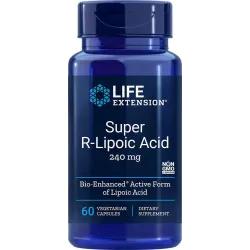
Super R-Lipoic Acid
Price: 44,18 €Protects against oxidative stress Potent antioxidant that achieves healthy... -
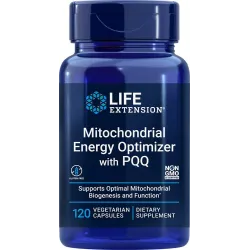
Mitochondrial Energy Optimizer with PQQ
Price: 50,80 €Energize every cell in your body! Supports healthy mitochondrial function...
Related posts
-
 Is Conventional Pomegranate Extract Enough?
An abundance of clinical data has established pomegranate as a broad-spectrum, multi-modal defense against the...
Is Conventional Pomegranate Extract Enough?
An abundance of clinical data has established pomegranate as a broad-spectrum, multi-modal defense against the... -
Feed Your Brain!
Millions of people around the world are adhering to low-fat, low-cholesterol diets in an effort to reduce the impact...
-
Vitamin C and Dihydroquercetin
Every day, our bodies are under continual assault by damaging agents known as free radicals. Generally, both internal...
-
How Resveratrol Combats Leading Causes of Death
In 1997, the first scientific paper on resveratrol was published showing that this polyphenol could prevent cancer in...
-
Autoimmune Diseases part 1
Autoimmune diseases are characterized by the body's immune responses being directed against its own tissues, causing...