
 English
 Polski
 Deutsch
 Français
 ελληνικά
 Español
 Italiano
Discovering Coffee's Unique Health Benefits
 Every morning, many of us sip our coffee with no real thought given to the beans behind the brew. But coffee beans are extra-ordinarily complex fruits containing over 1,0001,2 compounds - only a handful of which have ever been individually investigated by scientists. Not only is coffee packed with antioxidants,3 but it is the greatest source of antioxidants in the American diet.3,4
The average American coffee drinker consumes about 3.1 cups of coffee a day,5 but extensive research has found that higher volumes - as much as 4 to 12 cups daily - can help prevent most major killers, including cardiovascular disease,6-8 cancer,9-11 diabetes,12-14 liver disease,15-17 and Alzheimer's disease.18-20
For instance, in case-controlled human studies, compared to coffee abstainers, those who drank the most coffee cut their risks of breast cancer by 57% and diabetes by 67%.10,21
In this article, you will learn about recent research into the benefits of coffee consumption, what's missing from most commercial coffee beans, and what people should do who are overly sensitive to coffee beverages.
Diabetes Management
 Health authorities expressed alarm over the mushrooming epidemic status of diabetes after a July, 2011, study in Lancet shocked even experts with its estimate of 347 million diabetics worldwide.22 Then, the International Diabetes Federation presented evidence on September 13, 2011, that the real total is closer to 366 million.23
Scientific studies have found that regular coffee consumption (with its chlorogenic acid content) lowers the risk of type 2 diabetes by up to 67%.21 This appears to result from reduced levels of blood glucose, increased insulin sensitivity, and decreased storage of both fat and carbohydrate.
In one of a number of studies, a 2009 meta-analysis in the Annals of Internal Medicine combined data on over 450,000 people and found that every additional cup per day of caffeinated or decaffeinated coffee lowered the risk of diabetes by 5 to 10%.12
Many epidemiological studies show that the risk of diabetes drops directly according to the amount of coffee consumed. For instance, scientists found that overall risk is reduced by:
1. 13% with one cup a day,24
2. 47% with 4 cups a day,24
3. 67% with 12 cups a day.21
Scientists are beginning to learn how chlorogenic acid, a potent constituent of both raw and brewed coffee, can be directly tied to an anti-diabetic effect. Investigation has shown it substantially interferes with glucose synthesis and release in the body.25 It appears to accomplish this by inhibiting the pathway of glucose-6-phosphatase, a glucose-regulating enzyme, which in turn results in a reduction of sugar levels in the blood.26
 Chlorogenic acid also lessens the hyperglycemic peak associated with carbohydrate ingestion.26 This results in a downturn in insulin activity, and a reduced accumulation of adipose (fat-storing) tissue.
Unidentified compounds in coffee, as well as caffeine itself, may be boosting the preventive effect of chlorogenic acid against diabetes. Preliminary studies suggest that these chemicals may lower carbohydrate storage by 35%27 and improve insulin sensitivity.28
Coffee was previously found to inhibit iron absorption.29 Later, in 2004, scientists found a direct link between reduced storage of iron in the body and a lower risk of diabetes type 2, independent of other risk factors.30
Cancer Risk Reduction
 Early studies are reporting an association between higher coffee consumption and a reduced risk of various cancers.
For instance, at a time when prostate cancer is the second leading cause of cancer death among American men (after lung cancer),31 a promising study appeared in the June 8, 2011, issue of the Journal of the National Cancer Institute. The research team reported that men who drank over 6 cups of coffee a day had an 18% lower risk of prostate cancer - and a 40% lower risk of aggressive or lethal prostate cancer.9 This effect was noted for decaffeinated as well as caffeinated coffee - indicating that compounds other than caffeine are responsible for this preventive effect. Constituents in coffee seem to improve insulin levels and sensitivity,32 hypothesized to play a role in prostate cancer progression.33
With breast cancer ranked as the second leading cause of cancer death among American women (after lung cancer),34 potentially good news arrived recently in the form of a study finding that coffee consumption may help prevent a specific form of this disease. The May 14, 2011, issue of Breast Cancer Research reported that postmenopausal women who consumed 5 cups of coffee daily exhibited a 57% decrease in their risk of developing ER-negative (non-hormone-responsive) breast cancer, a form of cancer that is especially difficult to treat.10 This builds on an earlier study in which 2 or more cups of coffee per day was shown to delay the onset of breast cancer in women with a certain genetic type.35 Chlorogenic acid, caffeic acid, phytoestrogens, and caffeine - all found in coffee - are suspected of playing a major role.35
Colorectal cancer is the second most common cause of cancer-related deaths in the US overall (when the statistics for both sexes are combined).36 While colonoscopy screening is a useful tool for detecting cancers or pre-cancerous polyps, researchers have long hoped to find ways to prevent these cancers in the first place. The good news is that a large meta-analysis has reviewed the combined data from 24 previous studies and found an overall 30% lower incidence of colorectal cancer among those categorized as heavy coffee drinkers.37 This confirms the findings from several earlier studies.38-41
 There is a 15% chance that patients who are diagnosed with an oral or pharyngeal cancer will be found to have another cancer somewhere in the same area of the body such as the larynx (voice box), esophagus, or lung.42 But early research suggests the promise of preventing these types of cancers from occurring. A case control study found that individuals who consumed more than three cups of coffee daily had a 40% lower risk of oral, pharyngeal, and esophageal cancers, compared to those who drank one cup of coffee or less each day.43 A second study made the same strong connection.44
For several decades, liver cancer has been on the rise among Americans.45 Liver cancer has become a leading cause of cancer deaths worldwide,45 due to higher rates in some other parts of the world. In recent years, however, studies have been accumulating that suggest a substantially reduced risk of this disease among coffee drinkers. In a 2005 study, for example, just one cup a day was associated with a 42% lower risk of liver cancer.46 A number of studies have reported similar conclusions.47-52
 Coffee is the greatest source of antioxidants in the American diet.3,4 And the good news is that sound scientific studies have found that the common fears about excess coffee consumption are invalid, and higher intake means bigger benefits.
- An impressive number of studies have shown a strong association between higher consumption of coffee and a significantly reduced risk of most chronic diseases, including diabetes, cardiovascular disease, cancer, Alzheimer's disease, and others.
- With over 1,000 phytochemicals, coffee's unparalleled antioxidant punch no doubt plays a role in its protection against disease. But a multitude of direct biological actions on the body are suspected, such as an improvement in intracellular signaling,95,96 which may help prevent cancer, diabetes and more.
- Drinking just one cup of coffee a day - caffeinated or decaffeinated - can decrease the risk of developing diabetes by 13%.24 But at 12 cups a day, the risk of getting diabetes is slashed by 67%.21
- Far from being a risky habit, coffee has now been shown to provide powerful protection against an epidemic of diabetes and a rising tide of other age-related diseases. It's an all-natural and inexpensive elixir - to go!
What's Missing from Conventional Coffee?
 Not all coffee provides the same powerful protection against chronic disease. Polyphenol availability varies with how long the beans are roasted and the roasting method itself.
Roasting method: All roasting destroys some polyphenols, the most important being chlorogenic acid. However, in a new patented roasting process, the coffee beans are soaked and drained prior to being roasted.106 Later, after roasting, the beans are deposited back into the same liquid in which they were originally pre-soaked, in a process designed to return substantial polyphenol content to the beans.
Chlorogenic Acid Content of Conventional Roasted (Arabica) Coffee Compared to “Polyphenol-Retaining” Roasted Coffee
| Conventional Coffee | 92 mg/cup |
| Polyphenol-Retaining Coffee | 172 mg/cup 186% more chlorogenic acid |
| Conventional Decaffeinated Coffee | 52 mg/cup |
| Polyphenol-Retaining Decaffeinated Coffee | 132 mg/cup 254% more chlorogenic acid |
Tolerance: Some individuals find drinking coffee late in the day interferes with sleep; or they have religious or other reasons to avoid caffeine. No problem. Decaffeinated coffee has a similar rich antioxidant potency as the caffeinated variety.
Cardiovascular Disease
 As the leading cause of death, cardiovascular disease (CVD) kills over one third more Americans than cancer.53
You may have heard the common misconception that coffee raises blood pressure and increases the risk of CVD. However, scientific studies show that coffee's compounds lower blood pressure over the long term,54 decrease the risk of cardiovascular disease,55-57 and may reduce the risk of stroke.58
Drinking coffee can raise blood pressure briefly, right after consumption.59-61 But its compounds have a longer-term benefit: daily coffee consumption decreases blood pressure readings after just 8 weeks, believed to be a result of the beneficial action of chlorogenic acids on the arteries.62
Longer-term, drinking coffee cuts the risk of death from cardiovascular disease. A 15-year study of over 41,000 women found that the risk of death from cardiovascular disease was 24% lower among those consuming 1 to 3 cups of coffee daily,6 which was confirmed by other studies on men and women.63,64
Preventing cardiovascular disease at the cellular level, just one cup of coffee inhibited platelet aggregation within one hour, regardless of its caffeine content.65
More good news: studies found that regular coffee consumption improved inflammation and HDL ("good") cholesterol,66 and decreased coronary calcification.67
Liver Disease
Chronic liver disease and cirrhosis cause 35,000 deaths per year in the United States. Cirrhosis is the ninth leading cause of death in America, responsible for 1.2% of all US deaths.68 However, scientists have found that the risk of liver cirrhosis, and of dying from this disease, can be greatly reduced by coffee consumption.
Those drinking 4 cups of coffee daily exhibited a full 84% lower risk of cirrhosis, according to a study in the Annals of Epidemiology.69 This is consistent with an earlier 8-year study of over 120,000 people that found that each cup of coffee daily lowered the risk of dying from cirrhosis by 23%.70
Also, patients with hepatitis B or C have been shown to be less likely to develop nonalcoholic cirrhosis if they are also coffee drinkers.71
Cognitive Decline
 Alzheimer's disease becomes increasingly prevalent with aging, striking more than 40% of those over 84.72 Promising studies are finding that greater daily consumption of caffeinated coffee cuts the risk of both Alzheimer's18,73 and dementia74 later in life.
Scientists have discovered that long-term coffee intake exhibits a dose-dependent association with improved cognitive function and memory,75,76 and it protects primary neuronal cells.77
In fact, one mouse study has far-reaching implications for humans. Researchers found that moderate caffeine intake - equivalent to human consumption of 5 cups of coffee daily - began to reverse Alzheimer's damage in just 5 weeks.20
Although the mechanism by which coffee lowers the risk of cognitive decline is not known, a 2009 study on mice found that caffeine decreases levels, in both the blood and the brain, of amyloid-beta, a substance involved in the development of Alzheimer's.78 Later, a 2010 review of previous mouse studies found that caffeine - the equivalent of 5 cups of coffee daily in humans - decreases levels of beta- and gamma- secretase, proteins used in amyloid-beta production in the first place.20
Then, in 2011, scientists concluded that coffee may be the best source of the caffeine shown to protect against cognitive decline. The reason is that another unknown component in coffee appears to synergize with the caffeine to increase blood levels of a factor (granulocyte colony-stimulating factor, or GCSF) associated with improved cognitive function in Alzheimer's.79
Caffeinated coffee has also been associated with protection against Parkinson's disease, the second most common neurodegenerative disorder after Alzheimer's.80 A study of 29,000 individuals found that one to four cups daily decreased the risk of Parkinson's by 47% and 5 or more cups decreased the risk by 60%.81 Increasing granulocyte colony-stimulating factor using drugs like Neupogen® is demonstrating efficacy in animal models of established Parkinson's disease.82-85 Several other studies confirmed an inverse dose-dependent relationship - the greater the number of daily cups of caffeinated coffee, the lower the risk of Parkinson's disease.86-88
DNA Damage
 DNA damage is characterized as a physical abnormality within the genetic makeup of a cell, such as a break in a DNA strand. It usually occurs to greater extent within cells that frequently divide. DNA damage can lead to genetic mutations that cause cancer.89 And when DNA damage occurs within cells that divide less frequently, it can promote aging.89
It's difficult to avoid the many causes of DNA injury. Oxidizing agents produced by normal metabolic processes promote this type of damage. Also, DNA defects can be triggered by numerous external agents such as ultraviolet light, radiation, chemotherapy, industrial chemicals, and certain environmental chemicals such as polycyclic hydrocarbons, found in smoke.
Scientists have discovered a surprisingly simple way to help decrease DNA damage. Studies show that higher coffee consumption decreases levels of oxidative DNA damage,90,91 which in turn inhibits both cancer and aging.
A 2011 study confirmed coffee's DNA-related effect on cancer risk. The researchers found that regular coffee drinkers enjoyed a 13% decreased risk of cancers generally, and those who consumed high levels of coffee enjoyed an 18% decreased risk. Additionally, they enjoyed specific protection against prostate, breast, colorectal, pharyngeal, esophageal, hepatocellular, pancreatic, bladder, and endometrial cancers.92
 Over 1,000 compounds make up coffee's complex phytochemistry. Their documented protection against diabetes, Alzheimer's disease, cancer, and a host of other chronic diseases may be due to an intricate web of chemically induced actions along various biological pathways. Suspected mechanisms include:
2. Lowered storage of glucose.
3. Improved insulin sensitivity.
4. Mobilization of glycogen in muscles.
5. Stimulated muscular oxidation of fat.
6. Reduced inflammatory enzyme activity.
7. Higher levels of detoxifying enzymes.
8. Improved intracellular signaling.
9. Increased sensitivity of cells' receptors.
10. Changes in genetic expression.
11. Prebiotic stimulation of beneficial bacteria.
12. Protection against the death of neuron cells.
13. Chelation of metals such as iron.
14. Metabolic improvements to adipocyte and liver function.
15. Prevention of blood-brain barrier (BBB) dysfunction.
16. Lower levels of amyloid-beta plaque.
17. Suppression of enzymes that produce amyloid-beta plaque.
How Do Coffee Compounds Work?
 Despite coffee's powerful antioxidant punch, the mechanism for coffee's protection against a host of diseases may involve a lot more than a fierce battle between antioxidants and free radicals. Scientists are beginning to discover that coffee's phytochemistry also exerts direct biological actions on the body, which may underpin a web of indirect, protective effects against diseases from diabetes to cancer.93,94
Early studies suggest that the polyphenols in coffee (both caffeinated and decaffeinated) may modify key enzymes that improve intracellular signaling,95,96 the communication system that facilitates cellular actions such as tissue repair, immunity, and homeostasis. Poor cell signaling may be a factor in cancer, diabetes, and more. (A subsequent study suggested in 2008 that this cellular signaling effect could also explain coffee's inhibition of blood platelet aggregation and cardiovascular risk.97)
Then, in 2009, a study found that by modulating specific cell signaling pathways (known as ERK1/2 and JNK), the various polyphenols in coffee - especially chlorogenic acid - help prevent the degeneration of those human cells that are rich in lipids.98 Brain cells are lipid-rich and this may explain coffee's neuroprotective effect against cognitive decline and diseases of the brain.
Similarly, one study suggested that polyphenols - for which coffee is the prime dietary source - may affect cellular response and sensitivity by interacting with nuclear receptors.99 Receptors are molecules that pick up intracellular signals, determining whether a cell gets the right instructions to divide, die, or release molecules - thus regulating body functions to fight disease.
A 2006 review of animal and human studies found that coffee compounds raise levels of detoxifying enzymes that protect against DNA damage and - likely as a direct result - reduce the susceptibility of lymphocytes (white blood cells involved in immune response) to damage from reactive oxygen species (ROS).100 This may partly explain how coffee lowers the incidence of DNA damage and related diseases such as cancer.
 One 2009 study on humans found that 3 cups of coffee daily for 3 weeks increased the number and metabolic activity of beneficial bacteria called bifidobacteria.101 These intestinal bacteria may explain one mechanism for coffee's benefits: bacteria can boost immunity, lower blood pressure, and increase mineral absorption.
In 2010, researchers discovered that the phenolics in 4-8 cups of coffee daily have the direct action of dampening inflammatory activity.66 Chronic low-level inflammation has been associated with diseases ranging from cancer to diabetes, as well as aging.
A 2011 randomized, controlled trial found that consumption of (caffeinated or decaffeinated) coffee produces specific improvements in the function of the liver and of adipocytes (fat-storing cells), both associated with a healthy metabolism. This provides further insight into the possible mechanisms behind coffee's benefits, because disrupted metabolic activity is a biological risk factor for a number of chronic diseases (including type 2 diabetes).102
In addition to the numerous other antioxidants in coffee, a 2011 study confirmed that caffeine itself is a potent scavenger of oxygenated free radicals.103 Caffeine was found in another 2011 study to work synergistically with other coffee antioxidants.104 However, caffeine may also work along direct cellular pathways unrelated to its antioxidant action.
Scientists determined in 2011 that caffeine protects the integrity of the blood-brain barrier - which suggests that caffeine may reduce the risk of some diseases by limiting the transport of blood-borne pathogens, drugs, cells, and other substances into the brain, where they might affect brain synapses. The team also found that caffeine defends against the specific blood-brain barrier dysfunction linked to Alzheimer's and Parkinson's disease.105
Those who drink the most coffee have a substantially reduced risk of developing diabetes, cancer, liver disease, cognitive decline, and DNA damage. But the health benefits of coffee's complex phytochemistry don't end there:
 Decaffeinated and caffeinated coffee lowered the risk of kidney stones in women by 9 and 10%, respectively.107
- Caffeinated coffee reduced the incidence of gallstones and gall bladder disease in both men and women.108,109
- Scientists found that coffee boosted regular weight loss by 8 pounds and promoted body fat metabolism.91,110,111
- Sometimes-inconsistent findings have generally linked coffee drinking with reduced all-cause mortality and cardiovascular mortality.6,112-115
- For athletes, caffeine reduced muscle pain, increased energy (ergogenic aid), and enhanced endurance.116-119
- One study found caffeine, taken 2 hours before exercise, prevented exercise-induced asthma.120
- Confirming earlier research, a 2011 study on over 50,000 women found that 4 cups of coffee daily lowered the risk of depression by 20%, compared to coffee abstainers.121
- Antibacterials in coffee were found to inhibit plaque formation and prevent dental decay.122
- Whether caffeinated or decaffeinated, coffee consumption prevents constipation 123,124 and - despite the myth that coffee dehydrates the body - contributes to the body's fluid requirements.125-127
- Caffeine is believed to boost by 40% the effectiveness of pain relievers against headaches. Caffeine also helps the body absorb headache medications more quickly.128
- A large, as-yet-unpublished study presented October 24, 2011, found that men and women with the highest coffee consumption have a 13% and 18% lower risk, respectively, for basal cell carcinoma (a type of skin cancer).129
Summary
 Although many people assume they should limit their coffee intake, a wealth of scientific research suggests that its wide-ranging health benefits increase with the amount consumed.
Numerous studies show that higher daily coffee consumption results in a lower risk of diabetes, cardiovascular disease, cancer, Alzheimer's, and a host of other chronic diseases, including obesity.
There are a number of phytochemicals, the most predominate being chlorogenic acid, that provide coffee's disease-protecting punch. Of interest is the additional ability of coffee polyphenols to exert direct biological actions on cells. For instance, daily coffee intake may modify key enzymes that improve intracellular signaling,95,96 which can protect against diabetes, cancer, and many other diseases.
The benefit is dose-related. Drinking just one cup of coffee a day - caffeinated or decaffeinated - can decrease the risk of developing diabetes by 13%.24 But 12 cups a day slashes the risk of developing diabetes by 67%.21
While traditional medicine fights an impossible battle against a tidal wave of diabetes, cancer, Alzheimer's, and other age-related diseases, extensive research suggests that coffee - far from being a guilty pleasure that should be limited - is an all-natural and inexpensive elixir. With the availability of new "polyphenol-retaining" coffees, moderate coffee drinkers can now obtain the myriad benefits that were once reserved only for so-called "heavy" coffee users.
There remain, however, a significant percentage of people who are sensitive to caffeine's stimulating effects on the central nervous system, or find they encounter heartburn and other digestive problems in response to ingesting even a cup of coffee. The new polyphenol-retaining coffee bean beverages are less likely to induce gastric upset.
For those who don't want to drink any coffee, there are now standardized chlorogenic acid supplements available that provide the high potencies of beneficial coffee compounds with only tiny amounts of caffeine.
Material used with permission of Life Extension. All rights reserved.
1. Gold LS, Ames BN, Slone TH. Misconceptions about the causes of cancer. In: Paustenbach D, ed. Human and Environmental Risk Assessment: Theory and Practice. New York, NY: John Wiley andamp; Sons; 2002:1415-60.
2. Available at: http://www.illy.com/wps/wcm/connect/us/illy/ the-world-of-coffee/the-science-of-coffee/. Accessed September 25, 2011.
3. Vinson JA. The potential health benefits of antioxidants. Presented at the 230th meeting of the American Chemical Society. August 28, 2005. Washington, DC.
4. Clifford MN. Chlorogenic acids and other cinnamates – nature, occurrence and dietary burden. J Sc Food Agric. 1999 Mar 1;79(3):362-72.
5. Available at: http://www.coffeeresearch.org/market/usa.htm. Accessed September 22, 2011.
6. Andersen LF, Jacobs DR Jr, Carlsen MH, Blomhoff R. Consumption of coffee is associated with reduced risk of death attributed to inflammatory and cardiovascular diseases in the Iowa Women’s Health Study. Am J Clin Nutr. 2006 May;83(5) 1039-46.
7. Wu J, Ho SC, Zhou C, et al. Coffee consumption and risk of coronary heart diseases: a meta-analysis of 21 prospective cohort studies. Int J Cardiol. 2009 Nov 12; 137(3):216-25.
8. Mukamal KJ, Hallqvist J, Hammar N, et al. Coffee consumption and mortality after acute myocardial infarction: the Stockholm Heart Epidemiology Program. Am Heart J. 2009 Mar;157(3):495-501.
9. Wilson KM, Kasperzyk JL, Rider JR. Coffee consumption and prostate cancer risk and progression in the health professionals follow-up study. J Natl Cancer Inst. 2011 Jun 8;103(11):876-84.
10. Li J, Seibold P, Chang-Claude J. Coffee consumption modifies risk of estrogen-receptor negative breast cancer. Breast Cancer Res. 2011 May 14;13(3):R49.
11. Inoue M, Yoshimi I, Sobue T, Tsugane S, JPHC Study Group. Influence of coffee drinking on subsequent risk of hepatocellular carcinoma: A prospective study in Japan. J Natl Cancer Inst. 2005 Feb;97(4):293-300.
12. Huxley R, Lee CM, Barzi F, et al. Coffee, decaffeinated coffee, and tea consumption in relation to incident type 2 diabetes mellitus: a systematic review with meta-analysis. Arch Intern Med. 2009 Dec 14;169(22):2053-63.
13. Rosengren A, Dotevall A, Wilhelmsen L, Thelle D, Johansson S. Coffee and incidence of diabetes in Swedish women: a prospective 18-year follow-up study. J Intern Med. 2004 Jan;255(1):89-95.
14. Tuomilehto J, Hu G, Bidel S, Lindstrom J, Jousilahti P. Coffee consumption and risk of type 2 diabetes mellitus among middle-aged Finnish men and women. JAMA. 2004 Mar 10;291(10):1213-9.
15. Corrao G, Zambon A, Bagnardi V, D’Amicis A, Klatsky A. Coffee, caffeine, and the risk of liver cirrhosis. Ann Epidemiol. 2001 Oct;11(7):458-65.
16. Gallus S, Tavani A, Negri E, La Vecchia C. Does coffee protect against liver cirrhosis? Ann Epidemiol. 2002 Apr;12(3):202-5.
17. Klatsky AL, Morton C, Udaltsova N, Friedman GD. Coffee, cirrhosis, and transaminase enzymes. Arch Intern Med. 2006 Jun 12;166(11):1190-5.
18. Maia L, de Mendonça A. Does caffeine intake protect from Alzheimer’s disease? Eur J Neurol. 2002 Jul;9(4):377-82.
19. Butt MS, Sultan MT. Coffee and its consumption: benefits and risks. Crit Rev Food Sci Nutr. 2011 Apr;51(4):363-73.
20. Arendash GW, Cao C. Caffeine and coffee as therapeutics against Alzheimer’s disease. J Alzheimers Dis. 2010;20 Suppl 1:S117-26.
21. Zhang Y, Lee ET, Cowan LD, Fabsitz RR, Howard BV. Coffee consumption and the incidence of type 2 diabetes in men and women with normal glucose tolerance: The Strong Heart Study. Nutr Metab Cardiovasc Dis. 2011 Jun;21(6):418-23.
22. Danaei G, Finucane MM, Lu Y, et al. National, regional, and global trends in fasting plasma glucose and diabetes prevalence since 1980: systematic analysis of health examination surveys and epidemiological studies with 370 country-years and 2.7 million participants. Lancet. 2011 Jul 2;378(9785):31-40.
23. International Diabetes Federation. Presidential address ahead of New Diabetes Atlas, 5th Edition. Presented at European Association for the Study of Diabetes (EASD) 47th annual meeting. September 13, 2011. Lisbon, Portugal.
24. van Dam RM, Willett WC, Manson JE, Hu FB. Coffee, caffeine, and risk of type 2 diabetes: a prospective cohort study in younger and middle-aged U.S. women. Diabetes Care. 2006 Feb;29(2):398-403.
25. Johnston KL, Clifford MN, Morgan LM. Coffee acutely modifies gastrointestinal hormone secretion and glucose tolerance in humans: glycemic effects of chlorogenic acid and caffeine. Am J Clin Nutr. 2003 Oct;78(4):728-33.
26. Hemmerle H, Burger HJ, Below P, et al. Chlorogenic acid and synthetic chlorogenic acid derivatives: novel inhibitors of hepatic glucose-6-phosphate translocase. J Med Chem. 1997 Jan 17;40(2):137-45.
27. Greer F, Hudson R, Ross R, Graham T. Caffeine ingestion decreases glucose disposal during a hyperinsulinemic-euglycemic clamp in sedentary humans. Diabetes 2001 Oct;50(10):2349-54.
28. Arnlov J, Vessby B, Riserus U. Coffee consumption and insulin sensitivity. JAMA. 2004 Mar 10;291(10):1199-201.
29. Fleming DJ, Jacques PF, Dallal GE, Tucker KL, Wilson PWF, Wood RJ. Dietary determinants of iron stores in a free-living elderly population: the Framingham Heart Study. Am J Clin Nutr 1998 Apr;67(4):722-33.
30. Jiang R, Manson JE, Meigs JB, Ma J, Rifai N, Hu FB. Body iron stores in relation to risk of type 2 diabetes in apparently health women. JAMA. 2004 Feb 11;291(6):711-7.
31. Available at: http://www.cancer.org/acs/groups/cid/documents/webcontent/003134-pdf.pdf. Accessed October 9, 2011.
32. Loopstra-Masters RC, Liese AD, Haffner SM, Wagenknecht LE, Hanley AJ. Associations between the intake of caffeinated and decaffeinated coffee and measures of insulin sensitivity and beta cell function. Diabetologia. 2011 Feb;54(2):320-8.
33. Call R, Grimsley M, Cadwallader L, et al. Insulin – carcinogen or mitogen? Preclinical and clinical evidence from prostate, breast, pancreatic, and colorectal cancer research. Postgrad Med. 2010 May;122(3):158-65.
34. Available at: http://www.cancer.org/acs/groups/cid/documents/webcontent/003090-pdf.pdf. Accessed October 9, 2011.
35. Bageman E, Ingvar C, Rose C, Jernstrom H. Coffee consumption and CYP1A2 genotype modify age at breast cancer diagnosis and estrogen receptor status. Cancer Epidemiol Biomarkers Prev. 2008 Apr;17(4):895-901.
36. Available at: http://www.cancer.org/Cancer/ColonandRectumCancer/DetailedGuide/colorectal-cancer-key-statistics. Accessed October 9, 2011.
37. Galeone C, Turati F, La Vecchia C, Tavani A. Coffee consumption and risk of colorectal cancer: a meta-analysis of case-control studies. Cancer Causes Control. 2010 Nov;21(11):1949-59.
38. Michels KB, Willett WC, Fuchs CS, Giovannucci E. Coffee, tea, and caffeine consumption and incidence of colon and rectal cancer. J Natl Cancer Inst. 2005 Feb 16;97(4):282-92.
39. Giovannucci E. Meta-analysis of coffee consumption and risk of colorectal cancer. Am J Epidemiol. 1998;147(11):1043-52.
40. Lee KJ, Inoue M, Otani T, Iwasaki M, Sasazuki S, Tsugane S. Coffee consumption and risk of colorectal cancer in a population-based prospective cohort of Japanese men and women. Int J Cancer. 2007 Jun 1;121(6):1312-8.
41. Oba S, Shimizu N, Nagata C, et al. The relationship between the consumption of meat, fat, and coffee and the risk of colon cancer: a prospective study in Japan. Cancer Lett. 2006;244(2):260-7.
42. Available at: http://www.cancer.org/Cancer/OralCavityand OropharyngealCancer/DetailedGuide/oral-cavity-and-oropharyngeal-cancer-key-statistics. Accessed October 9, 2011.
43. Tavani A, Bertuzzi M, Talamini R, et al. Coffee and tea intake and risk of oral, pharyngeal and esophageal cancer. Oral Oncol. 2003;39(7):695-700.
44. Rodriguez T, Rodriguez T, Altieri A, et al. Risk factors for oral and pharyngeal cancer in young adults. Oral Oncol. 2004;40(2):207-13.
45. Available at: http://www.cancer.org/Cancer/LiverCancer/DetailedGuide/liver-cancer-what-is-key-statistics. Accessed October 10, 2011.
46. Shimazu T, Tsubono Y, Kuriyama S, et al. Coffee consumption and the risk of primary liver cancer: Pooled analysis of two prospective studies in Japan. Int J Cancer. 2005 Aug 10;116(1):150-4.
47. Ohfuji S, Fukushima W, Tanaka T, et al. Coffee consumption and reduced risk of hepatocellular carcinoma among patients with chronic type C liver disease: A case-control study. Hepatol Res. 2006 Nov;36(3):201-8.
48. Tanaka K, Hara M, Sakamoto T, et al. Inverse association between coffee drinking and the risk of hepatocellular carcinoma: a case-control study in Japan. Cancer Sci. 2007 Feb;98(2):214-8.
49. Kurozawa Y, Ogimoto I, Shibata A, et al. Coffee and risk of death from hepatocellular carcinoma in a large cohort study in Japan. Br J Cancer. 2005 Sep 5;93(5):607-10.
50. Inoue M, Yoshimi I, Sobue T, Tsugane S. Influence of coffee drinking on subsequent risk of hepatocellular carcinoma: a prospective study in Japan. J Natl Cancer Inst. 2005 Feb 16;97(4):293-300.
51. Montella M, Polesel J, La Vecchia C, et al. Coffee and tea consumption and risk of hepatocellular carcinoma in Italy. Int J Cancer. 2007 Apr 1;120(7):1555-9.
52. Gallus S, Bertuzzi M, Tavani A, et al. Does coffee protect against hepatocellular carcinoma? Br J Cancer. 2002 Oct 21;87(9):956-9.
53. Available at: http://www.cdc.gov/nchs/fastats/lcod.htm. Accessed October 10, 2011.
54. Ochiai R, Chikama A, Kataoka K, et al. Effects of hydroxyhydroquinone-reduced coffee on vasoreactivity and blood pressure. Hypertens Res. 2009 Nov;32(11):969-74.
55. Zhang WL, Lopez-Garcia E, Li TY, Hu FB, van Dam RM. Coffee consumption and risk of cardiovascular events and all-cause mortality among women with type 2 diabetes. Diabetologia. 2009 May;52(5):810-7.
56. Myers MG, Basinski A. Coffee and coronary heart disease. Arch Intern Med. 1992 Sep;152(9):1767-72.
57. Wu J, Ho SC, Zhou C, et al. Coffee consumption and risk of coronary heart diseases: a meta-analysis of 21 prospective cohort studies. Int J Cardiol. 2009 Nov 12;137(3):216-25.
58. Lopez-Garcia E, Rodriguez-Artalejo F, Rexrode KM, Logroscino G, Hu FB, van Dam RM. Coffee consumption and risk of stroke in women. Circulation. 2009 Mar 3;119(8):1116-23.
59. Hamer M. Coffee and health: explaining conflicting results in hypertension. J Hum Hypertens 2006 Dec;20(12):909-12.
60. George SE, Ramalakshmi K, Mohan Rao LJ. A perception on health benefits of coffee. Crit Rev Food Sci Nutr. 2008 May;48(5):464-86.
61. Lane JD, Pieper CF, Phillips-Bute BG, Bryant JE, Kuhn CM. Caffeine affects cardiovascular and neuroendocrine activation at work and home. Psychosom Med. 2002 Jul-Aug;64(4):595-603.
62. Ochiai R, Chikama A, Kataoka K, et al. Effects of hydroxyhydroquinone-reduced coffee on vasoreactivity and blood pressure. Hypertens Res. 2009 Nov;32(11):969-74.
63. Lopez-Garcia E, van Dam RM, Li TY, Rodriguez-Artalejo F, Hu FB. The relationship of coffee consumption with mortality. Ann Int Med. 2008 Jun 17;148(12):904-14.
64. Koizumi A, Mineharu Y, Wada Y, Iso H, et al. Coffee, green tea, black tea and oolong tea consumption and risk of mortality from cardiovascular disease in Japanese men and women. Journal of Epidemiology and Community Health. 2011 Mar;65(3):230-40.
65. Natella F, Nardini M, Belelli F, et al. Effect of coffee drinking on platelets: inhibition of aggregation and phenols incorporation. Brit J Nutr. 2008 Dec;100(6):1276-82.
66. Kempf K, Herder C, Erlund I, et al. Effects of coffee consumption on subclinical inflammation and other risk factors for type 2 diabetes: a clinical trial. Am J Clin Nutr. 2010 Apr;91(4):950-7.
67. van Woudenbergh GJ, Vliegenthart R, van Rooij FJ, et al. Coffee consumption and coronary calcification: the Rotterdam Coronary Calcification Study. Arterioscler Thromb Vasc Biol. 2008 May;28(5):1018-23.
68. Available at: http://emedicine.medscape.com/article/185856-overview. Accessed October 25, 2011.
69. Corrao G, Zambon A, Bagnardi V, D’Amicis A, Klatsky A. Coffee, caffeine, and the risk of liver cirrhosis. Ann Epidemiol. 2001;11(7):458-65.
70. Klatsky AL, Armstrong MA, Friedman GD. Coffee, tea, and mortality. Ann Epidemiol. 1993 Jul;3(4):375-81.
71. Benoit S, Christophe C, Angelika T, Anne C. Health effects and safety considerations. In: Clark R, Vitzthum OG, eds. Coffee: Recent Developments. London, UK: Wiley-Blackwell; 2001;165-83.
72. Hebert LE, Scherr PA, Bienias JL, Bennett DA, Evans DA. Alzheimer disease in the US population: prevalence estimates using the 2000 census. Arch Neurol. 2003 Aug;60(8):1119-22.
73. Lindsay J, Laurin D, Verreault R, et al. Risk factors for Alzheimer’s disease: a prospective analysis from the Canadian study of health and aging. Am J Epidemiol. 2002 Sep 1;156(5):445-53.
74. Eskelinen MH, Ngandu T, Tuomilehto J, Soininen H, Kivipelto M. Midlife coffee and tea drinking and the risk of late-life dementia: a population-based CAIDE study. J Alzheimers Dis. 2009;16(1):85-91.
75. Johnson-Kozlow M, Kritz-Silverstein D, Barrett-Connor E, Morton D. Coffee consumption and cognitive function among older adults. Am J Epidemiol. 2002 Nov 1;156(9):842-50.
76. Jarvis MJ. Does caffeine intake enhance absolute levels of cognitive performance? Psychopharmacology (Berl).1993;110 (1 – 2):45-52.
77. Chu Y-F, Brown PH, Lyle BJ, et al. Roasted coffees high in lipophilic antioxidants and chlorogenic acid lactones are more neuroprotective than green coffees. J Agric Food Chem. 2009 Oct 28;57(20):9801-8.
78. Cao C, Cirrito JR, Lin X. Caffeine suppresses amyloid-beta levels in plasma and brain of Alzheimer’s disease transgenic mice. J Alzheimers Dis. 2009;17(3):681-97.
79. Cao C, Wang L, Lin X, et al. Caffeine synergizes with another coffee component to increase plasma GCSF: linkage to cognitive benefits in Alzheimer’s mice. J Alzheimers Dis. 2011;25(2):323-35.
80. de Lau LM, Breteler MM. Epidemiology of Parkinson’s disease. Lancet Neurol. 2006 Jun;5(6):525-35.
81. Hu G, Bidel S, Jousilahti P, Antikainen R, Tuomilehto J. Coffee and tea consumption and the risk of Parkinson’s disease. Mov Disord. 2007 Nov 15;22(15):2242-48.
82. Meuer K, Pitzer C, Teismann P, et al. Granulocyte-colony stimulating factor is neuroprotective in a model of Parkinson’s disease. J Neurochem. 2006 May;97(3):675-86.
83. Song S, Sava V, Rowe A, et al. Granulocyte-colony stimulating factor (G-CSF) enhances recovery in mouse model of Parkinson’s disease. Neurosci Lett. 2011 Jan 7;487(2):153-7.
84. Cao XQ, Arai H, Ren YR, et al. Recombinant human granulocyte colony-stimulating factor protects against MPTP-induced dopaminergic cell death in mice by altering Bcl-2/Bax expression levels. Neurochem. 2006 Nov;99(3):861-7.
85. Huang HY, Lin SZ, Kuo JS, Chen WF, Wang MJ. G-CSF protects dopaminergic neurons from 6-OHDA-induced toxicity via the ERK pathway. Neurobiol Aging. 2007 Aug;28(8):1258-69.
86. Ross GW, Abbott RD, Petrovitch H, et al. Association of coffee and caffeine intake with the risk of Parkinson disease. JAMA. 2000 May 24-31;283(20):2674-9.
87. Benedetti MD, Bower JH, Maraganore DM, et al. Smoking, alcohol, and coffee consumption preceding Parkinson’s disease: a case-controlled study. Neurology. 2000 Nov 14;55(9):1350-8.
88. Ascherio A, Zhang SM, Hernan MA, et al. Prospective study of caffeine consumption and risk of Parkinson’s disease in men and women. Ann Neurol. 2001 Jul;50(1):56-63.
89. Best BP. Nuclear DNA damage as a direct cause of aging. Rejuvenation Res. 2009;12(3):199-208.
90. Misik M, Hoelzl C, Wagner KH, et al. Impact of paper filtered coffee on oxidative DNA-damage: results of a clinical trial. Mutat Res. 2010 Oct 13;692(1-2):42-8.
91. Bakuradze T, Boehm N, Janzowski C, et al. Antioxidant-rich coffee reduces DNA damage, elevates glutathione status and contributes to weight control: results from an intervention study. Mol Nutr Food Res. 2011 May;55(5):793-7.
92. Yu X, Bao Z, Zou J, Dong J. Coffee consumption and risk of cancers: a meta-analysis of cohort studies. BMC Cancer. 2011 Mar 15;11:96.
93. van Dam, RM. Coffee consumption and risk of type 2 diabetes, cardiovascular diseases, and cancer. Appl Physiol Nutr Metab. 2008 Dec;33(6):1269-83.
94. van Dam RM. Coffee and type 2 diabetes: from beans to beta-cells. Nutr Metab Cardiovasc Dis. 2006;16:69-77.
95. Williams RJ, Spencer JP, Rice-Evans C. Flavonoids: antioxidants or signalling molecules? Free Radic Biol Med. 2004 Apr 1;36(7):838-49.
96. Virgili F, Marino M. Regulation of cellular signals from nutritional molecules: a specific role for phytochemicals, beyond antioxidant activity. Free Radic Biol Med. 2008 Nov 1;45(9):1205-16.
97. Natella F, Nardini M, Belelli F, et al. Effect of coffee drinking on platelets: inhibition of aggregation and phenols incorporation. Brit J Nutr 2008 Dec;100(6):1276-82.
98. ChuYF, Brown PH, Lyle BJ, et al. Roasted coffees high in lipophilic antioxidants and chlorogenic acid lactones are more neuroprotective than green coffees. J Agric Food Chem. 2009 Oct 28;57(20):9801-8.
99. Virgili F, Marino M. Regulation of cellular signals from nutritional molecules: a specific role for phytochemicals, beyond antioxidant activity. Free Radic Biol Med. 2008 Nov 1;45(9):1205-16.
100. Hoelzl C, Bichler J, Ferk F, et al. Mechanistic aspects of DNA – and cancer – protective effects of coffee. Presented at Association for Science and Information on Coffee. 2006. Montpellier, VT.
101. Jaquet M, Rochat I, Moulin J, Cavin C, Bibiloni R. Impact of coffee consumption on the gut microbiota: A human volunteer study. Int J Food Microbiol. 2009 Mar.;130(2):117-21.
102. Wedick NM, Brennan AM, Sun Q, Hu FB, Mantzoros CS, van Dam RM. Effects of caffeinated and decaffeinated coffee on biological risk factors for type 2 diabetes: A randomized controlled trial. Nutr J. 2011 Sep 13;10(1):93.
103. Leon-Carmona JR, Galano A. Is caffeine a good scavenger of oxygenated free radicals? J Phy Chem B. 2011;115(15):4538-46.
104. Cao C, Wang L, Lin X, et al. Caffeine synergizes with another coffee component to increase plasma GCSF: linkage to cognitive benefits in Alzheimer’s mice. J Alzheimers Dis. 2011;25(2):323-35.
105. Chen X, Ghribi O, Geiger JD. Caffeine protects against disruptions of the blood-brain barrier in animal models of Alzheimer’s and Parkinson’s disease. J Alzheimers Dis. 2011 May 3;20(Suppl 1):S127-41.
106. US Patent Publication No. US2010/0183790 A1. Publication Date July 22, 2010. Method for Enhancing Post-Processing Content of Beneficial Compounds in Beverages Naturally Containing Same.
107. Curhan GC, Willett WC, Speizer FE, Stampfer MJ. Beverage use and risk for kidney stones in women. Ann Intern Med. 1998 Apr 1;128(7):534-40.
108. Leitzmann WF, Willett WC, Rimm EB, et al. A prospective study of coffee consumption and the risk of symptomatic gallstone disease in men. JAMA. 1999 Jun;281(22):2106-12.
109. Leitzmann MF, Stampfer MJ, Willett WC, Spiegelman D, Colditz GA, Giovannucci EL. Coffee intake is associated with lower risk of symptomatic gallstone disease in women. Gastroenterology. 2002 Dec;123(6):1823-30.
110. Thom E. The effect of chlorogenic acid enriched coffee on glucose absorption in healthy volunteers and its effect on body mass when used long-term in overweight and obese people. J Int Med Res. 2007 Nov-Dec;35(6):900-8.
111. Greenberg JA, Boozer CN, Geliebter A. Coffee, diabetes, and weight control. Am J Clin Nutr. 2006;84:682-93.
112. Iwai N, Ohshiro H, Kurozawa Y, et al. Relationship between coffee and green tea consumption and all-cause mortality in a cohort of a rural Japanese population. J Epidemiol. 2002 May;12(3):191-8.
113. Murray SS, Bjelke E, Gibson RW, Schuman LM. Coffee consumption and mortality from ischemic heart disease and other causes: results from the Lutheran Brotherhood study, 1966-1978. Am J Epidemiol. 1981 Jun;113(6):661-7.
114. Jazbec A, Simic D, Corovic N, Durakovic Z, Pavlovic M. Impact of coffee and other selected factors on general mortality and mortality due to cardiovascular disease in Croatia. J Health Popul Nutr. 2003 Dec;21(4):332-40.
115. Rosengren A, Wilhelmsen L. Coffee, coronary heart disease and mortality in middle-aged Swedish men: findings from the Primary Prevention Study. J Intern Med. 1991 Jul;230(1):67-71.
116. Flinn S, Gregory J, McNaughton LR, Tristram S, Davies P. Caffeine ingestion prior to incremental cycling to exhaustion in recreational cyclists. Int J Sports Med. 1990 Jun;11(3):188-93.
117. Denadai BS, Denadai ML. Effects of caffeine on time to exhaustion in exercise performed below and above the anaerobic threshold. Braz J Med Biol Res. 1998 Apr;31(4):581-5.
118. Ryu S, Choi SK, Joung SS, et al. Caffeine as a lipolytic food component increases endurance performance in rats and athletes. J Nutr Sci Vitaminol. 2001 Apr;47(2):139-46.
119. Motl RW, O’Connor PJ, Tubandt L, Puetz T, Ely MR. Effect of caffeine on leg muscle pain during cycling exercise among females. Med Sci Sports Exerc. 2006 Mar;38(3):598-604.
120. Kivity S, Ben Ahron Y, Man A, Topilsky M. The effect of caffeine on exercise – induced bronchoconstriction. Chest. 1990 May;97(5):1083-5.
121 Lucas M, Mirzaei F, Pan A. Coffee, caffeine, and risk of depression among Women. Arch Intern Med. 2011 Sep 26;171(17):1571-8.
122. Ferrazzano GF, Amato I, Ingenito A, De Natale A, Pollio A. Anti-cariogenic effects of polyphenols from plant stimulant beverages (cocoa, coffee, tea). Fitoterapia. 2009 Jul;80(5):255-62.
123. Rao SS, Welcher K, Zimmerman B, Stumbo P. Is coffee a colonic stimulant? Eur J Gastroenterol Hepatol. 1998 Feb;10(2):113-8.
124. Brown SR, Cann PA, Read NW. Effect of coffee on distal colon function. Gut. 1990 Apr;31(4):450-3.
125. Armstrong LE, Casa DJ, Maresh CM, Ganio MS. Caffeine, fluid-electrolyte balance, temperature regulation, and exercise-heat tolerance. Exerc Sport Sci Rev. 2007 Jul;35(3):135-140.
126. Armstrong LE, Pumerantz AC, Roti MW, et al. Fluid, electrolyte, and renal indices of hydration during 11 days of controlled caffeine consumption. Int J Sport Nutr Exerc Metab. 2005 Jun;15(3):252-65.
127. Grandjean AC, Reimers KJ, Bannick KE, Haven MC. The effect of caffeinated, non-caffeinated, caloric and non-caloric beverages on hydration. J Am Coll Nutr. 2000 Oct;19(5):591-600.
128. Available at: http://www.webmd.com/content/article/46/1826_50681.htm. Accessed September 22, 2011.
129. Song F, et al. Coffee consumption associated with decreased risk for basal cell carcinoma. Presented at the 10th American Association for Cancer Research International Conference on Frontiers in Cancer Prevention Research. October 24, 2011. Boston, MA.
Related product
-
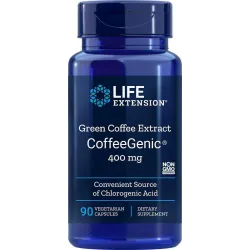
CoffeeGenic® Green Coffee Extract
Price: 29,11 €Inhibits after-meal glucose spikes Chlorogenic acid supports healthy...
Related posts
-
 Is Conventional Pomegranate Extract Enough?
An abundance of clinical data has established pomegranate as a broad-spectrum, multi-modal defense against the...
Is Conventional Pomegranate Extract Enough?
An abundance of clinical data has established pomegranate as a broad-spectrum, multi-modal defense against the... -
Feed Your Brain!
Millions of people around the world are adhering to low-fat, low-cholesterol diets in an effort to reduce the impact...
-
Lipoic Acid Reverses Mitochondrial Decay
It is estimated that 85% of the oxygen contained in every breath you take is consumed by the mitochondria within each...
-
Vitamin C and Dihydroquercetin
Every day, our bodies are under continual assault by damaging agents known as free radicals. Generally, both internal...
-
How Resveratrol Combats Leading Causes of Death
In 1997, the first scientific paper on resveratrol was published showing that this polyphenol could prevent cancer in...