
 English
 Polski
 Deutsch
 Français
 ελληνικά
 Español
 Italiano
Turn Off Your Fat Switch: Deflating Your Spare Tire For a Longer, Leaner Life
Understanding the Risks of Leptin Resistance
 If you’re like most Americans, you are struggling with at least a few extravpounds. And if you’re over 40, those extra pounds are probably accumulatingvwith an unwelcome preference for your mid-section.
Spare-tire fat distribution is more than an unsightly annoyance. Fatvthat accumulates in your belly is extremely dangerous! That’s because it promotes the release of proinflammatory “cytokines” that seem to be involved in just about every age-related degenerative disease.
Abdominal obesity is a hallmark characteristic of metabolic syndrome, also known as “syndrome X,” or “pre-diabetes.” Metabolic syndrome is a constellation of insidious pathological processes that place you at significantly increased risk for heart disease, diabetes, cancer, stroke, and dementia.
Until very recently, there appeared little most people could do to significantly reduce excess abdominal fat. Fortunately, cutting-edge research has identified a potential reversible mechanism of both stubborn middleaged weight gain and associated markers of metabolic syndrome such as high blood levels of glucose, LDL, and C-reactive protein.
What is Leptin?
 Leptin is a hormone, produced by adipocytes (fat cells), that functions to maintain a lean body composition by at least two distinct mechanisms:
First, it modulates appetite by binding to a specific area of the brain, known as the hypothalamus, where it signals satiety.1 Normally, a well-nourished state is reflected by an increase in leptin production and, in turn, the elevated serum leptin signals the hypothalamus to limit hunger.
And second, leptin enhances the body’s ability to access and utilize fat stores as an energy source.2
Leptin caught the attention of the medical community in the mid-90s when its administration to genetically obese mice caused the animals to rapidly shed 30% of their body weight in two weeks with daily leptin injection.3 In 1995, scientists believed they had finally uncovered the holy grail of weight control. Human studies were quickly underway, but when obese individuals received leptin injections, the expected results never appeared: appetites were not suppressed, and weight was not lost.
Although investigators were disappointed when supplemental leptin failed to induce weight loss in humans, they were not entirely surprised. Previous research had revealed that overweight individuals already had far more serum leptin than their normal-esistanceesistanceweight counterparts. In fact, studies have conclusively demonstrated that both the total amount of body fat—as well as the size of the individual fat cells—that an individual possesses, correlate directly to the amount of leptin he or she produces.3,4 In short, the fatter you are, the more leptin you will have floating in your bloodstream.
Which begs the obvious question: how can a compound that normally functions to maintain leanness be consistently most elevated in individuals who are most obese?
Researchers believed that the apparent paradox could be explained by an acquired resistance to leptin.4,5 Since being overweight leads to chronically elevated levels of the hormone, they hypothesized that prolonged exposure to this leptin overload could eventually cause target tissues to become “immune” to the effects of leptin, losing the normal capacity to respond to it.5 More than a decade later, investigators are still hard at work elucidating what has turned out to be an exceedingly complicated interplay between genes and hormones. Nevertheless, many aspects of leptin resistance have already been successfully deciphered and described in the scientific literature.
For example, we now know that leptin resistance shares a lot in common with insulin resistance. Like insulin resistance, leptin resistance is a chronic inflammatory condition that contributes directly to progressive weight gain, stubborn weight loss, and subsequent weight regain. But the cosmetic consequences of leptin resistance are the least of your worries! Behind the spare tire lies a quagmire of physiological dysfunction that places you at enormously increased risk for conditions ranging from diabetes, heart disease, and cancer, to stroke6 and dementia.7
How Leptin Resistance Helps Keep You Fat and Makes You Sick
 Being chronically overweight leads to chronically elevated leptin levels, and chronically elevated leptin eventually causes target tissues—most notably adipocytes and neurons—to lose the capacity to respond to it.
As the size and number of your adipocytes increase with weight gain, they pump more and more leptin into the circulation in an attempt to send the message to the brain that fat stores are adequate, and appetite needs to be reined in. However, because these same fat cells are constantly bathed in elevated levels of leptin, they progressively lose sensitivity for the very leptin they are working overtime to produce in excess. As you might imagine, inadequate receptor sensitivity translates to diminished responsiveness, which has two unfortunate results: first, normal fatty acid oxidation (fat burning) within the adipocyte significantly declines and, second, the adipocyte becomes less inclined to absorb free fatty acids from the circulation. The resulting excess of fatty acids floating in the bloodstream causes a functional insulin resistance in peripheral tissues like muscle.8
As with leptin-resistant fat cells, insulin-resistant muscle cells lose their responsiveness—in this case to insulin. As a result, glucose molecules are blocked from entering muscle tissue, causing blood sugar to rise. The liver senses hyperglycemia and, in an effort to prevent progression to full-blown type 2 diabetes, liver cells respond by breaking down the rogue sugar molecules and transforming them into more free fatty acids. In turn, the additional free fatty acids contribute to increased fat stores, increased leptin production, escalating leptin resistance, and the vicious cycle continues to snowball.9
 Unfortunately, adipocytes are not the only cells that submit to the effects of chronically elevated leptin. Once leptin resistance begins to take hold, neurons in the hypothalamus also show decreased responsiveness to circulating leptin. However, these same neurons respond normally to leptin if it is injected directly into the brain, suggesting that, unlike adipocytes, neurons retain their leptin receptors despite leptin resistance.10,11 Thanks to a group of scientists from the University of Pittsburgh’s Department of Cell Biology and Physiology, we are now one step closer to understanding the mechanisms underlying this phenomenon.12
The Pittsburgh group recently identified a class of proteins in human blood that interact directly with serum leptin. One of these is C-reative protein (CRP),12 a marker of systemic inflammation and predictor of cardiac risk that’s back in the spotlight thanks to a recent study showing that elevated CRP levels double a patient’s chances of dying within the first 28 days following acute myocardial infarction.13 Previous research has linked elevated CRP, produced by adipocytes and liver cells, to both increased adiposity and increased plasma leptin. But the real breakthrough came when investigators discovered that human CRP binds leptin and, in doing so, may prevent leptin from signaling satiety.
In pre-clinical studies, infusion of human CRP into obese, leptin-deficient mice blocked the normally observed effects of leptin supplementation and prevented weight loss. In mice genetically engineered to produce human CRP, leptin’s effects on appetite control and weight regulation were completely blunted. The authors suggest that human CRP binding to leptin may interfere with leptin’s ability to pass through the blood-brain barrier to reach the hypothalamus.12
Without access to these appetite-controlling neurons, it no longer matters how much leptin is present in the bloodstream. Even in cases of extreme obesity and correspondingly elevated serum leptin, the satiety signal never gets triggered because CRPbinds leptin and prevents it from crossing the blood-brain barrier to suppress appetite. By blocking leptin’s physiological functions, CRP represents a powerful component in the progression of leptin resistance and escalating weight gain.
- Exciting new research has revealed a novel method of reducing excess abdominal fat and associated markers of metabolic syndrome.

- Not only is excess body fat unsightly, it can also contribute to a greatly increased risk of disease. Abdominal fat, a hallmark characteristic of metabolic syndrome, is particularly dangerous because it promotes the release of proinflammatory cytokines.
- Leptin is a hormone that is key for maintaining lean body composition. Leptin resistance — the inability to respond to leptin’s satiety-inducing signal—is associated with an inability to lose weight and a tendency to develop disease.
- An extract of the African plant Irvingia gabonensis shows tremendous promise in correcting leptin resistance, promoting weight loss, and combating components of metabolic syndrome.
- In a double-blind study, overweight but otherwise healthy individuals who supplemented with Irvingia extract lost an average of 28 pounds over the course of 10 weeks. Body fat percentage and waist circumference decreased, as did metabolic parameters including cholesterol, LDL, C-reactive protein, and fasting glucose.
- Irvingia facilitates the breakdown of body fat by reducing an enzyme (glycerol-3-phosphate dehydrogenase) that enables glucose to be stored as triglyceride in fat cells. Further, Irvingia increases the insulin-sensitizing hormone adiponectin and inhibits the digestive enzyme amylase, which is involved in carbohydrate digestion.
- Clinical research to date suggests that Irvingia gabonensis at a dose of 150 mg twice daily is a safe, effective method to lose excess body fat and fight components of the metabolic syndrome.
What Can You Do About Leptin Resistance?
 You can do a lot to prevent systemic inflammation and all its negative consequences—including leptin resistance—through lifestyle choices. Avoiding proinflammatory high-glycemic load and processed foods, supplementing with anti-inflammatory omega-3 essential fatty acids, and engaging in regular physical activity are all well-established means by which one can thwart the onset of chronic inflammation and maintain a healthy body weight. But what if you are one of the millions of Americans who—due to a combination of life circumstances, genetics, and/or exposure to environmental toxins14—have already succumbed to some degree of chronic inflammation and commensurate weight gain?
Unfortunately, no matter how faithfully you embrace an anti-inflammatory lifestyle from this day forward, research clearly indicates that it will be more difficult for you to lose weight if you are leptin-resistant.15 And if you’re overweight, you’re almost certainly suffering from some degree of leptin resistance. Plus, as about 90% of people who have successfully lost weight in the past will rapidly attest, those pesky pounds have an uncanny proclivity for reappearing—and bringing some new friends along with them when they do. Now, thanks to emerging studies on leptin resistance, researchers are beginning to realize that weight reduction itself may launch yet another vicious cycle that makes it exceedingly difficult to maintain leanness. Here’s how it works:
 As you may recall, leptin production correlates to adiposity; it rises or falls naturally with increasing or diminishing body fat, respectively. However, if weight gain is substantial or protracted enough to provoke the development of leptin resistance, subsequent weight loss appears to cause a state of “relative leptin insufficiency.”16 In essence, after you’ve been overweight, the amount of leptin your body requires to stay lean may exceed what your “thin self” (and correspondingly shrunken fat stores) can produce. Once relative leptin insufficiency rears its ugly head, adaptations to muscle metabolism and modulations in sympathetic and autonomic hormones function make weight regain all but inevitable.
Investigations endeavoring to override relative leptin insufficiency with exogenous leptin have had some early success,17,18 but—even if you don’t mind daily injections for the rest of your life—leptin supplementation is a slippery slope! After all, it’s excess leptin that instigates the vicious cycles of leptin resistance in the first place. Moreover, leptin does not exist in an isolated vacuum of weight control. Like any good hormone, leptin’s effects throughout the body are far-reaching and complex; it may be years before we have a satisfactory grasp of the health repercussions of casual leptin use. Already, current research suggests that elevated leptin provokes the growth of certain malignancies, including many forms of breast cancer (which helps explain the higher breast cancer risk observed in overweight women).19 Likewise, chronically high serum leptin is believed to increase stroke risk20 and promote cardiac hypertrophy (enlargement of the heart).21
OK—so leptin supplementation probably isn’t the answer. What if, instead, there was some way to intercept the fundamental cascades of leptin resistance and short-circuit the entire process? According to groundbreaking investigations, there just may be.
Introducing: Irvingia Gabonensis
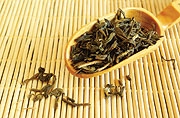 Deep in the lush, tropical jungles of Cameroon grows a fruit-bearing plant known as Irvingia gabonensis. Long part of the local culinary tradition, extracts of the fruit’s seeds are now making headlines in the scientific literature22,23 due to their uncanny ability to induce weight loss in the absence of any other lifestyle alterations. As ongoing research continues to elucidate the many mechanisms of action of this remarkable botanical, it is rapidly becoming apparent that one of Irvingia’s numerous superpowers may relate directlyto its ability to combat leptin resistance by lowering circulating levels of CRP.
In one double-blind study, 102 otherwise-healthy overweight volunteers received either 150 mg capsules of Irvingia extract or placebo, twice daily prior to meals, for a period of 10 weeks. By the conclusion of the test period, every one of nine parameters relating to body composition and health showed statistically significant improvement in the experimental group.24
At the end of 10 weeks, the Irvingia group lost an average of 28 pounds (13.1% decrease in body weight), shed 6.7 inches from their waistline, and had reduced their total body fat by an average of 18.4%.24
As dramatic as were the reductions in weight and improvements in body composition, serum changes in markers of inflammation and predictors of heart disease and diabetes were perhaps even more extraordinary. The Irvingia group demonstrated a 26% reduction in total cholesterol, a 27% reduction in low-density lipoprotein (LDL), a 32% reduction in fasting blood glucose, and—you guessed it—serum CRP fell by a whopping 52%.23,24
To date, there is not another compound in existence—neither pharmaceutical nor nutraceutical—that can approach the magnitude and range of the results observed during the 10-week clinical trial of Irvingia gabonensis. But how can a single, natural plant extract have such broad-spectrum benefits?
According to Professor Julius Oben, research scientist, biochemist, and lecturer at the University of Yaounde I in Cameroon, obesity and metabolic syndrome are multifaceted and complex processes. He maintains that Irvingia’s remarkable efficacy is due to the number of different physiological parameters the extract addresses.
Says Oben, “If you don’t approach—and manage—every component of obesity, you’re not going to get very far.”
Indeed, the diversity of Irvingia’s mechanisms of action is rather astounding. In addition to its favorable impact on leptin balance, Irvingia also wields compelling, health-promoting influences on other hormones including adiponectin and insulin, as well as enzymes such as amylase and glycerol-3-phosphate dehydrogenase.25,26
Like leptin, adiponectin is manufactured within adipocytes and plays an important role in the maintenance of normal metabolism and healthy body weight. Unlike leptin, adiponectin production is inversely related to adiposity. As you lose body fat, the subsequent elevations in circulating adiponectin are believed to mediate the improved insulin response typically observed during weight loss. Studies demonstrate that adiponectin has anti-inflammatory, antidiabetic, and cardioprotective attributes.27
 Similar to the TZDs (thiazolidinediones, a type of diabetic medicine), in vitro Irvingia administration has been shown to stimulate the production of smaller, more insulin-sensitive adipocytes, an effect that indirectly increases serum adiponectin. Even more impressive, however, is research indicating that Irvingia also directly stimulates the expression of the adiponectin gene within the adipocyte.25 Indeed, by the end of the 10-week trial described above, the average serum adiponectin among study subjects had increased by 160%!24
But the extract’s beneficial effects on adiponectin and leptin are just part of how Irvingia combats—and may help reverse—insulin resistance. Irvingia has also been experimentally shown to inhibit amylase,26 the digestive enzyme responsible for breaking down complex carbohydrates into simple sugars. As a result of this anti-amylase activity, Irvingia reduces the rate at which glucose enters the bloodstream. This, in turn, functionally lowers the glycemic index of absorbed carbohydrates and decreases their insulin response, an effect that is both antidiabetic and anti-inflammatory.
Irvingia administration also has a powerful inhibitory effect on glycerol-3-phosphate dehydrogenase, an enzyme produced in adipocytes facilitating the conversion of blood glucose to triglycerides (fat). In essence, Irvingia’s intervention reduces the amount of ingested sugars that wind up stored as body fat. This effect is believed to help attenuate both leptin and insulin resistance by decreasing overall adiposity and increasing serum adiponectin.25
What About Adverse Reactions?
 With Irvingia boasting such a sweeping range of potent, physiological effects, one might expect some associated health risks. Well, the only acute side effect reported by the study’s test subjects was a marked decrease in appetite—presumably owing to the substantial decrease in serum CRP that enabled leptin to reach target receptors in the hypothalamus and signal satiety.
Although long-term use of the extract has not yet been studied, Oben believes there is little reason to suspect that protracted supplementation with Irvingia will prove the least bit hazardous. After all, the indigenous population has been eating it for centuries without suffering any apparent deleterious effects. In fact, it was an unexplained resistance to diabetes and obesity demonstrated by the members of two local tribes that first caught the attention of researchers. Oben and his associates soon realized that the two native communities shared something unique—they both used Irvingia seeds as soup thickeners, and they both ate a lot of soup! In the central western region of Africa where these uncommonly lean and healthy individuals reside, “bush mango”—as Irvingia is known locally—is a food sold in every market, and the locals typically eat it at least once a day. “The extraction process is not very different from how you have it when it’s cooked,” explains Oben. “It is consumed virtually in the form we administer (in our studies). The local people who eat it 10 times a week have been doing that their whole lives.”
Interestingly, Dr. Oben pointed out that obesity is becoming epidemic in many lesser-developed countries, as consuming Western-type fat-inducing foods is viewed as a status symbol.
Summary
One of the most frustrating problems middle-aged people encounter is an increase in belly fat that is resistant to most diet and exercise programs. Abdominal weight gain is not only cosmetically unsightly, but sets the stage for a host of degenerative diseases. In fact, a new study showed that even in people who are not considered overweight, excess belly fat of as little as two inches increased the risk of death in men by 17% and women by 13%.28
We now know that a phenomenon called leptin resistance plays a major role in the development of abdominal obesity. Fortunately, Dr. Oben and his researchers have identified a plant extract (Irvingia) that not only reverses leptin resistance, but also facilitates the breakdown of body fat by reducing an enzyme (glycerol-3-phosphate dehydrogenase) that enables glucose to be stored as triglyceride in adipocytes. Irvingia also increases the insulin-sensitizing hormone adiponectin and inhibits the digestive enzyme amylase that allows ingested carbohydrates to be broken down and absorbed into one’s bloodstream.
Material used with permission of Life Extension. All rights reserved.
1. Sahu A. Leptin signaling in the hypothalamus: emphasis on energy homeostasis and leptin resistance. Front Neuroendocrinol. 2003 Dec;24(4):225-53.
2. Wang MY, Orci L, Ravazzola M, Unger RH. Fat storage in adipocytes requires inactivation of leptin’s paracrine activity: implications for treatment of human obesity. Proc Natl Acad Sci USA. 2005 Dec 13;102(50):18011-6.
3. Halaas JL, Gajiwala KS, Maffei M, et al. Weight-reducing effects of the plasma protein encoded by the obese gene. Science. 1995 Jul 28;269(5223):543-6.
4. Considine RV, Sinha MK, Heiman ML, et al. Serum immunoreactive-leptin concentrations in normal-weight and obese humans. N Engl J Med. 1996 Feb 1;334(5):292-5.
5. Hamann A, Matthaei S. Regulation of energy balance by leptin. Exp Clin Endocrinol Diabetes. 1996;104(4):293-300.
6. Towfighi A, Ovbiagele B. Metabolic syndrome and stroke. Curr Diab Rep. 2008 Feb;8(1):37-41.
7. Yaffe K, Kanaya A, Lindquist K, et al. The metabolic syndrome, inflammation, and risk of cognitive decline. JAMA.
2004 Nov 10;292(18):2237-42.
8. Kraegen EW, Cooney GJ. Free fatty acids and skeletal muscle insulin resistance. Curr Opin Lipidol. 2008 Jun;19(3):235-41.
9. Martin SS, Qasim A, Reilly MP. Leptin resistance: a possible interface of inflammation and metabolism in obesity-related cardiovascular disease. J Am Coll Cardiol. 2008 Oct 7;52(15):1201-10.
10. Harris RB. Leptin—much more than a satiety signal. Annu Rev Nutr. 2000;20:45-75.
11. Wilsey J, Zolotukhin S, Prima V, Scarpace PJ. Central leptin gene therapy fails to overcome leptin resistance associated with diet-induced obesity. Am J Physiol Regul Integr Comp Physiol. 2003 Nov;285(5):R1011-20.
12. Chen K, Li F, Li J, et al. Induction of leptin resistance through direct interaction of C-reactive protein with leptin. Nat Med. 2006 Apr;12(4):425-32.
13. Kuch B, von SW, Kling B, et al. Differential impact of admission C-reactive protein levels on 28-day mortality risk in patients with ST-elevation versus non-ST-elevation myocardial infarction (from the Monitoring Trends and Determinants on Cardiovascular Diseases [MONICA]/Cooperative Health Research in the Region of Augsburg [KORA] Augsburg Myocardial Infarction Registry). Am J Cardiol. 2008 Nov 1;102(9):1125-30.
14. Shoemaker RC, House DE. Sick building syndrome (SBS) and exposure to water-damaged buildings: time series study, clinical trial and mechanisms. Neurotoxicol Teratol. 2006 Sep;28(5):573-88.
15. Dagogo-Jack S, Fanelli C, Paramore D, Brothers J, Landt M. Plasma leptin and insulin relationships in obese and nonobese humans. Diabetes. 1996 May;45(5):695-8.
16. Kalra SP. Central leptin insufficiency syndrome: an interactive etiology for obesity, metabolic and neural diseases and for designing new therapeutic interventions. Peptides. 2008 Jan;29(1):127-38.
17. Park BH, Wang MY, Lee Y, et al. Combined leptin actions on adipose tissue and hypothalamus are required to deplete adipocyte fat in lean rats: implications for obesity treatment. J Biol Chem. 2006 Dec 29;281(52):40283-91.
18. Rosenbaum M, Goldsmith R, Bloomfield D, et al. Low-dose leptin reverses skeletal muscle, autonomic, and neuroendocrine adaptations to maintenance of reduced weight. J Clin Invest. 2005 Dec;115(12):3579-86.
19. Sulkowska M, Golaszewska J, Wincewicz A, et al. Leptin— from regulation of fat metabolism to stimulation of breast cancer growth. Pathol Oncol Res. 2006;12(2):69-72.
20. Soderberg S, Stegmayr B, Hlbeck-Glader C, et al. High leptin levels are associated with stroke. Cerebrovasc Dis. 2003;15(1-2):63-9.
21. Ren J. Lessons from the leptin paradox in cardiac regulation—too much versus too little. J Physiol. 2005 Jun 1;565(Pt 2):347.
22. Oben JE, Ngondi JL, Momo CN, Agbor GA, Sobgui CS. The use of a Cissus quadrangularis/Irvingia gabonensis combination in the management of weight loss: a double-blind placebo-controlled study. Lipids Health Dis. 2008;712.
23. Ngondi JL, Oben JE, Minka SR. The effect of Irvingia gabonensis seeds on body weight and blood lipids of obese subjects in Cameroon. Lipids Health Dis. 2005 May 25;412.
24. Ngondi JL, Matsinkou R, Oben JE. The use of Irvingia gabonensis extract (IGOB131) in the management of metabolic syndrome in Cameroon. 2008. Submitted for publication.
25. Oben JE, Ngondi JL, Blum K. Inhibition of adipogenesis by Irvingia gabonensis seed extract (IGOB131) as mediated via down regulation of the PPAR gamma and leptin genes, and up-regulation of the adiponectin gene. Lipids Health Dis. 2008 Nov 13;7(1):44.
26. Ngondi JL, Djiotsa EJ, Fossouo Z, Oben J. Hypoglycaemic effect of the methanol extract of irvingia gabonensis seeds on streptozotocin diabetic rats. Afr J Trad CAM. 2006;3:74–7.
27. Ouchi N, Shibata R, Walsh K. Targeting adiponectin for cardioprotection. Expert Opin Ther Targets. 2006 Aug;10(4):573-81.
28. Pischon T, Boeing H, Hoffmann K, et al. General and abdominal adiposity and risk of death in Europe. N Engl J Med.
Related product
-
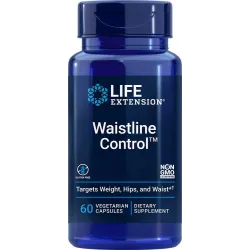
Waistline Control™
Price: 27,44 €Targets weight around your hips & waist Helps trim your waistline (with...
Related posts
-
 Rebuild Aging Joints!
In this article, you will learn about UC-II®, or undenatured type II collagen, a novel intervention for both...
Rebuild Aging Joints!
In this article, you will learn about UC-II®, or undenatured type II collagen, a novel intervention for both... -
Next-Generation Nutrients for Rapid Relief of Joint Pain
In recent years, adults seeking relief from the crippling pain of arthritis have had to choose between expensive,...
-
Lipoic Acid Reverses Mitochondrial Decay
It is estimated that 85% of the oxygen contained in every breath you take is consumed by the mitochondria within each...
-
Vitamin C and Dihydroquercetin
Every day, our bodies are under continual assault by damaging agents known as free radicals. Generally, both internal...
-
How Resveratrol Combats Leading Causes of Death
In 1997, the first scientific paper on resveratrol was published showing that this polyphenol could prevent cancer in...