
 English
 Polski
 Deutsch
 Français
 ελληνικά
 Español
 Italiano
Next-Generation Nutrients for Rapid Relief of Joint Pain
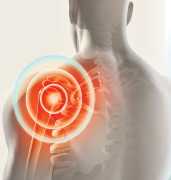 In recent years, adults seeking relief from the crippling pain of arthritis have had to choose between expensive, potentially dangerous pain-relief drugs and safer but slower-acting supplements that support joint health. While supplements such as glucosamine and chondroitin sulfate have been repeatedly shown to improve both arthritis symptoms and joint functionality, it may take weeks or even months for the benefits to be felt—offering little relief in the meantime for those with severe, debilitating joint pain.
Fortunately, several new compounds have been identified that work quickly to relieve pain and promote rapid healing, thus bridging the gap between the onset of discomfort and the beginning of relief. These new-generation compounds not only offer faster-acting pain relief, but also work over time—either alone or in combination with traditional joint-health supplements—to provide comprehensive, broad-spectrum support for joint repair and tissue regeneration.
New Weapons for Fighting Joint Pain
 Health-conscious adults who are interested in maintaining healthy joints have long relied on nutritional supplements such as glucosamine chondroitin sulfate, and methyl-sulfonylmethane (MSM). While years of rigorous scientific study attest to the effectiveness of these supplements in relieving pain and supporting long-term joint health, one drawback has been compliance; high doses are required to obtain the maximum benefit. Another drawback is their onset of action.Put simply, these traditional supplements take time to work, with studies suggesting that it may take two weeks or often even longer longer to fully experience their effects.1-8 Understandably, this delay in apparent relief may cause some patients to abandon therapy too soon. Patience is a virtue, but when pain strikes, it is only natural to seek immediate relief.
The good news is, scientists have made great progress in developing joint-health supplements with a more rapid onset of action. These remarkable compounds—which naturally nourish joint fluids and tissues, while improving joint pain and functionality in just hours or days—represent impressive new weapons in the pain-relief arsenal. They include:
- Keratin, which stimulates healthy new joint tissue and confers powerful antioxidant protection.
- Hyaluronic acid, an important component of connective joint tissue formerly available only by prescription—and only then by injection directly into the joints.
- Korean Angelica, an herbal extract that acts on the central nervous system to fight pain, without the adverse gastrointestinal and cardiovascular side effects associated with COX (cyclooxygenase) inhibitors such as ibuprofen and Celebrex®.
These agents work through several mechanisms to restore healthy joint function and structure, relieve inflammation, and provide immediate pain relief. They also complement traditional joint-health supplements such as glucosamine and MSM, by keeping pain at bay and “buying time” for these effective but slower-acting compounds to take full effect.
 Although it can strike at any age, arthritis is commonly viewed as an all-too-familiar hallmark of aging. Arthritis most often manifests in the knees, hips, spine, and hands.
Also called degenerative joint disease, osteoarthritis is the most common form of arthritis, affecting nearly 21 million Americans over the age of 25. As the US population continues to age, osteoarthritis is expected to become endemic among older adults. The National Institute of Arthritis and Musculoskeletal and Skin Diseases estimates that by 2030, approximately 72 million Americans will have reached the age of 65 and be at high risk for osteoarthritis.10
Osteoarthritis primarily affects joint cartilage, the hard but slippery form of connective tissue covering the ends of bones wherever they meet to form a joint. Healthy cartilage allows bones to glide smoothly over one another, absorbing energy from the shock of physical movement. In osteoarthritis, the surface layer of cartilage begins to degenerate, eventually causing bones under the cartilage to grind together, producing pain, swelling, and a loss of joint mobility. Left unchecked, this degenerative process may cause the joint to lose its normal shape. Small deposits of bone, often called bone spurs, may crop up at the edges of the joint. Bits of bone or cartilage may also break free and float inside the fluid-filled synovial membrane surrounding the joint, causing still more discomfort and damage.10
Osteoarthritis-induced pain and disability may cause feelings of anxiety and helplessness, while imposing limitations on daily activities or job duties. In advanced cases, patients may have difficulty participating in everyday personal and family activities and responsibilities. With the high costs of treatment and lost wages due to disability, osteoarthritis can have an equally crippling effect on one’s financial health. Traditional treatments often begin with aspirin or prescription drugs, eventually progressing to more drastic measures such as injections of corticosteroids (or hyaluronic acid) and joint replacement surgery.10
Rheumatoid arthritis, the second most common form of the disease, is characterized by painful swelling and inflammation of the joints. A chronic, progressive illness that can destroy joints and result in functional disability, rheumatoid arthritis is considered an autoimmune disease, in which the immune system generates abnormal antibodies that attack the body’s own cells and tissues.
Keratin: Antioxidant Protection and Support for Joint Repair
Human joints are exceedingly vulnerable to the effects of aging,10 due to both everyday wear and tear and the ubiquitous presence of oxidative stressors. Scientists have now formulated a novel compound composed of keratin to counteract the various forces that degrade joint health over time.
Keratin benefits joint health by:
- supplying key building blocks for joint repair
- stimulating potent enzymatic antioxidants
- possessing intrinsic natural antioxidant activity.
Found in much of the body’s connective tissue (including skin, hair, and teeth), keratin is actually a class of fundamental proteins containing an exceptionally high content of the amino acid cysteine. Cysteine is a rich source of sulfur molecules, which make up an important constituent of joint tissue. When sulfur molecules bond to one another, they form an extraordinarily strong link. These “cysteine bridges” provide much of keratin’s structural rigidity.
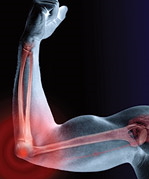 Such rigidity is a highly desirable trait in weight-bearing joints, which require both flexibility and resilience in order to function as effective shock absorbers.
Sulfur plays an important, multifaceted role in healthy joint tissue. Joints are made up in part of biological polymers, or compounds consisting of smaller, identical molecules linked together. Sulfation is the incorporation of sulfur molecules in these polymers, a process that occurs naturally when joints are healthy. Proteoglycans, which are protein-sugar polymers, gain much of their flexibility and crush resistance from these sulfur-to-sulfur bonds. Diseased joints, by contrast, are characterized by impaired sulfur metabolism.11-16 When joints are no longer able to incorporate sulfur efficiently, their structure deteriorates, leading to pain and stiffness. By supplying a source of sulfur-rich cysteine, keratin may contribute to the synthesis of proteoglycans in the cartilage responsible for cushioning joints.
In addition to supporting healthy joint structure, keratin offers important antioxidant support to joint tissues. It not only acts as an antioxidant itself, but also supplies cysteine to the joints, which works as an intracellular antioxidant to fight damaging reactive oxygen species. Furthermore, the body uses cysteine derived from keratin to help manufacture glutathione, one of its most important and multifunctional antioxidant molecules. Glutathione plays a central role in detoxification reactions in the liver. It is also an essential component of glutathione peroxidase, an enzyme that provides direct antioxidant protection for cells and is especially important for healthy joint tissues.17,18
Keratin thus supports joint health via two critical mechanisms: by stimulating the synthesis of essential joint-supporting proteoglycans, and by promoting the production of joint-protective antioxidants in the body.19 In an effort to capture these beneficial effects, scientists in New Zealand have formulated Cynatine FLX ™, a soluble form of the keratin protein that is bioactive in the body.
Hyaluronic Acid: Essential Lubrication to Cushion Joints
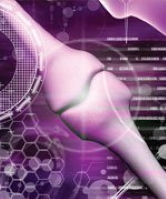 Comfortable joint movement depends on the presence of synovial fluid in the joint cavities. Hyaluronic acid is the primary natural polymer compound present in the synovial fluid of joints. Produced by specialized cells lining the fluid-filled sac surrounding joints, hyaluronic acid creates a viscous, cushioning environment for joint cartilage, preventing friction from damaging these hard-working tissues. In the presence of osteoarthritis, however, hyaluronic acid in the synovial fluid becomes less viscous and loses elasticity, while simultaneously decreasing in concentration. Ensuring optimal levels of hyaluronic acid is thus crucial to healthy joint function.
Recognizing the importance of hyaluronic acid in ensuring joint comfort, the American College of Rheumatology issued guidelines recommending the use of hyaluronic acid preparations for injection directly into the synovial spaces of joints affected by arthritis.20 While hyaluronic acid was once believed to offer only symptomatic relief from arthritis, in recent years physicians have noted that it may actually treat fundamental aspects of the disease. In addition to improving joint lubrication, supplemental hyaluronic acid appears to stimulate the body’s generation of new hyaluronic acid, while alleviating pain and inflammation.20-22
Recently published findings from a veterinary trial conducted in Lexington, Kentucky, show that orally administered hyaluronic acid improved the prognoses of yearling horses that underwent surgery on an equine joint that is roughly analogous to the human knee. The surgery’s purpose is to prevent degenerative joint disease and improve the performance of these equine athletes. In a blinded, placebo-controlled experiment involving 48 thoroughbreds, 30 days of post-operative use of oral hyaluronic acid significantly improved outcomes. According to the study investigators, “The oral hyaluronic acid showed benefit over the orally administered placebo for all lesions at all locations and of all sizes.” Noting that “anecdotal reports supporting the efficacy of these preparations already exist,” the researchers added that “the oral form is convenient and, therefore, may be preferable for routine use.”23,24
Korean Angelica: A Fast-Acting Analgesic and Anti-Inflammmatory
 As noted earlier, a major drawback of many traditional joint-health supplements is the absence of a compound that provides fast-acting pain relief. With this in mind, Korean researchers set out to develop a powerful natural pain reliever containing active ingredients derived from the herb known as Korean Angelica (Angelica gigas Nakai). Research has shown that this powerful analgesic and anti-inflammatory agent goes to work almost immediately in the body.
Unlike most prescription and over-the-counter pain relievers that inhibit the COX (cyclooxygenase) enzymes, this specialized form of Korean Angelica fights pain through its effects on the central nervous system. Studies suggest that this mechanism of action may involve the mediation of receptors for serotonin and noradrenaline, two nervous system messengers. Korean Angelica has demonstrated efficacy against numerous types of pain, especially inflammatory pain.26,27 Recently published findings indicate that one active ingredient derived from Korean Angelica inhibits activation of nuclear factor-kappa B (NF-kB), a DNA transcription factor that is activated in many inflammatory and disease states, including cancer.28
This ability to block NF-kB is highly significant, as evidenced by the fact that NF-kB and the signaling pathways that regulate its activity are under intensive study in the field of drug development. This is because NF-kB regulates the transcription of numerous genes, particularly those involved in immune and inflammatory responses, as well as those that confer resistance to programmed cell death.29
Like many of nature’s most potent medicinal herbs, Korean Angelica offers multiple potential benefits for human health. Cancer researchers are now focused on the potential ability of its active ingredients to prevent or treat prostate and other cancers.30-32 Furthermore, compounds extracted from Korean Angelica appear to protect the brain from a variety of insults, and may help mitigate susceptibility to Alzheimer’s disease.33,34 Thus, potent pain relief may be just one of many benefits offered by Korean Angelica. These benefits have been captured in a specialized extract of Korean Angelica called Decursinol-50 ™.
 Aging adults are increasingly susceptible to joint pain and stiffness. This has led to overwhelming consumer demand for safe, fast-acting solutions to joint pain and discomfort.
- Conventional prescription and over-the-counter joint pain relievers may have dangerous side effects, including gastrointestinal bleeding and increased heart attack risk. While natural joint-health remedies have a higher margin of safety, they may require weeks of use before producing significant pain relief.
- Advances in nutraceutical science have led to the development of fast-acting, safe, and effective remedies for promoting joint health and comfort.
- Bioactive keratin protein benefits joint health via several mechanisms. Keratin is a rich source of sulfur, a necessary component of connective tissue that provides resilience to joints. It also acts as a powerful antioxidant itself and supports the production of joint-protective antioxidant enzyme.
- Hyaluronic acid in joint synovial fluid provides cushioning and reduces friction between bones. A newly developed, orally administered form of hyaluronic acid has been shown to relieve joint pain and promote healing. This formulation appears to increase the body’s production of hyaluronic acid in the synovial fluid that lubricates joints.
- A compound derived from Korean Angelica provides fast-acting relief of pain and inflammation. Unlike conventional pain relievers that inhibit COX enzymes, Korean Angelica acts on the central nervous system and inhibits powerful pro-inflammatory mediators such as nuclear factor-kappa B (NF-kB) to suppress inflammation in the body.
- Next-generation supplements combining novel compounds of bioavailable keratin, hyaluronic acid, and Korean Angelica promote joint health and comfort by providing quick relief from pain as well as long-term support for joint repair and rebuilding.
Conclusion
A multitude of studies support the value of glucosamine, MSM, and other slower-acting joint health compounds in promoting long-term improvement in and maintenance of joint function.
For those seeking faster relief from the pain and discomfort of arthritis and similar joint afflictions, newly developed compounds from keratin, hyaluronic acid, and Korean Angelica provide much-needed complementary support. When joint pain and stiffness make it difficult to wait for the healing to begin, these products have been shown to promote more rapid pain relief, improved joint lubrication, and quick healing and regeneration of joint tissue.
Because of the many distinct ways in which joints can degrade with aging, combining these next-generation nutrients with traditional joint-health supplements may provide the most comprehensive support for optimal joint structure and function.
Material used with permission of Life Extension. All rights reserved.
[1] Qiu GX, Gao SN, Giacovelli G, Rovati L, Setnikar I. Efficacy and safety of glucosamine sulfate versus ibuprofen in patients with knee osteoarthritis. Arzneimittelforschung. 1998 May;48(5):469-74.
Muller-Fassbender H, Bach GL, Haase W, Rovati LC, Setnikar I. Glucosamine sulfate compared to ibuprofen in osteoarthritis of the knee. Osteoarthriti Cartilage. 1994 Mar;2(1):61-9. Noack W, Fischer M, Forster KK, Rovati LC, Setnikar I. Glucosamine sulfate in osteoarthritis of the knee. Osteoarthritis Cartilage. 1994 Mar;2(1):51-9. Yan Y, Wanshun L, Baoqin H, et al. The antioxidative and immunostimulating properties of d-glucosamine. Int Immunopharmacol. 2007 Jan;7(1):29-35. Uebelhart D, Malaise M, Marcolongo R, et al. Intermittent treatment of knee osteoarthritis with oral chondroitin sulfate: a one-year, randomized, double-blind, multicenter study versus placebo. Osteoarthritis Cartilage. 2004 Apr;12(4):269-76. Poolsup N, Suthisisang C, Channark P, Kittikulsuth W. Glucosamine long-term treatment and the progression of knee osteoarthritis: systematic review of randomized controlled trials. Ann Pharmacother. 2005 Jun;39(6):1080-7. Richy F, Bruyere O, Ethgen O, et al. Structural and symptomatic efficacy of glucosamine and chondroitin in knee osteoarthritis: a comprehensive meta-analysis. Arch Intern Med. 2003 Jul 14;163(13):1514-22. McAlindon TE, LaValley MP, Gulin JP, Felson DT. Glucosamine and chondroitin for treatment of osteoarthritis: a systematic quality assessment and meta-analysis. JAMA. 2000 Mar 15;283(11):1469-75.
[2] Available at: http://www.niams.nih.gov/hi/topics/arthritis/oahandout.htm#3. Accessed January 4, 2007
[3] Available at: http://www.niams.nih.gov/hi/topics/arthritis/oahandout.htm#3. Accessed January 4, 2007
[4] Available at: http://www.niams.nih.gov/hi/topics/arthritis/oahandout.htm#3. Accessed January 4, 2007
[5] Available at: http://www.niams.nih.gov/hi/topics/arthritis/oahandout.htm#3. Accessed January 4, 2007
[6] Bradley H, Gough A, Sokhi RS, et al. Sulfate metabolism is abnormal in patients with rheumatoid arthritis. Confirmation by in vivo biochemical findings. J Rheumatol. 1994 Jul;21(7):1192-6. Kontny E, Wojtecka-LUkasik E, Rell-Bakalarska K, et al. Impaired generation of taurine chloramine by synovial fluid neutrophils of rheumatoid arthritis patients. Amino Acids. 2002;23(4):415-8. Parcell S. Sulfur in human nutrition and applications in medicine. Altern Med Rev. 2002 Feb;7(1):22-44. Tappaz ML. Taurine biosynthetic enzymes and taurine transporter: molecular identification and regulations. Neurochem Res. 2004 Jan;29(1):83-96. Wilkinson LJ, Waring RH. Cysteine dioxygenase: modulation of expression in human cell lines by cytokines and control of sulphate production. Toxicol In Vitro. 2002 Aug;16(4):481-3. Roughley PJ, Lee ER. Cartilage proteoglycans: structure and potential functions. Microsc Res Tech. 1994 Aug 1;28(5):385-97.
[7] Baker MS, Feigan J, Lowther DA. Chondrocyte antioxidant defences: the roles of catalase and glutathione peroxidase in protection against H2O2 dependent inhibition of proteoglycan biosynthesis. J Rheumatol. 1988 Apr;15(4):670-7. Kurz B, Jost B, Schunke M. Dietary vitamins and selenium diminish the development of mechanically induced osteoarthritis and increase the expression of antioxidative enzymes in the knee joint of STR/1N mice. Osteoarthritis Cartilage. 2002 Feb;10(2):119-26.
[8] Available at: http://www.keratec.co.nz/keratec/cynatineflx/. Accessed January 8, 2007.
[9] Moskowitz RW. Hyaluronic acid supplementation. Curr Rheumatol Rep. 2000 Dec;2(6):466-71. [10] Moskowitz RW. Hyaluronic acid supplementation. Curr Rheumatol Rep. 2000 Dec;2(6):466-71. Altman RD. Status of hyaluronan supplementation therapy in osteoarthritis. Curr Rheumatol Rep. 2003 Feb;5(1):7-14. Bagga H, Burkhardt D, Sambrook P, March L. Longterm effects of intraarticular hyaluronan on synovial fluid in osteoarthritis of the knee. J Rheumatol. 2006 May;33(5):946-50.
[11] McIlwraith CW, Foerner JJ, Davis DM. Osteochondritis dissecans of the tarsocrural joint: results of treatment with arthroscopic surgery. Equine Vet J. 1991 May;23(3):155-62. Bergin BJ, Pierce SW, Bramlage LR, Stromberg A. Oral hyaluronan gel reduces post operative tarsocrural effusion in the yearling Thoroughbred. Equine Vet J. 2006 Jul;38(4):375-8.
[12] Available at: http://www.bioiberica.com/jointcare/hyaljoint.htm. Accessed January 8, 2007
[13] Choi SS, Han KJ, Lee HK, Han EJ, Suh HW. Antinociceptive profiles of crude extract from roots of Angelica gigas NAKAI in various pain models. Biol Pharm Bull. 2003 Sep;26(9):1283-8. Choi SS, Han KJ, Lee JK, et al. Antinociceptive mechanisms of orally administered decursinol in the mouse. Life Sci. 2003 Jun 13;73(4):471-85.
[14] Kim JH, Jeong JH, Jeon ST, et al. Decursin inhibits induction of inflammatory mediators by blocking nuclear factor-kappaB activation in macrophages. Mol Pharmacol. 2006 Jun;69(6):1783-90.
[15] Lee JH, Jung HS, Giang PM, et al. Blockade of nuclear factor-kappaB signaling pathway and anti-inflammatory activity of cardamomin, a chalcone analog from Alpinia conchigera. J Pharmacol Exp Ther. 2006 Jan;316(1):271-8.
[16] Jiang C, Lee HJ, Li GX, et al. Potent antiandrogen and androgen receptor activities of an Angelica gigas-containing herbal formulation: identification of decursin as a novel and active compound with implications for prevention and treatment of prostate cancer. Cancer Res. 2006 Jan 1;66(1):453-63. Lee S, Lee YS, Jung SH, et al. Anti-tumor activities of decursinol angelate and decursin from Angelica gigas. Arch Pharm Res. 2003 Sep;26(9):727-30. Ahn KS, Sim WS, Kim IH. Decursin: a cytotoxic agent and protein kinase C activator from the root of Angelica gigas. Planta Med. 1996 Feb;62(1):7-9.
[17] Kang SY, Lee KY, Sung SH, Kim YC. Four new neuroprotective dihydropyranocoumarins from Angelica gigas. J Nat Prod. 2005 Jan;68(1):56-9. Yan JJ, Kim DH, Moon YS, et al. Protection against beta-amyloid peptide-induced memory impairment with long-term administration of extract of Angelica gigas or decursinol in mice. Prog Neuropsychopharmacol Biol Psychiatry. 2004 Jan;28(1):25-30.
Related product
-
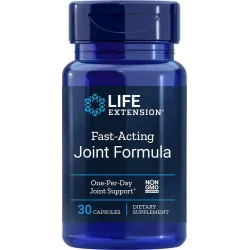
Fast-Acting Joint Formula
Price: 34,29 €Don’t let soreness slow you down! Fast-acting formula promotes healthier...
Related posts
-
 Rebuild Aging Joints!
In this article, you will learn about UC-II®, or undenatured type II collagen, a novel intervention for both...
Rebuild Aging Joints!
In this article, you will learn about UC-II®, or undenatured type II collagen, a novel intervention for both... -
Vitamin C and Dihydroquercetin
Every day, our bodies are under continual assault by damaging agents known as free radicals. Generally, both internal...
-
Autoimmune Diseases part 1
Autoimmune diseases are characterized by the body's immune responses being directed against its own tissues, causing...
-
Autoimmune Diseases part 2
In a healthy body, circulating antibodies attack and destroy pathogenic invaders by means of humoral or cell-mediated...
-
Green Tea
Scientific research on the health benefits of green tea is expanding exponentially, with more than 1,500 articles...