
 English
 Polski
 Deutsch
 Français
 ελληνικά
 Español
 Italiano
Cukrzyca opis choroby Część 1
 Brak kontroli nad cukrzycą może nieść poważne konsekwencje zdrowotne, takie jak ślepota, niewydolność nerek, zwiększone ryzyko chorób serca oraz bolesne uszkodzenia nerwów obwodowych. Obecnie, większość lekarzy skupia się na leczeniu poprzez ścisłą kontrolę poziomu cukru we krwi. Cukrzyca jest charakteryzowana jako zwiększony poziom glukozy we krwi (formy cukru używanej przez komórki jako energia), ale to uproszczone podejście może w rzeczywistości przyspieszyć rozwój najpowszechniejszej formy cukrzycy i nie pomaga przeciwdziałać uszkodzeniom, jakie powoduje.
Nowe podejście do rozpoznawania i leczenia cukrzycy jest niezbędne, ponieważ konwencjonalne metody zawodzą. Stany Zjednoczone obecnie przeżywają apogeum epidemii cukrzycy. W ciągu ostatnich 20 lat liczba dorosłych osób, u których rozpoznano tę chorobę, wzrosła ponaddwukrotnie. Niepokojącym zjawiskiem jest również coraz częstsze diagnozowanie jej u dzieci. Cukrzyca szybko objawiła się jako czołowy „sprawca” epidemii chorób serca, które ogarniają cały kraj i jest główną przyczyną amputacji i ślepoty wśród dorosłych.
Istotne jest, aby diabetycy (i osoby zagrożone cukrzycą) zrozumiały sposób, w jaki glukoza we krwi powoduje uszkodzenia w organizmie i przedsięwzięły aktywne kroki, aby przerwać ten proces. Najpowszechniejszym zagrożeniem jest proces glikacji – ten sam, który powoduje, że pieczone w piekarniku jedzenie staje się brązowe. Glikacja (proces, w którym cząsteczki cukru łączą się z białkami i produkują niefunkcjonalne struktury w organizmie) to kluczowy aspekt związanych z cukrzycą powikłań, który niszczy białka w całym organizmie i jest związany z uszkodzeniami nerwów, zawałem serca czy ślepotą.
Cukrzyca może również wywołać stres oksydacyjny. Diabetycy cierpią na wysoki poziom wolnych rodników, które uszkadzają tętnice w całym organizmie – od wzroku do serca. Ważne jest, aby pacjenci pamiętali o terapii antyoksydantami, która pomaga zwalczyć stres oksydacyjny oraz obniżyć ryzyko powikłań cukrzycy.
Różnice między cukrzycą typu 1 i 2
 Istnieją dwa rodzaje cukrzycy – typ 1 i typ 2. Ich wspólną cechą są zaburzenia w produkcji insuliny, jej użycia, lub wystąpienia zaburzeń obu jednocześnie. Insulina jest hormonem odpowiedzialnym za transport glukozy do komórek. Gdy występuje nadmiar glukozy we krwi, insulina jest wydzielana z trzustki i daje sygnał wątrobie i mięśniom aby magazynowały ją jako glikogen. Insulina pobudza również tkankę tłuszczową, która przechowuje glukozę jako rezerwy energetyczne. We wszystkich komórkach naszego organizmu znajdują się receptory insulinowe. U zdrowej osoby poziom glukozy we krwi jest stabilny[1]. Prawidłowy wynik (krew pobrana na czczo) mieści się w przedziale 70-100 mg/dl.
Cukrzyca typu 1. Dawniej nazywana insulinozależną cukrzycą, jest chorobą autoimmunologiczną, która pojawia się wówczas, gdy organizm atakuje i niszczy komórki (zwane komórkami beta), produkujące insulinę. Cukrzyca typu 1 występuję u około 5 – 10% przypadków. Ponieważ chory nie jest w stanie dalej produkować insuliny, konieczna jest terapia zastępcza.
Cukrzyca typu 2. Nazywana też cukrzycą insulinoniezależną, występuje, gdy organizm nie jest dłużej w stanie efektywnie wykorzystywać insuliny i stopniowo staje się odporny na jej działanie. Jest powoli postępującą chorobą, przechodzącą przez możliwe do zidentyfikowania etapy. We wczesnym stadium cukrzycy poziomy insuliny oraz glukozy są podwyższone (stany te nazywamy odpowiednio hiperinsulinemią i hiperglikemią). W późniejszych etapach, poziom insuliny we krwi jest zredukowany, a glukozy bardzo podwyższony. Chociaż nieliczne osoby są świadome tej decydującej różnicy, terapia dla cukrzyków typu 2, powinna zostać dopasowana do etapu choroby.
Ryzyko wystąpienia cukrzycy u dorosłych może być zależne od następujących czynników:
- starzenie,
- otyłość,
- historia chorób występujących w rodzinie,
- brak aktywności fizycznej,
- pochodzenie (etniczne),
- zaburzenia metabolizmu glukozy.
Cukrzyca typu 2 to również znaczne ryzyko wystąpienia zespołu metabolicznego, zbioru wzajemnie powiązanych czynników takich jak insulinoodporność wraz z nadciśnieniem, zaburzenia lipidów oraz nadwaga.
Kaskada uszkodzeń powodowanych przez cukrzycę
 Głównymi uszkodzeniami jakie powoduje cukrzyca, są glikacja oraz stres oksydacyjny. Niestety, nie są one uwzględniane w konwencjonalnym leczeniu cukrzycy, które dotyczy zazwyczaj tylko kontroli cukru we krwi.
Glikacja występuje, gdy glukoza reaguje z białkiem, tworząc uszkodzone białka cukru, zwane końcowymi produktami zaawansowanej glikacji[2], z których jednym z najbardziej znanych jest hemoglobina glikowana (HbA1c). HbA1c powstaje, gdy cząsteczki glukozy wiążą się z hemoglobiną we krwi. Pomiar jej stężenia może pomóc określić ogólną ekspozycję hemoglobiny na glukozę, która daje obraz długotrwałych poziomów glukozy we krwi.
Glikowane proteiny powodują uszkodzenia komórek na wiele sposobów, wliczając w to osłabienie funkcjonowania komórek, które indukują produkcję zapalnych cytokin[3] oraz wolnych rodników[4]. Badania zwierząt wykazały, że hamując glikację można uchronić nerki, nerwy oraz wzrok przed uszkodzeniami. W obszernej próbie, przeprowadzonej na ludziach, terapie, których rezultatem było (w każdej) 1% zmniejszenie HbA1c (hemoglobiny glikowanej), skorelowano z 21% redukcją ryzyka wystąpienia jakiejkolwiek komplikacji cukrzycy, 21% redukcją zgonów związanych z cukrzycą, 14% redukcją zawałów serca oraz 37% redukcją komplikacji mikronaczyniowych[5].
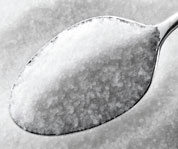 Wysoki poziom glukozy we krwi oraz glikacji również powoduje produkowanie większej ilości wolnych rodników, powodujących dalsze uszkodzenia komórkowych protein oraz obniżających poziom tlenku azotu[6]. Tlenek ten silnie rozszerza naczynia, co pozwala utrzymać tętnice szeroko otwartymi i drożnymi. Stres oksydacyjny w cukrzycy jest również związany z dysfunkcją śródbłonka, procesem, który charakteryzuje miażdżycową chorobę serca. Według badań, cukrzyca pobudza krwinki białe do trzymania się śródbłonka lub cienkiej warstwy komórek, które wyścielają tętnice.[7] Te białe krwinki powodują uwolnienie substancji prozapalnych, które uszkadzają śródbłonek, przyspieszając rozwój miażdżycy. Cukrzyca jest blisko związana z poważnymi chorobami serca i zwiększonym ryzykiem ataku serca.
Cukrzyca - objawy i diagnozowanie
Do typowych objawów cukrzycy należą:
- zwiększone pragnienie,
- częste oddawanie moczu,
- nietypowe zmiany wagi ciała,
- zmęczenie,
- drażliwość,
- problemy ze wzrokiem.
 Najczęstsze badania wykonywane pod kątem wykrycia cukrzycy to badania poziomu glukozy we krwi. Krew pobierana jest na czczo. Stan przedcukrzycowy jest diagnozowany, jeśli wynik znajduje się między 100 a 125 mg/dl. Wynik powyżej 126 mg/dl (włącznie) oznacza cukrzycę.
Test tolerancji glukozy jest wykorzystywany do sprawdzenia reakcji insuliny na wysokie stężenie glukozy. Podczas tego testu, pacjenci przyjmują glukozę a następnie badany jest wzrost jej poziomu we krwi. Stan przedcukrzycowy jest zdiagnozowany jeśli poziom glukozy wzrasta do wartości 140 - 199 mg/dL. Wynik powyżej 200 mg/dL (włącznie) oznacza cukrzycę.
Test HbA1c (hemoglobiny glikowanej) wykorzystywany jest również do diagnozowania mniej poważnych przypadków cukrzycy. Dzięki niemu można oszacować średni poziom glukozy we krwi na 2 do 4 miesięcy wcześniej. Zwykle 4 do 6 procent hemoglobiny ulega glikacji, co odpowiada średniemu poziomu glukozy rozciągającemu się między 60 - 120 mg/dL. Łagodna hiperglikemia zwiększa HbA1c od 8 do 10 procent (lub 180 do 240 mg/dl), a poważna podnosi wartości HbA1c do 20 procent. Zdrowy poziom HbA1c jest mniejszy niż 7 procent (150 mg/dl lub mniej).
Prawda o terapii cukrzycy typu 2
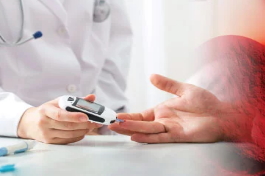 Przed omówieniem terapii cukrzycy typu 2, ważne jest aby zapoznać się z metodami konwencjonalnej terapii i zrozumieć, dlaczego takie leczenie jest wadliwe. Cukrzycy typu 2 stale są informowani o konieczności zwiększania poziomu insuliny, co ma pomóc we wnikaniu glukozy do ich komórek i obniżaniu poziom glukozy we krwi. Niestety to przypuszczenie przeczy zdrowemu rozsądkowi.
We wczesnych stadiach cukrzycy typu 2, poziomy insuliny są już podwyższone (hiperinsulinemia). Problemem nie jest zła produkcja insuliny, ale raczej metaboliczna wada w utylizacji insuliny. Wrażliwe błony receptorów komórkowych insuliny, są mniej czułe na insulinę niż receptory insulinowe u osób zdrowych, co oznacza, że mniej glukozy jest absorbowane z krwiobiegu, a poziom glukozy powoli rośnie.
Ten podwyższony poziom glukozy zaburza naturalną równowagę organizmu, powodując zwiększenie wydzielania przez trzustkę dużych ilości insuliny, by znormalizować poziomy glukozy. To krótkotrwałe biologiczne rozwiązanie z powodzeniem dostarcza glukozę do komórek, a tym samym obniża jej poziom we krwi, ale również przyśpiesza postępowanie choroby. Ostatecznie, receptory insuliny stają się mniej wrażliwe (oporność na insulinę), co oznacza, że trzustka musi wydzielać jeszcze więcej insuliny, aby skutecznie oczyszczać krew. W późniejszych stadiach choroby, trzustka staje się "wypalona" i nie może więcej produkować odpowiedniej dawki insuliny. Stężenie insuliny spada znacznie poniżej normy, pozwalając glukozie we krwi wzrosnąć jeszcze bardziej i powodować dalsze zniszczenia.
 Niestety, wielu diabetykom, u których rozpoznano pierwsze stadium choroby, są przepisywane leki (takie jak pochodne sulfonylomocznika), które zostały zaprojektowane by zwiększać poziom insuliny. Zważywszy, że poziom insuliny jest już wysoki, ta strategia jest nieopłacalna i może faktycznie przyczynić się do rozwoju tej choroby, poprzez dalsze uszkadzanie receptorów insuliny na błonach komórkowych. Ponadto, insulina jest potężnym hormonem, który w dużych ilościach może wyrządzić szkody. Dowody wskazują, że jej wysoki poziom może hamować syntezę i uwalniać hormony wzrostu wśród osób otyłych i z nadwagą (którzy mają skłonność do hiperinsulinemii)[8]. Istnieją również dowody, że podwyższony poziom insuliny przyczynia się do proliferacji komórek odbytniczych, co sugeruje, że wysoki poziom insuliny może być czynnikiem rozwoju nowotworu odbytu.[9]
Program dla diabetyków z wczesnym stadium choroby
 Pomiędzy wczesnym i zaawansowanym stadium cukrzycy istnieją duże różnice. A zatem nie ma sensu leczenie wszystkich ludzi z cukrzycą typu 2 w ten sam sposób. We wczesnych stadiach choroby, ludzie cierpią zarówno na hiperglikemię i hiperinsulinemię. Zamiast brać leki, które dodatkowo zwiększają poziom insuliny we krwi, osoby z cukrzycą typu 2 powinny stosować terapie, które zwiększają wrażliwość błonowych receptorów komórkowych insuliny.
Jednym z najlepszych zabezpieczeń przed łagodną do umiarkowaną cukrzycą typu 2 i hiperinsulinemią jest prawidłowa dieta oraz ruch. Chociaż choroba ma podłoże genetyczne, wiele badań wykazało, że dieta i ćwiczenia mogą jej zapobiec.[10] W jednym z nich wykazano, że to właśnie prawidłowe odżywianie i aktywność fizyczna skuteczniej opóźniają rozwój choroby niż niektóre leki. Zaledwie 30 minut dziennie umiarkowanego ruchu, połączonego z 5-10% utratą masy ciała, powoduje 58% redukcję częstości zachorowalności na cukrzycę, wśród osób w grupie ryzyka.[11] American Diabetes Association zaleca dietę bogatą w błonnik i węglowodany oraz o niskiej zawartości tłuszczów nasyconych[12]. Pokarmy o niskim indeksie glikemicznym są szczególnie polecane, ponieważ obniżają reakcję insulinową.
Dieta wysokowęglowodanowa, wysokobłonnikowa (HCF), spopularyzowana przez lekarza Jamesa Andersona, cieszy się dużym poparciem, a jej leczniczy wpływ na cukrzycę jest potwierdzony w literaturze naukowej[13]. Dieta HCF jest bogata w ziarna zbóż, rośliny strączkowe i warzywa korzeniowe, ogranicza cukry proste i tłuszcze. Standardowa dawka kalorii składa się więc z 50 do 55 procent węglowodanów, 12 do 16 procent białka i mniej niż 30 procent tłuszczów, głównie nienasyconych. Całkowita zawartość włókien wynosi od 25 do 50 g na dobę. Dieta HCF daje wiele pozytywnych efektów metabolicznych, w tym następujące: obniża poposiłkową hiperglikemię, hamuje hipoglikemię, zwiększa wrażliwość tkanek na insulinę, obniża poziom cholesterolu - lipoprotein o niskiej gęstości (LDL) i trójglicerydów oraz zwiększa cholesterol - lipoprotein o dużej gęstości (HDL), a także pomaga zrzucić zbędne kilogramy.
Zdrowa dieta dla cukrzyków powinna zawierać również potas. Poprawia on wrażliwość na insulinę, jej reaktywność i wydzielanie. Spożywanie dużych dawek potasu zmniejsza ryzyko chorób serca, miażdżycy i nowotworów. Stosowanie insuliny powoduje natomiast utratę potasu[14].
Osoby otyłe mają znacznie większą skłonność do rozwoju cukrzycy typu 2 niż te, które są stosunkowo szczupłe. Dlatego utrata masy ciała, której towarzyszy wzrost aktywności fizycznej i zdrowa dieta, jest dla diabetyków zarówno skuteczną prewencją jak i terapią.[15]
Metformina: zwiększenie wrażliwości na insulinę
 Oprócz diety i ćwiczeń fizycznych lekarze przepisują Metforminę, lek który zwiększa wrażliwość na insulinę u osób z łagodną lub umiarkowaną hiperglikemią. Metformina jest obecnie najczęściej stosowanym doustnie lekiem przeciwcukrzycowym na świecie. Działa poprzez zwiększenie wrażliwości na insulinę w wątrobie[16]. Posiada również wiele innych korzystnych efektów, w tym: pomaga w utracie masy ciała, zmniejsza poziom cholesterolu i trójglicerydów, poprawia funkcjonowanie śródbłonka.
Metformina jest tolerowana lepiej niż wiele innych leków przeciwcukrzycowych na receptę, ale ludzie cierpiący na niewydolność zastoinową serca, nerek lub wątroby nie powinni jej stosować. Podobnie jak i osoby, które nadużywają alkoholu. Bardzo istotne są testy oceniające funkcjonowanie nerek, poprzedzone corocznymi badaniami. Stężenie witaminy B12 w organizmie powinno być regularnie kontrolowane, gdyż przewlekłe stosowanie metforminy może spowodować niedobór kwasu foliowego i witaminy B12, co prowadzi do upośledzenia układu nerwowego i zaburzeń regulacji homocysteiny. Ponadto, nie powinna być ona stosowana na dwa dni przed, lub po badaniu rentgenowskim z procedurą iniekcji środka kontrastowego, ze względu na rzadkie ryzyko kwasicy mleczanowej.
Metformina jest skuteczna, ale może też być połączona z inną grupą leków zwiększających wrażliwość na insulinę tzw. tiazolidynodionów (TZD; np. pioglitazon lub Actos® oraz Rozyglitazon lub Avandia®). TZD zwiększają wrażliwość na insulinę i stymulują jej wydzielanie z komórek beta w trzustce. Mogą one nieść jednak potencjalne, poważne skutki uboczne, takie jak toksyczne uszkodzenie wątroby, która wymaga w związku z tym regularnego monitorowania jej funkcji podczas tej terapii[17].
Oprócz leków na receptę, wiele składników odżywczych również wykazało zwiększenie wrażliwości na insulinę, ochronę wrażliwych błon komórkowych i zmniejszenie szkodliwych skutków podwyższonego stężenia glukozy (patrz poniżej "Suplementy dla diabetyków"). Połączenie odpowiedniej diety, ćwiczeń, suplementów oraz leków na receptę, zwiększających wrażliwość na insulinę, może odwrócić łagodną lub umiarkowaną hiperglikemię zanim konieczne będą silniejsze leki i dojdzie do permanentnych uszkodzeń.
Leczenie farmakologiczne osób z zaawansowaną cukrzycą
 Niektóre osoby z cukrzycą typu 2 nie skorzystają z tej wiedzy, zanim ich choroba nie ewoluuje na bardziej zaawansowany etap. W ciężkiej hiperglikemii, po długim czasie produkowania dużych ilości insuliny, trzustka zostaje „wypalona”. Zmniejszona produkcja skutkuje spadkiem poziomu insuliny, a poziomy glukozy we krwi mogą teraz urosnąć do bardzo wysokich, toksycznych wartości. Chociaż dieta i ćwiczenia, wraz z suplementami są zalecane przez lekarzy, leki na receptę mogą okazać się konieczne.
Leki zawierające pochodne sulfonylomocznika stymulują wydzielanie insuliny w trzustce. Niestety, są one często przepisywane jako leczenie pierwszego rzutu w łagodnym do umiarkowanego stadium cukrzycy typu 2, nawet jeśli ich zastosowanie jest niewłaściwe. Zwiększając poziom insuliny, który jest już podniesiony, pochodne sulfonylomocznika właściwie przyspieszają postęp cukrzycy typu 2, „przemęczając” receptory insulinowe, co powoduje, że trzustka „wypala się” szybciej. Pochodne sulfonylomocznika powinny być więc traktowane jako „ostatnia deska ratunku” dla osób z ciężką hiperglikemią.
Terapia zastępcza insuliny jest również ostatecznością dla cukrzyków typu 2. Podczas gdy terapia insulinowa jest uniwersalna i podstawowa wśród chorych na cukrzycę typu 1, jest zarezerwowana tylko dla poważnej, opornej (nieodpowiadającej na leczenie) cukrzycy typu 2. Odpowiednie dawkowanie i monitorowanie stężenia glukozy we krwi jest niezbędne. Zbyt dużo insuliny powoduje bowiem niski poziom cukru we krwi i śpiączkę, a za mało - hiperglikemię. Nowy system dostarczania insuliny - drogą inhalacyjną, niedawno został zatwierdzony przez US Food and Drug Administration.
 Cukrzyca jest wynikiem nieprawidłowego metabolizmu glukozy, spowodowanego albo przez niewytwarzanie przez organizm wystarczającej ilości insuliny, albo przez komórki, które stają się niewrażliwe na działanie insuliny.
- Cukrzyca typu 1 jest wynikiem reakcji autoimmunologicznej, która niszczy komórki beta, produkujące insulinę w trzustce. Cukrzyca typu 2 jest spowodowana przez zmniejszenie wrażliwości na insulinę.
- Typ 2 cukrzycy osiągnął już rozmiary epidemii w Ameryce. Częstotliwość występowania tej choroby, wywołanej przez otyłość i predyspozycje genetyczne, dramatycznie wzrosła w ciągu ostatnich 5 lat. Występowanie tej choroby jest bardziej powszechne wśród osób starszych, chociaż u dzieci również coraz częściej się ją diagnozuje.
- Osoby z łagodną lub umiarkowaną cukrzycą typu 2, powinny unikać leków i terapii, które zwiększają poziom insuliny. Choroba charakteryzuje się podwyższonym stężeniem zarówno insuliny, jak i glukozy. Terapia powinna koncentrować się na strategiach zwiększających wrażliwość na insulinę.
- Możliwe powikłania cukrzycy wynikają z uszkodzenia enzymów i innych białek, które osłabiają ich funkcję oraz są rezultatem uszkodzeń naczyń krwionośnych. Następstwa zmniejszenia się przepływu krwi, zwiększenia podatności na stres oksydacyjny, a także obniżenia zdolności antyoksydacyjnych mogą powodować uszkodzenie wzroku, tkanki nerwowej, nerek i układu krążenia.
- W cukrzycy typu 1 zawsze trzeba stosować insulinoterapię, aby zastąpić utraconą insulinę.
[1] Kumar V et al 2005
[2] Kohn RR et al 1984; Monnier VM et al 1984
[3] Wright E Jr. et al 2006
[4] Forbes JM et al 2003; Schmidt AM et al 2000
[5] Stratton IM et al 2000
[6] Vincent AM et al 2005
[7] Lum H et al 2001
[8] Luque RM et al 2006
[9] Tran TT et al 2006
[10] Diabetes Prevention Program Research Group 2002; Diabetes Prevention Program Research Group 2003; Muniyappa R et al 2003; Diabetes Prevention Program Research Group 2000
[11] Sheard NF 2003
[12] Sheard NF et al 2004
[13] Anderson JW et al 2004; Hodge AM et al 2004
[14] Khaw KT et al 1984; Norbiato G et al 1984
[15] Mensink M et al 2003; Sato Y 2000; Sato Y et al 2003
[16] Joshi SR 2005
[17] Isley WL 2003; Marcy TR et al 2004
Related products
-

Vitamin B3 Niacin
Price: 8,99 €Vital metabolic pathway & cellular energy support Is crucial to energy... -

Ginkgo Biloba Certified Extract™
Price: 50,00 €Helps maintain memory & healthy circulation Support healthy circulation... -

Mega Green Tea Extract (decaffeinated)
Price: 28,92 €One capsule provides more polyphenols than seven cups of green tea... -

Magnesium Caps
Price: 14,45 €Essential mineral for whole body health Essential for more than 300... -
Super Carnosine
Price: 39,81 €Antioxidant and anti-aging agent Provides powerful protection against... -
Super R-Lipoic Acid
Price: 44,18 €Protects against oxidative stress Potent antioxidant that achieves healthy... -
Super Ubiquinol CoQ10 with Enhanced...
Price: 50,35 €Supercharge your cellular energy Ubiquinol CoQ10 absorbs up to 8 times... -

Buffered Vitamin C Powder
Price: 27,50 €Vitamin C for flexible dosing Scavenges free radicals in the body and... -

Acetyl-L-Carnitine
Price: 28,98 €Supports cellular energy metabolism Helps maintain cellular energy... -

-

Optimized Chromium with Crominex® 3+
Price: 8,70 €Maintain healthy glucose metabolism Normal cellular glucose absorption...
Related posts
-
 Lipoic Acid Reverses Mitochondrial Decay
It is estimated that 85% of the oxygen contained in every breath you take is consumed by the mitochondria within each...
Lipoic Acid Reverses Mitochondrial Decay
It is estimated that 85% of the oxygen contained in every breath you take is consumed by the mitochondria within each... -
Vitamin C and Dihydroquercetin
Every day, our bodies are under continual assault by damaging agents known as free radicals. Generally, both internal...
-
How Resveratrol Combats Leading Causes of Death
In 1997, the first scientific paper on resveratrol was published showing that this polyphenol could prevent cancer in...
-
Autoimmune Diseases part 1
Autoimmune diseases are characterized by the body's immune responses being directed against its own tissues, causing...
-
Autoimmune Diseases part 2
In a healthy body, circulating antibodies attack and destroy pathogenic invaders by means of humoral or cell-mediated...