
 English
 Polski
 Deutsch
 Français
 ελληνικά
 Español
 Italiano
Autoimmune Diseases part 2
In a healthy body, circulating antibodies attack and destroy pathogenic invaders by means of humoral or cell-mediated immunity. In autoimmune disease, circulating antibodies seek, attack, and destroy self-antigens found in healthy tissue (see Table 1 for examples).
Table 1: Autoimmune Classification
| Disease | Antibody Action on |
| Myasthenia gravis | Acetylcholine receptors |
| Graves' disease | Thyroid-stimulating hormone receptor |
| Thyroiditis | Thyroid |
| Insulin-resistant diabetes | Insulin receptor |
| Asthma | Beta-2 adrenergic receptors |
| Juvenile insulin-dependent diabetes | Pancreatic islet cells |
| Pernicious anemia | Gastric parietal cells |
| Addison's disease | Adrenal cells |
| Idiopathic hypoparathyroidism | Parathyroid cells |
| Spontaneous infertility | Sperm |
| Premature ovarian failure | Interstitial cells, corpus luteum cells |
| Pemphigus | Intercellular substance of skin |
| Primary biliary cirrhosis | Mitochondria |
| Autoimmune hemolytic anemia | Erythrocytes |
| Idiopathic thrombocytopenic purpura | Platelets |
| Idiopathic neutropenia | Neutrophils |
| Vitiligo | Melanocytes |
| Osteosclerosis and Meniere's disease | Type-II collagen |
| Chronic active hepatitis | Nuclei of hepatocytes |
| Goodpasture's syndrome | Basement membranes |
| Rheumatoid arthritis | Gamma globulin, virus-related antigens |
| Sjogren's syndrome | Nuclei and centromeres |
| Systemic lupus erythematosus | Nuclei, DNA, RNA, erythrocytes, etc. |
| Scleroderma | Nuclei and centromeres |
| Polymyositis | Nuclei, RNA |
Modulating the Immune System
 T-cells can further divide into helper lymphocytes (Th) and cytotoxic (Tc) or suppressor cells. In response to a foreign pathogen, T-cells secrete communication molecules known as lymphokines, cytokines, interleukins, and interferons. T-helper cells assist B-cells and further divide into two special lines of defense. These are Th1 and Th2. When one of these lines (Th1 or Th2) overexpresses, an opportunity for immune dysregulation occurs, resulting in either a hyperimmune response causing autoimmune disease or a hypoimmune response leading to uncontrollable infection. Sterinol, a combination of natural plant sterols and sterolins, modulates the function of T-cells by enhancing their ability to divide. They further promote interleukin-2 and gamma-interferon without enhancing Th2 helper cells that promote inflammation and produce more antibodies. Conventional drug treatment inhibits the entire immune response. Sterolins, however, modulate the immune response and are able to reverse immune abnormality at the disease site (Bouic 1996; Gupta 1980).
Alkylglycerols are derived from shark liver oil. Studies indicate that the activation of protein kinase C, an essential step in cell proliferation, can be inhibited by alkylglycerols. Although the mechanism of antiproliferative and immunomodulatory action is unknown, hormonal action of both the autocrine and paracrine systems has been suggested (Pugliese 1998). Alkylglycerols have been promoted for use in immune system stimulation. However, benefits have been reported in those suffering from asthma, lupus, rheumatoid arthritis, and other autoimmune disorders.
 L-carnitine, an amino acid known to improve conditions associated with low cellular energy, has been shown to reduce the impairment of immune function caused by the consumption of dangerous fats (De Simone 1982). This beneficial action is attributed to L-carnitine's ability to lower serum lipids (fats) by enhancing the transport of beneficial fatty acids into the cell's mitochondria, where they are used to produce energy. Acetyl-L-carnitine is the form of carnitine utilized more efficiently in the mitochondria.
Mounting evidence suggests that vitamin D may be a critical missing link in virtually all autoimmune diseases, including lupus. Vitamin D is capable of modulating the activity of immune cells. Studies have identified widespread vitamin D deficiency in lupus patients (Toloza 2010; Lemire 1992). For example, one study found that 1.2% of lupus patients had adequate vitamin D levels compared to 45% of healthy controls (Damanhouri 2009). Another found that lower vitamin D levels were linked with more aggressive lupus autoimmunity (Ritterhouse 2011).
Scientists have discovered how to provide natural immunological support using immune-protective proteins found in hens’ eggs. This development promises to deliver substantial immune enhancement at a fraction of the cost of medications (Pawelec 2002), which is good news for all of us as we age—and great news for those whose immune systems are particularly vulnerable (eg, cancer or HIV/AIDS patients).
Paeonia lactiflora, or common peony, is a flowering plant native to Asia traditionally used as an immunomodulator and to treat a variety of systemic inflammatory conditions such as rheumatoid arthritis, lupus, hepatitis, and fever (He 2011). Contemporary research validates the clinical efficacy of peony in alleviating inflammatory conditions and suggests many of the plant’s medicinal properties may be attributable to an active constituent called paeoniflorin, which is concentrated in its roots (He 2011; Zhang 2011).
 Paeoniflorin and related compounds from peony root appear capable of modulating several aspects of the inflammatory milieu that underlies autoimmunity (He 2011). Several animal studies showed peony root extract blunted the ability of immune cells to mount a robust inflammatory response in a model of arthritis that resembles rheumatoid arthritis in humans (Chen 2012; Lin 2012; Zhou 2012).
In a clinical study that enrolled 260 subjects with rheumatoid arthritis, peony extract plus the antifolate drug methotrexate (Trexall®) outperformed control treatment consisting of methotrexate plus sulfasalazine (Azulfidine®) (a conventional rheumatoid arthritis drug) in reducing symptom severity. The peony-methotrexate combination evidently provided faster relief and better compliance than the control treatment as well (Wang, Xing 2007). An earlier, smaller study on 61 subjects with rheumatoid arthritis revealed similar effects: peony extract plus methotrexate was more efficacious in improving markers of inflammation in subjects’ blood than methotrexate alone (Du 2005). Peony extract has shown efficacy in several other conditions involving autoimmunity and inflammation as well such as psoriatic arthritis, ankylosing spondylitis, and psoriasis (Wang 2013; Wang, Wang 2007; He 2011; Zhang 2011).
Supporting the GI Tract
 Intestinal permeability is often disrupted by health conditions such as rheumatoid arthritis, Crohn's disease, pancreatic dysfunction, and food allergies. Aging, stress, medications, and alcohol consumption also alter permeability, compromising the barrier that separates food and intestinal bacteria from the rest of the body.
Poor intestinal motility and peristalsis can change beneficial bacterial flora by altering the natural flow of nutrients available to them. These same factors can add to the overgrowth of abnormal bacteria and the byproducts they produce, leading to the absorption of antigenic substances into the bloodstream. Immune-related disease is associated with antigenic substances produced by intestinal flora. To correct the problem, bacterial balance must be restored through the use of supplemental probiotics and prebiotics that feed the beneficial bacteria. Species of bifidobacteria and lactobacilli may help restore microfloral balance and stabilize intestinal permeability. Fructooligosaccharides (FOS) are simple sugars that are the preferred nutrient for lactobacilli and bifidobacteria (with the exception of the bifidum species).
- L-glutamine, a non-essential amino acid that increases the number of cells in the small intestine along with the number and height of villi on those cells
- Butyric acid, a short-chain fatty acid that enhances function and integrity in the large intestine and is an anticancer agent
- The fatty acids DHA (from fish oil) and GLA (from borage oil), which decrease inflammation and improve intestinal functioning
Reducing Stress
 Stress is a major risk factor in developing disease. Even prolonged low-level stress stimulates the adrenal glands to produce cortisol, which in excess impairs immune function. Lack of proper rest and sleep, depression, and emotional disturbance contribute to immune dysfunction. In addition, there is a connection between the limbic system (i.e., the part of the brain that gives rise to emotion) and immune function. Therefore, to balance the immune system, one must balance the mind and emotions. Biofeedback, guided imagery, yoga, deep breathing, musical participation, positive affirmations, meditation, and prayer all help maintain balance (Hughes 1997; Long 2001; Kuhn 2002; Lehrer 2002; Vempati 2002).
A supplemental approach to stress reduction would be obtained from Garum armoricum extract, which contains a class of unique polypeptides that act as precursors to endorphins and other neurotransmitters. These polypeptides exert a regulatory effect on the nervous system enabling an individual to adapt to mentally and physically stressful conditions (Crocq 1978). Another antidote to stress is an amino acid found in green tea called theanine. Although theanine creates a tranquilizing effect on the brain, it appears to increase concentration and focus thought (Juneja 1999). DHEA supplementation is the most effective way of blocking the effects of excess cortisol secretion.
Improving Liver Health
 The liver plays a critical role in all aspects of metabolism and health. It is important in the synthesis and secretion of albumin (a blood clotting protein), in the storage of glucose, and in the synthesis of vitamins and minerals. Because the liver has a major role in the purification and clearance of waste products, drugs, and toxins, disease states may be improved by supporting liver function. The herb milk thistle and its components silymarin and silibinin have two therapeutic mechanisms. First, they alter the structure of the outer cell membrane of the hepatocyte to prevent penetration of liver poison into the interior of the cell. Second, they stimulate the action of nucleolar polymerase A, resulting in an increase in ribosomal protein synthesis, thus stimulating the regenerative ability of the liver and the formation of new hepatocytes (Flora 1998; Luper 1998).
Disclaimer and Safety Information
This information (and any accompanying material) is not intended to replace the attention or advice of a physician or other qualified health care professional. Anyone who wishes to embark on any dietary, drug, exercise, or other lifestyle change intended to prevent or treat a specific disease or condition should first consult with and seek clearance from a physician or other qualified health care professional. Pregnant women in particular should seek the advice of a physician before using any protocol listed on this website. The protocols described on this website are for adults only, unless otherwise specified. Product labels may contain important safety information and the most recent product information provided by the product manufacturers should be carefully reviewed prior to use to verify the dose, administration, and contraindications. National, state, and local laws may vary regarding the use and application of many of the treatments discussed. The reader assumes the risk of any injuries. The authors and publishers, their affiliates and assigns are not liable for any injury and/or damage to persons arising from this protocol and expressly disclaim responsibility for any adverse effects resulting from the use of the information contained herein.
The protocols raise many issues that are subject to change as new data emerge. None of our suggested protocol regimens can guarantee health benefits. The publisher has not performed independent verification of the data contained herein, and expressly disclaim responsibility for any error in literature.
Material used with permission of Life Extension. All rights reserved.
Amarakoon, A.M.T., Tappia, P.S., Grimble, R.F. Endotoxin induced production of interleukin-6 is enhanced by vitamin E deficiency and reduced by black tea extract. Inflamm. Res. 1995; 44(7): 301-5.
Ammon HP. Boswellic acids in chronic inflammatory diseases.Planta Med. 2006 Oct;72(12):1100-16.
Araghi-Niknam, M., Liang, B., Zhang, Z. et al. Modulation of immune dysfunction during murine leukaemia retrovirus infection of old mice by dehydroepiandrosteronesulphate (DHEAS). Immunology 1997 Mar; 90(3): 344-9.
Bernstein, J., Alpert, S., Nauss, K.M., Suskind, R. Depression of lymphocyte transformation following oral glucose ingestion.Clin. Res. 1977; 25(3): 534A.
Bouic, P.J., Etsebeth, S., Liebenberg, R.W. et al. beta-Sitosterol and beta-sitosterolglucoside stimulate human peripheral blood lymphocyte proliferation: implications for their use as an immunomodulatory vitamin combination. Int. J. Immunopharmacol. 1996 Dec; 18(12): 693-700.
Brod, S.A. Unregulated inflammation shortens human functional longevity. Inflamm. Res. 2000 Nov; 49(11): 561-70.
Chen JY, Wu HX, Chen Y, Zhang LL, Wang QT, Sun WY, Wei W. Paeoniflorin inhibits proliferation of fibroblast-like synoviocytes through suppressing G-protein-coupled receptor kinase 2. Planta medica. May 2012;78(7):665-671.
Chevrier MR, Ryan AE, Lee DY, et al. Boswelliacarterii extract inhibits TH1 cytokines and promotes TH2 cytokines in vitro. ClinDiagn Lab Immunol. 2005 May;12(5):575-80.
Collison, K.S., Parhar, R.S., Saleh, S.S. et al. RAGE-mediated neutrophil dysfunction is evoked by advanced glycation end products (AGEs). J. Leukoc. Biol. 2002 Mar; 71(3): 433-44.
Comstock, G.W., Burke, A.E., Hoffman, S.C. et al. Serum concentrations of alpha tocopherol, beta carotene, and retinol preceding the diagnosis of rheumatoid arthritis and systemic lupus erythematosus. Ann. Rheum. Dis. 1997 May; 56(5): 323-5.
Crocq, L., Bugard, P., Viaud, P. Fatigue Study Group inquiry into asthenia in general practice. Psychol. Med. 1978; 10: 1943-53 (in French).
Damanhouri LH. Vitamin D deficiency in Saudi patients with systemic lupus erythematosus. Saudi Med J. 2009 Oct;30(10):1291-5.
De Simone, C., Ferrari, M., Meli, D. et al. Reversibility by L-carnitine of immunosuppression induced by an emulsion of soya bean oil, glycerol and egg lecithin. Arzneimittelforschung 1982; 32(11): 1485-8 (in German).
Du JH, Dong BD. [Comparative study on clinical efficacy of using methotrexate singly or combined with total glucosides of Paeony in treating rheumatoid arthritis]. Zhongguo Zhong xi yi jie he za zhi Zhongguo Zhongxiyi jiehe zazhi = Chinese journal of integrated traditional and Western medicine / Zhongguo Zhong xi yi jie he xue hui, Zhongguo Zhong yi yan jiu yuan zhu ban. Jun 2005;25(6):540-542.
Flora, K., Hahn, M., Rosen, H., Benner, K. Milk thistle (Silybummarianum) for the therapy of liver disease. Am. J. Gastroenterol. 1998 Feb; 93(2): 139-43.
Gupta MB, Nath R, Srivastava N, et al. Anti-inflammatory and antipyretic activities of beta-sitosterol. Planta Med. 1980 Jun;39(2):157-63.
He DY, Dai SM. Anti-inflammatory and immunomodulatory effects of paeonia lactiflora pall., a traditional chinese herbal medicine. Frontiers in pharmacology. 2011;2:10.
Hughes, C.E. Prayer and healing.A case study. J. Holist. Nurs. 1997 Sep; 15(3): 318-24; discussion, 325-6.
Juneja, L.R. et al. L-theanine-a unique amino acid of green tea and its relaxation effect in humans. Trends Food Sci. Tech. 1999; 10: 199-204.
Kuhn, D. The effects of active and passive participation in musical activity on the immune system as measured by salivary immunoglobulin A (SIgA). J. Music Ther. 2002 Spring; 39(1): 30-9.
Lehrer, P., Feldman, J., Giardino, N. et al. Psychological aspects of asthma. J. Consult. Clin. Psychol. 2002 Jun; 70(3): 691-711.
Lemire, J.M., Immunomodulatory role of 1,25-dihydroxyvitamin D3. Journal of cellular biochemistry, 1992. 49(1): p. 26-31.
Lin J, Xiao L, Ouyang G, Shen Y, Huo R, Zhou Z, . . . Li N. Total glucosides of paeony inhibits Th1/Th17 cells via decreasing dendritic cells activation in rheumatoid arthritis. Cellular immunology. Dec 2012;280(2):156-163.
Long, L., Huntley, A., Ernst, E. Which complementary and alternative therapies benefit which conditions- A survey of the opinions of 223 professional organizations. Complement. Ther. Med. 2001 Sep; 9(3): 178-85.
Luper, S. A review of plants used in the treatment of liver disease. I. Altern. Med. Rev. 1998 Dec; 3(6): 410-21.
Mariotti, S., Sansoni, P., Barbesino, G. et al. Thyroid and other organ-specific autoantibodies in healthy centenarians. Lancet 1992 Jun 20; 339(8808): 1506-8.
Monboisse, J.C., Rittie, L., Lamfarraj, H. et al. In vitro glycoxidation alters the interactions between collagens and human polymorphonuclear leucocytes. Biochem. J. 2000 Sep 15; 350(Pt. 3): 777-83.
Pawelec G, Barnett Y, Forsey R, et al. T cells and aging, January 2002 update. Front Biosci. 2002 May 1;7:d1056
Pugliese, P.T., Jordan, K., Cederberg, H., Brohult, J.Some biological actions of alkylglycerols from shark liver oil. J. Altern. Complement. Med. 1998 Spring; 4(1): 87-99.
Ritterhouse, L.L., et al., Vitamin D deficiency is associated with an increased autoimmune response in healthy individuals and in patients with systemic lupus erythematosus. Annals of the rheumatic diseases, 2011. 70(9): p. 1569-74.
Sanchez, A., Reeser, J.L., Lau, H.S. et al. Role of sugars in human neutrophilic phagocytosis. Am. J. Clin. Nutr. 1973 Nov; 26(11): 1180-4.
Sasaki, N., Toki, S., Chowei, H. et al. Immunohistochemical distribution of the receptor for advanced glycation end products in neurons and astrocytes in Alzheimer’s disease. Brain Res. 2001 Jan 12; 888(2): 256-62.
Spencer, N.F., Norton, S.D., Harrison, L.L. et al. Dysregulation of IL-10 production with aging: possible linkage to the age-associated decline in DHEA and its sulfated derivative. Exp. Gerontol. 1996 May-Jun; 31(3): 393-408.
Straub, R.H., Konecna, L., Hrach, S. et al. Serum dehydroepiandrosterone (DHEA) and DHEA sulfate are negatively correlated with serum interleukin-6 (IL-6), and DHEA inhibits IL-6 secretion from mononuclear cells in man in vitro: possible link between endocrinosenescence and immunosenescence. J. Clin. Endocrinol.Metab. 1998 Jun; 83(6): 2012-7.
Tan, K.M., Candlish, J.K. Carnosine and anserine as modulators of neutrophil function.Clin. Lab. Haematol. 1998 Aug; 20(4): 239-44.
Toloza, S.M., et al., Vitamin D insufficiency in a large female SLE cohort. Lupus, 2010. 19(1): p. 13-9.
Valtysdottir, S.T., Wide, L., Hallgren, R. Low serum dehydroepiandrosterone sulfate in women with primary Sjogren’s syndrome as an isolated sign of impaired HPA axis function. J. Rheumatol. 2001 Jun; 28(6): 1259-65.
Vempati, R.P., Telles, S. Yoga-based guided relaxation reduces sympathetic activity judged from baseline levels. Psychol. Rep. 2002 Apr; 90(2): 487-94.
Venkatraman, J.T., Chandrasekar, B. et al. Effects of n-3 and n-6 fatty acids on the activities and expression of hepatic antioxidant enzymes in autoimmune-prone NZBxNZW F1 mice. LIPIDS 1994; 29(8): 561-8.
Wang SL, Wang JP, Bian H. [Clinical observation on total glucosides of paeony combined with sulfasalazine in treatment of ankylosing spondylitis]. Zhongguo Zhong xi yi jie he za zhi Zhongguo Zhongxiyi jiehe zazhi = Chinese journal of integrated traditional and Western medicine / Zhongguo Zhong xi yi jie he xue hui, Zhongguo Zhong yi yan jiu yuan zhu ban. Mar 2007;27(3):217-219.
Wang Y, Xing HY. [Clinical observation on effect of total glucosides of paeony combined with methotrexate on rheumatoid arthritis]. Zhongguo Zhong xi yi jie he za zhi Zhongguo Zhongxiyi jiehe zazhi = Chinese journal of integrated traditional and Western medicine / Zhongguo Zhong xi yi jie he xue hui, Zhongguo Zhong yi yan jiu yuan zhu ban. Sep 2007;27(9):839-840.
Wang YN, Zhang Y, Wang Y, Zhu DX, Xu LQ, Fang H, Wu W. The Beneficial Effect of Total Glucosides of Paeony on Psoriatic Arthritis Links to Circulating Tregs and Th1 Cell Function. Phytotherapy research : PTR. Apr 23 2013.
Zhang HF, Xiao WG, Hou P. [Clinical study of total glucosides of paeony in patients with systemic lupus erythematosus]. Zhongguo Zhong xi yi jie he za zhi Zhongguo Zhongxiyi jiehe zazhi = Chinese journal of integrated traditional and Western medicine / Zhongguo Zhong xi yi jie he xue hui, Zhongguo Zhong yi yan jiu yuan zhu ban. Apr 2011;31(4):476-479.
Zhou Z, Lin J, Huo R, Huang W, Zhang J, Wang L, . . . Li N. Total glucosides of paeony attenuated functional maturation of dendritic cells via blocking TLR4/5 signaling in vivo. International immunopharmacology. Nov 2012;14(3):275-282.
Related products
-
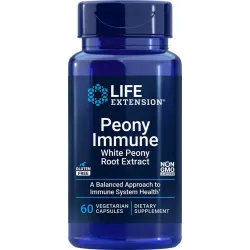
Peony Immune
Price: 34,61 €A balanced approach to immune system health Helps maintain immune system... -
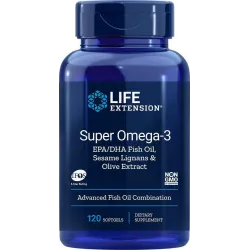
Super Omega-3 EPA/DHA with Sesame Lignans &...
Price: 40,41 €Get enough omega-3s Powerful cardiovascular and cognitive health support... -
Mega GLA Sesame Lignans
Price: 21,59 €Inhibits inflammatory factors Gamma-linolenic acid (GLA) plays a... -
Vitamins D and K with Sea-Iodine™
Price: 18,86 €Helps maintain bone density & promotes vascular health Supplementation...
Related posts
-
 Rebuild Aging Joints!
In this article, you will learn about UC-II®, or undenatured type II collagen, a novel intervention for both...
Rebuild Aging Joints!
In this article, you will learn about UC-II®, or undenatured type II collagen, a novel intervention for both... -
Is Conventional Pomegranate Extract Enough?
An abundance of clinical data has established pomegranate as a broad-spectrum, multi-modal defense against the...
-
Next-Generation Nutrients for Rapid Relief of Joint Pain
In recent years, adults seeking relief from the crippling pain of arthritis have had to choose between expensive,...
-
Lipoic Acid Reverses Mitochondrial Decay
It is estimated that 85% of the oxygen contained in every breath you take is consumed by the mitochondria within each...
-
Vitamin C and Dihydroquercetin
Every day, our bodies are under continual assault by damaging agents known as free radicals. Generally, both internal...