 English
 Polski
 Deutsch
 Français
 ελληνικά
 Español
 Italiano

13,63 €

Quantity:
Total:
Total products:
Total shipping: To be determined
Total:
Science-based food supplements

Manufacturer: Life Extension
In stock
| Quantity | Price | You Save |
|---|---|---|
| 2 | 7,67 € | Up to 0,64 € |
| 4 | 7,51 € | Up to 1,92 € |
By buying this product you can collect up to 7 loyalty points. Your cart will total 7 points that can be converted during next order into a voucher of 0,35 €.

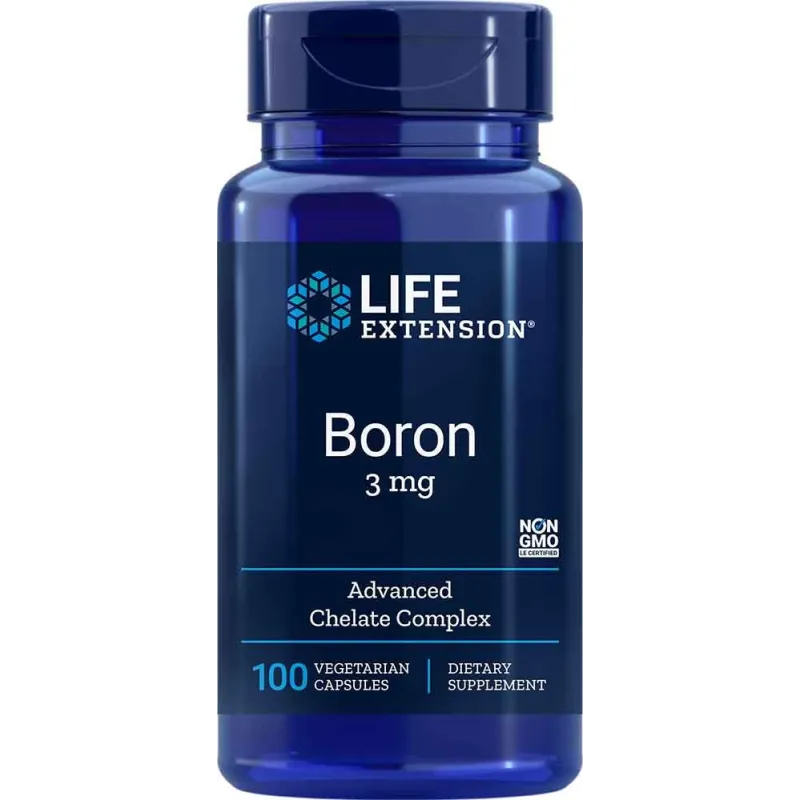
Boron
3 mg, 100 vegetarian capsules
Item Catalog Number: 01661
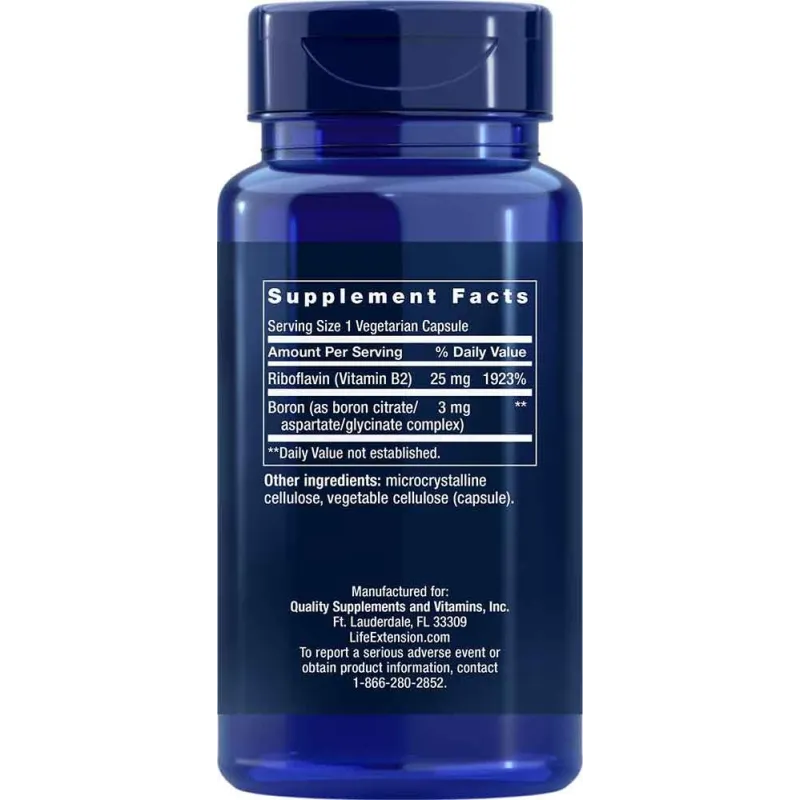
Serving Size 1 vegetarian capsule
| Amount Per Serving | |
|---|---|
| Riboflavin (Vitamin B2) | 25 mg |
| Boron (as boron citrate/aspartate/glycinate complex) | 3 mg |
| Other ingredients: microcrystalline cellulose, vegetable cellulose (capsule). | |
Dosage and Use
Take one (1) capsule daily with or without food, or as recommended by a healthcare practitioner.
Warnings
KEEP OUT OF REACH OF CHILDREN
DO NOT EXCEED RECOMMENDED DOSE
Do not purchase if outer seal is broken or damaged.
When using nutritional supplements, please consult with your physician if you are undergoing treatment for a medical condition or if you are pregnant or lactating.
13,63 €
24,96 €
12,83 €
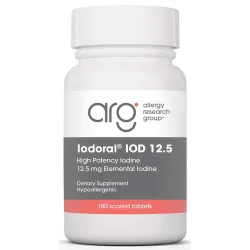
64,59 €
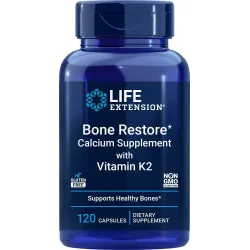
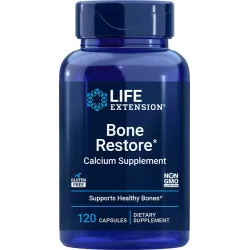
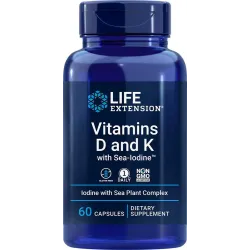
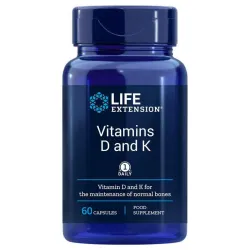
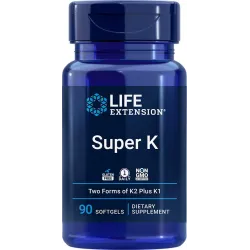
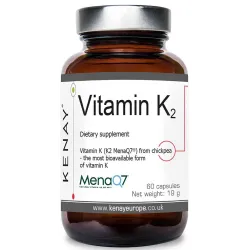

Boron is a trace mineral essential for bone metabolism, hormone regulation, and joint health, though it lacks official dietary reference intake due to evolving understanding of its biological importance. This mineral influences bone health through multiple mechanisms: it reduces urinary calcium and magnesium excretion by 30-40% conserving these bone-building minerals, enhances vitamin D conversion to its active form (calcitriol) by 20-30%, and directly stimulates osteoblast activity while inhibiting osteoclast bone resorption. Research demonstrates boron-deprived individuals show increased markers of bone breakdown and decreased markers of bone formation, with supplementation reversing these changes. For joints specifically, boron concentrates in bone and synovial fluid where it supports cartilage health and reduces inflammatory prostaglandin production. Clinical studies show 6-9 mg daily boron reduces arthritis symptoms by 50-70% in participants, with improvements in joint mobility and reduced morning stiffness. The mineral also influences steroid hormone metabolism, increasing free testosterone by 15-25% and free estradiol in postmenopausal women, both of which support bone density maintenance.
Boron demonstrates fascinating effects on steroid hormone metabolism through mechanisms involving sex hormone binding globulin (SHBG) modulation. Supplementation at 6-10 mg daily decreases SHBG levels, effectively increasing free (bioavailable) testosterone and estradiol. In men, research shows boron increases free testosterone by 15-25% within one week of supplementation, potentially supporting muscle development, bone density, and vitality. For postmenopausal women, boron supplementation increases serum estradiol levels by 25-35%, which may help mitigate bone loss and menopausal symptoms without the risks associated with hormone replacement therapy. The mineral also influences vitamin D metabolism—boron supplementation increases serum 25-hydroxyvitamin D levels by 15-20%, amplifying vitamin D's bone-protective effects. Beyond sex hormones, boron affects inflammatory mediators, reducing pro-inflammatory cytokines and prostaglandins contributing to its anti-arthritic effects.
Boron occurs naturally in plant foods, particularly fruits, vegetables, nuts, and legumes, with minimal content in animal products. Excellent sources include prunes (2.3 mg per 100g), raisins (2.5 mg), avocados (2.1 mg), peanut butter (1.9 mg), and wine (0.5-1.0 mg per glass). Typical Western diets provide 1-2 mg boron daily, while populations consuming plant-rich diets may obtain 3-7 mg. Individuals at risk for inadequate boron include those consuming low fruit/vegetable diets, people on restricted diets eliminating major boron sources, and populations in boron-depleted soil regions. Postmenopausal women and aging men may particularly benefit from supplementation given boron's hormone-modulating effects supporting bone health during periods of accelerated bone loss. Athletes seeking natural testosterone support and individuals with osteoporosis or osteoarthritis represent additional populations potentially benefiting from boron supplementation at 3-10 mg daily.
Boron demonstrates excellent safety at supplemental doses, with the tolerable upper intake level set at 20 mg daily for adults—well above therapeutic doses. Clinical trials using 3-10 mg daily for extended periods show no adverse effects. Higher doses (50+ mg) may cause digestive upset, but typical supplements provide 3-6 mg far below toxicity thresholds. For bone health and arthritis support, research validates 3-9 mg daily as effective. For hormone optimization, 6-10 mg daily produces measurable increases in free testosterone and estradiol. Most practitioners recommend 3-6 mg daily for general bone and joint support, with higher doses (6-10 mg) for individuals with osteoarthritis, osteoporosis, or seeking hormone benefits. Taking boron with meals minimizes potential digestive effects. Effects develop progressively—hormone changes emerge within days to weeks, while bone density and arthritis improvements require 3-6 months of consistent supplementation.
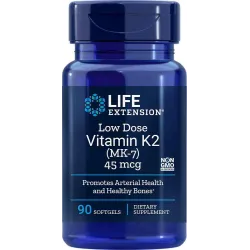
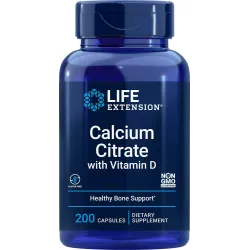
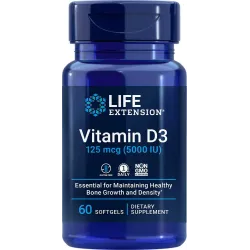
Boron works synergistically with other bone-supporting nutrients through complementary mechanisms. Combined with calcium, magnesium, and vitamin D, boron enhances mineral retention and utilization—the four nutrients together produce superior bone density improvements compared to any alone. Boron's ability to reduce calcium excretion makes calcium supplementation more effective. Its enhancement of vitamin D activation amplifies vitamin D's bone benefits. Adding vitamin K2 creates comprehensive bone support: calcium and D3 increase bone mineralization, K2 activates proteins directing calcium to bones, and boron conserves minerals while modulating bone cell activity. For joint health, combining boron with glucosamine, chondroitin, and MSM provides multi-pathway arthritis support. The excellent safety profile allows boron inclusion in comprehensive bone health protocols without interaction concerns.
Results: Clinical trials demonstrate boron supplementation at 3-9 mg daily reduces urinary calcium excretion by 30-40%, increases serum vitamin D by 15-20%, and improves bone mineral density markers through enhanced osteoblast activity and reduced osteoclast bone resorption.
Citation: Nielsen FH, et al. FASEB J. 1987 Nov;1(5):394-7.
Results: Research shows boron 6-9 mg daily reduces arthritis symptoms by 50-70% with improvements in joint mobility and reduced morning stiffness, attributed to anti-inflammatory prostaglandin modulation and cartilage support.
Citation: Travers RL, et al. J Nutr Environ Med. 1990;1:127-32.
Results: Studies reveal boron supplementation increases free testosterone by 15-25% in men and serum estradiol by 25-35% in postmenopausal women through reduced SHBG binding, supporting bone density and vitality.
Citation: Naghii MR, et al. J Trace Elem Med Biol. 2011 Jan;25(1):54-8.
Results: Safety trials confirm boron demonstrates excellent tolerability at 3-10 mg daily with no adverse effects, with tolerable upper limit of 20 mg daily well above therapeutic doses for bone and joint support.
Citation: Scorei R, et al. Biol Trace Elem Res. 2011 Dec;144(1-3):253-65.