
 English
 Polski
 Deutsch
 Français
 ελληνικά
 Español
 Italiano
Novel Support for Chronic Heart Failure, Arrhythmia and Coronary Artery Blockage
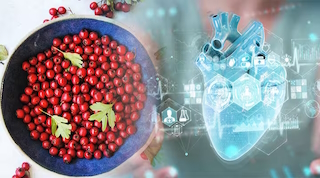 We are losing the battle against the leading preventable cause of premature death: heart disease.
In 2005, one in eight death certificates—representing 292,214 deceased Americans—mentioned heart failure.1
Prescription drugs and surgery are routine treatments, but there remains a need for agents that modulate multiple cardiac risk factors.
The term cardiotonic refers to any compound that bolsters normal heart function even under less-than-ideal conditions. Scientists have identified two botanical extracts that deliver this cardiotonic protection!2-4
Extracts from the hawthorn leaf and flower and those from an Indian shrub called arjuna have long been used in traditional medical systems for heart and circulatory conditions.4-9
Scientific studies now demonstrate that these extracts generate a dual effect: they help to prevent —and reverse the disease-progression indicators of existing cardiovascular disease.2,10-13
Hawthorn: New Efficacy Data
 Hawthorn (Crataegus) is a genus of small, flowering trees in the rose family, closely related to apples and pears.3, 4 For centuries, traditional medical systems have used the fruit, leaves, and bark for various applications on heart health.5-9
Hawthorn extracts are widely prescribed in Europe for managing mild heart failure, either alone or as add-on therapy with standard drugs. In Germany, hawthorn extracts are recognized as drugs. Hawthorn extracts are referred to as a cardiotonic because of their ability to increase the heart’s muscle tone.2
Hawthorn extracts contain dozens of biologically active molecules including flavonoids and polyphenols. The hawthorn polyphenol most thoroughly studied in humans is oligomeric procyanidins. A typical hawthorn dose provides between 30 and about 340 mg a day of procyanidins.5, 7, 14
A 2012 study identified an effect of hawthorn that enable it to suppress potentially deadly blood clotting signals within arteries.12 In addition, hawthorn displays anti-inflammatory effects in blood vessels,14 and improves the health of endothelial cells that line arteries.15 The endothelium is where oxidized LDL first accumulates, setting the stage for atherosclerosis and heart attack.
Hawthorn extracts specifically counteract many of the underlying biological responses that predispose aging humans to heart attack. Hawthorn has additional characteristics that strengthen and tone the heart muscle,2 making it a potential adjuvant therapy in the face of congestive heart failure.
Arjuna: Broad-spectrum Cardiac Protection
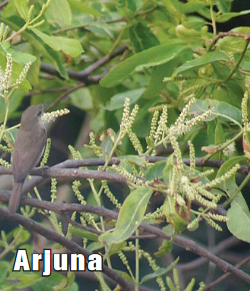 The arjuna tree is native to India, where its bark has been used in Ayurvedic medicine for centuries, mainly as a cardiotonic.4 Like hawthorn, arjuna extracts contain a wide variety of active biomolecules, especially polyphenols and flavonoids.4,13
Arjuna extracts exert anti-inflammatory effects that help combat the excessive immune response that leads to arterial plaque and blood vessel occlusions. 16-18 And they help restore abnormal lipid (cholesterol) profiles that contributes to plaque formation.16, 19
In addition, arjuna extracts enhance heart muscle tone, improving its “squeeze” and increasing the amount of blood it can pump each second without exhaustion.13, 20, 21
Like hawthorn, arjuna is also considered cardiotonic, that is, it bolsters normal heart function even under less-than-ideal conditions.
TABLE 1: The Toll of Cardiovascular Disease in the US1, 52
|
Coronary Heart Disease |
Congestive Heart Failure |
|
One in 5 Deaths in the US |
Cited on 1 in 8 death certificates |
|
Total Mortality/year: 445,687 |
Contributing cause of death: 292,214 |
|
New heart attacks/year: 785,000 |
New diagnoses/year: 670,000 |
|
Additional new “silent” attacks/year: 195,000 |
Prevalence: 5.8 million |
|
Recurrent heart attacks/year: 470,000 |
Total Cost: $39.2 billion |
Coronary Artery Disease
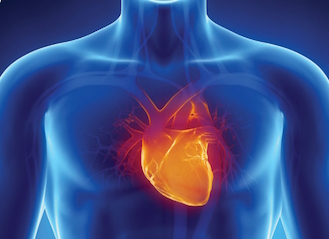 Coronary heart disease results from narrowing of the main arteries that supply blood to the heart muscle itself. Those arteries, over time, become oxidant-damaged, chronically inflamed, and lipid-laden until their smaller diameter reduces the amount of blood that can flow to the laboring heart muscle.
That restricted blood flow impairs heart muscle cells’ pumping ability. Coronary artery occlusion is also painful, producing the symptom we call “angina,” or pain in the chest, abdomen, and/or left arm. Many people, especially women with cardiac ischemia feel no clear symptoms at all, however.
When a tiny blood clot blocks a jagged-narrowed coronary artery, the result is often a full-blown heart attack, with complete loss of blood flow to an area of heart muscle. If the damaged area is large enough, the victim dies or becomes a cardiac cripple.
If the area damaged by a coronary artery occlusion is small enough or if sufficient blood flow is restored from adjoining areas of heart muscle, the victim survives, but with scar tissue.
If oxygenated blood flow is renewed, which is essential to survival, the result is a new surge of pro-oxidant damage to already weakened muscle. This “ischemia-reperfusion injury” can complicate recovery and induce arrhythmias that take the lives of those who, with a stronger heart at baseline, might have survived the original attack.
Hawthorn extracts rich in oligomeric procyanidins have multiple direct actions on the heart before, during, and even after an ischemic event. These beneficial actions, even under challenging laboratory conditions, enhance survival.
Hawthorn scavenges reactive oxygen species (ROS) while enhancing heart muscle cells’ natural antioxidant defenses.22, 23 Animal studies reveal that hawthorn extracts boost coronary blood flow by up to 70%.24
When ischemia occurs, hawthorn extracts prevent ischemia-reperfusion injury to heart muscle cells both through antioxidant effects and by changing how protective genes are expressed in response to the threat.23, 25-28 Ischemic hearts pre-treated with hawthorn show improved function and smaller areas of dying tissue, reducing the mortality rate in animal studies five-fold. 26
Despite some theoretical interactions with cardiovascular drugs, none have been reported in the thousands of patients who have used hawthorn extracts for heart health.5,6,8,31,32
What You Need to Know: Botanical Extracts Provide Peak Cardio Protection
 Despite advances in medications, surgery, and supportive devices, cardiovascular disease remains the leading killer of Americans.
- Much of the damage that leads to cardiovascular disease arises from ancient adaptations no longer needed in the modern world.
- Two botanical extracts, from hawthorn and arjuna, naturally, gently, and effectively counteract those out-of-date adaptations, protecting heart and vessel tissue against oxidation, coagulation, inflammation, and fat accumulations.
- Alone or in combination with conventional heart medications, these botanicals offer superior cardiac toning, enhanced performance, and reduced mortality.
- Consider supplementing with hawthorn and arjuna extracts as part of your cardio protective regimen.
Arjuna Complements Hawthorn
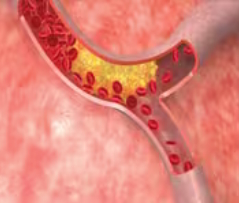 Arjuna extracts can amplify and complement the properties of hawthorn in prevention of coronary artery disease. They were shown to have modest lipid-lowering effects at doses used in ancient Indian medicine.33 In animal studies, arjuna reduces total and LDL cholesterol, as well as triglycerides, raises protective HDL, and limits the size and number of atherosclerotic lesions in the aorta.19, 34, 35
Humans treated with 500 mg daily of arjuna tree bark powder experienced a total cholesterol drop of 9.7%.36 The same dose of an extract from the bark, given every 8 hours, improved endothelial function, the ability of vital arteries to dilate and increase blood flow, by 9.3% in smokers, who typically have terrible endothelial function.37
What You Need to Know: Hawthorn’s “Other” Cardiac Benefits - Protecting against Arrhythmia
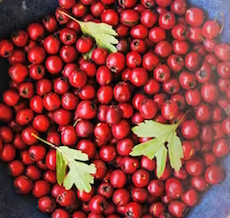 A potentially lifesaving effect of hawthorn extract is a substantial reduction in the deadly arrhythmias, or irregular heartbeats, that often follow or accompany ischemia and reperfusion.22 Supplementation prior to ischemia-reperfusion reduced the prevalence of “malignant” arrhythmias (ventricular fibrillation and flutter) by six-fold in one animal study.29
Strengthening Heart Muscle
Hawthorn’s reputation as a cardiotonic is borne out by studies that demonstrate an increase in the contractile force of ailing human heart muscle following administration of the extracts.2 Even sections of muscle from failing human hearts being replaced by transplants respond favorably to hawthorn treatment, demonstrating a massive “squeeze enhancing” effect similar to that produced by digitalis and other plant-derived glycoside medications.2
Modest LDL Reduction with Hawthorne
In a human trial in diabetics, the addition of a hawthorn extract to routine medications had modest lipid-lowering effects, with 400 mg three times daily producing a reduction in LDL cholesterol from 105 to 93 mg/dL .30 That same dose reduced neutrophil elastase, an enzyme released from inflammatory cells that weakens connective tissue in heart and lung tissue, and is a major contributor to later heart failure.30
Symptoms of heart failure vary greatly, but may include fluid retention, swelling of the extremities, difficulty breathing, and, importantly, reduction in exercise tolerance.
Arjuna has exceptional efficacy in reducing episodes of angina, both alone and in combination with standard anti-angina drugs such as isosorbide mononitrate, in patients with stable angina (chest pain induced by activity with absence of prolonged pain at rest). Reductions in anginal frequency of 50% or more have been noted in patients taking 200 to 500 mg daily.10, 38-40
Studies also reveal a prolongation of exercise time before echocardiogram abnormalities on the treadmill test in subjects supplementing with arjuna extracts; all patients remained on their regular cardiac medications as well.38, 39 One dramatic study demonstrated that both arjuna and the drug, isosorbide reduced anginal attacks significantly, but only arjuna-supplemented patients had significant improvement in their hearts’ blood pumping abilities.10
Like hawthorn, arjuna extracts possess powerful cardio-protective characteristics that can save heart muscle cells during ischemia or ischemia-reperfusion injury.18
Multiple human trials with arjuna have demonstrated no serious side effects or drug interactions.38, 39
Chronic Heart Failure
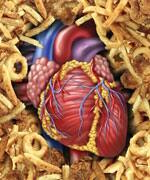 Heart failure describes a condition in which the heart lacks the ability to deliver sufficient blood flow to meet existing needs, both at rest and during exertion.
As the failing heart works harder and harder, it grows in size, but its muscle stretches eventually to the point at which it can no longer keep up with the blood returning from the circulation. That produces “congestion,” blood backing up into the liver and other organs (right-sided heart failure), or into the lungs (left-sided heart failure). These conditions are often referred to as congestive heart failure.
Symptoms of heart failure vary greatly, but may include fluid retention, swelling of the extremities, difficulty breathing, and, importantly, reduction in exercise tolerance. TABLE 2 shows the standard classifications of heart failure according to the New York State Heart Association’s definitions.41
Numerous clinical studies demonstrate hawthorn’s effectiveness alone or as add-on therapy to regular drugs, especially for mild (Class II) heart failure.
Hawthorn extracts improve a host of objective measures of heart failure, including cardiac oxygen consumption, blood pressure, heart rate, percent of blood pumped per heartbeat, percent of heart muscle contracting (as seen on echocardiograms).42-46 Placebo recipients in these studies often suffer deterioration during the study period.43
Dramatic improvements in exercise tolerance on bicycle or treadmill testing are attributed to hawthorn supplementation. Patients experience increased exercise time until ECG abnormalities, increased maximal workload, fewer arrhythmias, and fewer extra heartbeats.44-48
TABLE 2: New York Heart Association Classification of Heart Failure41
| Class | Patient Symptoms |
| Class I (Mild) | No limitation of physical activity. Ordinary physical activity does not cause undue fatigue, palpitation, or shortness of breath. |
| Class II (Mild) | Slight limitation of physical activity. Comfortable at rest, but ordinary physical activity results in fatigue, palpitation, or shortness of breath. |
| Class III (Moderate) | Marked limitation of physical activity. Comfortable at rest, but less than ordinary activity causes fatigue, palpitation, or shortness of breath. |
| Class IV (Severe) | Unable to carry out any physical activity without discomfort. Symptoms of cardiac insufficiency (fatigue, palpitations, shortness of breath) at rest. If any physical activity is undertaken, discomfort is increased. |
Patients with Class II heart failure who supplement with hawthorn can also expect improvements in their symptoms; they have less shortness of breath, ankle swelling, fatigue, and palpitations, while enjoying improved overall quality of life.43, 44, 47-49
 In one study, 83% of patients taking hawthorn had less ankle swelling, and 50% had a reduced need to urinate at night (a common complaint in heart failure).44 That study also showed that nearly 66% of patients felt better after 24 weeks of supplementation.
Perhaps the most compelling data come from a study showing a 41% reduction in the risk of sudden cardiac death among heart failure patients with the best baseline heart performance who were taking hawthorn.50 Sudden death is the most-feared and unpredictable consequence of chronic heart failure.
In evaluating dosing of hawthorn extracts, it’s important to compare not only the dose in milligrams in the supplement, but also the total amount of the vital oligomeric polyphenols (OPC) that’s actually delivered. Supplements may vary by their oligomeric polyphenols concentration, but the total delivered dose should be comparable.
Typical doses of hawthorn extracts to achieve these effects range from 80 to 450 mg twice daily, which deliver 30 to 169 mg/day of oligomeric polyphenols , though one study of 1800 mg/day (providing 338 mg/day of OPC) demonstrated safety and improved patient symptom ratings in a group of people with Class III (moderate severity) heart failure.42, 44
Hawthorn’s effects are so powerful that theoretical concerns have been raised about its interactions with other heart medications, especially the “cardiac glycosides” such as digitalis and digoxin. A human volunteer trial, however, demonstrated no detectable interactions after 3 weeks of treatment with digoxin 0.25 mg/day and hawthorn 900 mg/day (delivering OPC at 169 mg/day).51
Arjuna extracts produce even more remarkable improvements in chronic heart failure patients. One study evaluated arjuna at a dose of 500 mg every 8 hours in patients with severe, Class IV heart failure, not responding to standard medications, which were continued throughout the study.11 Supplemented patients, but not controls, had improvement in all clinical signs of heart failure, and had better objective outcomes on echocardiograms, including reductions in heart volume and pressures, and increases in the amount and percent of blood pumped with each beat.
In that study, 100% of arjuna-supplemented patients improved from Class IV (basically bedridden) to Class III (moderate) heart failure, an enormous change.11 Perhaps even more compelling is the finding that, by the study’s 4th month, 75% of the arjuna-supplemented patients had moved down to Class II (from Class III). No patients in the placebo group experienced such remarkable progress.
In another trial, Class III patients on the same dose of arjuna achieved similar echocardiogram results. In this study, all arjuna-supplemented patients improved all the way to Class I heart failure, which is defined as having no symptoms of heart failure at all.10
None of these studies detected meaningful side effects from the use of arjuna as an add-on therapy.
Summary
 Tens of millions of Americans suffer coronary artery blockage, arrhythmia, and/or congestive heart failure. Most don’t know they are slowly developing these problems as a consequence of normal aging.
Life Extension members take nutrients like CoQ10, PQQ, carnitine, lipoic acid, and fish oil to help protect against the epidemic of heart disease (and stroke) that strikes so many maturing humans.
Hawthorn and arjuna extracts function via novel cardio-protective mechanisms that have demonstrated remarkable efficacy in the clinical setting.
These extracts, alone or as add-on therapy to existing heart medications, have proven safe and effective in slowing and even reversing the deadly progress of angina, heart attack, and chronic heart failure. Those with preexisting cardiovascular health issues should consider supplementing with these botanical agents, after consultation with their healthcare provider.
Material used with permission of Life Extension. All rights reserved.
- Lloyd-Jones D, Adams R, Carnethon M, et al. Heart disease and stroke statistics--2009 update: a report from the American Heart Association Statistics Committee and Stroke Statistics Subcommittee. Circulation. 2009 Jan 27;119(3):480-6.
- Schwinger RH, Pietsch M, Frank K, Brixius K. Crataegus special extract WS 1442 increases force of contraction in human myocardium cAMP-independently. J Cardiovasc Pharmacol. 2000 May;35(5):700-7.
- Rietbrock N, Hamel M, Hempel B, Mitrovic V, Schmidt T, Wolf GK. Actions of standardized extracts of Crataegus berries on exercise tolerance and quality of life in patients with congestive heart failure. Arzneimittelforschung. 2001 Oct;51(10):793-8.
- Terminalia arjuna. Altern Med Rev. 1999 Dec;4(6):436-7.
- Rigelsky JM, Sweet BV. Hawthorn: pharmacology and therapeutic uses. Am J Health Syst Pharm. 2002 Mar 1;59(5):417-22.
- Tassell MC, Kingston R, Gilroy D, Lehane M, Furey A. Hawthorn (Crataegus spp.) in the treatment of cardiovascular disease. Pharmacogn Rev. 2010 Jan;4(7):32-41.
- Urbonaviciute A, Jakstas V, Kornysova O, Janulis V, Maruska A. Capillary electrophoretic analysis of flavonoids in single-styled hawthorn (Crataegus monogyna Jacq.) ethanolic extracts. J Chromatogr A. 2006 Apr 21;1112(1-2):339-44.
- Dahmer S, Scott E. Health effects of hawthorn. Am Fam Physician. 2010 Feb 15;81(4):465-8.
- Edwards JE, Brown PN, Talent N, Dickinson TA, Shipley PR. A review of the chemistry of the genus Crataegus. Phytochemistry. 2012 Jul;79:5-26.
- Dwivedi S, Jauhari R. Beneficial effects of Terminalia arjuna in coronary artery disease. Indian Heart J. 1997 Sep-Oct;49(5):507-10.
- Bharani A, Ganguly A, Bhargava KD. Salutary effect of Terminalia Arjuna in patients with severe refractory heart failure. Int J Cardiol. 1995 May;49(3):191-9.
- Vibes J, Lasserre B, Gleye J, Declume C. Inhibition of thromboxane A2 biosynthesis in vitro by the main components of Crataegus oxyacantha (Hawthorn) flower heads. Prostaglandins Leukot Essent Fatty Acids. 1994 Apr;50(4):173-5.
- Dwivedi S. Terminalia arjuna Wight & Arn.--a useful drug for cardiovascular disorders. J Ethnopharmacol. 2007 Nov 1;114(2):114-29.
- Yang B, Liu P. Composition and health effects of phenolic compounds in hawthorn (Crataegus spp.) of different origins. J Sci Food Agric. 2012 Jun;92(8):1578-90.
- Anselm E, Socorro VF, Dal-Ros S, Schott C, Bronner C, Schini-Kerth VB. Crataegus special extract WS 1442 causes endothelium-dependent relaxation via a redox-sensitive Src- and Akt-dependent activation of endothelial NO synthase but not via activation of estrogen receptors. J Cardiovasc Pharmacol. 2009 Mar;53(3):253-60.
- TC JM, Seneviratne CK, Thabrew MI, Abeysekera AM. Antiradical and antilipoperoxidative effects of some plant extracts used by Sri Lankan traditional medical practitioners for cardioprotection. Phytother Res. 2001 Sep;15(6):519-23.
- Gauthaman K, Maulik M, Kumari R, Manchanda SC, Dinda AK, Maulik SK. Effect of chronic treatment with bark of Terminalia arjuna: a study on the isolated ischemic-reperfused rat heart. J Ethnopharmacol. 2001 May;75(2-3):197-201.
- Karthikeyan K, Bai BR, Gauthaman K, Sathish KS, Devaraj SN. Cardioprotective effect of the alcoholic extract of Terminalia arjuna bark in an in vivo model of myocardial ischemic reperfusion injury. Life Sci. 2003 Oct 10;73(21):2727-39.
- Ram A, Lauria P, Gupta R, Kumar P, Sharma VN. Hypocholesterolaemic effects of Terminalia arjuna tree bark. J Ethnopharmacol. 1997 Feb;55(3):165-9.
- Maulik SK, Katiyar CK. Terminalia arjuna in cardiovascular diseases: making the transition from traditional to modern medicine in India. Curr Pharm Biotechnol. 2010 Dec;11(8):855-60.
- Oberoi L, Akiyama T, Lee KH, Liu SJ. The aqueous extract, not organic extracts, of Terminalia arjuna bark exerts cardiotonic effect on adult ventricular myocytes. Phytomedicine. 2011 Feb 15;18(4):259-65.
- Chang WT, Dao J, Shao ZH. Hawthorn: potential roles in cardiovascular disease. Am J Chin Med. 2005;33(1):1-10.
- Li P, Wang J, Lu S, Fu J, Liu J. Protective effect of hawthorn leaf procyanidins on cardiomyocytes of neonatal rats subjected to simulated ischemia-reperfusion injury. Zhongguo Zhong Yao Za Zhi. 2009 Jan;34(1):96-9.
- Roddewig C, Hensel H. Reaction of local myocardial blood flow in non-anesthetized dogs and anesthetized cats to the oral and parenteral administration of a Crateagus fraction (oligomere procyanidines). Arzneimittelforschung. 1977 Jul;27(7):1407-10.
- Nasa Y, Hashizume H, Hoque AN, Abiko Y. Protective effect of crataegus extract on the cardiac mechanical dysfunction in isolated perfused working rat heart. Arzneimittelforschung. 1993 Sep;43(9):945-9.
- Veveris M, Koch E, Chatterjee SS. Crataegus special extract WS 1442 improves cardiac function and reduces infarct size in a rat model of prolonged coronary ischemia and reperfusion. Life Sci. 2004 Feb 27;74(15):1945-55.
- Jayachandran KS, Khan M, Selvendiran K, Devaraj SN, Kuppusamy P. Crataegus oxycantha extract attenuates apoptotic incidence in myocardial ischemia-reperfusion injury by regulating Akt and HIF-1 signaling pathways. J Cardiovasc Pharmacol. 2010 Nov;56(5):526-31.
- Swaminathan JK, Khan M, Mohan IK, et al. Cardioprotective properties of Crataegus oxycantha extract against ischemia-reperfusion injury. Phytomedicine. 2010 Aug;17(10):744-52.
- al Makdessi S, Sweidan H, Dietz K, Jacob R. Protective effect of Crataegus oxyacantha against reperfusion arrhythmias after global no-flow ischemia in the rat heart. Basic Res Cardiol. 1999 Apr;94(2):71-7.
- Dalli E, Colomer E, Tormos MC, et al. Crataegus laevigata decreases neutrophil elastase and has hypolipidemic effect: a randomized, double-blind, placebo-controlled trial. Phytomedicine. 2011 Jun 15;18(8-9):769-75.
- Crataegus oxyacantha (Hawthorn). Monograph. Altern Med Rev. 2010 Jul;15(2):164-7.
- Daniele C, Mazzanti G, Pittler MH, Ernst E. Adverse-event profile of Crataegus spp.: a systematic review. Drug Saf. 2006;29(6):523-35.
- Shaila HP, Udupa SL, Udupa AL. Hypolipidemic activity of three indigenous drugs in experimentally induced atherosclerosis. Int J Cardiol. 1998 Dec 1;67(2):119-24.
- Subramaniam S, Subramaniam R, Rajapandian S, Uthrapathi S, Gnanamanickam VR, Dubey GP. Anti-Atherogenic Activity of Ethanolic Fraction of Terminalia arjuna Bark on Hypercholesterolemic Rabbits. Evid Based Complement Alternat Med. 2011;2011:487916.
- Subramaniam S, Ramachandran S, Uthrapathi S, Gnamanickam VR, Dubey GP. Anti-hyperlipidemic and antioxidant potential of different fractions of Terminalia arjuna Roxb. bark against PX- 407 induced hyperlipidemia. Indian J Exp Biol. 2011 Apr;49(4):282-8.
- Gupta R, Singhal S, Goyle A, Sharma VN. Antioxidant and hypocholesterolaemic effects of Terminalia arjuna tree-bark powder: a randomised placebo-controlled trial. J Assoc Physicians India. 2001 Feb;49:231-5.
- Bharani A, Ahirwar LK, Jain N. Terminalia arjuna reverses impaired endothelial function in chronic smokers. Indian Heart J. 2004 Mar-Apr;56(2):123-8.
- Dwivedi S, Agarwal MP. Antianginal and cardioprotective effects of Terminalia arjuna, an indigenous drug, in coronary artery disease. J Assoc Physicians India. 1994 Apr;42(4):287-9.
- Bharani A, Ganguli A, Mathur LK, Jamra Y, Raman PG. Efficacy of Terminalia arjuna in chronic stable angina: a double-blind, placebo-controlled, crossover study comparing Terminalia arjuna with isosorbide mononitrate. Indian Heart J. 2002 Mar-Apr;54(2):170-5.
- Dwivedi S, Aggarwal A, Agarwal MP, Rajpal S. Role of Terminalia arjuna in ischaemic mitral regurgitation. Int J Cardiol. 2005 Apr 28;100(3):507-8.
- Available at: http://www.abouthf.org/questions_stages.htm. Accessed August 25, 2012.
- Leuchtgens H. Crataegus Special Extract WS 1442 in NYHA II heart failure. A placebo controlled randomized double-blind study. Fortschr Med. 1993 Jul 20;111(20-21):352-4.
- Weikl A, Assmus KD, Neukum-Schmidt A, et al. Crataegus Special Extract WS 1442. Assessment of objective effectiveness in patients with heart failure (NYHA II). Fortschr Med. 1996 Aug 30;114(24):291-6.
- Tauchert M, Gildor A, Lipinski J. High-dose Crataegus extract WS 1442 in the treatment of NYHA stage II heart failure. Herz. 1999 Oct;24(6):465-74; discussion 75.
- Zapfe jun G. Clinical efficacy of crataegus extract WS 1442 in congestive heart failure NYHA class II. Phytomedicine. 2001 Jul;8(4):262-6.
- Pittler MH, Guo R, Ernst E. Hawthorn extract for treating chronic heart failure. Cochrane Database Syst Rev. 2008 (1):CD005312.
- Tauchert M. Efficacy and safety of crataegus extract WS 1442 in comparison with placebo in patients with chronic stable New York Heart Association class-III heart failure. Am Heart J. 2002 May;143(5):910-5.
- Eggeling T, Regitz-Zagrosek V, Zimmermann A, Burkart M. Baseline severity but not gender modulates quantified Crataegus extract effects in early heart failure--a pooled analysis of clinical trials. Phytomedicine. 2011 Nov 15;18(14):1214-9.
- Habs M. Prospective, comparative cohort studies and their contribution to the benefit assessments of therapeutic options: heart failure treatment with and without Hawthorn special extract WS 1442. Forsch Komplementarmed Klass Naturheilkd. 2004 Aug;11 Suppl 1:36-9.
- Holubarsch CJ, Colucci WS, Meinertz T, Gaus W, Tendera M. The efficacy and safety of Crataegus extract WS 1442 in patients with heart failure: the SPICE trial. Eur J Heart Fail. 2008 Dec;10(12):1255-63.
- Tankanow R, Tamer HR, Streetman DS, et al. Interaction study between digoxin and a preparation of hawthorn (Crataegus oxyacantha). J Clin Pharmacol. 2003 Jun;43(6):637-42.
- Available at: http://www.cdc.gov/heartdisease/facts.htm. Accessed August 31, 2012.
Related product

Related posts
-
 Is Conventional Pomegranate Extract Enough?
An abundance of clinical data has established pomegranate as a broad-spectrum, multi-modal defense against the...
Is Conventional Pomegranate Extract Enough?
An abundance of clinical data has established pomegranate as a broad-spectrum, multi-modal defense against the... -
Lipoic Acid Reverses Mitochondrial Decay
It is estimated that 85% of the oxygen contained in every breath you take is consumed by the mitochondria within each...
-
Vitamin C and Dihydroquercetin
Every day, our bodies are under continual assault by damaging agents known as free radicals. Generally, both internal...
-
How Resveratrol Combats Leading Causes of Death
In 1997, the first scientific paper on resveratrol was published showing that this polyphenol could prevent cancer in...
-
Cukrzyca opis choroby Część 2
Cukrzycy typu 1 potrzebują dożywotniej insulinoterapii, choć suplementy wymienione w niniejszym rozdziale mogą pomóc...