
 English
 Polski
 Deutsch
 Français
 ελληνικά
 Español
 Italiano
Is Conventional Pomegranate Extract Enough?
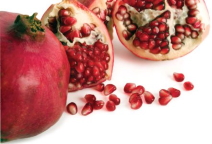 An abundance of clinical data has established pomegranate as a broad-spectrum, multi-modal defense against the leading causes of death in the Western world, from atherosclerosis to cancer and diabetes.1
In the last decade alone, more than seven times as many studies have been published validating pomegranate than in all the preceding years combined.2
The bulk of this research has focused on the benefits of pomegranate juice and fruit extracts. Now scientists are discovering a novel source of pomegranate’s myriad benefits: the various botanical components of the pomegranate tree, particularly its seeds and flowers.
The latest scientific evidence indicates that pomegranate flower extract and seed oil uniquely complement conventional pomegranate fruit extract’s capacity to combat multiple diseases of aging.1
For example, a 2009 pre-clinical model found that extracts from pomegranate flowers reduced hardening of the arteries by 70%, while juice alone reduced it by only 40% compared to controls.3 In addition, flower extracts were found to significantly decrease blood lipid and glucose levels.
In this article, you will learn the latest scientific evidence of pomegranate’s life-saving effects, along with new studies exploring various constituents of the plant and their power to combat a host of degenerative diseases through distinct physiological pathways.
Conventional Pomegranate Extracts: Polyphenols Provide Degenerative Disease Defense
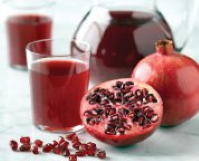 The polyphenolic content of pomegranate juice and pulp have historically aroused the greatest scientific interest. In particular, the formidable antioxidant capacity of their ellagitannin content has been credited with much of pomegranate’s health-promoting power.4,5
Recent analysis has further clarified pomegranate’s underlying mechanisms of action, most notably in the area of beneficial gene expression—inhibiting pro-inflammatory nuclear factor-kappaB (NF-kB)4 and downregulating production of cancer-stimulating androgen receptors in prostate cells.5 Pomegranate’s unique role in upregulating expression of paraoxonase-1 (PON-1), an enzyme required for artery-cleansing high-density lipoprotein (HDL) to function optimally, has also generated substantial scientific interest.6,7
Pomegranate’s clinically validated cardioprotective effects have prompted some to label it the “heart-healthy” juice.8 Its flavonoid content inhibits oxidative damage to low-density lipoprotein (LDL), helping to protect blood vessels against atherosclerosis.9 Pomegranate polyphenols exert anti-inflammatory effects that further protect blood vessels from damage, reduce the size and number of atherosclerotic lesions, prevent thickening of arterial walls, and lower blood pressure.8
Polyphenols and other components in pomegranate juice exert beneficial effects that extend beyond the cardiovascular system. Numerous phytochemicals in pomegranate juice—ellagic acid in particular—have been shown to disrupt cancer development at multiple stages.2,10,11 Another polyphenol unique to pomegranate is punicalagin, which converts into molecules known to slow prostate cancer cell growth.4 These act by inhibiting pro-inflammatory NF-kB, a cytokine implicated in the development of numerous forms of cancer.4,12-14
Scientists have also focused on pomegranate’s antimicrobial potential. Polyphenols contained in the juice inhibit the growth of a number of pathogenic (disease-causing) bacteria, fungi, and parasites.15-17
Pomegranate Flower Extract: Preventing Metabolic Syndrome
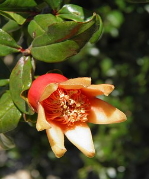 The global epidemic of metabolic syndrome and its associated pathologies—obesity, type 2 diabetes, and cardiovascular disease—has lent new urgency to the discovery of anti-diabetic agents with low toxicity suitable for long-term use.18 New research points to extract of the pomegranate flower as an attractive, safe, low-cost intervention.
In 2006, Chinese scientists discovered a previously unknown polyphenol in pomegranate flower extract that combats weight gain, impaired glucose control, and systemic inflammation. They gave it the name pomegranatate.19
Indian researchers have demonstrated the capability of flowers from male pomegranate plants to influence blood sugar in normal and experimentally diabetic rats.20
In 2005, researchers in Australia demonstrated that 6 weeks of supplementing obese diabetic rats with pomegranate flower extracts prevented blood sugar increases following a glucose-laden meal—but had no such effect in normal rats.21
 The comprehensive health benefits of pomegranate juice and pulp have been well documented in combating a range of degenerative diseases.
- Less well known are the significant benefits conferred by other botanical components of the pomegranate plant. The synergistic action of pomegranate’s constituents may be superior to that of its juice/pulp alone.
- Extracts of pomegranate flowers provide unparalleled protection against type 2 diabetes and many of the metabolic consequences of obesity.
- Pomegranate seed oil offers potent chemoprevention against breast, prostate, and other common human cancers.
- All three components of the pomegranate plant have multi-modal effects, and there is evidence that these effects synergize to produce final results more potent than the sum of their parts.
- Whole-fruit, flower, and seed oil extracts of pomegranate offer unrivalled protection against the three top killers of American adults: cardiovascular disease, type 2 diabetes, and cancer.
Yet another profound anti-diabetic activity emerged: pomegranate flower extract enhanced gene expression of the vital transcription factor PPAR-gamma, which regulates cellular responses to energy intake. It also normalized expression of a glucose-transporting protein in heart muscle, enabling the diabetic animals’ hearts to better utilize energy from sugar. 21 Together these effects suggest a viable molecular pathway for improved insulin sensitivity—an important step in preventing diabetic complications (and slowing aging).
 The same researchers convincingly demonstrated that extracts of pomegranate flower reduce cardiac muscle triglyceride content in diabetic rats, simultaneously lowering triglyceride and total cholesterol levels in the blood.22 Normalization of these vital lipid parameters occurred through upregulated expression of PPAR-alpha, the gene transcription factor that controls how cells take up and utilize fatty acids. These twin findings have profound implications: drug companies have spent millions in the effort to find a pharmaceutical that could induce these effects. As a dual PPAR-alpha and PPAR–gamma activator, pomegranate flower extract offers potential realization of that effort through a safe, low-cost, natural intervention.23
The same team of researchers reported that pomegranate flower extract significantly reduced heart muscle fibrosis (thickening and stiffening) in obese diabetic rats.24 Cardiac fibrosis ranks among the more deadly complications of diabetes, resulting in gradually diminishing cardiac output and heart failure. Six weeks of oral treatment with the flower extract reduced the amount of inflexible collagen protein in the animals’ left ventricles and around their coronary arteries.
These results were attained via alterations in gene expression, in this case through downregulation of genes that produce the stiffening proteins collagen and fibronectin. Pomegranate flower extract also reduced heart muscle signaling of endothelin-1, a vasoconstrictor (blood vessel-narrowing) peptide implicated in cardiac fibrosis. Additionally, the extract reduced gene expression of the inflammatory regulatory molecule NF-kB,24 which plays an important role in controlling the inflammation and metabolic alterations associated with obesity.25
Inflammation is the target of another newly discovered component of pomegranate flowers—punicanolic acid, a member of the triterpene family of beneficial essential oil molecules. In laboratory studies, punicanolic acid inhibits production of the potent inflammatory mediator TNF-alpha,26 which is found at increased levels in overweight and obese people and contributes to insulin resistance.27
The inflammation observed in obese and overweight people not only adds to insulin resistance. It also underlies the increased risk of cardiovascular disease seen in obese individuals and in animal models of type 2 diabetes. The condition is characterized by substantially elevated blood sugar levels, LDL, very low-density lipoprotein (VLDL), triglycerides, and oxidized fats. At the same time, beneficial HDL and cellular antioxidant systems are found to be depressed in such individuals.
Oral administration of pomegranate flower extract reversed all of these conditions in a laboratory rat model of type 2 diabetes, highlighting its potential utility for aging individuals at risk for diabetes and its cardiovascular complications.28 The extract also helps ameliorate fatty liver disease,29 the most common cause of liver function abnormalities in people with obesity and type 2 diabetes.
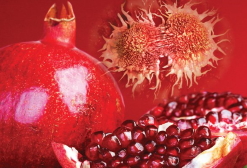 Pomegranate flower extract is a potent inhibitor of the digestive enzyme alpha-glucosidase.30 Alpha-glucosidase breaks complex carbohydrates into their simple sugar components for absorption into the blood. Inhibiting its action slows the rate at which free sugar is absorbed into the bloodstream.
The practical effect of this beneficial action was apparent in an animal model: in diabetic rats fed a carbohydrate-rich meal, oral administration of the flower extract markedly lowered plasma glucose levels during the postprandial (after-meal) period.30 This is a vitally important finding, because postprandial blood sugar elevations contribute greatly to the tissue damage caused by high glucose levels (glycation). Postprandial sugar spikes are also responsible for excessive insulin release that can cause a subsequent drop in glucose levels, triggering inappropriate hunger and further eating.
Additional multi-targeted effects of pomegranate flower extract are emerging rapidly: phenolic compounds from the flowers exhibit numerous anti-atherosclerotic effects even in non-diabetic animal models, reducing the size and number of atherosclerotic plaques by up to 70%.3
Pomegranate Seed Oil: A Potent Cancer Fighter
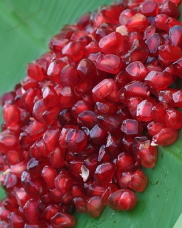 Cutting-edge research has uncovered numerous life-saving modes of action for pomegranate seed oil, most notably in the area of chemoprevention.2 Other roles for pomegranate seed oil include facilitating repair of aging skin, immune function modulation, and inflammation reduction.2,31-33
The data on pomegranate seed oil’s cancer fighting potential is most compelling in tissues of the male and female reproductive systems. Pomegranate seed oil is a potent inhibitor of aromatase, the enzyme that produces estrogen from testosterone, and 17-beta-hydroxysteroid dehydrogenase type 1, which is responsible for the conversion of estrone to potent estradiol. This enzymatic blockade contributes to pomegranate seed oil’s ability to inhibit growth of estrogen-dependent breast cancer cells in culture. It also reduces the cancer cells’ invasiveness (ability to cross barriers). A separate mechanism is also clearly at work here, because the oil also increases cellular suicide (apoptosis) even in cancer cells that lack estrogen receptors.34
Cancer cells need to grow new blood vessels to support their rapid growth and tissue invasion (angiogenesis). They typically do this by ramping up production of a variety of growth factors, including vascular endothelial growth factor (VEGF) and inflammatory interleukins.
 Polyphenols in pomegranate juice increase the activity of the vital paraoxonase (PON) enzymes PON-1 and PON-2. PON-1 supports artery-cleansing HDL by stabilizing its molecular complex against oxidation and breakdown and helping cellular scavengers (macrophages) remove oxidized cholesterol from tissue.6,41 PON-2 exerts similar antioxidant protection at the cellular level rather than in the blood.6
Pomegranate juice polyphenols work by increasing gene expression of both PON enzymes, while also preventing PON-1 inactivation and increasing the stability of its binding to HDL cholesterol.6,7,41 Other components of the pomegranate tree, including its flowers and seeds, have displayed similar effects, particularly on PON-2.3
These additional botanical constituents also affect another set of intracellular protein complexes: peroxisome proliferator-activated receptors (PPAR) alpha and gamma.18,23 Both are transcription factors that regulate how and when genes become activated. Between them they tightly regulate fatty acid uptake and storage, glucose metabolism, and inflammation.23
Drugs in the family of fibrates (gemfibrozil, fenofibrate, and others) are synthetic PPAR-alpha activators that can help improve lipid profiles, while drugs in the thiazolidinedione family (such as rosiglitazone) are synthetic PPAR-gamma activators that help lower blood glucose.43,44 Both categories of drugs, however, cause significant adverse side effects. To date, efforts to develop a drug that activates both PPARs (a clearly desirable action) have failed.23 A recent explosion of data on the pomegranate flower suggests that this component of the pomegranate tree possesses these dual PPAR-alpha/gamma activator properties, a finding with profound implications for treatment of diabetes and its complications.21,23,24
 Pomegranate seed oil powerfully inhibits production of VEGF while upregulating production of migratory inhibitory factor (MIF) in breast cancer cells. In a laboratory model of vessel growth, these modulations translated into a significant decrease in new blood vessel formation.35 Pomegranate seed oil’s capacity to block breast cancer development was also demonstrated in an organ culture model of mouse breast cancer.36 Treating the glands with the oil prior to exposure to a powerful carcinogen resulted in an astonishing 87% reduction in the number of cancerous lesions compared with controls—substantially greater protection than has been previously reported for derivatives of pomegranate juice.
As with flower extracts, pomegranate seed oil contains a number of unique chemical constituents with potent biological effects. Punicic acid is an omega-5 polyunsaturated fatty acid that inhibits both estrogen-dependent and estrogen-independent breast cancer cell proliferation in lab cultures.37 Punicic acid also induced apoptosis at rates up to 91% higher than those in untreated cell cultures—effects which appear to be related to fundamental regulation of cancer cell signaling pathways.37
Another common malignancy that often depends on sex hormones for its growth is prostate cancer, a leading cause of cancer-related mortality in American men, accounting for more than 29,000 deaths each year.38 Because of its slow rate of growth and appearance later in life, prostate cancer has been identified as an ideal target for nutritional chemoprevention.10
Pomegranate seed oil sharply inhibits proliferation of a number of human prostate cancer lines through changes in the cell growth cycle and also by inducing apoptosis (cell death). At the same time, it has been shown to powerfully suppress cancer cell invasion.39 Pomegranate oil also acts in synergy with other pomegranate components, suppressing prostate cancer proliferation and metastatic potential more effectively than each component individually.40
Summary
 An abundance of data supports the power of pomegranate extract as a broad-spectrum, multi-modal defense against multiple diseases of aging. It has been shown to inhibit pro-inflammatory nuclear factor-kappaB (NF-kB), downregulate production of certain cancer-stimulating androgens, and upregulate expression for the paraoxonase molecular complex associated with artery-cleansing HDL.
The most recent research suggests that the various botanical components of the fruit tree may be required to obtain pomegranate’s full protective benefit, in particular its flowers and seeds.
Extracts from pomegranate flower have been shown to suppress signaling of endothelin-1, a blood vessel-narrowing peptide implicated in cardiac fibrosis (abnormal thickening of the heart valves) and to help arrest the onset of metabolic syndrome as well as its associated pathologies of obesity, type 2 diabetes, and heart disease.
Pomegranate seed oil offers further promise as a powerful anti-cancer agent, with particular potential in combating breast and prostate cancers.
There is now solid published data to support the value of supplementing with pomegranate fruit extract, along with pomegranate flower and seed oil extracts.
Material used with permission of Life Extension. All rights reserved.
[1] Jurenka JS. Therapeutic applications of pomegranate (Punica granatum L.): a review. Altern Med Rev. 2008 Jun;13(2):128-44.
[2] Lansky EP, Newman RA. Punica granatum (pomegranate) and its potential for prevention and treatment of inflammation and cancer. J Ethnopharmacol. 2007 Jan 19;109(2):177-206.
[4] Jurenka JS. Therapeutic applications of pomegranate (Punica granatum L.): a review. Altern Med Rev. 2008 Jun;13(2):128-44
[5] Heber D. Multitargeted therapy of cancer by ellagitannins. Cancer Lett. 2008 Oct 8;269(2):262-8. Hong MY, Seeram NP, Heber D. Pomegranate polyphenols down-regulate expression of androgen-synthesizing genes in human prostate cancer cells overexpressing the androgen receptor. J Nutr Biochem. 2008 Dec;19(12):848-55. [6] Heber D. Multitargeted therapy of cancer by ellagitannins. Cancer Lett. 2008 Oct 8;269(2):262-8.
[7] Hong MY, Seeram NP, Heber D. Pomegranate polyphenols down-regulate expression of androgen-synthesizing genes in human prostate cancer cells overexpressing the androgen receptor. J Nutr Biochem. 2008 Dec;19(12):848-55.
[8] Rosenblat M, Aviram M. Paraoxonases role in the prevention of cardiovascular diseases. Biofactors. 2009 Jan-Feb;35(1):98-104. Aviram M, Rosenblat M, Gaitini D, et al. Pomegranate juice consumption for 3 years by patients with carotid artery stenosis reduces common carotid intima-media thickness, blood pressure and LDL oxidation. Clin Nutr. 2004 Jun;23(3):423-33.
[9] Basu A, Penugonda K. Pomegranate juice: a heart-healthy fruit juice. Nutr Rev. 2009 Jan;67(1):49-56.
[10] Aviram M, Dornfeld L, Kaplan M, et al. Pomegranate juice flavonoids inhibit low-density lipoprotein oxidation and cardiovascular diseases: studies in atherosclerotic mice and in humans. Drugs Exp Clin Res. 2002;28(2-3):49-62.
[11] Basu A, Penugonda K. Pomegranate juice: a heart-healthy fruit juice. Nutr Rev. 2009 Jan;67(1):49-56.
[12] Lansky EP, Newman RA. Punica granatum (pomegranate) and its potential for prevention and treatment of inflammation and cancer. J Ethnopharmacol. 2007 Jan 19;109(2):177-206. Syed DN, Afaq F, Mukhtar H. Pomegranate derived products for cancer chemoprevention. Semin Cancer Biol. 2007 Oct;17(5):377-85. Bell C, Hawthorne S. Ellagic acid, pomegranate and prostate cancer—a mini review. J Pharm Pharmacol. 2008 Feb;60(2):139-44.
[13] Heber D. Multitargeted therapy of cancer by ellagitannins. Cancer Lett. 2008 Oct 8;269(2):262-8. Rasheed Z, Akhtar N, Anbazhagan AN, Ramamurthy S, Shukla M, Haqqi TM. Polyphenol-rich pomegranate fruit extract (POMx) suppresses PMACI-induced expression of pro-inflammatory cytokines by inhibiting the activation of MAP Kinases and NF-kappaB in human KU812 cells. J Inflamm (Lond). 2009;6:1. Romier-Crouzet B, Van De Walle J, During A, et al. Inhibition of inflammatory mediators by polyphenolic plant extracts in human intestinal Caco-2 cells. Food Chem Toxicol. 2009 Jun;47(6):1221-30
[14] Lucas DL, Were LM. Anti-Listeria monocytogenes activity of heat-treated lyophilized pomegranate juice in media and in ground top round beef. J Food Prot. 2009 Dec;72(12):2508-16. Perez C, Anesini C. In vitro antibacterial activity of Argentine folk medicinal plants against Salmonella typhi. J Ethnopharmacol. 1994 Aug;44(1):41-6
[15] Katz SR, Newman RA, Lansky EP. Punica granatum: heuristic treatment for diabetes mellitus. J Med Food. 2007 Jun;10(2):213-7.
[16] Wang R, Wei W, Wang L, Liu R, Yi D, Du L. Constituents of the flowers of Punica granatum. Fitoterapia. 2006 Dec;77(7-8):534-7.
[17] Huang TH, Peng G, Kota BP, et al. Anti-diabetic action of Punica granatum flower extract: activation of PPAR-gamma and identification of an active component. Toxicol Appl Pharmacol. 2005 Sep 1;207(2):160-9.
[18] Huang TH, Peng G, Kota BP, et al. Anti-diabetic action of Punica granatum flower extract: activation of PPAR-gamma and identification of an active component. Toxicol Appl Pharmacol. 2005 Sep 1;207(2):160-9.
[19] Huang TH, Peng G, Kota BP, et al. Pomegranate flower improves cardiac lipid metabolism in a diabetic rat model: role of lowering circulating lipids. Br J Pharmacol. 2005 Jul;145(6):767-74.
[20] Li Y, Qi Y, Huang TH, Yamahara J, Roufogalis BD. Pomegranate flower: a unique traditional antidiabetic medicine with dual PPAR-alpha/-gamma activator properties. Diabetes Obes Metab. 2008 Jan;10(1):10-7.
[21] Huang TH, Yang Q, Harada M, et al. Pomegranate flower extract diminishes cardiac fibrosis in Zucker diabetic fatty rats: modulation of cardiac endothelin-1 and nuclear factor-kappaB pathways. J Cardiovasc Pharmacol. 2005 Dec;46(6):856-62.
[22] Huang TH, Yang Q, Harada M, et al. Pomegranate flower extract diminishes cardiac fibrosis in Zucker diabetic fatty rats: modulation of cardiac endothelin-1 and nuclear factor-kappaB pathways. J Cardiovasc Pharmacol. 2005 Dec;46(6):856-62.
[23] Zoico E, Garbin U, Olioso D, et al. The effects of adiponectin on interleukin-6 and MCP-1 secretion in lipopolysaccharide-treated 3T3-L1 adipocytes: role of the NF-kappaB pathway. Int J Mol Med. 2009 Dec;24(6):847-51.
[24] Xie Y, Morikawa T, Ninomiya K, et al. Medicinal flowers. XXIII. New taraxastane-type triterpene, punicanolic acid, with tumor necrosis factor-alpha inhibitory activity from the flowers of Punica granatum. Chem Pharm Bull (Tokyo). 2008 Nov;56(11):1628-31.
[25] Ursini F. TNF-alpha and insulin-resistance: metabolic effects of in vivo therapeutic blockade. Reumatismo. 2009 Oct-Dec;61(4):254-9.
[26] Bagri P, Ali M, Aeri V, Bhowmik M, Sultana S. Antidiabetic effect of Punica granatum flowers: effect on hyperlipidemia, pancreatic cells lipid peroxidation and antioxidant enzymes in experimental diabetes. Food Chem Toxicol. 2009 Jan;47(1):50-4. [27] Xu KZ, Zhu C, Kim MS, Yamahara J, Li Y. Pomegranate flower ameliorates fatty liver in an animal model of type 2 diabetes and obesity. J Ethnopharmacol. 2009 Jun 22;123(2):280-7.
[28] Li Y, Wen S, Kota BP, et al. Punica granatum flower extract, a potent alpha-glucosidase inhibitor, improves postprandial hyperglycemia in Zucker diabetic fatty rats. J Ethnopharmacol. 2005 Jun 3;99(2):239-44.
[29] Li Y, Wen S, Kota BP, et al. Punica granatum flower extract, a potent alpha-glucosidase inhibitor, improves postprandial hyperglycemia in Zucker diabetic fatty rats. J Ethnopharmacol. 2005 Jun 3;99(2):239-44.
[30] Aviram M, Volkova N, Coleman R, et al. Pomegranate phenolics from the peels, arils, and flowers are antiatherogenic: studies in vivo in atherosclerotic apolipoprotein e-deficient (E 0) mice and in vitro in cultured macrophages and lipoproteins. J Agric Food Chem. 2008 Feb 13;56(3):1148-57.
[31] Lansky EP, Newman RA. Punica granatum (pomegranate) and its potential for prevention and treatment of inflammation and cancer. J Ethnopharmacol. 2007 Jan 19;109(2):177-206. de Nigris F, Balestrieri ML, Williams-Ignarro S, et al. The influence of pomegranate fruit extract in comparison to regular pomegranate juice and seed oil on nitric oxide and arterial function in obese Zucker rats. Nitric Oxide. 2007 Aug;17(1):50-4.
[32] Kim ND, Mehta R, Yu W, et al. Chemopreventive and adjuvant therapeutic potential of pomegranate (Punica granatum) for human breast cancer. Breast Cancer Res Treat. 2002 Feb;71(3):203-17.
[33] Rosenblat M, Aviram M. Paraoxonases role in the prevention of cardiovascular diseases. Biofactors. 2009 Jan-Feb;35(1):98-104.
[34] Berrougui H, Khalil A. Age-associated decrease of high-density lipoprotein-mediated reverse cholesterol transport activity. Rejuvenation Res. 2009 Apr;12(2):117-26.
[35] Aviram M, Volkova N, Coleman R, et al. Pomegranate phenolics from the peels, arils, and flowers are antiatherogenic: studies in vivo in atherosclerotic apolipoprotein e-deficient (E 0) mice and in vitro in cultured macrophages and lipoproteins. J Agric Food Chem. 2008 Feb 13;56(3):1148-57.
[36] Katz SR, Newman RA, Lansky EP. Punica granatum: heuristic treatment for diabetes mellitus. J Med Food. 2007 Jun;10(2):213-7.
[37] Li Y, Qi Y, Huang TH, Yamahara J, Roufogalis BD. Pomegranate flower: a unique traditional antidiabetic medicine with dual PPAR-alpha/-gamma activator properties. Diabetes Obes Metab. 2008 Jan;10(1):10-7.
[38] Staels B, Maes M, Zambon A. Fibrates and future PPARalpha agonists in the treatment of cardiovascular disease. Nat Clin Pract Cardiovasc Med. 2008 Sep;5(9):542-53. Cho N, Momose Y. Peroxisome proliferator-activated receptor gamma agonists as insulin sensitizers: from the discovery to recent progress. Curr Top Med Chem. 2008;8(17):1483-507
[39] Huang TH, Yang Q, Harada M, et al. Pomegranate flower extract diminishes cardiac fibrosis in Zucker diabetic fatty rats: modulation of cardiac endothelin-1 and nuclear factor-kappaB pathways. J Cardiovasc Pharmacol. 2005 Dec;46(6):856-62.
[40] Toi M, Bando H, Ramachandran C, et al. Preliminary studies on the anti-angiogenic potential of pomegranate fractions in vitro and in vivo. Angiogenesis. 2003;6(2):121-8. [41] Mehta R, Lansky EP. Breast cancer chemopreventive properties of pomegranate (Punica granatum) fruit extracts in a mouse mammary organ culture. Eur J Cancer Prev. 2004 Aug;13(4):345-8
[42] Grossmann ME, Mizuno NK, Schuster T, Cleary MP. Punicic acid is an omega-5 fatty acid capable of inhibiting breast cancer proliferation. Int J Oncol. 2010 Feb;36(2):421-6.
[43] Syed DN, Suh Y, Afaq F, Mukhtar H. Dietary agents for chemoprevention of prostate cancer. Cancer Lett. 2008 Jul 8;265(2):167-76.
[44] Syed DN, Afaq F, Mukhtar H. Pomegranate derived products for cancer chemoprevention. Semin Cancer Biol. 2007 Oct;17(5):377-85.
[45] Albrecht M, Jiang W, Kumi-Diaka J, et al. Pomegranate extracts potently suppress proliferation, xenograft growth, and invasion of human prostate cancer cells. J Med Food. 2004 Fall;7(3):274-83.
[46] Lansky EP, Jiang W, Mo H, et al. Possible synergistic prostate cancer suppression by anatomically discrete pomegranate fractions. Invest New Drugs. 2005 Jan;23(1):11-20.
Related products
-

Pomegranate Complete
Price: 27,11 €Standardized extracts from the whole fruit, flower and seed oil... -
Endothelial Defense™ Pomegranate Plus
Price: 52,74 €For healthy arteries, protect your vascular endothelium Promotes arterial...
Related posts
-
 Lipoic Acid Reverses Mitochondrial Decay
It is estimated that 85% of the oxygen contained in every breath you take is consumed by the mitochondria within each...
Lipoic Acid Reverses Mitochondrial Decay
It is estimated that 85% of the oxygen contained in every breath you take is consumed by the mitochondria within each... -
Vitamin C and Dihydroquercetin
Every day, our bodies are under continual assault by damaging agents known as free radicals. Generally, both internal...
-
How Resveratrol Combats Leading Causes of Death
In 1997, the first scientific paper on resveratrol was published showing that this polyphenol could prevent cancer in...
-
Autoimmune Diseases part 1
Autoimmune diseases are characterized by the body's immune responses being directed against its own tissues, causing...
-
Autoimmune Diseases part 2
In a healthy body, circulating antibodies attack and destroy pathogenic invaders by means of humoral or cell-mediated...