
 English
 Polski
 Deutsch
 Français
 ελληνικά
 Español
 Italiano
Cukrzyca opis choroby Część 2
Suplementy dla diabetyków
 Cukrzycy typu 1 potrzebują dożywotniej insulinoterapii, choć suplementy wymienione w niniejszym rozdziale mogą pomóc zmniejszyć niektóre z powikłań wywołanych przez cukrzycę (np. obniżoną zdolność antydoksycyjną i glikację), a także zwiększyć metabolizm glukozy. Chorzy na cukrzycę typu 2 mogą przeciwdziałać progresji choroby, poprzez poprawę wrażliwości na insulinę, zwiększając metabolizm glukozy i próbując łagodzić powikłania cukrzycy. Przedstawione poniżej suplementy wpływają na poprawę kontroli cukru we krwi i ograniczają uszkodzenia, wywołane przez chorobę:
Kwas liponowy
Jako silny antyoksydant, kwas liponowy pozytywnie wpływa na istotne aspekty cukrzycy, w tym na kontrolę cukru we krwi i długoterminowy rozwój powikłań takich jak, choroby serca, nerek i schorzenia małych naczyń krwionośnych.[1]Kwas liponowy odgrywa ważną rolę w zapobieganiu gromadzeniu się tłuszczu. W badaniach przeprowadzonych na zwierzętach, zredukował wagę ciała, chronił trzustkowe beta komórki przed zniszczeniem i zmniejszył triglicerydową akumulację w mięśniach szkieletowych i wysepkach trzustkowych.[2]
W Niemczech już 30 lat temu, uznano kwas liponowy za skuteczny środek leczący i zapobiegający neuropatii cukrzycowej. Podawany dożylne i doustne zmniejsza objawy obwodowej neuropatii cukrzycowej.[3]  Badania na zwierzętach sugerują, że kwas liponowy jest skuteczniejszy, gdy jest stosowany razem z kwasem gamma-linolenowym (GLA).[4]
Cukrzyca uszkadza także głębokie nerwy, które kontrolują ważne organy, takie jak serce i przewód pokarmowy. W obszernym badaniu klinicznym, u osób chorujących na cukrzycę, u których pojawiły się objawy spowodowane przez uszkodzenia nerwów, wpływających na serce, po stosowaniu doustnie 800 mg kwasu liponowego dziennie, zaobserwowano dużą poprawę bez wyraźnych skutków ubocznych.[5]
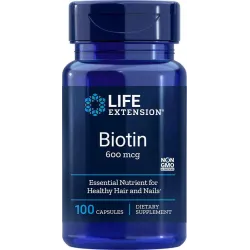
Biotyna
Zwiększa wrażliwość na insulinę oraz aktywność glukokinazy – enzymu odpowiedzialnego za pierwszy krok w utylizacji glukozy przez wątrobę. Stężenia glukokinazy u cukrzyków są bardzo niskie. Badania na zwierzętach wykazały, że dieta wysoko biotynowa może poprawić tolerancję glukozy oraz zwiększać wydzielanie insuliny.[6]
Karnityna
Obszerna literatura popiera stosowanie karnityny przez cukrzyków.[7] Obniża ona poziom glukozy oraz HbA1c (hemoglobiny glikowanej) we krwi, zwiększa wrażliwość na insulinę i magazynowanie glukozy oraz optymalizuje metabolizm tłuszczu i węglowodanów. Niedobór karnityny jest bardzo powszechnym zjawiskiem w cukrzycy typu 2. W pewnym obszernym badaniu wykazano, że acetylo-L-karnityna pomaga zapobiec lub spowolnić neuropatię autonomicznego układu nerwowego u chorych na cukrzycę.[8]Karnozyna
Jest inhibitorem glikacji, który jak wykazano działa ochronnie przed nefropatią cukrzycową i ogranicza powstawanie końcowych produktów zaawansowanej glikacji białek. [9]
Chrom
Chrom jest ważnym śladowym minerałem, który odgrywa ważną rolę w metabolizmie cukru. Suplementacja chromu przez cukrzyków typu 2 pomaga kontrolować poziom cukru we krwi oraz poprawia metabolizm węglowodanów, białek i lipidów. Liczne badania wykazały obiecujące wyniki suplementacji chromu:
- W kontrolowanym badaniu przeprowadzonym na cukrzykach typu 2 porównano działanie dwóch rodzajów chromu (drożdże piwne, chlorek chromu).[10] Okazało się, że obie te formy znacznie poprawiły kontrolę poziomu cukru we krwi. Pozytywne wyniki odnotowano również w dwóch mniejszych próbach badawczych.[11]
- Podczas obszernego badania na grupie ludzi, porównywano wyniki stosowania 1000 mcg i 200 mcg chromu oraz placebo.[12] W grupie otrzymującej 1000 mcg, zaobserwowano znaczną poprawę wartości HbA1c (hemoglobiny glikowanej) po dwóch miesiącach stosowania oraz w obu grupach przyjmujących chrom - po czterech miesiącach. Stężenie glukozy było również niższe w grupie przyjmującej większą dawkę chromu.
Koenzym Q10
Koenzym Q10 poprawia kontrolę cukru we krwi, obniża ciśnienie krwi i zapobiega uszkodzeniom oksydacyjnym, powodowanym przez cukrzycę. W kontrolowanym badaniu podawano osobom z cukrzycą typu 2 100 mg koenzymu Q10 dwa razy dziennie. U badanych zaobserwowano poprawę kontroli glikemicznej, mierzonej przez zmniejszenie stężenia HbA1c (hemoglobina glikowana) i obniżone ciśnienie krwi.[13] W pewnym badaniu, koenzym Q10 poprawił przepływ krwi oraz obniżył naczyniowy stres oksydacyjny.[14] W innej próbie, lepszy przepływ krwi skorelowano z obniżeniem HbA1c.[15]
W badaniach przeprowadzonych na zwierzętach, koenzym Q10 „stłumił” wolne rodniki, poprawił przepływ krwi, obniżył poziom trójglicerydów oraz podwyższył poziom dobrego cholesterolu HDL, sugerując rolę koenzymu Q10 w zapobieganiu powikłaniom cukrzycy.[16] Badania na zwierzętach wykazały również, że poziomy koenzymu Q10 są uszczuplane przez cukrzycę.[17]
Dehydroepiandrosteron (DHEA)
Ostatnie badania przyniosły bardzo obiecujące wyniki u stosujących suplementację dehydroepiandrosteronu (DHEA) diabetyków. Jak wykazano, DHEA poprawiło wrażliwość na insulinę i zmniejszyło otyłość u ludzi i badanych zwierząt. Chociaż jego mechanizm działania są nie do końca poznane, uważa się, że DHEA poprawia metabolizm glukozy w wątrobie.[18]
Badania przeprowadzone na zwierzętach wykazały również, że DHEA zwiększa liczbę komórek beta w trzustce, które są odpowiedzialne za produkcję insuliny.[19]
U ludzi stężenie DHEA jest wrażliwe na podwyższoną glukozę: wyższe poziomy glukozy okazują się być związane ze zmniejszonym poziomem DHEA.[20] Proponowany mechanizm działania u ludzi jest powiązany z metabolizmem DHEA w testosteron. DHEA jest hormonem nadnerczy, który może być przekształcony zarówno w testosteron, jak i estrogen. Badania wykazały, że testosteron poprawia wrażliwość na insulinę u mężczyzn, sugerując, że jego konwersja może być odpowiedzialna za korzystny wpływ na poprawę wrażliwości na insulinę.[21]
Niezbędne kwasy tłuszczowe
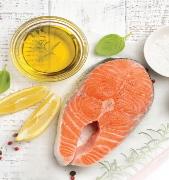 Jak wykazano w badaniach przeprowadzonym na ludziach, kwasy tłuszczowe omega-3, obniżają ciśnienie krwi i poziom trójglicerydów, a tym samym łagodzą wiele powikłań związanych z cukrzycą. U zwierząt, kwasy tłuszczowe omega-3 spowodowały mniejszy przyrost masy ciała w porównaniu z innymi tłuszczami, ponadto wykazują neutralny wpływ na LDL, przy jednoczesnym podnoszeniu poziomu HDL i obniżeniu triglicerydów.[22] Istnieją dwa rodzaje kwasów tłuszczowych:
- Omega-3. Olej ze zwierząt morskich zawiera kwasy tłuszczowe omega-3. Badania na omega-3 zostały zainspirowane przez Eskimosów, którzy rzadko cierpią na ataki serca, nawet przy ich diecie zawierającej ogromną ilość tłuszczu pochodzącego z ryb, wielorybów i fok, zapewne dlatego, że są one bogatymi źródłami kwasów tłuszczowych omega-3. Obniżają one poziom trójglicerydów we krwi, przyczyniają się do rozrzedzania krwi oraz zmniejszają stany zapalne w organizmie.[23] Efekty te wyjaśniają tylko kilka z wielu korzyści płynących z oleju rybiego.
- Omega-6. Neuropatia cukrzycowa jest stopniową degeneracją tkanek obwodowych nerwów. Istnieją pewne dowody, że GLA (kwas gamma-linolenowy), jeden z kwasów tłuszczowych omega-6, może być pomocny, jeśli jest stosowany dostatecznie długo. W badaniu przeprowadzonym metodą podwójnej ślepej próby, kontrolowanym za pomocą grupy placebo, 111 osób z łagodną neuropatią cukrzycową otrzymywało 480 mg GLA (kwas gamma-linolenowy) dziennie bądź placebo. Po 12 miesiącach grupa pierwsza osiągnęła o wiele lepsze wyniki działań 13 spośród 16 mierzonych funkcji nerwów[24], u pacjentów, którzy uzyskali najlepsze wyniki. Istnieją również dowody, że GLA (kwas gamma-linolenowy) działa skuteczniej w neuropatii cukrzycowej, jeśli jest połączony z kwasem liponowym.[25]
Błonnik
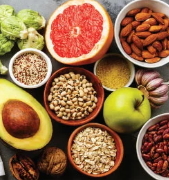 Trudno przecenić korzyści błonnika, w kontroli poziomu glukozy we krwi. Stosowanie diety bogatej w błonnik zapobiega i zmniejsza szkody spowodowane przez przewlekle podwyższony poziom glukozy we krwi.
Pewne badanie przedstawiło wyniki pacjentów, spożywających dietę dostarczającą 25 g rozpuszczalnego i 25 g nierozpuszczalnego błonnika (około dwukrotnie większa dawka niż obecnie zalecana przez Amerykański Związek Cukrzyków). Włókno pochodziło z codziennych artykułów spożywczych, bez specjalnych lub nietypowych wzbogaceń żywności lub suplementów zawierających błonnik. Badanie wykazało, że bogata w błonnik dieta zmniejsza stężenie glukozy we krwi średnio o 10 procent.[26]
Błonnik wywołuje również uczucie sytości, zmniejszając tym samym przejadanie się. Ponieważ bogate w błonnik pokarmy są trawione wolniej niż inne pokarmy, odczucie głodu jest przesuwane w czasie. W przeważającej większości, włókniste pokarmy są zdrowe (odżywki gęste i nisko- tłuszczowe).
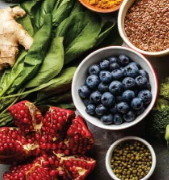 Stosowanie błonnika należy rozpocząć od niewielkich ilości, z następujących powodów: (1) insulina i leki na receptę muszą być dostosowane do poziomu glukozy we krwi, oraz (2) bez stopniowego wprowadzania nowych składników, mogą wystąpić problemy z jelitami, takie jak wzdęcia i skurcze.
Niektóre osoby wolą wzmocnić działanie błonnika przez dodawanie suplementu w postaci pektyny, gum do każdego posiłku. Oblicz ilość błonnika uzyskiwanego z artykułów spożywczych i uzupełniaj tyle, aby wyrównać niedobory. Uważnie monitoruj poziomy glukozy we krwi, by ocenić efekty i dostosować dawkę (drogą doustną lub w formie zastrzyków) leków hipoglikemizujących.
Flawonoidy
Flawonoidy są antyoksydantami, które pomagają zmniejszyć szkody związane z cukrzycą. W badaniach na zwierzętach wykazano, iż kwercetyna, która jest silnym flawonoidem, obniża poziom glukozy i utleniaczy we krwi. Kwercetyna normalizuje również poziom przeciwutleniaczy dysmutazy ponadtlenkowej, witaminy C i E. Jest ona bardziej skuteczna przy niższych dawkach i łagodzi zmiany wywołane przez cukrzycę, związane ze stresem oksydacyjnym.[27]
Magnez
Osoby z cukrzycą często cierpią z powodu niedoboru magnezu, który jest wypłukiwany z organizmu, zarówno przez leki, jak i proces chorobowy.[28] Jedno z badań, przeprowadzone metodą podwójnej ślepej próby wykazało, że suplementacja magnezu zwiększa kontrolę cukru we krwi.[29]
N-acetylocysteina (NAC)
N-acetylocysteina jest silnym przeciwutleniaczem, stosowanym m.in. w leczeniu przedawkowania paracetamolu. W badaniu przeprowadzonym na szczurach z cukrzycą, wykazano również jego zdolności ochronne serca przed uszkodzeniami śródbłonka i stresem oksydacyjnym, związanymi z zawałem serca u diabetyków. W innym badaniu, NAC zwiększył u szczurów z cukrzycą dostępność tlenku azotu, podnosząc ciśnienie krwi oraz obniżając poziom stresu oksydacyjnego w sercach.[30] Natomiast w badaniu przeprowadzonym na ludziach, analizującym efekty przeciwutleniaczy o szerokim zapleczu, NAC w połączeniu z witaminą C i E, po posiłku z umiarkowaną zawartością tłuszczu, zmniejszył stres oksydacyjny. [31]
Sylimaryna
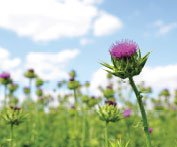 W badaniach na zwierzętach wykazano, że sylimaryna poprawia poziom insuliny w indukowanych przypadkach cukrzycy.[32] Niewielkie, kontrolowane badanie kliniczne analizowało pacjentów cierpiących na cukrzycę typu 2 i z problemem alkoholowym, który wywołał niewydolność wątroby.[33] Osoby te codziennie otrzymywały 600 mg sylimaryny. Zaobserwowano u nich znaczne zmniejszenie poziomu glukozy we krwi na czczo oraz w moczu. Poziom glukozy podniósł się nieznacznie podczas pierwszego miesiąca suplementacji, ale zmniejszył się od tego czasu od średnio 190 mg/dL do 174 mg/dL. Wraz z codziennym spadkiem glukozy (od średnio 202 mg/dL do 172 mg/dL), poziom HbA1c (hemoglobina glikowana) również malał. Przez cały czas trwania leczenia, stężenie insuliny na czczo spadło prawie o połowę, a codzienne zapotrzebowanie na insulinę zmniejszyło się o około 24 procent. Czynność wątroby również uległa poprawie. Brak przypadków hipoglikemii sugeruje, że sylimaryna nie tylko obniża poziom glukozy we krwi, ale również go stabilizuje.
Witamina B3 (niacyna)
Jest niezbędna do prawidłowego funkcjonowania ponad 50 enzymów. Bez niej organizm nie jest zdolny do uwalniania energii czy wytwarzania tłuszczów z węglowodanów. B3 jest również używana do syntezy hormonów płciowych i innych ważnych chemicznych cząsteczek sygnałowych.
 W przeszłości twierdzono, że niacyna zwiększa odporność na insulinę i degraduje kontrolę glikemii, zwłaszcza przy dużych dawkach, co zniechęciło diabetyków do jej stosowania.[34] Obecnie jednak, pojawiające się dowody kliniczne wskazują, że niacyna jest zarówno bezpieczna jak i skuteczna dla diabetyków.[35]
Istnieją dowody, że niacyna obniża ryzyko zachorowania na cukrzycę typu 1.[36] Niacynamid pomaga przywrócić komórki beta, lub przynajmniej spowolnić proces ich niszczenia. Ponieważ niacyna może zaburzyć kontrolę cukru we krwi u diabetyków, osoby biorące wszelkie formy niacyny, w tym inozytolu hexaniacinatu, powinny uważnie monitorować poziom cukru we krwi i przerwać leczenie w przypadku pogorszenia kontroli cukrzycowej. Inozytol hexaniacinatu jest od dawna stosowany w Europie w celu obniżenia poziomu cholesterolu i poprawy przepływu krwi u osób z chromaniem przestankowym.
Witamina C
W wielu badaniach przedklinicznych analizowano rolę witaminy C w łagodzeniu umiarkowanego stresu oksydacyjnego. Wodnisty płyn oka zaopatruje otaczające tkanki w źródła witaminy C. Odkąd próby zwierzęce wykazały, że glukoza hamuje absorpcję witaminy C, ten ochronny mechanizm może być osłabiony u cukrzyków.[37] Suplementacja przeciwutleniających witamin C i E odgrywa ważną rolę w poprawie wzroku.[38] Wysokie spożycie witaminy C hamuję glikację, co ma istotny wpływ na spowolnienie progresji cukrzycy i procesu starzenia się.[39]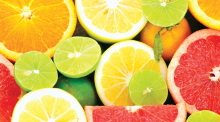 Witamina C z racji swojego powiązania z sorbitolem, również pomaga zapobiec powikłaniom wzrokowym u cukrzyków. Sorbitol, cukro-podobna substancja, mająca tendencję do akumulacji w komórkach osób chorych na cukrzycę, ma skłonność do zmniejszenia zdolności antyoksydacyjnych oczu, powodując wiele potencjalnych komplikacji. Witamina C wydaje się zmniejszać gromadzenie się sorbitolu.[40]
Witamina C odgrywa również ważną rolę w zmniejszaniu ryzyka wystąpienia innych powikłań cukrzycy. W pewnym badaniu klinicznym znacznie zwiększyła przepływ krwi oraz zmniejszyła stan zapalny u pacjentów z cukrzycą i chorobą niedokrwienną serca.[41] Trzy badania sugerują, że witamina C, wraz z kombinacją witamin i minerałów[42], obniża ciśnienie krwi u osób z cukrzycą, zwiększa elastyczność naczyń krwionośnych.[43] oraz poprawia przepływ krwi.[44]
Witamina E
Witamina E wykazała zdolności znacznego zmniejszania wystąpienia ryzyka rozwoju cukrzycy typu 2[45] W badaniu przeprowadzonym metodą podwójnie ślepej próby wykazano, że obniża ona ryzyko sercowej neuropatii autonomicznej czy uszkodzeń nerwów, które zaopatrują serce.[46] (będącymi komplikacjami cukrzycy).[47] Co więcej, udokumentowano korzystny wpływ na obwodową neuropatię cukrzycową[48], kontrolę cukru we krwi oraz zapobieganie zaćmy[49] Ponadto, witamina E zwiększa wrażliwość na insulinę u cukrzyków typu 2.[50]
Suplementy roślinne dla cukrzyków
Przed erą insuliny, w leczeniu cukrzycy szeroko stosowano ziołowe leki. Są one niezwykle skutecznymi i bezpiecznymi środkami. Jednakże, ponieważ wiele botanicznych leków działa podobnie jak insulina, ludzie przyjmujący doustne leki na cukrzycę lub insulinę, powinni zachować ostrożność, aby uniknąć hipoglikemii. Leki roślinne powinny zostać włączone do diety wraz z odpowiednimi ćwiczeniami, zdrowym odżywianiem, suplementami żywieniowymi i wsparciem medycznym.Cynamon
 Cynamon był używany przez kilka tysięcy lat w tradycyjnych ajurwedyjskch (indyjskich) i grecko-europejskich systemach medycznych. Pochodząca z tropikalnych południowych Indii oraz ze Sri Lanki kora tego wiecznie zielonego drzewa, służy do zwalczania objawów takich jak nudności, wzdęcia, anoreksja. Jest również jedną z najpowszechniej stosowaną przyprawą, używaną do doprawiania wielu potraw (płatków owsianych, soku jabłkowego czy cappuccino). Ostatnie badania wykazały, że regularne spożywanie cynamonu może również mieć korzystny wpływ na metabolizm glukozy.
Badanie US Department of Agriculture w centrum Human Nutrition Research Beltsville polegało na izolowaniu zwiększających produkcję insuliny związków z cynamonu, które są związane z zapobieganiem i łagodzeniem nietolerancji glukozy i z cukrzycą.[51] Trzy rozpuszczalne w wodzie polimery polifenoli, wykazały korzystną aktywność biologiczną, zwiększając insulinozależny metabolizm glukozy, z grubsza 20-krotnie[52] in vitro. Te składniki odżywcze wykazały znaczne zdolności antyoksydacyjne, podobnie jaki i inne fitochemikalia, znalezione w cynamonie, takie jak epikatechina, fenol i tanina. Co więcej, naukowcy z Iowa State University stwierdzili, że te polimery polifenoli są zdolne do zwiększenia ekspresji genów, związanych z aktywacją receptorów insuliny w błonach komórkowych, zwiększając w ten sposób absorpcję glukozy i obniżając jej poziom we krwi. [53]
Jagoda kawowa
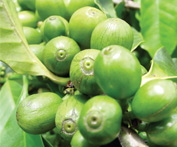 Jagoda kawowa zawiera związki fitochemikali takich jak: kwas chlorogenowy, kwas kawowy, kwas ferulowy i kwas chinowy.[54] Niektóre z najbardziej imponujących efektów jagody kawowej można zaobserwować w zarządzaniu poziomem glukozy we krwi. Kwas chlorogenowy i kwas kawowy to dwa podstawowe składniki odżywcze kawy, które korzystnie wpływają na wysoki poziom cukru we krwi. Glukozo-6-fosfataza jest kluczowym enzymem w regulacji poziomu cukru.[55] Odkąd generacja glukozy z glikogenu, magazynowana w wątrobie, jest często nadaktywna u ludzi z wysokim poziomem cukru we krwi, zmniejszenie aktywności enzymu glukozo-6-fosfatazy, prowadzi do redukcji stężenia cukru, co zostało potwierdzone klinicznie.
Jak wykazano, kwas chlorogenowy hamuje enzym glukozo-6-fosfatazowy w skali zależnej od dawki, powodując zmniejszenie produkcji glukozy. W moskiewskim badaniu w Modern Medical Center, 75 zdrowym ochotnikom podawano kwas chlorogenowy w dawce 90 mg dziennie bądź placebo. Poziom glukozy we krwi u osób przyjmujących kwas chlorogenowy, był o 15 - 20% niższy, niż odnotowano w grupie placebo.[56] Kwas chlorogenowy ma również antagonistyczny wpływ na transport glukozy[57], zmniejszając jej jelitowe wchłanianie, co może pomóc obniżyć poziom insuliny we krwi i zmniejszyć magazynowanie tłuszczu.
Kwas kawowy również wpływa korzystnie na podwyższone stężenie cukru we krwi.[58] Naukowcy National Cheng Kung University w Tajwanie wykazali, że kwas ten zwiększa absorpcję glukozy do komórek, co pomaga usunąć ją z krwiobiegu. Kiedy naukowcy z Taipei Medical College wstrzyknęli kwas kawowy szczurom chorującym na cukrzycę, zaobserwowali (zależne od dawki) zmniejszenie stężenia glukozy w osoczu. Podobny efekt jednak nie powtórzył się u zdrowych szczurów, co sugeruje, że insulina nie bierze udziału w tym mechanizmie. W pokrewnym eksperymencie, naukowcy zaobserwowali, że kwas kawowy zmniejsza podwyższone stężenie glukozy w osoczu u szczurów z insulinoopornością otrzymujących test obciążenia glukozą.[59]
Czosnek
Allium jest aktywnym, siarkowym składnikiem czosnku i cebuli, który pomaga rekonstruować glutation, główny wewnętrzny antyutleniacz. Ten mechanizm jest prawdopodobnie odpowiedzialny za pozytywne efekty Allium, które mogą pomóc zmniejszyć ryzyko wystąpienia powikłań cukrzycy, a w tym:
- Zmniejsza ryzyko wystąpienia chorób układu krążenia, w tym miażdżycy[60];
- Zmniejsza stres oksydacyjny[61];
- Wspomaga w utracie wagi ciała i poprawia wrażliwość na insulinę[62];
- Obniża ciśnienie tętnicze krwi[63];
- Poprawia profil cholesterolu w organizmie[64].
Zielona herbata
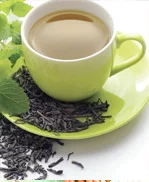 Związki chemiczne zawarte w tej roślinie, wliczając w to epikatechinę, katechinę, gallokatechinę i epigallokatechinę są silnymi przeciwutleniaczami, nakierowanymi szczególnie przeciwko toksynom trzustki i wątroby.[65] Badania na zwierzętach wykazały, że zwłaszcza epigallokatechiny mogą odgrywać ważną rolę w zapobieganiu cukrzycy.[66] W próbie przeprowadzonej na szczurach zapobiegły, wywołanej przez cytokiny, destrukcji komórek, dzięki regulacji indukowalnej syntazy tlenku azotu, która jest prooksydacyjna. Ten proces może spowolnić postęp cukrzycy typu 1. Badania in vitro wykazały również, że zielona herbata zwalcza otyłość wywołaną złą dietą[67] - kluczowy czynnik ryzyka rozwoju cukrzycy i zaburzeń zespołu metabolicznego.[68]
Miłorząb japoński (Ginkgo biloba)
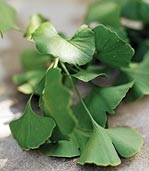 Badania na zwierzętach wykazały, że miłorząb poprawia metabolizm glukozy we włóknach mięśniowych i zapobiega ich atrofii (zanikowi).[69] Wyciągi z Ginkgo biloba znacznie hamują - również poposiłkowy - wzrost poziomu cukru i działają jako czynnik antyhiperglikemiczny.[70]
Jak wykazano, ekstrakt z miłorzębu zapobiega retinopatii u szczurów chorujących na cukrzycę (sugerując podobne działanie u ludzi).[71] We wstępnym badaniu klinicznym[72], chorym na cukrzycę typu 2 doustnie podawano ekstrakt ginkgo przez trzy miesiące. Wykazano znaczną redukcję wolnych rodników, poziomu fibrynogenu oraz dużą poprawę lepkości krwi. Miłorząb dwuklapkowy usprawnia przepływ krwi w naczyniach włosowatych siatkówki u osób z retinopatią cukrzycową.
Miłorząb japoński obniża również poziom cukru we krwi, co zostało zbadane na grupie osób z cukrzycą typu 2, które przyjmowały 120 mg preparatu przez 3 miesiące. Suplementacja ginkgo zwiększyła w wątrobie metabolizm insuliny i doustnych leków hipoglikemizujących, co odpowiada redukcji poziomu glukozy w osoczu.[73] Diabetycy z chorobą typu 2 i „wycieńczoną” trzustką odnieśli największe korzyści. Miłorząb nie wpływa na zwiększenie produkcji komórek beta, a raczej na lepszą absorpcję istniejącej insuliny w wątrobie, co pozwala zredukować wysokie jej poziomy.
Czarna jagoda (Vaccinium myrtillus)
.jpg) W badaniu przeprowadzonym na szczurach z cukrzycą odkryto, że borówka zmniejsza naczyniową przepustowość.[74] Próby na myszach otrzymujących wyciąg ziołowy, zawierający borówkę, wykazały znaczne zmniejszenie poziomu glukozy we krwi.[75]
W badaniu przeprowadzonym na szczurach z cukrzycą odkryto, że borówka zmniejsza naczyniową przepustowość.[74] Próby na myszach otrzymujących wyciąg ziołowy, zawierający borówkę, wykazały znaczne zmniejszenie poziomu glukozy we krwi.[75]
W przeprowadzonym metodą podwójnej ślepej próby, kontrolowanym za pomocą grupy placebo badaniu ekstraktu borówki, zanotowano znaczną poprawę stanu 14 osób z retinopatią cukrzycową lub retinopatią nadciśnieniową (odpowiednio - uszkodzenie siatkówki spowodowane przez cukrzycę lub nadciśnienie). Inne, otwarte próby kliniczne na ludziach, wykazały również wiele korzyści.[76] Wstępne badania 31 osób z retinopatią potwierdziły, że borówka zmniejszyła przepuszczalność naczyń oraz krwotoki.[77]
 Zapobieganie rozwoju cukrzycy albo życie z nią, wiąże się z aktywnością fizyczną, redukcją wagi jeśli to konieczne oraz żywieniowymi modyfikacjami. Stosowanie diety bogatej w błonnik, bazującej na produktach roślinnych jest wskazane szczególnie dla osób, które zmagają się z cukrzycą typu 2, pomaga ona bowiem obniżyć masę ciała.
Pod żadnym pozorem nie można nagle przerywać przyjmowania leków na cukrzycę, zwłaszcza insuliny. Chorzy na cukrzycę typu 1 nigdy nie będą mogli przerwać terapii insulinowej. Możliwa jest jednak poprawa metabolizmu glukozy, kontroli oraz tolerancji dzięki stosowaniu następujących suplementów:
- Kwas R-liponowy—210 do 420 mg na dobę;
- L-karnityna —500 do 1000 mg dwa razy dziennie;
- Karnozyna—500 mg dwa razy dziennie;
- Chrom (najlepiej polynicotinate) -500 do 1000 mcg dziennie;
- Koenzym Q10—100 do 300 mg dziennie;
- DHEA—15 do75 mg na początku dnia, a następnie badania krwi po trzech do sześciu tygodniach dla zapewnienia optymalnego poziomu;
- EPA/DHA—1400 mg EPA i 1000 mg DHA dziennie;
- Błonnik (guar, pektyna, lub otręby owsiane) – przynajmniej 20 do 30 g codziennie, do 50 g dziennie;
- GLA—900 do 1800 mg dziennie;
- Kwercetyna—500 mg na dobę (forma rozpuszczalna w wodzie);
- Magnez (najlepiej cytrynian magnezu) -160 mg do trzech razy dziennie;
- NAC—500 do 1000 mg dziennie;
- Sylimaryna— zawierająca 900 mg Silybum marianum standaryzowanym na 80% Sylimaryny, 30% Silibnin i 4,5% Isosilybin B;
- Witamina C— co najmniej 2000 mg dziennie;
- Witamina E—400 IU na dobę (z 200 mg gamma tokoferol);
- Czosnek—1200 mg dziennie;
- Ekstrakt z zielonej herbaty: 725 mg ekstraktu z zielonej herbaty (minimum 93% polifenoli);
- Ginkgo biloba —120 mg dziennie;
- Ekstrakt z czarnej jagody—100 mg dziennie;
- Kompleks witamin z grupy B— Zawierający całą rodzinę witaminy B, w tym biotynę i niacynę;
- Ekstrakt z cynamonu—125 mg trzy razy dziennie;
- Ekstrakt z kawy—100 mg (Coffee arabica) wyciągu (całe owoce) standaryzowanego na 50% całkowitych kwasów fenolowych (50 mg) i 15.000 mikromoli na gram (μmol/g) ORAC- trzy razy dziennie.
Rygorystyczny program dietetycznej suplementacji nie powinien zostać rozpoczęty bez nadzoru lekarza specjalisty. Niektóre substancje odżywcze omawiane w tym artykule mogą dawać skutki uboczne. Są wśród nich:
Czarna jagoda
- Skonsultuj się ze swoim lekarzem zanim zażyjesz czarną jagodę, jeżeli przyjmujesz warfarynę (Coumadin). Czarna jagoda ma własności rozrzedzające krew.
- Może powodować gastrojelitowe objawy takie jak nudności i biegunka.
Chrom
- Skonsultuj się ze swoim lekarzem zanim zażyjesz chrom, jeżeli masz hiperglikemię lub cukrzycę typu 2. Odwiedzaj swojego lekarza i często kontroluj poziom glukozy we krwi, jeżeli bierzesz chrom i masz hiperglikemię lub cukrzycę typu 2.
Cinnulin
- Cinnulin może powodować zmniejszenie poziomów glukozy plazmy.
- Skonsultuj się ze swoim lekarzem zanim zażyjesz cinnulin, jeśli masz hiperglikemię lub cukrzycę typu 2. Odwiedzaj swojego lekarza i często kontroluj poziom glukozy we krwi, jeżeli bierzesz cinnulin i masz hiperglikemię lub cukrzycę typu 2.
Koenzym Q10 (CoQ10)
- Odwiedzaj swojego lekarza i często kontroluj poziom glukozy we krwi, jeżeli bierzesz CoQ10 i masz cukrzycę. Kilka klinicznych dowodów wskazuje, że CoQ10 może poprawić kontrolę i funkcjonowanie komórek beta u ludzi cierpiących na cukrzycę typu 2.
- Leki statynowe (takie jak lowastatyna, simwastatyna, prawastatyna) zmniejszają poziom CoQ10.
Jagoda Kawowa
- Skonsultuj się ze swoim lekarzem zanim zażyjesz jagodę kawową, jeżeli masz hiperglikemię lub cukrzycę typu 2. Odwiedzaj swojego lekarza i często kontroluj poziom glukozy we krwi, jeżeli bierzesz jagodę kawową i masz hiperglikemię lub cukrzycę typu 2.
DHEA
- Nie zażywaj DHEA , jeżeli możesz być w ciąży, karmisz piersią lub masz raka prostaty, piersi, macicy czy jajników.
- DHEA może powodować u kobiet androgenne skutki uboczne takie jak, trądzik, obniżenie głosu, porost włosów na twarzy i wypadanie włosów na głowie
EPA/DHA
- Skonsultuj się ze swoim lekarzem zanim zażyjesz EPA / DHA, jeżeli przyjmujesz warfarynę (Coumadin). Stosowanie EPA/DHA z warfaryną może zwiększać ryzyko krwawienia.
- Przerwij stosowanie EPA/DHA na 2 tygodnie przed jakimkolwiek zabiegiem chirurgicznym.
Błonnik
- Stosuj suplementy błonnika pijąc szklankę wody.
- Pij 8 szklanek wody dziennie kiedy przyjmujesz błonnik.
Kwas foliowy
- Skonsultuj się ze swoim lekarzem zanim zażyjesz kwas foliowy, jeśli masz niedobór witaminy B12.
- Dawka większa niż 1 miligram kwasu foliowego dziennie może przyśpieszać lub zaostrzyć neurologiczne uszkodzenia spowodowane przez niedobór witaminy B12.
GLA
- Skonsultuj się ze swoim lekarzem zanim zażyjesz GLA, jeżeli przyjmujesz warfarynę (Coumadin). Stosowanie GLA z warfaryną może zwiększać ryzyko krwawienia.
- Przerwij stosowanie GLA na 2 tygodnie przed jakimkolwiek zabiegiem chirurgicznym.
- Może powodować gastrojelitowe objawy takie jak nudności i biegunka.
Czosnek
- Czosnek ma właściwości rozrzedzające krew i przeciwzakrzepowe.
- Przerwij stosowanie czosnku przed jakimkolwiek zabiegiem chirurgicznym.
- Spożywanie dużych ilości czosnku może powodować przykry oddech i nieprzyjemny zapach ciała.
- Czosnek może spowodować bóle głowy, bóle mięśni, znużenie, zawroty głowy, wodniste oczy, astmę i gastrojelitowe objawy takie jak nudności i biegunka.
Ginkgo biloba
- Osoby z rozpoznanym czynnikiem ryzyka krwotoku wewnątrzczaszkowego, systematycznego nadciśnienia tętniczego, cukrzycy lub napadami powinny uniknąć ginkgo.
- Nie zażywaj przed lub po operacji.
- Uniknij jednoczesnego stosowania ginkgo i niesterydowych leków przeciwzapalnych, z lekami rozrzedzającymi krew i moczopędnymi lub SSRI (selektywny inhibitor wychwytu zwrotnego serotoniny).
- Może powodować gastrojelitowe objawy, takie jak nudności i biegunkę.
- Mogą wystąpić alergiczne reakcje skóry.
- Może nastąpić podwyższenie ciśnienia we krwi.
Zielona herbata
- Skonsultuj się ze swoim lekarzem zanim zażyjesz ekstrakt z zielonej herbaty, jeżeli bierzesz aspirynę lub warfarynę (Coumadin). Stosowanie ekstraktu z zielonej herbaty z aspiryną lub warfaryną może zwiększać ryzyko krwawienia.
- Przerwij stosowanie ekstraktu z zielonej herbaty na 2 tygodnie przed jakimkolwiek zabiegiem chirurgicznym. Ekstrakt z zielonej herbaty zmniejsza agregację płytek.
- Ekstrakt z zielonej herbaty zawiera kofeinę, która może powodować różne objawy, włączając w to nudności, bóle głowy, napięcia mięśni, zakłócenia snu i przyspieszone bicie serca.
L-karnityna
- Może powodować gastrojelitowe objawy takie jak nudności i biegunkę.
Kwas liponowy
- Skonsultuj się ze swoim lekarzem zanim zażyjesz kwas liponowy, jeżeli masz cukrzycę lub nietolerancję glukozy. Często kontroluj poziom glukozy we krwi. Kwas liponowy może obniżyć poziom glukozy we krwi.
Magnez
- Nie zażywaj magnezu, jeśli masz niewydolność nerek i miastenię ciężko rzekomoporaźną.
NAC (N-acetyl-cysteina)
- Oczyszczanie NAC jest zmniejszone u osób, które mają przewlekłe choroby wątroby.
- Nie zażywaj NAC jeśli miałeś/masz kamienie nerek (w szczególności kamienie nerkowe cystynowe).
- NAC może produkować fałszywie pozytywny wynik w nitroprusydekowym teście na ciała ketonowe, używanym do diagnozowania cukrzycy.
- Skonsultuj się ze swoim lekarzem zanim zażyjesz NAC, jeśli miałeś/masz pepsynową chorobę wrzodową. Czynniki mukolityczne mogą zakłócać żołądkową, śluzówkową barierę.
- NAC może powodować bóle głowy (szczególnie kiedy są stosowane z nitratem) oraz objawy gastrojelitowe, takie jak nudności i biegunka.
Niacyna (Kwas nikotynowy)
- Nie zażywaj dużych dawek kwasu nikotynowego (1,5 – 5 gram dziennie lub więcej) jeśli masz zaburzenia wątroby, niewyjaśnione podwyższenie poziomu aminotransferazy (transaminazy) w surowicy, aktywną pepsynową chorobę wrzodową, krwawienie tętnicze, lub jeśli spożywasz dużo alkoholu.
- Skonsultuj się ze swoim lekarzem zanim zażyjesz duże dawki kwasu nikotynowego, jeśli miałeś/masz żółtaczkę, pepsynową chorobę wrzodową, zapalenie błony śluzowej żołądka, choroby wątroby lub dróg żółciowych, podagrę, zaburzenia nerek lub sercowo-naczyniowe choroby (w szczególności ostre zawały mięśnia serca czy dławice piersiowe niestabilne).
- Skonsultuj się ze swoim lekarzem zanim zażyjesz duże dawki kwasu nikotynowego, jeśli masz cukrzycę. Duże dawki kwasu nikotynowego mogą niekorzystnie wpływać na tolerancję glukozy. Często kontroluj poziom glukozy w surowicy, jeśli masz cukrzycę i przyjmujesz niacynę.
- Jeśli przyjmujesz duże dawki niacyny kontroluj poziom aminotransferazy w surowicy.
- Niacyna może powodować zaczerwienienia, szczególnie na twarzy, szyi i karku. Prostaglandyna, prostacyklina oraz histamina mogą odgrywać rolę w rumienieniu się.
- Niacyna może powodować zawroty głowy, palpitacje, szybkie bicie serca, płytki oddech, pocenie się, dreszcze, bezsenność, nudności, wymioty, ból brzucha i mięśni.
- Duże dawki niacyny mogą powodować nieostre widzenie, obrzęk plamkowy, niedowidzenie toksyczne i torbielowatą makulopatię.
Kwercetyna
- Kwercetyna może powodować bóle głowy, łagodne mrowienie w kończynach i gastrojelitowe objawy, takie jak nudności.
Witamina B1 (Tiamina)
- Skonsultuj się ze swoim lekarzem zanim zażyjesz witaminę B1 w celu uzupełnienia niedoboru tiaminy przy kwasicy mleczanowej, zespole Wernicke-Korsakowa, encefalopatii Wernicke’a lub psychozie Korsakowa.
Witamina B2 (ryboflawina)
- Duże dawki witaminy B2 mogą interferować z analizatorami Abbott TDx.
- Absorpcja ryboflawiny jest w podwyższona w niedoczynności i zmniejszona w nadczynności tarczycy.
- Jeżeli bierzesz nukleozydowe inhibitory odwrotnej transkryptazy, nawet łagodny niedobór ryboflawiny może zwiększać ryzyko kwasicy mleczanowej
Witamina B6
- Nie zażywaj dawki większej niż 5 miligram (włącznie) witaminy B6 dziennie, jeżeli jesteś leczony lewodopą, chyba, że stosujesz w tym samym czasie karbidopę.
Witamina B12 (kobalamina)
- Nie zażywaj kobalaminy, jeśli masz zanik wzroku Lebera.
Witamina C
- Nie zażywaj witaminy C, jeśli miałeś/masz kamienie nerkowe lub niewydolność nerek (definiowaną jako poziom kreatyny w surowicy większy niż 2 mg/decylitr i/lub klirens kreatyniny mniejszy niż 30 ml/min).
- Skonsultuj się ze swoim lekarzem zanim zażyjesz duże dawki witaminy C, jeśli masz hemochromatozę, talasemię, anemię syderoblastyczną, anemię sierpowatokomórkową lub niedobór erytrocytowej dehydrogenazy glukozo-6-fosforanowej (G6PD). Może to powodować przeładowanie organizmu żelazem.
Witamina E
- Skonsultuj się ze swoim lekarzem zanim zażyjesz witaminę E, jeżeli bierzesz warfarynę (Coumadin).
- Skonsultuj się ze swoim lekarzem przed przyjmowaniem dużych dawek witaminy E, jeżeli masz niedostatek witaminy K lub problem niewydolności wątroby.
- Skonsultuj się ze swoim lekarzem przed przyjmowaniem witaminy E, jeżeli miałeś w przeszłości zaburzenia krwawienia takie jak wrzody żołądka, udar krwotoczny lub hemofilię.
- Przerwij używanie witaminy E 1 na miesiąc przed jakimkolwiek zabiegiem chirurgicznym.
[1] Jacob S et al 1995, 1999; Kawabata T et al 1994; Melhem MF et al 2002; Nagamatsu M et al 1995; Song KH et al 2005; Suzuki YJ et al 1992
[2] Doggrell SA 2004; Song KH et al 2005
[3] Ametov AS et al 2003
[4] Cameron NE et al 1998; Hounsom L et al 1998
[5] (Ziegler D et al 1997a,b
[6] Zhang H et al 1996; Furukawa Y 1999
[7] Mingrone G 2004
[8] Turpeinen AK et al 2005
[9] Janssen B et al 2005; Yan H et al 2005
[10] Bahijiri SM et al 2000
[11] Ghosh D et al 2002; Jovanovic L et al 1999
[12] Anderson RA et al 1997
[13] Hodgson JM et al 2002
[14] Watts GF et al 2002
[15] Playford DA et al 2003
[16] Playford DA et al 2003
[17] Kucharska J et al 2000
[18] Kucharska J et al 2000
[19] Medina MC et al 2006
[20] Boudou P et al 2006
[21] Kapoor D et al 2005
[22] Petersen M et al 2002
[23] Ebbesson SO et al 2005
[24] Keen H et al 1993
[25] Hounsom L et al 1998
[26] Chandalia et al 2000
[27] Mahesh T et al 2004
[28] Eibl NL et al 1995; Elamin A et al 1990; Tosiello L 1996
[29] Rodriguez-Moran M et al 2003
[30] Xia Z et al 2006
[31] Neri S et al 2005
[32] Soto C et al 2004
[33] Velussi M et al 1997
[34] Sancetta SM et al 1951
[35] Meyers CD et al 2004
[36] Pocoit F et al 1993; Pozzilli P et al 1993
[37] Corti A et al 2004
[38] Peponis V et al 2004
[39] Krone CA et al 2004
[40] Will JC et al 1996
[41] Antoniades C et al 2004
[42] Farvid MS et al 2004
[43] Mullan BA et al 2002
[44] Mullan BA et al 2004
[45] Montonen J et al 2004
[46] Manzella D et al 2001
[47] Kahler W et al 1993; Paolisso G et al 1993a,b, Paolisso G et al 1994
[48] Tutuncu NB et al 1998
[49] Paolisso G et al 1993a,b; Paolisso G et al 1994; Seddon JM et al 1994
[50] Paolisso G et al 1993a,b
[51] Anderson RA et al 2004
[52] Anderson RA 2004
[53] Imparl-Radosevich J et al 1998
[54] Charles-Bernard M et al 2005
[55] Basu R et al 2005
[56] Abidoff MT 1999
[57] Abidoff MT 1999
[58] Hemmerle H et al 1997
[59] Hsu FL et al 2000
[60] Breithaupt-Grogler K et al 1997; Efendy JL et al 1997; Koscielny J et al 1999; Turner B et al 2004
[61] Dhawan V et al 2004
[62] Elkayam A et al 2003
[63] Auer W et al 1990; Sharifi AM et al 2003; Silagy CA et al 1994; Wilburn AJ et al 2004
[64] Durak I et al 2004; Gardner CD et al 2001; Holzgartner H et al 1992; Isaacsohn JL et al 1998; Kannar D et al 2001; Kris-Etherton PM et al 2002; Mader FH 1990; Neil HA et al 1996; Silagy CA et al 1994; Steiner M et al 1996; Superko HR et al 2000; Warshafsky S et al 1993
[65] Okuda T et al 1983
[66] Crespy V et al 2004
[67] Murase T et al 2002
[68] Hung PF et al 2005
[69] Punkt K et al 1999
[70] Tanaka S et al 2004
[71] Doly M et al 1988
[72] Huang SY et al 2004
[73] Kudolo GB 2001
[74] Cohen-Boulakia F et al 2000
[75] Petlevski R et al 2001; Petlevski R et al 2003
[76] Bone K 1997
[77] Scharrer A et al 1981
Related products
-
Vitamin B3 Niacin
Price: 8,99 €Vital metabolic pathway & cellular energy support Is crucial to energy... -
Ginkgo Biloba Certified Extract™
Price: 50,00 €Helps maintain memory & healthy circulation Support healthy circulation... -
Mega Green Tea Extract (decaffeinated)
Price: 28,92 €One capsule provides more polyphenols than seven cups of green tea... -
Magnesium (Citrate)
Price: 16,75 €Get the magnesium your body needs Is required as a cofactor in hundreds of... -
Super R-Lipoic Acid
Price: 44,18 €Protects against oxidative stress Potent antioxidant that achieves healthy... -
Super Ubiquinol CoQ10 with Enhanced...
Price: 50,35 €Supercharge your cellular energy Ubiquinol CoQ10 absorbs up to 8 times... -
Vitamin C and Quercetin EU
Price: 34,10 €Vitamin C plus ultra-absorbable quercetin for immune support Combines... -
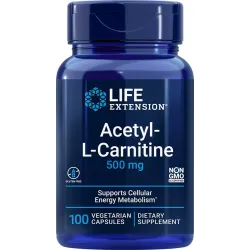
Acetyl-L-Carnitine
Price: 28,98 €Supports cellular energy metabolism Helps maintain cellular energy... -
-
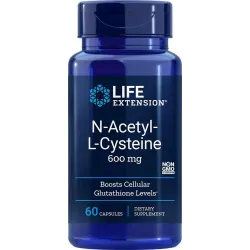
N-Acetyl-L-Cysteine (NAC)
Price: 15,31 €Powerful antioxidant for liver & immune health Promotes healthy cellular... -
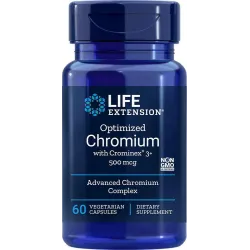
Optimized Chromium with Crominex® 3+
Price: 8,70 €Maintain healthy glucose metabolism Normal cellular glucose absorption...
Related posts
-
 Is Conventional Pomegranate Extract Enough?
An abundance of clinical data has established pomegranate as a broad-spectrum, multi-modal defense against the...
Is Conventional Pomegranate Extract Enough?
An abundance of clinical data has established pomegranate as a broad-spectrum, multi-modal defense against the... -
Lipoic Acid Reverses Mitochondrial Decay
It is estimated that 85% of the oxygen contained in every breath you take is consumed by the mitochondria within each...
-
Vitamin C and Dihydroquercetin
Every day, our bodies are under continual assault by damaging agents known as free radicals. Generally, both internal...
-
How Resveratrol Combats Leading Causes of Death
In 1997, the first scientific paper on resveratrol was published showing that this polyphenol could prevent cancer in...
-
Autoimmune Diseases part 1
Autoimmune diseases are characterized by the body's immune responses being directed against its own tissues, causing...