
 English
 Polski
 Deutsch
 Français
 ελληνικά
 Español
 Italiano
Enhancing the Life Saving Benefits of Vitamin K
Recent studies have expanded our understanding of vitamin K. We've long known it to be essential for bone density along with heart health.1-3
One study found that people aged 55 and older with the highest intake of vitamin K had a 57% lower rate of death from coronary heart disease over 10 years—and a 26% lower rate of death from any cause.4
A 2017 study showed that people with the highest intake of vitamin K had a 22% lower rate of bone fractures.5
More ways have been discovered to optimize vitamin K's benefits.
This has enabled researchers to create a more biologically-active vitamin K formula.
What you need to know
 Vitamin K is an essential vitamin found in two general forms, K1 and K2.
- Research has revealed that vitamin K is important not only for blood clotting but also for bone and cardiovascular health.
- Research has also helped clarify the ideal doses of vitamin K1 and K2 needed to optimize bone and heart health.
- Due to poor bioavailability and high fat content of foods containing the most vitamin K, obtaining adequate vitamin K in the diet is problematic.
Vitamin K in Food
Scientists have identified different forms and amounts of vitamin K that are found in foods. This work provides crucial insights into the types of vitamin K we should be consuming. It also reveals limitations in relying on food to supply the types and levels of vitamin K associated with peak bone and cardiovascular health.
Forms of Vitamin K
- Vitamin K1 (or phylloquinone), found primarily in leafy green vegetables.
- Vitamin K2, found in natto or fermented soy, and in animal products such as eggs, meat, milk, and cheese.6
MK stands for menaquinones, which are forms of vitamin K that vary in their organic structure.
MK-7 is a long-acting form of vitamin K that has been available as a dietary supplement for many years. MK-9 has only recently become available in supplement form.
Limits to Dietary Intake of Vitamin K
Studies show that there are problems in relying on diet to supply all these forms of vitamin K.
Vitamin K1 in foods has low bioavailability.8 This means that even if you eat a large amount of leafy green vegetables, you may not absorb adequate amounts of vitamin K1.
Vitamin K2 is found in highest concentrations in many foods that people try to limit, such as foods high in saturated fat.9 One would have to consume massive amounts of cheese to achieve the optimal K2 levels that are supported by human clinical trials. And low-fat versions of these foods often have much less vitamin K2 content, or even none at all.9
Supplementation is a more efficient and practical way of increasing vitamin K intake. But what are the optimal doses of the various types of vitamin K that we should be consuming daily?
New Studies, New Dosing
Several recent clinical trials in humans have demonstrated that adequate vitamin K supplementation can have a significant impact on bone and cardiovascular health.
Vitamin K1 Dosing
 A one-year, randomized, controlled trial evaluated vitamin K1 supplementation in adults with calcification in their aortic valve, one of four valves that regulate blood flow through the heart.10 Degenerative heart valve disease such as this can lead to impaired heart function and heart failure if it progresses.11
Subjects received either 2,000 mcg of vitamin K1 daily or a placebo. Those who received vitamin K1 benefited from a reduction in the progression of aortic valve calcification, based on both imaging and biochemical markers. Disease progression was cut by more than half by vitamin K1 supplementation.10
It's a remarkable result. One would have to eat almost 14 cups of spinach a day to achieve this level of vitamin K1 intake.12
Aortic stenosis is a narrowing of the heart's aortic valve. Some people have this problem due to a congenital defect (i.e. bicuspid valve), but most develop it as a result of aging, with calcification and/or fibrotic scarring of the valve.
Age-related aortic stenosis usually starts in the sixth decade of life, and early treatment can reduce the risk of progression of the narrowing, which can lead to heart failure if left untreated.
The only definitive treatment is surgery, either valve repair or valve replacement. An exciting new approach called transcatheter aortic valve replacement (TAVR) can allow valve replacement without the need for open-heart surgery. However, TAVR may pose a greater risk of stroke in some patients.
Vitamin K2 Dosing: MK-4
 Research has helped establish dosing levels that maximize the benefits of the MK-4 form of vitamin K2 on bone health.
Two recent trials used a dose of 1,500 mcg of MK-4 per day in healthy, postmenopausal women, and compared them to a group receiving a placebo.13,14 Postmenopausal women are at high risk for developing loss of bone density, osteoporosis, and subsequent risk for bone fractures.15
Both studies demonstrated a significant improvement in bone density in the group receiving vitamin K2. They had higher levels of the active form of osteocalcin, indicating more new bone formation.13,14
In one of the studies, subjects receiving MK-4 also had a stabilization of their forearm bone mineral density, while those in the placebo group continued to show progressive loss of bone density over the year of the study.14
Vitamin K2 Dosing: MK-7
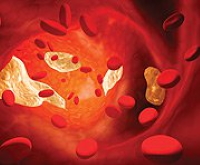 Another group of researchers followed 244 healthy postmenopausal women for three years and examined the effects of the MK-7 form of vitamin K2 on both bone and cardiovascular health. The results of their findings were published in two separate publications.16,17
Participants took either 180 mcg of MK-7 daily or a placebo. Again, researchers found improvements in markers of both bone and blood vessel health in the supplemented group.16,17
Additionally, the ratio of inactive to active osteocalcin improved by 58%. (Only active osteocalcin helps to synthesize bone.) Furthermore, bone mineral content, bone mineral density, and bone strength were all significantly improved in the group taking MK-7.17
In terms of blood vessel health, vitamin K2 supplementation helped to preserve the flexibility of arteries by reducing arterial stiffness. While those receiving a placebo had worsening arterial stiffness, those taking vitamin K not only preserved arterial flexibility, but decreased stiffness by about 6%.16
Those individuals with more advanced arterial stiffness at the start of the study improved the most.16 This indicates that vitamin K not only preserves blood vessel health, it also appears to be able to help reverse existing blood vessel disease.
Vitamin K and Clotting: What You Need to Know
 Although vitamin K is critical to the normal process of blood clotting, supplementation with vitamin K is not associated with any increased risk of abnormal, harmful clotting, such as that associated with heart attack and stroke.
Even studies with very high doses of vitamin K have demonstrated its safety, without any adverse events.10,22,23
But there is one extremely important caveat to consider when starting a vitamin K supplement.
Powerful anticoagulant medications such as warfarin (brand name Coumadin®) and other related drugs act by blocking vitamin-K-dependent pathways, decreasing the ability of the body to produce several important blood clotting factors. These drugs are used in patients who are at high risk of dangerous, abnormal clotting. For example, they may be used in patients being treated for atrial fibrillation, heart valve disease, deep vein thrombosis, and/or pulmonary embolism.
Vitamin K acts as an antagonist to the anti-clotting effect of warfarin and similar drugs. Therefore, taking higher levels of vitamin K can interfere with the desired clinical effect and increase the chance of clotting in these patients.
Patients taking warfarin (Coumadin®) or related medications should consult their prescribing doctor before taking any vitamin K supplement.
But vitamin K does not in any way interact with newer/novel, oral anticoagulants like Xarelto® (rivaroxaban), Pradaxa® (dabigatran), or Eliquis® (apixaban). These newer, oral anticoagulants work by inhibiting venous clotting through thrombin or Factor Xa, independent of vitamin K. Vitamin K supplementation can be used safely with these drugs since there is no potential for interaction. In addition, there are available antidotes to bleeding with the newer drugs. Dangerous or life-threatening bleeding with Pradaxa® can be reversed by Praxbind® (idarucizumab). Recently (May, 2018), Andexxa® (andexanet alfa) was approved to reverse life-threatening bleeding with Xarelto® and Eliquis®.
Novel Vitamin K2 Subtypes
Food sources of vitamin K2 provide an assortment of other MK forms as well, including MK-6 and MK-9. Although clinical trials have not yet been performed for most of these forms, observational studies suggest many benefits.
For example, a study followed a group of more than 16,000 individuals to evaluate the impact of intake of specific vitamin K forms on risk of coronary heart disease.7 It found that those who consumed higher levels of vitamin K reduced their risk of heart disease. Much of this effect could be attributed to the longer MK forms, such as MK-7 and MK-9.
The study also found that the risk of coronary heart disease was reduced by 9% for every additional 10 mcg of vitamin K2 consumed per day in individuals aged 49 to 70.7
Vitamin K's Role in Bones and Blood Vessels
 The effect of vitamin K on the production of blood clotting factors crucial for normal clotting has been well understood. But research has just recently revealed its impact on bones and blood vessels.
Several proteins have been discovered in both bone and blood vessels that are vitamin K-dependent. This means that they require adequate levels of vitamin K to function.2,3
Vitamin K is essential for producing active osteocalcin, a bone hormone involved in new bone formation and often used as a biochemical marker of overall skeletal health.
Vitamin K supports the deposition of calcium in bone.
In blood vessels vitamin K has the opposite effect of helping to prevent excess calcium deposition. Calcification in arteries is common in older age and is associated with arterial stiffening, atherosclerotic plaque, and increased risk for heart and kidney disease.3
Vitamin K and Cardiovascular Disease
 Several other studies have shown benefits of vitamin K for cardiovascular health.2-4,7,18
A study of vitamin K intake in 564 postmenopausal women found that higher vitamin K2 levels were associated with protection from coronary artery calcification.18 Those with the highest intake had a 20% lower rate of calcification than those with the lowest intake.
And in a study that followed 4,807 adults aged 55 and older, for up to 10 years,4 several negative cardiovascular outcomes were shown to be less common in those subjects with the highest intake of vitamin K2, compared to those with the lowest intake.
The rate of new diagnoses of coronary heart disease during follow-up was 41% lower in those with the highest intake of vitamin K2. Most dramatically, death due to coronary heart disease was 57% lower in those with the highest intake, and death by any cause was 26% lower.4
Reduced Fracture Risk
 Several other studies have found that various forms of vitamin K supplementation improve the osteocalcin status of participants, an important marker of new bone formation and overall bone health.13,14,17,19-22
But it is important to ask whether the rate of bone fractures is reduced with increased vitamin K dietary intake.
A study published in the journal Medicine in 2017 investigated just that question.5 Researchers performed an extensive meta-analysis, pooling data from close to 81,000 individuals. Overall, they found there was a 22% lower rate of fractures in those individuals with the highest intake of vitamin K, confirming a protective effect of vitamin K against fractures.
In addition, the scientists found a dose-response relationship, with a 3% lower rate of fracture for every 50 mcg of vitamin K consumed per day.5
Summary
Vitamin K is an essential nutrient that is being recognized for more health benefits than just aiding blood clotting.
Scientific research demonstrates that adequate intake of vitamin K is crucial for optimal bone, heart valve, and blood vessel health.
New studies reveal the importance of new forms of vitamin K that are associated with reduced risk of age-related outcomes.
Using this knowledge, scientists have created a broad-spectrum vitamin K formula, with beneficial MK-6 and MK-9 compounds, along with K1, MK-4, and MK-7.
Material used with permission of Life Extension. All rights reserved.
-
Akbari S, Rasouli-Ghahroudi AA. Vitamin K and Bone Metabolism: A Review of the Latest Evidence in Preclinical Studies. Biomed Res Int. 2018;2018:4629383.
-
Villa JKD, Diaz MAN, Pizziolo VR, et al. Effect of vitamin K in bone metabolism and vascular calcification: A review of mechanisms of action and evidences. Crit Rev Food Sci Nutr. 2017 Dec 12;57(18):3959-70.
-
Wen L, Chen J, Duan L, et al. Vitamin Kdependent proteins involved in bone and cardiovascular health (Review). Mol Med Rep. 2018 Jul;18(1):3-15.
-
Geleijnse JM, Vermeer C, Grobbee DE, et al. Dietary intake of menaquinone is associated with a reduced risk of coronary heart disease: the Rotterdam Study. J Nutr. 2004 Nov;134(11):3100-5.
-
Hao G, Zhang B, Gu M, et al. Vitamin K intake and the risk of fractures: A meta-analysis. Medicine (Baltimore). 2017 Apr;96(17):e6725.
-
Maresz K. Proper Calcium Use: Vitamin K2 as a Promoter of Bone and Cardiovascular Health. Integr Med (Encinitas). 2015 Feb;14(1):34-9.
-
Gast GC, de Roos NM, Sluijs I, et al. A high menaquinone intake reduces the incidence of coronary heart disease. Nutr Metab Cardiovasc Dis. 2009 Sep;19(7):504-10.
-
Gijsbers BL, Jie KS, Vermeer C. Effect of food composition on vitamin K absorption in human volunteers. Br J Nutr. 1996 Aug;76(2):223-9.
-
Fu X, Harshman SG, Shen X, et al. Multiple Vitamin K Forms Exist in Dairy Foods. Curr Dev Nutr. 2017 Jun;1(6):e000638.
-
Brandenburg VM, Reinartz S, Kaesler N, et al. Slower Progress of Aortic Valve Calcification With Vitamin K Supplementation: Results From a Prospective Interventional Proof-of-Concept Study. Circulation. 2017 May 23;135(21):2081-3.
-
Available at: https://www.cardiosmart.org/heartvalvedisease. Accessed March 8, 2019.
-
Available at: https://nutritiondata.self.com/facts/vegetables-and-vegetable-products/2626/2. Accessed March 8, 2019.
-
Koitaya N, Ezaki J, Nishimuta M, et al. Effect of low dose vitamin K2 (MK-4) supplementation on bio-indices in postmenopausal Japanese women. J Nutr Sci Vitaminol (Tokyo). 2009 Feb;55(1):15-21.
-
Koitaya N, Sekiguchi M, Tousen Y, et al. Low-dose vitamin K2 (MK-4) supplementation for 12 months improves bone metabolism and prevents forearm bone loss in postmenopausal Japanese women. J Bone Miner Metab. 2014 Mar;32(2):142-50.
-
Available at: https://www.nof.org/preventing-fractures/general-facts/what-women-need-to-know/. Accessed March 8, 2019.
-
Knapen MH, Braam LA, Drummen NE, et al. Menaquinone-7 supplementation improves arterial stiffness in healthy postmenopausal women. A double-blind randomised clinical trial. Thromb Haemost. 2015 May;113(5):1135-44.
-
Knapen MH, Drummen NE, Smit E, et al. Three-year low-dose menaquinone-7 supplementation helps decrease bone loss in healthy postmenopausal women. Osteoporos Int. 2013 Sep;24(9):2499-507.
-
Beulens JW, Bots ML, Atsma F, et al. High dietary menaquinone intake is associated with reduced coronary calcification. Atherosclerosis. 2009 Apr;203(2):489-93.
-
Kumar R, Binkley N, Vella A. Effect of phylloquinone supplementation on glucose homeostasis in humans. Am J Clin Nutr. 2010 Dec;92(6):1528-32.
-
Nakamura E, Aoki M, Watanabe F, et al. Low-dose menaquinone-4 improves gamma-carboxylation of osteocalcin in young males: a non-placebo-controlled dose-response study. Nutr J. 2014 Aug 27;13:85.
-
Rasekhi H, Karandish M, Jalali MT, et al. The effect of vitamin K1 supplementation on sensitivity and insulin resistance via osteocalcin in prediabetic women: a double-blind randomized controlled clinical trial. Eur J Clin Nutr. 2015 Aug;69(8):891-5.
-
Theuwissen E, Cranenburg EC, Knapen MH, et al. Low-dose menaquinone-7 supplementation improved extra-hepatic vitamin K status, but had no effect on thrombin generation in healthy subjects. Br J Nutr. 2012 Nov 14;108(9):1652-7.
-
Cockayne S, Adamson J, Lanham-New S, et al. Vitamin K and the prevention of fractures: systematic review and meta-analysis of randomized controlled trials. Arch Intern Med. 2006 Jun 26;166(12):1256-61.
Related products
-
-
Low-Dose Vitamin K2 (MK-7)
Price: 19,65 €Helps maintain bone density Plays a critical role in maintaining healthy... -
Once-Daily Health Booster
Price: 52,56 €Multi-nutrient formula with eye support Helps defend against oxidative... -
Vitamin K2 MenaQ7 from chickpeas
Price: 15,25 €Supports Bone and Cardiovascular Health Supports bone health...
Related posts
-
 Is Conventional Pomegranate Extract Enough?
An abundance of clinical data has established pomegranate as a broad-spectrum, multi-modal defense against the...
Is Conventional Pomegranate Extract Enough?
An abundance of clinical data has established pomegranate as a broad-spectrum, multi-modal defense against the... -
Lipoic Acid Reverses Mitochondrial Decay
It is estimated that 85% of the oxygen contained in every breath you take is consumed by the mitochondria within each...
-
Vitamin C and Dihydroquercetin
Every day, our bodies are under continual assault by damaging agents known as free radicals. Generally, both internal...
-
How Resveratrol Combats Leading Causes of Death
In 1997, the first scientific paper on resveratrol was published showing that this polyphenol could prevent cancer in...
-
Cukrzyca opis choroby Część 2
Cukrzycy typu 1 potrzebują dożywotniej insulinoterapii, choć suplementy wymienione w niniejszym rozdziale mogą pomóc...