
 English
 Polski
 Deutsch
 Français
 ελληνικά
 Español
 Italiano
Testosterone. Natural Methods to Improve Vitality, Sexual Function, and Prostate Health
 As men grow older, they often face daunting health challenges caused by the age-related decline in testosterone levels. As levels of free testosterone dwindle and estrogen levels increase, many men experience diminishing energy levels, reduced libido, decreasing muscle mass, deteriorating mood, abdominal obesity, and perhaps even faltering cognition. At the same time, they become increasingly prone to benign prostatic enlargement (BPH) and prostate cancer.
Testosterone replacement drug therapy has gained enormous popularity in recent years. Those who choose this method need to find a doctor willing to prescribe a testosterone cream drug that is then rubbed into the skin each day.
Alternatively, there are natural testosterone-boosting methods that have been around for centuries. Plant extracts such as chrysin and certain plant lignans inhibit the aromatization (conversion) of testosterone to estrogen, effectively enhancing free testosterone levels. Nettle root liberates testosterone in the body by preventing it from being bound to sex hormone-binding globulin.
Lignans have also shown promising results against prostate cancer, while plants like muira puama have been shown to improve desire and performance, allowing aging men to recapture their sexual pleasures.
This article discusses how men can regain much of their youthful vigor, body composition, and sense of well-being by using plant extracts to naturally restore their testosterone levels.
Testosterone and Aging-Related Hormonal Changes in Men
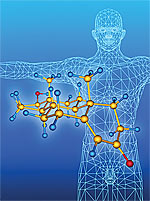 After peaking in his 20s, a man’s levels of the sex hormone testosterone tend to gradually decrease and continue to further decline throughout the remainder of his years. This decrease is often accompanied by closely related changes in everything from skin tone and lean muscle mass, to a gradual erosion of libido and the beginning, in some cases, of erectile dysfunction. Although the evidence is preliminary, it appears that low testosterone levels may be a risk factor for cognitive decline and possibly for Alzheimer’s-type dementia, as well.1,2
Testosterone occurs in two distinct forms in the body: free and bound. Free testosterone is useful and functional; bound testosterone is less so. Ironically, as a man’s production of testosterone declines, the amounts of a substance known as sex hormone-binding globulin (SHBG) often increase.3,4 Thus, remaining testosterone is increasingly bound by this protein, rendering already dwindling supplies less effectual. When assessing a man’s hormone status, clinicians frequently measure “total testosterone,” which includes free testosterone and testosterone bound to SHBG. It is free testosterone, however, that is the most relevant measure of a man’s testosterone status.5
Often called “testosterone deficiency syndrome,” male andropause is characterized by declining levels of free testosterone. Just as women undergo dramatic changes during menopause, men are now believed to suffer similar changes related to the age-associated decline in sex hormones, although these changes are more gradual, and perhaps less dramatic in men. “Consequences of testosterone deficiency syndrome…include depression, sexual dysfunction, mild cognitive impairment, osteoporosis, cardiovascular disease, and mortality,” Italian researchers wrote recently. “The consequences that are likely to impact on patients’ quality of life include sexual function, energy levels, body composition, mood, and cognitive function.”6 UCLA-based scientists noted, “manifestations of testosterone deficiency have included depression, anxiety, irritability, insomnia, weakness, diminished libido, impotence, poor memory, [and] reduced muscle and bone mass…”7
Just as free testosterone levels are declining with age, another detrimental process is taking place. Levels of the enzyme aromatase tend to increase with age (and increasing belly fat mass). Aromatase converts testosterone to estrogen, further depleting free testosterone levels and increasing estrogen levels. As a result, men become even more susceptible to complaints related to diminished testosterone levels, while becoming more prone to suffer the adverse effects of too much estrogen, which can include prostate enlargement and even increased risk for prostate cancer.8
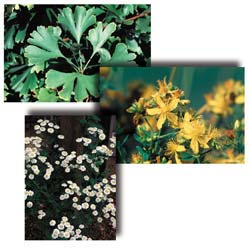
Recent insights into reversing the effects of male aging and preserving prostate health have led to new strategies for extending virility and youthfulness. It is possible to boost the availability of beneficial free testosterone and offset detrimental increases in estrogen using botanical extracts. This integrative approach to male aging may dramatically improve conditions ranging from flagging energy levels to fading libidos while simultaneously decreasing the chances that a man will fall victim to prostate enlargement or cancer.Botanicals of interest include:
- the Amazonian “nerve tonic” muira puama, which has been shown to possess antioxidant and antidepressant activities while benefiting male sexual function;
- the Peruvian “aphrodisiac,” maca, which has been shown to increase libido in cases of sexual dysfunction;
- the aromatase inhibitor chrysin (which may increase free testosterone, while decreasing potentially carcinogenic estradiol);
- the antioxidant/anti-inflammatory botanicals ginger and nettle, which may relieve the symptoms of enlarged prostate;
- and natural plant lignans, which offer impressive aromatase-inhibiting and prostate cancer-prevention activity.9-31
Maca (Lepidium meyenii)
.jpg) Maca has been used among indigenous people in the Andes region for centuries. Maca is a vegetable in the same family as broccoli. It is a reputed aphrodisiac and fertility enhancer. Research has shown there is sound scientific basis for this belief. Maca improves libido while enhancing sperm production and sperm motility, according to recent research. And it achieves this without affecting male sex hormone levels.18,32,33 In 2002, Peruvian researchers conducted a randomized, placebo-controlled, double-blind study on a small group of men aged 21-56 years. Results showed that maca improved subjective reports of male sexual desire versus placebo. Subjects consumed either 1,500 mg or 3,000 mg maca, or placebo, for three months. After eight weeks, improvements were noted in sexual desire among the subjects who consumed maca.33
Maca has been used among indigenous people in the Andes region for centuries. Maca is a vegetable in the same family as broccoli. It is a reputed aphrodisiac and fertility enhancer. Research has shown there is sound scientific basis for this belief. Maca improves libido while enhancing sperm production and sperm motility, according to recent research. And it achieves this without affecting male sex hormone levels.18,32,33 In 2002, Peruvian researchers conducted a randomized, placebo-controlled, double-blind study on a small group of men aged 21-56 years. Results showed that maca improved subjective reports of male sexual desire versus placebo. Subjects consumed either 1,500 mg or 3,000 mg maca, or placebo, for three months. After eight weeks, improvements were noted in sexual desire among the subjects who consumed maca.33
In late 2008, investigators at Massachusetts General Hospital conducted a double-blind, randomized, parallel group study of two different doses of maca for the treatment of sexual dysfunction related to the use of the selective-serotonin reuptake inhibitor (SSRI) class of modern antidepressant drugs20 (such as Prozac®, Zoloft®, or Paxil®). SSRI-induced sexual dysfunction, in the form of severely depressed libido among women, and inability to achieve orgasm among men, is a common side effect of these antidepressants.
Male and female subjects receiving 3,000 mg maca per day experienced a significant improvement in a standardized score of sexual function, while subjects taking placebo did not. “Maca root may alleviate SSRI-induced sexual dysfunction,” concluded researchers, “and there may be a dose-related effect. Maca may also have a beneficial effect on libido.” Importantly, maca was well tolerated by all subjects.20
In addition to improving sexual desire,33 semen quantity, and sperm quality in human males,18 maca has also repeatedly been shown to reduce prostate enlargement among animals with experimentally induced prostate enlargement.16,34-36 In one experiment, maca reduced prostate enlargement as effectively as a common drug used in men for the treatment of benign prostatic hyperplasia (BPH).35
Interestingly, maca has also been shown to significantly improve glucose tolerance, antioxidant levels, and lipid profiles among rodents with a hereditary tendency to develop abnormally high blood triglyceride levels. Despite their genetically abnormal lipid profiles, rats given maca while consuming a sugar-rich diet experienced significant improvements in a number of parameters related to cardiovascular disease risk, including lower total cholesterol and low-density lipoprotein (LDL) levels, and increased levels of the potent natural antioxidants, glutathione, superoxide dismutase, and glutathione peroxidase. “Results demonstrate that maca seems to be promising for a positive influence on chronic human diseases (characterized by atherogenous lipoprotein profile, aggravated antioxidative status, and impaired glucose tolerance), and their prevention,” researchers concluded.37
What You Need to Know: Improving Vitality, Sexual Function, and Prostate Health in Aging Men 
-
As men grow older, they become increasingly susceptible to health concerns such as sexual dysfunction, fatigue, depressed mood, cognitive complaints, and prostate enlargement.
-
Many health complaints experienced by aging men are linked with aging-related hormonal changes, including decreased free testosterone levels and increased estrogen levels.
- Botanical agents such as maca, muira puama, chrysin, nettle, ginger, and Norway spruce lignans can help alleviate many of the health complaints associated with male aging such as fatigue, low libido, poor memory, and prostate enlargement.
-
These botanicals may work in part by enhancing free testosterone levels while blocking the conversion (aromatization) of testosterone to estrogen.
Muira puama (Ptychopetalum olacoides)
.jpg) Depression, anxiety, and irritability are common side effects of age-induced testosterone deficiency. Muira puama has long been used by Amazonian people to manage various age-related conditions and support the body’s response to stress, and modern research shows that this reputation is well deserved. A recent rodent study conducted by Brazilian researchers showed that muira puama and the standard antidepressant drug, imipramine, were equally effective at alleviating symptoms of chronic mild stress-induced depression.9 Muira puama is marketed in Brazil as a “body stimulant, energetic, tonic, and aphrodisiac,” in combination with several other herbal extracts, including ginger and guarana (a source of caffeine).38 Research on human volunteers demonstrated that this cocktail of ingredients was safe and well tolerated. “No severe adverse reactions or haematological and biochemical changes were reported,” researchers concluded.
Depression, anxiety, and irritability are common side effects of age-induced testosterone deficiency. Muira puama has long been used by Amazonian people to manage various age-related conditions and support the body’s response to stress, and modern research shows that this reputation is well deserved. A recent rodent study conducted by Brazilian researchers showed that muira puama and the standard antidepressant drug, imipramine, were equally effective at alleviating symptoms of chronic mild stress-induced depression.9 Muira puama is marketed in Brazil as a “body stimulant, energetic, tonic, and aphrodisiac,” in combination with several other herbal extracts, including ginger and guarana (a source of caffeine).38 Research on human volunteers demonstrated that this cocktail of ingredients was safe and well tolerated. “No severe adverse reactions or haematological and biochemical changes were reported,” researchers concluded.
Muira puama is reputed to enhance erectile function and orgasm in aging men suffering the effects of fatigue or age-related complaints.31 In one study of 262 men suffering from poor sexual desire, more than 60% reported improvements with muira puama. Additionally, more than 50% of the men reported that muira puama improved their ability to attain an erection.39 While muira puama’s mechanism of action remains unknown, it is interesting to note that the plant contains sterols—the building blocks of sex hormones such as testosterone.
Muira puama may also alleviate age-related cognitive complaints. A notable experiment showed that muira puama alone “facilitates memory retrieval” in adult and aging mice. “Indeed, aging mice treated with [muira puama extract] performed as well as adult mice,” researchers concluded.40 Researchers have subsequently replicated these findings.41 At least one research team has proposed that muira puama acts as an acetylcholinesterase inhibitor. Acetylcholine is an important neurotransmitter involved in memory and cognition. One of the hallmarks of Alzheimer’s disease is a gradual decline in acetylcholine levels and the receptors for this neurotransmitter, especially in the hippocampus region of the brain. Although there is currently no cure for the disease, modern drugs to combat its progression include acetylcholinesterase inhibitors such as Aricept® (donepezil), which block the activity of an enzyme that breaks acetylcholine down.
In test tube experiments on rat brain tissue, scientists showed that muira puama extract “significantly inhibited [acetylcholinesterase] activity,” prompting the researchers to conclude, “we propose that such [acetylcholinesterase] inhibitory activity is a neurochemical correlate of a number of therapeutic properties traditionally claimed for [muira puama], particularly those associated with cognition.”42
Chrysin
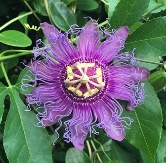 Chrysin is a natural flavone found in numerous plants, but especially in passionflower (Passiflora incarnata). Research suggests that chrysin reduces anxiety by binding with receptors in the brain that are also targeted by anxiety-reducing drugs known as benzodiazepines (such as Xanax® or Valium®).25 In one study, chrysin’s anxiety-reducing effect was roughly comparable to that of a reference benzodiazepine drug.25 Recent research on rats demonstrates that chrysin may also promote healthy natural killer cell activity, which could minimize the metastatic spread of cancer.24 But chrysin’s primary benefit to human sexuality may derive from its ability to block aromatization.43
Aromatization is a chemical transformation that takes place in the body, whereby testosterone or other androgen hormones are converted to estrogens by the aromatase enzyme. Aromatase inhibitors are beneficial because they prevent the loss of free testosterone and the buildup of potentially dangerous estrogens. Synthetic aromatase inhibitors have quickly gained in popularity for the treatment of estrogen receptor-positive breast cancer, for instance, since the growth of these tumors is driven by estrogens.44,45
But men may also benefit from aromatase inhibition. A recent controlled clinical trial of the synthetic aromatase inhibitor, anastrozole, for the treatment of hypogonadism in aging men showed, “anastrozole administration normalized androgen production in older hypogonadal men and decreased estradiol production modestly.” There were no changes in lipid levels, prostate-specific antigen (PSA) levels, or red blood cell levels in this one-year study.46
These findings echo results reported earlier by the same team at Massachusetts General Hospital. Working with anastrozole, the scientists concluded, “these data demonstrate that aromatase inhibition increases serum bioavailable and total testosterone levels to the youthful normal range in older men with mild hypogonadism. Serum estradiol levels decrease modestly but remain within the normal male range.”47
Although chrysin has low oral bioavailability,48 its bioavailability may be significantly enhanced by co-administration with the pepper extract, piperine.49 The combination of chrysin with piperine may thus represent an important botanical strategy to optimize free testosterone levels and minimize excess estrogen levels by blocking aromatization.
 Testosterone is a hormone manufactured primarily in the testes in men. It is the chief male sex hormone. As such, it is androgenic, meaning that it promotes the development and maintenance of characteristics associated with manhood and virility, libido, muscle mass, etc.
Testosterone promotes bone growth and maintenance and higher levels have been shown to protect against heart disease and chronic inflammatory disorders. It also stimulates greater production of red blood cells, increasing oxygen capacity. Despite antiquated beliefs that testosterone induces male aggression, modern science has shown that normal testosterone levels are actually necessary for overall well-being, both mental and physical. In fact, among men with hypogonadism (a condition in which the testes do not produce adequate levels of testosterone), there is a relatively high level of depression, sexual dysfunction, and even exaggerated symptoms of aggressive behavior.59-61
In recent years, testosterone replacement therapy has gained in popularity “… to induce and maintain secondary sex characteristics and to improve their sexual function, sense of well-being, muscle mass and strength, and bone mineral density.”62
Natural methods of boosting free testosterone levels and counteracting negative aspects of male aging have been in use for centuries. These methods, largely derived from folk medicine, include plant agents with a long history of safe use. Specialized botanical extracts may help support healthy free testosterone levels, while reducing excess estrogen levels with age.
Nettle and Ginger
 Stinging nettle and ginger are botanicals with a long history of human use. Both have been shown to possess significant anti-inflammatory activity.11,12
A controlled clinical trial of stinging nettle (Urtica dioica) root for the treatment of symptoms of benign prostatic hyperplasia (BPH, or prostate enlargement) showed, “Urtica dioica [has] beneficial effects in the treatment of symptomatic BPH. ”Specifically, six months of supplementation with nettle root led to decreased International Prostate Symptom Scores, improved peak urinary flow rate, and decreases in post-void residual volume of urine in the bladder. Additionally, the treated group experienced a modest decrease in prostate size. 22 Researchers speculate that this effect may be due to aromatase inhibition or anti-inflammatory activity.11
Nettle root may have further benefits for aging men’s health. Lignans contained in nettle root may help prevent the binding of sex hormone-binding globulin to testosterone. This may help ensure that free testosterone is available for promoting male vitality and youthful sexual function.8
A constituent of ginger shows promise in protecting prostate health with aging. In both laboratory and animal prostate cancer models, a ginger constituent helped to modulate proteins involved in apoptosis (programmed cell death).50
Norway Spruce Lignan Extract
 Plant lignans have been shown to benefit humans in a variety of ways.10,29,51 The plant lignan hydroxymatairesinol (HMR), derived from Norway spruce, is metabolized to “enterolactone” in the gut where it is absorbed into the bloodstream.15 Higher levels of serum enterolactones in men have been associated with decreased prostate cancer risk.51 Recent research on human prostate tissue indicates that enterolactone restricts the proliferation of human prostate cancer in the laboratory.52
This has been confirmed by other researchers. “The mammalian lignan enterolactone is a major metabolite of plant-based lignans that has been shown to inhibit the growth and development of prostate cancer,” wrote Chinese researchers, recently. Working with prostate cancer cells in the laboratory, the scientists found that enterolactone, derived from plant lignans, caused cancer cells to undergo apoptosis, or controlled cellular suicide. “Our findings encourage further studies of enterolactone as a promising chemopreventive agent against prostate cancer,” the researchers concluded.23 Finnish researchers working with animal models of human prostate cancer also concluded, “… dietary HMR [lignan] started at the early phase of the tumor development inhibits the growth of… human prostate cancer xenografts in athymic male mice.”13
Enterolactone such as that derived from Norway spruce acts via numerous mechanisms to benefit aging men’s health. Increasing estrogen levels in aging men are believed to represent a significant culprit in the development of both benign prostate enlargement and prostate cancer.53 Enterolactone functions via several mechanisms to reduce estrogen levels.
Enterolactone inhibits the aromatase enzyme that is responsible for converting testosterone into estradiol (a potent estrogen).54,55 By inhibiting the aromatase enzyme, aging men can reduce excess estrogen while simultaneously increasing beneficial free testosterone.
Another enzyme involved in both benign and malignant prostate disease is 5-alpha reductase. The 5-alpha reductase enzyme converts beneficial testosterone into dihydrotestosterone (DHT), a potent metabolite. DHT provokes a stimulatory effect on both benign and malignant prostate cells.56
Enterolactones have been shown to inhibit 5-alpha reductase,57 thus reducing levels of DHT, which causes significant prostate discomfort in aging men. Not surprisingly, researchers have recently discovered that plant-derived lignans help relieve the symptoms of enlarged prostate in men.58
Conclusion
Thousands of years of safe human use, bolstered by modern scientific research, have shown that a variety of botanicals may positively impact sexuality and general well-being among aging men. While dwindling testosterone levels adversely affect men’s health, research has shown that it is possible to slow or reverse changes associated with the age-associated decline in circulating free testosterone while counteracting aging-related increases in estrogen levels, thus enhancing overall vitality and health.
Material used with permission of Life Extension. All rights reserved.
1. Moffat SD. Effects of testosterone on cognitive and brain aging in elderly men. Ann NY Acad Sci. 2005 Dec;1055:80-92.
2. Beauchet O. Testosterone and cognitive function: current clinical evidence of a relationship. Eur J Endocrinol. 2006 Dec;155(6):773-81.
3. Martínez Jabaloyas JM, Queipo Zaragoza A, Ferrandis Cortes C, Queipo Zaragoza JA, Gil Salom M, Chuan Nuez P. Changes in sexual hormones in a male population over 50 years of age. Frequency of low testosterone levels and risk factors. Actas Urol Esp. 2008 Jun;32(6):603-10.
4. Yeap BB, Almeida OP, Hyde Z, et al. In men older than 70 years, total testosterone remains stable while free testosterone declines with age. The Health in Men Study. Eur J Endocrinol. 2007 May;156(5):585-94.
5. Yavuz BB, Ozkayar N, Halil M, et al. Free testosterone levels and implications on clinical outcomes in elderly men. Aging Clin Exp Res. 2008 Jun;20(3):201-6.
6. Maggi M, Schulman C, Quinton R, Langham S, Uhl-Hochgraeber K. The burden of testosterone deficiency syndrome in adult men: economic and quality-of-life impact. J Sex Med. 2007 Jul;4(4 Pt 1):1056-69.
7. Sternbach H. Age-associated testosterone decline in men: clinical issues for psychiatry. Am J Psychiatry. 1998 Oct;155(10):1310-8.
8. Anon. Urtica dioica; Urtica urens (nettle). Monograph. Altern Med Rev. 2007 Sep;12(3):280-4.
9. Piato AL, Detanico BC, Jesus JF, et al. Effects of Marapuama in the chronic mild stress model: further indication of antidepressant properties. J Ethnopharmacol. 2008 Jul 23;118(2):300-4.
10. Lamblin F, Hano C, Fliniaux O, et al. Interest of lignans in prevention and treatment of cancers. Med Sci (Paris). 2008 May;24(5):511-9.
11. Chrubasik JE, Roufogalis BD, Wagner H, Chrubasik S. A comprehensive review on the stinging nettle effect and efficacy profiles. Part II: urticae radix. Phytomedicine. 2007 Aug;14(7-8):568-79.
12. Grzanna R, Lindmark L, Frondoza CG. Ginger—an herbal medicinal product with broad anti-inflammatory actions. J Med Food. 2005;8(2):125-32.
13. Bylund A, Saarinen N, Zhang JX, et al. Anticancer effects of a plant lignan 7-hydroxymatairesinol on a prostate cancer model in vivo. Exp Biol Med (Maywood). 2005 Mar;230(3):217-23.
14. Kangas L, Saarinen N, Mutanen M, et al. Antioxidant and antitumor effects of hydroxymatairesinol (HM-3000, HMR), a lignan isolated from the knots of spruce. Eur J Cancer Prev. 2002 Aug;11(Suppl 2):S48-57.
15. Saarinen NM, Warri A, Makela SI, et al. Hydroxymatairesinol, a novel enterolactone precursor with antitumor properties from coniferous tree (Picea abies). Nutr Cancer. 2000;36(2):207-16.
16. Gonzales GF, Gasco M, Malheiros-Pereira A, Gonzales-Castaneda C. Antagonistic effect of Lepidium meyenii (red maca) on prostatic hyperplasia in adult mice. Andrologia. 2008 Jun;40(3):179-85.
17. McKay D. Nutrients and botanicals for erectile dysfunction: examining the evidence. Altern Med Rev. 2004 Mar;9(1):4-16.
18. Gonzales GF, Cordova A, Gonzales C, et al. Lepidium meyenii (Maca) improved semen parameters in adult men. Asian J Androl. 2001 Dec;3(4):301-3.
19. Mendes FR, Carlini EA. Brazilian plants as possible adaptogens: an ethnopharmacological survey of books edited in Brazil. J Ethnopharmacol. 2007 Feb 12;109(3):493-500.
20. Dording CM, Fisher L, Papakostas G, et al. A double-blind, randomized, pilot dose-finding study of maca root (L. Meyenii) for the management of SSRI-induced sexual dysfunction. CNS Neurosci Ther. 2008;14(3):182-91.
21. Brooks NA, Wilcox G, Walker KZ, et al. Beneficial effects of Lepidium meyenii (Maca) on psychological symptoms and measures of sexual dysfunction in postmenopausal women are not related to estrogen or androgen content. Menopause. 2008 Sep 6.
22. Safarinejad MR. Urtica dioica for treatment of benign prostatic hyperplasia: a prospective, randomized, double-blind, placebo-controlled, crossover study. J Herb Pharmacother. 2005;5(4):1-11.
23. Chen LH, Fang J, Li H, Demark-Wahnefried W, Lin X. Enterolactone induces apoptosis in human prostate carcinoma LNCaP cells via a mitochondrial-mediated, caspase-dependent pathway. Mol Cancer Ther. 2007 Sep;6(9):2581-90.
24. Beaumont DM, Mark TM Jr, Hills R, et al. The effects of chrysin, a Passiflora incarnata extract, on natural killer cell activity in male Sprague-Dawley rats undergoing abdominal surgery. AANA J. 2008 Apr;76(2):113-7.
25. Brown E, Hurd NS, McCall S, Ceremuga TE. Evaluation of the anxiolytic effects of chrysin, a Passiflora incarnata extract, in the laboratory rat. AANA J. 2007 Oct;75(5):333-7.
26. Zanoli P, Avallone R, Baraldi M. Behavioral characterisation of the flavonoids apigenin and chrysin. Fitoterapia. 2000 Aug;71(Suppl 1):S117-23.
27. Dhawan K, Kumar S, Sharma A. Beneficial effects of chrysin and benzoflavone on virility in 2-year-old male rats. J Med Food. 2002;5(1):43-8.
28. Konrad L, Müller HH, Lenz C, Laubinger H, Aumüller G, Lichius JJ. Antiproliferative effect on human prostate cancer cells by a stinging nettle root (Urtica dioica) extract. Planta Med. 2000 Feb;66(1):44-7.
29. Adlercreutz H. Lignans and human health. Crit Rev Clin Lab Sci. 2007;44(5-6):483-525.
30. Siqueira IR, Fochesatto C, Torres IL, et al. Antioxidant activities of Ptychopetalum olacoides (“muirapuama”) in mice brain. Phytomedicine. 2007 Nov;14(11):763-9.
31. Rowland DL, Tai W. A review of plant-derived and herbal approaches to the treatment of sexual dysfunctions. J Sex Marital Ther. 2003 May-Jun;29(3):185-205.
32. Gonzales GF, Cordova A, Vega K, et al. Effect of Lepidium meyenii (Maca), a root with aphrodisiac and fertility-enhancing properties, on serum reproductive hormone levels in adult healthy men. J Endocrinol. 2003 Jan;176(1):163-8.
33. Gonzales GF, Cordova A, Vega K, et al. Effect of Lepidium meyenii (MACA) on sexual desire and its absent relationship with serum testosterone levels in adult healthy men. Andrologia. 2002 Dec;34(6):367-72.
34. Gonzales GF, Miranda S, Nieto J, et al. Red maca (Lepidium meyenii) reduced prostate size in rats. Reprod Biol Endocrinol. 2005;35.
35. Gonzales GF, Vasquez V, Rodriguez D, et al. Effect of two different extracts of red maca in male rats with testosterone-induced prostatic hyperplasia. Asian J Androl. 2007 Mar;9(2):245-51.
36. Gasco M, Villegas L, Yucra S, et al. Dose-response effect of Red Maca (Lepidium meyenii) on benign prostatic hyperplasia induced by testosterone enanthate. Phytomedicine. 2007 Aug;14(7-8):460-4.
37. Vecera R, Orolin J, Skottova N, et al. The influence of maca (Lepidium meyenii) on antioxidant status, lipid and glucose metabolism in rat. Plant Foods Hum Nutr. 2007 Jun;62(2):59-63.
38. Oliveira CH, Moraes ME, Moraes MO, et al. Clinical toxicology study of an herbal medicinal extract of Paullinia cupana, Trichilia catigua, Ptychopetalum olacoides and Zingiber officinale (Catuama) in healthy volunteers. Phytother Res. 2005 Jan;19(1):54-7.
39. Waynberg J. Yohimbine vs. muira puama in the treatment of sexual dysfunction. Am J Nat Med. 1994;1:8-9.
40. da Silva AL, Piato AL, Bardini S, et al. Memory retrieval improvement by Ptychopetalum olacoides in young and aging mice. J Ethnopharmacol. 2004 Dec;95(2-3):199-203.
41. da Silva AL, Piato AL, Ferreira JG, et al. Promnesic effects of Ptychopetalum olacoides in aversive and non-aversive learning paradigms. J Ethnopharmacol. 2007 Feb 12;109(3):449-57.
42. Siqueira IR, Fochesatto C, da Silva AL, et al. Ptychopetalum olacoides, a traditional Amazonian “nerve tonic”, possesses anticholinesterase activity. Pharmacol Biochem Behav. 2003 Jun;75(3):645-50.
43. Moon YJ, Wang X, Morris ME. Dietary flavonoids: effects on xenobiotic and carcinogen metabolism. Toxicol In Vitro. 2006 Mar;20(2):187-210.
44. Cepa M, Correia-da-Silva G, da Silva EJ, et al. New steroidal aromatase inhibitors: suppression of estrogen-dependent breast cancer cell proliferation and induction of cell death. BMC Cell Biol. 2008;941.
45. van Meeuwen JA, Nijmeijer S, Mutarapat T, et al. Aromatase inhibition by synthetic lactones and flavonoids in human placental microsomes and breast fibroblasts—a comparative study. Toxicol Appl Pharmacol. 2008 May 1;228(3):269-76.
46. Burnett-Bowie SA, Roupenian KC, Dere ME, Lee H, Leder BZ. Effects of aromatase inhibition in hypogonadal older men: a randomized, double-blind, placebo-controlled trial. Clin Endocrinol (Oxf). 2008 Jun 25.
47. Leder BZ, Rohrer JL, Rubin SD, Gallo J, Longcope C. Effects of aromatase inhibition in elderly men with low or borderline-low serum testosterone levels. J Clin Endocrinol Metab. 2004 Mar;89(3):1174-80.
48. Walle T, Otake Y, Brubaker JA, Walle UK, Halushka PV. Disposition and metabolism of the flavonoid chrysin in normal volunteers. Br J Clin Pharmacol. 2001 Feb;51(2):143-6.
49. Srinivasan K. Black pepper and its pungent principle-piperine: a review of diverse physiological effects. Crit Rev Food Sci Nutr. 2007;47(8):735-48.
50. Shukla Y, Prasad S, Tripathi C, et al. In vitro and in vivo modulation of testosterone mediated alterations in apoptosis related proteins by [6]-gingerol. Mol Nutr Food Res. 2007 Dec;51(12):1492-502.
51. Hedelin M, Klint A, Chang ET, et al. Dietary phytoestrogen, serum enterolactone and risk of prostate cancer: the cancer prostate Sweden study (Sweden). Cancer Causes Control. 2006 Mar;17(2):169-80.
52. McCann MJ, Gill CI, Linton T, et al. Enterolactone restricts the proliferation of the LNCaP human prostate cancer cell line in vitro. Mol Nutr Food Res. 2008 May;52(5):567-80.
53. Takase Y, Levesque MH, Luu-The V, et al. Expression of enzymes involved in estrogen metabolism in human prostate. J Histochem Cytochem. 2006 Aug;54(8):911-21.
54. Brooks JD, Thompson LU. Mammalian lignans and genistein decrease the activities of aromatase and 17beta-hydroxysteroid dehydrogenase in MCF-7 cells. J Steroid Biochem Mol Biol. 2005 Apr;94(5):461-7.
55. Wang C, Makela T, Hase T, Adlercreutz H, Kurzer MS. Lignans and flavonoids inhibit aromatase enzyme in human preadipocytes. J Steroid Biochem Mol Biol. 1994 Aug;50(3-4):205-12.
56. Available at: http://en.wikipedia.org/wiki/5-alpha-reductase_deficiency. Accessed October 3, 2008.
57. Evans BA, Griffiths K, Morton MS. Inhibition of 5 alpha-reductase in genital skin fibroblasts and prostate tissue by dietary lignans and isoflavonoids. J Endocrinol. 1995 Nov;147(2):295-302.
58. Zhang W, Wang X, Liu Y, et al. Effects of dietary flaxseed lignan extract on symptoms of benign prostatic hyperplasia. J Med Food. 2008 Jun;11(2):207-14.
59. Zitzmann M. Testosterone and the brain. Aging Male. 2006 Dec;9(4):195-9.
60. O’Connor DB, Archer J, Hair WM, Wu FC. Exogenous testosterone, aggression, and mood in eugonadal and hypogonadal men. Physiol Behav. 2002 Apr 1;75(4):557-66.
61. Seidman SN. Androgens and the aging male. Psychopharmacol Bull. 2007;40(4):205-18.
62. Bhasin S, Cunningham GR, Hayes FJ, et al. Testosterone therapy in adult men with androgen deficiency syndromes: an endocrine society clinical practice guideline. J Clin Endocrinol Metab. 2006 Jun;91(6):1995-2010.
Related product
-
Super Miraforte with Standardized Lignans
Price: 56,91 €Maintain optimized testosterone levels Natural support for healthy...
Related posts
-
 Is Conventional Pomegranate Extract Enough?
An abundance of clinical data has established pomegranate as a broad-spectrum, multi-modal defense against the...
Is Conventional Pomegranate Extract Enough?
An abundance of clinical data has established pomegranate as a broad-spectrum, multi-modal defense against the... -
Lipoic Acid Reverses Mitochondrial Decay
It is estimated that 85% of the oxygen contained in every breath you take is consumed by the mitochondria within each...
-
Vitamin C and Dihydroquercetin
Every day, our bodies are under continual assault by damaging agents known as free radicals. Generally, both internal...
-
How Resveratrol Combats Leading Causes of Death
In 1997, the first scientific paper on resveratrol was published showing that this polyphenol could prevent cancer in...
-
Autoimmune Diseases part 1
Autoimmune diseases are characterized by the body's immune responses being directed against its own tissues, causing...