
 English
 Polski
 Deutsch
 Français
 ελληνικά
 Español
 Italiano
High-Dose Vitamin C – A New Therapeutic Approach
High-Dose Vitamin C – A New Therapeutic Approach

Vitamin C’s health-boosting benefits go far beyond fighting the common cold and flu. In fact, nutritional scientists have discovered that this potent antioxidant is crucial in supporting the health of the cardiovascular system, kidneys, bones, respiratory system, and more.
Unfortunately, many people fail to consume enough vitamin C to realize its vast array of health benefits. Most adults wrongly assume that the 75-90 mg of vitamin C recommended by the federal government is an optimal daily dose. In fact, this “recommended dietary allowance” is only enough to prevent vitamin-deficiency disease states such as scurvy—but not nearly enough to support optimal health.
The Nobel prize-winning scientist Dr. Linus Pauling was among the first to recognize the importance of high-dose vitamin C supplementation more than 30 years ago. Since then, scientists have amassed impressive evidence supporting the numerous benefits of high-dose vitamin C.
In this article, we examine recent studies supporting the efficacy of high-dose vitamin C in preventing and fighting infections, improving endothelial function, reducing heart attack risk, promoting longevity, and enhancing cancer survival.
Vitamin C Suppresses Cell Damage, Promotes Immune Health
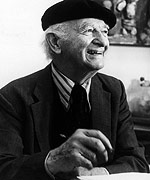
Dr. Linus Pauling noted that vitamin C is a critically important water-soluble antioxidant, as it protects proteins and lipids from free radical damage associated with infection, intensive exercise, and other stres-sors that can injure cells.1-3 These very properties make vitamin C a valuable agent for improving immune function. By suppressing oxidative stress, vitamin C increases the life span of immune cells and reduces infection-related cellular damage.4-7 This bolsters the immune system’s ability to fend off a broad range of infectious agents.
Interestingly, research has clearly demonstrated that during times of infection, concentrations of vitamin C are rapidly depleted in the blood and in white blood cells. Scientists have found that supplementation with vitamin C improves several important parameters of immune function. Therefore, supplementing with vitamin C during infection may protect immune cells and strengthen their ability to fight infectious pathogens.8
Vitamin C Helps Prevent and Fight Infections

Vitamin C not only speeds recovery from infections, but more important, may also help to prevent the onset of infections. Study after study has shown that vitamin C can dramatically reduce infection time as well as boost one’s resistance to infections. For example, studies of vitamin C supplementation in military personnel and other subjects living in close quarters have shown that pneumonia occurred a remarkable 80-100% less often in subjects taking vitamin C than in those who did not supplement with the vitamin.9
Similar protection against the onset of infection has been observed in children in developing countries, who are highly vulnerable to developing life-threatening infections. In this at-risk population, daily supplementation with up to 1000 mg of vitamin C, along with the mineral zinc, greatly reduced the likelihood of developing potentially deadly pneumonia, malaria, and infection-related diarrhea.8 In addition, supplementation with vitamin C improved outcomes even when infections had already occurred. The study authors suggested that vitamin C helps strengthen children’s resistance to infectious organisms. Based on these findings, it is vital that young children receive appropriate supplementation with vitamin C.
Vitamin C intake has been found to speed resolution of upper respiratory tract infections in young people. Students who supplemented with hourly doses of 1000 mg of vitamin C for six hours and then three times daily thereafter exhibited an extraordinary 85% decrease in cold and flu symptoms compared to those who took pain relievers and decongestants for their infectious symptoms.10
These benefits of improved healing are not limited to children and young adults. Elderly patients that were hospitalized with pneumonia or bronchitis showed substantial improvement following supplementation with vitamin C.11 In a study of women with non-specific vaginal infection, locally administered vitamin C significantly improved symptoms and led to a reduction in bacterial count.12
Vitamin C’s strength in countering bacterial infection was further demonstrated in a study of the dangerous breed of bacteria known as Helicobacter pylori, or H. pylori. Chronic infection of the stomach with H. pylori contributes to gastritis, stomach ulcers, and even deadly gastric cancer.13 In an epidemiological study, however, high intake of the powerful antioxidant vitamins C and E was associated with an astounding 90% reduction in the risk of developing stomach cancer.14 Lending additional support to these findings is another study showing that infection with H. pylori was a major risk factor for gastric cancer in patients with low vitamin C intake, but not in those with high vitamin C intake.18 By protecting against infection with H. pylori, vitamin C may thus help to prevent potentially fatal stomach cancer as well as other painful gastrointestinal complications.
Vitamin C may even have an important role to play in the ongoing global battle to contain the ubiquitous HIV virus.19-21 For example, laboratory experiments indicate that high concentrations of vitamin C are preferentially toxic to HIV-infected cells, thereby promoting their destruction while sparing uninfected immune cells.21 In other laboratory studies of human immune cells, vitamin C helped suppress the HIV virus.19 Moreover, in a clinical study of HIV-infected patients, subjects with advanced immune deficiency who supplemented with high doses of vitamin C and the potent antioxidant N-acetylcysteine exhibited significant improvements in several measures of immune system function.20

Vitamin C’s multifaceted effects in protecting against cardiovascular disease may be partly responsible for the strong association between optimal vitamin C intake and increased life span.
For example, in a major study of more than 19,000 adults aged 45-79, subjects with the lowest plasma levels of vitamin C were twice as likely to die over the course of four years compared to those with the highest levels.15 Furthermore, rates of death from all causes and from cardiovascular disease decreased as vitamin C levels increased across the entire range of plasma vitamin C levels. Even controlling for age, blood pressure, cholesterol levels, cigarette smoking, diabetes, and supplement use, a rise in plasma vitamin C concentration equivalent to that of one fruit or vegetable serving daily was associated with about a 20% reduction in risk of death from all causes.
Similarly, a 10-year study from UCLA showed that in a population of more than 11,000 US adults aged 25-74, men who took 800 mg of vitamin C daily lived about six years longer than men who took only 60 mg of vitamin C daily.16 Even after controlling for smoking, education, race, diseases, and other factors affecting survival, higher vitamin C intake in men still predicted lower mortality. Increased vitamin C intake was likewise associated with greater longevity in women. Higher vitamin C intake reduced cardiovascular deaths by 42% in men and 25% in women.
Rupturing of atherosclerotic plaque (fatty buildup) in the artery wall can have fatal consequences, including sudden death from a heart attack. Animal studies suggest that chronic vitamin C deficiency contributes to the formation of unstable arterial plaque that is more likely to lead to life-threatening cardiovascular events.17 This association suggests yet another example of how vitamin C’s cardioprotective benefits may contribute to longer, healthier life spans.
Vitamin C Supports Endothelial Function and Protects the Heart

As the aforementioned studies attest, vitamin C’s ability to help prevent and fight infection by strengthening the body’s natural defenses against disease-causing pathogens is uncontested. Less recognized—but perhaps equally important—are the many other ways in which vitamin C supports optimal health.
Mounting evidence, for example, associates higher vitamin C levels with protection against cardiovascular disease, America’s leading cause of premature death. Vitamin C may help support the heart and vascular system by protecting against endothelial dysfunction, preventing heart attacks, and countering the dangerous oxidation of blood lipids.
Scientists now know that one of the instigating factors in cardiovascular disease is the insidious process known as endothelial dysfunction, in which blood vessel walls become stiffer and less able to dilate in response to the body’s need for increased blood flow.
While elevated levels of the amino acid homocysteine hasten endothelial dysfunction, scientists have discovered that pretreatment with vitamin C (1000 mg daily for one week) reduces oxidative stress and thus protects the delicate vascular endothelium from the damaging effects of elevated homocysteine.22
Similarly, researchers have found that while eating a meal high in fat temporarily impairs endothelial function for up to four hours in healthy individuals, pretreatment with the antioxidant vitamins C and E prevents this impairment.23 Scientists have also shown that vitamin C may reduce oxidative stress and subsequent endothelial dysfunction.24
In a study of patients with coronary heart disease, vitamin C enhanced the ability of coronary arteries to expand in response to a naturally occurring vasodilator.25
Smokers often have a drastically impaired endothelium. Vitamin C has likewise demonstrated powerful effects against endothelial dysfunction caused by smoking. In one trial, subjects who received pretreatment with 2000 mg of vitamin C had an impressive 59% reduction in a clinical measure associated with endothelial dysfunction.26 In a similar study, German researchers found that either short-term vitamin C infusion or long-term vitamin C treatment markedly increased blood flow to the heart muscle in smokers.27 In this same trial, long-term supplementation with vitamin C also increased blood flow to the heart muscle in patients with high blood pressure.27
How does vitamin C protect endothelial cells? Although its precise mechanisms of action are not yet fully understood, researchers have discovered that vitamin C, at high doses, activates an enzyme that may be involved in reducing the oxidative stress that can contribute to endothelial dysfunction.28
Vitamin C Lowers Coronary Heart Disease Risk

Several recent studies confirm vitamin C’s strong protective effects against cardiovascular disease. In one trial, men in the highest third of vitamin C intake had a remarkable 66% lower risk of coronary heart disease than men in the lowest third—even after controlling for various cardiovascular risk factors.29 This result is all the more striking because many of the men studied were smokers.
Moreover, in a meta-analysis of studies that followed subjects for more than 10 years, the use of vitamin C supplements containing at least 700 mg of ascorbic acid reduced risk of coronary artery disease by 25%.30 And in the largest, longest study to examine the association between vitamin C intake and heart disease risk, women who used vitamin C supplements had a 28% reduction in coronary heart disease compared to women who did not supplement with the vitamin.31 In this massive Harvard Medical School study, which followed more than 85,000 female nurses for 16 years, higher vitamin C intake predicted lower heart disease risk—even after adjusting for age, smoking, and other risk factors. A particularly striking finding from this study is that women who did not use vitamin C supplements but instead obtained vitamin C exclusively from dietary sources did not experience significant protection against heart disease. This led the Harvard scientists to conclude that vitamin C supplements alone appeared to decrease the risk of coronary heart disease.
Vitamin C Status Tied to Heart Attack Risk

Several recent studies suggest that ensuring optimal vitamin C status not only protects against cardiovascular disease, but also greatly lessens the risk of suffering a life-threatening heart attack.
For example, in a Finnish study of middle-aged men without evidence of pre-existing heart disease, men who were deficient in vitamin C were 3.5 times more likely to suffer heart attacks compared to those who were not deficient in the vitamin, even after adjusting for smoking and other pertinent risk factors.32 This led the researchers to propose that vitamin C deficiency, as assessed by low plasma concentration, is a risk factor for heart attack.
In another study, subjects in the highest quartile of vitamin C intake had a stunning 80% lower risk of heart attack compared to those in the lowest quartile.33 Moreover, a British study found that plasma vitamin C concentrations were dramatically lower in men who had just suffered their first acute heart attack than in apparently healthy volunteers.34
Maintaining optimal vitamin C levels may thus provide powerful protection against potentially fatal heart attacks.
Vitamin C Also Reduces Damage Caused by Heart Attacks

In addition to helping prevent heart attacks, vitamin C may also reduce damage to crucial heart muscle following a heart attack, and decrease the incidence of further cardiovascular events.
For example, in a large study of patients who had suffered an acute heart attack, supplementing with high doses of vitamins C (1200 mg daily) and E (600 mg daily) for one month significantly reduced the combined rate of death, new heart attack, and other severe complications by about 20%.35 The researchers speculated that these potent antioxidants may have helped to mitigate oxidative damage to the heart muscle caused by the heart attack.
After an acute heart attack, the heart muscle’s failure to pump blood effectively may cause dangerously low blood pressure, a condition known as cardiogenic shock. Blood concentrations of vitamin C and other critical antioxidants are diminished in patients with cardiogenic shock, suggesting that the heart muscle uses these antioxidants to counteract oxidative damage.36 Depletion of antioxidants (including vitamin C) is also associated with failure to restore coronary blood flow following an acute heart attack.37
Several studies suggest that treatment with vitamin C, given alone or in combination with vitamin E, may reduce complications and improve outcome after an acute heart attack. Vitamin C may provide several benefits in this setting, such as improving electrical conduction throughout the heart muscle,38 lowering levels of clotting factors that increase risk for stroke,39 reducing oxidative stress and inflammation, and preventing detrimental changes in heart shape and function.40
Research shows that vitamin C also helps increase exercise tolerance after an acute heart attack.41 In one study, taking 2000 mg of supplemental vitamin C before exercise helped improve exercise capability. Scientists believe that vitamin C helps relieve oxidative stress-related damage to the sympathetic nervous system following heart attack.
One type of damage that occurs after an acute heart attack is ischemia-reperfusion injury, in which areas of heart muscle whose blood supply has been cut off are damaged when blood flow is restored. This type of injury is also associated with angina, or chest pain caused by coronary heart disease, and may contribute to aging and vascular disease.42 Because this type of cellular injury is thought to be caused by free radical damage, antioxidants such as vitamin C may be protective, as demonstrated in a score of animal studies.43-46
Clinical and experimental research suggests that vitamin C may protect against other diseases of the heart and blood vessels, including atrial fibrillation (irregular heart beat that increases the risk of stroke), dilated cardiomyopathy (an enlarged, weakened heart), congestive heart failure, and impaired blood flow regulation.54-57 Vitamin C may confer other additional benefits to heart disease patients by preserving the ability to respond to drugs used to treat coronary heart disease, as well as through its effects in supporting healthy body weight.58-61

Exciting new research suggests that vitamin C may confer an array of unexpected health benefits, from enhancing cancer survival to promoting bone health.
Enhancing cancer survival. In battling cancer, some patients invariably exhaust all available treatment options such as drugs, surgery, and radiation. Scientists are now investigating nutritional remedies that may benefit such patients. Researchers recently reported that administering high-dose, intravenous vitamin C to several patients with advanced, terminal-stage cancer led to unexpectedly long survival times. While further studies are needed, these findings support earlier reports showing that high-dose vitamin C, administered either orally or intravenously, helped improve symptoms and prolong life in cancer patients.47
Averting kidney damage. Kidney impairment is exceedingly common and often undetected, and may lead to permanent damage of the kidneys’ filtering apparatus. Nutritional scientists report that vitamin C may help prevent or halt the progression of kidney impairment related to scarring of the kidneys’ blood vessels. This finding may be particularly important for diabetics, who are especially prone to this type of kidney damage.48
Supporting asthma defense. Cases of asthma have dramatically increased in recent years. Scientists have observed that adults with chronic asthma are frequently deficient in vitamin C; asthma-free subjects, by contrast, demonstrate healthy levels of vitamin C. Optimizing vitamin C status in those prone to asthma could thus be crucial to supporting their freedom from this debilitating condition.49
Promoting healthy bones. Yet another benefit of vitamin C appears to be its ability to increase bone density. Scientists recently correlated increased dietary intake of fruit rich in vitamin C with greater bone mineral density in both younger and older people.50 This finding lends support to earlier reports that vitamin C intake is associated with markers of increased bone formation, and that its intake from adolescence onward may play an important role in helping to prevent osteoporosis.51
Fighting herpes simplex infection. The herpes simplex virus can lead to recurring, painful lesions of the skin and mucous membranes. Researchers have reported that nutritional therapies, including vitamin C, may help to speed the resolution of herpes simplex lesions and prevent their recurrence.52
Preventing abnormal heart rhythm. Many people are affected by atrial fibrillation, a heart rhythm abnormality that increases the risk of stroke. Researchers have proposed that oxidative stress may play a part in this abnormality, thus suggesting a therapeutic role for antioxidants. Exciting preliminary studies suggest that vitamin C may help avert atrial fibrillation, possibly through its ability to help quench oxidative stress.53
Vitamin C Reduces Dangers of Blood Lipids
Scientists long ago discovered that high levels of low-density lipoprotein (LDL) are important predictors of coronary heart disease risk. The chemical state of these lipids, however, also affects risk. For example, a recent report showed that LDL oxidation increased risk for coronary heart disease by an astonishing 14-fold, especially in patients 60 years of age or younger.62 Chemical testing indicates that high doses of vitamin C can block dangerous blood lipid oxidation by about 75%.63
Research demonstrates that daily supplementation with a mixture of vitamin C and other antioxidant nutrients can reduce lipid peroxidation following a heart attack, suggesting that antioxidant supplements may be valuable for patients with a history of cardiovascular disease.64 One analysis suggests that vitamin C may in fact be even more beneficial than other commonly used antioxidants in protecting against lipid oxidation.65
In animal studies, vitamin C deficiency has been linked to high cholesterol, and high doses of vitamin C have been shown to promote the breakdown of cholesterol. Thus, in animals, vitamin C helps to lower blood cholesterol. While further studies are needed to assess whether these intriguing effects may hold true in humans,66-68 a study from 2005 showed that like cholesterol-lowering statin drugs, vitamin C reduced the activation of receptors that are involved in arterial wall inflammation, a crucial step in triggering the formation of atherosclerotic plaque. This finding led the scientists to note that vitamin C may share some common mechanisms of action with statin drugs, and deserves further investigation of its role in treating coronary heart disease.69
Additional research suggests that administering an extract of citrus fruit along with vitamin C may boost vitamin C’s ability to combat lipid oxidation and promote healthy blood lipid levels. While rich in vitamin C, citrus extract also contains health-promoting compounds known as flavonoids, and the combination of vitamin C and citrus flavonoids may be more beneficial than either agent alone in supporting cardiovascular health.70
The recommended dietary allowance (RDA) for vitamin C is 75 mg for women and 90 mg for men per day. Since abundant data suggest that far greater doses are needed to support optimal health, Life Extension suggests supplementing with 1000-6000 mg of vitamin C daily with meals, depending on your individual health concerns.
Conclusion
Abundant evidence now supports the benefits of high-dose vitamin C for cardiovascular health, in addition to its well-documented roles in boosting immune health and fighting infections.
Provocative new studies strongly attest to vitamin C’s ability to help prevent coronary heart disease, improve survival following cardiac events, and reduce the complications of heart attack. Furthermore, vitamin C is a potent antioxidant capable of protecting blood vessels from atherosclerotic damage, and levels of vitamin C appear to predict both survival and cardiovascular health.
Easily overlooked and long taken for granted, high-dose vitamin C increasingly appears to be an essential element of any program to boost cardiovascular protection and extend the healthy life span.
Material used with permission of Life Extension. All rights reserved.
1. Hemila H. Vitamin C supplementation and the common cold—was Linus Pauling right or wrong? Int J Vitam Nutr Res. 1997;67(5):329-35.
2. Davison G, Gleeson M. Influence of acute vitamin C and/or carbohydrate ingestion on hormonal, cytokine, and immune responses to prolonged exercise. Int J Sport Nutr Exerc Metab. 2005 Oct;15(5):465-79.
3. Hemila H. Vitamin C and common cold incidence: a review of studies with subjects under heavy physical stress. Int J Sports Med. 1996 Jul;17(5):379-83.
4. Eguchi M, Miyazaki T, Masatsuji-Kato E, et al. Cytoprotection against ischemia-induced DNA cleavages and cell injuries in the rat liver by pro-vitamin C via hydrolytic conversion into ascorbate. Mol Cell Biochem. 2003 Oct;252(1-2):17-23.
5. Furumoto K, Inoue E, Nagao N, Hiyama E, Miwa N. Age-dependent telomere shortening is slowed down by enrichment of intracellular vitamin C via suppression of oxidative stress. Life Sci. 1998;63(11):935-48.
6. Loguercio C, Cuomo A, Tuccillo C, et al. Liver p53 expression in patients with HCV-related chronic hepatitis. J Viral Hepat. 2003 Jul;10(4):266-70.
7. Yokoo S, Furumoto K, Hiyama E, Miwa N. Slow-down of age-dependent telomere shortening is executed in human skin keratinocytes by hormesis-like-effects of trace hydrogen peroxide or by anti-oxidative effects of pro-vitamin C in common concurrently with reduction of intracellular oxidative stress. J Cell Biochem. 2004 Oct 15;93(3):588-97.
8. Wintergerst ES, Maggini S, Hornig DH. Immune-enhancing role of vitamin C and zinc and effect on clinical conditions. Ann Nutr Metab. 2006;50(2):85-94.
9. Hemila H. Vitamin C supplementation and respiratory infections: a systematic review. Mil Med. 2004 Nov;169(11):920-5.
10. Gorton HC, Jarvis K. The effectiveness of vitamin C in preventing and relieving the symptoms of virus-induced respiratory infections. J Manipulative Physiol Ther. 1999 Oct;22(8):530-3.
11. Hemila H, Douglas RM. Vitamin C and acute respiratory infections. Int J Tuberc Lung Dis. 1999 Sep;3(9):756-61.
12. Petersen EE, Magnani P. Efficacy and safety of vitamin C vaginal tablets in the treatment of non-specific vaginitis. A randomised, double blind, placebo-controlled study. Eur J Obstet Gynecol Reprod Biol. 2004 Nov 10;117(1):70-5.
13. Salgueiro J, Zubillaga M, Goldman C, et al. Review article: is there a link between micronutrient malnutrition and Helicobacter pylori infection? Aliment Pharmacol Ther. 2004 Nov 15;20(10):1029-34.
14. Kim HJ, Kim MK, Chang WK, et al. Effect of nutrient intake and Helicobacter pylori infection on gastric cancer in Korea: a case-control study. Nutr Cancer. 2005;52(2):138-46.
15. Khaw KT, Bingham S, Welch A, et al. Relation between plasma ascorbic acid and mortality in men and women in EPIC-Norfolk prospective study: a prospective population study. European Prospective Investigation into Cancer and Nutrition. Lancet. 2001 Mar 3;357(9257):657-63.
16. Enstrom JE, Kanim LE, Klein MA. Vitamin C intake and mortality among a sample of the United States population. Epidemiology. 1992 May;3(3):194-202.
17. Nakata Y, Maeda N. Vulnerable atherosclerotic plaque morphology in apolipoprotein E-deficient mice unable to make ascorbic Acid. Circulation. 2002 Mar 26;105(12):1485-90.
18. Kim DS, Lee MS, Kim YS, et al. Effect modification by vitamin C on the relation between gastric cancer and Helicobacter pylori. Eur J Epidemiol. 2005;20(1):67-71.
19. Harakeh S, Jariwalla RJ. Comparative study of the anti-HIV activities of ascorbate and thiol-containing reducing agents in chronically HIV-infected cells. Am J Clin Nutr. 1991 Dec;54(6 Suppl):1231S-5S.
20. Muller F, Svardal AM, Nordoy I, et al. Virological and immunological effects of antioxidant treatment in patients with HIV infection. Eur J Clin Invest. 2000 Oct;30(10):905-14.
21. Rivas CI, Vera JC, Guaiquil VH, et al. Increased uptake and accumulation of vitamin C in human immunodeficiency virus 1-infected hematopoietic cell lines. J Biol Chem. 1997 Feb 28;272(9):5814-20.
22. Chambers JC, McGregor A, Jean-Marie J, Obeid OA, Kooner JS. Demonstration of rapid onset vascular endothelial dysfunction after hyperhomocysteinemia: an effect reversible with vitamin C therapy. Circulation. 1999 Mar 9;99(9):1156-60.
23. Plotnick GD, Corretti MC, Vogel RA. Effect of antioxidant vitamins on the transient impairment of endothelium-dependent brachial artery vasoactivity following a single high-fat meal. JAMA. 1997 Nov 26;278(20):1682-6.
24. Kinugawa S, Post H, Kaminski PM, et al. Coronary microvascular endothelial stunning after acute pressure overload in the conscious dog is caused by oxidant processes: the role of angiotensin II type 1 receptor and NAD(P)H oxidase. Circulation. 2003 Dec 9;108(23):2934-40.
25. Tousoulis D, Xenakis C, Tentolouris C, et al. Effects of vitamin C on intracoronary L-arginine dependent coronary vasodilatation in patients with stable angina. Heart. 2005 Oct;91(10):1319-23.
26. Katayama Y, Shige H, Yamamoto A, Hirata F, Yasuda H. Oral vitamin C ameliorates smoking-induced arterial wall stiffness in healthy volunteers. J Atheroscler Thromb. 2004;11(6):354-7.
27. Schindler TH, Nitzsche EU, Munzel T, et al. Coronary vasoregulation in patients with various risk factors in response to cold pressor testing: contrasting myocardial blood flow responses to short- and long-term vitamin C administration. J Am Coll Cardiol. 2003 Sep 3;42(5):814-22.
28. Varadharaj S, Steinhour E, Hunter MG, et al. Vitamin C-induced activation of phospholipase D in lung microvascular endothelial cells: Regulation by MAP kinases. Cell Signal. 2006 Sep;18(9):1396-407.
29. Nam CM, Oh KW, Lee KH, et al. Vitamin C intake and risk of ischemic heart disease in a population with a high prevalence of smoking. J Am Coll Nutr. 2003 Oct;22(5):372-8.
30. Knekt P, Ritz J, Pereira MA, et al. Antioxidant vitamins and coronary heart disease risk: a pooled analysis of 9 cohorts. Am J Clin Nutr. 2004 Dec;80(6):1508-20.
31. Osganian SK, Stampfer MJ, Rimm E, et al. Vitamin C and risk of coronary heart disease in women. J Am Coll Cardiol. 2003 Jul 16;42(2):246-52.
32. Nyyssonen K, Parviainen MT, Salonen R, Tuomilehto J, Salonen JT. Vitamin C deficiency and risk of myocardial infarction: prospective population study of men from eastern Finland. BMJ. 1997 Mar 1;314(7081):634-8.
33. Lopes C, Von HP, Ramos E, et al. Diet and risk of myocardial infarction. A case-control community-based study. Acta Med Port. 1998 Apr;11(4):311-7.
34. Riemersma RA, Carruthers KF, Elton RA, Fox KA. Vitamin C and the risk of acute myocardial infarction. Am J Clin Nutr. 2000 May;71(5):1181-6.
35. Jaxa-Chamiec T, Bednarz B, Drozdowska D, et al. Antioxidant effects of combined vitamins C and E in acute myocardial infarction. The randomized, double-blind, placebo controlled, multicenter pilot Myocardial Infarction and VITamins (MIVIT) trial. Kardiol Pol. 2005 Apr;62(4):344-50.
36. Senthil S, Veerappan RM, Ramakrishna RM, Pugalendi KV. Oxidative stress and antioxidants in patients with cardiogenic shock complicating acute myocardial infarction. Clin Chim Acta. 2004 Oct;348(1-2):131-7.
37. Matsumoto H, Inoue N, Takaoka H, et al. Depletion of antioxidants is associated with no-reflow phenomenon in acute myocardial infarction. Clin Cardiol. 2004 Aug;27(8):466-70.
38. Bednarz B, Chamiec T, Ceremuzynski L. Antioxidant vitamins decrease exercise-induced QT dispersion after myocardial infarction. Kardiol Pol. 2003 May;58(5):375-9.
39. Morel O, Jesel L, Hugel B, et al. Protective effects of vitamin C on endothelium damage and platelet activation during myocardial infarction in patients with sustained generation of circulating microparticles. J Thromb Haemost. 2003 Jan;1(1):171-7.
40. Gasparetto C, Malinverno A, Culacciati D, et al. Antioxidant vitamins reduce oxidative stress and ventricular remodeling in patients with acute myocardial infarction. Int J Immunopathol Pharmacol. 2005 Jul;18(3):487-96.
41. Kato K, Fukuma N, Kimura-Kato Y et al. Improvement of sympathetic response to exercise by oral administration of ascorbic acid in patients after myocardial infarction. Int J Cardiol. 2005 Oct 20; [Epub ahead of print].
42. Liu P, Xu B, Cavalieri TA, Hock CE. Age-related difference in myocardial function and inflammation in a rat model of myocardial ischemia-reperfusion. Cardiovasc Res. 2002 Dec;56(3):443-53.
43. Liu P, Xu B, Cavalieri TA, Hock CE. Attenuation of antioxidative capacity enhances reperfusion injury in aged rat myocardium after MI/R. Am J Physiol Heart Circ Physiol. 2004 Dec;287(6):H2719-27.
44. Baltalarli A, Ozcan V, Ferda B, et al. Ascorbic acid (vitamin C) and iloprost attenuate the lung injury caused by ischemia/reperfusion of the lower extremities of rats. Ann Vasc Surg. 2006 Jan;20(1):49-55.
45. Eguchi M, Monden K, Miwa N. Role of MAPK phosphorylation in cytoprotection by pro-vitamin C against oxidative stress-induced injuries in cultured cardiomyoblasts and perfused rat heart. J Cell Biochem. 2003 Oct 1;90(2):219-26.
46. Saitoh Y, Miwa N. Cytoprotection of vascular endotheliocytes by phosphorylated ascorbate through suppression of oxidative stress that is generated immediately after post-anoxic reoxygenation or with alkylhydroperoxides. J Cell Biochem. 2004 Nov 1;93(4):653-63.
47. Padayatty SJ, Riordan HD, Hewitt SM, Katz A, Hoffer LJ, Levine M. Intravenously administered vitamin C as cancer therapy: three cases. CMAJ. 2006 Mar 28;174(4):937-42.
48. McCarty MF. Adjuvant strategies for prevention of glomerulosclerosis. Med Hypotheses. 2006 Jul 5; [Epub ahead of print]
49. Shidfar F, Baghai N, Keshavarz A, Ameri A, Shidfar S. Comparison of plasma and leukocyte vitamin C status between asthmatic and healthy subjects. East Mediterr Health J. 2005 Jan-Mar;11(1-2):87-95.
50. Prynne CJ, Mishra GD, O’Connell MA, et al. Fruit and vegetable intake and bone mineral status: a cross sectional study in 5 age and sex cohorts. Am J Clin Nutr. 2006 Jun;83(6):1420-8.
51. Katsuyama H, Sunami S, Fukunaga M. Influence of nutrients intake on bone turnover markers. Clin Calcium. 2005 Sept;15(9):1529-34.
52. Gaby AR. Natural remedies for Herpes simplex. Altern Med Rev. 2006 Jun;11(2):93-101.
53. Korantzopoulos P, Kolettis TM, Galaris D, Goudevenos JA. The role of oxidative stress in the pathogenesis and perpetuation of atrial fibrillation. Int J Cardiol. 2006 Jun 7; [Epub ahead of print]
54. Korantzopoulos P, Kolettis TM, Kountouris E, et al. Oral vitamin C administration reduces early recurrence rates after electrical cardioversion of persistent atrial fibrillation and attenuates associated inflammation. Int J Cardiol. 2005 Jul 10;102(2):321-6.
55. Demirbag R, Yilmaz R, Erel O, et al. The relationship between potency of oxidative stress and severity of dilated cardiomyopathy. Can J Cardiol. 2005 Aug;21(10):851-5.
56. Freeman LM, Rush JE, Milbury PE, Blumberg JB. Antioxidant status and biomarkers of oxidative stress in dogs with congestive heart failure. J Vet Intern Med. 2005 Jul;19(4):537-41.
57. Monahan KD, Eskurza I, Seals DR. Ascorbic acid increases cardiovagal baroreflex sensitivity in healthy older men. Am J Physiol Heart Circ Physiol. 2004 Jun;286(6):H2113-7.
58. Bassenge E, Fink N, Skatchkov M, Fink B. Dietary supplement with vitamin C prevents nitrate tolerance. J Clin Invest. 1998 Jul 1;102(1):67-71.
59. Watanabe H, Kakihana M, Ohtsuka S, Sugishita Y. Randomized, double-blind, placebo-controlled study of the preventive effect of supplemental oral vitamin C on attenuation of development of nitrate tolerance. J Am Coll Cardiol. 1998 May;31(6):1323-9.
60. Johnston CS. Strategies for healthy weight loss: from vitamin C to the glycemic response. J Am Coll Nutr. 2005 Jun;24(3):158-65.
61. Canoy D, Wareham N, Welch A, et al. Plasma ascorbic acid concentrations and fat distribution in 19,068 British men and women in the European Prospective Investigation into Cancer and Nutrition Norfolk cohort study. Am J Clin Nutr. 2005 Dec;82(6):1203-9.
62. Tsimikas S, Brilakis ES, Miller ER, et al. Oxidized phospholipids, Lp(a) lipoprotein, and coronary artery disease. N Engl J Med. 2005 Jul 7;353(1):46-57.
63. Chu YF, Liu RH. Novel low-density lipoprotein (LDL) oxidation model: antioxidant capacity for the inhibition of LDL oxidation. J Agric Food Chem. 2004 Nov 3;52(22):6818-23.
64. Nagyova A, Krajcovicova-Kudlackova M, Horska A, et al. Lipid peroxidation in men after dietary supplementation with a mixture of antioxidant nutrients. Bratisl Lek Listy. 2004;105(7-8):277-80.
65. Cobbold CA, Sherratt JA, Maxwell SR. Lipoprotein oxidation and its significance for atherosclerosis: a mathematical approach. Bull Math Biol. 2002 Jan;64(1):65-95.
66. Ginter E. Ascorbic acid in cholesterol and bile acid metabolism. Ann NY Acad Sci. 1975 Sept 30;258:410-21.
67. Hornig D, Weiser H. Ascorbic acid and cholesterol: effect of graded oral intakes on cholesterol conversion to bile acids in guinea pigs. Experientia. 1976 Jun 15;32(6):687-9.
68. Turley SD, West CE, Horton BJ. The role of ascorbic acid in the regulation of cholesterol metabolism and in the pathogenesis of artherosclerosis. Atherosclerosis. 1976 Jul;24(1-2):1-18.
69. Kaul D, Baba MI. Genomic effect of vitamin ‘C’ and statins within human mononuclear cells involved in atherogenic process. Eur J Clin Nutr. 2005 Aug;59(8):978-81.
70. Vinson JA, Jang J. In vitro and in vivo lipoprotein antioxidant effect of a citrus extract and ascorbic acid on normal and hypercholesterolemic human subjects. J Med Food. 2001;4(4):187-92.
Related products
-
Buffered Vitamin C Powder
Price: 27,50 €Vitamin C for flexible dosing Scavenges free radicals in the body and... -
Vitamin C and Quercetin EU
Price: 34,10 €Vitamin C plus ultra-absorbable quercetin for immune support Combines... -

Glutathione, Cysteine & C
Price: 22,63 €Powerful intracellular antioxidant support Cysteine plays a role in phase...
Related posts
-
 Is Conventional Pomegranate Extract Enough?
An abundance of clinical data has established pomegranate as a broad-spectrum, multi-modal defense against the...
Is Conventional Pomegranate Extract Enough?
An abundance of clinical data has established pomegranate as a broad-spectrum, multi-modal defense against the... -
Lipoic Acid Reverses Mitochondrial Decay
It is estimated that 85% of the oxygen contained in every breath you take is consumed by the mitochondria within each...
-
Vitamin C and Dihydroquercetin
Every day, our bodies are under continual assault by damaging agents known as free radicals. Generally, both internal...
-
Green Tea
Scientific research on the health benefits of green tea is expanding exponentially, with more than 1,500 articles...
-
The Lancet Reports Extremely Positive Data on Green Tea
As medical researchers continue to uncover the health benefits of green tea, one might think that these discoveries...