
 English
 Polski
 Deutsch
 Français
 ελληνικά
 Español
 Italiano
Green Tea
Green Tea: Natural Support for Healthy Weight Control
 Scientific research on the health benefits of green tea is expanding exponentially, with more than 1,500 articles published in prestigious journals over the last five years alone.
While green tea's medicinal properties have been described for more than 1,000 years, one of its most timely benefits may be supporting weight management by increasing metabolism and promoting fat burning. With nearly two thirds of the American population now overweight or obeseand thus at heightened risk for metabolic syndrome, heart disease, cancer, and other life-threatening ailmentseffective weight-control strategies are fast becoming a matter of life and death.
In addition to promoting healthy body weight and composition, green tea may help ward off numerous health conditions that afflict aging adults, from cataracts to autoimmune disorders. Green tea's health-promoting properties have even been recognized by the FDA, which recently approved the first prescription drug derived from green tea.
In this article, we examine compelling research supporting green tea's role in helping to achieve and maintain a healthy body weight, along with myriad studies testifying to its broad-spectrum effects in promoting optimal health and well-being.
Green Tea Supports Healthy Body Mass and Composition
 America's looming obesity epidemic has spurred scientists to seek new agents that promote healthy body weight and composition. Certain spicy foods and herbal drinks have long been used as weight-management tools because of their purported ability to promote thermogenesis or satiety. Scientists have proposed that such agentslike ginger and black peppermay help prevent excessive weight gain and obesity via these mechanisms.1
During the past decade, green tea has received particular attention for its role in promoting healthy weight management. Its weight-control effects have been studied extensively in cell, animal, and human studies.
- reducing fat cell proliferation
- decreasing body and fat mass
- inhibiting fat absorption
- lowering blood levels of triglycerides, cholesterol, glucose, and insulin.
At the same time, green tea has been found to increase the oxidation (breakdown) of fats. Human studies suggest that green tea consumption is associated with decreased body mass and body fat.2
Green Tea Promotes Thermogenesis
 Earlier research suggested that caffeine in green tea might be responsible for its thermogenic effect. Later studies, however, reported that green tea's thermogenic effects were too great to be attributed to caffeine alone. Instead, scientists proposed that green tea polyphenols may work in synergy with caffeine to promote thermogenesis.8
According to recent findings, EGCG may be an important contributor to green tea's effects in promoting thermogenesis and healthy weight control. Scientists believe EGCG works by inhibiting catechol-O-methyltransferase, an enzyme that degrades norepinephrine. Produced by the adrenal glands in response to stress, the hormone norepinephrine increases metabolic rate, which likely contributes to green tea's effects on thermogenesis.9
Green Tea Inhibits Fat Digestion and Absorption
 Several years ago, scientists suggested a possible mechanism by which green tea may guard against excess body weight. In the laboratory, scientists found that a green tea extract inhibited fat-digesting lipase enzymes of the stomach and pancreas. By inhibiting fat-digesting enzymes, green tea likely reduces fat digestion in humans, thus averting some of the dangers of consuming excess fat calories.10
A recent human study provides support for these earlier findings. In a trial published last year in the European Journal of Clinical Nutrition, researchers found that polyphenol-enriched oolong tea (a partially fermented cousin of green tea) helps promote the fecal excretion of lipids following consumption of fatty foods. In a well-designed study, 12 healthy adults consumed a large quantity of fat from potato chips twice daily, along with either a placebo drink or polyphenol-rich tea three times daily. Tea consumption led to an increased fecal excretion of dietary fats, suggesting that tea polyphenols guard against the dangers of excessive dietary fat absorption.11 Based on this study, it might be prudent to take two high-potency green tea capsules, or drink several cups of green tea with fatty meals.
Green Tea: A Potent Source of Health-Promoting Polyphenols
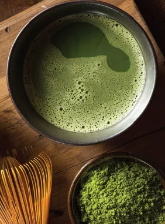 For thousands of years, green tea has been used in traditional Chinese and Indian medicine as a stimulant, a diuretic (to promote urine excretion), and an astringent (to control bleeding and help heal wounds), as well as to improve heart health. Other less widely reported traditional uses of green tea include regulating blood pressure, aiding digestion, and improving mental acuity.3
Today, hundreds of millions of people around the world drink tea. Of the many varieties to choose fromincluding black, green, red, and white teasa preponderance of evidence suggests that the healthiest choice may be green tea, due to its high concentration of powerful antioxidants.
Beneficial polyphenols make up roughly 30-40% of green tea, as opposed to only 3-10% of black tea. Polyphenols in tea are classified as catechins. Of the six catechins in green tea, the most active is epigallocatechin-3-gallate, or EGCG.4
Green tea catechins scavenge oxygen free radicals, restoring cells to health and reducing inflammation. Because inflammation underlies so many age-related afflictions, green tea may have myriad applications in preventing disease.5,6 Findings from animal studies suggest that green tea polyphenols promote the repair of damaged DNA. Since such damage can lead to cancer, protective agents like green tea may play an important role in preventing cancer.7
Green Tea Promotes Fat Burning, Supports Healthy Body Weight
 An animal study provides important clues to green tea's effects on body weight. Scientists fed mice a high-fat diet in order to induce obesity, and then supplemented the mice with EGCG and monitored biochemical and metabolic changes in the animals. EGCG helped reduce the accumulation of additional body fat, even though food intake remained unchanged. Furthermore, the EGCG-supplemented mice displayed metabolic changes suggestive of increased fat burning. Dietary EGCG consumption thus reduced the gain of fat mass. This may have resulted from increased fat burning, reduced digestibility of dietary fats, or a combination of factors.12
Green Tea Boosts Exercise Capacity
Another animal study suggests that green tea may enhance exercise endurance and fat-burning ability. Scientists noted that when mice were supplemented with green tea extract, their exercise capacity increased substantially. In fact, compared to a control group of animals, mice supplemented with green tea ran 30% longer before becoming exhausted. Additionally, the supplemented mice displayed markers of increased fat oxidation. These findings suggest that green tea improved exercise endurance by increasing the utilization of fatty acids as an energy source during exercise.13
Human Studies Confirm Green Tea's Effects
 Additional human studies support green tea's ability to boost metabolism and support healthy weight management.
A study published in the American Journal of Clinical Nutrition found that green tea extract significantly increased energy expenditure (a measure of metabolism) in adults, while also boosting fat burning. When men supplemented with 90 mg of EGCG and 50 mg of caffeine three times daily, their 24-hour energy expenditure increased by 4%. The supplemented men thus burned 79 more calories a day than men who did not supplement. The increase in energy expenditure came from burning fat, as opposed to a breakdown of protein (muscle) mass. These important findings suggest that green tea extract can be an important tool in maintaining healthy body weight and composition.14
Another study lends support to green tea's role in healthy weight control in humans. In this trial, moderately obese adults supplemented with a green tea extract. After three months, they demonstrated a 4.6% decrease in body weight and a 4.5% decrease in waist circumference. This important study demonstrates that green tea effectively supports healthy body mass and protects against dangerous excess weight around the abdomen, which is a potent risk factor for metabolic syndrome.15
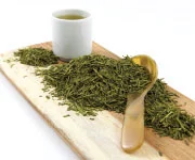 Throughout history, green tea has been valued as a therapeutic beverage. Modern research confirms green tea's powerful antioxidant, anti-inflammatory, and DNA-protective effects.
- One of green tea's most promising applications is supporting weight control and promoting healthy body mass and composition. Green tea works via several mechanisms that include boosting thermogenesis (heat production), inhibiting fat digestion and absorption, promoting fat burning, and boosting exercise capacity.
- Human studies confirm that green tea extracts boost metabolic rate and promote optimal weight management.
- Green tea may help to prevent and treat numerous types of cancer in adults, including cancers of the breast, colon, skin, and blood. Green tea may also help diminish cardiovascular disease risk, protect against complications of diabetes, and help avert autoimmune diseases.
- The FDA has approved a green tea derivative as a topical prescription drug to treat genital warts.
Green Tea's Applications for Disease Prevention
Promoting fat burning and healthy body weight is just one of green tea's many health-boosting benefits. Green tea has shown efficacy against several forms of cancer and a variety of other life-threatening health disorders.
Cancer
Green tea may offer tremendous potential in cancer prevention and treatment, according to epidemiological, laboratory, animal, and clinical studies conducted in the past 10 years.16 In fact, a recent study led by the US Department of Agriculture reports that green and black teas have potent anti-cancer effects against a wide range of human cancer cells.17 Green tea's polyphenolsmost notably EGCGare thought to be responsible for these effects.16
EGCG has been shown to block each stage of carcinogenesis by modulating signaling pathways involved in cell proliferation, transformation, inflammation, suicide (apoptosis), metastasis, and invasion.18 These findings may hold important applications for a wide range of cancers.
Breast Cancer
 Researchers are especially excited about recent population studies investigating a possible link between tea consumption and protection against breast cancer. A study in Los Angeles County examined the effects of tea consumption on breast cancer risk in Asian-American women of Chinese, Japanese, or Filipino descent. Green tea drinkers enjoyed a significantly reduced risk of breast cancer compared to those who did not drink green tea. Green tea's protective effect was dose dependent, with larger quantities conferring greater breast cancer protection. By contrast, consumption of black tea did not protect the women against breast cancer.19
A 2006 meta-analysis published in the journal Carcinogenesis looked at 13 separate epidemiological studies examining the effects of green tea and black tea on breast cancer risk. The findings indicated that green tea consumption was associated with a lower risk for breast cancer, while black tea's effect on breast cancer risk was inconclusive.20
Green tea may also offer support for those already affected by breast cancer. A Canadian research review and meta-analysis suggested that green tea consumption may help protect against the recurrence of early-stage (Stage I and II) breast cancers.21.
Colon Cancer
Preliminary findings suggest that green tea helps to avert colon cancer, one of the leading causes of cancer death in men and women. Epidemiological and laboratory studies suggest that EGCG acts as a potent cancer-preventive agent that suppresses the formation of colorectal cancers and fights colon cancer growth. Scientists believe that green tea may counter colorectal cancer by stimulating cancerous cells to undergo apoptosis.22
Skin Cancer
 Ultraviolet light is a known carcinogen, as repeated exposure can lead to skin cancers. Green tea may protect the skin from the effects of ultraviolet (UV) radiation, with potential applications in preventing skin disorders, including melanoma and other skin cancers.
Animal studies show that green tea, consumed orally or applied topically, may protect the skin by preventing inflammation and immune suppression induced by UV light. Treating human skin with EGCG has been shown to inhibit UVB-induced erythema (redness), oxidative stress, inflammation, and biochemical reactions associated with skin cancer induction. Green tea polyphenols may thus help to prevent skin disorders associated with exposure to UVB light, including photoaging, melanoma, and non-melanoma skin cancers.23
Leukemia
Early research indicates that EGCG may help to fight chronic lymphocytic leukemia, a form of leukemia (cancer of the blood) that affects adults. Mayo Clinic investigators discovered that EGCG helps destroy leukemia cells in culture by interrupting communication between cancerous cells. EGCG prompted leukemia cells to die in 8 of 10 leukemia cell samples tested in a laboratory.24
Heart Disease
 Previous studies have suggested that high doses of green tea lower blood cholesterol and slow the progression of atherosclerosis in animal models.25,26 In a study funded by the National Center for Complementary and Alternative Medicine (a division of the National Institutes of Health), scientists are now examining the cholesterol-lowering action of green tea extracts in postmenopausal females.
In the years before menopause, women enjoy a lower risk of coronary heart disease relative to men of the same age. After menopause, however, a woman's risk for heart disease risk rises substantially.
Using an animal model, scientists are investigating whether green tea may help prevent postmenopausal increases in blood cholesterol.27 Their findings may hold tremendous potential for helping women lower their elevated coronary heart disease risk following menopause.
Eye Health and Diabetes
 Diabetes sufferers are at heightened risk for numerous health disorders, including vision-impairing cataracts. Green tea polyphenols may help diminish the elevated risk of cataracts associated with diabetes.
In a study published in 2005, researchers administered green and black teas to diabetic rats for three months. Both kinds of tea inhibited diabetes-induced cataracts, perhaps by modulating elevated glucose levels in the eye lenses. The researchers concluded that green and black teas represent potentially inexpensive, non-toxic agents for preventing or slowing the complications of diabetes in humans.28
Arthritis
Rheumatoid arthritis is an autoimmune condition that can cause fever, joint pain, and impaired mobility. Scientists at the University of Maryland are investigating whether green tea polyphenols, and specifically EGCG, may help alleviate or even eliminate rheumatoid arthritis symptoms.
In the laboratory, investigators gave water infused with green tea extract to rats for two weeks, and then induced an experimental form of rheumatoid arthritis. Compared to control rats given regular water, rats fed green tea extract were substantially protected from rheumatoid arthritis symptoms.
Based on these initial findings, the researchers believe that green tea may be a useful addition to conventional anti-arthritis treatments. The National Institutes of Health is funding a larger trial to further explore this possibility.29
FDA Approves First Drug Derived from Green Tea
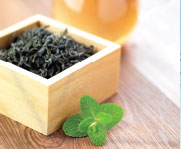 The Food and Drug Administration recently approved a special extract of green tea as a prescription drug for the topical treatment of genital and perianal warts caused by the human papilloma virus (HPV).
The drug, Veregen (kunecatechins) Ointment 15%, a water-based extract of green tea, is the first prescription botanical drug approved under the FDA's 1962 amendments that require all drugs be proven safe and effective prior to marketing in the United States. The drug's active ingredient, kunecatechins, is a proprietary mixture of phytochemicalsincluding catechins and other constituentsproduced from a partially purified water extract of green tea leaves. Catechins constitute 85-95% (by weight) of the total drug substance, with EGCG accounting for 55% of the drug's catechin content.29,33
The safety and efficacy of Veregen were analyzed in two prospective, randomized, double-blind clinical studies. Nearly 400 adults with external genital or anal warts applied the ointment three times daily for 16 weeks, while a group of control subjects applied an inactive placebo. During the four-month study, 54% of those using Veregen experienced complete clearance of their condition, compared to only 35% of those using placebo.29,33
While the drug's mechanism of action has not yet been fully elucidated, scientists believe its potent antioxidant properties may be responsible for some of its effects.
Autoimmune Diseases
 Green tea's antioxidant and anti-inflammatory effects have led scientists to propose that it may have a role in fighting autoimmune diseasessuch as type I diabetes, rheumatoid arthritis, lupus, and Sjogren's syndromein which the body's immune system attacks its own cells and tissues.
In Sjogren's syndrome, the immune system attacks the moisture-secreting glands of the mouth and eyes, leading to the disease's most prevalent symptoms of dry mouth (xerostomia) and dry eyes (xeropthalmia). Sjogren's can occur in isolation or accompany other autoimmune diseases, in which case it is known as secondary Sjogren's.
Elderly Americans are more susceptible to secondary Sjogren's than are elderly adults in China and Japan, the top two tea-consuming nations. This has led researchers to postulate that green tea may help protect Asian populations against secondary Sjogren's syndrome.30
In the laboratory, green tea catechins stimulated changes in human cells that make them less susceptible to autoimmune attack by the immune system. Additionally, green tea dramatically decreased inflammation in healthy tissues, another change indicative of decreased autoimmune activity.31 These exciting findings suggest that green tea polyphenols may help reduce the incidence and severity of autoimmune diseases.
Dosage
Green tea has demonstrated health-promoting benefits in dosages ranging from 2 to 10 cups of tea daily.32 Green tea supplements are typically standardized for their content of polyphenols, primarily EGCG. Optimal doses are approximately 1400-2800 mg a day of a green tea extract with a minimum 95% polyphenol content, taken with meals.
Conclusion
The health-promoting properties of green tea have been revered for centuries throughout Asia. In the West, a flood of recent research continues to elucidate the remarkable biochemical properties of green tea. Strong scientific evidence suggests that green tea confers critical cardiovascular benefits, may protect against a variety of deadly cancers, reduces the risk of diabetic complications, and may mitigate the effects of various autoimmune disorders.
If these broad-spectrum benefits were not reason enough for health-conscious adults to consider adding green tea to their daily supplement regimen, emerging research that confirms green tea's effects in facilitating fat burning, weight management, and optimal body composition surely is. With a majority of Americans now struggling to maintain a healthy body weight, low-cost nutrients like green tea could play an important role in helping to avert an epidemic of obesity and its related health problems.
Material used with permission of Life Extension. All rights reserved.
1. Westerterp-Plantenga M, Diepvens K, Joosen AM, Berube-Parent S, Tremblay A. Metabolic effects of spices, teas, and caffeine. Physiol Behav. 2006 Aug 30;89(1):85-91.
2. Wolfram S, Wang Y, Thielecke F. Anti-obesity effects of green tea: from bedside to bench. Mol Nutr Food Res. 2006 Feb;50(2):176-87.
3. Hodgson JM, Puddey IB, Burke V, Beilin LJ, Jordan N. Effects on blood pressure of drinking green and black tea. J Hypertens. 1999 Apr;17(4):457-63.
4. Available at: http://www.cancer.gov/prevention/agents/Tea_Polyphenols.html. Accessed January 2, 2007.
5. Rahman I, Biswas SK, Kirkham PA. Regulation of inflammation and redox signaling by dietary polyphenols. Biochem Pharmacol. 2006 Nov 30;72(11):1439-52.
6. Curin Y, Andriantsitohaina R. Polyphenols as potential therapeutical agents against cardiovascular diseases. Pharmacol Rep. 2005;57 Suppl:97-107.
7. Meeran SM, Mantena SK, Elmets CA, Katiyar SK. (-)-Epigallocatechin-3-gallate prevents photocarcinogenesis in mice through interleukin-12-dependent DNA repair. Cancer Res. 2006 May 15;66(10):5512-20.
8. Dulloo AG, Seydoux J, Girardier L, Chantre P, Vandermander J. Green tea and thermogenesis: interactions between catechin-polyphenols, caffeine and sympathetic activity. Int J Obes Relat Metab Disord. 2000 Feb;24(2):252-8.
9. Shixian Q, Vancrey B, Shi J, Kakuda Y, Jiang Y. Green tea extract thermogenesis-induced weight loss by epigallocatechin gallate inhibition of catechol-o-methyltransferase. J Med Food. 2006;9(4):451-8.
10. Juhel C, Armand M, Pafumi Y, et al. Green tea extract (AR25) inhibits lipolysis of triglycerides in gastric and duodenal medium in vitro. J Nutr Biochem. 2000 Jan;11(1):45-51.
11. Hsu TF, Kusumoto A, Abe K, et al. Polyphenol-enriched oolong tea increases fecal lipid excretion. Eur J Clin Nutr. 2006 Nov;60(11):1330-6.
12. Klaus S, Pultz S, Thone-Reineke C, Wolfram S. Epigallocatechin gallate attenuates diet-induced obesity in mice by decreasing energy absorption and increasing fat oxidation. Int J Obes (Lond). 2005 Jun;29(6):615-23.
13. Murase T, Haramizu S, Shimotoyodome A, Tokimitsu I, Hase T. Green tea extract improves running endurance in mice by stimulating lipid utilization during exercise. Am J Physiol Regul Integr Comp Physiol. 2006 Jun;290(6):R1550-6.
14. Dulloo AG, Duret C, Rohrer D, et al. Efficacy of a green tea extract rich in catechin polyphenols and caffeine in increasing 24-h energy expenditure and fat oxidation in humans. Am J Clin Nutr. 1999 Dec;70(6):1040-5.
15. Chantre P, Lairon D. Recent findings of green tea extract AR25 (Exolise) and its activity for the treatment of obesity. Phytomedicine. 2002 Jan;9(1):3-8.
16. Chen D, Daniel KG, Kuhn DJ, et al. Green tea and tea polyphenols in cancer prevention. Front Biosci. 2004 Sep 1;9:2618-31.
17. Friedman M, Mackey BE, Kim HJ, et al. Structure-activity relationships of tea compounds against human cancer cells. J Agric Food Chem. 2007 Jan 24;55(2):243-53.
18. Na HK, Surh YJ. Intracellular signaling network as a prime chemopreventive target of (-)-epigallocatechin gallate. Mol Nutr Food Res. 2006 Feb;50(2):152-9.
19. Wu AH, Yu MC, Tseng CC, Hankin J, Pike MC. Green tea and risk of breast cancer in Asian Americans. Int J Cancer. 2003 Sep 10;106(4):574-9.
20. Sun CL, Yuan JM, Koh WP, Yu MC. Green tea, black tea and breast cancer risk: a meta-analysis of epidemiological studies. Carcinogenesis. 2006 Jul;27(7):1310-5.
21. Seely D, Mills EJ, Wu P, Verma S, Guyatt GH. The effects of green tea consumption on incidence of breast cancer and recurrence of breast cancer: a systematic review and meta-analysis. Integr Cancer Ther. 2005 Jun;4(2):144-55.
22. Kumar N, Shibata D, Helm J, Coppola D, Malafa M. Green tea polyphenols in the prevention of colon cancer. Front Biosci. 2007;12:2309-15.
23. Katiyar SK. Skin photoprotection by green tea: antioxidant and immunomodulatory effects. Curr Drug Targets Immune Endocr Metabol Disord. 2003 Sep;3(3):234-42.
24. Lee YK, Bone ND, Strege AK, et al. VEGF receptor phosphorylation status and apoptosis is modulated by a green tea component, epigallocatechin-3-gallate (EGCG), in B-cell chronic lymphocytic leukemia. Blood. 2004 Aug 1;104(3):788-94.
25. Lin JK, Lin-Shiau SY. Mechanisms of hypolipidemic and anti-obesity effects of tea and tea polyphenols. Mol Nutr Food Res. 2006 Feb;50(2):211-7.
26. Riemersma RA, Rice-Evans CA, Tyrrell RM, Clifford MN, Lean ME. Tea flavonoids and cardiovascular health. QJM. 2001 May;94(5):277-82.
27. Available at: http://nccam.nih.gov/research/extramural/awards/2005/. Accessed January 16, 2007.
28. Vinson JA, Zhang J. Black and green teas equally inhibit diabetic cataracts in a streptozotocin-induced rat model of diabetes. J Agric Food Chem. 2005 May 4;53(9):3710-3.
29. Available at: www.centerwatch.com/patient/drugs/dru938.html. Accessed January 16, 2007.
30. Hsu S, Dickinson D. A new approach to managing oral manifestations of Sjogren’s syndrome and skin manifestations of lupus. J Biochem Mol Biol. 2006 May 31;39(3):229-39.
31. Hsu S, Dickinson DP, Qin H, et al. Inhibition of autoantigen expression by (-)-epigallocatechin-3-gallate (the major constituent of green tea) in normal human cells. J Pharmacol Exp Ther. 2005 Nov;315(2):805-11.
32. Available at: http://www.pdrhealth.com/drug_info/nmdrugprofiles/nutsupdrugs/gre_0319.shtml. Accessed January 24, 2007.
33. Available at: http://www.fda.gov/cder/foi/label/2006/021902lbl.pdf. Accessed January 4, 2007.
Related product
-

Mega Green Tea Extract (decaffeinated)
Price: 28,92 €One capsule provides more polyphenols than seven cups of green tea...
Related posts
-
 Rebuild Aging Joints!
In this article, you will learn about UC-II®, or undenatured type II collagen, a novel intervention for both...
Rebuild Aging Joints!
In this article, you will learn about UC-II®, or undenatured type II collagen, a novel intervention for both... -
Is Conventional Pomegranate Extract Enough?
An abundance of clinical data has established pomegranate as a broad-spectrum, multi-modal defense against the...
-
Next-Generation Nutrients for Rapid Relief of Joint Pain
In recent years, adults seeking relief from the crippling pain of arthritis have had to choose between expensive,...
-
Feed Your Brain!
Millions of people around the world are adhering to low-fat, low-cholesterol diets in an effort to reduce the impact...
-
Lipoic Acid Reverses Mitochondrial Decay
It is estimated that 85% of the oxygen contained in every breath you take is consumed by the mitochondria within each...