
 English
 Polski
 Deutsch
 Français
 ελληνικά
 Español
 Italiano
The Lancet Reports Extremely Positive Data on Green Tea
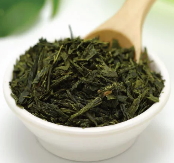 As medical researchers continue to uncover the health benefits of green tea, one might think that these discoveries are of recent origin. In fact, the Western world’s growing interest in green tea’s disease-preventive effects tends to overshadow what Asian cultures have known for thousands of years: that green tea is one of nature’s most potent agents in protecting the body against a host of illnesses, thus offering real hope to those seeking to live longer, disease-free lives.
Asian populations that regularly consume green tea have lower overall rates of cancer.1,2 In 1994, researchers from the Shanghai Cancer Institute compared green tea drinkers to non-drinkers in a large population study in China. They found that in non-smokers, drinking green tea was associated with fewer cancers of the esophagus.3
Since that time, scientists have been trying to ascertain exactly why green tea drinkers are less likely to develop cancer and how green tea works in the human body. What is known is that research conducted in the last few years suggests that green tea may be effective in helping to prevent a wide variety of cancers in humans, including cancers of the bladder, colon, esophagus, pancreas, rectum, and stomach.4
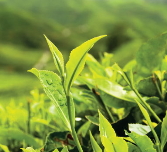 The active ingredients in green tea thought to be principally responsible for chemoprevention are poly-phenols, the natural antioxidant compounds found in plants. Tea contains four main polyphenols called catechins, which are water-soluble compounds that make up a subgroup of flavonoids, also commonly found in fruits and vegetables, coffee, chocolate, and wine. Catechins are powerful antioxidants that can be easily oxidized in the body; their antioxidant potential has been found to be significantly higher than that of grape juice and red wine.
The catechins present in green tea include epigallocatechin-3 gallate (EGCG), epigallocatechin (EGC), and epicatechin-3 gallate (ECG).5 Of these, EGCG demonstrates the most potent anti-cancer activity. Clinical tests have shown that its antioxidant activity destroys free radicals and reactive oxygen species that can damage DNA, cell membranes, and other cell components, and thus make the body more susceptible to cancer and other degenerative diseases.
Scientists now believe they may have identified the mechanism responsible for EGCG’s anticarcinogenic benefits. Green tea was long believed to target proteins implicated in the formation and proliferation of cancer cells. A 2003 study suggests a strong link between the anti-cancer activities of tea polyphenols and their inhibition of a crucial pathway necessary for the development of many common human malignancies.6
Green Tea - Anti-Cancer Effects Confirmed
 Studies released in 2004 support these findings with even greater evidence of green tea’s value in the fight against cancer. One study investigated the effects of treatment with different concentrations of green tea on induced lung tumors in female mice.7 A treatment with 0.6% green tea preparation significantly reduced lung tumor multiplicity and also inhibited angiogenesis, the development of new blood vessels required by tumors in order to grow.
A second study, the Prostate Cancer Prevention Trial, investigated green tea’s positive effects against the most commonly diagnosed visceral cancer in US men, with more than 230,000 newly diagnosed cases in 2004 alone. The trial cited considerable data supporting the use of green tea and other substances as “promising agents” in the prevention of prostate cancer.8 Green tea is among the agents being tested in new, large-scale, phase III chemopreventive clinical trials.
A study published in March 2004 explored the use of dietary components that are capable of inhibiting human cancer cell growth without affecting normal cell growth—specifically, EGCG’s effects on breast cancer cells. EGCG was found to inhibit the actions of telomerase, an enzyme that prolongs the life span of cancer cells by maintaining the end portions of the tumor cell chromosomes. Treatment with EGCG also increased the percentage of apoptotic cells. This prompted the study authors to conclude that EGCG leads to “suppression of [cancer] cell viability and induction of apoptosis, thus providing the molecular basis for the development of EGCG as a novel chemopreventive and pharmacologically safe agent against breast cancer.”12
 Further studies have found that drinking green tea suppresses the proliferation of human T-cell lymphotropic virus type 1, which is associated with the causes of adult T-cell leukemia.13 Of greater interest to leukemia sufferers, Mayo Clinic researchers have discovered that EGCG in green tea helps kill the cells of the most common chronic leukemia in the US. The research, using laboratory cell cultures, showed that EGCG interrupts the communication signals leukemia cells need to survive.14 The leukemia cells studied were taken from patients with B-cell chronic lymphocytic leukemia, most often diagnosed in patients in their sixties. This form of leukemia has no cure, though chemotherapy is administered in the most severe cases. The Mayo Clinic study showed that EGCG from green tea prompted leukemia cells to die in eight of ten patient samples tested in the laboratory.14
Green tea offers further good news for skin cancer sufferers. EGCG has been shown to control the metastasis, or uncontrolled spread, of melanoma (skin cancer) cells to the lung.15 This discovery is especially important, as it is the metastasis of tumors—not the primary tumor itself—that eventually causes death.
The evidence supporting green tea’s role in cancer prevention is so overwhelming that the Chemo-prevention Branch of the National Cancer Institute has initiated a plan for developing tea compounds as chemopreventive agents in further human trials.16
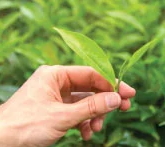 Camellia sinensis is the Asian shrub that is the source of both green and black teas. Such is the popularity of both beverages that each year about 2.5 million tons of tea are manufactured from the dried leaves and leaf buds of the plant.9 Not surprisingly, tea is the world’s second-most consumed beverage, behind only water. The main difference between the two colors of tea derives from their respective methods of production: black tea, the preferred drink in Europe and America, is dried and fermented, while green tea is made by steaming the tea leaves and then drying them.10
Steaming prevents oxidation by deactivating the tea’s natural enzymes, giving green tea a different chemical property than its darker cousin, one that is much closer to that of the fresh, natural tea leaf.11 This difference accounts at least in part for green tea’s reputation in Asia for greater effectiveness when it comes to fighting common ailments.
Green Tea - Proven Cardioprotective Benefits
 People in China and Japan have always had lower incidences of heart disease than their Western counterparts. Most scientists now accept that green tea is at least in part responsible for this discrepancy. Results from human studies over the past few decades show that green tea consumption is correlated with lower levels of cholesterol, thus modulating one risk factor for cardiovascular disease.17 A study of heart disease risk in men showed that a higher dietary intake of flavonoids, primarily from tea, was associated with decreased mortality from coronary heart disease. Higher flavonoid intake was also correlated with a decreased incidence of myocardial infarction, or heart attack.18
More recent studies have taken these results a step further. An animal study demonstrated that green tea catechins reduce atherosclerosis through antioxidant effects and by lowering blood lipid levels. This study examined how varying doses of green tea affected atherosclerosis. A lower dose decreased atherosclerosis by 26-46%, while a higher dose was even more effective, decreasing it by 48-63%. Green tea also helped improve levels of dangerous low-density lipoprotein (LDL) as well as the ratio of LDL to HDL (high-density lipoprotein). Supplementation with green tea was found to be equally effective at human-equivalent doses.19
A study in Chiba, Japan examined the effects of green tea consumption on coronary artery disease by following 203 patients who had undergone coronary angiography. Green tea consumption was found to be significantly higher in patients without coronary artery disease than in those who had the disease. The researchers concluded that green tea consumption was in fact associated with a lower incidence of heart disease in their study population.20 The more green tea patients consumed, the researchers concluded, the less likely they were to have coronary artery disease.
A team at the Cedars-Sinai Medical Center’s Atherosclerosis Research Center recently examined the effects of green tea on atherosclerosis, using mice with high blood cholesterol levels. The researchers examined the effects of a purified form of EGCG on both new and established plaque in the mice. While new plaque formation was significantly reduced, EGCG had no effect on pre-existing plaques in the aorta.21 According to study author Kuang-Yuh Chyu, MD, the results suggest that antioxidant therapy could have therapeutic benefits if initiated during a critical window early in the formation of plaque.
Oxidative stress has been report-ed to be involved not only in cardiovascular disease, but also in hypertension. Epidemiological studies indicate that consuming green tea can reduce blood pressure. In two studies, Japanese scientists sought to determine whether green tea could lower blood pressure in stroke-prone hypertensive rats.22 The studies found that during the daytime, systolic and diastolic blood pressure were significantly lower in the animals that were fed green tea catechin supplements mixed with water. The data demonstrated that green tea polyphenols moderated blood pressure increases through their antioxidant properties. Moreover, because the amounts used in the experiment correspond to those in approximately one liter of tea, regular consumption of green tea may also provide some protection against hypertension in humans.22
Green Tea - Protecting Aging Brains
 Researchers believe that green tea may slow the effects of normal aging and its associated brain regression. A 2004 study investigated the effect of long-term green tea catechin intake on aging and oxidative damage, using aged mice with cerebral atrophy and cognitive dysfunction. Catechin intake was shown to effectively suppress further atrophy and cognitive dysfunction,23 strongly suggesting that green tea can at least partially improve the negative functional alterations that occur naturally in aging brains.
Another recent clinical trial found that green tea also offers protection against brain-deteriorative functions typically associated with stroke. As noted earlier, green tea catechins have potent antioxidant properties, protecting the body from atherosclerosis, a trigger of stroke. In this recent trial, catechins were further shown to reduce both the area and volume of damage to the brain following a stroke.24 According to the research-ers, daily intake of green tea catechins adds a measurable level of protection to the brain, helping shield it from “irreversible damage due to cerebral ischemia [stroke] and consequent neurological deficits.”24
The neurodegeneration that occurs in Parkinson’s disease, Alzheimer’s disease, and other neurodegenerative disorders is believed to involve a complex set of toxic reactions, including inflammation, neurotoxicity, increases in iron and nitric oxide, and depletion of antioxidants. These factors, among others, all lead to the breakdown and eventual failure of neurons. This has led to the current  notion that drugs directed against a single target may be ineffective, while a drug or drug combination that attacks the condition in a variety of ways may be efficacious in treating neurodegenerative disorders.25
Green tea catechin polyphenols, known to be effective scavengers of free radicals, are believed to play a role in various cellular mechanisms related to neuroprotective activity. Researchers increasingly suspect catechins may be deeply involved in the activation of survival genes and in cell signaling pathways, as well as in the regulation of healthy cellular metabolism. As a result, catechins are receiving significant attention as therapeutic agents for the treatment of neurodegenerative diseases involving brain regression.25
Green Tea - Healthy Blood Sugar Levels
Green tea may help to normalize and maintain healthy blood sugar levels. Epidemiological data suggest that green tea consumption prevents type II diabetes.26 In healthy human volunteers, green tea promoted healthy glucose metabolism, as determined by oral glucose tolerance tests.26 Green tea also lowered blood glucose levels in diabetic mice without affecting serum insulin levels.26 Green tea therefore appears to have anti-hyperglycemic effects. Green tea may be a helpful agent in preventing type II diabetes and in promoting healthy glucose metabolism.
 The naturally occurring polyphenols in a cup of green tea have been shown to provide protection against a variety of potentially deadly cancers. New studies also show that topical application of green tea supplements can provide similarly powerful anti-cancer defenses. In particular, green tea can safeguard the skin against the damage caused by harmful ultraviolet rays, a cause of skin cancer, photoaging, and inflammation.
A study published in the journal Nutrition and Cancer examined the effects of topical application of the green tea polyphenol epigallocatechin-3 gallate (EGCG) in preventing skin tumors in mice exposed to ultraviolet radiation. Mice were treated with varying amounts of EGCG before ultraviolet treatments and throughout the experiment. The researchers found that topical administration of purified EGCG significantly reduced the induction of skin tumors by ultraviolet radiation.29 Oral administration of EGCG did not reduce skin tumor incidence in this study.29
In another study in mice, topical application of green tea polyphenols was shown to prevent the initiation, promotion, and progression of skin tumors. Green tea extract also caused a partial regression of established skin papillomas in mice. Through offering a chemoprotective effect against all the stages of carcinogenesis, the topical application of green tea appears to offer significant protection to the skin.30
 Human studies also demonstrate the benefits of applying green tea topically. In a study conducted at Case Western Reserve University, topical application of EGCG to human skin produced several beneficial effects. When applied before ultraviolet exposure, EGCG significantly blocked UVB-induced infiltration of leukocytes, a major cause of the generation of reactive oxygen species. The EGCG application also reduced redness in the skin related to UVB exposure. Skin that was pretreated with EGCG demonstrated lower levels of inflammatory prostaglandin metabolites than skin that was not treated. These prostaglandins are known to play a critical role in the generation of free radicals and the promotion of skin tumors. The study researchers concluded that EGCG from green tea extract may be useful as a topical agent for protecting against UVB-induced carcinogenesis, photoaging, and inflammatory skin conditions.31
These findings indicate that green tea offers a wealth of protective benefits, not only as a health-promoting beverage, but also as a topical skin application. Topical application of green tea polyphenols can provide local antioxidant protection, helping to protect against damaging effects of ultraviolet radiation such as skin cancer and photoaging. Abundant use of green tea, both internally and topically, may thus provide protection from topical and visceral cancers, heart disease, and signs of aging.
Green Tea - Relief from Arthritis
 Scientists believe that the antioxidants in green tea may also fight inflammation and help prevent arthritis.
Ongoing research at Case West-ern Reserve University suggests that green tea supplementation can postpone the beginning—and decrease the severity—of at least one type of arthritis.27 In this study, mice that were fed green tea polyphenols were significantly less susceptible to the development of collagen-induced arthritis, which is similar to rheumatoid arthritis in humans. Researchers noted that the arthritic mice that received the polyphenols had later onset of arthritis and developed less severe forms of the disease. The animals receiving green tea also showed a marked decrease in inflammatory mediators, including cylcooxygenase-2 and tumor necrosis factor-alpha.
Another study examined the effects of green tea catechins on human and bovine cartilage in vitro. Green tea catechins were found to inhibit the breakdown of proteoglycan and type II cartilage, which are components of healthy joint tissue. The study authors concluded, “green tea catechins are chondroprotective and consumption of green tea may be prophylactic for arthritis and may benefit the arthritis patient by reducing inflammation and slowing cartilage breakdown.”28
Green tea is an ancient beverage with a bright future of applications in preventing disease and promoting health. A powerful source of antioxidants, green tea may help to prevent cancer, protect the cardiovascular system, promote healthy blood sugar levels, and alleviate the neurological effects of aging. Green tea is thus a safe and effective natural remedy for promoting a long and healthy life.
Material used with permission of Life Extension. All rights reserved.
1. Blot WJ, Chow WH, McLaughlin JK. Tea and cancer: a review of the epidemiological evidence. Eur J Cancer Prev. 1996 Dec;5(6):425-38.
2. Imai K, Suga K, Nakachi K. Cancer-preventive effects of drinking green tea among a Japanese population. Prev Med. 1997 Nov- Dec;26(6):769-75.
3. Gao YT, McLaughlin JK, Blot WJ, Ji BT, Dai Q, Fraumeni JF Jr. Reduced risk of esophageal cancer associated with green tea consumption. J Natl Cancer Inst. 1994 Jun 1;86(11):855-8.
4. Available at: http://www.mdanderson.org/pdf/greenteastudy.pdf. Accessed October 13, 2004.
5. Jankun J, Selman SH, Swiercz R, Skrzypczak-Jankum E. Why drinking green tea could prevent cancer. Nature. 1997 Jun 5;387(6633):561.
6. Leone M, Zhai D, Sareth S, Kitada S, Reed JC, Pellecchia M. Cancer prevention by tea polyphenols is linked to their direct inhibition of antiapoptotic Bcl-2-family proteins. Cancer Res. 2003 Dec 1;63(23):8118-21.
7. Liao J, Yang GY, Park ES, et al. Inhibition of lung carcinogenesis and effects on angiogenesis and apoptosis in A/J mice by oral admin- istration of green tea. Nutr Cancer. 2004;48(1):44-53.
8. Klein EA, Thompson IM. Update on chemoprevention of prostate cancer. Curr Opin Urol. 2004 May;14(3):143-9.
9. Kaegi E. Unconventional therapies for cancer: green tea. CMAJ. 1998 Apr 21;158(8):1033-5.
10. Fetrow CW, Avila JR. Professional’s Hand- book of Complementary and Alternative Medicines. Springhouse, PA: Springhouse Corp., 1999:312-5.
11. University of California at Berkeley. Can green tea help prevent cancer? Wellness Letter. 1997;14(3):1-2.
12. Mittal A, Pate MS, Wylie RC, Tollefsbol TO, Katiyar SK. EGCG down-regulates telomerase in human breast carcinoma MCF-7 cells, leading to suppression of cell viability and induction of apoptosis. Int J Oncol. 2004 Mar;24(3):703-10.
13. Sonoda J, Koriyama C, Yamamoto S, et al. HTLV-1 provirus load in peripheral blood lymphocytes of HTLV-1 carriers is diminished by green tea drinking. Cancer Sci. 2004 Jul;95(7):596-601.
14. Lee Y, Bone ND, Strege AK, Shanafelt TD, Jelinek DF, Kay NE. VEGF receptor phosphorylation status and apoptosis is modulated by a green tea component, epigallocate-chin-3-gallate (EGCG) in B-cell chronic lymphocytic leukemia. Blood. 2004 Aug 1;104(3):788-94.
15. Menon LG, Kuttan R, Kuttan G. Anti-metastatic activity of curcumin and catechin. Cancer Lett. 1999 Jul;141(1-2):159-65.
16. Siddiqui IA, Afaq F, Adhami VM, Ahmad N, Mukhtar H. Antioxidants of the beverage tea in promotion of human health. Antioxid Redox Signal. 2004 Jun;6(3):571-82.
17. Kono S, Shinchi K, Ikeda N, Yanai F, Imanishi K. Green tea consumption and serum lipid profiles: a cross-sectional study in northern Kyushu, Japan. Prev Med. 1992 Jul;21(4):526-531.
18. Hertog M, Feskens EJ, Hollman PC, Katan MB, Kromhout D. Dietary antioxidant flavonoids and risk of coronary heart disease: the Zutphen Elderly Study. Lancet.1993 Oct 23;342(8878):1007-11.
19. Vinson JA, Teufel K, Wu N. Green and black teas inhibit atherosclerosis by lipid, antioxidant, and fibrinolytic mechanisms. J Agric Food Chem. 2004 Jun 2;52(11):3661-5.
20. Sano J, Inami S, Seimiya K, et al. Effects of green tea intake on the development of coronary artery disease. Circ J. 2004 Jul;68(7):665-70.
21. Chyu KY,Babbidge SM, Zhao X, et al. Differential effects of green tea-derived catechin on developing versus established atherosclerosis in apolipoprotein E-null mice. Circulation. 2004 May 25;109(20):2448-53.
22. Negishi H, Xu JW, Ikeda K, Njelekela M, Nara Y, Yamori Y.Black and green tea polyphenols attenuate blood pressure increases in stroke-prone spontaneously hypertensive rats. J Nutr. 2004 Jan;134(1):38-42.
23. Unno K, Takabayashi F, Kishido T, Oku N. Suppressive effect of green tea catechins on morphologic and functional regression of the brain in aged mice with accelerated senescence (SAMP10). Exp Gerontol. 2004 Jul;39(7):1027-34.
24. Suzuki M, Tabuchi M, Ikeda M, Umegaki K, Tomita T. Protective effects of green tea catechins on cerebral ischemic damage. Med Sci Monit. 2004 Jun;10(6):166-74.
25. Mandel S, Youdim MB. Catechin polyphenols: neurodegeneration and neuroprotection in neurodegenerative diseases. Free Radic Biol Med. 2004 Aug 1;37(3):304-17.
26. Tsuneki H, Ishizuka M, Terasawa M, Wu JB, Sasaoka T, Kimura I. Effect of green tea on blood glucose levels and serum proteomic patterns in diabetic (db/db) mice and on glucose metabolism in healthy humans. BMC Pharmacol. 2004 Aug;4(1):18.
27. Haqqi TM, Anthony DD, Gupta S, et al. Prevention of collagen-induced arthritis in mice by a polyphenolic fraction found in green tea. roc Natl Acad Sci USA. 1999 Apr 13;96(8):4524-9.
28. Adcocks C, Collin P, Buttle DJ. Catechins from green tea (Camellia sinensis) inhibit bovine and human cartilage proteoglycan and type II collagen degradation in vitro. J Nutr. 2002 Mar;132(3):341-6.
29. Gensler HL, Timmermann BN, Valcic S, et al. Prevention of photocarcinogenesis by topical administration of pure epigallocatechin gallate isolated from green tea. Nutr Cancer. 1996;26(3):325-35.
30. Mukhtar H, Katiyar SK, Agarwal R. Green tea and skin—anticarcinogenic effects. J Invest Dermatol. 1994 Jan;102(1):3-7.
31. Katiyar SK, Matsui MS, Elmets CA, Mukhtar H. Polyphenolic antioxidant (-)-epigallocatechin-3-gallate from green tea reduces UVB-induced inflammatory responses and infiltration of leukocytes in human skin. Photochem Photobiol. 1999 Feb;69(2):148-53.
Related product
-

Mega Green Tea Extract (decaffeinated)
Price: 28,92 €One capsule provides more polyphenols than seven cups of green tea...
Related posts
-
 Rebuild Aging Joints!
In this article, you will learn about UC-II®, or undenatured type II collagen, a novel intervention for both...
Rebuild Aging Joints!
In this article, you will learn about UC-II®, or undenatured type II collagen, a novel intervention for both... -
Is Conventional Pomegranate Extract Enough?
An abundance of clinical data has established pomegranate as a broad-spectrum, multi-modal defense against the...
-
Next-Generation Nutrients for Rapid Relief of Joint Pain
In recent years, adults seeking relief from the crippling pain of arthritis have had to choose between expensive,...
-
Feed Your Brain!
Millions of people around the world are adhering to low-fat, low-cholesterol diets in an effort to reduce the impact...
-
Lipoic Acid Reverses Mitochondrial Decay
It is estimated that 85% of the oxygen contained in every breath you take is consumed by the mitochondria within each...