
 English
 Polski
 Deutsch
 Français
 ελληνικά
 Español
 Italiano
Estrogen. Enjoy Estrogen’s Multiple Benefits While Guarding Against Potential Risks
 Women who properly replace their estrogen and progesterone usually feel better, sleep better, look better, think better, have stronger bones, firmer muscles, improved endothelial function, and longer life spans.1,2
The downside to all these benefits is concern of increased cancer risk in certain women (colon cancer risk is an exception, which goes down).3,4
Compelling evidence indicates that natural progesterone slashes estrogen-induced cellular proliferation, particularly in the breast and endo-metrium, without the adverse risks associated with synthetic progestins.5,6
Consuming cruciferous vegetables, avoiding well-done meat, ensuring higher vitamin D blood levels, and following other healthy lifestyle choices also reduce breast cancer risk.7-10
Unlike biased propaganda based on economic motives, Life Extension® wants maturing women to understand the facts and decide for themselves if they want to consider using a natural progesterone cream along with a precise individualized dose of natural estrogen to restore their sex hormones to youthful ranges.
Concern about cancer is a reason why more aging women do not restore their hormones to youthful levels.3 Hormones like estrogen and testosterone affect cell growth and proliferation.5,11 Does that mean aging women should simply accept the sex hormone deficiencies they face as a part of “normal” aging?
Based on the data suggesting beneficial effects upon cell growth and maturation, as well as favorable ways to affect estrogen metabolism that point to cancer prevention, restoring hormones to more youthful levels appears to be an important strategy that should not be ignored.1,2,7,9
 As we describe in this article, large human population studies show major reductions in cancer risk and often specific protective mechanisms against hormone-responsive cancers like breast cancer when vitamin D,12-14 cruciferous vegetables7,15-17 (a source of indole-3-carbinol, or I3C), soy,18-20 D-glucarate,21,22 and lignans23,24 are consumed. Dramatic cancer rate reductions also occur when meat, particularly red and processed meat, sweets, and other deleterious foods are reduced or eliminated from the diet.25,26
Although prudence dictates caution in not assuming causation with correlation-based study data, misconceptions, misinterpretations, and associated media hype have created an environment in which aging people suffer the agonies caused by sex hormone imbalances, yet do nothing to correct this because of fear of cancer. When one looks at what the real cancer risk factors are, it would appear that altering one’s lifestyle at any age—including properly restoring natural hormone balance to reflect a more youthful range—would result in significant reductions in malignant disease.
The Underlying Cause of Cancer
As females age, their cell growth-regulatory genes accumulate mutations.27 Aging reduces the ability to rapidly repair this damage.28 When genes that regulate cell division undergo mutation, the result can be uncontrolled cell propagation that can result in tumor formation. Aging women experience a dramatic rise in cancer incidence, even as their estrogen levels plummet.29
In the presence of changes to genes involved in the growth and proliferation of breast tissue cells, estrogen can promote cancer cell propagation.30,31 The good news is that the ingestion of vitamin D, cruciferous vegetables, and other compounds can prevent and help repair gene mutations and thus reduce cancer risk.27,32-35 All women (including those who maintain youthful estrogen levels) should make sure they are ingesting optimal amounts of vitamin D and other compounds that favorably alter gene expression.
Vitamin D confers significant protective effects against breast cancer. Laboratory studies have shown that vitamin D suppresses growth of breast cancer by:
- Blocking signals that stimulate cancer cell growth;
- Enhancing signals that inhibit cancer cell growth, and
- Favorably altering gene regulators of the cell cycle.36-39
Studies have found a strong correlation between blood levels of vitamin D and the risk of breast cancer. A case-control study comparing 1,394 postmenopausal breast cancer patients with 1,365 controls showed that low blood levels of vitamin D were significantly related to breast cancer risk. In fact, women with the highest levels of vitamin D had a nearly 70% reduction in their risk of breast cancer, compared to women with the lowest vitamin D levels.9
Similar research examining the relationship between blood levels of vitamin D and breast cancer risk revealed that women with blood vitamin D levels of approximately 52 ng/mL had a 50% lower risk of breast cancer compared with women who had vitamin D levels below 13 ng/mL.12
In one report, the effects of administering 1,100 IU a day of vitamin D (with calcium) was evaluated in postmenopausal women.40 After only four years, the risk of developing any cancer was 60% lower in the vitamin D (and calcium) group, compared with those who received placebo. The scientists then performed a more detailed analysis of the data. When excluding cancers diagnosed in the first year of the study, which would have included pre-existing cancers present at the time participants began taking vitamin D (with calcium), they found an astounding 77% reduction in cancer incidence in the group receiving vitamin D, compared with placebo.40
Ensuring vitamin D blood levels over 50 ng/mL is a critical step in reducing cancer risk. Life Extension is finding that for many people, around 5,000 IU a day of supplemental vitamin D3 can provide reasonable assurance that these optimal blood levels will be achieved. This dose has been shown to be both effective and safe in human trials.41,42 The heavier a person is, the more supplemental vitamin D they often require. (Note that vitamin D status in the body is measured as serum 25-hydroxyvitamin D.)
What You Need to Know: Methods to Reduce Breast Cancer Risk
- An enlightened cancer-prevention strategy is to utilize nutritional strategies that have been shown to favorably affect gene expression. One of the simplest ways to protect against cancer is to optimize intake of vitamin D.

- Minimizing red meat, high-fat dairy, and sweets and consuming more vegetables, fish, and soy products can help reduce the risk of breast and other cancers.
- Cruciferous vegetable compounds such as indole-3-carbinol (I3C) can help prevent breast, prostate, and other cancers by favorably altering estrogen metabolism. A simple urine test can confirm that you are consuming the correct amount to ensure optimal cancer protection.
- Consuming soy isoflavones is associated with a decreased risk of breast cancer.
- A compound derived from fruits and vegetables called D-glucarate helps promote the healthy detoxification of estrogen and carcinogens, reducing cancer risk.
- Dietary lignans offer outstanding protection against breast, endometrial, and prostate malignancies.
- Consuming the right foods and supplements could reduce the risk of up to 90% of all cancers.
- Consumption of green tea is associated with a decreased risk of breast cancer.
Cruciferous Vegetables Protect Against Tumor-Proliferating Estrogen Metabolites
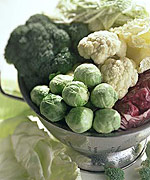
Scientists have identified compounds in cruciferous vegetables (broccoli, cauliflower, Brussels sprouts, cabbage, kale) that specifically inhibit the formation of dangerous breakdown products of estrogen that promote cancer growth.7,43,44 Cruciferous vegetable compounds also help activate vital enzyme pathways responsible for neutralizing the many carcinogens we are inevitably exposed to each day.7,45-47
One of the best-studied cruciferous vegetable compounds is called indole-3-carbinol (I3C). Women seeking to restore youthful hormone balance should make sure to obtain enough I3C from their diet or by taking standardized supplements. The reason for this is that I3C increases levels of a less potent estrogen metabolite (2-hydroxyestrone) with lower affinity for the estrogen receptor, while reducing levels of an estrogen metabolite that is more potent and binds with greater affinity to the estrogen receptor (16-alpha-hydroxyestrone).43 Higher levels of 16-alpha-hydroxyestrone and lower levels of 2-hydroxyestrone are associated with greater risk of breast and other estrogen-responsive cancers.48,4
 To emphasize the critical importance of indole-3-carbinol (I3C), please understand that aging women still produce estrogen. All the estrogen in women’s bodies (both endogenously produced and supplemental) can follow one of two primary metabolic pathways in the body.48 If estrogen is converted to 16-alpha-hydroxyestrone, then the risk of breast and other cancers is increased. If, on the other hand, the estrogen is converted to 2-hydroxyestrone, then the risk for cancer such as that of the breast and cervix is decreased.50,51
I3C can readily be obtained by eating lots of cruciferous vegetables and/or taking I3C in dietary supplement form.
To confirm the theory that certain estrogen metabolites can contribute to cancer, researchers analyzed data gathered from over 10,000 Italian women over more than five years. The objective was to determine how dietary and hormonal factors influence breast cancer risk. They found that among premenopausal women, a higher ratio of 2-hydroxyestrone to 16-hydroxyestrone was associated with protection against breast cancer.50 This same finding has been shown in additional studies of different populations.52,53
The potent estrogen metabolite 16-alpha-hydroxyestrone acts as a breast tumor promoter.54 By contrast, estrogen metabolized via the 2-hydroxyestrone pathway is associated with reduced estrogenic activity in breast tissue.54 Additionally, a conjugated form of this less active estrogen metabolite may help prevent the formation of blood vessels necessary to feed growing cancers, thus helping to arrest tumor growth.55
Cruciferous vegetable compounds (such as I3C) are effective in shifting estrogen metabolism to the more beneficial pathway, thus reducing levels of 16-alpha-hydroxyestrone and increasing levels of 2-hydroxyestrone.43,54
This beneficial modulation of estrogen is associated with reduced risk of breast and other cancers, including cervical and head and neck cancers.50,51,56 Cruciferous vegetable compounds thus play an important role in fighting cancer. To illustrate, research conducted at the University of California at Berkeley documented that I3C in combination with the anti-estrogenic chemotherapeutic agent tamoxifen inhibited the growth of human breast cancer cells by an astounding 95%.56
Interestingly, an assay study performed at the National Cancer Institute determined that I3C was superior to over 80 other natural substances with regard to anti-cancer potential.57
Soy May Reduce Breast Cancer Risk
The controversy over whether people can reduce their risk of cancer by increasing their consumption of soy foods or soy supplements has been hotly debated for many years. In response to the debate, a number of studies were initiated in the 1990s to ascertain soy’s effects on human health.58
The results of these studies have now been released and while ignored by the mainstream media, the startling findings indicate that breast cancer risk can be nearly cut in half if women consume more soy.26,59,60
One recent study showed that postmenopausal women who ate a Western-style diet, high in meats and sweets, had nearly twice the risk of developing estrogen receptor-positive breast cancer, compared with women who ate a traditional Asian diet high in soy and vegetables.26 This and other studies provide evidence that compounds found in soy have a breast cancer-preventive effect.
Isoflavones derived from soy have shown promise in providing natural protection against multiple types of cancer.61-63 Two of the best known soy isoflavones are genistein and daidzein.
Isoflavones exert a number of positive biological effects on the human body, and many practitioners of integrative medicine (and even a small but growing number in mainstream medicine) now believe that consumption of soy and isoflavones can reduce the risk of many chronic diseases, including cancer, heart disease, and osteoporosis.58-65
Studies conducted in Asia found that breast cancer risk was significantly lower among Asian women who consumed large quantities of isoflavones and other soy products, compared with those who consumed less of these healthful nutrients.66 Because animal studies have shown that a diet high in soy and genistein can protect against breast, colon, and skin cancers, it seemed reasonable to think that soy could also help prevent human cancers and, in particular, breast cancer.67 Yet many mainstream medical practitioners remain skeptical that something as simple as soy could have such a profound effect on human health.
Soy isoflavones are correctly classified as selective estrogen receptor modulators.68 Due to their unique molecular structure, soy isoflavones can act as both estrogen receptor agonists and receptor blockers. In fact, elegant biochemical studies have shown that some isoflavones bind to the cancer-protective estrogen beta receptor six-to eight-fold more readily than native estrogen.68 With this ability, soy isoflavones are thought by many to confer the beneficial effects of estrogen without its potentially dangerous side effects, especially in hormonally sensitive tissues found in both the breast and endometrium.68
Numerous studies show the potential benefits to women of incorporating soy in their diets to help prevent breast cancer. A landmark case control study of women in Singapore, involving 200 case subjects and 420 control subjects, found that younger women with the highest consumption of soy-based products had a markedly decreased risk of developing breast cancer.69 Finally, a very large population-based, prospective study of 21,852 Japanese women aged 40-59 found that women with the highest intake of soy isoflavones reduced their risk of breast cancer by up to 54%, compared with women with the lowest intake of soy isoflavones.66
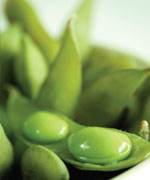 In addition to potentially preventing breast cancer, soy isoflavones are also thought to be effective in warding off other types of cancer that afflict women, including endometrial cancer. A recent case control study reported the effects of soy isoflavones and other phytoestrogens on the risk of developing endometrial cancer.70 The study compared 500 women aged 35-79 who were diagnosed with endometrial cancer between 1996 and 1999 with 470 age- and ethnicity-matched controls.
As in studies examining the effects of isoflavones on breast cancer, this study showed that women with a higher intake of soy isoflavones had a significantly lower risk of developing endometrial cancer. Even more interesting was that the levels of isoflavones needed to provide protection against endometrial cancer were found to be much lower than the amount believed necessary to protect against breast cancer (in fact, they were the amounts that could be obtained from a healthy American- style diet).70
A recent 2012 analysis of about 46,000 non-hysterectomized postmenopausal women who were recruited into the Multiethnic Cohort (MEC) Study and provided detailed baseline information on diet and other endometrial cancer risk factors showed a significantly reduced risk of endometrial cancer associated with total isoflavone intake, daidzein intake, and genistein intake.71
As for long-term safety, a recent 2010 clinical study supports supplementation with soy isoflavones. This international study involving postmenopausal women treated for 3 years with a standardized soy isoflavone extract, examined via endometrial biopsy, transvaginal ultrasonography, and mammography, showed an excellent safety profile, with no significant changes in endometrial thickness and no change in mammography. The global safety was rated as either ‘excellent’ or ‘good’ by 99.1% of investigators and 99.0% of patients after 3 years of treatment.72
As another example of long-term safety, a 2011 multicenter 2-year trial involving over 400 postmenopausal women supplemented with soy isoflavones plus calcium and vitamin D showed no increase in endometrial thickness and a reduced rate of breast cancer and endometrial cancer compared with expected population rates for these cancers.73
Meat Increases Breast Cancer Risk
Studies that look at human populations have consistently shown that what we eat affects our cancer risk.74-76 Women who eat more meat, especially red meat, suffer higher breast cancer rates.26,77 In one of the better documented studies, postmenopausal women in China who ate a Western-style diet (which included beef, pork, and desserts) were 30% more likely to develop breast cancer than those eating a diet based on vegetables and soy. Even more startling was the finding that in postmenopausal women, a Western-style diet was associated with a 90% increased risk of estrogen-receptor positive breast tumors!26
In stark contrast, a study demonstrated a 52% decreased risk of breast cancer in women with the highest intake of vegetables and fruits, compared to the lowest intake.78
However, it’s not known whether meat from “free range” animals (beef, buffalo, wild game, chicken, pigs) also increases breast cancer risk. While even organically raised, grain-fed animals (like commercially raised grain-fed animals) have much more omega-6 (pro-inflammatory) fatty acids than omega-3 (anti-inflammatory) fatty acids, this ratio is reversed in meat from free-range animals, with significantly more omega-3 than omega-6 fatty acids.79 Theoretically, this much more natural ratio should be associated with lower breast (and other) cancer risk, but research still needs to be done on this point.
To fully understand the carcinogenic effects of aging, we have reprinted the chart below showing women’s breast cancer risk by age.29
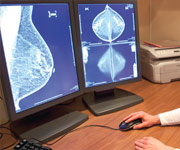 A quick look at this chart clearly documents that aging is a primary cause of breast cancer, not hormones like estrogen. If estrogen caused breast cancer, then we would expect to see very high rates of breast cancer in young women of childbearing age, with a dramatic decrease in breast cancer after menopause. This is not observed. The good news is that many of the gene expression changes involved in the development of breast and other cancers can be favorably altered by taking low-cost nutrients like vitamin D40,105,106 in the dose of 1,000 to 10,000 IU/day, based on individual response.
 Risk of Developing Breast Cancer by Age29
By age 25: 1 in 19,608
By age 30: 1 in 2,525
By age 40: 1 in 217
By age 45: 1 in 93
By age 50: 1 in 50
By age 55: 1 in 33
By age 60: 1 in 24
By age 65: 1 in 17
By age 70: 1 in 14
By age 75: 1 in 11
By age 80: 1 in 10
By age 85: 1 in 9
Why Young Women with High Estrogen Seldom Develop Breast Cancer
During women’s younger years, when breast cancer risk is relatively low compared with advancing age, they enjoy higher levels of sex hormones (estrogen, progesterone, DHEA). As they age and hormone levels decline, breast cancer risk increases. The reason cancer risk increases with “aging” is that the genes in cells that help regulate healthy cell growth can mutate and directly cause cancer. In fact, mutations in cells’ regulatory genes are an underlying cause of cancer.107 It is encouraging to know that there are low-cost nutrients that favorably support healthy gene function and may reduce cancer risk in the process. One study cites evidence that vitamin D can exert its cancer-preventing effect by counteracting the growth-promoting effect of estrogens.37 Vitamin D also exerts its cancer-preventive influence by helping to control cell differentiation and inducing normal programmed cell disposal (apoptosis).37 Strategies to protect against breast and other cancers can easily be incorporated into a woman’s lifestyle. This article describes some of the steps all women (whether or not they choose to take estrogen) should do to reduce their risk of developing breast and other cancers as they age
Protective Effect of Fish Oil
In addition to fish oil’s well-known cardiovascular benefits, research has revealed that omega-3 rich fish oil might offer protection against breast cancer as well.80,81 Eicosapentaenoic acid (EPA) and docosahexaenoic acid (DHA) are the two most important components of fish oil. One investigation documented a 49% decreased risk of breast cancer in women with the highest dietary intake of omega-3 fatty acids, compared to those with the lowest intake.81 Furthermore, women with the highest red blood cell levels of EPA had a remarkable 73% decreased risk of breast cancer, compared to those with the lowest levels.81
A group of researchers in France compared levels of DHA in breast tissue in 241 patients with breast cancer and 88 patients with non-cancerous benign breast disease. They reported that women with the highest levels of DHA in their breast tissue had a 69% decreased risk of breast cancer, compared to women with the lowest levels of DHA in their breast tissue.82,83
Why Plant Foods Are So Important
The body is bombarded with carcinogens on a daily basis.84 These cancer-causing agents include pesticides, overcooked food, alcohol, food additives, tobacco, fungal mutagens, and industrial pollutants.84 While avoiding carcinogens is difficult, it may be possible to mitigate their lethal effects by providing the body with a specific plant extract that facilitates the detoxification and removal of these dangerous substances from the body.21
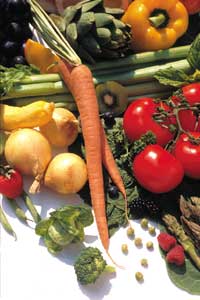
A compound called D-glucarate is found in grapefruit, apples, oranges, broccoli, and Brussels sprouts.21 D-glucarate has been shown to protect against cancer-causing agents by supporting detoxification and removal of dangerous chemicals, and also by protecting against the mutating effects that these carcinogens induce on cellular DNA.21
There are several mechanisms by which the body detoxifies itself. One way of guarding against toxic overload involves a pathway of detoxification in the body whereby carcinogens are combined with water-soluble substances, thus making them more easily removed from the body. This process is called glucuronidation, and D-glucarate has been shown to support this important detoxification mechanism.21
 D-glucarate functions by inhibiting the beta-glucuronidase enzyme, thus protecting the critical “glucuronidation” detoxification mechanism.21 One example of the importance of glucuronidation can be seen in the risk factors for breast cancer. Excess levels of 16-alpha-hydroxyestrone and beta-glucuronidase enzyme activity are associated with an increased incidence of breast cancer.21,54 D-glucarate is thought to decrease estrogen’s effects by favorably affecting estrogen’s metabolism and elimination.21,22
Research studies have shown that D-glucarate inhibits breast tumor incidence.85,86 One study in rats that already had breast cancer showed that oral D-glucarate administration resulted in a 50% inhibition of beta-glucuronidase, which led to a 30% reduction in mammary tumor growth during the promotion stage and a four-fold reduction in the absolute number of tumors.87 Another report showed a more than 70% decrease in mammary tumor development in rats exposed to carcinogens that were also administered D-glucarate.88 Still another study looked at the effects of D-glucarate on the initiation and promotional stages of mammary cancer. The results showed a reduction in incidence of 18% during the initiation stage, while tumor multiplicity was reduced by 42% during the promotion stage.89 Inhibition at the initiation stage is a very important part of D-glucarate’s actions, as it reduces the risk that cancer will even start.
Eating lots of the right fruits (grapefruit, apples, cherries) and vegetables (broccoli, Brussels sprouts) supplies the body with D-glucarate, though it is also available in dietary supplements designed to support breast health.21
How Lignans Protect the Breast
A number of published studies indicate that dietary lignans may protect against cancer by favorably altering estrogen metabolism, inhibiting angiogenesis, and inducing cancer cells to self-destruct.90-92 The greatest support for a role of lignans in cancer prevention has been shown for premenopausal breast cancer.90
Researchers in New York assessed breast cancer risk and dietary lignan intake in more than 3,000 women, including about 1,100 patients with confirmed breast cancer and approximately 2,000 women who served as controls. The scientists determined that premenopausal women with the highest lignan intake had a 34% reduced risk of developing breast cancer.90
Scientists in Italy suggest a mechanism for the protective effect. Their research indicates that higher blood levels of a phytoestrogen called enterolactone—the primary lignan derived by the body from flaxseed—are associated with a lower risk of breast cancer.93,94 Conversely, the researchers noted, “Median values of serum enterolactone were significantly lower in women who subsequently developed breast cancer,” leading them to conclude that the enterolactone “had a strong protective effect on breast cancer risk.”94
Scientists at the University of Toronto reported that flax lignans can slow down the growth of breast cancer in women.93 Thirty-two women awaiting surgery for breast cancer were randomized to receive a muffin containing 25 grams of flaxseeds or a muffin that did not contain flaxseed (control group). Analysis of the cancerous tissue after surgery revealed that markers of tumor growth were reduced by 30-71% in the flaxseed group, while the control group did not experience any reduction in markers of tumor growth. The scientists concluded that “Dietary flaxseed has the potential to reduce tumor growth in patients with breast cancer.”93
Lignans may also protect against endometrial cancer, a condition largely associated with prolonged exposure to unopposed estrogens (this means estrogen administered without progesterone).70,95 Researchers in California assessed lignan intake and cancer status among nearly 1,000 women in the San Francisco area and determined that women with the highest dietary lignan intake experienced a promising trend toward a lower risk of developing this carcinoma of the uterine lining.70 The relationship between lignans and endometrial cancer risk reduction was slightly stronger among postmenopausal women.70
Based on a lot of favorable publicity, health-conscious people are increasingly adding flaxseed to their diet for the purpose of obtaining the beneficial lignans. Highly concentrated lignan extracts are also available in dietary supplements
Green Tea’s Anti-Cancer Effects
 Green tea is rich in plant compounds known as polyphenols.96 The predominate group of green tea polyphenols is the catechins, particularly epigallocatechin gallate (EGCG).96 Copious evidence supports a role for these compounds in preventing breast cancer. In laboratory studies, green tea polyphenols and EGCG have been shown to suppress the growth and invasion of human breast cancer cells.97,98 Of even greater interest, these beneficial compounds in green tea delay the appearance of tumors in experimental models of breast cancer and cut down on the total tumor burden (amount of cancer in the body) when human breast cancer cells are injected into laboratory mice.98,99
Other exciting benefits of green tea include inhibition of vascular endothelial growth factor (VEGF) production,99,100 which cuts off the blood supply needed for tumor growth; down-regulation of estrogen receptor-alpha function in breast cancer cells;101 reduction of tumor invasiveness;99 and increased apoptosis, or programmed cell death, in cancer cells.102
One experiment showed that EGCG, 50-100 mg/kg/day, added to the drinking water of female mice inhibited growth of breast cancer. After five weeks of EGCG treatment, the weight of breast tumors was reduced by 68% in mice consuming EGCG daily.103
But green tea’s benefits aren’t restricted to animal or laboratory models. An investigation found a 47% decreased risk of breast cancer in women who drank more than one-third cup (andgt;85.7 mL) per day of green tea, compared to those who did not consume any green tea.104
The medical establishment questions the use of bioidentical hormones out of concern about cancer risks. Earlier in this article, we outlined persuasive data showing the anti-cancer properties of many specific nutrients.
When factoring in the potent anti-cancer effects that occur in response to consuming healthy foods (such as broccoli and Brussels sprouts) and supplements (such as vitamin D and fish oil), while avoiding carcinogenic foods (such as sugar and well-done meat), the argument that maturing women should forever be denied their full complement of natural sex hormones does not stand up to scientific scrutiny.
Summary
Estrogen does far more than ease menopausal symptoms. It protects a woman’s brain, bones, arteries, muscles, eyes, skin, and overall sense happiness and well-being.1,2
A number of studies show higher mortality rates in estrogen-deficient women under age 60.108,109
Recognizing that even natural estrogen drugs stimulate breast cell proliferation, proponents of natural estrogen replacement advocate consumption of fruits and vegetables, along with supplements such as indole-3-carbinol (I3C),43,56,57 resveratrol,110,111 gamma tocopherol,112-114 melatonin,115-117 genistein,118,119 and green tea.97-103 The potential cancer-preventive effects of these dietary modifications and supplements are well substantiated in the scientific literature.
Most important, postmenopausal women with an intact uterus taking even natural estrogen drugs should use natural progesterone cream to protect their cells against the excess stimulation that estrogen can sometimes cause.5 An analysis of the scientific literature links lack of progesterone to the health problems doctors have related to estrogen.
When taking the right dose of topical natural estrogen (with progesterone), the many youth-restoring effects quickly become apparent. When estrogen is deficient, aging is accelerated.
Material used with permission of Life Extension. All rights reserved.
- Garland CF, Gorham ED, Mohr SB, et al. Vitamin D and prevention of breast cancer: pooled analysis. J Steroid Biochem Mol Biol. 2007 Mar;103(3-5):708-11.
- Kim YS, Milner JA. Targets for indole-3-carbinol in cancer prevention. J Nutr Biochem. 2005 Feb;16(2):65-73.
- Cover CM, Hsieh SJ, Cram EJ, ET AL. Indole-3-carbinol and tamoxifen cooperate to arrest the cell cycle of MCF-7 human breast cancer cells. Cancer Res. 1999 Mar 15;59(6):1244-51.
- Ambrosone CB, McCann SE, Freudenheim JL, Marshall JR, Zhang Y, Shields PG. Breast cancer risk in premenopausal women is inversely associated with consumption of broccoli, a source of isothiocyanates, but is not modified by GST genotype. J Nutr. 2004 May;134(5):1134-8.
Deitz AC, Zheng W, Leff MA, et al. N-Acetyltransferase-2 genetic polymorphism, well-done meat intake, and breast cancer risk among postmenopausal women. Cancer Epidemiol Biomarkers Prev. 2000 Sep;9(9):905-10.
Abbas S, Linseisen J, Slanger T, et al. Serum 25-hydroxyvitamin D and risk of post-menopausal breast cancer–results of a large case-control study. Carcinogenesis. 2008 Jan;29(1):93-9.
Dumitrescu RG, Cotarla I. Understanding breast cancer risk — where do we stand in 2005? J Cell Mol Med. 2005 Jan-Mar;9(1):208-21.
- Tao M, Teng Y, Shao H, Wu P, Mills EJ. Knowledge, perceptions and information about hormone therapy (HT) among menopausal women: a systematic review and meta-synthesis. PLoS One. 2011;6(9):e24661.
- Gompel A. Micronized progesterone and its impact on the endometrium and breast vs. progestogens. Climacteric. 2012 Apr;15 Suppl 1:18-25.
Dietrich W, Gaba A, Zhegu Z, et al. Testosterone dependent androgen receptor stabilization and activation of cell proliferation in primary human myometrial microvascular endothelial cells. Fertil Steril. 2011 Mar 15;95(4):1247-55.e1-2.
- Fichera M, Rinaldi N, Tarascio M, et al. Indications and controindications of hormone replacement therapy in menopause. Minerva Ginecol. 2013 Jun;65(3):331-44.
Canderelli R, Leccesse LA, Miller NL, Unruh Davidson J. Benefits of hormone replacement therapy in postmenopausal women. J Am Acad Nurse Pract. 2007 Dec;19(12):635-41.
Ambrosone CB, McCann SE, Freudenheim JL, Marshall JR, Zhang Y, Shields PG. Breast cancer risk in premenopausal women is inversely associated with consumption of broccoli, a source of isothiocyanates, but is not modified by GST genotype. J Nutr. 2004 May;134(5):1134-8.
Abbas S, Linseisen J, Slanger T, et al. Serum 25-hydroxyvitamin D and risk of post-menopausal breast cancer–results of a large case-control study. Carcinogenesis. 2008 Jan;29(1):93-9.
- Garland CF, Gorham ED, Mohr SB, et al. Vitamin D and prevention of breast cancer: pooled analysis. J Steroid Biochem Mol Biol. 2007 Mar;103(3-5):708-11.
Hollis BW, Marshall DT, Savage SJ, Garrett-Mayer E, Kindy MS, Gattoni-Celli S. Vitamin D3 supplementation, low-risk prostate cancer, and health disparities. J Steroid Biochem Mol Biol. 2013 Jul;136:233-7.
Kennel KA, Drake MT. Vitamin D in the cancer patient. Curr Opin Support Palliat Care. 2013 Sep;7(3):272-7.
- Liu X, Lv K. Cruciferous vegetables intake is inversely associated with risk of breast cancer: a meta-analysis. Breast. 2013 Jun;22(3):309-13.
Liu B, Mao Q, Cao M, Xie L. Cruciferous vegetables intake and risk of prostate cancer: a meta-analysis. Int J Urol. 2012 Feb;19(2):134-41.
Kandala PK, Srivastava SK. DIMming ovarian cancer growth. Curr Drug Targets. 2012 Dec;13(14):1869-75.
- Messina MJ, Wood CE. Soy isoflavones, estrogen therapy, and breast cancer risk: analysis and commentary. Nutr J. 2008 Jun 3;7:17.
Hedlund TE, Johannes WU, Miller GJ. Soy isoflavonoid equol modulates the growth of benign and malignant prostatic epithelial cells in vitro. Prostate. 2003 Jan 1;54(1):68-78.
Douglas CC, Johnson SA, Arjmandi BH. Soy and its isoflavones: The truth behind the science in breast cancer. Anticancer Agents Med Chem. 2013 Aug 6. [Epub ahead of print]
- Available at: http://www.altmedrev.com/publications/7/4/336.pdf. Accessed August 8, 2013.
Walaszek Z, Szemraj J, Narog M, et al. Metabolism, uptake, and excretion of a D-glucaric acid salt and its potential use in cancer prevention. Cancer Detect Prev. 1997;21(2):178-90.
- Touillaud MS, Thiébaut AC, Fournier A, Niravong M, Boutron-Ruault MC, Clavel-Chapelon F. Dietary lignan intake and postmenopausal breast cancer risk by estrogen and progesterone receptor status. J Natl Cancer Inst. 2007 Mar 21;99(6):475-86.
Schmid HP, Fischer C, Engeler DS, Bendhack ML, Schmitz-Dräger BJ. Nutritional aspects of primary prostate cancer prevention. Recent Results Cancer Res. 2011;188:101-7.
- Taylor EF, Burley VJ, Greenwood DC, Cade JE. Meat consumption and risk of breast cancer in the UK Women’s Cohort Study. Br J Cancer. 2007 Apr 10;96(7):1139-46.
Cui X, Dai Q, Tseng M, Shu XO, Gao YT, Zheng W. Dietary patterns and breast cancer risk in the shanghai breast cancer study. Cancer Epidemiol Biomarkers Prev. 2007 Jul;16(7):1443-8.
- Burzynski SR. Aging: gene silencing or gene activation? Med Hypotheses. 2005;64(1):201-8.
- Gorbunova V, Seluanov A. Making ends meet in old age: DSB repair and aging. Mech Ageing Dev. 2005 Jun-Jul;126(6-7):621-8.
- Simone CB. Cancer and Nutrition. Lawrenceville, NJ: Princeton Institute; 2005.
- Ombra MN, Di Santi A, Abbondanza C, Migliaccio A, Avvedimento EV, Perillo B. Retinoic acid impairs estrogen signaling in breast cancer cells by interfering with activation of LSD1 via PKA. Biochim Biophys Acta. 2013 May;1829(5):480-6.
Lobenhofer EK, Huper G, Iglehart JD, Marks JR. Inhibition of mitogen-activated protein kinase and phosphatidylinositol 3-kinase activity in MCF-7 cells prevents estrogen-induced mitogenesis. Cell Growth Differ. 2000 Feb;11(2):99-110.
- Dimitrov V, Salehi-Tabar R, An BS, White JH. Non-classical mechanisms of transcriptional regulation by the vitamin D receptor: Insights into calcium homeostasis, immune system regulation and cancer chemoprevention. J Steroid Biochem Mol Biol. 2013 Jul 30. pii: S0960-0760(13)00141-6.
Chatterjee M. Vitamin D and genomic stability. Mutat Res. 2001 Apr 18;475(1-2):69-87.
Kim YS, Milner JA. Targets for indole-3-carbinol in cancer prevention. J Nutr Biochem. 2005 Feb;16(2):65-73.
Deng XS, Tuo J, Poulsen HE, Loft S. Prevention of oxidative DNA damage in rats by brussels sprouts. Free Radic Res. 1998 Mar;28(3):323-33.
- Xie SP, Pirianov G, Colston KW. Vitamin D analogues suppress IGF-I signalling and promote apoptosis in breast cancer cells. Eur J Cancer. 1999 Nov;35(12):1717-23.
Lowe L, Hansen CM, Senaratne S, Colston KW. Mechanisms implicated in the growth regulatory effects of vitamin D compounds in breast cancer cells. Recent Results Cancer Res. 2003;164:99-110.
Crew KD, Gammon MD, Steck SE, et al. Association between plasma 25-hydroxyvitamin D and breast cancer risk. Cancer Prev Res (Phila). 2009 Jun;2(6):598-604.
Lee HJ, Ji Y, Paul S, Maehr H, Uskokovic M, Suh N. Activation of bone morphogenetic protein signaling by a Gemini vitamin D3 analogue is mediated by Ras/protein kinase C alpha. Cancer Res. 2007 Dec 15;67(24):11840-7.
- Abbas S, Linseisen J, Slanger T, et al. Serum 25-hydroxyvitamin D and risk of post-menopausal breast cancer–results of a large case-control study. Carcinogenesis. 2008 Jan;29(1):93-9.
- Garland CF, Gorham ED, Mohr SB, et al. Vitamin D and prevention of breast cancer: pooled analysis. J Steroid Biochem Mol Biol. 2007 Mar;103(3-5):708-11.
- Lappe JM, Travers-Gustafson D, Davies KM, Recker RR, Heaney RP. Vitamin D and calcium supplementation reduces cancer risk: results of a randomized trial. Am J Clin Nutr. 2007 Jun;85(6):1586-91.
- Lappe JM, Travers-Gustafson D, Davies KM, Recker RR, Heaney RP. Vitamin D and calcium supplementation reduces cancer risk: results of a randomized trial. Am J Clin Nutr. 2007 Jun;85(6):1586-91.
- Aloia JF, Patel M, Dimaano R, et al. Vitamin D intake to attain a desired serum 25-hydroxyvitamin D concentration. Am J Clin Nutr. 2008 Jun;87(6):1952-8.
Mocanu V, Stitt PA, Costan AR, et al. Long-term effects of giving nursing home residents bread fortified with 125 microg (5000 IU) vitamin D(3) per daily serving. Am J Clin Nutr. 2009 Apr;89(4):1132-7.
- Michnovicz JJ, Adlercreutz H, Bradlow HL. Changes in levels of urinary estrogen metabolites after oral indole-3-carbinol treatment in humans. J Natl Cancer Inst. 1997 May 21;89(10):718-23.
Dalessandri KM, Firestone GL, Fitch MD, Bradlow HL, Bjeldanes LF. Pilot study: effect of 3,3’-diindolylmethane supplements on urinary hormone metabolites in postmenopausal women with a history of early-stage breast cancer. Nutr Cancer. 2004;50(2):161-7.
- Tomczyk J, Olejnik A. Sulforaphane–a possible agent in prevention and therapy of cancer. Postepy Hig Med Dosw (Online). 2010 Nov 29;64:590-603.
Kumar A, Sabbioni G. New biomarkers for monitoring the levels of isothiocyanates in humans. Chem Res Toxicol. 2010 Apr 19;23(4):756-65.
Rose P, Faulkner K, Williamson G, Mithen R. 7-Methylsulfinylheptyl and 8-methylsulfinyloctyl isothiocyanates from watercress are potent inducers of phase II enzymes. Carcinogenesis. 2000 Nov;21(11):1983-8.
- Michnovicz JJ, Adlercreutz H, Bradlow HL. Changes in levels of urinary estrogen metabolites after oral indole-3-carbinol treatment in humans. J Natl Cancer Inst. 1997 May 21;89(10):718-23.
- Bradlow HL, Davis DL, Lin G, Sepkovic D, Tiwari R. Effects of pesticides on the ratio of 16 alpha/2-hydroxyestrone: a biologic marker of breast cancer risk. Environ Health Perspect. 1995 Oct;103 Suppl 7:147-50.
Available at: http://bwww.breasthealthproject.com/documents/EstrogenMetabolismandRiskofBreastCancer.pdf. Accessed August 9, 2013. Muti P, Bradlow HL, Micheli A, et al. Estrogen metabolism and risk of breast cancer: a prospective study of the 2:16alpha-hydroxyestrone ratio in premenopausal and postmenopausal women. Epidemiology. 2000 Nov;11(6):635-40.
- Bradlow HL, Davis DL, Lin G, Sepkovic D, Tiwari R. Effects of pesticides on the ratio of 16 alpha/2-hydroxyestrone: a biologic marker of breast cancer risk. Environ Health Perspect. 1995 Oct;103 Suppl 7:147-50.
- Muti P, Bradlow HL, Micheli A, et al. Estrogen metabolism and risk of breast cancer: a prospective study of the 2:16alpha-hydroxyestrone ratio in premenopausal and postmenopausal women. Epidemiology. 2000 Nov;11(6):635-40.
Yoo HJ, Sepkovic DW, Bradlow HL, Yu GP, Sirilian HV, Schantz SP. Estrogen metabolism as a risk factor for head and neck cancer. Otolaryngol Head Neck Surg. 2001 Mar;124(3):241-7.
- Muti P, Bradlow HL, Micheli A, et al. Estrogen metabolism and risk of breast cancer: a prospective study of the 2:16alpha-hydroxyestrone ratio in premenopausal and postmenopausal women. Epidemiology. 2000 Nov;11(6):635-40.
- Kabat GC, Chang CJ, Sparano JA, et al. Urinary estrogen metabolites and breast cancer: a case-control study. Cancer Epidemiol Biomarkers Prev. 1997 Jul;6(7):505-9.
Kabat GC, O’Leary ES, Gammon MD, et al. Estrogen metabolism and breast cancer. Epidemiology. 2006 Jan;17(1):80-8.
- Fowke JH, Longcope C, Hebert JR. Brassica vegetable consumption shifts estrogen metabolism in healthy postmenopausal women. Cancer Epidemiol Biomarkers Prev. 2000 Aug;9(8):773-9.
- Fowke JH, Longcope C, Hebert JR. Brassica vegetable consumption shifts estrogen metabolism in healthy postmenopausal women. Cancer Epidemiol Biomarkers Prev. 2000 Aug;9(8):773-9.
- Fowke JH, Qi D, Bradlow HL, et al. Urinary estrogen metabolites and breast cancer: differential pattern of risk found with pre- versus post-treatment collection. Steroids. 2003 Jan;68(1):65-72.
- Michnovicz JJ, Adlercreutz H, Bradlow HL. Changes in levels of urinary estrogen metabolites after oral indole-3-carbinol treatment in humans. J Natl Cancer Inst. 1997 May 21;89(10):718-23.
Fowke JH, Longcope C, Hebert JR. Brassica vegetable consumption shifts estrogen metabolism in healthy postmenopausal women. Cancer Epidemiol Biomarkers Prev. 2000 Aug;9(8):773-9.
- Muti P, Bradlow HL, Micheli A, et al. Estrogen metabolism and risk of breast cancer: a prospective study of the 2:16alpha-hydroxyestrone ratio in premenopausal and postmenopausal women. Epidemiology. 2000 Nov;11(6):635-40.
Yoo HJ, Sepkovic DW, Bradlow HL, Yu GP, Sirilian HV, Schantz SP. Estrogen metabolism as a risk factor for head and neck cancer. Otolaryngol Head Neck Surg. 2001 Mar;124(3):241-7.
Cover CM, Hsieh SJ, Cram EJ, ET AL. Indole-3-carbinol and tamoxifen cooperate to arrest the cell cycle of MCF-7 human breast cancer cells. Cancer Res. 1999 Mar 15;59(6):1244-51.
- Cover CM, Hsieh SJ, Cram EJ, ET AL. Indole-3-carbinol and tamoxifen cooperate to arrest the cell cycle of MCF-7 human breast cancer cells. Cancer Res. 1999 Mar 15;59(6):1244-51.
- Sharma S, Stutzman JD, Kelloff GJ, Steele VE. Screening of potential chemopreventive agents using biochemical markers of carcinogenesis. Cancer Res. 1994 Nov 15;54(22):5848-55.
- Messina M, Watanabe S, Setchell KD. Report on the 8th International Symposium on the Role of Soy in Health Promotion and Chronic Disease Prevention and Treatment. J Nutr. 2009 Apr;139(4):796S-802S.
- Jacobsen BK, Knutsen SF, Fraser GE. Does high soy milk intake reduce prostate cancer incidence? The Adventist Health Study (United States). Cancer Causes Control. 1998 Dec;9(6):553-7.
Wu AH, Wan P, Hankin J, Tseng CC, Yu MC, Pike MC. Adolescent and adult soy intake and risk of breast cancer in Asian-Americans. Carcinogenesis. 2002 Sep;23(9):1491-6.
- Cui X, Dai Q, Tseng M, Shu XO, Gao YT, Zheng W. Dietary patterns and breast cancer risk in the shanghai breast cancer study. Cancer Epidemiol Biomarkers Prev. 2007 Jul;16(7):1443-8.
- Messina MJ. Legumes and soybeans: overview of their nutritional profiles and health effects. Am J Clin Nutr. 1999 Sep;70(3 Suppl):439S-450S.
Yanagihara K, Takigahira M, Mihara K, et al. Inhibitory effects of isoflavones on tumor growth and cachexia in newly established cachectic mouse models carrying human stomach cancers. Nutr Cancer. 2013;65(4):578-89.
Yang G, Shu XO, Chow WH, et al. Soy food intake and risk of lung cancer: evidence from the Shanghai Women’s Health Study and a meta-analysis. Am J Epidemiol. 2012 Nov 15;176(10):846-55.
- Messina M, Watanabe S, Setchell KD. Report on the 8th International Symposium on the Role of Soy in Health Promotion and Chronic Disease Prevention and Treatment. J Nutr. 2009 Apr;139(4):796S-802S.
Jacobsen BK, Knutsen SF, Fraser GE. Does high soy milk intake reduce prostate cancer incidence? The Adventist Health Study (United States). Cancer Causes Control. 1998 Dec;9(6):553-7.
Wu AH, Wan P, Hankin J, Tseng CC, Yu MC, Pike MC. Adolescent and adult soy intake and risk of breast cancer in Asian-Americans. Carcinogenesis. 2002 Sep;23(9):1491-6.
Messina MJ. Legumes and soybeans: overview of their nutritional profiles and health effects. Am J Clin Nutr. 1999 Sep;70(3 Suppl):439S-450S.
Yanagihara K, Takigahira M, Mihara K, et al. Inhibitory effects of isoflavones on tumor growth and cachexia in newly established cachectic mouse models carrying human stomach cancers. Nutr Cancer. 2013;65(4):578-89.
Yang G, Shu XO, Chow WH, et al. Soy food intake and risk of lung cancer: evidence from the Shanghai Women’s Health Study and a meta-analysis. Am J Epidemiol. 2012 Nov 15;176(10):846-55.
Santos MA, Silva RF, Medeiros VP, et al. Effects of different doses of soy isoflavones on bone tissue of ovariectomized rats. Climacteric. 2013 Aug 9. [Epub ahead of print]
Matori H, Umar S, Nadadur RD, et al. Genistein, a soy phytoestrogen, reverses severe pulmonary hypertension and prevents right heart failure in rats. Hypertension. 2012 Aug;60(2):425-30.
- Yamamoto S, Sobue T, Kobayashi M, et al. Soy, isoflavones, and breast cancer risk in Japan. J Natl Cancer Inst. 2003 Jun 18;95(12):906-13.
- Barnes S. Effect of genistein on in vitro and in vivo models of cancer. J Nutr. 1995 Mar;125(3 Suppl):777S-783S.
- Setchell KD. Soy isoflavones–benefits and risks from nature’s selective estrogen receptor modulators (SERMs). J Am Coll Nutr. 2001 Oct;20(5 Suppl):354S-362S; discussion 381S-383S.
- Setchell KD. Soy isoflavones–benefits and risks from nature’s selective estrogen receptor modulators (SERMs). J Am Coll Nutr. 2001 Oct;20(5 Suppl):354S-362S; discussion 381S-383S.
- Setchell KD. Soy isoflavones–benefits and risks from nature’s selective estrogen receptor modulators (SERMs). J Am Coll Nutr. 2001 Oct;20(5 Suppl):354S-362S; discussion 381S-383S.
- Lee HP, Gourley L, Duffy SW, Estéve J, Lee J, Day NE. Dietary effects on breast-cancer risk in Singapore. Lancet. 1991 May 18;337(8751):1197-200.
- Yamamoto S, Sobue T, Kobayashi M, et al. Soy, isoflavones, and breast cancer risk in Japan. J Natl Cancer Inst. 2003 Jun 18;95(12):906-13.
- Horn-Ross PL, John EM, Canchola AJ, Stewart SL, Lee MM. Phytoestrogen intake and endometrial cancer risk. J Natl Cancer Inst. 2003 Aug 6;95(15):1158-64.
- Horn-Ross PL, John EM, Canchola AJ, Stewart SL, Lee MM. Phytoestrogen intake and endometrial cancer risk. J Natl Cancer Inst. 2003 Aug 6;95(15):1158-64.
- Ollberding NJ, Lim U, Wilkens LR, et al. Legume, soy, tofu, and isoflavone intake and endometrial cancer risk in postmenopausal women in the multiethnic cohort study. J Natl Cancer Inst. 2012 Jan 4;104(1):67-76.
- Palacios S, Pornel B, Vázquez F, Aubert L, Chantre P, Marès P. Long-term endometrial and breast safety of a specific, standardized soy extract. Climacteric. 2010 Aug;13(4):368-75.
- Steinberg FM, Murray MJ, Lewis RD, et al. Clinical outcomes of a 2-y soy isoflavone supplementation in menopausal women. Am J Clin Nutr. 2011 Feb;93(2):356-67.
- Key TJ, Schatzkin A, Willett WC, Allen NE, Spencer EA, Travis RC. Diet, nutrition and the prevention of cancer. Public Health Nutr. 2004 Feb;7(1A):187-200.
Gonzalez CA. Nutrition and cancer: the current epidemiological evidence. Br J Nutr. 2006 Aug;96 Suppl 1:S42-5.
Tetè S, Nicoletti M, Saggini A, et al. Nutrition and cancer prevention. Int J Immunopathol Pharmacol. 2012 Jul-Sep;25(3):573-81.
- Ronco AL, De Stefani E, Deneo-Pellegrini H. Risk factors for premenopausal breast cancer: a case-control study in Uruguay. Asian Pac J Cancer Prev . 2012;13(6):2879-86.59. 78
- Ponnampalam EN, Mann NJ, Sinclair AJ. Effect of feeding systems on omega-3 fatty acids, conjugated linoleic acid and trans fatty acids in Australian beef cuts: potential impact on human health. Asia Pac J Clin Nutr. 2006;15(1):21-9.
- Simone CB. Cancer and Nutrition. Lawrenceville, NJ: Princeton Institute; 2005.
- Garland CF, Garland FC, Gorham ED, et al. The role of vitamin D in cancer prevention. Am J Public Health. 2006 Feb;96(2):252-61.
Samuel S, Sitrin MD. Vitamin D’s role in cell proliferation and differentiation. Nutr Rev. 2008 Oct;66(10Suppl2):S116-24.
- Simone CB. Cancer and Nutrition. Lawrenceville, NJ: Princeton Institute; 2005.
- Haber DN Roads leading to breast cancer. Engl J Med. 2000 Nov 23;343(21):1566-8.
- Lowe L, Hansen CM, Senaratne S, Colston KW. Mechanisms implicated in the growth regulatory effects of vitamin D compounds in breast cancer cells. Recent Results Cancer Res. 2003;164:99-110.
- Lowe L, Hansen CM, Senaratne S, Colston KW. Mechanisms implicated in the growth regulatory effects of vitamin D compounds in breast cancer cells. Recent Results Cancer Res. 2003;164:99-110.
- Kim J, Lim SY, Shin A, et al. Fatty fish and fish omega-3 fatty acid intakes decrease the breast cancer risk: a case-control study. BMC Cancer. 2009 Jun 30;9:216.
Kuriki K, Hirose K, Wakai K, et al. Breast cancer risk and erythrocyte compositions of n-3 highly unsaturated fatty acids in Japanese. Int J Cancer. 2007 Jul 15;121(2):377-85.
- Kuriki K, Hirose K, Wakai K, et al. Breast cancer risk and erythrocyte compositions of n-3 highly unsaturated fatty acids in Japanese. Int J Cancer. 2007 Jul 15;121(2):377-85.
- Kuriki K, Hirose K, Wakai K, et al. Breast cancer risk and erythrocyte compositions of n-3 highly unsaturated fatty acids in Japanese. Int J Cancer. 2007 Jul 15;121(2):377-85.
- Maillard V, Bougnoux P, Ferrari P, et al. N-3 and N-6 fatty acids in breast adipose tissue and relative risk of breast cancer in a case-control study in Tours, France. Int J Cancer. 2002 Mar 1;98(1):78-83.
Available at: http://www.bmj.com/content/346/bmj.f3706. Accessed August 22, 2013.
- Available at: http://www.cancer.gov/cancertopics/understandingcancer/environment/AllPages. Accessed August 15, 2013.
- Available at: http://www.cancer.gov/cancertopics/understandingcancer/environment/AllPages. Accessed August 15, 2013.
- Available at: http://www.altmedrev.com/publications/7/4/336.pdf. Accessed August 8, 2013.
- Available at: http://www.altmedrev.com/publications/7/4/336.pdf. Accessed August 8, 2013.
- Available at: http://www.altmedrev.com/publications/7/4/336.pdf. Accessed August 8, 2013.
- Available at: http://www.altmedrev.com/publications/7/4/336.pdf. Accessed August 8, 2013.
- Available at: http://www.altmedrev.com/publications/7/4/336.pdf. Accessed August 8, 2013.
- Available at: http://www.altmedrev.com/publications/7/4/336.pdf. Accessed August 8, 2013.
Fowke JH, Longcope C, Hebert JR. Brassica vegetable consumption shifts estrogen metabolism in healthy postmenopausal women. Cancer Epidemiol Biomarkers Prev. 2000 Aug;9(8):773-9.
- Available at: http://www.altmedrev.com/publications/7/4/336.pdf. Accessed August 8, 2013
Walaszek Z, Szemraj J, Narog M, et al. Metabolism, uptake, and excretion of a D-glucaric acid salt and its potential use in cancer prevention. Cancer Detect Prev. 1997;21(2):178-90.
- Walaszek Z, Hanausek M, Sherman U, Adams AK. Antiproliferative effect of dietary glucarate on the Sprague-Dawley rat mammary gland. Cancer Lett. 1990 Jan;49(1):51-7.
Heerdt AS, Young CW, Borgen PI. Calcium glucarate as a chemopreventive agent in breast cancer. Isr J Med Sci. 1995 Feb-Mar;31(2-3):101-5.
- Slaga TJ, Quilici-Timmcke J. D-Glucarate: A Nutrient Against Cancer. Columbus, Ohio: McGraw-Hill; 1999.
- Walaszek Z, Hanausek-Walaszek M, Minton JP, Webb TE. Dietary glucarate as anti-promoter of 7,12-dimethylbenz[a]anthracene-induced mammary tumorigenesis. Carcinogenesis. 1986 Sep;7(9):1463-6.
- Abou-Issa H, Moeschberger M, el-Masry W, Tejwani S, Curley RW Jr, Webb TE. Relative efficacy of glucarate on the initiation and promotion phases of rat mammary carcinogenesis. Anticancer Res. 1995 May-Jun;15(3):805-10.
- Available at: http://www.altmedrev.com/publications/7/4/336.pdf. Accessed August 8, 2013.
- McCann SE, Muti P, Vito D, Edge SB, Trevisan M, Freudenheim JL. Dietary lignan intakes and risk of pre- and postmenopausal breast cancer. Int J Cancer. 2004 Sep 1;111(3):440-3.
Momekov G, Konstantinov S, Dineva I, Ionkova I. Effect of justicidin B – a potent cytotoxic and pro-apoptotic arylnaphtalene lignan on human breast cancer-derived cell lines. Neoplasma. 2011;58(4):320-5.
Lindahl G, Saarinen N, Abrahamsson A, Dabrosin C. Tamoxifen, flaxseed, and the lignan enterolactone increase stroma- and cancer cell-derived IL-1Ra and decrease tumor angiogenesis in estrogen-dependent breast cancer. Cancer Res. 2011 Jan 1;71(1):51-60.
- McCann SE, Muti P, Vito D, Edge SB, Trevisan M, Freudenheim JL. Dietary lignan intakes and risk of pre- and postmenopausal breast cancer. Int J Cancer. 2004 Sep 1;111(3):440-3.
- McCann SE, Muti P, Vito D, Edge SB, Trevisan M, Freudenheim JL. Dietary lignan intakes and risk of pre- and postmenopausal breast cancer. Int J Cancer. 2004 Sep 1;111(3):440-3.
- Thompson LU, Chen JM, Li T, Strasser-Weippl K, Goss PE. Dietary flaxseed alters tumor biological markers in postmenopausal breast cancer. Clin Cancer Res. 2005 May 15;11(10):3828-35.
Boccardo F, Lunardi G, Guglielmini P, et al. Serum enterolactone levels and the risk of breast cancer in women with palpable cysts. Eur J Cancer. 2004 Jan;40(1):84-9.
- Boccardo F, Lunardi G, Guglielmini P, et al. Serum enterolactone levels and the risk of breast cancer in women with palpable cysts. Eur J Cancer. 2004 Jan;40(1):84-9.
- Thompson LU, Chen JM, Li T, Strasser-Weippl K, Goss PE. Dietary flaxseed alters tumor biological markers in postmenopausal breast cancer. Clin Cancer Res. 2005 May 15;11(10):3828-35.
- Thompson LU, Chen JM, Li T, Strasser-Weippl K, Goss PE. Dietary flaxseed alters tumor biological markers in postmenopausal breast cancer. Clin Cancer Res. 2005 May 15;11(10):3828-35.
- Horn-Ross PL, John EM, Canchola AJ, Stewart SL, Lee MM. Phytoestrogen intake and endometrial cancer risk. J Natl Cancer Inst. 2003 Aug 6;95(15):1158-64.
Ri
Related products
-
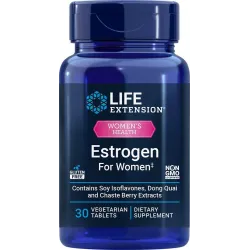
Estrogen for Women
Price: 26,32 €Women’s health, menopause support Helps relieve hot flashes & night... -
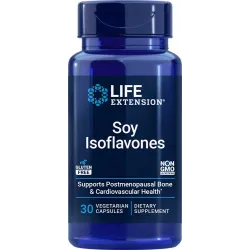
Soy Isoflavones
Price: 24,99 €Heart & bone support for postmenopausal women Ideal daily supplement for...
Related posts
-
 Is Conventional Pomegranate Extract Enough?
An abundance of clinical data has established pomegranate as a broad-spectrum, multi-modal defense against the...
Is Conventional Pomegranate Extract Enough?
An abundance of clinical data has established pomegranate as a broad-spectrum, multi-modal defense against the... -
Lipoic Acid Reverses Mitochondrial Decay
It is estimated that 85% of the oxygen contained in every breath you take is consumed by the mitochondria within each...
-
Vitamin C and Dihydroquercetin
Every day, our bodies are under continual assault by damaging agents known as free radicals. Generally, both internal...
-
How Resveratrol Combats Leading Causes of Death
In 1997, the first scientific paper on resveratrol was published showing that this polyphenol could prevent cancer in...
-
Autoimmune Diseases part 1
Autoimmune diseases are characterized by the body's immune responses being directed against its own tissues, causing...