 English
 Polski
 Deutsch
 Français
 ελληνικά
 Español
 Italiano
28,54 €

Quantity:
Total:
Total products:
Total shipping: To be determined
Total:
Science-based food supplements

Manufacturer: Life Extension
In stock
| Quantity | Price | You Save |
|---|---|---|
| 2 | 25,27 € | Up to 2,11 € |
| 4 | 24,74 € | Up to 6,32 € |
By buying this product you can collect up to 26 loyalty points. Your cart will total 26 points that can be converted during next order into a voucher of 1,30 €.

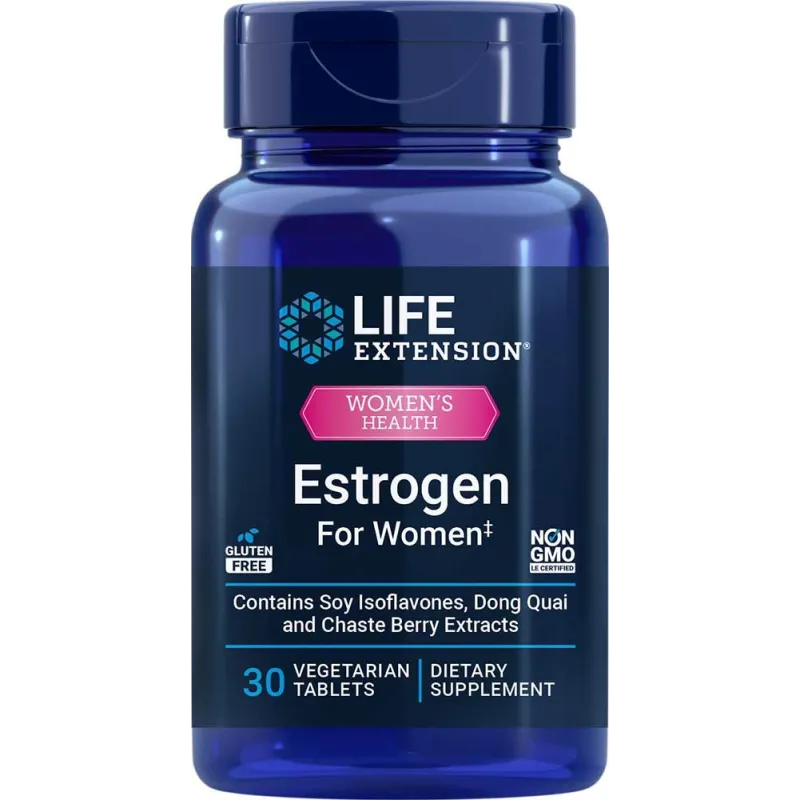
Estrogen for Women
30 vegetarian tablets
Item Catalog Number: 01894
We start with a standardized soy isoflavone extract, but Estrogen for Women is much more than just a soy supplement. Estrogen for Women delivers Norway spruce lignan extracts to help support relief against hot flashes, night sweats and other discomforts of menopause—as well as other sought-after botanicals to provide focused nutritional support for women during menopause and beyond.
Benefits at a Glance:
Estrogen for Women is a plant-based formula designed to help provide relief from hot flashes common during menopause and support female health. It delivers soy isoflavones and other botanicals such as Norway spruce lignans, broccoli, licorice, chasteberry and dong quai extracts, all in just a single tablet.
Estrogen for Women contains a standardized, clinically studied extract of Norway spruce. Clinical research indicates that Norway spruce lignans support against hot flashes and night sweats, and other discomforts of menopause.1 We’ve also included broccoli, licorice, chasteberry dong quai and more as they are excellent sources of sought-after phytonutrient botanicals.
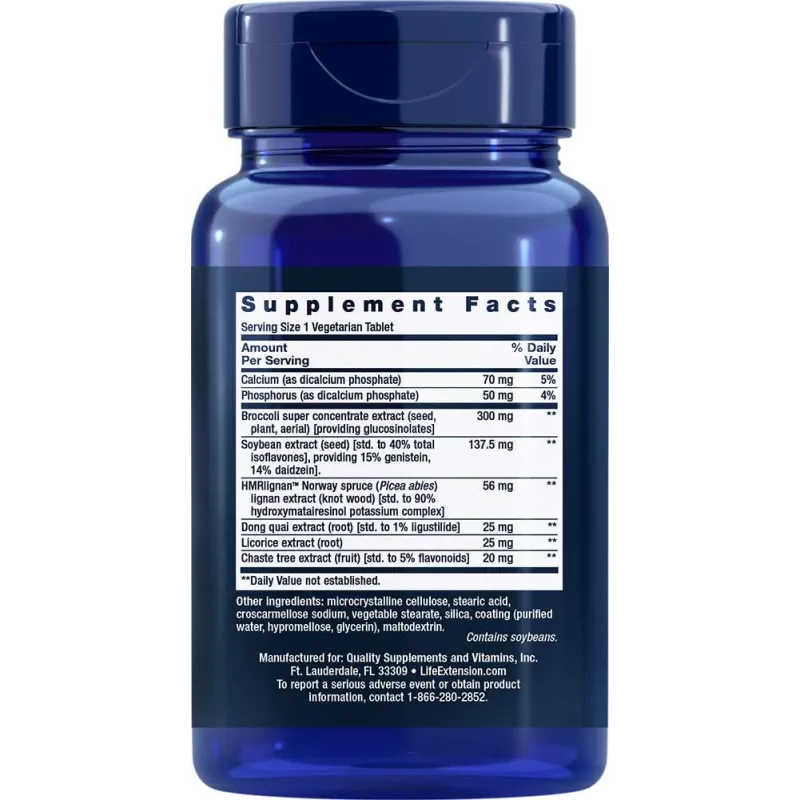
Serving Size 1 vegetarian tablet
| Amount Per Serving | |
|---|---|
| Calcium (as dicalcium phosphate) | 70 mg |
| Phosphorus (as dicalcium phosphate) | 50 mg |
| Broccoli super concentrate extract (seed, plant, aerial) [providing glucosinolates] | 300 mg |
| Soybean extract (seed) [std. to 40% total isoflavones], providing 15% genistein, 14% daidzein]. | 137.5 mg |
| HMRlignan™ Norway spruce (Picea abies) lignan extract (knot wood) [std. to 90% hydroxymatairesinol potassium complex] | 56 mg |
| Dong quai extract (root) [std. to 1% ligustilide] | 25 mg |
| Licorice extract (root) | 25 mg |
| Chaste tree extract (fruit) [std. to 5% flavonoids] | 20 mg |
| Other ingredients: microcrystalline cellulose, stearic acid, croscarmellose sodium, vegetable stearate, silica, coating (purified water, hypromellose, glycerin), maltodextrin. | |
Contains soybeans.
Non-GMO
HMRlignan™ is a trademark used under sublicense from Linnea S.A.
Dosage and Use
Take one (1) tablet in the morning, or as recommended by your healthcare practitioner.
Caution
Consult with your healthcare practitioner if you have, or have a history of, estrogen-dependent tumors.
Warnings
KEEP OUT OF REACH OF CHILDREN
DO NOT EXCEED RECOMMENDED DOSE
Do not purchase if outer seal is broken or damaged.
When using nutritional supplements, please consult with your physician if you are undergoing treatment for a medical condition or if you are pregnant or lactating.
28,54 €
56,47 €
38,89 €
34,67 €
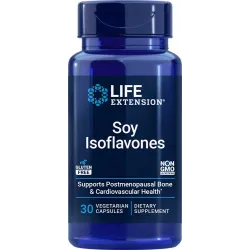
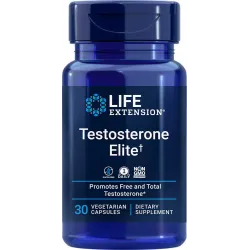
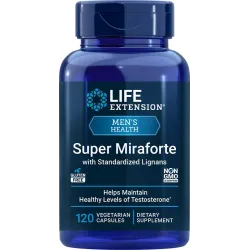
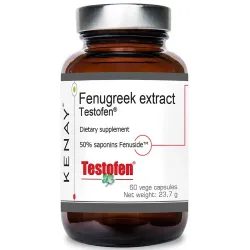

This formula provides plant-derived phytoestrogens including soy isoflavones, black cohosh, and lignans that gently support estrogen balance without the risks of pharmaceutical hormone therapy. Phytoestrogens demonstrate selective estrogen receptor modulator (SERM) activity—they bind estrogen receptors but produce weaker estrogenic effects than human estrogen, providing 1/100 to 1/1000 the potency. When estrogen levels are low (menopause), phytoestrogens activate receptors alleviating deficiency symptoms. When estrogen levels are high, they competitively block stronger human estrogen from receptors, potentially reducing estrogen-dominance effects. Soy isoflavones including genistein and daidzein reduce hot flashes by 20-50% and improve bone density by 2-5% in postmenopausal women. Black cohosh provides triterpene glycosides supporting hypothalamic-pituitary regulation of hormones. Research shows black cohosh reduces menopausal symptoms by 25-40% through serotonergic and dopaminergic mechanisms rather than direct estrogen activity. The combination approach targets multiple pathways supporting smooth hormonal transitions.
Menopausal symptom relief represents the primary application for phytoestrogen supplementation. Hot flashes—affecting 75% of menopausal women—respond to soy isoflavones with meta-analyses showing 20-50% frequency and severity reductions. Black cohosh demonstrates similar efficacy reducing hot flash scores by 25-40% in clinical trials. Night sweats improve proportionally to hot flash reduction enhancing sleep quality. Mood disturbances including irritability, anxiety, and depression benefit from phytoestrogen support—studies show 15-30% improvements in mood scores. The mechanism involves estrogen's effects on neurotransmitter synthesis and receptor activity in brain regions regulating mood. Vaginal dryness and atrophy improve with systemic phytoestrogen therapy, though topical approaches prove more effective for these symptoms. Bone density preservation occurs as phytoestrogens support osteoblast activity and reduce osteoclast-mediated bone resorption—long-term supplementation maintains bone mass by 2-5% above placebo. Cardiovascular benefits include improved lipid profiles with 5-10% LDL reductions and endothelial function support. Effects develop gradually requiring 4-12 weeks for maximum symptom relief.
Phytoestrogen safety regarding breast health represents a nuanced topic requiring careful consideration. Population studies suggest high lifetime soy consumption (typical in Asian diets) associates with 30-50% reduced breast cancer risk, attributed to early-life exposure programming estrogen metabolism and receptor expression favorably. However, this differs from supplementation starting in adulthood. Current evidence suggests moderate phytoestrogen supplementation appears safe for women without breast cancer history—systematic reviews find no increased breast cancer risk with soy isoflavone supplements at typical doses. The SERM activity may actually prove protective by blocking more potent human estrogen from receptors. For breast cancer survivors, evidence remains mixed—some studies show safety while others suggest caution. Most oncologists recommend breast cancer patients avoid concentrated isoflavone supplements pending more definitive research, though dietary soy in moderation appears acceptable. The key distinction involves whole food soy versus concentrated supplements. Black cohosh demonstrates good breast safety profile in multiple studies. Women with hormone-sensitive conditions should consult physicians before supplementation. Regular breast screening remains essential regardless of supplement use.
Several populations demonstrate particular benefit from phytoestrogen support. Perimenopausal and menopausal women experiencing hot flashes, night sweats, and mood changes represent primary candidates—supplementation provides natural symptom relief without pharmaceutical hormone therapy risks. Women declining or unable to use hormone replacement therapy due to contraindications (history of blood clots, stroke, hormone-sensitive cancers) find phytoestrogens valuable as safer alternative providing 40-60% the benefit of HRT. Those experiencing early menopause from surgery, chemotherapy, or premature ovarian insufficiency benefit from estrogen support at younger ages when symptoms prove particularly disruptive. Women with strong family history of osteoporosis gain bone-protective benefits from long-term phytoestrogen use supporting bone density maintenance. Asian women typically show greater responsiveness to soy isoflavones than Western women, attributed to gut bacterial profiles that more efficiently convert daidzein to equol—the most potent phytoestrogen metabolite. Equol producers (30-50% of population) experience superior menopausal symptom relief.
Phytoestrogen supplementation requires consistent daily use allowing gradual hormonal equilibration. Take recommended dose with food as isoflavones demonstrate better absorption with meals. For menopause symptom relief, allow 4-12 weeks for full benefits to manifest—some women respond within weeks while others require months. Track symptom severity using validated scales (Greene Climacteric Scale, Menopause Rating Scale) to objectively assess response. Combine with calcium (1200 mg daily), vitamin D (2000-4000 IU), and magnesium (400 mg) for comprehensive bone support. Lifestyle modifications enhance benefits—regular exercise, stress management, adequate sleep, and avoiding triggers (caffeine, alcohol, spicy foods) for hot flashes. For non-responders after 3 months, consider increasing dose or trying different phytoestrogen sources as individual responses vary. Some women prove "equol producers" showing superior isoflavone response, while non-producers benefit more from other phytoestrogens. The excellent safety profile supports long-term use for years if providing benefit. Periodic reassessment with healthcare provider ensures appropriateness as health status changes. Women with hormone-sensitive conditions require medical supervision for supplement use.
Results: Meta-analyses demonstrate soy isoflavone supplementation reduces hot flash frequency and severity by 20-50% in menopausal women, with bone density improvements of 2-5% over placebo supporting skeletal health.
Citation: Taku K, et al. Menopause. 2012 Jul;19(7):776-90.
Results: Research shows black cohosh reduces menopausal symptom scores by 25-40% through serotonergic and dopaminergic mechanisms, with mood improvements of 15-30% in clinical trials.
Citation: Leach MJ, et al. Menopause. 2012 May;19(5):549-57.
Results: Studies reveal phytoestrogens improve lipid profiles with 5-10% LDL reductions and enhance endothelial function, while population data suggests lifetime soy consumption associates with 30-50% reduced breast cancer risk.
Citation: Wu AH, et al. Carcinogenesis. 2008 May;29(5):1051-4.
Results: Systematic reviews find no increased breast cancer risk with soy isoflavone supplements at typical doses, with SERM activity potentially providing protective effects by blocking more potent human estrogen from receptors.
Citation: Fritz H, et al. PLoS One. 2013 Nov;8(11):e81968.