
 English
 Polski
 Deutsch
 Français
 ελληνικά
 Español
 Italiano
Selenium: What Forms Protect Against Cancer?
 The role that selenium plays in combating various forms of degenerative disease has been known for several decades.1
More recent data have intensified scientific interest in its specific anti-cancer mechanisms.2
Researchers have found that selenium favorably modulates gene expression to suppress a protein involved in tumor onset, growth, and metastasis.
But not all "seleniums" are the same.
In this article, you will learn of the three most important forms of selenium—and how each has the power to halt cancer development at its earliest stages. Exciting data on their ability to combat cancers of the colon and prostate are detailed. You will discover the 12 mechanisms of action by which selenium stops cancer in its tracks.
In one study, aging individuals supplementing with 200 mcg per day of selenium saw their risk of dying from all cancers slashed by 50%.3
Selenium Insufficiency Increases Cancer Risk
 Until the late 1950s, selenium was not recognized as having any role in human nutrition.1 The reality is that selenium is a "trace" element involved in many different functions of the human body.2
Selenium acts as a co-factor for several key antioxidant enzymes called selenoproteins that recycle cellular antioxidants such as glutathione.4 This process reduces oxidative stress, a cause of premature aging and chronic disease.1,2,5,6
Large-scale epidemiologic studies have repeatedly demonstrated that populations with low selenium levels are at significantly increased risk for developing many different types of cancer.1,2,7 These studies confirm that adequate dietary selenium exerts preventive effects on prostate and colorectal cancer, two of the most common types of malignancies.8-10
Multiple studies reveal that low selenium levels in the blood, hair, or nail clippings are associated with a two to threefold increase in overall cancer risk.11,12 For specific tumors such as thyroid cancer, the risk rises to nearly 8-fold.13 Selenium insufficiencies are now known to increase risk of cancers of the bladder, lung, stomach, esophagus, and liver.5,14-17
As early as 1996, selenium supplementation was shown to lower overall cancer rates, with specific reductions in lung, colorectal, and prostate cancers.3,7
A 2011 meta-analysis of nine randomized controlled clinical trials including 152,538 participants established that selenium supplementation cut risk for all cancers by 24%. The cancer-preventive effect rose to 36% in people with low baseline selenium levels.18
As we'll now see, selenium biology is a complex area. Several forms of selenium are required to provide cancer preventive benefits. Research shows that the levels of selenium needed for optimal effects are higher than those previously thought to be needed simply to support antioxidant enzyme activity.5
Three Forms of Selenium Required for Cancer Prevention
 Generally, we ingest selenium from a variety of plant and animal sources in several different forms, each of which has its own unique suite of activities. The three forms of selenium most important in cancer prevention are sodium selenite, L-selenomethionine, and selenium-methyl L-selenocysteine.
These three compounds differ in the way your body handles them, and in their impact on your risk for cancer.31 For example, the organic selenium compound L-selenomethionine is better absorbed than inorganic sodium selenite.32 But inorganic sodium selenite more effectively increases genetic expression of the main selenium-containing antioxidant enzyme glutathione peroxidase.33
In general, the three selenium compounds complement one another in the ways they affect your body's expression of important proteins involved in cancer prevention and suppression.34 In addition, all three selenium compounds induce cell death in various cancer types, but each compound is better at destroying some cancers than others.34,35
Within the organic compounds, differences exist. L-selenomethionine increases cancer cell death by apoptosis, for example, only in cells with an intact "suicide" gene called p53.34 Selenium-methyl L-selenocysteine, on the other hand, induces apoptosis in mutated cancer cells that lack this vital control mechanism.34
The totality of this data indicates why both the organic forms of selenium (L-selenomethionine and selenium-methyl L-selenocysteine), plus inorganic sodium selenite, are required to kill off all incipient cancer cells that might be developing in your body.
 The overwhelming scientific evidence supports selenium's anticancer activity, and favors prudent dietary supplementation with selenium. Confusion arose, however, in 2009 with the publication of a single negative study, one that has contributed to substantial misinformation about the value of selenium in cancer prevention. Notably, those with false negative results may teach us more about selenium's role in preventing malignancies than more positive reports.
Known as SELECT (for Selenium and Vitamin E Cancer Prevention Trial), the study appeared to show that selenium, alone or in combination with vitamin E, had no detectable effect on preventing cancers.19,20
Many experts have since questioned the SELECT trial's methodology and conclusions.21 One problem with that study was that it used only a single form of selenium.19,22 This selenium compound is just one of several different forms in which selenium is available for nutritional supplementation. The major flaw in this study is that it used synthetic alpha tocopherol, which displaced critical gamma tocopherol from cells, thereby increasing cancer risk.19,69
Sodium Selenite
 Inorganic sodium selenite destroys cancer cells from a variety of cancers through a variety of mechanisms.37-44 One of its most intriguing anti-cancer mechanisms is the selective generation of toxic reactive oxygen species and targeted destruction of mitochondria that exist in tumor cells but not in healthy tissue.28,38-40 Paradoxically, sodium selenite has been shown to increase the activity of the antioxidant enzyme glutathione peroxidase in healthy tissue, thereby conferring double protection.36,41
Sodium selenite enhances the repair of damaged DNA segments, reducing the risk of new cancer development.42 And, by enhancing immune system responsiveness, sodium selenite increases the likelihood that abnormal cancer cells will be destroyed.36,43,44
A vital mechanism of sodium selenite's action is to decrease a protein called Bcl-2, that is abnormally elevated in cancer cells, preventing their natural death by apoptosis.45,46 As a result, sodium selenite increases cancer cell death by apoptosis.38,47,48
Numerous human studies with sodium selenite support the use of this form of selenium as a possible adjunct therapy for cancer patients and for preventing new or recurring cases of cancer.
In a randomized controlled clinical trial of sodium selenite using 200 mcg per day versus placebo in patients with aggressive head and neck cancers, the supplemented patients showed an increased ability to destroy tumor cells, which is the result of enhanced immune responses.43 Remarkably, the enhanced immunity achieved by those supplemented continued even after the conclusion of therapy. Another study demonstrated that temporary use by individuals diagnosed with oral tumors of 1,000 mcg of sodium selenite effectively reduced potentially deadly swelling in these patients after surgery.49 Two hundred mcg/kg/day of sodium selenite in patients with newly diagnosed non-Hodgkin's lymphoma increased the response rate to chemotherapy by 50% compared to a placebo group, and significantly increased overall survival time.45 In addition, supplemented patients had significant reduction in clinical signs and symptoms related to the disease.47
In terms of prevention, sodium selenite supplementation reduced the occurrence of new cases of liver cancer by 50% in a large group of Chinese people living in a high-risk area for that cancer. This study provided patients with 500 mcg per day for 3 years.41 And a reduction in new breast cancer cases was demonstrated in a group of women with the high-risk BRCA1 gene mutation, during double-blind supplementation trial.42
- Selenium, a trace element essential for human nutrition, is best known as a co-factor for important antioxidant enzymes.
- In recent years, however, selenium has emerged as an important component in the dietary prevention of many kinds of cancer.
- Most people, including physicians, fail to realize that selenium is available in several different forms.
- Sodium selenite, L-selenomethionine, and selenium-methyl L-selenocysteine are the three forms which are of primary importance in cancer prevention.
- Each of the three major forms of selenium confers a unique spectrum of cancer-preventive effects, making it mandatory to supplement with appropriate amounts of all three nutrients.
L-Selenomethionine
 L-selenomethionine is an organic complex of selenium with the natural amino acid L-methionine.50 It is the form of selenium found in most preparations of selenium-enriched yeast, which has been used in many clinical trials. To some extent, L-selenomethionine can be credited with the recent upsurge in interest in selenium as a cancer-preventing supplement.
In a now-famous 1996 study, Dr. Larry C. Clark of the University of Arizona was attempting to prevent skin cancers with a 200 mcg supplement of L-selenomethionine.3 While the supplement proved ineffective at preventing either of the two major forms of skin cancer,51,52 the supplemented patients were significantly protected from death by all cancers (a 50% reduction compared with controls), from developing any cancer (a 37% reduction), and specifically from developing lung, colorectal, and prostate cancers.51 These unexpected results were so compelling that the blinded phase of the study was stopped early to allow all subjects to achieve maximum protection.3
Subsequent reports from Dr. Clark and collaborators have demonstrated a 63% reduction in occurrence of prostate cancer among men with a history of prior cancers; that protection rate rose to 74% when including only patients with initially normal levels of the cancer marker prostate specific antigen (PSA).53
In patients with pre-cancerous changes of their esophagus, 200 mcg of L-selenomethionine slowed the progression of potential cancerous cells and triggered regression of pre-cancerous cells to normal.54 The effect was more pronounced in those with earlier changes than in those with more advanced ones, stressing the importance of early supplementation.
Lab studies show that L-selenomethionine inhibits growth of cancer cells at rates more than a thousand times greater than it does healthy normal tissue.55 This finding is one reason that L-selenomethionine is considered to have an excellent safety profile.56
Selenium-Methyl L-Selenocysteine
 Selenium-methyl L-selenocysteine is an organic complex of selenium with a sulfur-containing amino acid, in this case, L-cysteine. This compound is the most recent form of selenium to attract scientific interest. Found in plants in the allium family (garlic and onions) grown in selenium-enriched soil, it is one of the most potent forms of selenium known.57
Selenium's Anti-Cancer Mechanisms
 Cells in your body undergo potentially cancerous transformations thousands of times each day. No chemoprevention strategy is likely to change that; rather, your goal should be to enhance your body's own natural protective mechanisms for terminating cancer cells' survival as early as possible, thereby stopping their potential outgrowth into malignant tumors. Selenium acts by multiple, complementary pathways to prevent cancers from developing.
23,2,8 This phenomenon, known to scientists as pleiotropy, allows selenium to attack cancer on many different fronts, at many different stages.5,24 Pleiotropy is a vital characteristic in any cancer preventive strategy, because cancers all have multiple causes and mechanisms of their own, readily overcoming single-targeted therapies. Detailed studies now reveal the following 12 distinct mechanisms by which selenium prevents potentially cancerous cells from attaining full-blown tumor status:2
- Regulation of lipoxygenases, enzymes that produce inflammatory molecules that promote cancer growth;
- Direct reduction of oxidative stress that causes free radical damage;
- Protection of the antioxidant-recycling seleno- proteins;
- Detoxification of cancer-inducing metals;
- Induction of protective "phase II" liver enzymes that neutralize organic carcinogenic toxins;
- Inhibition of DNA alterations, precursors to initiation of cancerous changes;
- Inactivation of molecular transcription factors required by cancer cells to support their growth and development;
- Shutting down of the essential cell replication cycle needed by cancer cells to produce their explosive growth;
- Induction of apoptosis, the programmed cell death, a natural feature of all normal body cells that is missing in cancerous cells, allowing them to continue to reproduce indefinitely;
- Enhanced immune system activity to detect and destroy incipient cancer cells;
- Downregulation of sex hormone receptors used by certain cancers to sustain their growth;25
- Limiting effects on tumor invasion and metastasis.
These 12 mechanisms act together to maximize cancer protection, and new mechanisms are still being discovered.26,27 But unlike most nutrients, not every form of selenium produces all of the same beneficial effects.
- Cardiovascular disease
- Osteoarthritis
- Rheumatoid arthritis
- Hypothyroidism
- Stroke
- Atherosclerosis
- HIV
- AIDS
- Alzheimer's disease
- Amyotrophic lateral sclerosis
- Pancreatitis
- Depression
Summary
Selenium is a trace element now recognized to be essential in human nutrition. It has attracted increasing scientific interest over the past few years for its powerful cancer-preventing potential. Selenium occurs in multiple forms in nature, three of which are especially important in preventing human cancers. Each of these three forms of selenium has produced intriguing findings. Laboratory studies reveal the reason: each form of selenium has a unique suite of mechanisms, and each affects different cancer types somewhat differently. The human body handles each form of selenium in a different fashion, and each form contributes uniquely to preventing cancer from emerging. Only by combining all three forms of selenium can you be sure of optimizing your cancer risk reduction. In that way you'll be taking advantage of all of the 12 or more known mechanisms by which selenium compounds prevent cancer.
Material used with permission of Life Extension. All rights reserved.
- Brozmanova J. Selenium and cancer: from prevention to treatment. Klin Onkol. 2011;24(3):171-9.
- Naithani R. Organoselenium compounds in cancer chemoprevention. Mini Rev Med Chem. 2008 Jun;8(7):657-68.
- Clark LC, Combs GF, Jr., Turnbull BW, et al. Effects of selenium supplementation for cancer prevention in patients with carcinoma of the skin. A randomized controlled trial. Nutritional Prevention of Cancer Study Group. JAMA. 1996 Dec 25;276(24):1957-63.
- Ganther HE. Selenium metabolism, selenoproteins and mechanisms of cancer prevention: complexities with thioredoxin reductase. Carcinogenesis. 1999 Sep;20(9):1657-66.
- Rayman MP. Selenium in cancer prevention: a review of the evidence and mechanism of action. Proc Nutr Soc. 2005 Nov;64(4):527-42.
- Available at: http://www.nutritionaloncologyresearchinstitute.com/uploads/SeMC2.pdf. Accessed August 20, 2012.
- Fleet JC. Dietary selenium repletion may reduce cancer incidence in people at high risk who live in areas with low soil selenium. Nutr Rev. 1997 Jul;55(7):277-9.
- Peters U, Takata Y. Selenium and the prevention of prostate and colorectal cancer. Mol Nutr Food Res. 2008 Nov;52(11):1261-72.
- Yoshizawa K, Willett WC, Morris SJ, et al. Study of prediagnostic selenium level in toenails and the risk of advanced prostate cancer. J Natl Cancer Inst. 1998 Aug 19;90(16):1219-24.
- Ghadirian P, Maisonneuve P, Perret C, et al. A case-control study of toenail selenium and cancer of the breast, colon, and prostate. Cancer Detect Prev. 2000;24(4):305-13.
- Willett WC, Polk BF, Morris JS, et al. Prediagnostic serum selenium and risk of cancer. Lancet. 1983 Jul 16;2(8342):130-4.
- Salonen JT, Alfthan G, Huttunen JK, Puska P. Association between serum selenium and the risk of cancer. Am J Epidemiol. 1984 Sep;120(3):342-9.
- Glattre E, Thomassen Y, Thoresen SO, et al. Prediagnostic serum selenium in a case-control study of thyroid cancer. Int J Epidemiol. 1989 Mar;18(1):45-9.
- Mark SD, Qiao YL, Dawsey SM, et al. Prospective study of serum selenium levels and incident esophageal and gastric cancers. J Natl Cancer Inst. 2000 Nov 1;92(21):1753-63.
- van den Brandt PA, Goldbohm RA, van 't Veer P, et al. A prospective cohort study on selenium status and the risk of lung cancer. Cancer Res. 1993 Oct 15;53(20):4860-5.
- Helzlsouer KJ, Comstock GW, Morris JS. Selenium, lycopene, alpha-tocopherol, beta-carotene, retinol, and subsequent bladder cancer. Cancer Res. 1989 Nov 1;49(21):6144-8.
- Taylor PR, Qiao YL, Abnet CC, et al. Prospective study of serum vitamin E levels and esophageal and gastric cancers. J Natl Cancer Inst. 2003 Sep 17;95(18):1414-6.
- Lee EH, Myung SK, Jeon YJ, et al. Effects of selenium supplements on cancer prevention: Meta-analysis of randomized controlled trials. Nutr Cancer. 2011 Oct 17.
- Klein EA, Thompson IM, Jr., Tangen CM, et al. Vitamin E and the risk of prostate cancer: the Selenium and Vitamin E Cancer Prevention Trial (SELECT). JAMA. 2011 Oct 12;306(14):1549-56.
- Lippman SM, Klein EA, Goodman PJ, et al. Effect of selenium and vitamin E on risk of prostate cancer and other cancers: the Selenium and Vitamin E Cancer Prevention Trial (SELECT). JAMA. 2009 Jan 7;301(1):39-51.
- El-Bayoumy K. The negative results of the SELECT study do not necessarily discredit the selenium-cancer prevention hypothesis. Nutr Cancer. 2009;61(3):285-6.
- Marshall JR, Ip C, Romano K, et al. Methyl Selenocysteine: single-dose pharmacokinetics in men. Cancer Prev Res (Phila). 2011 Aug 16.
- Fleming J, Ghose A, Harrison PR. Molecular mechanisms of cancer prevention by selenium compounds. Nutr Cancer. 2001;40(1):42-9.
- Sinha R, El-Bayoumy K. Apoptosis is a critical cellular event in cancer chemoprevention and chemotherapy by selenium compounds. Curr Cancer Drug Targets. 2004 Feb;4(1):13-28.
- Fang MZ, Zhang X, Zarbl H. Methylselenocysteine resets the rhythmic expression of circadian and growth-regulatory genes disrupted by nitrosomethylurea in vivo. Cancer Prev Res (Phila). 2010 May;3(5):640-52.
- Bhattacharya A. Methylselenocysteine: a promising antiangiogenic agent for overcoming drug delivery barriers in solid malignancies for therapeutic synergy with anticancer drugs. Expert Opin Drug Deliv. 2011 Jun;8(6):749-63.
- Bhattacharya A, Turowski SG, San Martin ID, et al. Magnetic resonance and fluorescence-protein imaging of the anti-angiogenic and anti-tumor efficacy of selenium in an orthotopic model of human colon cancer. Anticancer Res. 2011 Feb;31(2):387-93.
- Spallholz JE. Selenium and the prevention of cancer Part II: Mechanisms for the carcinostatic activitiy of Se compounds. The Bulletin of Selenium-Tellurium Development Association. 2001 October;October 2001:12.
- Brozmanova J, Manikova D, Vlckova V, Chovanec M. Selenium: a double-edged sword for defense and offence in cancer. Arch Toxicol. 2010 Dec;84(12):919-38.
- Mahn AV, Toledo HM, Ruz MH. Organic and inorganic selenium compounds produce different protein patterns in the blood plasma of rats. Biol Res. 2009;42(2):163-73.
- Barger JL, Kayo T, Pugh TD, et al. Gene expression profiling reveals differential effects of sodium selenite, selenomethionine, and yeast-derived selenium in the mouse. Genes Nutr. 2011 Aug 17.
- Burk RF, Norsworthy BK, Hill KE, Motley AK, Byrne DW. Effects of chemical form of selenium on plasma biomarkers in a high-dose human supplementation trial. Cancer Epidemiol Biomarkers Prev. 2006 Apr;15(4):804-10.
- El-Sayed WM, Aboul-Fadl T, Lamb JG, Roberts JC, Franklin MR. Effect of selenium-containing compounds on hepatic chemoprotective enzymes in mice. Toxicology. 2006 Mar 15;220(2-3):179-88.
- Suzuki M, Endo M, Shinohara F, Echigo S, Rikiishi H. Differential apoptotic response of human cancer cells to organoselenium compounds. Cancer Chemother Pharmacol. 2010 Aug;66(3):475-84.
- Lunoe K, Gabel-Jensen C, Sturup S, Andresen L, Skov S, Gammelgaard B. Investigation of the selenium metabolism in cancer cell lines. Metallomics. 2011 Feb;3(2):162-8.
- Broome CS, McArdle F, Kyle JA, et al. An increase in selenium intake improves immune function and poliovirus handling in adults with marginal selenium status. Am J Clin Nutr. 2004 Jul;80(1):154-62.
- Weekley CM, Aitken JB, Vogt S, et al. Metabolism of selenite in human lung cancer cells: X-ray absorption and fluorescence studies. J Am Chem Soc. 2011 Sep 28.
- Chen XJ, Duan FD, Zhang HH, Xiong Y, Wang J. Sodium selenite-induced apoptosis mediated by ROS attack in human osteosarcoma U2OS cells. Biol Trace Elem Res. 2011 Aug 9.
- Fu L, Liu Q, Shen L, Wang Y. Proteomic study on sodium selenite-induced apoptosis of human cervical cancer HeLa cells. J Trace Elem Med Biol. 2011 Jul;25(3):130-7.
- Ma Q, Fang H, Shang W, et al. Superoxide flashes: early mitochondrial signals for oxidative stress-induced apoptosis. J Biol Chem. 2011 Aug 5;286(31):27573-81.
- Li W, Zhu Y, Yan X, et al. The prevention of primary liver cancer by selenium in high risk populations. Zhonghua Yu Fang Yi Xue Za Zhi. 2000 Nov;34(6):336-8.
- Dziaman T, Huzarski T, Gackowski D, et al. Selenium supplementation reduced oxidative DNA damage in adnexectomized BRCA1 mutations carriers. Cancer Epidemiol Biomarkers Prev. 2009 Nov;18(11):2923-8.
- Kiremidjian-Schumacher L, Roy M, Glickman R, et al. Selenium and immunocompetence in patients with head and neck cancer. Biol Trace Elem Res. 2000 Feb;73(2):97-111.
- Asfour IA, El Shazly S, Fayek MH, Hegab HM, Raouf S, Moussa MA. Effect of high-dose sodium selenite therapy on polymorphonuclear leukocyte apoptosis in non-Hodgkin's lymphoma patients. Biol Trace Elem Res. 2006 Apr;110(1):19-32.
- Asfour IA, Fayek M, Raouf S, et al. The impact of high-dose sodium selenite therapy on Bcl-2 expression in adult non-Hodgkin's lymphoma patients: correlation with response and survival. Biol Trace Elem Res. 2007 Winter;120(1-3):1-10.
- Nemec KN, Khaled AR. Therapeutic modulation of apoptosis: targeting the BCL-2 family at the interface of the mitochondrial membrane. Yonsei Med J. 2008 Oct 31;49(5):689-97.
- Asfour IA, El-Tehewi MM, Ahmed MH, et al. High-dose sodium selenite can induce apoptosis of lymphoma cells in adult patients with non-Hodgkin's lymphoma. Biol Trace Elem Res. 2009 Mar;127(3):200-10.
- Li ZS, Shi KJ, Guan LY, Jiang Q, Yang Y, Xu CM. Downregulation of protein kinase Calpha was involved in selenite-induced apoptosis of NB4 cells. Oncol Res. 2010;19(2):77-83.
- Zimmermann T, Leonhardt H, Kersting S, Albrecht S, Range U, Eckelt U. Reduction of postoperative lymphedema after oral tumor surgery with sodium selenite. Biol Trace Elem Res. 2005 Sep;106(3):193-203.
- Schrauzer GN. Selenomethionine: a review of its nutritional significance, metabolism and toxicity. J Nutr. 2000 Jul;130(7):1653-6.
- Combs GF, Jr., Clark LC, Turnbull BW. Reduction of cancer mortality and incidence by selenium supplementation. Med Klin (Munich). 1997 Sep 15;92 Suppl 3:42-5.
- Combs GF, Jr., Clark LC, Turnbull BW. Reduction of cancer risk with an oral supplement of selenium. Biomed Environ Sci. 1997 Sep;10(2-3):227-34.
- Clark LC, Dalkin B, Krongrad A, et al. Decreased incidence of prostate cancer with selenium supplementation: results of a double-blind cancer prevention trial. Br J Urol. 1998 May;81(5):730-4.
- Limburg PJ, Wei W, Ahnen DJ, et al. Randomized, placebo-controlled, esophageal squamous cell cancer chemoprevention trial of selenomethionine and celecoxib. Gastroenterology. 2005 Sep;129(3):863-73.
- Redman C, Scott JA, Baines AT, et al. Inhibitory effect of selenomethionine on the growth of three selected human tumor cell lines. Cancer Lett. 1998 Mar 13;125(1-2):103-10.
- Vidlar A, Vostalova J, Ulrichova J, et al. The safety and efficacy of a silymarin and selenium combination in men after radical prostatectomy - a six month placebo-controlled double-blind clinical trial. Biomed Pap Med Fac Univ Palacky Olomouc Czech Repub. 2010 Sep;154(3):239-44.
- Scientific opinion of the panel on food additives and nutrient sources added to food on Se-Methyl-L-Selenocysteine as a source of selenium added for nutritional purposes to food supplements following a request from the European Commission. The EFSA Journal (2009) 1067, 1-23.
- Zhang X, Zarbl H. Chemopreventive doses of methylselenocysteine alter circadian rhythm in rat mammary tissue. Cancer Prev Res (Phila). 2008 Jul;1(2):119-27.
- Bhattacharya A, Toth K, Sen A, et al. Inhibition of colon cancer growth by methylselenocysteine-induced angiogenic chemomodulation is influenced by histologic characteristics of the tumor. Clin Colorectal Cancer. 2009 Jul;8(3):155-62.
- Li Z, Carrier L, Belame A, et al. Combination of methylselenocysteine with tamoxifen inhibits MCF-7 breast cancer xenografts in nude mice through elevated apoptosis and reduced angiogenesis. Breast Cancer Res Treat. 2009 Nov;118(1):33-43.
- Bhattacharya A, Seshadri M, Oven SD, Toth K, Vaughan MM, Rustum YM. Tumor vascular maturation and improved drug delivery induced by methylselenocysteine leads to therapeutic synergy with anticancer drugs. Clin Cancer Res. 2008 Jun 15;14(12):3926-32.
- Bhattacharya A. Methylselenocysteine: a promising antiangiogenic agent for overcoming drug delivery barriers in solid malignancies for therapeutic synergy with anticancer drugs. Expert Opin Drug Deliv. 2011 Jun;8(6):749-63. Epub 2011 Apr 7.
- Cao S, Durrani FA, Rustum YM. Selective modulation of the therapeutic efficacy of anticancer drugs by selenium containing compounds against human tumor xenografts. Clin Cancer Res. 2004 Apr 1;10(7):2561-9.
- Lee JT, Lee TJ, Park JW, Kwon TK. Se-methylselenocysteine sensitized TRAIL-mediated apoptosis via down-regulation of Bcl-2 expression. Int J Oncol. 2009 May;34(5):1455-60.
- Pan MH, Hong HM, Lin CL, et al. Se-methylselenocysteine inhibits lipopolysaccharide-induced NF-kappaB activation and iNOS induction in RAW 264.7 murine macrophages. Mol Nutr Food Res. 2011 May;55(5):723-32.
- Johnson WD, Morrissey RL, Kapetanovic I, Crowell JA, McCormick DL. Subchronic oral toxicity studies of Se-methylselenocysteine, an organoselenium compound for breast cancer prevention. Food Chem Toxicol. 2008 Mar;46(3):1068-78.
- Lindshield BL, Ford NA, Canene-Adams K, Diamond AM, Wallig MA, Erdman JW, Jr. Selenium, but not lycopene or vitamin E, decreases growth of transplantable dunning R3327-H rat prostate tumors. PLoS One. 2010;5(4):e10423.
- Wang L, Bonorden MJ, Li GX, et al. Methyl-selenium compounds inhibit prostate carcinogenesis in the transgenic adenocarcinoma of mouse prostate model with survival benefit. Cancer Prev Res (Phila). 2009 May;2(5):484-95.
- Christen S, Woodall AA, Shigenaga MK, Southwell-Keely PT, Duncan MW, Ames BN. Gamma-tocopherol traps mutagenic electrophiles such as NO(X) and complements alpha-tocopherol: physiological implications. Proc Natl Acad Sci U S A. 1997 Apr 1;94(7):3217-22.
Related products
-
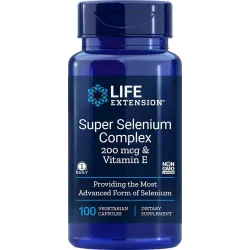
Super Selenium Complex
Price: 12,83 €Supports cellular health with 3 forms of selenium Combines three unique... -
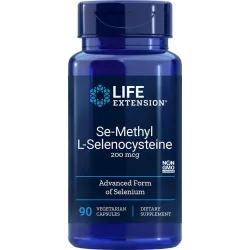
Se-Methyl L-Selenocysteine
Price: 10,90 €Selenium is an important antioxidant An essential cofactor of glutathione... -
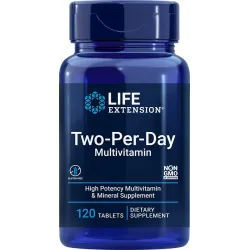
Two-Per-Day Tablets, 120 tablets
Price: 27,30 €Super-potent multivitamin & mineral supplement Has the highest nutritional... -
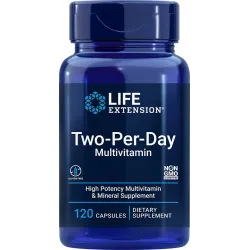
Two-Per-Day Capsules
Price: 28,41 €Super-potent multivitamin & mineral supplement Has the highest nutritional...
Related posts
-
 Is Conventional Pomegranate Extract Enough?
An abundance of clinical data has established pomegranate as a broad-spectrum, multi-modal defense against the...
Is Conventional Pomegranate Extract Enough?
An abundance of clinical data has established pomegranate as a broad-spectrum, multi-modal defense against the... -
Lipoic Acid Reverses Mitochondrial Decay
It is estimated that 85% of the oxygen contained in every breath you take is consumed by the mitochondria within each...
-
Vitamin C and Dihydroquercetin
Every day, our bodies are under continual assault by damaging agents known as free radicals. Generally, both internal...
-
How Resveratrol Combats Leading Causes of Death
In 1997, the first scientific paper on resveratrol was published showing that this polyphenol could prevent cancer in...
-
Autoimmune Diseases part 1
Autoimmune diseases are characterized by the body's immune responses being directed against its own tissues, causing...