
 English
 Polski
 Deutsch
 Français
 ελληνικά
 Español
 Italiano
Migraine. Control Underlying Factors Behind Migraines
 Migraines are more than just headaches. They are serious disorders that can cause lasting neurological damage and increase the risk of stroke as well as dementia.1-5
Large-scale epidemiological studies reveal that in the US, around 16-22% of adults reported migraine or severe headache symptoms.6 Migraines and severe head pain are significant public health concerns with head pain representing the fifth leading cause of emergency room visits each year.6
As scientists delve into the biochemistry of the human brain, they are discovering that migraines can cause lasting damage that is similar to the changes seen in seizures, strokes, and dementia.1,2,7 Physicians are finding that a patient’s history of migraines can be a risk factor for some of the most-feared chronic brain disorders.1-5,7
Current migraine treatments include drugs originally developed for treating epilepsy.8-10 In the short-term, these drugs are effective because they help reduce the over-excitation in the brain that produces a seizure or a migraine.9 But as with most pharmaceutical drugs, they are fraught with side effects and fail to address the underlying cause.8,10
As scientists searched for treatment alternatives to anti-epileptic drugs, they uncovered two compounds that provide a therapeutic dual action against the changes in the brain that lead to migraines.
Both of these substances, gastrodin and magnesium, are thought to modulate the sudden changes in neurotransmitters that can set off a crippling migraine as well as support healthy blood flow to the brain. Gastrodin and magnesium work to calm and balance the storm of neurotransmitters that can lead to a migraine while nourishing the brain with improved blood flow.11-14
This article explains how gastrodin and magnesium provide relief and protection for sufferers of migraine headaches.
The Inner Workings Of A Migraine
 While we still have much to learn, scientists are discovering that migraines share several basic features with other brain disorders.
Before and during a migraine attack, blood flow in specific brain regions begins to drop, causing disturbances in the brain’s balance and affecting neurological function.15-17 A reduction in brain blood flow also occurs during a stroke, and more gradually in the condition known as vascular dementia, which reduces your ability to reason and maintain memories.1,18 In all three cases, the result is increased vulnerability of brain cells to dysfunction, degeneration, and eventually death.1
Brain scans show that people with migraines have visible abnormalities that are similar to those seen in stroke victims and in people with dementia.19,20 And some studies suggest that people with chronic migraines are at an increased risk for strokes and dementia.3-5
In addition to problems with blood flow to the brain, people with migraines show a harmful imbalance in the brain’s excitatory and inhibitory activity.2,21,22
Normally, the brain maintains a healthy balance between excitatory and inhibitory activity by modulating the relative amounts of neurotransmitters that brain cells use to communicate across their connections, or synapses.
Sudden and excessive excitation of brain cells, combined with insufficient amounts of input from the calming GABA neurotransmitter, produces the electrical “storm” we see as an epileptic seizure.6 It’s now thought that a milder version of this process occurs during a migraine.7,23 The longer-term effects of this imbalance result in a condition called excitotoxicity, which also occurs in strokes and in the neurodegenerative disorders that produce dementia, such as Alzheimer’s disease.1
Because the imbalance between excitatory and inhibitory neurotransmitters is common to both migraines and to seizures, neurologists have begun exploring anti-epileptic drugs in the treatment of migraines. Such drugs generally elevate the GABA-related activity in the brain in an attempt to move the brain’s balance back to normal.9,10
But seizure drugs are extremely powerful medicines with plenty of adverse effects, and physicians and patients alike are understandably reluctant to use them continuously to prevent migraine attacks.8,10
Gastrodin: A Powerful, Multi-Targeted Brain Shield
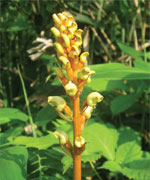 The extract of the root of the orchid Gastrodia elata has been used for centuries in traditional Chinese medicine formulas, especially for disorders involving the central nervous system.24
Studies show that gastrodin-based formulations improve brain blood flow, which is commonly reduced during migraines.13,15,24 This benefit of gastrodin has been used successfully in China to treat stroke victims, whose decrease in brain blood flow is potentially life-threatening.25-27
Gastrodin’s most exciting mechanism of action stems from its ability to modulate both excitatory and inhibitory neurotransmitters, which makes it particularly beneficial to migraine patients.12,27-30
Laboratory studies demonstrate that gastrodin inhibits the enzymes that break down the calming GABA neurotransmitter. By blocking these enzymes, gastrodin helps raise GABA levels back to normal.12,28
While increasing the calming GABA, gastrodin also decreases levels of excitatory neurotransmitters in a brain stressed by reduced blood flow.27,29,30
Restoring this balance has been shown to be neuro-protective, even against the massive decrease in brain blood flow seen in strokes.27,29
The cumulative impact of gastrodin’s increase in blood flow and reduction in the excitatory/inhibitory ratio may be behind its impressive success in clinical trials for migraine relief.31
In a study of 90 migraine patients, the subjects were given either gastrodin (50 mg three times daily) or the prescription drug flunarizine (a calcium channel blocker that may enhance blood flow) over a 6-week period.31 Both treatments were equally effective at reducing both the duration and total number of migraine attacks. However, gastrodin was more effective than the drug overall, with a higher proportion of people achieving a benefit of 91% compared with just 76% in the drug-treated group.31
In other studies gastrodin showed a higher overall therapeutic effective rate vs. flunarizine.32-34
Clearly, gastrodin’s ability to boost brain blood flow, shield brain cells from excitotoxicity, and restore the calming inhibitory effects of GABA is effective in migraine headaches as well as in the more immediately-threatening disorders like strokes.27,29,31 Now let’s look at the element magnesium to see how it augments gastrodin for comprehensive migraine prevention.
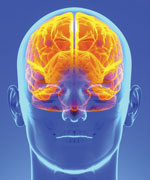
- Migraine headaches are common and debilitating.
- Mainstream medicine has made little progress at preventing these excruciating episodes, while evidence is accumulating that recurrent migraines place you at risk for strokes and dementia over the long-term.
- Mainstream medicine has turned to anti-epileptic drugs that treat seizures because of a strong similarity between the brain chemistry of seizures and migraines, but these drugs are burdened with many side effects.
- Two natural substances, gastrodin and magnesium, work on similar biochemical pathways to anti-epileptic drugs to restore the balance of brain neurotransmitters and calm the excited brains of migraine sufferers.
- As a bonus, both gastrodin and magnesium boost brain blood flow, which is diminished at the outset of a migraine headache.
- Gastrodin and magnesium have proven safe and effective in clinical trials of migraine and many other serious neurological conditions.
- Safe, natural migraine prevention is now available in a capsule containing both gastrodin and magnesium.
Magnesium Complements Gastrodin For Migraines
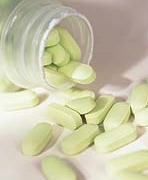 Magnesium is essential in controlling brain electrical activity, especially with regard to brain blood flow and modulating the excitatory-to-inhibitory actions of brain cells.35 Studies show that up to 50% of migraine patients are deficient in the amounts of magnesium in their blood during an attack, and that they can have a high ratio of calcium to magnesium.36-38 This imbalance sets the stage for the contraction of brain blood vessels resulting in a reduction of blood flow. Because of this benefit, magnesium is increasingly indicated for migraine prevention.14,36-38
Treatment with magnesium does increase both brain blood flow and its velocity, as shown by researchers using high-tech Doppler ultrasound to look through the skull and measure blood flow velocity in a major brain artery.39,40
Like gastrodin, magnesium also has beneficial effects on the balance of excitatory to inhibitory neurotransmitter signaling in the brain. Magnesium is a natural blocker of an excitatory receptor on brain cells, so when ample magnesium is available, those receptors don’t trigger the excitatory electrical impulse.41-43 This allows the brain to move into its more balanced, calm mode. In addition to blocking excitatory receptors, magnesium also supports brain GABA activity, helping to induce a calming environment and further reduce the excessive brain electrical activity associated with migraines and seizures.44
And magnesium supplementation has now been proven to be effective at preventing migraine headaches.40,45-49
One early study evaluated women with migraine during their menstrual cycles, a common time for attacks to increase.45 Using 360 mg of magnesium daily vs. placebo, researchers showed that the number of days with headache was reduced only in the magnesium group. Magnesium also improved premenstrual complaints.
A broader study of migraine patients demonstrated a significant reduction in the incidence of migraine headaches using a dose of 600 mg/day of trimagnesium dicitrate.46 Another, similar study showed that irritation of facial and neck muscles, common in migraines, was also reduced by magnesium supplementation.47 The frequency of migraine attacks was reduced by nearly 42% in a group treated with trimagnesium dicitrate 600 mg/day, compared with around 15% of placebo-treated subjects.48
Several dramatic studies have now appeared in which complete elimination of migraine pain was accomplished using intravenous magnesium citrate. One study revealed an 80% rate of pain resolution within 15 minutes of the injection, along with complete elimination of hypersensitivity to light or sound, common migraine features.50 Another study found response to treatment in 100% of those given the IV magnesium (7% in placebo), with complete disappearance of pain in 87% (0% of placebo); all patients receiving IV magnesium had resolution of accompanying symptoms.51
In total, at least half a dozen good clinical trials have now demonstrated the utility of oral magnesium in the form of magnesium oxide and trimagnesium dicitrate for preventing migraines and reducing their severity.40,45-48,52,53 Intravenous magnesium sulfate has proven its effectiveness in hospitals, including emergency room departments, to treat an existing migraine headache.49-51,54
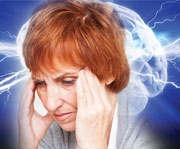 Migraine headaches are now ranked in the top 20 on the World Health Organization’s list of diseases causing disability worldwide.55 There are two major subtypes of migraines.
Migraines without auras are the most common type.57 These headaches have a higher attack frequency and are usually more disabling than migraines with auras.58
A typical migraine without aura lasts as little as 4 hours and as long as 72, with classic symptoms of a single-sided headache, pulsating pain of moderate or severe intensity, along with nausea (and often vomiting) and an aversion to light or sounds.55 These headaches are aggravated by routine physical activity.57
Migraines with auras involve recurrent episodes of localized neurological symptoms (weakness, tingling, ringing in the ears, etc.) that develop over 5 to 20 minutes and last usually for less than an hour (the aura itself).57 A headache like that of a migraine without aura usually, but not always, follows the aura symptoms.
“Premonitory” symptoms, or warning signs of a migraine, can occur hours to a few days prior to a migraine attack; these arise both in people with auras and those without, and these symptoms should not be confused with the presence of an aura. Such symptoms include fatigue, concentration difficulty, and muscle stiffness particularly in the neck.59
How Anti-Epileptic Drugs Mitigate Migraines
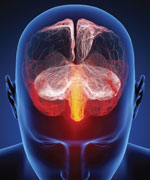 Migraine headaches and epileptic seizures share many clinical and biochemical features.2,7 They both occur in unpredictable episodes, though the onset of individual attacks may be preceded by a warning aura. Within the brain, both involve an imbalance between neuronal excitation and inhibition, with excitation coming out on top and explaining most of the symptoms.2
These similarities have led many physicians to use anti-epileptic drugs “off-label,” to attempt to prevent migraine headaches.8-10,60 Three drugs in particular, valproic acid, gabapentin, and topiramate, are heavily used in this fashion.
All of these drugs act by increasing concentrations of the neurotransmitter GABA, which has a calming, inhibitory effect on the brain. These and other drugs also appear to reduce concentrations of excitatory glutamate, further restoring a normal balance.9
But all anti-epileptic drugs have serious side effects that become increasingly likely with long-term use.8,10 In 2008, the US Food and Drug Administration issued a warning that all anti-epileptic drugs are associated with increased risk of suicidal ideation and behavior.8
Fortunately, gastrodin and magnesium, two natural substances, act on similar biochemical pathways as anti-epileptic drugs to quell excitation and promote brain cell relaxation in migraine sufferers.11,12,14,27,28,35,37
Summary
Migraine headaches are common, affecting 18% of American women and 6% of men.55 They rank near the top of disorders that cause debilitation and loss of work or recreational time.55 And mainstream medicine has yet to find a safe, long-term way to prevent migraines before they begin.56
Two natural substances, gastrodin and magnesium, have shown efficacy in preventing and sometimes treating migraine headaches. Both work to improve brain blood flow, which is decreased at the beginning of a migraine attack.13,24,28,31,37 Both also act in specific (but different) ways to increase brain concentrations of the calming neurotransmitter GABA, while reducing the impact of the excitatory, potentially damaging neurotransmitter glutamate.11,12,14,27,28,35,37
These two natural compounds act in similar ways to the desired effects of the anti-epileptic drugs now in widespread use in migraine treatment, and for good reason.12,14,44 Anti-epileptic drugs lower excitatory glutamate levels while boosting calming GABA levels, similar to gastrodin and magnesium. The downside to these drugs, however, are side effects that decrease their usefulness in the long-term.8-10
If you suffer from migraine headaches, gastrodin formulations and magnesium have been shown to calm the brain, reduce dangerous levels of excitotoxicity, and minimize or eliminate migraine headaches.12,27,28,30,39,40,54-56 This is especially important as we learn how much migraines have in common with debilitating disorders such as strokes and dementia—and how greatly migraines raise your risk for those conditions.1-5,7
Material used with permission of Life Extension. All rights reserved.
- Sas K, Pardutz A, Toldi J, Vecsei L. Dementia, stroke and migraine–some common pathological mechanisms. J Neurol Sci. 2010 Dec 15;299(1-2):55-65.
- Eggers AE. New neural theory of migraine. Med Hypotheses. 2001 Mar;56(3):360-3.
- Paemeleire K. Brain lesions and cerebral functional impairment in migraine patients. J Neurol Sci. 2009 Aug 15;283(1-2):134-6.
- Kuo CY, Yen MF, Chen LS, et al. Increased risk of hemorrhagic stroke in patients with migraine: a population-based cohort study. PLoS One. 2013;8(1):e55253.
- Chuang CS, Lin CL, Lin MC, Sung FC, Kao CH. Migraine and risk of dementia: A nationwide retrospective cohort study. Neuroepidemiology. 2013 Jul 30;41(3-4):139-45.
- Smitherman TA, Burch R, Sheikh H, Loder E. The prevalence, impact, and treatment of migraine and severe headaches in the United States: a review of statistics from national surveillance studies. Headache. 2013 Mar;53(3):427-36.
- Rogawski MA. Common pathophysiologic mechanisms in migraine and epilepsy. Arch Neurol. 2008 Jun;65(6):709-14.
- Kanner AM. Are antiepileptic drugs used in the treatment of migraine associated with an increased risk of suicidality? Curr Pain Headache Rep. 2011 Jun;15(3):164-9.
- Landmark CJ. Targets for antiepileptic drugs in the synapse. Med Sci Monit. 2007 Jan;13(1):RA1-7.
- Reynolds MF, Sisk EC, Rasgon NL. Valproate and neuroendocrine changes in relation to women treated for epilepsy and bipolar disorder: a review. Curr Med Chem. 2007;14(26):2799-812.
- Bie X, Chen Y, Han J, Dai H, Wan H, Zhao T. Effects of gastrodin on amino acids after cerebral ischemia-reperfusion injury in rat striatum. Asia Pac J Clin Nutr. 2007;16 Suppl 1:305-8.
- An SJ, Park SK, Hwang IK, et al. Gastrodin decreases immunoreactivities of gamma-aminobutyric acid shunt enzymes in the hippocampus of seizure-sensitive gerbils. J Neurosci Res. 2003 Feb 15;71(4):534-43.
- Jingyi W, Yasuhiro M, Naoya H, et al. Observation on the effects of Chinese medicine zhenxuanyin for improving cerebral blood flow in rats with cerebral ischemia. J Tradit Chin Med. 1997 Dec;17(4):299-303.
- Mauskop A, Varughese J. Why all migraine patients should be treated with magnesium. J Neural Transm. 2012 May;119(5):575-9.
- Lauritzen M. Cerebral blood flow in migraine and cortical spreading depression. Acta Neurol Scand Suppl. 1987;113:1-40.
- Olsen TS, Friberg L, Lassen NA. Migraine aura–vascular or neuronal disease? Ugeskr Laeger. 1990 May 21;152(21):1507-9.
- Olesen J, Larsen B, Lauritzen M. Focal hyperemia followed by spreading oligemia and impaired activation of rCBF in classic migraine. Ann Neurol. 1981 Apr;9(4):344-52.
- Available at: http://memory.ucsf.edu/education/diseases/vascular. Accessed August 6, 2013.
- Aradi M, Schwarcz A, Perlaki G, et al. Quantitative MRI studies of chronic brain white matter hyperintensities in migraine patients. Headache. 2013 May;53(5):752-63.
- Bashir A, Lipton RB, Ashina S, Ashina M. Migraine and structural changes in the brain: A systematic review and meta-analysis. Neurology. 2013 Oct 1;81(14):1260-8. Epub 2013 Aug 28.
- Gonzalez de la Aleja J, Ramos A, Mato-Abad V, et al. Higher glutamate to glutamine ratios in occipital regions in women with migraine during the interictal state. Headache. 2013 Feb;53(2):365-75.
- Longoni M, Ferrarese C. Inflammation and excitotoxicity: role in migraine pathogenesis. Neurol Sci. 2006 May;27 Suppl 2:S107-10.
- Plummer PN, Colson NJ, Lewohl JM, et al. Significant differences in gene expression of GABA receptors in peripheral blood leukocytes of migraineurs. Gene. 2011 Dec 15;490(1-2):32-6.
- Lu SL, Liu X, Wang JL, et al. The development of nao li shenand its clinical application. J Pharm Pharmacol. 1997 Nov;49(11):1162-4.
- Li H, Fan P, Li K, Jiang J, PeI R. Effect of Naloxone combined with Gastrodin in treatment of actue cerebral infarction. China Modern Doctor. 2012:122-25.
- Wei J-j, Zhou Y-l. Treatment of posterior circulation ischemia with gastrodin and betahistine. Practical Clinical Medicine. 2012;13(4).
- Zeng X, Zhang S, Zhang L, Zhang K, Zheng X. A study of the neuroprotective effect of the phenolic glucoside gastrodin during cerebral ischemia in vivo and in vitro. Planta Med. 2006 Dec;72(15):1359-65.
- Liu W, Su BL, Wang ZS, Zhang X, Gao YS, Song SW. Gastrodin improved baroreflex sensitivity and increased gamma-amino butyric acid content in brains without decreasing blood pressure in spontaneously hypertensive rats. CNS Neurosci Ther. 2012 Oct;18(10):873-5.
- Xu X, Lu Y, Bie X. Protective effects of gastrodin on hypoxia-induced toxicity in primary cultures of rat cortical neurons. Planta Med. 2007 Jun;73(7):650-4.
- Zeng X, Zhang Y, Zhang S, Zheng X. A microdialysis study of effects of gastrodin on neurochemical changes in the ischemic/reperfused rat cerebral hippocampus. Biol Pharm Bull. 2007 Apr;30(4):801-4.
- Guo X, Nie Y. Short-term therapeutic efficacy of gastrodin on migraine. Chinese Journal of General Practice. 2011;9(4).
- Youlai Z. Therapeutic Efficacy of gastrodin on migraine. The Medical Forum. 2006;10(4).
- Guo F. Aerospace Medicine. 2009 Sept.
- Bai Y, Zhao Y. Controlled clinical trial of gastrodine combined with flunarizine in prevention of migraine attack. Journal of Mudanjiang Medical University. 2009;30(1).
- Morris ME. Brain and CSF magnesium concentrations during magnesium deficit in animals and humans: neurological symptoms. Magnes Res. 1992 Dec;5(4):303-13.
- Mauskop A, Altura BM. Role of magnesium in the pathogenesis and treatment of migraines. Clin Neurosci. 1998;5(1):24-7.
- Mauskop A, Altura BT, Cracco RQ, Altura BM. Deficiency in serum ionized magnesium but not total magnesium in patients with migraines. Possible role of ICa2+/IMg2+ ratio. Headache. 1993 Mar;33(3):135-8.
- Sun-Edelstein C, Mauskop A. Role of magnesium in the pathogenesis and treatment of migraine. Expert Rev Neurother. 2009 Mar;9(3):369-79.
- Lysakowski C, Von Elm E, Dumont L, et al. Effect of magnesium, high altitude and acute mountain sickness on blood flow velocity in the middle cerebral artery. Clin Sci (Lond). 2004 Mar;106(3):279-85.
- Koseoglu E, Talaslioglu A, Gonul AS, Kula M. The effects of magnesium prophylaxis in migraine without aura. Magnes Res. 2008 Jun;21(2):101-8.
- Safar MM, Abdallah DM, Arafa NM, Abdel-Aziz MT. Magnesium supplementation enhances the anticonvulsant potential of valproate in pentylenetetrazol-treated rats. Brain Res. 2010 Jun 2;1334:58-64.
- Lyden P, Wahlgren NG. Mechanisms of action of neuroprotectants in stroke. J Stroke Cerebrovasc Dis. 2000 Nov;9(6 Pt 2):9-14.
- Afshari D, Moradian N, Rezaei M. Evaluation of the intravenous magnesium sulfate effect in clinical improvement of patients with acute ischemic stroke. Clin Neurol Neurosurg. 2013 Apr;115(4):400-4.
- Held K, Antonijevic IA, Kunzel H, et al. Oral Mg(2+) supplementation reverses age-related neuroendocrine and sleep EEG changes in humans. Pharmacopsychiatry. 2002 Jul;35(4):135-43.
- Facchinetti F, Sances G, Borella P, Genazzani AR, Nappi G. Magnesium prophylaxis of menstrual migraine: effects on intracellular magnesium. Headache. 1991 May;31(5):298-301.
- Taubert K. Magnesium in migraine. Results of a multicenter pilot study. Fortschr Med. 1994 Aug 30;112(24):328-30.
- Thomas J, Tomb E, Thomas E, Faure G. Migraine treatment by oral magnesium intake and correction of the irritation of buccofacial and cervical muscles as a side effect of mandibular imbalance. Magnes Res. 1994 Jun;7(2):123-7.
- Peikert A, Wilimzig C, Kohne-Volland R. Prophylaxis of migraine with oral magnesium: results from a prospective, multi-center, placebo-controlled and double-blind randomized study. Cephalalgia. 1996 Jun;16(4):257-63.
- Bigal ME, Bordini CA, Tepper SJ, Speciali JG. Intravenous magnesium sulphate in the acute treatment of migraine without aura and migraine with aura. A randomized, double-blind, placebo-controlled study. Cephalalgia. 2002 Jun;22(5):345-53.
- Mauskop A, Altura BT, Cracco RQ, Altura BM. Intravenous magnesium sulfate rapidly alleviates headaches of various types. Headache. 1996 Mar;36(3):154-60.
- Demirkaya S, Vural O, Dora B, Topcuoglu MA. Efficacy of intravenous magnesium sulfate in the treatment of acute migraine attacks. Headache. 2001 Feb;41(2):171-7.
- Tarighat Esfanjani A, Mahdavi R, Ebrahimi Mameghani M, Talebi M, Nikniaz Z, Safaiyan A. The effects of magnesium, L-carnitine, and concurrent magnesium-L-carnitine supplementation in migraine prophylaxis. Biol Trace Elem Res. 2012 Dec;150(1-3):42-8.
- Wang F, Van Den Eeden SK, Ackerson LM, Salk SE, Reince RH, Elin RJ. Oral magnesium oxide prophylaxis of frequent migrainous headache in children: a randomized, double-blind, placebo-controlled trial. Headache. 2003 Jun;43(6):601-10.
- Cete Y, Dora B, Ertan C, Ozdemir C, Oktay C. A randomized prospective placebo-controlled study of intravenous magnesium sulphate vs. metoclopramide in the management of acute migraine attacks in the Emergency Department. Cephalalgia. 2005 Mar;25(3):199-204.
- Available at: http://www.migraineresearchfoundation.org/fact-sheet.html. Accessed October 9, 2013.
- Available at: http://www.mayoclinic.com/health/migraine-headache/DS00120/DSECTION=treatments-and-drugs. Accessed October 9, 2013.
- Available at http://www.mayoclinic.com/health/migraine-with-aura/DS00908/DSECTION=symptoms. Accessed October 9, 2013.
- Available at: http://ihs-classification.org/en/02_klassifikation/02_teil1/01.01.00_migraine.html. Accessed October 14, 2013.
- Giffin NJ, Ruggiero L, Lipton RB, et al. Premonitory symptoms in migraine: an electronic diary study. Neurology. 2003 Mar 25;60(6):935-40.
- Available at: http://health.nytimes.com/health/guides/disease/migraine/medications-for-treating-migraine-attacks.html. Accessed October 14, 2013.
Related product
-
Migra-Eeze™
Price: 41,67 €Standardized Butterbur-Ginger-Riboflavin Formula In Germany, doctors are...
Related posts
-
 Feed Your Brain!
Millions of people around the world are adhering to low-fat, low-cholesterol diets in an effort to reduce the impact...
Feed Your Brain!
Millions of people around the world are adhering to low-fat, low-cholesterol diets in an effort to reduce the impact... -
Lipoic Acid Reverses Mitochondrial Decay
It is estimated that 85% of the oxygen contained in every breath you take is consumed by the mitochondria within each...
-
Vitamin C and Dihydroquercetin
Every day, our bodies are under continual assault by damaging agents known as free radicals. Generally, both internal...
-
How Resveratrol Combats Leading Causes of Death
In 1997, the first scientific paper on resveratrol was published showing that this polyphenol could prevent cancer in...
-
Discovering Coffee's Unique Health Benefits
Every morning, many of us sip our coffee with no real thought given to the beans behind the brew. But coffee beans...