
 English
 Polski
 Deutsch
 Français
 ελληνικά
 Español
 Italiano
Enhancing Growth Hormone Naturally
 During our youth, abundant levels of growth hormone (GH) promote an energetic physiology essential for healthy metabolism and an optimal ratio of lean muscle tissue to body fat.
By the time we reach middle age, however, levels of essential hormones such as testosterone and DHEA decline, while age-associated decreases in muscle mass and increases in body fat become noticeable.
Furthermore, research shows that in aging men, the amplitude of pulsatile GH release (the magnitude of the GH pulse) declines by 50% every seven years after 18-25 years of age.1
Exogenous subcutaneous injection of human recombinant growth hormone is expensive and still controversial. Fortunately, studies have shown that there are strategies that may naturally boost the endogenous production of growth hormone and thus provide a viable alternative to expensive injections. In particular, exciting research suggests that the growth hormone-blocker somatostatin can itself be inhibited with a nutrient called CDP-choline, thus slowing the rate at which growth hormone declines.
Naturally supporting the body’s own endogenous growth hormone production using targeted lifestyle and nutritional strategies may provide a safe method of harnessing the vigor and vitality associated with youthful growth hormone levels.
Growth Hormone Basics
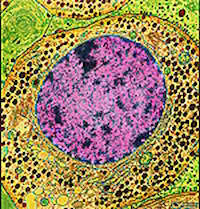 Growth hormone (GH), also known as somatotropin, is a peptide hormone produced by the anterior lobe of the pituitary gland. Growth hormone secretion occurs in a pulsatile fashion following a circadian (daily) rhythm, which is controlled by a central area of the brain known as the hypothalamus. The hypothalamus regulates serum GH levels through the release of two functionally opposing hormones: growth hormone-releasing hormone stimulates GH release, while somatotropin release-inhibiting hormone reduces it.
Endogenous (made within the body) GH exerts its actions by binding directly to specific receptors on target tissues including muscle, connective tissue (tendons, ligaments, bone, and fat), as well as every major organ. Growth hormone also works indirectly by stimulating liver cells to produce and secrete polypeptide molecules known as somatomedins, the best studied of which is insulin-like growth factor-1 (IGF-1). Like GH, IGF-1 boasts receptors throughout the body and serves many functions. Together, GH and IGF-1 play influential roles in virtually every system—from muscle, bone, and connective tissue growth and repair, to the selective regulation of various aspects of metabolism, as well as helping maintain normal brain function and cardiac health.
However, GH secretion falls precipitously with advancing age. Furthermore, research shows that in aging men, the amplitude of pulsatile GH release (the magnitude of the GH pulse) declines by 50% every seven years after 18-25 years of age.1
This decline is also mirrored by diminishing IGF-1 levels. The decrease in the secretory activity of the GH/IGF-1 axis, commonly referred to as somatopause, correlates with a number of undesirable symptoms generally associated with aging. Most notably, diminishing GH/IGF-1 has been shown to reflect disordered sleeping patterns, bone frailty, increases in central adiposity (fat accumulation around the middle of the body including the abdomen), as well as decreases in cognition and muscle mass, strength, and conditioning.2-9
Is Synthetic GH Replacement Therapy Beneficial?
 Since the decline of GH correlates with the onset of aging-related symptoms, scientists have investigated whether synthetic GH replacement may prove beneficial.
Some of the most compelling evidence that somatopause may respond favorably to synthetic GH replacement therapy comes from investigations involving patients suffering from total or near total absence of GH secretion as a result of pituitary disease. Without treatment, adults suffering from pituitary disease are both physically and psychologically less healthy than their age-matched peers, demonstrating significantly reduced muscle mass, bone density, exercise performance, thyroid function, and collagen production, with a concurrent escalation of central fat mass (especially fat accumulation in the abdominal organs) and insulin resistance, as well as an increased risk for cerebrovascular accidents (strokes) and cardiac events.10 Psychologically, they tend to experience more emotional lability (abrupt changes in mood in response to everyday events), depression, and social isolation,11-14 and their average life expectancy is measurably reduced.15,16
In the late 1980s and early 1990s, GH replacement studies in adults with poor pituitary function were designed with the goal of restoring normal GH levels. However, the doses used in these chronically GH-deficient individuals produced IGF-1 concentrations that greatly exceeded the expected range, resulting in unacceptably high rates of adverse reactions. In subsequent work, with GH doses adjusted to produce age-appropriate IGF-1 concentrations, negative side effects were largely eliminated or reduced to tolerable levels. Study subjects demonstrated significant and sustained improvements in body composition, physical performance, bone density, and psychological well-being, as well as substantial reductions in biomarkers for cardiac disease.17-24
In light of these results, researchers felt cautiously optimistic that men and women with partial GH deficiency secondary to advancing age might also reap the benefits of GH replacement therapy. However, following a landmark study by Rudman and colleagues in 1990, which provided the first evidence that GH supplementation in the elderly could diminish—and potentially reverse—some of the physical symptoms associated with somatopause,25 exogenous GH therapy has been controversial10,26-37 and associated with high costs.
Fortunately, scientists are discovering that the benefits of youthful GH levels can also be harnessed safely by naturally increasing the body’s own hormone levels with the right nutrients and lifestyle practices.
Nutritional Strategies for Optimizing GH
Nutritional strategies can offer targeted support for individuals seeking to enhance their endogenous production of GH. Such nutrients may work either by directly enhancing GH release from the pituitary gland or by enhancing the efficacy of sleep or exercise, the two activities that best support GH secretion.
CDP-Choline Boosts GH, Supports Brain Health
 A growing body of research suggests that the compound cytidine-5’-diphosphate choline (CDP-choline) may boost GH secretion while conferring an array of brain health benefits for aging adults.
As adults grow older, GH secretion from the anterior pituitary gland declines precipitously. Exciting scientific research suggests that decreased GH release results in part from increasing levels of somatostatin with aging. Somatostatin produced by the hypothalamus inhibits the release of GH from the anterior pituitary.
This innovative idea has led researchers to search for agents that inhibit somatostatin and thus potentially increase the release of GH. Experimental research shows that treatment with cholinergic agonists increases GH release by inhibiting somatostatin release from the hypothalamus.38
These findings were soon supported by a human study. This compelling investigation showed that administration of CDP-choline to healthy elderly adults resulted in a dramatic four-fold increase in serum GH levels, compared with baseline values.39 These findings build upon evidence from an earlier study showing that CDP-choline administration in healthy men increased serum GH levels.40
In addition to its effects on GH release, CDP-choline acts through other mechanisms to promote brain cell integrity and health. CDP choline acts as an intermediate in the synthesis of neuronal membranes, promoting healthy brain cell membrane structure and function. CDP-choline counteracts the deposition of amyloid-beta, a pathological protein found in the brains of patients with Alzheimer’s disease. Human research suggests that CDP-choline supports release of the essential neurotransmitter norepinephrine, while animal studies show that CDP-choline increases brain levels of key neurotransmitters including dopamine and serotonin.41
In clinical trials, CDP-choline has shown promise in improving age-associated memory impairment, boosting cognitive performance in the early stages of Alzheimer’s disease, and supporting recovery from both ischemic and hemorrhagic stroke.41
These findings combine to suggest a powerful role for CDP-choline in supporting healthy GH levels and in optimizing brain health with aging.
Protein, Amino Acids Enhance GH Release, Lean Body Mass
 Protein (especially protein derived from animal sources) provides important essential and conditionally essential amino acids known to assist endogenous GH secretion.42-44 An added bonus: these same essential amino acids are vital for supporting muscle growth and recovery in active men and women.
The most abundant amino acid in the body is glutamine. Consuming even a relatively small amount of glutamine (2,000 mg) has been shown to increase plasma GH levels.45 Glutamine has also been shown to help preserve muscle mass in individuals vulnerable to losing lean body mass due to inactivity following surgery.46 This suggests that glutamine may provide important benefits in maintaining lean body tissue.
Like glutamine, oral intake of the amino acid arginine increases the release of GH at rest. The combination of arginine intake with exercise produces even greater increases in GH levels.47 In addition to its anabolic (tissue-building) effects,48 ornithine alpha-ketoglutarate has also been reported to increase GH secretion.49
Compelling evidence demonstrates that the combination of arginine and ornithine augments the results of resistance training by helping to increase lean body mass and strength. The investigation also indicated that oral doses as relatively small as 1 gram of ornithine and arginine were effective in enhancing strength and lean tissue mass.50
What You Need to Know: Enhancing Growth Hormone Naturally
-
 Growth hormone (GH) is a peptide hormone that is intimately involved in tissue growth and repair. Together with insulin-like growth factor 1 (IGF-1), GH helps regulate metabolism and maintain normal brain and cardiac function.
 -
Secretion of GH falls dramatically with aging, correlating with age-related symptoms such as disordered sleep patterns, fragile bones, cognitive decline, and decreased muscle mass and strength.
-
Studies examining exogenous GH therapy in elderly adults with declining GH levels have yielded mixed results.
-
Given the mixed results and the high cost of subcutaneous injection of human recombinant GH therapy, a more natural approach to maintaining youthful health and vigor is to employ lifestyle choices that optimize the endogenous production of GH.
-
Safe methods for enhancing endogenous GH production include: losing excess body fat, particularly abdominal fat; avoiding high-glycemic load carbohydrates; optimizing sleep habits; eating a high-protein, low-carbohydrate snack before bedtime; and exercising regularly to your lactate threshold. Targeted nutrients including CDP-choline, arginine, ornithine, glycine, glutamine, and niacin (vitamin B3) can help support endogenous GH secretion, assist muscle growth and recovery from exercise, and promote healthy sleep.
 Glycine Supports Healthy Sleep, GH Release Since GH secretion occurs primarily at night, ensuring good sleeping habits is essential for individuals seeking to optimize their natural levels of GH. Unfortunately, one-third of adults report at least occasional bouts of insomnia, and about one-third of them suffer from sleeplessness or disturbed sleep on a more chronic basis, to the point that it regularly impairs daytime functioning.
For the millions of sleepless among us, there may be good news—in the form of an inexpensive, naturally occurring amino acid known as glycine. Within the central nervous system, glycine functions as an inhibitory neurotransmitter, playing a well-documented and critical role in initiating normal patterns of REM sleep.51 Now, a new study of chronic insomniacs demonstrates that glycine administered orally just prior to bedtime significantly improves sleep quality, shortening the latency between sleep onset and initiation of slow-wave (deep) sleep as measured by polysomnography. Volunteers also reported less daytime sleepiness, a subjective finding that was objectively corroborated by improved performance on cognitive tasks testing memory recognition.52
What You Need to Know: Declining GH Levels and Poor Health
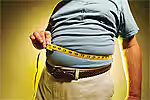 There are a number of lifestyle factors that lead to decreased GH and IGF-1 secretion. For example, multiple studies indicate that central adiposity (the accumulation of central body fat) accurately predicts GH decline.65-68 In addition, it is well established that poor nutritional status, inadequate sleep, and lack of physical fitness can all contribute to decreases in circulating GH and IGF-1, regardless of age.60 Individually or in combination, poor nutritional status, inadequate sleep, and lack of physical fitness negatively impact body composition, bone strength, athletic conditioning, and cognition—independent of their effects on serum GH levels.42 It seems clear that an unhealthy lifestyle contributes to somatopause both directly, by causing profound reductions in GH secretion, as well as indirectly, by promoting the physical and psychological symptoms of accelerated aging.
These findings build on previous work showing that a supplement cocktail containing glycine, glutamine, and niacin (vitamin B3) significantly increases endogenous GH secretion in healthy, middle-aged men and women. Individual test subjects in the study who demonstrated a concomitant increase in IGF-1 also exhibited improved memory and vigor.53
Lifestyle Techniques to Naturally Boost Endogenous GH Secretion
 Healthy lifestyle practices are an essential component of a program to enhance endogenous GH production. The most important techniques for optimizing GH levels include:
1. Deflate the spare tire. If you happen to suffer from fat stores concentrated centrally around the organs of the abdominal region, GH secretion will be even more impaired. Fortunately, research indicates that declining GH due to body fat gain is partially reversible with weight loss.54 Unfortunately, visceral adiposity is often an indicator of both insulin and leptin resistance and, as a result, can be very difficult to shed permanently. Fortunately recent work has led to the discovery of effective, natural methods for combating leptin resistance.55-58
2. Avoid high-glycemic-load carbohydrates. Insulin is a powerful, direct inhibitor of GH secretion.42,60 To prevent the unhealthy surges of insulin or “insulin spikes” that decrease endogenous GH levels and increase your risk for type 2 diabetes, avoid highly processed carbohydrates like refined white bread and sugary cereal, as well as high-glycemic-load foods such as white rice, potato chips, cookies, soda, and commercially processed fruit juices (high in fructose and devoid of fiber). Instead, emphasize nutrient and fiber-rich whole fruits, vegetables, nuts, and legumes (beans).61
3. Insist on a good night’s sleep. The majority of GH secretion occurs at night during slow-wave (deep) sleep. Along with high-intensity exercise, another natural stimulus of endogenous GH secretion is sleep itself. It is well documented that inadequate sleep, irregular sleeping patterns, and poor quality sleep can substantially inhibit GH secretion.1,42 To optimize sleep, maintain good sleep hygiene habits: keep to a regular bedtime and wake up time; do not consume alcohol or caffeine 4-6 hours before bedtime; and keep excess light and noise out of the bedroom.
 4. Plan your last meal of the day carefully. Your last meal of the day is the most important for maintaining a robust GH/IGF-1 axis. A high-protein, low-carbohydrate snack before bedtime serves a dual purpose. First, it helps minimize insulin release and allows for maximum endogenous GH secretion. Second, important essential and conditionally essential amino acids found in protein assist endogenous GH secretion.42-44
5. Stay active! Exercise is a significant, natural optimizer of GH secretion.62 The type of exercise you do, as well the intensity and duration of your workouts, all play an important role in determining to what degree your training regimen contributes to GH secretion. A number of studies have suggested that the intensity necessary to trigger exercise-induced GH release corresponds to the lactate threshold—the exercise intensity at which lactic acid accumulates in the blood.63 Exercise training above the lactate threshold appears to amplify the pulsatile release of endogenous GH at rest, increasing total secretion for at least 24 hours.64
What You Need To Know: Harnessing Your Lactate Threshold
 At some point, depending on exercise duration and intensity, the rate of lactic acid formation in your muscles becomes greater than the rate of dispersion. This is known as the lactate threshold, and can usually be elicited at activity levels that demand between 80% and 90% of a trained athlete’s maximum heart rate. One of the easiest ways to surpass your lactate threshold is through resistance training, but you do not have to lift heavy weights to take advantage of increased endogenous GH. Several studies have shown that circuit training, which utilizes relatively light resistances, can be just as effective at driving GH release as a more strenuous workout.64,69,70 Intuitively, circuit training might seem less intense than power training. However, circuit training calls for an increased number of repetitions per set and the rest periods between consecutive sets are often considerably shorter, typically on the order of zero to 30 seconds, versus a minute or two for heavier lifting. If longer-duration, lower-intensity “cardio”-type activities such as running, cycling, or swimming are more your cup of tea, you may need to enhance your workouts to generate optimal GH secretion during exercise. Punctuating your usual, lower-intensity cardio routine with brief, all-out sprints every three to five minutes will rapidly push you to your lactate threshold.
Conclusion
The plentiful growth hormone levels of youth are associated with strength, good health, and vitality. However, given the high cost and mixed study results associated with recombinant GH injections, optimizing lifestyle choices to enhance endogenous GH production may represent the most intelligent way to benefit from this youthful hormone. Through weight management, exercise, healthy sleep habits, minimizing intake of high-glycemic-load carbohydrates, and consuming targeted nutrients such as CDP-choline, niacin, glycine, glutamine, arginine, and ornithine, you may safely and cost-effectively capture the many benefits of naturally high GH levels.
Material used with permission of Life Extension. All rights reserved.
- Available at: http://emedicine.medscape.com/article/126999-overview. Accessed January 5, 2009.
- de Boer H, Blok GJ, Van der Veen EA. Clinical aspects of growth hormone deficiency in adults. Endocr Rev. 1995 Feb;16(1):63-86.
- Sartorio A, Conti A, Molinari E, et al. Growth, growth hormone and cognitive functions. Horm Res. 1996;45(1-2):23-9.
- Toogood AA, Shalet SM. Ageing and growth hormone status. Baillieres Clin Endocrinol Metab. 1998 Jul;12(2):281-96.
- Van Cauter E, Leproult R, Plat L. Age-related changes in slow wave sleep and REM sleep and relationship with growth hormone and cortisol levels in healthy men. JAMA. 2000 Aug 16;284(7):861-8.
- Aleman A, de Vries WR, de Haan EH, et al. Age-sensitive cognitive function, growth hormone and insulin-like growth factor 1 plasma levels in healthy older men. Neuropsychobiology. 2000 Jan;41(2):73-8.
- Compton DM, Bachman LD, Brand D, Avet TL. Age-associated changes in cognitive function in highly educated adults: emerging myths and realities. Int J Geriatr Psychiatry. 2000 Jan;15(1):75-85.
- van Dam PS, Aleman A, de Vries WR, et al. Growth hormone, insulin-like growth factor I and cognitive function in adults. Growth Horm IGF Res. 2000 Apr;10: (Suppl B):S69-S73.
- Schneider HJ, Pagotto U, Stalla GK. Central effects of the somatotropic system. Eur J Endocrinol. 2003 Nov;149(5):377-92.
- Carroll PV, Christ ER, Bengtsson BA, et al. Growth hormone deficiency in adulthood and the effects of growth hormone replacement: a review. Growth Hormone Research Society Scientific Committee. J Clin Endocrinol Metab. 1998 Feb;83(2):382-95.
- McGauley GA. Quality of life assessment before and after growth hormone treatment in adults with growth hormone deficiency. Acta Paediatr Scand Suppl. 1989;356:70-2.
- Stabler B, Turner JR, Girdler SS, Light KC, Underwood LE. Reactivity to stress and psychological adjustment in adults with pituitary insufficiency. Clin Endocrinol (Oxf). 1992 May;36(5):467-73.
- Rosen T, Wiren L, Wilhelmsen L, Wiklund I, Bengtsson BA. Decreased psychological well-being in adult patients with growth hormone deficiency. Clin Endocrinol (Oxf). 1994 Jan;40(1):111-6.
- McMillan CV, Bradley C, Gibney J, et al. Psychological effects of withdrawal of growth hormone therapy from adults with growth hormone deficiency. Clin Endocrinol (Oxf). 2003 Oct;59(4):467-75.
- Rosen T, Bengtsson BA. Premature mortality due to cardiovascular disease in hypopituitarism. Lancet. 1990 Aug 4;336(8710):285-8.
- Bates AS, Van’t HW, Jones PJ, Clayton RN. The effect of hypopituitarism on life expectancy. J Clin Endocrinol Metab. 1996 Mar;81(3):1169-72.
- Fernholm R, Bramnert M, Hagg E, et al. Growth hormone replacement therapy improves body composition and increases bone metabolism in elderly patients with pituitary disease. J Clin Endocrinol Metab. 2000 Nov;85(11):4104-12.
- Monson JP. Long-term experience with GH replacement therapy: efficacy and safety. Eur J Endocrinol. 2003 Apr;148(Suppl 2):S9-14.
- Mathioudakis N, Salvatori R. Adult-onset growth hormone deficiency: causes, complications and treatment options. Curr Opin Endocrinol Diabetes Obes. 2008 Aug;15(4):352-8.
- Beauregard C, Utz AL, Schaub AE, et al. Growth hormone decreases visceral fat and improves cardiovascular risk markers in women with hypopituitarism: a randomized, placebo-controlled study. J Clin Endocrinol Metab. 2008 Jun;93(6):2063-71.
- van der Klaauw AA, Pereira AM, Rabelink TJ, et al. Recombinant human GH replacement increases CD34+ cells and improves endothelial function in adults with GH deficiency. Eur J Endocrinol. 2008 Aug;159(2):105-11.
- Rota F, Savanelli MC, Tauchmanova L, et al. Bone density and turnover in young adult patients with growth hormone deficiency after 2-year growth hormone replacement according with gender. J Endocrinol Invest. 2008 Feb;31(2):94-102.
- Mogul HR, Lee PD, Whitman BY, et al. Growth hormone treatment of adults with Prader-Willi syndrome and growth hormone deficiency improves lean body mass, fractional body fat, and serum triiodothyronine without glucose impairment: results from the United States multicenter trial. J Clin Endocrinol Metab. 2008 Apr;93(4):1238-45.
- Karbownik-Lewinska M, Kokoszko A, Lewandowski KC, Shalet SM, Lewinski A. GH replacement reduces increased lipid peroxidation in GH-deficient adults. Clin Endocrinol (Oxf). 2008 Jun;68(6):957-64.
- Rudman D, Feller AG, Nagraj HS, et al. Effects of human growth hormone in men over 60 years old. N Engl J Med. 1990 Jul 5;323(1):1-6.
- Sherlock M, Toogood AA. Aging and the growth hormone/insulin like growth factor-I axis. Pituitary. 2007;10(2):189-203.
- Liu H, Bravata DM, Olkin I, et al. Systematic review: the safety and efficacy of growth hormone in the healthy elderly. Ann Intern Med. 2007 Jan 16;146(2):104-15.
- Giordano R, Bonelli L, Marinazzo E, Ghigo E, Arvat E. Growth hormone treatment in human ageing: benefits and risks. Hormones (Athens). 2008 Apr;7(2):133-9.
- Friedlander AL, Butterfield GE, Moynihan S, et al. One year of insulin-like growth factor I treatment does not affect bone density, body composition, or psychological measures in postmenopausal women. J Clin Endocrinol Metab. 2001 Apr;86(4):1496-503.
- Cummings DE, Merriam GR. Growth hormone therapy in adults. Annu Rev Med. 2003;54:513-33.
- Clemmons DR. The relative roles of growth hormone and IGF-1 in controlling insulin sensitivity. J Clin Invest. 2004 Jan;113(1):25-7.
- Yuen K, Wareham N, Frystyk J, et al. Short-term low-dose growth hormone administration in subjects with impaired glucose tolerance and the metabolic syndrome: effects on beta-cell function and post-load glucose tolerance. Eur J Endocrinol. 2004 Jul;151(1):39-45.
- Chan JM, Stampfer MJ, Giovannucci E, et al. Plasma insulin-like growth factor-I and prostate cancer risk: a prospective study. Science. 1998 Jan 23;279(5350):563-6.
- Shim M, Cohen P. IGFs and human cancer: implications regarding the risk of growth hormone therapy. Horm Res. 1999;51(Suppl 3):42-51.
- Cohen P, Clemmons DR, Rosenfeld RG. Does the GH-IGF axis play a role in cancer pathogenesis? Growth Horm IGF Res. 2000 Dec;10(6):297-305.
- Khandwala HM, McCutcheon IE, Flyvbjerg A, Friend KE. The effects of insulin-like growth factors on tumorigenesis and neoplastic growth. Endocr Rev. 2000 Jun;21(3):215-44.
- Laban C, Bustin SA, Jenkins PJ. The GH-IGF-I axis and breast cancer. Trends Endocrinol Metab. 2003 Jan;14(1):28-34.
- Panzeri G, Torsello A, Cella SG, Muller EE, Locatelli V. Age-related modulatory activity by a cholinergic agonist on the growth hormone response to GH-releasing hormone in the rat. Proc Soc Exp Biol Med. 1990 Apr;193(4):301-5.
- Ceda GP, Ceresini G, Denti L, et al. Effects of cytidine 5’-diphosphocholine administration on basal and growth hormone-releasing hormone-induced growth hormone secretion in elderly subjects. Acta Endocrinol (Copenh). 1991 May;124(5):516-20.
- Matsuoka T, Kawanaka M, Nagai K. Effect of cytidine diphosphate choline on growth hormone and prolactin secretion in man. Endocrinol Jpn. 1978 Feb;25(1):55-7.
- No authors listed. Citicoline - monograph. Altern Med Rev. 2008 Mar;13(1):50-7.
- Available at: http://www.endotext.org/neuroendo/neuroendo5c/neuroendoframe5c.htm. Accessed December 30, 2008.
- Chromiak JA, Antonio J. Use of amino acids as growth hormone-releasing agents by athletes. Nutrition. 2002 Jul;18(7-8):657-61.
- Adriao M, Chrisman CJ, Bielavsky M, et al. Arginine increases growth hormone gene expression in rat pituitary and GH3 cells. Neuroendocrinology. 2004 Jan;79(1):26-33.
- Welbourne TC. Increased plasma bicarbonate and growth hormone after an oral glutamine load. Am J Clin Nutr. 1995 May;61(5):1058-61.
- Hammarqvist F, Wernerman J, Ali R, von der DA, Vinnars E. Addition of glutamine to total parenteral nutrition after elective abdominal surgery spares free glutamine in muscle, counteracts the fall in muscle protein synthesis, and improves nitrogen balance. Ann Surg. 1989 Apr;209(4):455-61.
- Kanaley JA. Growth hormone, arginine and exercise. Curr Opin Clin Nutr Metab Care. 2008 Jan;11(1):50-4.
- De Bandt JP, Cynober LA. Amino acids with anabolic properties. Curr Opin Clin Nutr Metab Care. 1998 May;1(3):263-72.
- Cynober L. Ornithine alpha-ketoglutarate as a potent precursor of arginine and nitric oxide: a new job for an old friend. J Nutr. 2004 Oct;134(10 Suppl):2858S-2862S; discussion 2895S.
- Elam RP, Hardin DH, Sutton RA, Hagen L. Effects of arginine and ornithine on strength, lean body mass and urinary hydroxyproline in adult males. J Sports Med Phys Fitness. 1989 Mar;29(1):52-6.
- Chase MH. Confirmation of the consensus that glycinergic postsynaptic inhibition is responsible for the atonia of REM sleep. Sleep. 2008 Nov 1;31(11):1487-91.
- Yamadera W, Inagawa K, Chiba S, Bannai M, Takahashi M, Nakayama K. Glycine ingestion improves subjective sleep quality in human volunteers, correlating with polysomnographic changes. Sleep and Biological Rhythms. 2007;5(2):126-31.
- Arwert LI, Deijen JB, Drent ML. Effects of an oral mixture containing glycine, glutamine and niacin on memory, GH and IGF-I secretion in middle-aged and elderly subjects. Nutr Neurosci. 2003 Oct;6(5):269-75.
- Williams T, Berelowitz M, Joffe SN, et al. Impaired growth hormone responses to growth hormone-releasing factor in obesity. A pituitary defect reversed with weight reduction. N Engl J Med. 1984 Nov 29;311(22):1403-7.
- Ngondi JL, Matsinkou R, Oben JE. The use of Irvingia gabonensis extract (IGOB131) in the management of metabolic syndrome in Cameroon. 2008. Submitted for publication.
- Oben JE, Ngondi JL, Blum K. Inhibition of adipogenesis by Irvingia gabonensis seed extract (IGOB131) as mediated via down regulation of the PPAR gamma and leptin genes, and up-regulation of the adiponectin gene. Lipids Health Dis. 2008 Nov 13;7(1):44.
- Ngondi JL, Djiotsa EJ, Fossouo Z, Oben J. Hypoglycaemic effect of the methanol extract of irvingia gabonensis seeds on streptozotocin diabetic rats. Afr J Trad CAM. 2006;3:74-7.
- Lydon C. Deflating your spare tire for a longer, leaner life. Turn off your fat switch. Understanding the risks of leptin resistance. Life Extension. 2009 Feb; 15(2):54-61.
- Faloon W. Vindication. Life Extension. 2008 Dec; 14(12):7-14.
- Ji S, Guan R, Frank SJ, Messina JL. Insulin inhibits growth hormone signaling via the growth hormone receptor/JAK2/STAT5B pathway. J Biol Chem. 1999 May 7;274(19):13434-42.
- Livesey G, Taylor R, Hulshof T, Howlett J. Glycemic response and health—a systematic review and meta-analysis: relations between dietary glycemic properties and health outcomes. Am J Clin Nutr. 2008 Jan;87(1):258S-268S.
- Ftaiti F, Jemni M, Kacem A, et al. Effect of hyperthermia and physical activity on circulating growth hormone. Appl Physiol Nutr Metab. 2008 Oct;33(5):880-7.
- Godfrey RJ, Whyte GR, Buckley J, Quinlivan R. The role of lactate in the exercise-induced human growth hormone response: evidence from McArdle’s disease. Br J Sports Med. 2008 Jan 31.
- Godfrey RJ, Madgwick Z, Whyte GP. The exercise-induced growth hormone response in athletes. Sports Med. 2003;33(8):599-613.
- Vahl N, Jorgensen JO, Jurik AG, Christiansen JS. Abdominal adiposity and physical fitness are major determinants of the age associated decline in stimulated GH secretion in healthy adults. J Clin Endocrinol Metab. 1996 Jun;81(6):2209-15.
- Vahl N, Jorgensen JO, Skjaerbaek C, et al. Abdominal adiposity rather than age and sex predicts mass and regularity of GH secretion in healthy adults. Am J Physiol. 1997 Jun;272(6 Pt 1):E1108-16.
- Scacchi M, Pincelli AI, Cavagnini F. Growth hormone in obesity. Int J Obes Relat Metab Disord. 1999 Mar;23(3):260-71.
- Savastano S, Di Somma C, Belfiore A, et al. Growth hormone status in morbidly obese subjects and correlation with body composition. J Endocrinol Invest. 2006 Jun;29(6):536-43.
- Pritzlaff CJ, Wideman L, Weltman JY, et al. Impact of acute exercise intensity on pulsatile growth hormone release in men. J Appl Physiol. 1999 Aug;87(2):498-504.
- Goto K, Ishii N, Kizuka T, Takamatsu K. The impact of metabolic stress on hormonal responses and muscular adaptations. Med Sci Sports Exerc. 2005 Jun;37(6):955-63.
Related products
-
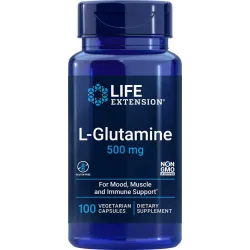
L-Glutamine 500 mg
Price: 14,80 €Supports muscle & immune health Supports healthy muscle mass Helps... -
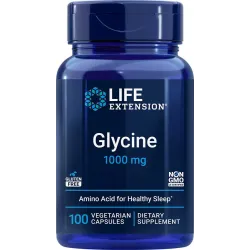
Glycine 1000 mg
Price: 16,00 €Amino acid that promotes healthy sleep Promotes relaxation Promotes... -
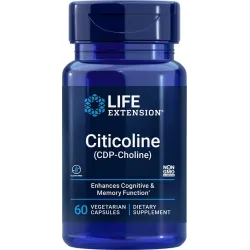
Citicoline (CDP-Choline)
Price: 36,15 €Cognition, attention & memory, 2-month supply Encourages the synthesis of...
Related posts
-
 Feed Your Brain!
Millions of people around the world are adhering to low-fat, low-cholesterol diets in an effort to reduce the impact...
Feed Your Brain!
Millions of people around the world are adhering to low-fat, low-cholesterol diets in an effort to reduce the impact... -
Lipoic Acid Reverses Mitochondrial Decay
It is estimated that 85% of the oxygen contained in every breath you take is consumed by the mitochondria within each...
-
Vitamin C and Dihydroquercetin
Every day, our bodies are under continual assault by damaging agents known as free radicals. Generally, both internal...
-
How Resveratrol Combats Leading Causes of Death
In 1997, the first scientific paper on resveratrol was published showing that this polyphenol could prevent cancer in...
-
Discovering Coffee's Unique Health Benefits
Every morning, many of us sip our coffee with no real thought given to the beans behind the brew. But coffee beans...