
 English
 Polski
 Deutsch
 Français
 ελληνικά
 Español
 Italiano
PQQ. Generate Fresh Mitochondria with PQQ
Scientists Discover the “Other CoQ10”
 In 1983, Life Extension® introduced a relatively little-known compound called coenzyme Q10. Our review of the literature back then had unearthed data confirming its power to boost the health and energy output of the mitochondria.
Today, scientists recognize mitochondrial dysfunction as a key biomarker of aging.1-6 To take one instance, researchers have recorded evidence of 50% more mitochondrial damage in the brain cells of humans over 70 compared to middle-aged individuals.7 Mitochondrial dysfunction and death are now definitively linked to the development of virtually all killer diseases of aging, from Alzheimer’s and type 2 diabetes to heart failure.8-11
The good news is that mitochondrial dysfunction can be reversed.12 The scientific literature is now filled with studies documenting the therapeutic power of CoQ10 to thwart degenerative disease by boosting mitochondrial health and bioenergetic (energy-producing) capacity.13-16
The latest advance in the area of mitochondrial bioenergetics is the coenzyme pyrroloquinoline quinone or PQQ.
PQQ’s critical role across a range of biological functions has only gradually emerged. Like CoQ10, it is a micronutrient whose antioxidant capacity provides extraordinary defense against mitochondrial decay.
But the most exciting revelation on PQQ emerged early in 2010, when researchers found it not only protected mitochondria from oxidative damage—it stimulated growth of fresh mitochondria!17
In this article, you will learn of this novel coenzyme’s ability to combat mitochondrial dysfunction. You will find out how it protects the brain, heart, and muscles against degenerative disease. You will also discover its potential to reverse cellular aging by activating genes that induce mitochondrial biogenesis—the spontaneous formation of new mitochondria in aging cells!
PQQ: A Breakthrough in Cellular Anti-Aging
 PQQ is ubiquitous in the natural world. Its presence in interstellar stardust has led some experts to hypothesize a pivotal role for PQQ in the evolution of life on Earth.18 It has been found in all plant species tested to date. Neither humans nor the bacteria that colonize the human digestive tract have demonstrated the ability to synthesize it.19 This has led researchers to classify PQQ as an essential micronutrient.20
PQQ’s potential to stimulate mitochondrial biogenesis was foreshadowed by repeated early findings indicating its central role in growth and development across multiple forms of life.
It has been shown to be a potent growth factor in plants, bacteria, and higher organisms.21,22 Pre-clinical studies reveal that when deprived of dietary PQQ, animals exhibit stunted growth, compromised immunity, impaired reproductive capability, and most importantly, fewer mitochondria in their tissue. Rates of conception, the number of offspring, and survival rates in juvenile animals are also significantly reduced in the absence of PQQ.23-25 Introducing PQQ back into the diet reverses these effects, restoring systemic function while simultaneously increasing mitochondrial number and energetic efficiency.
Optimal Mitochondrial Defense
 As the primary engines of almost all bioenergy production, the mitochondria rank among the physiological structures most vulnerable to destruction from oxidative damage. PQQ’s formidable free radical–scavenging capacity furnishes the mitochondria with superior antioxidant protection.
At the core of this capacity is an extraordinary molecular stability.30 As a bioactive coenzyme, PQQ actively participates in the energy transfer within the mitochondria that supplies the body with most of its bioenergy (like CoQ10).
Unlike other antioxidant compounds, PQQ’s exceptional stability allows it to carry out thousands of these electron transfers without undergoing molecular breakdown. It has been proven especially effective in neutralizing the ubiquitous superoxide and hydroxyl radicals.31 According to the most recent research, “PQQ is 30 to 5,000 times more efficient in sustaining redox cycling (mitochondrial energy production) . . . than other common [antioxidant compounds], e.g. ascorbic acid.”21 A consistent finding in the scientific literature is that nutrients like PQQ provide more wide-ranging benefits than conventional antioxidants the general public relies on.
Anti-Aging Armor for the Most Energy-Intensive Organs
PQQ’s dual capacity as a cell signaling modulator and a superior antioxidant renders it optimally effective in combating degenerative disease and age-related declines in the body’s most energetic organs: the heart and brain.
The revelation of its ability to favorably affect system-wide cell development, metabolism, and mitochondrial biogenesis affords an explanation for a wealth of data on its neuroprotective and cardioprotective benefits.
Neuroprotection
 PQQ has been shown to optimize health and function of the entire central nervous system. It reverses cognitive impairment caused by chronic oxidative stress in pre-clinical models, improving performance on memory tests.32 It has also been shown to safeguard the “Parkinson’s disease gene,” DJ-1, from self-oxidation—an early step in the onset of disease.33
Reactive nitrogen species (RNS), like reactive oxygen species, impose severe stresses on damaged neurons.34 They arise spontaneously following stroke and spinal cord injuries and have been shown to account for a substantial proportion of subsequent long-term neurological damage. PQQ suppresses RNS in experimentally induced strokes.35 It also provides additional protection by blocking gene expression of inducible nitric oxide synthase (iNOS), a major source of RNS, following spinal cord injury.36
PQQ powerfully protects brain cells against oxidative damage following ischemia-reperfusion injury—the inflammation and oxidative damage that result from the sudden return of blood and nutrients to tissues deprived of them by stroke.37 Given immediately before induction of stroke in animal models, PQQ significantly reduces the size of the damaged brain area.38
PQQ also interacts in a beneficial manner with our brain’s neurotransmitter systems. In particular, PQQ protects neurons by modifying the important NMDA receptor site.39,40 NMDA is a powerful mediator of “excitotoxicity,” a response to long-term overstimulation of neurons that is associated with many neurodegenerative diseases and seizures.41-43 PQQ also protects against neurotoxicity induced by other toxins, including mercury.44,45
A mounting body of evidence points to PQQ as a potent intervention in Alzheimer’s disease and Parkinson’s disease. Both are triggered by accumulation of abnormal proteins that initiate a cascade of oxidative events resulting in brain cell death. PQQ prevents development of a protein (alpha-synuclein) associated with Parkinson’s disease.46 It also protects nerve cells from the oxidizing ravages of the amyloid-beta protein linked with Alzheimer’s disease.47 A 2010 study revealed that PQQ could prevent formation of amyloid beta molecular structures.48
PQQ has also been shown to protect memory and cognition in both aging animals and humans.49,50 It stimulates production and release of nerve growth factor in cells that support neurons in the brain.51 This may partially explain why PQQ supplementation of aging rats resulted in marked improvement of their memory function.49
In humans, supplementation with 20 mg per day of PQQ resulted in improvements on tests of higher cognitive function in a group of middle-aged and elderly people.50 These effects were significantly amplified when the subjects also took 300 mg per day of CoQ10.
 Mitochondrial dysfunction has been definitively linked to virtually all killer diseases of aging, from Alzheimer’s disease and type 2 diabetes to heart failure.
- Researchers have recorded evidence of greater mitochondrial damage in the brain cells of humans over 70 compared to those in their early 40s.
- Many scientists believe mitochondrial longevity determines overall longevity.
- A next-generation coenzyme is being introduced called pyrroloquinoline quinone or PQQ that has been shown to induce mitochondrial biogenesis—the growth of new mitochondria in aging cells.
- While CoQ10 optimizes mitochondrial function, PQQ activates genes that govern mitochondrial reproduction, protection, and repair.
- PQQ also affords potent cardioprotection and defense against neuronal (brain) degeneration.
- Published studies show that 20 mg of PQQ plus 300 mg of CoQ10 may reverse age-related cognitive decline in aging humans.
Mitochondrial Function and Longevity: The Definitive Link
 In cell biology, mitochondria are unique among other cellular components in one vital aspect: they possess their own primitive DNA, distinct from the DNA housed within the cell nucleus that you normally think of as the building block of all living organisms.
Mitochondrial DNA closely resembles bacterial DNA, the result of an evolutionary legacy.55 Biologists believe that at one time our mitochondria existed as separate, highly energetic organisms. Our primordial ancestor cells aggressively engulfed and incorporated these “proto-mitochondria” into their own internal structure. This furnished our cellular progenitors with two powerful evolutionary advantages: it harnessed the ability of proto-mitochondria to produce vast quantities of energy from oxygen—and served to boost cellular longevity.
This simple fact has profound implications for the science of anti-aging.
Why? You already know that cells in your body have the capacity to divide and replicate themselves owing to the presence of nuclear DNA. If mitochondria possess their own DNA, it follows that they should also have the ability to replicate themselves and increase their number within a single human cell.
This turns out to be the case: human cells may house anywhere from 2 to 2,500 mitochondria,56-58 depending on tissue type, nutrition, antioxidant status, and other factors. Put differently, one cell may contain over 1,000 times more mitochondria than another.
The more high-functioning mitochondria in your body, the greater your overall health and longevity. This is no longer a matter of conjecture. A growing number of cell biologists now espouse the theory that mitochondrial number and function determine human longevity.59-61
The problem is that the scientifically validated methods available to spontaneously increase the number of new mitochondria in our aging bodies are exceedingly difficult. To date, the only known ways to reliably stimulate mitochondrial biogenesis—sustained calorie restriction or strenuous physical activity—are far too rigorous and impractical for most aging individuals.
A nutrient with the power to safely trigger mitochondrial biogenesis would naturally mark an extraordinary advance in the quest to halt and reverse cellular aging.
PQQ has emerged as that nutrient.
Cardioprotection
As with stroke, damage in heart attack is inflicted via ischemia-reperfusion injury. Supplementation with PQQ reduces the size of damaged areas in animal models of acute heart attack (myocardial infarction).52 This occurs whether the supplement is given before or after the ischemic event itself.
To further investigate this potential, researchers at the VA Medical Center at UC-San Francisco compared PQQ with metoprolol, a beta blocker that is standard post-MI clinical treatment. Given alone, both treatments reduced the damaged areas’ size and protected against heart muscle dysfunction. When they were given together, the left ventricle’s pumping pressure was enhanced. The combination also increased mitochondrial energy-producing functions—but the effect was small compared with PQQ alone! And only PQQ favorably reduced lipid peroxidation. The remarkable conclusion: “PQQ is superior to metoprolol in protecting mitochondria from ischemia/reperfusion oxidative damage.”53
Subsequent research from the same team has demonstrated that PQQ helps heart muscle cells resist acute oxidative stress.54 The mechanism? Preserving and enhancing mitochondrial function.
Why Your Mitochondria Are Highly Exposed to Lethal Mutation
 Cell aging occurs as each cell’s ability to reproduce itself inexorably declines. This decline is in turn associated with the gradual degradation and destruction of the DNA complex.
Overlooked in this process is the equally important role of the mitochondria’s robust ability to reproduce as you age.
Just as degradation of the cellular DNA complex ultimately leads to senescence and death, degradation of the mitochondrial DNA complex leads to the death of the mitochondria and the ultimate extinction of the cell—and the “host” organism.
This death spiral of genetic degradation is accelerated in the mitochondria by the very physiological function they must perform. As the nuclear generators responsible for almost all bioenergetic production, mitochondria are the site of enormous oxidative activity. A nearly incalculable number of electrons are constantly flowing within the mitochondria, throwing off an equally enormous number of free radicals. This makes them highly vulnerable to biochemical insults.
There is an additional threat, as scientists have discovered over the past several decades: relative to nuclear DNA, mitochondrial DNA possesses few defenses against free radical damage.62,63
Cellular DNA is protected by numerous “guardian”proteins (histones and repair enzymes) that act to blunt the impact of free radicals. No such repair systems exist to protect mitochondrial DNA.62,63
Cellular DNA also enjoys superior structural defenses. It is housed within a protective double-membrane that separates it from the rest of the cell. This double-membrane is complemented by a dense matrix of filament proteins called the nuclear lamina, a kind of hard shell casing to further buffer DNA from external impacts.
By comparison, mitochondrial DNA is left almost entirely exposed: it attaches directly to the inner membrane where the mitochondria’s electrochemical furnace rages continuously, generating an enormous volume of toxic reactive oxygen species.
Accordingly, mitochondrial DNA mutates at a much higher rate than cellular DNA.64 When you consider that the mitochondria supply at least 95% of the energy required for all physiological processes in your body, the need to maintain the integrity of mitochondrial DNA takes on even greater urgency. All aging humans should take every step to safeguard the genes that regulate healthy mitochondrial proliferation from lethal mutation. This is supported by an abundance of scientific studies linking genetic mutation within the mitochondria to human aging.65-67
PQQ’s extraordinary antioxidant capacity represents a powerful new intervention that may effectively reinforce the mitochondria’s limited defenses.
A team of researchers at the University of California decided to analyze PQQ’s influence over cell signaling pathways involved in the generation of new mitochondria.17
Their work, published in 2010, led to several extraordinary discoveries.
They found that PQQ’s critical role in growth and development stems from its unique ability to activate cell signaling pathways directly involved in cellular energy metabolism, development, and function. Cells undergo spontaneous mitochondrial biogenesis through the effects of three signaling molecules activated by PQQ:
PQQ activates expression of PCG-1α (peroxisome proliferator-activated receptor gamma coactivator 1-alpha). PCG-1α is a “master regulator” that mobilizes your cells’ response to various external triggers. It directly stimulates genes that enhance mitochondrial and cellular respiration, growth, and reproduction. Its capacity to upregulate cellular metabolism at the genetic level favorably affects blood pressure, cholesterol and triglyceride breakdown, and the onset of obesity.26
PQQ triggers a signaling protein known as CREB (cAMP-response element-binding protein). CREB plays a pivotal role in embryonic development and growth. It also beneficially interacts with histones, molecular compounds shown to protect and repair cellular DNA.27 CREB also stimulates the growth of new mitochondria.
PQQ regulates a recently discovered cell signaling protein called DJ-1. As with PCG-1α and CREB, DJ-1 is intrinsically involved in cell function and survival. It has been shown to prevent cell death by combating intensive antioxidant stress28,29 and is of particular importance to brain health and function. DJ-1 damage and mutation have been conclusively linked to the onset of Parkinson’s disease and other neurological disorders.
These findings shed light on the results of prior studies where a PQQ deficiency in juvenile mice, for example, resulted in elevated plasma glucose concentrations, a 20-30% reduction in the number of mitochondria in the liver, and consequent impairment in oxygen metabolism.23 These are hallmark indicators of mitochondrial dysfunction. Additional animal models also suggested significant alterations in mitochondrial numbers.25 Taken together, these results confirm PQQ’s power to significantly boost mitochondrial number and function—the key to cellular anti-aging and longevity.
Summary
Mitochondrial dysfunction has been definitively linked to virtually all killer diseases of aging, from Alzheimer’s disease and type 2 diabetes to heart failure.
Researchers have recorded evidence of greater mitochondrial damage in the brain cells of humans over 70 compared to those in their early 40s. The health and function of these cellular energy generators is now considered so vital that many scientists believe mitochondrial longevity determines overall longevity in aging humans.
In a revolutionary advance, an essential coenzyme called pyrroloquinoline quinone or PQQ has been shown to induce mitochondrial biogenesis—the growth of new mitochondria in aging cells!
While CoQ10 optimizes mitochondrial function, PQQ activates genes that govern mitochondrial reproduction, protection, and repair. PQQ also affords potent cardioprotection and optimal defense against neuronal degeneration. Published studies show that 20 mg of PQQ plus 300 mg of CoQ10 may reverse age-related cognitive decline in aging humans.
Material used with permission of Life Extension. All rights reserved.
- Bliznakov EG. Aging, mitochondria, and coenzyme Q(10): the neglected relationship. Biochimie. 1999 Dec;81(12):1131-2.
- Linnane AW, Marzuki S, Ozawa T, Tanaka M. Mitochondrial DNA mutations as an important contributor to ageing and degenerative diseases. Lancet. 1989 Mar 25;1(8639):642-5.
- Lanza IR, Nair KS. Mitochondrial metabolic function assessed in vivo and in vitro. Curr Opin Clin Nutr Metab Care. 2010 Sept;13(5):511.
- Mota MP, Peixoto FM, Soares JF, et al. Influence of aerobic fitness on age-related lymphocyte DNA damage in humans: relationship with mitochondria respiratory chain and hydrogen peroxide production. Age (Dordr). 2010 Sept;32(2):337-46.
- Tranah G. Mitochondrial-nuclear epistasis: Implications for human aging and longevity. Ageing Res Rev. 2010 Jun 25.
- Cho DH, Nakamura T, Lipton SA. Mitochondrial dynamics in cell death and neurodegeneration. Cell Mol Life Sci. 2010 Oct;67(20):3435-47.
- Mecocci P, MacGarvey U, Kaufman AE, et al. Oxidative damage to mitochondrial DNA shows marked age-dependent increases in human brain. Ann Neurol. 1993 Oct;34(4):609-16.
- Bugger H, Abel ED. Mitochondria in the diabetic heart. Cardiovasc Res. 2010 Jul 16.
- Conley KE, Amara CE, Jubrias SA, Marcinek DJ. Mitochondrial function, fibre types and ageing: new insights from human muscle in vivo. Exp Physiol. 2007 Mar;92(2):333-9.
- Lesnefsky EJ, Moghaddas S, Tandler B, Kerner J, Hoppel CL. Mitochondrial dysfunction in cardiac disease: ischemia—reperfusion, aging, and heart failure. J Mol Cell Cardiol. 2001 Jun;33(6):1065-89.
- Maruszak A, Zekanowski C. Mitochondrial dysfunction and Alzheimer’s disease. Prog Neuropsychopharmacol Biol Psychiatry. 2010 Jul 15.
- Conley KE, Marcinek DJ, Villarin J. Mitochondrial dysfunction and age. Curr Opin Clin Nutr Metab Care. Nov 2007;10(6):688-692.
- Bliznakov EG. Aging, mitochondria, and coenzyme Q(10): the neglected relationship. Biochimie. 1999 Dec;81(12):1131-2.
- Ochoa JJ, Quiles JL, Lopez-Frias M, Huertas JR, Mataix J. Effect of lifelong coenzyme Q10 supplementation on age-related oxidative stress and mitochondrial function in liver and skeletal muscle of rats fed on a polyunsaturated fatty acid (PUFA)-rich diet. J Gerontol A Biol Sci Med Sci. 2007 Nov;62(11):1211-8.
- Janson M. Orthomolecular medicine: the therapeutic use of dietary supplements for anti-aging. Clin Interv Aging. 2006;1(3):261-5.
- Linnane AW, Degli Esposti M, Generowicz M, Luff AR, Nagley P. The universality of bioenergetic disease and amelioration with redox therapy. Biochim Biophys Acta. 1995 May 24;1271(1):191-4.
- Chowanadisai W, Bauerly KA, Tchaparian E, Wong A, Cortopassi GA, Rucker RB. Pyrroloquinoline quinone stimulates mitochondrial biogenesis through cAMP response element-binding protein phosphorylation and increased PGC-1alpha expression. J Biol Chem. 2010 Jan 1;285(1):142-52.
- Rucker R, Chowanadisai W, Nakano M. Potential physiological importance of pyrroloquinoline quinone. Altern Med Rev. 2009 Sep;14(3):268-77.
- Smidt CR, Bean-Knudsen D, Kirsch DG, Rucker RB. Does the intestinal microflora synthesize pyrroloquinoline quinone? Biofactors.1991 Jan;3(1):53-9.
- Zhang Y, Rosenberg PA. The essential nutrient pyrroloquinoline quinone may act as a neuroprotectant by suppressing peroxynitrite formation. Eur J Neurosci. 2002 Sep;16(6):1015-24.
- Stites TE, Mitchell AE, Rucker RB. Physiological importance of quinoenzymes and the O-quinone family of cofactors. J Nutr. 2000 Apr;130(4):719-27.
- Choi O, Kim J, Kim JG, et al. Pyrroloquinoline quinone is a plant growth promotion factor produced by Pseudomonas fluorescens B16. Plant Physiol. 2008 Feb;146(2):657-68.
- Stites T, Storms D, Bauerly K, et al. Tchaparian. Pyrroloquinoline quinone modulates mitochondrial quantity and function in mice. J Nutr. 2006 Feb;136(2):390-6.
- Steinberg F, Stites TE, Anderson P, et al. Pyrroloquinoline quinone improves growth and reproductive performance in mice fed chemically defined diets. Exp Biol Med (Maywood). 2003 Feb;228(2):160-6.
- Bauerly KA, Storms DH, Harris CB, et al. Pyrroloquinoline quinone nutritional status alters lysine metabolism and modulates mitochondrial DNA content in the mouse and rat. Biochim Biophys Acta. 2006 Nov;1760(11):1741-8.
- Entrez Gene: PPARGC1A peroxisome proliferator-activated receptor gamma, coactivator 1 alpha [ Homo sapiens ] GeneID: 10891.
- Entrez Gene: CREBBP CREB binding protein [ Homo sapiens ] GeneID: 1387.
- Mitsumoto A, Nakagawa Y. DJ-1 is an indicator for endogenous reactive oxygen species elicited by endotoxin. Free Radic Res. 2001 Dec;35(6):885-93.
- Taira T, Saito Y, Niki T, Iguchi-Ariga SM, Takahashi K, Ariga H. DJ-1 has a role in antioxidative stress to prevent cell death. EMBO Rep. 2004 Feb;5(2):213-8.
- Paz MA, Martin P, Fluckiger R, Mah J, Gallop PM. The catalysis of redox cycling by pyrroloquinoline quinone (PQQ), PQQ derivatives, and isomers and the specificity of inhibitors. Anal Biochem. 1996 Jul 1;238(2):145-9.
- Urakami T, Yoshida C, Akaike T, Maeda H, Nishigori H, Niki E. Synthesis of monoesters of pyrroloquinoline quinone and imidazopyrroloquinoline, and radical scavenging activities using electron spin resonance in vitro and pharmacological activity in vivo. J Nutr Sci Vitaminol (Tokyo). 1997 Feb;43(1):19-33.
- Ohwada K, Takeda H, Yamazaki M, et al. Pyrroloquinoline quinone (PQQ) prevents cognitive deficit caused by oxidative stress in rats. J Clin Biochem Nutr. 2008 Jan;42:29-34.
- Nunome K, Miyazaki S, Nakano M, Iguchi-Ariga S, Ariga H. Pyrroloquinoline quinone prevents oxidative stress-induced neuronal death probably through changes in oxidative status of DJ-1. Biol Pharm Bull. 2008 Jul;31(7):1321-6.
- Ono K, Suzuki H, Sawada M. Delayed neural damage is induced by iNOS-expressing microglia in a brain injury model. Neurosci Lett. 2010 Apr 5;473(2):146-50.
- Zhang Y, Rosenberg PA. The essential nutrient pyrroloquinoline quinone may act as a neuroprotectant by suppressing peroxynitrite formation. Eur J Neurosci. 2002 Sep;16(6):1015-24.
- Hirakawa A, Shimizu K, Fukumitsu H, Furukawa S. Pyrroloquinoline quinone attenuates iNOS gene expression in the injured spinal cord. Biochem Biophys Res Commun. 2009 Jan 9;378(2):308-12.
- Jensen FE, Gardner GJ, Williams AP, Gallop PM, Aizenman E, Rosenberg PA. The putative essential nutrient pyrroloquinoline quinone is neuroprotective in a rodent model of hypoxic/ischemic brain injury. Neuroscience. 1994 Sep;62(2):399-406.
- Zhang Y, Feustel PJ, Kimelberg HK. Neuroprotection by pyrroloquinoline quinone (PQQ) in reversible middle cerebral artery occlusion in the adult rat. Brain Res. 2006 Jun 13;1094(1):200-6.
- Aizenman E, Hartnett KA, Zhong C, Gallop PM, Rosenberg PA. Interaction of the putative essential nutrient pyrroloquinoline quinone with the N-methyl-D-aspartate receptor redox modulatory site. J Neurosci. 1992 Jun;12(6):2362-9.
- Aizenman E, Jensen FE, Gallop PM, Rosenberg PA, Tang LH. Further evidence that pyrroloquinoline quinone interacts with the N-methyl-D-aspartate receptor redox site in rat cortical neurons in vitro. Neurosci Lett. 1994 Feb 28;168(1-2):189-92.
- Hossain MA. Molecular mediators of hypoxic-ischemic injury and implications for epilepsy in the developing brain. Epilepsy Behav. 2005 Sep;7(2):204-13.
- Dong XX, Wang Y, Qin ZH. Molecular mechanisms of excitotoxicity and their relevance to pathogenesis of neurodegenerative diseases. Acta Pharmacol Sin. 2009 Apr;30(4):379-87.
- Foran E, Trotti D. Glutamate transporters and the excitotoxic path to motor neuron degeneration in amyotrophic lateral sclerosis. Antioxid Redox Signal. 2009 Jul;11(7):1587-602.
- Hara H, Hiramatsu H, Adachi T. Pyrroloquinoline quinone is a potent neuroprotective nutrient against 6-hydroxydopamine-induced neurotoxicity. Neurochem Res. 2007 Mar;32(3):489-95.
- Zhang P, Xu Y, Sun J, Li X, Wang L, Jin L. Protection of pyrroloquinoline quinone against methylmercury-induced neurotoxicity via reducing oxidative stress. Free Radic Res. 2009 Mar;43(3):224-33.
- Kobayashi M, Kim J, Kobayashi N, et al. Pyrroloquinoline quinone (PQQ) prevents fibril formation of alpha-synuclein. Biochem Biophys Res Commun. 2006 Oct 27;349(3):1139-44.
- Zhang JJ, Zhang RF, Meng XK. Protective effect of pyrroloquinoline quinone against Abeta-induced neurotoxicity in human neuroblastoma SH-SY5Y cells. Neurosci Lett. 2009 Oct 30;464(3):165-9.
- Kim J, Kobayashi M, Fukuda M, et al. Pyrroloquinoline quinone inhibits the fibrillation of amyloid proteins. Prion. 2010 Jan;4(1):26-31.
- Takatsu H, Owada K, Abe K, Nakano M, Urano S. Effect of vitamin E on learning and memory deficit in aged rats. J Nutr Sci Vitaminol (Tokyo). 2009;55(5):389-93.
- Nakano M, Ubukata K, Yamamoto T, Yamaguchi H. Effect of pyrroloquinoline quinone (PQQ) on mental status of middle-aged and elderly persons. FOOD Style 21. 2009;13(7):50-3.
- Murase K, Hattori A, Kohno M, Hayashi K. Stimulation of nerve growth factor synthesis/secretion in mouse astroglial cells by coenzymes. Biochem Mol Biol Int. 1993 Jul;30(4):615-21.
- Zhu BQ, Zhou HZ, Teerlink JR, Karliner JS. Pyrroloquinoline quinone (PQQ) decreases myocardial infarct size and improves cardiac function in rat models of ischemia and ischemia/reperfusion. Cardiovasc Drugs Ther. 2004 Nov;18(6):421-31.
- Zhu BQ, Simonis U, Cecchini G, et al. Comparison of pyrroloquinoline quinone and/or metoprolol on myocardial infarct size and mitochondrial damage in a rat model of ischemia/reperfusion injury. J Cardiovasc Pharmacol Ther. 2006 Jun;11(2):119-28.
- Tao R, Karliner JS, Simonis U, et al. Pyrroloquinoline quinone preserves mitochondrial function and prevents oxidative injury in adult rat cardiac myocytes. Biochem Biophys Res Commun. 2007 Nov 16;363(2):257-62.
- Lang BF, Gray MW, Burger G. Mitochondrial genome evolution and the origin of eukaryotes. Annu Rev Genet. 1999;33:351-97.
- Bruce A, Johnson A, Lewis J, Raff M, Roberts K, Walter P. Molecular Biology of the Cell. New York, NY: Garland Publishing, Inc.;1994.
- Voet D, Voet JG, Pratt CW. Fundamentals of Biochemistry: Life at the Molecular Level. 2nd ed. New Jersey: John Wiley and Sons, Inc.; 2006:547.
- Pike RL, Brown M. Nutrition: An Integrated Approach. New York, NY: Prentice-Hall; 1984:450-84.
- Lanza IR, Nair KS. Mitochondrial function as a determinant of life span. Pflugers Arch. 2010 Jan;459(2):277-89.
- Robb EL, Page MM, Stuart JA. Mitochondria, cellular stress resistance, somatic cell depletion and lifespan. Curr Aging Sci. 2009 Mar;2(1):12-27.
- Alexeyev MF, LeDoux SP, Wilson GL. Mitochondrial DNA and aging. Clin Sci (Lond). 2004 Oct;107(4):355-64.
- Richter C. Oxidative damage to mitochondrial DNA and its relationship to ageing. Int J Biochem Cell Biol. 1995 Jul;27(7):647-53.
- Miquel J. An update on the mitochondrial-DNA mutation hypothesis of cell aging. Mutat Res.1992 Sep;275(3-6):209-16.
- Wallace DC. Mitochondrial DNA mutations in disease and aging. Environ Mol Mutagen. 2010 Jun;51(5):440-50.
- Wei YH, Lee HC. Oxidative stress, mitochondrial DNA mutation, and impairment of antioxidant enzymes in aging. Exp Biol Med (Maywood). 2002 Oct;227(9):671-82.
- Lee HC, Wei YH. Oxidative stress, mitochondrial DNA mutation, and apoptosis in aging. Exp Biol Med (Maywood). 2007 May;232(5):592-606.
- Wei YH, Ma YS, Lee HC, Lee CF, Lu CY. Mitochondrial theory of aging matures—roles of mtDNA mutation and oxidative stress in human aging. Zhonghua Yi Xue Za Zhi (Taipei). 2001 May;64(5):259-70.
Related product
-
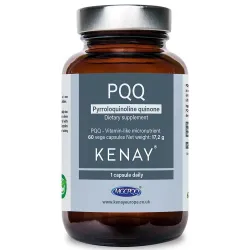
PQQ Pyrroloquinoline quinone
Price: 46,64 €More than just an antioxidant Supports mitochondrial biogenesis...
Related posts
-
 Is Conventional Pomegranate Extract Enough?
An abundance of clinical data has established pomegranate as a broad-spectrum, multi-modal defense against the...
Is Conventional Pomegranate Extract Enough?
An abundance of clinical data has established pomegranate as a broad-spectrum, multi-modal defense against the... -
Feed Your Brain!
Millions of people around the world are adhering to low-fat, low-cholesterol diets in an effort to reduce the impact...
-
Lipoic Acid Reverses Mitochondrial Decay
It is estimated that 85% of the oxygen contained in every breath you take is consumed by the mitochondria within each...
-
Vitamin C and Dihydroquercetin
Every day, our bodies are under continual assault by damaging agents known as free radicals. Generally, both internal...
-
How Resveratrol Combats Leading Causes of Death
In 1997, the first scientific paper on resveratrol was published showing that this polyphenol could prevent cancer in...