
 English
 Polski
 Deutsch
 Français
 ελληνικά
 Español
 Italiano
Why So Many Arthritis Sufferers Fail to Find Relief
 Our society has been programmed to believe that complex medical problems can be fixed with simple solutions.
Everyone reading this article has probably seen thousands of TV commercials promoting immediate relief from arthritis pain by taking the right brand of aspirin, ibuprofen, acetaminophen, or naproxen.
If an arthritis sufferer takes any of these pain relievers on a consistent basis (at doses approved by the FDA), they are likely to encounter life-threatening side effects such as kidney failure, liver failure, or gastric hemorrhage.1-8
Natural approaches, on the other hand, such as fish oil and curcumin provide numerous lifesaving side benefits, in addition to helping to relieve chronic joint discomfort.9-40
The pharmaceutical industry has focused on developing only one drug intervention at a time to treat one underlying cause of arthritis. Not only has this strategy failed to address the many age-related factors involved in osteoarthritis, but it has led to lethal metabolic imbalances occurring in the body.
When COX-2-inhibitor drugs like Vioxx® and Bextra® were first approved, Life Extension® warned that by blocking only the COX-2 enzyme (and not also COX-1 and 5-LOX), users of these drugs increased their risk of heart attack and stroke. While most of our members were spared these lethal side effects, tens of thousands of Americans perished before these COX-2 inhibitors were withdrawn.41
What no one has done up until now is amalgamate all the known underlying causes of arthritis so lay people and physicians can understand why long-term relief requires a multi-pronged approach.
The good news for Life Extension® members is that they already utilize many natural ways to improve joint structure and function that provide considerable respite from joint discomfort. The next two pages provide an overview of twelve underlying mechanisms involved in osteoarthritis and safe methods to circumvent each of them.
Twelve Correctable Causes of Osteoarthritis
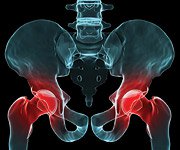 Like so many diseases of aging, arthritis is not normally caused by a single factor. Instead, multiple mechanisms conspire to slowly destroy the cartilage that lines our joints. The illustration below reveals underlying causes of arthritis and simple steps you can take to thwart them.
Excess body weight can lead to arthritis. This happens not only because heavier mechanical loads generate greater physical stress upon connective tissue and joint surfaces, but also from the effect that excess fat has in increasing inflammatory molecules that attack and damage joint cartilage. Weight loss is an effective way to protect against excess joint stress that can contribute to arthritis.42-46
High-impact physical trauma can damage joints. While the benefits of exercise cannot be understated, high impact, repetitive exercise like running can expose joints (especially in the hip and knee) to high mechanical loads that can contribute to joint damage over time. Engaging in exercise that builds muscle strength and flexibility without repetitive joint trauma can reduce arthritis complications.47-49
Prostaglandin E2 causes pain and inflammation in joints. The enzyme that converts arachidonic acid to prostaglandin E2 in the body is called COX-2 (cyclooxygenase-2).50 Drugs that inhibit only COX-2 (like Vioxx® and Bextra®) increase the risk of heart attacks because they create adverse effects on critical enzymes in vascular endothelial cells that line blood vessel walls.51 Safe ways to inhibit COX-2 and the subsequent production of prostaglandin E2 are to follow a low-arachidonic-acid diet, take a low-dose (81 mg) aspirin tablet each day, and supplement with nutrients like resveratrol, green tea extract, silymarin, and quercetin.52-67
Leukotriene B4 destroys joint cartilage. The enzyme that converts arachidonic acid to leukotriene B4 in the body is called 5-LOX (5-lipoxygenase).68,69 Safe ways to inhibit 5-LOX and the subsequent production of leukotriene B4 are to follow a low-arachidonic-acid diet and to supplement with nutrients like curcumin, boswellia, and fish oil.70-83
Nuclear factor-kappaB ignites production of systemic inflammatory molecules that attack joint linings. Nuclear factor-kappaB (NF-kB) can be suppressed with plant extracts like garlic, ginger, curcumin, and silymarin, along with fish oil concentrates and antioxidants.61-63, 84-91
Aging often results in accelerated loss of protective joint cartilage. Nutrients that help rebuild cartilage include glucosamine, chondroitin, and MSM (methylsulfonylmethane).92-104 These nutrients are unlikely to achieve complete results if chronic inflammatory factors continue attacking joint cartilage.
Immune system "sensitivity" has been suggested by recent research to play an important role in osteoarthritis.105 Immune system hyperreactivity (autoimmunity) has long been known to play an important role in rheumatoid arthritis.106,107 Cutting-edge research in the more prevalent osteoarthritis suggests that "sensitized" T-cells attack joint collagen and directly contribute to joint damage.106-108 Low-dose (40 mg) undenatured type II collagen helps regulate immune function so that T-cells don't become "sensitized" and attack joint cartilage.108-110
Hyaluronic acid is a major component of joint tissue. Its natural function is to lubricate and cushion the joint from repeated impacts.111 It is also involved in cartilage regeneration. One notable effect of hyaluronic acid is to inhibit an enzyme called matrix metalloproteinase-13 that degrades joint cartilage.112-114 Hyaluronic acid does not absorb well by itself, but when it is dissolved in a phospholipid-rich solution115 such as krill oil, its absorption is improved.
Inflammatory cytokines such as tumor necrosis factor-alpha directly attack joint linings. Krill oil reduces the infiltration of destructive cytokines into joint linings.116,117 Astaxanthin reduces the production of inflammatory cytokines.118-120
 Mitochondrial dysfunction interferes with youthful repair processes in the joint.121 Nutrients that protect mitochondria function include CoQ10,122-125 lipoic acid,126-130 carnitine,130-134 and PQQ (pyrroloquinoline quinone).135-137
Free radicals are heavily involved in joint destruction. Daily use of antioxidants like lipoic acid and astaxanthin affords considerable protection.138-144
Prostaglandin E1 is a natural inflammation-suppressing hormone-like substance. It comes from a fatty acid called gamma-linolenic acid (GLA) that one obtains in their diet or via supplements like borage oil or oil of evening primrose.145 Whether GLA converts to pro-inflammatory arachidonic acid or anti-inflammatory prostaglandin E1 is determined by an enzyme in the body that is regulated by sesame lignans.146-151 Those who obtain sesame lignans in their supplements already benefit because the GLA obtained from dietary sources is more likely to convert to prostaglandin E1.Those who take supplements like borage oil should make sure the borage oil also contains at least 10 mg of standardized sesame lignans.
Material used with permission of Life Extension. All rights reserved.
[1] Becker JC, Domschke W, Pohle T. Current approaches to prevent NSAID-induced gastropathy–COX selectivity and beyond. Br J Clin Pharmacol. 2004 Dec;58(6):587-600.
Bromer MQ, Black M. Acetaminophen hepatotoxicity. Clin Liver Dis. 2003 May;7(2):351–67.
Derby LE, Jick H. Acetaminophen and renal and bladder cancer. Epidemiology. 1996 Jul;7(4):358–62.
Zaffanello M, Brugnara M, Angeli S, Cuzzolin L. Acute non-oliguric kidney failure and cholestatic hepatitis induced by ibuprofen and acetaminophen: a case report. Acta Paediatr. 2009 May;98(5):903-5.
Lee WM, Seremba E. Etiologies of acute liver failure. Curr Opin Crit Care. 2008 Apr;14(2):198-201.
Schoenfeld P, Kimmey MB, Scheiman J, Bjorkman D, Laine L. Review article: nonsteroidal anti-inflammatory drug-associated gastrointestinal complications–guidelines for prevention and treatment. Aliment Pharmacol Ther. 1999 Oct;13(10):1273-85.
Whelton A, Hamilton CW. Nonsteroidal anti-inflammatory drugs: Effects on kidney function. J Clin Pharmacol. 1991 Jul;31(7):588–98.
Yamamoto T. Yamamoto T, Kuyama Y. Treatment and prevention of NSAIDs-induced gastrointestinal injury–the role of gastroenterologist. Nihon Rinsho. 2011 Jun;69(6):1072-4.
[2] Limtrakul P. Curcumin as chemosensitizer. Adv Exp Med Biol. 2007;595:269-300.
Lin JK. Molecular targets of curcumin. Adv Exp Med Biol. 2007;595:227-43.
Shishodia S, Singh T, Chaturvedi MM. Modulation of transcription factors by curcumin. Adv Exp Med Biol. 2007;595:127-48.
Bright JJ. Curcumin and autoimmune disease. Adv Exp Med Biol. 2007;595:425-51.
Miriyala S, Panchatcharam M, Rengarajulu P. Cardioprotective effects of curcumin. Adv Exp Med Biol. 2007;595:359-77.
Thangapazham RL, Sharma A, Maheshwari RK. Beneficial role of curcumin in skin diseases. Adv Exp Med Biol. 2007;595:343-57.
Shishodia S, Sethi G, Aggarwal BB. Curcumin: getting back to the roots. Ann NY Acad Sci. 2005 Nov;1056:206-17.
Menon VP, Sudheer AR. Antioxidant and anti-inflammatory properties of curcumin. Adv Exp Med Biol. 2007;595:105-25.
Jagetia GC, Aggarwal BB. „Spicing up” of the immune system by curcumin. J Clin Immunol. 2007 Jan;27(1):19-35.
Maheshwari RK, Singh AK, Gaddipati J, Srimal RC. Multiple biological activities of curcumin: a short review. Life Sci. 2006 Mar 27;78(18):2081-7.
Deodhar SD, Sethi R, Srimal RC. Preliminary study on antirheumatic activity of curcumin (diferuloyl methane). Indian J Med Res. 1980 Apr;71:632-4.
Albert CM, Hennekens CH, O’Donnell CJ, et al. Fish consumption and risk of sudden cardiac death. JAMA. 1998 Jan 7;279(1):23-8.
Leaf A, Albert CM, Josephson M, et al. Prevention of fatal arrhythmias in high-risk subjects by fish oil n-3 fatty acid intake. Circulation. 2005 Nov 1;112(18):2762–8.
Christensen JH, Riahi S, Schmidt EB, et al. n-3 fatty acids and ventricular arrhythmias in patients with ischaemic heart disease and implantable cardioverter defibrillators. Europace. 2005 Jul;7(4):338–44.
Freeman MP, Hibbeln JR, Silver M, et al. Omega-3 fatty acids for major depressive disorder associated with the menopausal transition: a preliminary open trial. Menopause. 2011 Mar;18(3):279-84.
Belin RJ, Greenland P, Martin L, et al. Fish intake and the risk of incident heart failure: the Women’s Health Initiative. Circ Heart Fail. 2011 Jul 1;4(4):404-13.
Calo L, Bianconi L, Colivichi F, et al. N-3 Fatty acids for the prevention of atrial fibrillation after coronary artery bypass surgery: a randomized, controlled trial. J Am Coll Cardiol. 2005 May 17;45(10):1723-8.
Connor SL, Connor WE. Are fish oils beneficial in the prevention and treatment of coronary artery disease? Am J Clin Nutr. 1997 Oct;66(4 Suppl):1020S-31S.
Abeywardena MY, Head RJ. Longchain n-3 polyunsaturated fatty acids and blood vessel function. Cardiovasc Res. 2001 Dec;52(3):361-71.
Thies F, Garry JM, Yaqoob P, et al. Association of n-3 polyunsaturated fatty acids with stability of atherosclerotic plaques: a randomized controlled trial. Lancet. 2003 Feb 8;361(9356):477–85.
Stammers T, Sibblad B, Freeling P. Fish oil in osteoarthritis. Lancet. 1989. Aug 26;2(8661):503.
Curtis CL, Rees SG, Little CB, et al. Pathological indicators of degradation and inflammation in human osteoarthritic cartilage are abrogated by exposure to n-3 fatty acids. Arthritis Rheum. 2002 Jun;46(6):1544-53.
Curtis CL, Rees SG, Cramp J, et al. Effects of n-3 fatty acids on cartilage metabolism. Proc Nutr Soc. 2002 Aug;61(3):381-9.
Hagfors L, Nilsson I, Skoldstam L, Johansson G. Fat intake and composition of fatty acids in serum phospholipids in a randomized, controlled, Mediterranean dietary intervention study on patients with rheumatoid arthritis. Nutr Metab (Lond). 2005 Oct 10;2:26.
Volker D, Fitzgerald P, Major G, Gang M. Efficacy of fish oil concentrate in the treatment of rheumatoid arthritis. J Rheumatol. 2000 Oct;27(10):2343-6.
James MJ, Cleland LG. Dietary n-3 fatty acids and therapy for rheumatoid arthritis. Semin Arthritis Rheum. 1997 Oct;27(2):85-97.
Kremer JM. n-3 fatty acid supplements in rheumatoid arthritis. Am J Clin Nutr. 2000 Jan;71(1 Suppl):349S-51S.
James MJ, Proudman SM, Cleland LG. Dietary n-3 fats as adjunctive therapy in a prototypic inflammatory disease: issues and obstacles for use in rheumatoid arthritis. Prostaglandins Leukot Essent Fatty Acids. 2003 Jun;68(6):399-405.
Fortin PR, Lew RA, Liang MH, et al. Validation of a meta-analysis: the effects of fish oil in rheumatoid arthritis. J Clin Epidemiol. 1995 Nov;48(11):1379-90.
Rhodes LE, Shahbakhti H, Azurdia RM, et al. Effect of eicosapentaenoic acid, an omega-3 polyunsaturated fatty acid, on UVR-related cancer risk in humans. An assessment of early genotoxic markers. Carcinogenesis. 2003 May;24(5):919-25.
Maheo K, Vibet S, Steghens JP, et al. Differential sensitization of cancer cells to doxorubicin by DHA: a role for lipoperoxidation. Free Radic Biol Med. 2005 Sep 15;39(6):742-51.
Menendez JA, Lupu R, Colomer R, et al. Exogenous supplementation with omega-3 polyunsaturated fatty acid docosahexaenoic acid (DHA; 22:6n-3) synergistically enhances taxane cytotoxicity and downregulates Her-2/neu (c-erbB-2) oncogene expression in human breast cancer cells. Eur J Cancer Prev. 2005 Jun;14(3):263-70.
[3] Topol EJ. Failing the public health—rofecoxib, Merck, and the FDA. N Engl J Med. 2004 Oct 21;351(17):1707-9.
[4] Reynolds SL, McIlvane JM. The impact of obesity and arthritis on active life expectancy in older Americans. Obesity (Silver Spring). 2009 Feb;17(2):363-9.
Busija L, Buchbinder R, Osborne RH. Quantifying the impact of transient joint symptoms, chronic joint symptoms, and arthritis: a population-based approach. Arthritis Rheum. 2009 Oct 15;61(10):1312-21.
Chaganti RK, Lane NE. Risk factors for incident osteoarthritis of the hip and knee. Curr Rev Musculoskelet Med. 2011 Aug 2.
Centers for Disease Control and Prevention (CDC). Prevalence of obesity among adults with arthritis — United States, 2003–2009. MMWR Morb Mortal Wkly Rep.2011 Apr 29;60(16):509-13.
Muthuri SG, Hui M, Doherty M, Zhang W. What if we prevent obesity? Risk reduction in knee osteoarthritis estimated through a meta-analysis of observational studies. Arthritis Care Res (Hoboken). 2011 Jul;63(7):982-90.
[5] Mann G, Hetsroni I, Mei-Dan O. Continuous physical activity and the incidence of degenerative changes occurring in the lower limbs. Harefuah. 2008 Apr;147(4):311-3, 374.
Buckwalter JA, Martin JA. Sports and osteoarthritis. Curr Opin Rheumatol. 2004 Sep;16(5):634-9.
Buckwalter JA. Sports, joint injury, and posttraumatic osteoarthritis. J Orthop Sports Phys Ther. 2003 Oct;33(10):578-88.
[6] Weinberg JB. Nitric oxide synthase 2 and cyclooxygenase 2 interactions in inflammation. Immunol Res. 2000;22(2-3):319-41.
[7] Mitchell JA, Lucas R, Vojnovic I, Hasan K, Pepper JR, Warner TD. Stronger inhibition by nonsteroid anti-inflammatory drugs of cyclooxygenase-1 in endothelial cells than platelets offers an explanation for increased risk of thrombotic events. FASEB J. 2006 Dec;20(14):2468-75.
[8] Adam O, Beringer C, Kless T, et al. Anti-inflammatory effects of a low arachidonic acid diet and fish oil in patients with rheumatoid arthritis. Rheumatol Int. 2003 Jan;23(1):27-36.
Elkhouli AM. The efficacy of host response modulation therapy (omega-3 plus low-dose aspirin) as an adjunctive treatment of chronic periodontitis (clinical and biochemical study). J Periodontal Res. 2011 Apr;46(2):261-8.
Feldman M, Jialal I, Devaraj S, Cryer B. Effects of low-dose aspirin on serum C-reactive protein and thromboxane B2 concentrations: a placebo-controlled study using a highly sensitive C-reactive protein assay. J Am Coll Cardiol. 2001 Jun15;37(8):2036-41.
Morris T, Stables M, Hobbs A, et al. Effects of low-dose aspirin on acute inflammatory responses in humans. J Immunol. 2009 Aug 1;183(3):2089-96.
Csaki C, Mobasheri A, Shakibaei M. Synergistic chondroprotective effects of curcumin and resveratrol in human articular chondrocytes: inhibition of IL-1beta-induced NF-kappaB-mediated inflammation and apoptosis. Arthritis ResTher. 2009;11(6):R165.
Shakibaei M, Csaki C, Nebrich S, Mobasheri A. Resveratrol suppresses interleukin-1beta-induced inflammatory signaling and apoptosis in human articular chondrocytes: potential for use as a novel nutraceutical for the treatment of osteoarthritis. Biochem Pharmacol. 2008 Dec 1;76(11):1426-39.
Csaki C, Keshishzadeh N, Fischer K, Shakibaei M. Regulation of inflammation signalling by resveratrol in human chondrocytes in vitro. Biochem Pharmacol. 2008 Feb 1;75(3):677-87.
Ahmed S, Wang N, Lalonde M, Goldberg VM, Haqqi TM. Green tea polyphenol epigallocatechin-3-gallate (EGCG) differentially inhibits interleukin-1beta-induced expression of matrix metalloproteinase-1 and -13 in human chondrocytes. J Pharmacol Exp Ther. 2004 Feb;308(2):767-73.
Ahmed S, Rahman A, Hasnain A, Lalonde M, Goldberg VM, Haqqi TM. Green tea polyphenol epigallocatechin-3-gallate inhibits the IL-1 beta-induced activity and expression of cyclooxygenase-2 and nitric oxide synthase-2 in human chondrocytes. Free Radic Biol Med. 2002 Oct 15;33(8):1097-105.
Hussain SA, Jassim NA, Numan IT, Al-Khalifa II, Abdullah TA. Anti-inflammatory activity of silymarin in patients with knee osteoarthritis. A comparative study with piroxicam and meloxicam. Saudi Med J. 2009 Jan;30(1):98-103.
Khanna D, Sethi G, Ahn KS, et al. Natural products as a gold mine for arthritis treatment. Curr Opin Pharmacol. 2007 Jun;7(3):344-51.
Gupta OP, Sing S, Bani S, et al. Anti-inflammatory and anti-arthritic activities of silymarin acting through inhibition of 5-lipoxygenase. Phytomedicine. 2000 Mar;7(1):21-4.
Sato M, Miyazaki T, Kambe F, Maeda K, Seo H. Quercetin, a bioflavonoid, inhibits the induction of interleukin 8 and monocyte chemoattractant protein-1expression by tumor necrosis factor-alpha in cultured human synovial cells. J Rheumatol. 1997 Sep;24(9):1680-4.
Jackson JK, Higo T, Hunter WL, Burt HM. The antioxidants curcumin and quercetin inhibit inflammatory processes associated with arthritis. Inflamm Res.2006 Apr;55(4):168-75.
Mamani-Matsuda M, Kauss T, Al-Kharrat A, et al. Therapeutic and preventive properties of quercetin in experimental arthritis correlate with decreased macrophage inflammatory mediators. Biochem Pharmacol. 2006 Nov 15;72(10):1304-10.
Yu ES, Min HJ, An SY, Won HY, Hong JH, Hwang ES. Regulatory mechanisms of IL-2 and IFNgamma suppression by quercetin in T helper cells. Biochem Pharmacol. 2008 Jul 1;76(1):70-8.
Martel-Pelletier J, Mineau F, Fahmi H, et al. Regulation of the expression of 5-lipoxyge
[9] Martel-Pelletier J, Mineau F, Fahmi H, et al. Regulation of the expression of 5-lipoxygenase-activating protein/5-lipoxygenase and the synthesis of leukotriene B(4) in osteoarthritic chondrocytes: role of transforming growth factor beta and eicosanoids. Arthritis Rheum. 2004 Dec;50(12):3925-33.
Sampson AP. FLAP inhibitors for the treatment of inflammatory diseases. Curr Opin Investig Drugs. 2009 Nov;10(11):1163-72.
[10] Swamy MV, Citineni B, Patlolla JM, Mohammed A, Zhang Y, Rao CV. Prevention and treatment of pancreatic cancer by curcumin in combination with omega-3 fatty acids. Nutr Cancer. 2008;60 Suppl 1:81-9.
Aggarwal BB, Sung B. Pharmacological basis for the role of curcumin in chronic diseases: an age-old spice with modern targets. Trends Pharmacol Sci. 2009 Feb;30(2):85-94.
Saw CL, Huang Y, Kong AN. Synergistic anti-inflammatory effects of low doses of curcumin in combination with polyunsaturated fatty acids: docosahexaenoic acid or eicosapentaenoic acid. Biochem Pharmacol. 2010 Feb 1;79(3):421-30.
Zhou H, Beevers CS, Huang S. The targets of curcumin. Curr Drug Targets. 2011 Mar 1;12(3):332-47.
Hong J, Bose M, Ju J, et al. Modulation of arachidonic acid metabolism by curcumin and related beta-diketone derivatives: effects on cytosolic phospholipase A(2), cyclooxygenases and 5-lipoxygenase. Carcinogenesis. 2004 Sep;25(9):1671-9.
Chopra A, Lavin P, Patwardhan B, Chitre D. A 32-week randomized, placebo-controlled clinical evaluation of RA-11, an Ayurvedic drug, on osteoarthritis of the knees. J Clin Rheumatol. 2004 Oct;10(5):236-45.
Kimmatkar N, Thawani V, Hingorani L, Khiyani R. Efficacy and tolerability of Boswellia serrata extract in treatment of osteoarthritis of knee–a randomized double blind placebo controlled trial. Phytomedicine. 2003 Jan;10(1):3-7.
Sengupta K, Alluri KV, Satish AR, et al. A double blind, randomized, placebo controlled study of the efficacy and safety of 5-Loxin for treatment of osteoarthritis of the knee. Arthritis Res Ther. 2008;10(4):R85.
Sengupta K, Krishnaraju AV, Vishal AA, et al. Comparative efficacy and tolerability of 5-Loxin and AflapinAgainst osteoarthritis of the knee: a double blind, randomized, placebo controlled clinical study. Int J Med Sci. 2010 Nov 1;7(6):366-77.
Curtis CL, Rees SG, Little CB, e al. Pathologic indicators of degradation and inflammation in human osteoarthritic cartilage are abrogated by exposure to n-3 fatty acids. Arthritis Rheum. 2002 Jun;46(6):1544-53. Retraction in: Caterson B. Arthritis Rheum. 2006 Sep;54(9):2933.
Cleland LG, French JK, Betts WH, Murphy GA, Elliott MJ. Clinical and biochemical effects of dietary fish oil supplements in rheumatoid arthritis. J Rheumatol. 1988 Oct;15(10):1471-5.
James MJ, Gibson RA, Cleland LG. Dietary polyunsaturated fatty acids and inflammatory mediator production. Am J Clin Nutr. 2000 Jan;71(1 Suppl):343S-8S.
Calder PC. Session 3: Joint Nutrition Society and Irish Nutrition and Dietetic Institute Symposium on ‚Nutrition and autoimmune disease’ PUFA, inflammatory processes and rheumatoid arthritis. Proc Nutr Soc. 2008 Nov;67(4):409-18.
Kalogeropoulos N, Panagiotakos DB, Pitsavos C, et al. Unsaturated fatty acids are inversely associated and n-6/n-3 ratios are positively related to inflammation and coagulation markers in plasma of apparently healthy adults. Clin Chim Acta. 2010 Apr 2;411(7-8):584-91.
[11] Hussain SA, Jassim NA, Numan IT, Al-Khalifa II, Abdullah TA. Anti-inflammatory activity of silymarin in patients with knee osteoarthritis. A comparative study with piroxicam and meloxicam. Saudi Med J. 2009 Jan;30(1):98-103.
Khanna D, Sethi G, Ahn KS, et al. Natural products as a gold mine for arthritis treatment. Curr Opin Pharmacol. 2007 Jun;7(3):344-51.
Gupta OP, Sing S, Bani S, et al. Anti-inflammatory and anti-arthritic activities of silymarin acting through inhibition of 5-lipoxygenase. Phytomedicine. 2000 Mar;7(1):21-4.
Ban JO, Oh JH, Kim TM, et al. Anti-inflammatory and arthritic effects of thiacremonone, a novel sulfur compound isolated from garlic via inhibition of NF-kappaB. Arthritis Res Ther. 2009;11(5):R145.
Zhao Y, Joshi-Barve S, Barve S, Chen LH. Eicosapentaenoic acid prevents LPS-induced TNF-alpha expression by preventing NF-kappaB activation. J Am Coll Nutr. 2004 Feb;23(1):71-8.
Rahman MM, Bhattacharya A, Fernandes G. Docosahexaenoic acid is more potent inhibitor of osteoclast differentiation in RAW 264.7 cells than eicosapentaenoic acid. J Cell Physiol. 2008 Jan;214(1):201-9.
Kim MK, Chung SW, Kim DH, et al. Modulation of age-related NF-kappaB activation by dietary zingerone via MAPK pathway. Exp Gerontol. 2010 Jun;45(6):419-26.
Grzanna R, Lindmark L, Frondoza CG. Ginger–an herbal medicinal product with broad anti-inflammatory actions. J ed Food. 2005 Summer;8(2):125-32.
Aggarwal BB, Shishodia S. Suppression of the nuclear factor-kappaB activation pathway by spice-derived phytochemicals: reasoning for seasoning. Ann N Y Acad Sci. 2004 Dec;1030:434-41.
Buhrmann C, Mobasheri A, Matis U, Shakibaei M. Curcumin mediated suppression of nuclear factor-B promotes chondrogenic differentiation of mesenchymal stem cells in a high-density co-culture microenvironment. Arthritis Res Ther.2010;12(4):R127.
Wilkins R, Tucci M, Benghuzzi H. Role of plant-derived antioxidants on NF-kb expression in LPS-stimulated macrophages – biomed 2011. Biomed Sci Instrum. 2011;47:222-7.
[12] . Brandt KD, Mazzuca SA, Katz BP. Methodology and statistical analysis in the Glucosamine/Chondroitin Arthritis Intervention Trial: comment on the article by Sawitzke et al. Arthritis Rheum. 2009 Nov;60(11):3514-5; author reply 3515-6.
Brien S, Prescott P, Bashir N, Lewith H, Lewith G. Systematic review of the nutritional supplements dimethyl sulfoxide (DMSO) and methylsulfonylmethane (MSM) in the treatment of osteoarthritis. Osteoarthritis Cartilage. 2008 Nov;16(11):1277-88.
Chou MM, Vergnolle N, McDougall JJ, et al. Effects of chondroitin and glucosamine sulfate in a dietary bar formulation on inflammation, interleukin-1beta, matrix metalloprotease-9, and cartilage damage in arthritis. Exp Biol Med (Maywood). 2005 Apr;230(4):255-62.
Clegg DO, Reda DJ, Harris CL, et al. Glucosamine, chondroitin sulfate, and the two in combination for painful knee osteoarthritis. N Engl J Med. 2006 Feb 23;354(8):795-808.
Jerosch J. Effects of glucosamine and chondroitin sulfate on cartilage metabolism in OA: outlook on other nutrient partners especially omega-3 fatty acids. Int J Rheumatol. 2011;2011:969012.
Kim LS, Axelrod LJ, Howard P, Buratovich N, Waters RF. Efficacy of methylsulfonylmethane (MSM) in osteoarthritis pain of the knee: a pilot clinical trial. Osteoarthritis Cartilage. 2006 Mar;14(3):286-94.
Leeb BF, Schweitzer H, Montag K, Smolen JS. A metaanalysis of chondroitin sulfate in the treatment of osteoarthritis. J Rheumatol 2000 Jan;27(1):205-11.
McAlindon TE, LaValley MP, Gulin JP, Felson DT. Glucosamine and chondroitin for treatment of osteoarthritis: a systematic quality assessment and meta-analysis. JAMA 2000 Mar 15;283(11):1469-75.
Nakamura H, Masuko K, Yudoh K, Kato T, Kamada T, Kawahara T. Effects of glucosamine administration on patients with rheumatoid arthritis. Rheumatol Int. 2007 Jan;27(3):213-8.
Omata T, Itokazu Y, Inoue N, Segawa Y. Effects of chondroitin sulfate-C on articular cartilage destruction in murine collagen-induced arthritis. Arzneimittelforschung 2000 Feb;50(2):148-53.
Qiu GX, Gao SN, Giacovelli G, Rovati L, Setnikar I. Efficacy and safety of glucosamine sulfate versus ibuprofen in patients with knee osteoarthritis. Arzneimittelforschung 1998 May;48 (5):469-74.
Sawitzke AD, Shi H, Finco MF, et al. The effect of glucosamine and/or chondroitin sulfate on the progression of knee osteoarthritis: a report from the glucosamine/chondroitin arthritis intervention trial. Arthritis Rheum. 2008 Oct;58(10):3183-91.
Kamarul T, Ab-Rahim S, Tumin M, Selvaratnam L, Ahmad TS. A preliminary study of the effects of glucosamine sulphate and chondroitin sulphate on surgically treated and untreated focal cartilage damage. Eur Cell Mater. 2011;21:259-71; discussion 70-1.
[13] Bagchi D, Misner B, Bagchi M, et al. Effects of orally administered undenatured type II collagen against arthritic inflammatory diseases: a mechanistic exploration. Int J Clin Pharmacol Res. 2002;22(3-4):101-10.
Trentham DE, Dynesius-Trentham RA, Orav EJ, et al. Effects of oral administration of type II collagen on rheumatoid arthritis. Science. 1993 Sep 24;261(5129):1727-30.
[14] Gupta RC, Canerdy TD, Skaggs P, et al. Therapeutic efficacy of undenatured type-II collagen (UC-II) in comparison to glucosamine and chondroitin in arthritic horses. J Vet Pharmacol Ther. 2009 Dec;32(6):577-84.
D’Altilio M, Peal A, Alvey M, et al. Therapeutic efficacy and safety of undenatured type II collagen singly or in combination with glucosamine and chondroitin in arthritic dogs. Toxicol Mech Methods. 2007;17(4):189-96.
Crowley DC, Lau FC, Sharma P, et al. Safety and efficacy of undenatured type II collagen in the treatment of osteoarthritis of the knee: a clinical trial. Int J Med Sci. 2009;6(6):312-21.
[15] Gupta RC, Canerdy TD, Skaggs P, et al. Therapeutic efficacy of undenatured type-II collagen (UC-II) in comparison to glucosamine and chondroitin in arthritic horses. J Vet Pharmacol Ther. 2009 Dec;32(6):577-84.
D’Altilio M, Peal A, Alvey M, et al. Therapeutic efficacy and safety of undenatured type II collagen singly or in combination with glucosamine and chondroitin in arthritic dogs. Toxicol Mech Methods. 2007;17(4):189-96.
Crowley DC, Lau FC, Sharma P, et al. Safety and efficacy of undenatured type II collagen in the treatment of osteoarthritis of the knee: a clinical trial. Int J Med Sci. 2009;6(6):312-21.
[16] Greene GW, Banquy X, Lee DW, Lowrey DD, Yu J, Israelachvili JN. Adaptive mechanically controlled lubrication mechanism found in articular joints. Proc Natl Acad Sci U S A. 2011 Mar 29;108(13):5255-9.
[17] Li NG, Shi ZH, Tang YP, et al. New hope for the treatment of osteoarthritis through selective inhibition of MMP-. Curr Med Chem. 2011;18(7):977-1001.
Campo GM, Avenoso A, Nastasi G, et al. Hyaluronan reduces inflammation in experimental arthritis by modulating TLR-2 and TLR-4 cartilage expression. Biochim Biophys Acta. 2011 Sep;1812(9):1170-81.
Bikadi Z, Hazai E, Zsila F, Lockwood SF. Molecular modeling of non-covalent binding of homochiral (3S,3’S)-astaxanthin to matrix metalloproteinase-13 (MMP-13). Bioorg Med Chem. 2006 Aug 15;14(16):5451-8.
[18] Huang SL, Ling PX, Zhang TM. Oral absorption of hyaluronic acid and phospholipids complexes in rats. World J Gastroenterol. 2007 Feb 14;13(6):945-9.
[19] Deutsch L. Evaluation of the effect of Neptune Krill Oil on chronic inflammation and arthritic symptoms. J Am Coll Nutr. 2007 Feb;26(1):39-48.
Valensa. FlexPro MD Clinical Trial Overview and Results. (Data on File.) 2011.
[20] Kim YJ, Kim YA, Yokozawa T. Protection against oxidative stress, inflammation, and apoptosis of high-glucose-exposed proximal tubular epithelial cells by astaxanthin. J Agric Food Chem. 2009 Oct 14;57(19):8793-7.
Choi SK, Park YS, Choi DK, Chang HI. Effects of astaxanthin on the production of NO and the expression of COX-2 and iNOS in LPS-stimulated BV2 microglial cells. J Microbiol Biotechnol. 2008 Dec;18(12):1990-6.
Schmidt N, Pautz A, Art J, et al. Transcriptional and post-transcriptional regulation of iNOS expression in human chondrocytes. Biochem Pharmacol. 2010 Mar 1;79(5):722-32.
[21] Grishko VI, Ho R, Wilson GL, Pearsall AW 4th. Diminished mitochondrial DNA integrity and repair capacity in OA chondrocytes. Osteoarthritis Cartilage. 2009 Jan;17(1):107-13.
[22] Glover EI, Martin J, Maher A, Thornhill RE, Moran GR, Tarnopolsky MA. A randomized trial of coenzyme Q10 in mitochondrial disorders. Muscle Nerve. 2010 Nov;42(5):739-48.
Littarru GP, Tiano L. Bioenergetic and antioxidant properties of coenzyme Q10: recent developments. Mol Biotechnol. 2007 Sep;37(1):31-7.
Moreira PI, Santos MS, Sena C, Nunes E, Seiça R, Oliveira CR. CoQ10 therapy attenuates amyloid beta-peptide toxicity in brain mitochondria isolated from aged diabetic rats. Exp Neurol. 2005 Nov;196(1):112-9.
Haas RH. The evidence basis for coenzyme Q therapy in oxidative phosphorylation disease. Mitochondrion. 2007 Jun;Suppl:S136-45.
[23] Packer L, Cadenas E. Lipoic acid: energy metabolism and redox regulation of transcription and cell signaling. J Clin Biochem Nutr. 2011 Jan;48(1):26-32.
Aliev G, Li Y, Palacios HH, Obrenovich ME. Oxidative stress inducedmitochondrial DNA deletion as a hallmark for the drug development in the context of the cerebrovascular diseases. Recent Pat Cardiovasc Drug Discov. 2011 Sep 1;6(3):222-41.
Tabassum H, Parvez S, Pasha ST, Banerjee BD, Raisuddin S. Protective effect of lipoic acid against methotrexate-induced oxidative stress in liver mitochondria. Food Chem Toxicol. 2010 Jul;48(7):1973-9.
Monette JS, Gómez LA, Moreau RF, et al. (R)-α-Lipoic acid treatment restores ceramide balance in aging rat cardiac mitochondria. Pharmacol Res. 2011 Jan;63(1):23-9.
Sethumadhavan S, Chinnakannu P. Carnitine and lipoic acid alleviates protein oxidation in heart mitochondria during aging process. Biogerontology. 2006 Apr;7(2):101-9.
[24] Sethumadhavan S, Chinnakannu P. Carnitine and lipoic acid alleviates protein oxidation in heart mitochondria during aging process. Biogerontology. 2006 Apr;7(2):101-9.
Oyanagi E, Yano H, Uchida M, Utsumi K, Sasaki J. Protective action of l-carnitine on cardiac mitochondrial function and structure against fatty acid stress. Biochem Biophys Res Commun. 2011 Aug 19;412(1):61-7.
Ye J, Li J, Yu Y, Wei Q, Deng W, Yu L. L-carnitine attenuates oxidant injury in HK-2 cells via ROS-mitochondria pathway. Regul Pept. 2010 Apr 9;161(1-3):58-66.
Inazu M, Matsumiya T. Physiological functions of carnitine and carnitine transporters in the central nervous system. Nihon Shinkei Seishin Yakurigaku Zasshi. 2008 Jun;28(3):113-20.
Chang B, Nishikawa M, Nishiguchi S, Inoue M. L-carnitine inhibits hepatocarcinogenesis via protection of mitochondria. Int J Cancer. 2005 Feb 20;113(5):719-29.
[25] Chowanadisai W, Bauerly KA, Tchaparian E, Wong A, Cortopassi GA, Rucker RB. Pyrroloquinoline quinone stimulates mitochondrial biogenesis through cAMP response element-binding protein phosphorylation and increased PGC-1alpha expression. J Biol Chem. 2010 Jan 1;285(1):142-52.
Rucker R, Chowanadisai W, Nakano M. Potential physiological importance of pyrroloquinoline quinone. Altern Med Rev. 2009 Sep;14(3):268-77.
Tao R, Karliner JS, Simonis U, et al. Pyrroloquinoline quinone preserves mitochondrial function and prevents oxidative injury in adult rat cardiac myocytes. Biochem Biophys Res Commun. 2007 Nov 16;363(2):257-62.
[26] Yuan JP, Peng J, Yin K, Wang JH. Potential health-promoting effects of astaxanthin: a high-value carotenoid mostly from microalgae. Mol Nutr Food Res. 2011 Jan;55(1):150-65.
Bloomer RJ. The role of nutritional supplements in the prevention and treatment of resistance exercise-induced skeletal muscle injury. Sports Med. 2007;37(6):519-32.
Karppi J, Rissanen TH, Nyyssönen K, et al. Effects of astaxanthin supplementation on lipid peroxidation. Int J Vitam Nutr Res. 2007 Jan;77(1):3-11.
Nakagawa K, Kiko T, Miyazawa T, et al. Antioxidant effect of astaxanthin on phospholipid peroxidation in human erythrocytes. Br J Nutr. 2011 Jun;105(11):1563-71.
Ansar H, Mazloom Z, Kazemi F, Hejazi N. Effect of alpha-lipoic acid on blood glucose, insulin resistance and glutathione peroxidase of type 2 diabetic patients. Saudi Med J. 2011 Jun;32(6):584-8.
Zhang Y, Han P, Wu N, et al. Amelioration of lipid abnormalities by -lipoic acid through antioxidative and anti-inflammatory effects. Obesity (Silver Spring). 2011 Aug;19(8):1647-53.
Zembron-Lacny A, Slowinska-Lisowska M, Szygula Z, Witkowski K, Stefaniak T, Dziubek W. Assessment of the antioxidant effectiveness of alpha-lipoic acid in healthy men exposed to muscle-damaging exercise. J Physiol Pharmacol. 2009 Jun;60(2):139-43.
[27] Fan YY, Chapkin RS. Importance of dietary gamma-linolenic acid in human health and nutrition. J Nutr. 1998 Sep;128(9):1411-4.
[28] Chavali SR, Zhong WW, Forse RA. Dietary alpha-linolenic acid increases TNF-alpha, and decreases IL-6, IL-10 in response to LPS: effects of sesamin on the delta-5 desaturation of omega6 and omega3 fatty acids in mice.Prostaglandins Leukot Essent Fatty Acids. 1998 Mar;58(3):185-91.
Gu JY, Wakizono Y, Tsujita A, et al. Effects of sesamin and alpha-tocopherol, individually or in combination, on the polyunsaturated fatty acid metabolism, chemical mediator production, and immunoglobulin levels in Sprague-Dawley rats. Biosci Biotechnol Biochem. 1995 Dec;59(12):2198-202.
Fujiyama-Fujiwara Y, Umeda-Sawada R, Kuzuyama M, Igarashi O. Effects of sesamin on the fatty acid composition of the liver of rats fed N-6 and N-3 fatty acid-rich diet. J Nutr Sci Vitaminol (Tokyo). 1995 Apr;41(2):217-25.
Shimizu S, Akimoto K, Shinmen Y, Kawashima H, Sugano M, Yamada H. Sesamin is a potent and specific inhibitor of delta 5 desaturase in polyunsaturated fatty acid biosynthesis. Lipids. 1991 Jul;26(7):512-6.
Umeda-Sawada R, Ogawa M, Igarashi O. The metabolism and n-6/n-3 ratio ofessential fatty acids in rats: effect of dietary arachidonic acid and a mixtureof sesame lignans (sesamin and episesamin). Lipids. 1998 Jun;33(6):567-72.
Akimoto K, Kitagawa Y, Akamatsu T, et al. Protective effects of sesamin against liver damage caused by alcohol or carbon tetrachloride in rodents. Ann Nutr Metab. 1993;37(4):218-24.
Related products
-
ArthroMax® Advanced with NT2 Collagen™ &...
Price: 30,05 €Comprehensive joint health, comfort, and mobility formula Promotes joint... -
MSM (methylsulfonylmethane)
Price: 13,41 €Sulfur-containing molecule Vital building block of joints, cartilage,... -
Curcumin Elite™ Turmeric Extract
Price: 32,54 €This proprietary curcumin formula is the best we’ve ever offered Free... -
Fast-Acting Joint Formula
Price: 34,29 €Don’t let soreness slow you down! Fast-acting formula promotes healthier... -
Advanced Curcumin Elite™ Turmeric Extract,...
Price: 24,17 €Highly absorbable curcumin with complementary plant extracts Offers 45x... -
Glucosamine/Chondroitin Capsules
Price: 35,29 €High quality nutrition for healthy joints and cartilage Glucosamine and... -
Related posts
-
 Rebuild Aging Joints!
In this article, you will learn about UC-II®, or undenatured type II collagen, a novel intervention for both...
Rebuild Aging Joints!
In this article, you will learn about UC-II®, or undenatured type II collagen, a novel intervention for both... -
Next-Generation Nutrients for Rapid Relief of Joint Pain
In recent years, adults seeking relief from the crippling pain of arthritis have had to choose between expensive,...
-
Lipoic Acid Reverses Mitochondrial Decay
It is estimated that 85% of the oxygen contained in every breath you take is consumed by the mitochondria within each...
-
Vitamin C and Dihydroquercetin
Every day, our bodies are under continual assault by damaging agents known as free radicals. Generally, both internal...
-
How Resveratrol Combats Leading Causes of Death
In 1997, the first scientific paper on resveratrol was published showing that this polyphenol could prevent cancer in...