
 English
 Polski
 Deutsch
 Français
 ελληνικά
 Español
 Italiano
PQQ. Reverse Brain Cell Death by Growing New Mitochondria
 Go to Google and enter “mitochondria” and “neurodegeneration.” You’ll find hundreds of published studies linking the two.
The decay of mitochondria in brain cells is a primary cause of all neurodegenerative disorders, from Parkinson’s to dementia.1,2
This deadly process begins when free radicals inflict damage to nerve cells. But increased antioxidant intake by itself is not enough to halt this degenerative cascade. As one team of scientists stated in a study published in July 2011:
“Once the mitochondria are destabilized, cells are destined to commit suicide. Therefore, antioxidative agents alone are not sufficient to protect neuronal loss in many neurodegenerative diseases.”1
The encouraging news is that a novel strategy exists to replenish aging cells by triggering them to grow new mitochondria. The result is that many disorders related to brain aging may be halted and reversed.
In this article, you will discover how a compound called pyrrolo-quinoline quinone or PQQ triggers aging cells to grow new mitochondria.3 This process, called mitochondrial biogenesis, can prevent age-related cell death that accelerates brain degeneration.
You will also find evidence of PQQ’s power to stimulate nerve growth factor, combat stroke, Alzheimer’s, and Parkinson’s, and speed regeneration of damaged nerve cells.4-9
Mitochondrial Decay and Brain Degeneration
Every human cell contains tiny “organelles” called mitochondria that are essential to life itself. Mitochondria efficiently convert our intake of food and oxygen into clean energy.
Because of their constant exposure to high levels of energy and oxygen, mitochondria are especially vulnerable to damage by oxidative stress.10 With time, they lose their ability to efficiently manage energy transfer through the flow of electrons.11-13 As they become increasingly inefficient, mitochondria accumulate structural and functional damage, which then leads to a vicious cycle of further inefficiency and damage.14-16 Oxidative mitochondrial decay is now recognized as a major contributor to aging.17
It is now clear that the brain is a primary target of mitochondrial aging.13,18 As one of the body’s greatest consumers of energy and oxygen, the brain is an organ that is highly vulnerable to mitochondrial decay.19-22 That decay is evident in brain tissue as a selective loss of brain cells in areas associated with mobility and with learning and memory, which is why those functions deteriorate most rapidly with aging.17,19
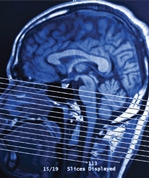 In neurodegenerative diseases such as Alzheimer’s and Parkinson’s disease, mitochondrial dysfunction is associated with abnormal brain cell activity and accumulation of toxic proteins.16,23,24 Older individuals who suffer strokes, with their impaired brain cell mitochondrial function, have more brain tissue injury and slower, less complete recovery than younger stroke victims.25
Even in apparently healthy older people, free of neurodegenerative diseases and strokes, mitochondrial dysfunction in brain cells leaves them with precious little reserve. Evidence strongly suggests that, while aged neurons can function adequately during normal activity, they quickly become vulnerable to the other metabolic stresses of aging.19 That’s why a minor illness or minimal trauma can so suddenly lead to massive—and irreversible—loss of cognitive function in an older adult.
There is now solid evidence that if we can prevent mitochondrial decay, or if we can reverse it by stimulating production of new mitochondria, we can slow down the aging process itself.17 And just as the brain is a principal target of mitochondrial aging, studies suggest that it also may be a main beneficiary of this “mitochondrial medicine” approach.11,24 That’s why mitochondria-targeted therapies are now captivating specialists in brain aging, cognition, and neurodegenerative diseases.24,26
As it turns out, PQQ provides impressive mitochondria-targeted therapy. Let’s examine the compelling evidence for PQQ’s direct neuroprotective effects in greater detail, in order to understand how supplementing with PQQ can prevent your brain from aging too rapidly.
The Science Behind PQQ’s Brain Anti-Aging Benefits
The most notable ways in which PQQ protects the brain from aging are related to its powerful redox cycling abilities. By far the most robust of the redox cyclers available (either as medications or as nutrients), PQQ potently blunts the deadly effects of reactive oxygen species (ROS) in brain tissue, thereby helping to keep existing mitochondria intact.27,28 There’s strong evidence that PQQ also scavenges existing reactive oxygen species,29,30 which offers further promise in reducing the oxidant load on brain mitochondria.
PQQ also stimulates the brain to produce healthy new mitochondria in the process known as mitochondrial biogenesis.3 Mitochondrial biogenesis is a powerful natural response to declining mitochondrial function.31 The use of “mitochondrial nutrients” such as PQQ that stimulate biogenesis may represent an important stride in preserving youthful brain function.32
 But PQQ also exerts two additional effects that add to its already-impressive oxidant protection and mitochondrial preservation.
PQQ stimulates natural production of nerve growth factor (NGF)4,5 which triggers growth and branching of nerve cells.33 Nerve growth factor is vital in repairing damage caused by a stroke, by ischemia (loss of blood flow), or by an injury. In other words, PQQ shows promise in stimulating brain and nerve tissue to heal itself.34 That’s important both for people who’ve suffered overt injuries (from trauma or strokes), and also for those who’ve suffered the more subtle damage that can lead to so-called multi-infarct dementia.35-38
Treatment with PQQ reduces the impact of excitotoxicity in brain cells.39,40 Excitotoxicity occurs when neurons become electrically or chemically over-stimulated. It is one of the underlying causes of many age-related states of cognitive impairment, including Alzheimer’s and Parkinson’s diseases. Excitotoxicity is also associated with certain forms of epilepsy.41
PQQ’s powerful redox cycling abilities help it to chemically modify receptors for the most potent excitotoxic neurotransmitter, known as NMDA (N-Methyl-D-aspartic acid).42 Under the influence of PQQ, the NMDA receptors literally “quiet down” and stop producing the toxic effects that lead to neuronal dysfunction.6,43-45 In related actions, PQQ protects against environmental neurotoxicity as well, as in the case of deadly mercury poisoning.46
- Loss of mitochondrial function is now known to be a chief cause of aging in human tissues.
- That loss is especially profound in brain cells, which suffer a disproportionate exposure to the oxidative stress that damages mitochondria.
- The result is an unnecessary—and preventable—acceleration of brain aging.
- An ancient mitochondrial nutrient, PQQ, which is common to many living things, has recently been produced in meaningful quantities, thanks to a new process originating in Japan.
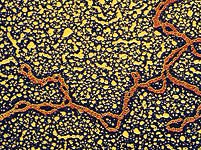
- PQQ protects and restores age-related mitochondrial function, and even increases the number of mitochondria in your tissues.
- PQQ offers proven neuroprotection by combating mitochondrial dysfunction in brain and peripheral nerve cells.
- PQQ’s unique actions offer hope in prevention of age-related cognitive decline, stroke-related neurological deficits, and neurodegenerative diseases
- PQQ also offers cardioprotection and enhanced immune function, both of vital concern in increasing longevity.
Powerful and Proven Neuroprotection
PQQ’s neuroprotection in the laboratory translates into impressive prevention of age-related cognitive deficits. Here are the compelling data:
Strokes are the third leading cause of death in older Americans, killing nearly 136,000 of us annually, and six million Americans live with the debilitating after-effects of a stroke.47 PQQ treatment of stroke in an animal study produced a significant reduction in size of the damaged brain area compared with control treatment—even when given after the stroke was induced.6 Another animal study demonstrated significant improvements in neurobehavioral scores following PQQ supplementation after a stroke.48
Cognitive decline caused by Alzheimer’s and Parkinson’s diseases robs hundreds of thousands of older Americans of joy and satisfaction in life each year. PQQ protects brain cells from two deadly proteins called beta-amyloid and alpha-synuclein that trigger those conditions.7,8 The result is that fewer brain cells die, and brain function is preserved, brightening the outlook for sufferers of these devastating diseases.7
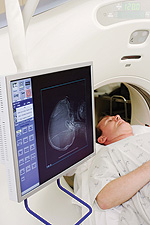 Cognitive decline frequently occurs even in the absence of a diagnosed neurodegenerative condition or a stroke. Recent studies from Japan, where PQQ science is most advanced, show that a PQQ-supplemented diet improves learning ability in healthy animals.49 When the animals were subjected to 48 hours of extreme oxidant stress to mimic accelerated aging, the PQQ-supplemented group showed better memory function than the control group, and that improvement was sustained long after the stress.
In a similar study, aged animals (like many aging humans) demonstrated very poor learning ability at baseline.50 When supplemented with PQQ, however, the old individuals learned to navigate a maze with ease and retained their knowledge over time much better than did untreated animals, which showed a memory loss of about 60%.
PQQ’s neuronal benefits are not limited to cognitive factors, however. They also apply to other common age-related problems such as seizures and peripheral nerve injury.
Seizures occur with increasing frequency as our brains age and can be responsible for physical injury as well as neurological deficits.51 By combating the seizure-inducing excitatory effects of the NMDA neurotransmitter, PQQ suppresses spontaneous seizure activity and shortens duration of chemically induced seizures in animals.41 Importantly, PQQ achieves this effect without inhibiting normal NMDA receptor performance or baseline behavior.41
Damage to spinal and peripheral nerves causes substantial loss of function in older adults, the result of major or minor trauma and bony degeneration of the spinal column. Such functional losses lead to decreased mobility, impaired bowel and bladder function, loss of sexual enjoyment, and early death from complications.52,53 Dramatic results have been achieved in animals that capitalize on PQQ’s stimulation of nerve growth factor production and secretion. PQQ-induced nerve growth factor stimulation accelerates growth of cells that produce nerve cells’ vital insulating sheaths and speeds natural repair of damaged nerves.9 In one study, a one-centimeter gap in the sciatic nerve underwent rapid healing after treatment with PQQ, demonstrating improved nerve conduction velocity, strength of the nerve impulse, and increased numbers of nerve cells inside the sheath.9
PQQ: From Stardust to Stellar Mitochondrial Protection
 PQQ was discovered only three decades ago,60,61 but its origins seem to be as old as the universe itself. A powerful and essential component of energy-transfer processes in a diverse range of living cells, PQQ is an advanced organic molecule that scientists believe they have identified in stardust collected from comets passing through our solar system.27,62,63
PQQ’s widespread presence in living matter and its ancient origins in the cosmos has intrigued scientists and stimulated massive amounts of research. Fueling this research is the recent discovery of a process for readily producing PQQ by natural bacterial fermentation.64-68 Scientific work since has revealed that PQQ functions as an essential human nutrient—a new vitamin, according to eminent researchers.39,69,70
PQQ stimulates growth and development in living things from bacteria to higher mammals.27,71 In mammals (including humans), PQQ directly modulates and slows mitochondrial aging.27,72
Studies have shown that animals deficient in PQQ develop many of the typical signs of aging: slowed tissue growth, poor reproductive function, impaired skin, bone, and connective tissue integrity, weakened immune systems, and most notably, impaired cognition.27,59,73,74 When PQQ is restored, those abnormalities are reversed.27,72,74
PQQ acts in living cells as a “redox cycler,” meaning that it modulates the flow of electrons that determine if a given chemical reaction produces oxidation or its opposite, known as reduction (hence “red-ox”).39,69 Redox cyclers are essential for protecting mitochondria from the vicious attacks of reactive oxygen species (ROS) generated during energy transfer activities.27,39
Many beneficial antioxidant nutrients, such as quercetin, green tea extracts, and vitamin C, are technically redox cyclers and thereby offer some mitochondrial protection.27 But PQQ is tremendously more robust. A single PQQ molecule can undergo more than 20,000 cycles of oxidation/reduction before it is destroyed, while more conventional redox cyclers give out after at most about 800 cycles.27
That incredible potency gives PQQ a tremendous advantage as a mitochondrial protector. In bacterial cultures in the laboratory, it requires only picogram quantities (one-trillionth of a gram) to support healthy growth and reproductive parameters.71
It’s clear that PQQ protects mitochondria, and that in doing so it protects brain cells from the ravages of mitochondrial aging, with all the deficits that entails.
Improving Immunity and Cardiovascular Health
 PQQ’s remarkable anti-aging benefits are not restricted to the brain. Emerging science is demonstrating remarkable effects on two other systems vital to your longevity: the heart and the immune system.
Mitochondria make up an astonishing one-third of the mass of the human heart.54 Reliable quality control of cardiac mitochondria is therefore a major new target in preventing heart disease.55 PQQ is a highly effective cardioprotective agent as a result of its free radical scavenging and mitochondrial protecting characteristics.56,57
PQQ treatment either before or after experimentally induced heart attacks in animal models has multiple beneficial effects. PQQ reduced the size of the damaged (infarcted) area of heart muscle, resulting in a desirable increase in pumping pressure from the left ventricle.56 Treatment also reduced the number of episodes of ventricular fibrillation, a common and deadly complication of heart attacks. In a related study, PQQ performed as well as the prescription heart medication metoprolol in reducing infarct size. And PQQ proved superior to metoprolol in protecting mitochondria from oxidative damage arising from the infarction.58
Immune system cells rely heavily on adequate supplies of PQQ for normal function.27 That’s especially important for older people, in whom immune function reliably falls off with increasing age. PQQ deficiency produces defects in multiple branches of the immune system, impairing its ability to respond to invading stimuli and raising the risk of infection.27,59 A human equivalent dose of as little as 100-400 micrograms of PQQ per day maximizes sensitivity of important B- and T-lymphocytes (infection-fighting white blood cells) to external stimuli.27
Summary
Loss of mitochondrial function is both a cause and a consequence of aging, producing a vicious cycle of oxidative damage that destroys brain cells. While antioxidant intake is critical, researchers now recognize it as only one part of a comprehensive preventive strategy.
The nutrient PQQ, essential for many forms of life on Earth, comprises a powerful strategy to combat brain aging. PQQ protects mitochondria from cumulative oxidative damage and stimulates growth of healthy new mitochondria, thereby restoring youthful brain cell function.
PQQ’s effects on brain mitochondria, coupled with its other beneficial neuroprotective characteristics, make it a natural solution for preserving brain function as you age. Taken together with PQQ’s recently discovered cardioprotection and well-established immune enhancement, there is every reason to include PQQ in your supplement program.
Material used with permission of Life Extension. All rights reserved.
1. Facecchia K, Fochesato LA, Ray SD, Stohs SJ, Pandey S. Oxidative toxicity in neurodegenerative diseases: role of mitochondrial dysfunction and therapeutic strategies. J Toxicol. 2011;2011:683728. Epub 2011 Jul 14.
2. Martin LJ. Mitochondrial and cell death mechanisms in neurodegenerative diseases. Pharmaceuticals (Basel). 2010;3(4):839-915.
3. Chowanadisai W, Bauerly KA, Tchaparian E, Wong A, Cortopassi GA, Rucker RB. Pyrroloquinoline quinone stimulates mitochondrial biogenesis through cAMP response element-binding protein phosphorylation and increased PGC-1a expression. J Biol Chem. 2010 Jan 1;285(1):142-52.
4. Yamaguchi K, Sasano A, Urakami T, Tsuji T, Kondo K. Stimulation of nerve growth factor production by pyrroloquinoline quinone and its derivatives in vitro and in vivo. Biosci Biotechnol Biochem. 1993 Jul;57(7):1231-3.
5. Murase K, Hattori A, Kohno M, Hayashi K. Stimulation of nerve growth factor synthesis/secretion in mouse astroglial cells by coenzymes. Biochem Mol Biol Int. 1993 Jul;30(4):615-21.
6. Jensen FE, Gardner GJ, Williams AP, Gallop PM, Aizenman E, Rosenberg PA. The putative essential nutrient pyrroloquinoline quinone is neuroprotective in a rodent model of hypoxic/ischemic brain injury. Neuroscience. 1994 Sep;62(2):399-406.
7. Zhang JJ, Zhang RF, Meng XK. Protective effect of pyrroloquinoline quinone against Abeta-induced neurotoxicity in human neuroblastoma SH-SY5Y cells. Neurosci Lett. 2009 Oct 30;464(3):165-9.
8. Kim J, Harada R, Kobayashi M, Kobayashi N, Sode K. The inhibitory effect of pyrroloquinoline quinone on the amyloid formation and cytotoxicity of truncated alpha-synuclein. Mol Neurodegener. 2010;5:20.
9. Liu S, Li H, Ou Yang J, et al. Enhanced rat sciatic nerve regeneration through silicon tubes filled with pyrroloquinoline quinone. Microsurgery. 2005;25(4):329-37.
10. Szeto HH. Mitochondria-targeted peptide antioxidants: novel neuroprotective agents. AAPS J. 2006 Aug 18;8(3):E521-31.
11. Head E, Nukala VN, Fenoglio KA, Muggenburg BA, Cotman CW, Sullivan PG. Effects of age, dietary, and behavioral enrichment on brain mitochondria in a canine model of human aging. Exp Neurol. 2009 Nov;220(1):171-6.
12. Davidson VL. Electron transfer in quinoproteins. Arch Biochem Biophys. 2004 Aug 1;428(1):32-40.
13. Boveris A, Navarro A. Brain mitochondrial dysfunction in aging. IUBMB Life. 2008 May;60(5):308-14.
14. Brunk UT, Terman A. The mitochondrial-lysosomal axis theory of aging: accumulation of damaged mitochondria as a result of imperfect autophagocytosis. Eur J Biochem. 2002 Apr;269(8):1996-2002.
15. Liu J, Atamna H, Kuratsune H, Ames BN. Delaying brain mitochondrial decay and aging with mitochondrial antioxidants and metabolites. Ann N Y Acad Sci. 2002 Apr;959:133-66.
16. Eckert A, Schmitt K, Gotz J. Mitochondrial dysfunction – the beginning of the end in Alzheimer’s disease? Separate and synergistic modes of tau and amyloid-b toxicity. Alzheimers Res Ther. 2011 May 5;3(2):15.
17. Ames BN, Liu J. Delaying the mitochondrial decay of aging with acetylcarnitine. Ann N Y Acad Sci. 2004 Nov;1033:108-16.
18. Aliev G, Palacios HH, Walrafen B, Lipsitt AE, Obrenovich ME, Morales L. Brain mitochondria as a primary target in the development of treatment strategies for Alzheimer disease. Int J Biochem Cell Biol. 2009 Oct;41(10):1989-2004.
19. Shankar SK. Biology of aging brain. Indian J Pathol Microbiol. 2010 Oct-Dec;53(4):595-604.
20. Dong W, Cheng S, Huang F, et al. Mitochondrial dysfunction in long-term neuronal cultures mimics changes with aging. Med Sci Monit. 2011 Apr;17(4):BR91-6.
21. Grammas P, Martinez J, Miller B. Cerebral microvascular endothelium and the pathogenesis of neurodegenerative diseases. Expert Rev Mol Med. 2011;13:e19.
22. Available at: http://www.acnp.org/g4/gn401000064/ch064.html. Accessed August 30, 2011.
23. Schapira AH, Jenner P. Etiology and pathogenesis of Parkinson’s disease. Mov Disord. 2011 May;26(6):1049-55.
24. Reddy PH, Reddy TP. Mitochondria as a therapeutic target for aging and neurodegenerative diseases. Curr Alzheimer Res. 2011 Jun 1;8(4):393-409.
25. Li N, Kong X, Ye R, Yang Q, Han J, Xiong L. Age-related differences in experimental stroke: possible involvement of mitochondrial dysfunction and oxidative damage. Rejuvenation Res. 2011 Jun;14(3):261-73.
26. Bagh MB, Thakurta IG, Biswas M, Behera P, Chakrabarti S. Age-related oxidative decline of mitochondrial functions in rat brain is prevented by long term oral antioxidant supplementation. Biogerontology. 2011 Apr;12(2):119-31.
27. Rucker R, Chowanadisai W, Nakano M. Potential physiological importance of pyrroloquinoline quinone. Altern Med Rev. 2009 Sep;14(3):268-77.
28. Nunome K, Miyazaki S, Nakano M, Iguchi-Ariga S, Ariga H. Pyrroloquinoline quinone prevents oxidative stress-induced neuronal death probably through changes in oxidative status of DJ-1. Biol Pharm Bull. 2008 Jul;31(7):1321-6.
29. Hamagishi Y, Murata S, Kamei H, Oki T, Adachi O, Ameyama M. New biological properties of pyrroloquinoline quinone and its related compounds: inhibition of chemiluminescence, lipid peroxidation and rat paw edema. J Pharmacol Exp Ther. 1990 Dec;255(3):980-5.
30. Zhang Y, Rosenberg PA. The essential nutrient pyrroloquinoline quinone may act as a neuroprotectant by suppressing peroxynitrite formation. Eur J Neurosci. 2002 Sep;16(6):1015-24.
31. Onyango IG, Lu J, Rodova M, Lezi E, Crafter AB, Swerdlow RH. Regulation of neuron mitochondrial biogenesis and relevance to brain health. Biochim Biophys Acta. 2010 Jan;1802(1):228-34.
32. Liu J. The effects and mechanisms of mitochondrial nutrient alpha-lipoic acid on improving age-associated mitochondrial and cognitive dysfunction: an overview. Neurochem Res. 2008 Jan;33(1):194-203.
33. Zhou L, Too HP. Mitochondrial localized STAT3 is involved in NGF induced neurite outgrowth. PLoS One. 2011;6(6):e21680.
34. Urakami T, Tanaka A, Yamaguchi K, Tsuji T, Niki E. Synthesis of esters of coenzyme PQQ and IPQ, and stimulation of nerve growth factor production. Biofactors. 1995-1996;5(3):139-46.
35. Clarkson AN, Overman JJ, Zhong S, Mueller R, Lynch G, Carmichael ST. AMPA receptor-induced local brain-derived neurotrophic factor signaling mediates motor recovery after stroke. J Neurosci. 2011 Mar 9;31(10):3766-75.
36. Ding J, Cheng Y, Gao S, Chen J. Effects of nerve growth factor and Noggin-modified bone marrow stromal cells on stroke in rats. J Neurosci Res. 2011 Feb;89(2):222-30.
37. Mielke R, Möller HJ, Erkinjuntti T, Rosenkranz B, Rother M, Kittner B. Propentofylline in the treatment of vascular dementia and Alzheimer-type dementia: overview of phase I and phase II clinical trials. Alzheimer Dis Assoc Disord. 1998;12 Suppl 2:S29-35.
38. Minnich JE, Mann SL, Stock M, et al. Glial cell line-derived neurotrophic factor (GDNF) gene delivery protects cortical neurons from dying following a traumatic brain injury. Restor Neurol Neurosci. 2010;28(3):293-309.
39. Bishop A, Gallop PM, Karnovsky ML. Pyrroloquinoline quinone: a novel vitamin? Nutr Rev. 1998 Oct;56(10):287-93.
40. Hara H, Hiramatsu H, Adachi T. Pyrroloquinoline quinone is a potent neuroprotective nutrient against 6-hydroxydopamine-induced neurotoxicity. Neurochem Res. 2007 Mar;32(3):489-95.
41. Sanchez RM, Wang C, Gardner G, et al. Novel role for the NMDA receptor redox modulatory site in the pathophysiology of seizures. J Neurosci. 2000 Mar 15;20(6):2409-17.
42. Aizenman E, Hartnett KA, Zhong C, Gallop PM, Rosenberg PA. Interaction of the putative essential nutrient pyrroloquinoline quinone with the N-methyl-D-aspartate receptor redox modulatory site. J Neurosci. 1992 Jun;12(6):2362-9.
43. Aizenman E, Jensen FE, Gallop PM, Rosenberg PA, Tang LH. Further evidence that pyrroloquinoline quinone interacts with the N-methyl-D-aspartate receptor redox site in rat cortical neurons in vitro. Neurosci Lett. 1994 Feb 28;168(1-2):189-92.
44. Scanlon JM, Aizenman E, Reynolds IJ. Effects of pyrroloquinoline quinone on glutamate-induced production of reactive oxygen species in neurons. Eur J Pharmacol. 1997 May 12;326(1):67-74.
45. Hirakawa A, Shimizu K, Fukumitsu H, Furukawa S. Pyrroloquinoline quinone attenuates iNOS gene expression in the injured spinal cord. Biochem Biophys Res Commun. 2009 Jan 9;378(2):308-12.
46. Zhang P, Xu Y, Sun J, Li X, Wang L, Jin L. Protection of pyrroloquinoline quinone against methylmercury-induced neurotoxicity via reducing oxidative stress. Free Radic Res. 2009 Mar;43(3):224-33.
47. Available at: http://www.cdc.gov/nchs/fastats/stroke.htm. Accessed August 9, 2011.
48. Zhang Y, Feustel PJ, Kimelberg HK. Neuroprotection by pyrroloquinoline quinone (PQQ) in reversible middle cerebral artery occlusion in the adult rat. Brain Res. 2006 Jun 13;1094(1):200-6.
49. Ohwada K, Takeda H, Yamazaki M, et al. Pyrroloquinoline quinone (PQQ) prevents cognitive deficit caused by oxidative stress in rats. J Clin Biochem Nutr. 2008 Jan;42:29-34.
50. Takatsu H, Owada K, Abe K, Nakano M, Urano S. Effect of vitamin E on learning and memory deficit in aged rats. J Nutr Sci Vitaminol (Tokyo). 2009;55(5):389-93.
51. Nikl J. Epilepsy in the elderly. Ideggyogy Sz. 2011 Mar 30;64(3-4):78-87.
52. Richmond TS, Lemaire J. Years of life lost because of gunshot injury to the brain and spinal cord. Am J Phys Med Rehabil. 2008 Aug;87(8):609-15; quiz 15-8.
53. Sipski ML. The impact of spinal cord injury on female sexuality, menstruation and pregnancy: a review of the literature. J Am Paraplegia Soc. 1991 Jul;14(3):122-6.
54. Carreira RS, Lee P, Gottlieb RA. Mitochondrial therapeutics for cardioprotection. Curr Pharm Des. 2011 Jun 30.
55. Gottlieb RA, Gustafsson AB. Mitochondrial turnover in the heart. Biochim Biophys Acta. 2011 Jul;1813(7):1295-301.
56. Zhu BQ, Zhou HZ, Teerlink JR, Karliner JS. Pyrroloquinoline quinone (PQQ) decreases myocardial infarct size and improves cardiac function in rat models of ischemia and ischemia/reperfusion. Cardiovasc Drugs Ther. 2004 Nov;18(6):421-31.
57. Tao R, Karliner JS, Simonis U, et al. Pyrroloquinoline quinone preserves mitochondrial function and prevents oxidative injury in adult rat cardiac myocytes. Biochem Biophys Res Commun. 2007 Nov 16;363(2):257-62.
58. Zhu BQ, Simonis U, Cecchini G, et al. Comparison of pyrroloquinoline quinone and/or metoprolol on myocardial infarct size and mitochondrial damage in a rat model of ischemia/reperfusion injury. J Cardiovasc Pharmacol Ther. 2006 Jun;11(2):119-28.
59. Steinberg FM, Gershwin ME, Rucker RB. Dietary pyrroloquinoline quinone: growth and immune response in BALB/c mice. J Nutr. 1994 May;124(5):744-53.
60. Salisbury SA, Forrest HS, Cruse WB, Kennard O. A novel coenzyme from bacterial primary alcohol dehydrogenases. Nature. 1979 Aug 30;280(5725):843-4.
61. Ameyama M, Matsushita K, Ohno Y, Shinagawa E, Adachi O. Existence of a novel prosthetic group, PQQ, in membrane-bound, electron transport chain-linked, primary dehydrogenases of oxidative bacteria. FEBS Lett. 1981 Aug 3;130(2):179-83.
62. Kissel J, Krueger FR, Silén J, Clark BC. The Cometary and Interstellar Dust Analyzer at comet 81P/Wild 2. Science. 2004 Jun 18;304(5678):1774-6.
63. Krueger FR, Werther W, Kissel J, Schmid ER. Assignment of quinone derivatives as the main compound class composing ‘interstellar’ grains based on both polarity ions detected by the ‘Cometary and Interstellar Dust Analyser’ (CIDA) onboard the spacecraft STARDUST. Rapid Commun Mass Spectrom. 2004;18(1):103-11.
64. Urakami T, Inventor; Mitsubishi Gas Chemical Co., Inc, assignee. PROCESS FOR THE PREPARATION OF PYRROLO-QUINOLINE QUINONE. US patent 5,344,768. 1994.
65. Yamaguchi K, Tsuji T, Urakami T, Kondo K; Inventors. Mitsubishi Gas Chemical Company; Sagami Chemical Research Center, assignee. Nerve growth factor production accelerators and compositions for preventing or treating neuronal degeneration. US patent 5,846,977.1998.
66. Adachi O, Moonmangmee D, Shinagawa E, Toyama H, Yamada M, Matsushita K. New quinoproteins in oxidative fermentation. Biochim Biophys Acta. 2003 Apr 11;1647(1-2):10-7.
67. Adachi O, Moonmangmee D, Toyama H, Yamada M, Shinagawa E, Matsushita K. New developments in oxidative fermentation. Appl Microbiol Biotechnol. 2003 Feb;60(6):643-53.
68. Adachi O, Tanasupawat S, Yoshihara N, Toyama H, Matsushita K. 3-dehydroquinate production by oxidative fermentation and further conversion of 3-dehydroquinate to the intermediates in the shikimate pathway. Biosci Biotechnol Biochem. 2003 Oct;67(10):2124-31.
69. Kasahara T, Kato T. Nutritional biochemistry: A new redox-cofactor vitamin for mammals. Nature. 2003 Apr 24;422(6934):832.
70. Gallop PM, Paz MA, Flückiger R, Henson E. Is the antioxidant, anti-inflammatory putative new vitamin, PQQ, involved with nitric oxide in bone metabolism? Connect Tissue Res. 1993;29(2):153-61.
71. Ameyama M, Matsushita K, Shinagawa E, Hayashi M, Adachi O. Pyrroloquinoline quinone: excretion by methylotrophs and growth stimulation for microorganisms. Biofactors. 1988 Jan;1(1):51-3.
72. Stites T, Storms D, Bauerly K, et al. Pyrroloquinoline quinone modulates mitochondrial quantity and function in mice. J Nutr. 2006 Feb;136(2):390-6.
73. Killgore J, Smidt C, Duich L, et al. Nutritional importance of pyrroloquinoline quinone. Science. 1989 Aug 25;245(4920):850-2.
74. Steinberg F, Stites TE, Anderson P, et al. Pyrroloquinoline quinone improves growth and reproductive performance in mice fed chemically defined diets. Exp Biol Med (Maywood). 2003 Feb;228(2):160-6.
What is PQQ (pyrroloquinoline quinone)?
PQQ (pyrroloquinoline quinone) was discovered only three decades ago, but its origins appear to be as old as the universe itself. As an essential and necessary component of energy transfer processes in living cells, PQQ is an advanced organic molecule that scientists have identified in stellar dust collected from comets as they pass through our solar system. The widespread presence of PQQ in living matter and its interesting origin prompted scientists to conduct many studies. The driving force behind these tests was the recent discovery of the PQQ production process by natural bacterial fermentation. Since then, PQQ has been recognized as functioning as an essential human nutrient - a new vitamin, scientists say.
What are the benefits of using PQQ?
Nutritional PQQ (pyrroloquinoline quinone), essential to many forms of life on Earth, is an effective strategy to combat the aging of the brain. PQQ protects mitochondria against increasing oxidative damage and stimulates the growth of new mitochondria, thus restoring the normal function of brain cells. The effect of PQQ on the brain's mitochondria, combined with its other beneficial neuroprotective properties, makes it a natural solution to the problem of loss of brain function that occurs with age. The extraordinary anti-aging benefits of PQQ (pyrroloquinoline quinone) are not limited to the brain. Emerging research demonstrates the remarkable effect on two other systems important for longevity - the circulatory and immune systems.
Related product
-
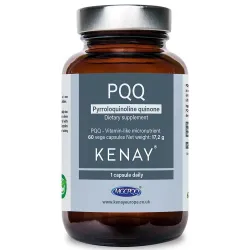
PQQ Pyrroloquinoline quinone
Price: 46,64 €More than just an antioxidant Supports mitochondrial biogenesis...
Related posts
-
 Is Conventional Pomegranate Extract Enough?
An abundance of clinical data has established pomegranate as a broad-spectrum, multi-modal defense against the...
Is Conventional Pomegranate Extract Enough?
An abundance of clinical data has established pomegranate as a broad-spectrum, multi-modal defense against the... -
Feed Your Brain!
Millions of people around the world are adhering to low-fat, low-cholesterol diets in an effort to reduce the impact...
-
Lipoic Acid Reverses Mitochondrial Decay
It is estimated that 85% of the oxygen contained in every breath you take is consumed by the mitochondria within each...
-
Vitamin C and Dihydroquercetin
Every day, our bodies are under continual assault by damaging agents known as free radicals. Generally, both internal...
-
How Resveratrol Combats Leading Causes of Death
In 1997, the first scientific paper on resveratrol was published showing that this polyphenol could prevent cancer in...