
 English
 Polski
 Deutsch
 Français
 ελληνικά
 Español
 Italiano
Brain-Protecting Properties of Melatonin
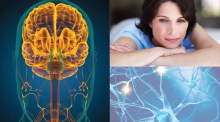 Melatonin has been shown to help fight cancer, boost immune function, and enable better sleep in some people.1-3
This pineal hormone is secreted abundantly in youth but declines with normal aging.
Research shows that melatonin improves several aspects of memory and increases formation of new brain cells.4-9
Patients with Alzheimer’s have lower melatonin levels than healthy individuals of the same age. Increasing melatonin levels may help protect against worsening of Alzheimer’s and Parkinson’s.3,10
Melatonin can be part of a nightly regimen to help protect the aging brain.
What Is Melatonin?
 Melatonin is a hormone produced in the pineal gland, which is located in the brain. This hormone is derived from the amino acid tryptophan.3,11
Often called the “sleep hormone,” melatonin is central to regulating the body’s sleep-wake cycle.1,2 It has long been used to treat various sleep disorders, including jet lag and insomnia, and to improve overall quality of sleep.1
Melatonin was first discovered in 1958. But it wasn’t until 1993 that researchers found that it is also a powerful antioxidant that quenches free radicals.3,11
In addition, melatonin inhibits the growth of certain cancers and enhances the immune system.1,2,12-14 This has led some researchers to conclude that melatonin may be a useful adjunct intervention against viral infections, including the flu.15
Melatonin reduces cell death and has shown neuroprotective effects.16 This has implications for circumventing memory loss and neurodegenerative disorders.
Melatonin and Memory
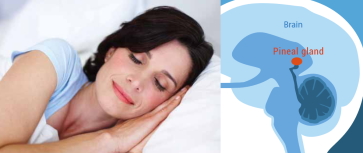 As we age, our ability to store and recall memories often fades.
This decline in memory begins during middle age and gradually worsens. About 40% of the elderly population experiences age-related memory issues.17
Studies in animals and humans show that melatonin improves memory.
In one study, healthy men receiving a one-time, 3 mg dose of melatonin were able, shortly thereafter, to recall more objects from a list they were asked to memorize than participants who were given a placebo.5
There are several ways in which melatonin works to improve memory:
- Melatonin reduces oxidative damage, which has been shown to lead to memory deficits in animals and humans.18,19
- In cultured neurons, it improves neural plasticity,7 the ability of the brain to change and adapt to experience.19,20
- Melatonin may protect against chronic mild stress. The hormones that are produced during stress (epinephrine, norepinephrine, and cortisol) negatively affect the retrieval of memories.5,21,22
- It may increase levels of brain-derived neurotrophic factor (BDNF).4 BDNF is a protein found in our central nervous system, particularly the hippocampus (the brain’s memory center), that increases neuron formation (BDNF levels tend to be lower in patients with neurological diseases).8,9
- Melatonin improves sleep, which is important for healthy brain function and memory retrieval.5,10
In addition, melatonin diminishes the negative effects that certain drugs and toxins have on our memory.
For example, one side effect of the cancer chemotherapy drug fluorouracil is that it impairs memory by reducing cell growth in the hippocampus.
In a study on rats, melatonin given before, during, or after administration of fluorouracil decreased the effects of the drug on memory loss by enhancing cell division in the hippocampus.19
Similar findings have been reported when melatonin was used with other memory-impairing substances, including methamphetamine,4 the household insecticide propoxur,23 and scopolamine, a drug used to reduce or prevent nausea.24
 Melatonin is a hormone that has long been used to improve sleep.
- Its antioxidant and anti-inflammatory activities contribute to numerous other benefits, including in the brain.
- Human studies show that melatonin improves memory in healthy adults.
- It also shows promise as an adjuvant intervention against neurodegenerative diseases such as Alzheimer’s and Parkinson’s diseases.
Effects on Alzheimer’s Disease
 Approximately 44 million people in the world have Alzheimer’s disease. That figure is expected to reach close to 135 million by 2050.10
Patients with Alzheimer’s have lower melatonin levels than healthy individuals of the same age. This has led some researchers to conclude that melatonin deficiency could play a role in the development of Alzheimer’s disease and that melatonin may be an ideal therapeutic agent.3,11
Melatonin has anti-inflammatory and antioxidant properties that protect the brain against increased oxidative damage.11
About 45% of Alzheimer’s patients have difficulties with sleep, and lack of sleep has been associated with an increased accumulation of beta-amyloid.10 Human studies suggest that melatonin intake not only improves sleep quality in those with Alzheimer’s but alsoslows the progression of cognitive problems.10,25-27
Research also indicates that melatonin can improve brain plasticity and promote neuron formation in the hippocampus, which may help slow the degeneration caused by Alzheimer’s.25
Promise for Parkinson’s
 Parkinson’s disease is a neurodegenerative disorder characterized by speech difficulties, tremors, decrease in dexterity, cognitive problems, and sleep disorders.14
According to the United Nations, the number of people with Parkinson’s is expected to reach two billion worldwide in 2050.3
This disease results from a defect in the production of dopamine,3 a neurotransmitter produced in the brain that plays important roles in movement, learning, memory, and mood.28
Studies have shown that melatonin prevents a reduction in dopamine. It also prevents the loss of the neurons that produce dopamine.3
Melatonin provides additional protective effects in Parkinson’s due to its anti-inflammatory and antioxidant activity.29,30
When melatonin is given to patients with Parkinson’s disease, it leads to reductions in neuronal death, oxidative stress, and inflammation. Melatonin also improves cognitive performance and sleep disorders in Parkinson’s patients.14
Researchers are increasingly focused on melatonin as a safe, effective tool to help protect the brain and possibly improve clinical outcomes in Alzheimer’s and Parkinson’s patients.31,32
Summary
 Melatonin is well-known for improving sleep in some people.
Numerous studies show that it can also improve memory and may be a potential adjuvant intervention for neurological disorders including Alzheimer’s and Parkinson’s diseases.
It can be part of a nightly regimen to help protect the aging brain.
Typical melatonin dosages range from 300 mcg to over 10,000 mcg (10 mg) and can be purchased over-the-counter in capsules, sublingual tablets, or liquid.
Melatonin is also available in immediate-and extended-release forms, usually at very low cost.
Material used with permission of Life Extension. All rights reserved.
- Pandi-Perumal SR, Srinivasan V, Maestroni GJ, et al. Melatonin: Nature’s most versatile biological signal? FEBS J. 2006 Jul;273(13):2813-38.
- Peuhkuri K, Sihvola N, Korpela R. Dietary factors and fluctuating levels of melatonin. Food Nutr Res. 2012;56.
- Gunata M, Parlakpinar H, Acet HA. Melatonin: A review of its potential functions and effects on neurological diseases. Rev Neurol (Paris). 2020 Mar;176(3):148-65.
- Veschsanit N, Yang JL, Ngampramuan S, et al. Melatonin reverts
- methamphetamine-induced learning and memory impairments and hippocampal alterations in mice. Life Sci. 2021 Jan 15;265:118844.
- Rimmele U, Spillmann M, Bartschi C, et al. Melatonin improves memory acquisition under stress independent of stress hormone release. Psychopharmacology (Berl). 2009 Mar;202(4):663-72.
- Gorfine T, Yeshurun Y, Zisapel N. Nap and melatonin-induced changes in hippocampal activation and their role in verbal memory consolidation. J Pineal Res. 2007 Nov;43(4):336-42.
- Juan WS, Huang SY, Chang CC, et al. Melatonin improves neuroplasticity by upregulating the growth-associated protein-43 (GAP-43) and NMDAR postsynaptic density-95 (PSD-95) proteins in cultured neurons exposed to glutamate excitotoxicity and in rats subjected to transient focal cerebral ischemia even during a long-term recovery period. J Pineal Res. 2014 Mar;56(2):213-23.
- Lima Giacobbo B, Doorduin J, Klein HC, et al. Brain-Derived Neurotrophic Factor in Brain Disorders: Focus on Neuroinflammation. Mol Neurobiol. 2019 May;56(5):3295-312.
- Binder DK, Scharfman HE. Brain-derived neurotrophic factor. Growth Factors. 2004 Sep;22(3):123-31.
- Uddin MS, Tewari D, Mamun AA, et al. Circadian and sleep dysfunction in Alzheimer’s disease. Ageing Res Rev. 2020 Jul;60:101046.
- Vincent B. Protective roles of melatonin against the amyloid-dependent development of Alzheimer’s disease: A critical review. Pharmacol Res. 2018 Aug;134:223-37.
- Gu H, Shen Q, Mei D, et al. Melatonin Inhibits TE-1 Esophageal Cancer Cells Metastasis by Suppressing the NF-kappaB Signaling Pathway and Decreasing MMP-9. Ann Clin Lab Sci. 2020 Jan;50(1):65-72.
- Melatonin. Monograph. Altern Med Rev. 2005 Dec;10(4):326-36.
- Tamtaji OR, Reiter RJ, Alipoor R, et al. Melatonin and Parkinson Disease: Current Status and Future Perspectives for Molecular Mechanisms. Cell Mol Neurobiol. 2020 Jan;40(1):15-23.
- Huang S-H, Liao C-L, Chen S-J, et al. Melatonin possesses an anti-influenza potential through its immune modulatory effect. Journal of Functional Foods. 2019 07/01;58:189-98.
- Kato FL-MSdBÁA. Melatonin, Neuroprotective Agents and Antidepressant Therapy. springer nature. 2016.
- Small GW. What we need to know about age related memory loss. BMJ. 2002 Jun 22;324(7352):1502-5.
- Reiter RJ, Tan DX, Osuna C, et al. Actions of melatonin in the reduction of oxidative stress. A review. J Biomed Sci. 2000 Nov-Dec;7(6):444-58.
- Sirichoat A, Suwannakot K, Chaisawang P, et al. Melatonin attenuates 5-fluorouracil-induced spatial memory and hippocampal neurogenesis impairment in adult rats. Life Sci. 2020 May 1;248:117468.
- Fuchs E, Flugge G. Adult neuroplasticity: more than 40 years of research. Neural Plast. 2014;2014:541870.
- Schwabe L, Joels M, Roozendaal B, et al. Stress effects on memory: an update and integration. Neurosci Biobehav Rev. 2012 Aug;36(7):1740-9.
- Roozendaal B. Stress and memory: opposing effects of glucocorticoids on memory consolidation and memory retrieval. Neurobiol Learn Mem. 2002 Nov;78(3):578-95.
- Mehta KD, Mehta AK, Halder S, et al. Protective effect of melatonin on propoxur-induced impairment of memory and oxidative stress in rats. Environ Toxicol. 2014 Jun;29(6):705-13.
- Muhammad T, Ali T, Ikram M, et al. Melatonin Rescue Oxidative Stress-Mediated Neuroinflammation/ Neurodegeneration and Memory Impairment in Scopolamine-Induced Amnesia Mice Model. J Neuroimmune Pharmacol. 2019 Jun;14(2):278-94.
- Tobore TO. On the central role of mitochondria dysfunction and oxidative stress in Alzheimer’s disease. Neurol Sci. 2019 Aug;40(8):1527-40.
- Vgenopoulou I, Katsa M, Tzavella F. Melatonin Levels in Alzheimer Disease. International Journal of Caring Sciences. 2015 01/01;8:499-506.
- Mehta KD, Mehta AK, Halder S, et al. Protective effect of melatonin on propoxur-induced impairment of memory and oxidative stress in rats. Environmental Toxicology. 2014;29(6):705-13.
- Juarez Olguin H, Calderon Guzman D, Hernandez Garcia E, et al. The Role of Dopamine and Its Dysfunction as a Consequence of Oxidative Stress. Oxid Med Cell Longev. 2016 01/01;2016:9730467.
- Rodrigues LS, Fagotti J, A DST, et al. Potential new therapies against a toxic relationship: neuroinflammation and Parkinson’s disease. Behav Pharmacol. 2019 Dec;30(8):676-88.
- Daneshvar Kakhaki R, Ostadmohammadi V, Kouchaki E, et al. Melatonin supplementation and the effects on clinical and metabolic status in Parkinson’s disease: A randomized, double-blind, placebo-controlled trial. Clin Neurol Neurosurg. 2020 Aug;195:105878.
- Rudnitskaya EA, Muraleva NA, Maksimova KY, et al. Melatonin Attenuates Memory Impairment, Amyloid-beta Accumulation, and Neurodegeneration in a Rat Model of Sporadic Alzheimer’s Disease. J Alzheimers Dis. 2015;47(1):103-16.
- Srinivasan V, Cardinali DP, Srinivasan US, et al. Therapeutic potential of melatonin and its analogs in Parkinson’s disease: focus on sleep and neuroprotection. Ther Adv Neurol Disord. 2011 Sep;4(5):297-317.
Related products
-
-
Fast-Acting Liquid Melatonin (Citrus-Vanilla)
Price: 11,98 €Promotes optimal sleep & cellular health Promotes optimal sleep This... -
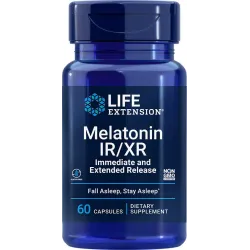
Melatonin IR/XR
Price: 13,03 €All-night melatonin support for sustained, restful sleep Promotes healthy,... -
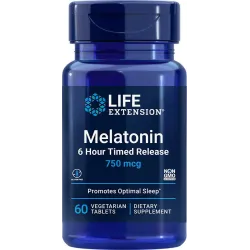
Melatonin 6 Hour Timed Release 750 mcg
Price: 10,16 €Sleep & cellular health support in a gradual-release formula Promotes... -
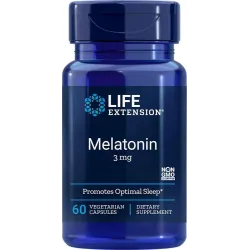
Related posts
-
 Feed Your Brain!
Millions of people around the world are adhering to low-fat, low-cholesterol diets in an effort to reduce the impact...
Feed Your Brain!
Millions of people around the world are adhering to low-fat, low-cholesterol diets in an effort to reduce the impact... -
Lipoic Acid Reverses Mitochondrial Decay
It is estimated that 85% of the oxygen contained in every breath you take is consumed by the mitochondria within each...
-
Vitamin C and Dihydroquercetin
Every day, our bodies are under continual assault by damaging agents known as free radicals. Generally, both internal...
-
How Resveratrol Combats Leading Causes of Death
In 1997, the first scientific paper on resveratrol was published showing that this polyphenol could prevent cancer in...
-
Discovering Coffee's Unique Health Benefits
Every morning, many of us sip our coffee with no real thought given to the beans behind the brew. But coffee beans...