
 English
 Polski
 Deutsch
 Français
 ελληνικά
 Español
 Italiano
Immune-Boosting Effects of Melatonin
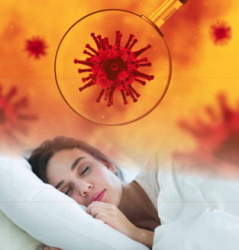 Melatonin has long been thought of as the “sleep hormone.” It regulates circadian rhythms, the body’s internal biological clock, which can improve sleep patterns.
That’s important for optimal health. Inadequate sleep has a well-documented negative impact on immune health, increasing susceptibility to infectious diseases and cancer.1-3
But melatonin does much more.
Melatonin provides vital support to the immune system, helping coordinate immune responses to defend against a wide variety of threats, including viruses.4-6
Internal production of melatonin drops significantly with age.6-8 This leaves the immune system weakened.
In 1992, Life Extension® introduced melatonin to the world based on evidence of its anti-aging properties, including potential to boost immune function and reduce cancer risks.
Melatonin Regulates Immune Function
 Melatonin is a hormone produced primarily in the pineal gland of the brain.6 It is also produced in other tissues, including cells of the immune system.9-12
Its best-known role is in regulating sleep-wake cycles but it has demonstrated other beneficial properties.4-6
Two of melatonin’s effects are particularly profound:
- Supporting immune health
- Anti-cancer activity
Scientists have found that melatonin sends signals to the immune system and the immune system “talks” back.
This “cross talk” fine-tunes and coordinates healthy immunity. It bolsters innate defenses that guard against a wide range of pathogens, from viruses to cancer cells.
It also improves immune attacks on specific viruses and disease-causing bacteria and parasites.4-6
The influence of melatonin on immune health was first observed in 1926. Scientists reported that kittens fed pineal gland extracts—now known to be a major source of melatonin—gained significantly improved resistance to infections.6
Combatting Immune Senescence
 The deterioration of the immune system that comes with age is called immune senescence.13
It causes a dramatic weakening of immunity. This is a big part of the reason why the elderly are more susceptible to infectious disease from viruses, bacteria, and other pathogens.
A healthy immune system searches out and eliminates abnormalities, including senescent cells, premalignant cells and cancer cells.
With immune senescence, this function isn’t performed properly, and disease risks rise.4,14
One cause of immune senescence is inadequate production of hormones that control immune function, like melatonin.4,6 In rodents, boosting melatonin levels can reverse immune senescence, rejuvenating immune function.
The effects can be seen in the thymus gland, which produces T cells, the “soldiers” of the immune system. As we age and the immune system declines, the thymus slowly shrinks. Immune function suffers as a result.
But in aged mice, melatonin stimulates new growth of the degenerated thymus, producing new T cells that improve immune function.15
Melatonin counters immune senescence in other ways, including:6,13,16-20
- Enhancing the responses of antibodies that “tag” specific viruses, bacteria, and other invaders to be attacked by different components of the immune system,
- Reducing chronic inflammation, a cause of nearly all age-related chronic diseases, and
- Enhancing the activity of T cells, helping to more efficiently destroy pathogens.
Melatonin and Infection
 Even with healthy immunity, melatonin can strengthen immune response.
Preclinical studies have investigated the impact that melatonin has on viruses, bacteria, and parasites.6 It improves the immune response to infection caused by all of these.
It does so by stimulating the production and activity of cells that fight infection, including T cells and NK (natural killer) cells that eliminate virus-infected cells, along with macrophages that engulf and destroy foreign invaders.
Melatonin regulates levels of several key immune system signaling factors that are required for an orchestrated immune response.
Together, these effects help rid the body of infectious pathogens and keep the immune response to appropriate, safe levels, avoiding a harmful overresponse or excessive inflammation.
In animal models, melatonin protects against infections caused by viruses of various types. In severe viral brain infections, it reduces viral levels and prevents paralysis and death.
In one astonishing study, scientists exposed mice to an extremely aggressive virus called Venezuelan equine encephalomyelitis, which killed 100% of infected animals. When treated with melatonin, the mortality rate was reduced to just 16%.21
Melatonin is protective in bacterial infections as well.
Bacterial infections can lead to sepsis, a life-threatening condition resulting in shock, organ failure, and death. In patients with sepsis, low nighttime melatonin levels correlate with more severe illness.22
In animal models of sepsis, melatonin prevents multiple organ failure and circulatory failure. And in human newborns born with sepsis, treatment with melatonin reduces mortality.23-26
 Melatonin is a hormone long known to regulate sleep-wake cycles and improve sleep.
- The production of melatonin declines with age.
- Life Extension® introduced melatonin in 1992 as an effective anti-aging therapy.
- Science has expanded to look beyond its role in sleep, to investigate its potential in immune function and cancer.
Anticancer Effects
 The immune system is one of our body’s main defenses against cancer.
Natural killer (NK) cells are immune cells that identify and eliminate abnormal cells, including tumor cells and cells that are developing into cancer cells.
Melatonin augments the activity of natural killer and other immune cells, helping to rid the body of abnormal cells before they can do more damage.
Research has shown that melatonin does even more to prevent cancer, possessing many direct anticancer effects.4,27-30 In ways that scientists are still investigating, it fights cancer at every stage, working to prevent its initial formation, progression, and spread in the body.29
In preclinical and clinical studies, melatonin has been found to suppress many forms of malignances, including:4,31-37
- Breast cancer,
- Brain cancer,
- Ovarian cancer,
- Endometrial (or uterine) cancer,
- Melanoma,
- Prostate cancer, and
- Colon cancer.
Summary
Melatonin isn’t just for improving sleep.
This hormone has been shown to have an impact on the immune system, fine-tuning immune responses and protecting against viral and other infections, cancer, and more.
As melatonin levels diminish with older age, immune function wanes, increasing susceptibility to disease.
Material used with permission of Life Extension. All rights reserved.
- Besedovsky L, Lange T, Born J. Sleep and immune function. Pflugers Arch. 2012 Jan;463(1):121-37.
- Prather AA, Leung CW. Association of Insufficient Sleep With Respiratory Infection Among Adults in the United States. JAMA Intern Med. 2016 Jun 1;176(6):850-2.
- Luyster FS, Strollo PJ, Jr., Zee PC, et al. Sleep: a health imperative. Sleep. 2012 Jun 1;35(6):727-34.
- Srinivasan V, Pandi-Perumal SR, Brzezinski A, et al. Melatonin, immune function and cancer. Recent Pat Endocr Metab Immune Drug Discov. 2011 May;5(2):109-23.
- Yoo YM, Jang SK, Kim GH, et al. Pharmacological advantages of melatonin in immunosenescence by improving activity of T lymphocytes. J Biomed Res. 2016 Jul;30(4):314-21.
- Carrillo-Vico A, Lardone PJ, Alvarez-Sanchez N, et al. Melatonin: buffering the immune system. Int J Mol Sci. 2013 Apr 22;14(4):8638-83.
- Arlt W, Hewison M. Hormones and immune function: implications of aging. Aging Cell. 2004 Aug;3(4):209-16.
- Karasek M. Melatonin, human aging, and age-related diseases. Exp Gerontol. 2004 Nov-Dec;39(11-12):1723-9.
- Bubenik GA. Gastrointestinal melatonin: localization, function, and clinical relevance. Dig Dis Sci. 2002 Oct;47(10):2336-48.
- Carrillo-Vico A, Guerrero JM, Lardone PJ, et al. A review of the multiple actions of melatonin on the immune system. Endocrine. 2005 Jul;27(2):189-200.
- Iuvone PM, Tosini G, Pozdeyev N, et al. Circadian clocks, clock networks, arylalkylamine N-acetyltransferase, and melatonin in the retina. Prog Retin Eye Res. 2005 Jul;24(4):433-56.
- Slominski A, Wortsman J, Tobin DJ. The cutaneous serotoninergic/melatoninergic system: securing a place under the sun. FASEB J. 2005 Feb;19(2):176-94.
- Espino J, Pariente JA, Rodriguez AB. Oxidative stress and immunosenescence: therapeutic effects of melatonin. Oxid Med Cell Longev. 2012;2012:670294.
- Gruver AL, Hudson LL, Sempowski GD. Immunosenescence of ageing. J Pathol. 2007 Jan;211(2):144-56.
- Tian YM, Zhang GY, Dai YR. Melatonin rejuvenates degenerated thymus and redresses peripheral immune functions in aged mice. Immunol Lett. 2003 Aug 5;88(2):101-4.
- Espino J, Bejarano I, Paredes SD, et al. Melatonin is able to delay endoplasmic reticulum stress-induced apoptosis in leukocytes from elderly humans. Age (Dordr). 2011 Dec;33(4):497-507.
- Maestroni GJ. The immunotherapeutic potential of melatonin. Expert Opin Investig Drugs. 2001 Mar;10(3):467-76.
- Sainz RM, Mayo JC, Uria H, et al. The pineal neurohormone melatonin prevents in vivo and in vitro apoptosis in thymocytes. J Pineal Res. 1995 Nov;19(4):178-88.
- Tian YM, Li PP, Jiang XF, et al. Rejuvenation of degenerative thymus by oral melatonin administration and the antagonistic action of melatonin against hydroxyl radical-induced apoptosis of cultured thymocytes in mice. J Pineal Res. 2001 Oct;31(3):214-21.
- Vishwas DK, Mukherjee A, Haldar C, et al. Improvement of oxidative stress and immunity by melatonin: an age dependent study in golden hamster. Exp Gerontol. 2013 Feb;48(2):168-82.
- Bonilla E, Valero-Fuenmayor N, Pons H, et al. Melatonin protects mice infected with Venezuelan equine encephalomyelitis virus. Cell Mol Life Sci. 1997 May;53(5):430-4.
- Perras B, Kurowski V, Dodt C. Nocturnal melatonin concentration is correlated with illness severity in patients with septic disease. Intensive Care Med. 2006 Apr;32(4):624-5.
- Escames G, Acuna-Castroviejo D, Lopez LC, et al. Pharmacological utility of melatonin in the treatment of septic shock: experimental and clinical evidence. J Pharm Pharmacol. 2006 Sep;58(9):1153-65.
- Gitto E, Karbownik M, Reiter RJ, et al. Effects of melatonin treatment in septic newborns. Pediatr Res. 2001 Dec;50(6):756-60.
- Gitto E, Reiter RJ, Cordaro SP, et al. Oxidative and inflammatory parameters in respiratory distress syndrome of preterm newborns: beneficial effects of melatonin. Am J Perinatol. 2004 May;21(4):209-16.
- Henderson R, Kim S, Lee E. Use of melatonin as adjunctive therapy in neonatal sepsis: A systematic review and meta-analysis. Complement Ther Med. 2018 Aug;39:131-6.
- Li Y, Li S, Zhou Y, et al. Melatonin for the prevention and treatment of cancer. Oncotarget. 2017 Jun 13;8(24):39896-921.
- Maroufi NF, Vahedian V, Hemati S, et al. Targeting cancer stem cells by melatonin: Effective therapy for cancer treatment. Pathol Res Pract. 2020 Mar 9:152919.
- Reiter RJ, Rosales-Corral SA, Tan DX, et al. Melatonin, a Full Service Anti-Cancer Agent: Inhibition of Initiation, Progression and Metastasis. I nt J Mol Sci. 2017 Apr 17;18(4).
- Talib WH. Melatonin and Cancer Hallmarks. Molecules. 2018 Feb 26;23(3).
- Gu H, Shen Q, Mei D, et al. Melatonin Inhibits TE-1 Esophageal Cancer Cells Metastasis by Suppressing the NF-kappaB Signaling Pathway and Decreasing MMP-9. Ann Clin Lab Sci. 2020 Jan;50(1):65-72.
- Lu KH, Lin CW, Hsieh YH, et al. New insights into antimetastatic signaling pathways of melatonin in skeletomuscular sarcoma of childhood and adolescence. Cancer Metastasis Rev. 2020 Mar;39(1):303-20.
- Mirza-Aghazadeh-Attari M, Mohammadzadeh A, Mostavafi S, et al. Melatonin: An important anticancer agent in colorectal cancer. J Cell Physiol. 2020 Feb;235(2):804-17.
- Moretti E, Favero G, Rodella LF, et al. Melatonin’s Antineoplastic Potential Against Glioblastoma. Cells. 2020 Mar 3;9(3).
- Xin Z, Jiang S, Jiang P, et al. Melatonin as a treatment for gastrointestinal cancer: a review. J Pineal Res. 2015 May;58(4):375-87.
- Yeh CM, Lin CW, Yang JS, et al. Melatonin inhibits TPA-induced oral cancer cell migration by suppressing matrix metalloproteinase-9 activation through the histone acetylation. Oncotarget. 2016 Apr 19;7(16):21952-67.
- Zou ZW, Liu T, Li Y, et al. Melatonin suppresses thyroid cancer growth and overcomes radioresistance via inhibition of p65 phosphorylation and induction of ROS. Redox Biol. 2018 Jun;16:226-36.
Related products
-
-
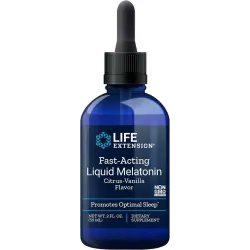
Fast-Acting Liquid Melatonin (Citrus-Vanilla)
Price: 11,98 €Promotes optimal sleep & cellular health Promotes optimal sleep This... -
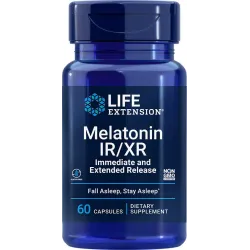
Melatonin IR/XR
Price: 13,03 €All-night melatonin support for sustained, restful sleep Promotes healthy,... -
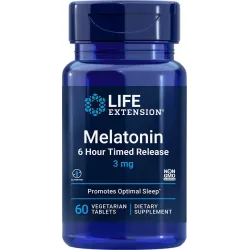
Melatonin 6 Hour Timed Release 3 mg
Price: 15,52 €Sleep & cellular health support in a gradual-release formula Promotes... -
Related posts
-
 Is Conventional Pomegranate Extract Enough?
An abundance of clinical data has established pomegranate as a broad-spectrum, multi-modal defense against the...
Is Conventional Pomegranate Extract Enough?
An abundance of clinical data has established pomegranate as a broad-spectrum, multi-modal defense against the... -
Lipoic Acid Reverses Mitochondrial Decay
It is estimated that 85% of the oxygen contained in every breath you take is consumed by the mitochondria within each...
-
Vitamin C and Dihydroquercetin
Every day, our bodies are under continual assault by damaging agents known as free radicals. Generally, both internal...
-
How Resveratrol Combats Leading Causes of Death
In 1997, the first scientific paper on resveratrol was published showing that this polyphenol could prevent cancer in...
-
Autoimmune Diseases part 1
Autoimmune diseases are characterized by the body's immune responses being directed against its own tissues, causing...