
 English
 Polski
 Deutsch
 Français
 ελληνικά
 Español
 Italiano
Boswellia, An Effective Pain Relief
 Of the ten leading causes of mortality in the United States, chronic, low-level inflammation contributes to the pathogenesis of at least six.1-7
Despite this fact, no safe solution exists to battle chronic inflammation. Nonsteroidal anti-inflammatory drugs (NSAIDs) such as ibuprofen are powerful inflammation fighters, but they have side effects that limit their safety for long-term use.
After much searching for safer alternatives, scientists have set their sights on the plant resin, frankincense, from a tree called Boswellia serrata. Boswellia extracts have been used for thousands of years to treat a wide range of conditions caused by inflammation.8-10
Intriguing new discoveries about Boswellia extracts have led to their increasingly widespread use in managing inflammatory conditions. In fact, European scientists think that Boswellia extracts perform so well that they have been labeled as drugs for reducing swelling in specific clinical settings.11,12
Boswellia serrata is rich in a number of compounds that have been found to reduce the inflammatory response by targeting a number of different mechanisms. These Boswellia compounds provide relief by working on different mechanisms.
The specific compound that scientists have identified as having potent pain reducing benefits is AKBA (3-O-acetyl-11-keto-beta-boswellic acid).11
For many adults plagued by chronic pain, the collective compounds found in the Boswellia extracts are being extensively studied and demonstrating effective pain management without side effects.
WHAT YOU NEED TO KNOW: BOSWELLIA VERSUS NSAIDS
 It’s not every day that scientists discover a natural source that fights inflammation as well as NSAIDs—much less one that exceeds them. Yet that’s exactly what scientists are discovering about Boswellia serrata.
Importantly, Boswellia extracts achieve these benefits without the damaging side effects caused by NSAIDs.15 This is because Boswellia extracts appear to have several entirely different mechanisms of action than NSAIDs.
NSAIDs prevent inflammation by inhibiting an enzyme called COX-2 (cyclooxygenase-2). The problem is that in the process, they also block COX-1, which is needed to maintain a healthy stomach lining. This is one of the primary causes of NSAID toxicity.16
Boswellia extracts work differently than NSAIDs because they inhibit different enzymes involved in the inflammation process. COX-2 is involved in converting arachidonic acid into an inflammatory signaling molecule known as prostaglandin E2. Instead of inhibiting COX, Boswellic acids, most prominently one called AKBA, work by inhibiting the enzyme 5-LOX (5-lipoxygenase), thereby reducing the biosynthesis of inflammatory signaling molecules known as leukotrienes.17
In addition to inhibiting 5-LOX, boswellic acids have been found to inhibit inflammation at a number of other points of action in the development of inflammation:
- Components of Boswellia, including a compound called incensole acetate, have been shown to regulate inflammatory responses at a very high level by inhibiting the master inflammatory regulatory complex, NF-kappaB.9 Reducing NF-kappaB is an efficient means of slowing the onslaught of chronic inflammation throughout the body.
- Incensole acetate is also credited with robust neuroprotection, at least in animal models of brain trauma, and has been shown to have antidepressant, anti-anxiety, and other beneficial behavioral effects in animals.8,9
- Boswellia extracts inhibit pro-inflammatory cytokines and mediators such as tumor necrosis factor alpha (TNF-a), interleukin-1, beta (IL-1 b), and interleukin-6 (IL-6).18
- Boswellia extracts have also been demonstrated to produce a marked down-regulation of interferon-gamma (IFN-g), an activator of inflammatory T-lymphocytes.18
Boswellia: Removing The “Flame” From Inflammation
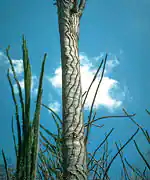 The Boswellia serrata plant is a moderate-to-large branching tree that grows in high, dry habitats in India, Northern Africa, and the Middle East.10 Its gummy resin is tapped from the tree by means of incisions in its bark that allow the thick, oily substance to ooze out for collection and drying.10 Within that thick, oily substance are compounds that have been used for thousands of years for their anti-inflammatory, pain relieving, arthritis-fighting, and anticancer effects.13
Now, with each study that comes out, excitement is growing in the scientific community because it appears as though Boswellia could be a natural alternative to NSAIDs, the most widely used anti-inflammatory drugs. Recent research has shown that Boswellia’s anti-inflammatory actions may exceed those of the NSAIDs, having a broader spectrum of actions influencing a much wider range of inflammation-producing processes—and with far greater safety.
Boswellia resin is rich in a wide variety of biologically active compounds including terpenes and boswellic acids, which are powerful inhibitors of pro-inflammatory signaling molecules.10 In fact, virtually all compounds isolated from the resin of Boswellia have now been determined to have anti-inflammatory properties.14
As a result, evidence is mounting for Boswellia’s ability to powerfully modify inflammation in some of the most notorious inflammatory conditions that plague older adults.
Human Studies On Arthritis Relief
 Osteoarthritis and rheumatoid arthritis can cause disabling pain in aging adults. Treatment for-both kinds of arthritis is still typically limited to NSAIDs like ibuprofen. And although more potent (and more dangerous) drugs are available for certain cases of rheumatoid arthritis, side effects limit their usefulness.19
Boswellia, on the other hand, has been safely used for thousands of years as an anti-arthritis drug—and now modern, scientific studies have finally vindicated that use.20,21
In animal models of both experimentally induced osteo- and rheumatoid arthritis, Boswellia extracts have been found to reduce standard arthritis scores, paw swelling, and secretion of pro-inflammatory signaling molecules called cytokines.22
Human studies have been just as encouraging. In a double-blind, randomized, placebo-controlled trial, 30 patients with osteoarthritis of the knee received either a Boswellia extract or placebo. After eight weeks, the supplemented patients demonstrated superior symptom relief—including a decrease in knee pain, increase in knee flexion, and increased walking distance—and decreased frequency of knee swelling. The placebo patients experienced no such changes.20
In another study of patients with knee osteoarthritis, a Boswellia extract enriched in AKBA23 was shown to produce both clinically and statistically significant improvements in pain scores and physical function scores; in some patients these results were detectable in as little as seven days after beginning supplementation!24
This study is especially encouraging because researchers determined that treatment did more than simply relieve symptoms— it improved conditions within the ailing joints. (The extracts achieved this effect by reducing the amounts of the joint-degrading, protein-melting enzyme matrix metalloproteinase-3.)24
Nearly identical results have been obtained using other Boswellia extracts rich in AKBA.23,25,26
WHAT YOU NEED TO KNOW: Boswellia Battles Chronic Inflammation
 Chronic inflammation poses a life-shortening risk to all Americans.
- Nonsteroidal anti-inflammatory drugs (NSAIDs), such as ibuprofen, have serious side effects that limit their safety over the long term.
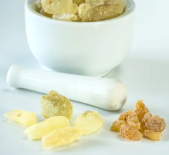
- Extracts of Boswellia serrata, also called frankincense, have long been used for fighting inflammation in traditional medicine.
- Boswellia extracts, especially those rich in the boswellic acid known as AKBA, are now proving to inhibit inflammation at multiple points of action in the development of inflammation.
- Those properties make Boswellia extracts especially attractive for long-term use where NSAIDs would be inappropriate.
Inflammatory Bowel Diseases
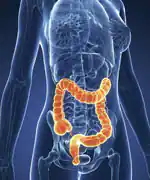 Boswellic acid’s anti-inflammatory actions make it an incredibly important tool in the management of inflammatory bowel diseases such as ulcerative colitis, Crohn’s disease, and collagenous colitis.
In each of these conditions, inflammation of the bowel lining is kept alive largely through excessive production of inflammatory mediators called leukotrienes, which are produced by the 5-LOX enzyme.27,28 Since 5-LOX is potently inhibited by boswellic acids, Boswellia extracts are an important tool in the management of these inflammatory bowel diseases.29
In a study published in the International Journal of Colorectal Disease, researchers gave animals oral doses of either Boswellia extracts or AKBA.29 Both the Boswellia extract and AKBA brought about a reduction in inflammatory cells sticking to blood vessels, and in the localized swelling typical of inflammatory bowel diseases.
Another animal study showed that AKBA can decrease the number of precancerous polyps, reducing polyp formation by 49% in the small intestine and by more than 60% in the colon. AKBA had a still greater effect on preventing polyps from turning malignant.30 In fact, polyps in the treated group showed regression towards more normal cell structures, something not seen with drug treatment.
Human studies show great benefits as well. In a study of patients with advanced ulcerative colitis, six weeks of supplementation with Boswellia gum resin extract (350 mg three times daily) produced significant improvements in stool properties, microscopic appearance of the bowel wall, and blood tests of inflammation.28
In fact, an impressive 82% of the supplemented patients went into remission. These results were almost identical to the 75% remission rate experienced by control patients that were taking the standard drug sulfasalazine (1 gram three times a day).28
A subsequent, similar study showed even better results, with a 70% remission rate in the supplemented group and just 40% in the drug group.27
Boswellia extracts have also induced clinical remission in patients who have collagenous colitis, a less common form of inflammatory bowel disease characterized by chronic diarrhea.31,32 Patients who followed the study protocol had a 63.6% remission rate, compared with just 26.7% of those receiving placebo.31
Boswellia Tempers Cancer Promotion
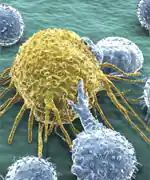 Because inflammation plays a central role in promoting cancers of virtually all kinds, inhibiting inflammation has become a key part of cancer-prevention strategies.33,34 Evidence is now emerging that components of Boswellia, particularly the boswellic acids such as AKBA, can be very effective against cancers. By shutting down the master inflammation regulatory complex NF-kappaB in tumor cells, Boswellia can bring about early cell death and regression of tumors.35,36
In one animal study, when Boswellia extracts were given to mice prior to being chemically induced to develop colon cancer, the extracts significantly inhibited the formation of precancerous cell clusters.37 The same study found that purified boswellic acids inhibited vital DNA synthesis in human leukemia cells in culture, preventing them from further replication.
In another study, AKBA, the most potent of the boswellic acids, rapidly induced cell death in cells derived from human meningioma, a common central nervous system tumor.38
Later studies found that when AKBA was administered to mice with implanted human colorectal cancers, it inhibited tumor growth, resulting in smaller and less aggressive cancers.39 This benefit appears to be caused by AKBA’s anti-inflammatory actions. Indeed, when compared with aspirin, a known nonsteroidal anti-inflammatory drug, Boswellia extracts proved superior at preventing precancerous lesions from forming in animals at risk for colon cancer.40
Studies in cells from human pancreatic and other cancers demonstrate that Boswellia extracts kill cancer cells via multiple pathways, such as restoring malignant cells’ ability to die off naturally (apoptosis), and causing “cell cycle arrest,” which stops reproducing cells dead in their tracks.41-44
Essential oils from Boswellia have also been found to slow the growth of human tumors implanted in mice.42,43
An exciting, yet incompletely understood property of boswellic acids, is the ability to induce “epigenetic” changes in cancer cells’ chromosomes.45 These changes produce physical shifts in the way various genes are expressed or suppressed, resulting in, for example, greater expression of tumor suppressor genes.
WHAT YOU NEED TO KNOW: THE PROBLEM WITH NSAIDS
 Huge numbers of Americans are in pain, judging by the popularity of over-the-counter painkillers. In a given week, 23% of us use acetaminophen (Tylenol® and others) at least once, while 17% use a nonsteroidal anti-inflammatory drug (NSAID), like aspirin or ibuprofen.71
Some of these drugs are clearly effective at reducing inflammation,72,73 the leading cause of pain. Chronic inflammation has been implicated in diseases, including cancer, and reducing inflammation is important for long-term health.74 Aspirin, of course, has been in use to prevent inflammation-related cardiovascular problems for many years, and there’s evidence that moderate use of both aspirin and nonaspirin NSAIDs such as ibuprofen may be helpful in preventing certain cancers.75,76
However, despite their ability to reduce inflammation, full-dose NSAIDs cause far too many side effects for people to regularly take them as a means to boost overall health.11 Gastrointestinal upset and reflux disease are two of the milder forms of NSAID side effects, but they can progress to more serious problems, such as internal bleeding and ulcers.77-87
However, you don’t have to face the side effects of NSAIDs to experience their inflammation-busting actions.
For thousands of years, frankincense has been used to fight diseases we now recognize as inflammatory in nature. Frankincense is an extract of a tree called Boswellia serrata. Boswellia serrata extracts produce NSAID-like effects and have been used in cancer prevention, in treatment of inflammatory bowel diseases (IBD), in cardiovascular disease prevention, and in neuroprotection.8,11,88
Boswellia Extinguishes Cardiovascular Inflammation
 Atherosclerosis, or hardening of the arteries, is a complex process that leads to heart attacks, strokes, and peripheral vascular disease, as well as contributing to cognitive loss with aging.49,50 Over the past decade, it has become clear that atherosclerosis, like so many other age-accelerating processes, has a major inflammatory component.51 These observations make fighting inflammation a key factor in preventing and mitigating arthritis and cardiovascular disease.51,52 In fact, the routine use of aspirin in some settings is an attempt to reduce some of the effects of inflammatory stimuli on blood vessels.
Boswellia extracts are beginning to show promise in preventing the inflammation that contributes to atherosclerosis. In rats fed a high-fat, atherosclerosis-promoting diet, supplementation with Boswellia extract significantly lowered total cholesterol by up to 48%, and increased beneficial HDL-cholesterol by up to 30%.13 In the same study, liver and kidney functions returned to near-normal levels.
Basic lab studies provide insights into how Boswellia provides these beneficial cardiovascular anti-inflammatory effects. Potent extracts, enriched in AKBA, reduced the changes in gene expression induced by the pro-inflammatory cytokine TNF-alpha, and slowed production and activity of protein-melting matrix metalloproteinase enzymes.52
These effects are mediated by AKBA’s ability to shut down NF-kappaB, the master inflammation regulatory complex.51 In a mouse model of atherosclerosis, treatment with AKBA inhibited NF-kappaB, and resulted in about a 50% reduction in the size of atherosclerotic plaques.51
Chronic inflammation also induces changes in the function of platelets, the tiny cell fragments responsible for initiating blood clotting.53 Inflammatory signals trigger platelets to become increasingly sticky, causing them to adhere to vessel walls and eventually blocking blood flow to produce a heart attack or stroke. Boswellia extracts have now been shown to significantly inhibit platelet activation and subsequent clumping.54
WHAT YOU NEED TO KNOW: ANTI-METASTASIS BREAKTHROUGH
 90% of cancer deaths result from tumor metastasis, the spreading of new tumors to distant sites in the body. Scientists have been eagerly pursuing a true anti-metastasis drug, but to date, no such drug has been found.46
As researchers are discovering more about the cause of metastasis, it’s becoming clear that AKBA from Boswellia could play an important role in stopping the deadly spread of cancer.
Recent discoveries indicate that a specific receptor on the surface of tumor cells is responsible for regulating metastasis. AKBA has been found to downregulate that receptor in pancreatic cancer cells.46 Researchers have also found that AKBA is able to suppress metastases to the liver, lungs, and spleen in mice implanted with human colorectal cancers.39
Potent Neuroprotection
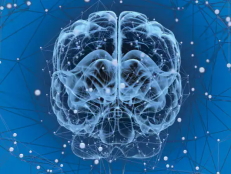 One of Boswellia’s traditional uses is to prevent amnesia.55 Now, its anti-inflammatory actions are being explored as a powerful form of neuroprotection for traumatic brain injury and stroke (both of which are aggravated by an inflammatory response following the event),56-58 as well as for other, age- and inflammation-related changes in the brain.59
A component of Boswellia resin called incensole acetate inhibits NF-kappaB, and has now been shown to inhibit the gene expression of inflammatory mediators in an animal model of traumatic brain injury.78 This effect also inhibits degenerative changes in the hippocampus, one of the brain’s chief memory-processing areas. Boswellic acids have also been found to stimulate hippocampal cells to grow new, highly branching projections called neurites. Neurites are the tiny projections that brain cells use to contact multiple other cells to advance cognition and memory.61-63
This important study is disproving the outdated belief that brain tissue cannot regenerate—and gives a ray of hope to those currently suffering from degenerative brain disorders that are believed to be incurable.
Even hippocampal changes related to aging (which resemble a slow-motion version of acute brain injury in their cellular effects) can be attenuated in animals given Boswellia supplements.64
Animal and human studies have borne out Boswellia’s memory-improving effects.
In one study, rats receiving a Boswellia supplement experienced improved memory in a maze, showing that Boswellia significantly improves spatial memory retention.65 Similarly, another study found that rats with experimentally induced seizures that have seizure-related learning disorders as a result, experienced improvements in their learning ability when supplemented with Boswellia extracts.66
As an added benefit, the incensole acetate component of Boswellia has been shown to reduce behaviors typical of depression via gene expression changes in the hippocampus.67 Recent work shows that these compounds can readily enter the brain from the bloodstream.12
In a human study of patients with diffuse axonal injury, a widespread and poorly understood consequence of brain trauma,68,69 Boswellia supplementation produced a significant increase in cognitive abilities related to self-care after six weeks of treatment. Placebo patients experienced no such changes.70
WHAT YOU NEED TO KNOW: BOSWELLIA EXTRACTS HELP MANAGE BRAIN TUMORS
 In addition to their cancer-preventive effects, Boswellia extracts are also showing promise in management of existing brain tumors. Radiation treatment for such tumors typically produces brain swelling, which can be fatal.47 Standard preventive treatment includes a potent steroid, dexamethasone, which also has a wide range of side effects.48
Studies of Boswellia extracts given at doses of 4,200 mg/day demonstrate that reductions in brain swelling of more than 75% occurred in 60% of supplemented patients undergoing brain radiation therapy, but in just 26% of control patients.48
Summary
 Your body is under constant attack by chronic inflammatory stimuli. When these break through to cause perceptible pain, you are likely to turn to NSAIDs, such as ibuprofen. But such drugs, with few exceptions, are inappropriate for chronic use to prevent inflammation and its deadly consequences.
Instead, consider supplementing with extracts of Boswellia, the source of biblical frankincense. The gummy resin has similar effects as those exerted by NSAIDs and a different mechanism of action with almost no side effects, giving it both a wider spectrum of use and a vastly safer side-effects profile.
Boswellia extracts inhibit multiple steps in the inflammation-generating cascade of events. As a result, they are showing promise in reducing risk of arthritis, cancer, inflammatory bowel diseases, cardiovascular disorders, and neurodegeneration.
Aging humans concerned about the impact of chronic inflammation and leery of long-term NSAID use may consider Boswellia extracts for broad-spectrum protection.
Material used with permission of Life Extension. All rights reserved.
- Available at: http://www.cdc.gov/nchs/fastats/deaths.htm. Accessed September 15, 2014.
- Jin R, Yang G, Li G. Inflammatory mechanisms in ischemic stroke: role of inflammatory cells. J Leukoc Biol. 2010 May;87(5):779-89.
- Libby P. Inflammation and cardiovascular disease mechanisms. Am J Clin Nutr. 2006 Feb;83(2):456S-60S.
- Rakoff-Nahoum S. Why cancer and inflammation? Yale J Biol Med. 2006 Dec;79(3-4):123-30.
- Wyss-Coray T, Rogers J. Inflammation in Alzheimer disease-a brief review of the basic science and clinical literature. Cold Spring Harb Perspect Med. 2012 Jan;2(1):a006346.
- King GL. The role of inflammatory cytokines in diabetes and its complications. J Periodontol. 2008 Aug;79(8 Suppl):1527-34.
- Lugade AA, Bogner PN, Thanavala Y. Murine model of chronic respiratory inflammation. Adv Exp Med Biol. 2011;780:125-41.
- Hamidpour R, Hamidpour S, Hamidpour M, Shahlari M. Frankincense (ru xiang; boswellia species): from the selection of traditional applications to the novel phytotherapy for the prevention and treatment of serious diseases. J Tradit Complement Med. 2013 Oct;3(4):221-6.
- Moussaieff A, Mechoulam R. Boswellia resin: from religious ceremonies to medical uses; a review of in-vitro, in-vivo and clinical trials. J Pharm Pharmacol. 2009 Oct;61(10):1281-93.
- Siddiqui MZ. Boswellia serrata, a potential antiinflammatory agent: an overview. Indian J Pharm Sci. 2011 May;73(3):255-61.
- Abdel-Tawab M, Werz O, Schubert-Zsilavecz M. Boswellia serrata: an overall assessment of in vitro, preclinical, pharmacokinetic and clinical data. Clin Pharmacokinet. 2011 Jun;50(6):349-69.
- Gerbeth K, Husch J, Fricker G, Werz O, Schubert-Zsilavecz M, Abdel-Tawab M. In vitro metabolism, permeation, and brain availability of six major boswellic acids from Boswellia serrata gum resins. Fitoterapia. 2013 Jan;84:99-106.
- Pandey RS, Singh BK, Tripathi YB. Extract of gum resins of Boswellia serrata L. inhibits lipopolysaccharide induced nitric oxide production in rat macrophages along with hypolipidemic property. Indian J Exp Biol. 2005 Jun;43(6):509-16.
- Banno N, Akihisa T, Yasukawa K, et al. Anti-inflammatory activities of the triterpene acids from the resin of Boswellia carteri. J Ethnopharmacol. 2006 Sep 19;107(2):249-53.
- Rai SP, Bajpai, M. Evaluation of efficacy of flexiqule (boswellia phyto extract) in osteoarthritis of knee. Sch J App Med. Sci. 2013;1(4):226-32.
- Urban MK. COX-2 specific inhibitors offer improved advantages over traditional NSAIDs. Orthopedics. 2000 Jul;23(7 Suppl):S761-4.
- Verhoff M, Seitz S, Northoff H, Jauch J, Schaible AM, Werz O. A novel C(28)-hydroxylated lupeolic acid suppresses the biosynthesis of eicosanoids through inhibition of cytosolic phospholipase A(2). Biochem Pharmacol. 2012 Sep 1;84(5):681-91.
- Gayathri B, Manjula N, Vinaykumar KS, Lakshmi BS, Balakrishnan A. Pure compound from Boswellia serrata extract exhibits anti-inflammatory property in human PBMCs and mouse macrophages through inhibition of TNFalpha, IL-1beta, NO and MAP kinases. Int Immunopharmacol. 2007 Apr;7(4):473-82.
- Umar S, Umar K, Sarwar AH, et al. Boswellia serrata extract attenuates inflammatory mediators and oxidative stress in collagen induced arthritis. Phytomedicine. 2014 May 15;21(6):847-56.
- Kimmatkar N, Thawani V, Hingorani L, Khiyani R. Efficacy and tolerability of Boswellia serrata extract in treatment of osteoarthritis of knee--a randomized double blind placebo controlled trial. Phytomedicine. 2003 Jan;10(1):3-7.
- Chevrier MR, Ryan AE, Lee DY, Zhongze M, Wu-Yan Z, Via CS. Boswellia carterii extract inhibits TH1 cytokines and promotes TH2 cytokines in vitro. Clin Diagn Lab Immunol. 2005 May;12(5):575-80.
- Fan AY, Lao L, Zhang RX, et al. Effects of an acetone extract of Boswellia carterii Birdw. (Burseraceae) gum resin on adjuvant-induced arthritis in lewis rats. J Ethnopharmacol. 2005 Oct 3;101(1-3):104-9.
- Sengupta K, Kolla JN, Krishnaraju AV, et al. Cellular and molecular mechanisms of anti-inflammatory effect of Aflapin: a novel Boswellia serrata extract. Mol Cell Biochem. 2011 Aug;354(1-2):189-97.
- Sengupta K, Alluri KV, Satish AR, et al. A double blind, randomized, placebo controlled study of the efficacy and safety of 5-Loxin for treatment of osteoarthritis of the knee. Arthritis Res Ther. 2008;10(4):R85.
- Sengupta K, Krishnaraju AV, Vishal AA, et al. Comparative efficacy and tolerability of 5-Loxin and Aflapin against osteoarthritis of the knee: a double blind, randomized, placebo controlled clinical study. Int J Med Sci. 2010;7(6):366-77.
- Vishal AA, Mishra A, Raychaudhuri SP. A double blind, randomized, placebo controlled clinical study evaluates the early efficacy of aflapin in subjects with osteoarthritis of knee. Int J Med Sci. 2011;8(7):615-22.
- Gupta I, Parihar A, Malhotra P, et al. Effects of gum resin of Boswellia serrata in patients with chronic colitis. Planta Med. 2001 Jul;67(5):391-5.
- Gupta I, Parihar A, Malhotra P, et al. Effects of Boswellia serrata gum resin in patients with ulcerative colitis. Eur J Med Res. 1997 Jan;2(1):37-43.
- Krieglstein CF, Anthoni C, Rijcken EJ, et al. Acetyl-11-keto-beta-boswellic acid, a constituent of a herbal medicine from Boswellia serrata resin, attenuates experimental ileitis. Int J Colorectal Dis. 2001 Apr;16(2):88-95.
- Liu HP, Gao ZH, Cui SX, et al. Chemoprevention of intestinal adenomatous polyposis by acetyl-11-keto-beta-boswellic acid in APC(Min/+) mice. Int J Cancer. 2013 Jun 1;132(11):2667-81.
- Madisch A, Miehlke S, Eichele O, et al. Boswellia serrata extract for the treatment of collagenous colitis. A double-blind, randomized, placebo-controlled, multicenter trial. Int J Colorectal Dis. 2007 Dec;22(12):1445-51.
- Chande N, McDonald JW, Macdonald JK. Interventions for treating collagenous colitis. Cochrane Database Syst Rev. 2008 (2):Cd003575.
- Grivennikov SI, Greten FR, Karin M. Immunity, inflammation, and cancer. Cell. 2010 Mar 19;140(6):883-99.
- Reuter S, Gupta SC, Chaturvedi MM, Aggarwal BB. Oxidative stress, inflammation, and cancer: how are they linked? Free Radic Biol Med. 2010 Dec 1;49(11):1603-16.
- Takada Y, Ichikawa H, Badmaev V, Aggarwal BB. Acetyl-11-keto-beta-boswellic acid potentiates apoptosis, inhibits invasion, and abolishes osteoclastogenesis by suppressing NF-kappa B and NF-kappa B-regulated gene expression. J Immunol. 2006 Mar 1;176(5):3127-40.
- Park B, Prasad S, Yadav V, Sung B, Aggarwal BB. Boswellic acid suppresses growth and metastasis of human pancreatic tumors in an orthotopic nude mouse model through modulation of multiple targets. PLoS One. 2011;6(10):e26943.
- Huang MT, Badmaev V, Ding Y, Liu Y, Xie JG, Ho CT. Anti-tumor and anti-carcinogenic activities of triterpenoid, beta-boswellic acid. Biofactors. 2000;13(1-4):225-30.
- Park YS, Lee JH, Harwalkar JA, Bondar J, Safayhi H, Golubic M. Acetyl-11-keto-beta-boswellic acid (AKBA) is cytotoxic for meningioma cells and inhibits phosphorylation of the extracellular-signal regulated kinase 1 and 2. Adv Exp Med Biol. 2002;507:387-93.
- Yadav VR, Prasad S, Sung B, et al. Boswellic acid inhibits growth and metastasis of human colorectal cancer in orthotopic mouse model by downregulating inflammatory, proliferative, invasive and angiogenic biomarkers. Int J Cancer. 2012 May 1;130(9):2176-84.
- Wang R, Wang Y, Gao Z, Qu X. The comparative study of acetyl-11-keto-beta-boswellic acid (AKBA) and aspirin in the prevention of intestinal adenomatous polyposis in APC(Min/+) mice. Drug Discov Ther. 2014;8(1):25-32.
- Yuan Y, Cui SX, Wang Y, et al. Acetyl-11-keto-beta-boswellic acid (AKBA) prevents human colonic adenocarcinoma growth through modulation of multiple signaling pathways. Biochim Biophys Acta. 2013 Oct;1830(10):4907-16.
- Ni X, Suhail MM, Yang Q, et al. Frankincense essential oil prepared from hydrodistillation of Boswellia sacra gum resins induces human pancreatic cancer cell death in cultures and in a xenograft murine model. BMC Complement Altern Med. 2012;12:253.
- Qurishi Y, Hamid A, Sharma PR, et al. PARP cleavage and perturbance in mitochondrial membrane potential by 3-alpha-propionyloxy-beta-boswellic acid results in cancer cell death and tumor regression in murine models. Future Oncol. 2012 Jul;8(7):867-81.
- Zhang YS, Xie JZ, Zhong JL, et al. Acetyl-11-keto-beta-boswellic acid (AKBA) inhibits human gastric carcinoma growth through modulation of the Wnt/beta-catenin signaling pathway. Biochim Biophys Acta. 2013 Jun;1830(6):3604-15.
- Shen Y, Takahashi M, Byun HM, et al. Boswellic acid induces epigenetic alterations by modulating DNA methylation in colorectal cancer cells. Cancer Biol Ther. 2012 May;13(7):542-52.
- Park B, Sung B, Yadav VR, Cho SG, Liu M, Aggarwal BB. Acetyl-11-keto-beta-boswellic acid suppresses invasion of pancreatic cancer cells through the downregulation of CXCR4 chemokine receptor expression. Int J Cancer. 2011 Jul 1;129(1):23-33.
- Criscuolo GR. The genesis of peritumoral vasogenic brain edema and tumor cysts: a hypothetical role for tumor-derived vascular permeability factor. Yale J Biol Med. 1993 Jul-Aug;66(4):277-314.
- Kirste S, Treier M, Wehrle SJ, et al. Boswellia serrata acts on cerebral edema in patients irradiated for brain tumors: a prospective, randomized, placebo-controlled, double-blind pilot trial. Cancer. 2011 Aug 15;117(16):3788-95.
- Bos D, Vernooij MW, Elias-Smale SE, Verhaaren BF, Vrooman HA, Hofman A, et al. Atherosclerotic calcification relates to cognitive function and to brain changes on magnetic resonance imaging. Alzheimers Dement. 2012 Oct;8(5 Suppl):S104-11.
- Olin JW, Sealove BA. Peripheral artery disease: current insight into the disease and its diagnosis and management. Mayo Clin Proc. 2010 Jul;85(7):678-92.
- Cuaz-Perolin C, Billiet L, Bauge E, et al. Antiinflammatory and antiatherogenic effects of the NF-kappaB inhibitor acetyl-11-keto-beta-boswellic acid in LPS-challenged ApoE-/- mice. Arterioscler Thromb Vasc Biol. 2008 Feb;28(2):272-7.
- Roy S, Khanna S, Krishnaraju AV, et al. Regulation of vascular responses to inflammation: inducible matrix metalloproteinase-3 expression in human microvascular endothelial cells is sensitive to antiinflammatory Boswellia. Antioxid Redox Signal. 2006 Mar-Apr;8(3-4):653-60.
- Montagnana M, Fava C, Arosio E, Degan M, Tommasoli RM, De Marchi Set al. Inflammation and platelet activation in peripheral arterial occlusive disease. Int J Angiol. 2007 Fall;16(3):84-8.
- Kokkiripati PK, Bhakshu LM, Marri S, et al. Gum resin of Boswellia serrata inhibited human monocytic (THP-1) cell activation and platelet aggregation. J Ethnopharmacol. 2011 Sep 1;137(1):893-901.
- Karima O, Riazi G, Khodadadi S, et al. An in vitro study of the role of beta-boswellic acid in the microtubule assembly dynamics. FEBS Lett. 2012 Nov 30;586(23):4132-8.
- Wang Q, Tang XN, Yenari MA. The inflammatory response in stroke. J Neuroimmunol. 2007 Mar;184(1-2):53-68.
- Xiong X, Barreto GE, Xu L, Ouyang YB, Xie X, Giffard RG. Increased brain injury and worsened neurological outcome in interleukin-4 knockout mice after transient focal cerebral ischemia. Stroke. 2011 Jul;42(7):2026-32.
- Lenzlinger PM, Morganti-Kossmann MC, Laurer HL, McIntosh TK. The duality of the inflammatory response to traumatic brain injury. Mol Neurobiol. 2001 Aug-Dec;24(1-3):169-81.
- Moussaieff A, Yu J, Zhu H, Gattoni-Celli S, Shohami E, Kindy MS. Protective effects of incensole acetate on cerebral ischemic injury. Brain Res. 2012 Mar 14;1443:89-97.
- Moussaieff A, Shein NA, Tsenter J, et al. Incensole acetate: a novel neuroprotective agent isolated from Boswellia carterii. J Cereb Blood Flow Metab. 2008 Jul;28(7):1341-52.
- Shi Q, Prior M, Zhou X, Tang X, He W, Hu X, Yan R. Preventing formation of reticulon 3 immunoreactive dystrophic neurites improves cognitive function in mice. J Neurosci. 2013 Feb 13;33(7):3059-66.
- Ring RH, Alder J, Fennell M, Kouranova E, Black IB, Thakker-Varia S. Transcriptional profiling of brain-derived-neurotrophic factor-induced neuronal plasticity: a novel role for nociceptin in hippocampal neurite outgrowth. J Neurobiol. 2006 Mar;66(4):361-77.
- Karima O, Riazi G, Yousefi R, Movahedi AA. The enhancement effect of beta-boswellic acid on hippocampal neurites outgrowth and branching (an in vitro study). Neurol Sci. 2010 Jun;31(3):315-20.
- Hosseini-Sharifabad M, Esfandiari E. Effect of Boswellia serrata gum resin on the morphology of hippocampal CA1 pyramidal cells in aged rat. Anat Sci Int. 2014 Feb 11.
- Mahmoudi A, Hosseini-Sharifabad A, Monsef-Esfahani HR, et al. Evaluation of systemic administration of Boswellia papyrifera extracts on spatial memory retention in male rats. J Nat Med. 2011 Jul;65(3-4):519-25.
- Jalili C, Salahshoor MR, Moradi S, Pourmotabbed A, Motaghi M. The therapeutic effect of the aqueous extract of boswellia serrata on the learning deficit in kindled rats. Int J Prev Med. 2014 May;5(5):563-8.
- Moussaieff A, Gross M, Nesher E, Tikhonov T, Yadid G, Pinhasov A. Incensole acetate reduces depressive-like behavior and modulates hippocampal BDNF and CRF expression of submissive animals. J Psychopharmacol. 2012 Dec;26(12):1584-93.
- Sahuquillo J, Vilalta J, Lamarca J, Rubio E, Rodriguez-Pazos M, Salva JA. Diffuse axonal injury after severe head trauma. A clinico-pathological study. Acta Neurochir (Wien). 1989;101(3-4):149-58.
- Metting Z, Cerliani L, Rödiger LA, van der Naalt J. Pathophysiological concepts in mild traumatic brain injury: diffusion tensor imaging related to acute perfusion CT imaging. PLoS One. 2013 May 21;8(5):e64461.
- Moein P, Abbasi Fard S, Asnaashari A, et al. The effect of Boswellia Serrata on neurorecovery following diffuse axonal injury. Brain Inj. 2013;27(12):1454-60.
- Kaufman DW, Kelly JP, Rosenberg L, Anderson TE, Mitchell AA. Recent patterns of medication use in the ambulatory adult population of the United States: the Slone survey. JAMA. 2002 Jan 16;287(3):337-44.
- Chodorowski Z, Roszkowska A, Klimek J, Kaletha K, Anand JS. Weak anti-inflammatory effects of acetaminophen are related with its free radicals scavenger activity. Przegl Lek. 2009;66(6):352-3.
- Bartzatt R, Cirillo SL, Cirillo JD, Donigan L. Bifunctional constructs of aspirin and ibuprofen (nonsteroidal anti-inflammatory drugs; NSAIDs) that express antibacterial and alkylation activities. Biotechnol Appl Biochem. 2003 Jun;37(Pt 3):273-82.
- Shacter E, Weitzman SA. Chronic inflammation and cancer. Oncology (Williston Park). 2002 Feb;16(2):217-26, 229; discussion 230-2.
- Daugherty SE, Pfeiffer RM, Sigurdson AJ, et al. Nonsteroidal antiinflammatory drugs and bladder cancer: a pooled analysis. Am J Epidemiol. 2011 Apr 1;173(7):721-30.
- Murphy MA, Trabert B, Yang HP, et al. Nonsteroidal anti-inflammatory drug use and ovarian cancer risk: findings from the NIH-AARP Diet and Health Study and systematic review. Cancer Causes Control. 2012 Nov;23(11):1839-52.
- Anglin R, Yuan Y, Moayyedi P, Tse F, Armstrong D, Leontiadis GI. Risk of upper gastrointestinal bleeding with selective serotonin reuptake inhibitors with or without concurrent nonsteroidal anti-inflammatory use: a systematic review and meta-analysis. Am J Gastroenterol. 2014 Jun;109(6):811-9.
- Bhala N, Emberson J, Merhi A, et al. Vascular and upper gastrointestinal effects of nonsteroidal anti-inflammatory drugs: meta-analyses of individual participant data from randomised trials. Lancet. 2013 Aug 31;382(9894):769-79.
- Dib RA, Chinzon D, de Souza Fontes LH, de Sa Teixeira AC, Navarro-Rodriguez T. Ulcer and bleeding complications and their relationship with dyspeptic symptoms in NSAIDs users: a transversal multicenter study. Scand J Gastroenterol. 2014 Jul;49(7):785-9.
- Masclee GM, Valkhoff VE, Coloma PM, et al. Risk for upper gastrointestinal bleeding from different drug combinations. Gastroenterology. 2014 Jun 14.
- Mokhtare M, Valizadeh SM, Emadian O. Lower gastrointestinal bleeding due to nonsteroid anti-inflammatory drug-induced colopathy case report and literature review. Middle East J Dig Dis. 2013 Apr;5(2):107-11.
- Nagata N, Niikura R, Aoki T, et al. Colonic diverticular hemorrhage associated with the use of NSAIDs, low-dose aspirin, antiplatelet drugs, and dual therapy. J Gastroenterol Hepatol. 2014 Apr 10.
- Oka Y, Okamoto K, Kawashita N, Shirakuni Y, Takagi T. Meta-analysis of the risk of upper gastrointestinal hemorrhage with combination therapy of selective serotonin reuptake inhibitors and nonsteroidal anti-inflammatory drugs. Biol Pharm Bull. 2014 Jun 1;37(6):947-53.
- Teichert M, Griens F, Buijs E, Wensing M, De Smet PA. Effectiveness of interventions by community pharmacists to reduce risk of gastrointestinal side effects in nonselective nonsteroidal anti-inflammatory drug users. Pharmacoepidemiol Drug Saf. 2014 Apr;23(4):382-9.
- Tielemans MM, van Rossum LG, Eikendal T, et al. Gastrointestinal symptoms in NSAID users in an ‘average risk population’: results of a large population-based study in randomly selected Dutch inhabitants. Int J Clin Pract. 2014 Apr;68(4):512-9.
- Zhang YK, Yang H, Zhang JY, Song LJ, Fan YC. Comparison of intramuscular compound betamethasone and oral diclofenac sodium in the treatment of acute attacks of gout. Int J Clin Pract. 2014 May;68(5):633-8.
- Kotzan J, Wade W, Yu HH. Assessing NSAID prescription use as a predisposing factor for gastroesophageal reflux disease in a Medicaid population. Pharm Res. 2001 Sep;18(9):1367-72.
- Ernst E. Frankincense: systematic review. Bmj. 2008;337:a2813.
Related products
-
-
Frankincense & Turmeric ApresFlex® (Boswellia...
Price: 41,27 €Enhanced benefits of Boswellia serrata & Turmeric extracts Supports joint...
Related posts
-
 Rebuild Aging Joints!
In this article, you will learn about UC-II®, or undenatured type II collagen, a novel intervention for both...
Rebuild Aging Joints!
In this article, you will learn about UC-II®, or undenatured type II collagen, a novel intervention for both... -
Is Conventional Pomegranate Extract Enough?
An abundance of clinical data has established pomegranate as a broad-spectrum, multi-modal defense against the...
-
Next-Generation Nutrients for Rapid Relief of Joint Pain
In recent years, adults seeking relief from the crippling pain of arthritis have had to choose between expensive,...
-
Feed Your Brain!
Millions of people around the world are adhering to low-fat, low-cholesterol diets in an effort to reduce the impact...
-
Lipoic Acid Reverses Mitochondrial Decay
It is estimated that 85% of the oxygen contained in every breath you take is consumed by the mitochondria within each...