
 English
 Polski
 Deutsch
 Français
 ελληνικά
 Español
 Italiano
Carnosine: A Proven Longevity Factor
 Mounting evidence documents the ability of carnosine to prevent many of the detrimental effects of aging.1
In our youth, carnosine shields us from the onslaught of oxidation, glycation, DNA damage, and other reactions that injure tissues and cripple organs.1
The problem is that as we grow older, carnosine levels in the body decline,2-4 leaving us vulnerable to loss of cognitive function, decreased mobility, loss of metabolic control, failing cardiovascular performance, and an increased susceptibility to cancer.
In laboratory animals of different species, carnosine supplementation extends life spans. This is all adding up to a new era in the way conventional medicine thinks about aging.
Scientists Explore Carnosine’s Longevity Benefits
Carnosine is found throughout the body wherever there are high energy demands such as in the brain, the heart, and our muscles.5 Its function is to protect these vital areas from the metabolic demands of energy production and management.6,7
Young organisms have high levels of carnosine in those energy-demanding tissues. As part of the aging process, carnosine levels decline over time.2-4 That’s because our bodies both make less carnosine as we age, and also because the carnosine we have is increasingly vulnerable to destruction. In human conditions such as diabetes and metabolic syndrome, which produce unnaturally accelerated aging, carnosine production is decreased, and its destruction is increased.8,9
 These findings suggest that a “carnosine deficiency” might be partly responsible for the visible aging and loss of function in a multitude of areas throughout the body that occurs as we get older.
If we could restore our bodies’ carnosine stores to their youthful levels, we might be able to arrest part of the aging process.
Here are a few of the most dramatic observations in recent years that demonstrate how carnosine supplementation extends life spans:
- Carnosine slows the aging of human cells in culture dishes.10,11 Scientists added carnosine to cultures of young cells. While the control cells developed the typical “old” appearance, those grown in high carnosine concentrations retained their youthful appearance.5 When these youthful-appearing cells were transferred to culture dishes lacking extra carnosine, they quickly developed the “old” appearance of control cells of the same age. Yet, when scientists took old cells, approaching the limits of their life span, and transferred them into culture dishes containing high carnosine concentrations, they found that the cells rapidly became rejuvenated to resemble young cells.10
- Carnosine extends the life span of rotifers, a microscopic aquatic organism now being used as a model of aging in many laboratories.12 In this experiment, scientists tested many different antioxidant compounds, identifying carnosine as one of just four that had significant effects on the organisms’ longevity.
- Carnosine extends the life span of fruit flies, another organism commonly used to study aging, up to 20% in males.13,14 Normally, male fruit flies die much sooner than do females, but when fed a steady diet including a carnosine supplement, the males attained the same age as the females.
- Carnosine extends the life span of laboratory mice, complex, warm-blooded mammals with many of the aging features common to humans.15,16
Scientists used a strain of mice in which aging is markedly accelerated and supplemented their food with carnosine. Not only did the animals live significantly longer, they retained the physical and behavioral features of youthful animals.15 Next, the scientists tested the supplement in normal mice, finding much the same effects. Carnosine clearly improved the animals’ external appearances and maintained the animals in better condition than control animals receiving no carnosine.16
- Carnosine is a natural anti-aging constituent in your body.
- Carnosine fights such age-inducing processes as oxidation, glycation, protein cross-linking, mitochondrial dysfunction, telomere shortening,64 and transition metal accumulation.
- Carnosine levels decline with age, leaving you with progressively weaker defenses against age-related processes.
- Carnosine supplementation can restore youthful carnosine levels in blood and tissues, and it extends the life spans of experimental animals of many species.
- Carnosine supplementation may protect against neurodegenerative diseases and stroke; it also enhances exercise performance and comfort, ameliorates diabetes and its complications, and protects heart muscle and blood vessels from atherosclerosis.
Carnosine Protects Against Cardiovascular Disease
 Carnosine’s multi-targeted effects are most prominent in the heart and blood vessels. Carnosine has been shown to decrease mortality from strokes as well as mitigate the damaging effects of stroke on the brain itself.17-19 Studies in experimental animals show that carnosine, administered before or after a stroke is induced, protects brain cells from the so-called ischemia-reperfusion injury that occurs when tissue is first deprived of oxygen and is then subjected to high oxygen levels when blood flow is restored.17,18 That results in marked reduction in signs of oxidant damage to brain cells, and to a real and significant reduction in the size of the stroke area in the brain.18
Carnosine also protects heart muscle from ischemia (lack of blood flow), which can ultimately produce a heart attack. This protection derives from carnosine’s antioxidant actions, combined with its ability to trap oxidation-inducing transition metals, its acid-buffering capacity, and its influence on inflammatory cell activity.19 In fact, carnosine has been added to solutions used to protect heart muscle during open-heart surgery, when the heart is intentionally stopped, and there is high risk for ischemic damage.20
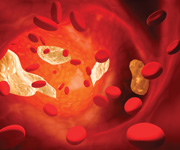
Carnosine’s actions on blood vessels may even prevent ischemia from occurring in the first place. Carnosine protects artery-lining endothelial cells from oxidation and glycation, both of which are early events in development of atherosclerosis.21,22 Studies show that carnosine prevents formation of dangerous “foam cells,” fat-laden scavenger cells that trigger the inflammatory response that produces deadly arterial plaque.23
Excessive muscle tone in arteries raises blood pressure and reduces blood flow to heart muscle and brain cells; carnosine reduces arterial tone by multiple mechanisms.24 It modulates calcium ion signaling in the smooth muscle cells that control vascular tone and enhances production of beneficial endothelial nitric oxide synthetase (eNOS) that induces arteries to relax.25
Given carnosine’s beneficial impact on skeletal muscle and exercise performance, it is hardly surprising to learn that carnosine also enhances heart muscle contractility. This is again a multifactorial effect, produced in part by carnosine’s ability to control calcium flow, and partly by its antioxidant, acid buffering, and anti-glycation activities.19,26,27
Carnosine Fights Diabetes and Its Consequences
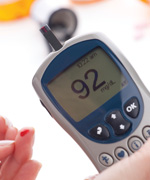 The global obesity epidemic brings with it the growing threat of type 2 diabetes and all of its devastating consequences that include cardiovascular disease, kidney failure, nerve damage, and eye disorders.
Studies show that diabetics’ cells have lower-than-normal carnosine levels, similar to levels in older adults.10 That may be one reason that diabetes produces accelerated aging.28
Yet carnosine supplementation can restore youthful carnosine levels in vital tissues, and offers protection against many of the components of diabetes.
Carnosine lowers elevated blood sugar levels, reduces long-term formation of dangerous advanced glycation end-products, limits oxidant stress and elevated inflammation, and prevents protein cross-linking, not only in diabetics, but also in otherwise healthy aging adults.29-33
Additionally, carnosine works ‘behind the scenes’ to offer important protection for diabetics’ physiological destruction from high blood sugar:
- Carnosine protects kidney cells from the effects of high glucose levels, helping to reduce the risk of diabetic kidney disease, or nephropathy.34-36
- Carnosine reduces oxidation and glycation of low-density lipoprotein (LDL) which bodes well for reduction of diabetes-induced atherosclerosis.37,23
- Carnosine reduces protein cross-linking in the lens of the eye and helps to reduce the risk of cataract, a common diabetic complication.38,39
- Carnosine supplementation also prevents the microscopic blood vessel damage that produces diabetic retinopathy, a major cause of blindness in diabetics.40
- Carnosine supplements prevent loss of sensory nerve function (neuropathy) in diabetic animals.41
Carnosine Protects Brain Cells, Preserves Cognition
 So far, drug treatment has shown only minimal effectiveness at slowing the progression of cognitive decline. Carnosine’s many therapeutic targets make it exceptionally promising for all of these conditions.42
Alzheimer’s disease is the most widely feared and the most common of the neurodegenerative disorders. Scientists have found that Alzheimer’s patients have even lower levels of carnosine in their brains and spinal fluid than those of other older adults.43 It is not yet clear whether this is a cause or an effect of Alzheimer’s, but many intriguing observations suggest a role for carnosine in prevention of the disease.
Alzheimer’s disease is the result of multiple causes, virtually all of which have some connection to carnosine and its function in the brain. Noted expert Alan R. Hipkiss of London’s Queen Mary’s School of Medicine and Dentistry recently summarized the relationship between Alzheimer’s and falling levels of carnosine in the body.
Hipkiss observed that those parts of the brain that are first affected in early Alzheimer’s disease are also those in which carnosine is normally found in highest concentrations.44 That suggests that, as carnosine levels fall with age, those brain areas become the most vulnerable to the Alzheimer’s-related damage. In addition, he notes that the abnormal protein, amyloid beta, which is seen exclusively in Alzheimer’s diseased brains is typically full of zinc ions. Carnosine is capable of binding up zinc and keeping it from damaging tissues in excess.44,45 Again, the implication is that falling levels of carnosine allow brain tissue to fall victim to an unnatural accumulation of a toxic substance.
Finally, Hipkiss notes that the so-called “neurofibrillary tangles” found in the brains of Alzheimer’s disease patients contain proteins that are extensively cross-linked.44 Carnosine is an effective inhibitor of protein cross-linking everywhere in the body.46
 Mitochondrial dysfunction is yet another contributor to Alzheimer’s disease; the oxidant stress it produces may be involved in formation of the Alzheimer’s protein amyloid beta.47 Experimental studies show that supplementing Alzheimer’s disease mice with carnosine potently reduces amyloid beta accumulation and completely rescues their brains from mitochondrial dysfunction.31
These biochemical relationships are now showing real effects in experimental models of neurodegenerative diseases of aging. Researchers fed aged rats a supplement rich in carnosine, which also contained vitamin D3 as well as blueberry and green tea polyphenols, or a control substance.48 The animals were then trained in finding their way to a platform submerged in water. By the end of the training period, the treated group of impaired older animals performed better than the controls in the same age category. Supplemented animals also were found to have increased production of new brain cells and fewer markers of brain cell inflammation and deterioration than controls. Similar anti-oxidative and anti-inflammatory effects were seen in the brains of mice with an experimental form of Parkinson’s disease.49
Strokes cause brain cells to die from oxidant damage. Recent studies show that carnosine’s antioxidant effects provide some protection against both ischemic stroke (in which too little blood reaches brain tissue), and hemorrhagic strokes (in which bleeding exposes brain tissue to damage from free blood).
In one study, rats were supplemented with a carnosine-blueberry-green tea-vitamin D3 mixture for two weeks prior to experimentally-induced ischemic stroke, at which time a major brain artery was surgically blocked.50 Pre- and post-surgery behavioral testing demonstrated that, compared with control animals, supplemented rats had a 12% reduction in motor asymmetry, and a 24% reduction in neurologic dysfunction following the stroke. Supplemented rats also had up to a 3-fold increase in new brain cell proliferation after the stroke, compared with controls.
Other studies of ischemic stroke demonstrate a strong reduction in oxidative stress and brain cell death by apoptosis in animals supplemented with carnosine.51 Importantly, carnosine also provides protection following ischemia from so-called glutamate excitotoxicity, the same sort of neuronal “overdrive” that is thought to further contribute to Alzheimer’s disease.52
In experimental models of hemorrhagic stroke, carnosine treatment led to restoration of normal neurotransmitter receptors damaged by the presence of blood in brain tissue.53 Carnosine also prevented some of the dangerous swelling that often follows a hemorrhagic stroke.53
 Initially, researchers considered carnosine as just an antioxidant molecule. But, while it has good antioxidant effects, carnosine is by no means the most powerful antioxidant in the body. What caught the researchers’ attention was that supplementation with other, more potent, antioxidants did not produce the dramatic increase in longevity seen with carnosine.62,65
Clearly, something else is going on.
Few scientists, however, were prepared for the revelation that carnosine actually targets six major processes involved in the aging process. Let’s look briefly at each one, to see how carnosine exerts its overall effects.
- Oxidation at the cellular and tissue levels is one of the major contributors to the aging of organisms. Carnosine scavenges oxygen and nitrogen free radicals, and reduces their destructive impact on fat and DNA molecules.1,62,66,67 These effects are a powerful means of stopping atherosclerosis and cancer formation, respectively.
- Glycation, the formation of molecular compounds of glucose with vital biomolecules such as enzymes and other proteins, is another major cause of aging. Glycated proteins induce potent oxidant stress and trigger inflammatory responses that hasten the aging process. Glycated proteins also form “cross-links” that bind them together, reducing their youthful flexibility and function. Carnosine takes a “sacrificial hit” and allows itself to be glycated, sparing other vital structures and preventing dangerous protein cross-linking.5,67,68
- Accumulation of excess metals 44,69 Carnosine chelates, or binds to, ions of copper, zinc, and iron, which in excess are known to induce production of amyloid beta and other proteins found in Alzheimer’s and Parkinson’s diseases.66,70-72
- Cross-linked proteins are the result of accumulated oxidant damage and glycation in youth. They are eliminated by intracellular structures called proteasomes.65 With increasing age, however, proteasomal degradation drops off, allowing the dysfunctional proteins to accumulate and interfere with cellular function. Carnosine can react with these abnormal proteins, hastening their elimination.65,70
- Telomeres are the repeating DNA sequences at the ends of chromosomes that function as a kind of “molecular clock,” becoming shortened with each cycle of cell replication. When telomeres become too short, cells die. Carnosine reduces damage to telomeres and slows their rate of shortening in experimental systems.64
- Mitochondrial dysfunction accelerates aging by depriving cells of the energy they need, and by adding to their oxidative burden as mitochondria lose their efficiency.73 Carnosine alleviates all of these alterations, especially in vulnerable brain cells where mitochondrial dysfunction contributes to Alzheimer’s and other neurodegenerative diseases.47,73,74
Carnosine Enhances Exercise Performance
 While excess body fat increases the risk of diabetes, regular exercise reduces the risk of both obesity and diabetes. Carnosine supports exercise performance by buffering the rising levels of acid that accumulate in working muscle.55,56 Accumulating acid in muscles produces the fatigue and pain that ultimately limits our workouts.54,57,58
Increasing muscle carnosine levels is now a well-established means of improving exercise performance and reducing fatigue, both in trained and untrained individuals.6,59,60 In older adults, in whom frailty and the risk of falls increases with muscle weakness, it can be a critical factor in promoting safety and independent living.61
In one study of people 55-92 years old, raising muscle carnosine content increased their fatigue threshold by 29% from pre- to post-supplementation, with no change seen in the placebo group.62 A similar study among 60-80 year-olds demonstrated a significant increase in the time subjects could exercise before becoming exhausted.63
Summary
The past decade has led to a broad array of findings regarding carnosine’s multiple protective effects, arising from its ability to fight multiple processes that cause aging.
Carnosine defends against oxidant damage, glycation of vital proteins, acid accumulation in muscle and heart, dangerous transition metal ions, age-induced protein cross-linking, mitochondrial dysfunction, and age-accelerating telomere shortening.64
These multitargeted actions collaborate to prevent age-related diseases such as cognitive decline and dementia, to promote exercise comfort and performance, to slow progression of metabolic conditions such as diabetes, and to defend against atherosclerosis and heart disease. It’s no wonder carnosine is referred to as the “antiaging dipeptide.”26
Material used with permission of Life Extension. All rights reserved.
- Hipkiss AR. Carnosine, a protective, anti-ageing peptide? Int J Biochem Cell Biol. 1998 Aug;30(8):863-8.
- Boldyrev AA, Yuneva MO, Sorokina EV, et al. Antioxidant systems in tissues of senescence accelerated mice. Biochemistry (Mosc). 2001 Oct;66(10):1157-63.
- Bellia F, Calabrese V, Guarino F, et al. Carnosinase levels in aging brain: redox state induction and cellular stress response. Antioxid Redox Signal. 2009 Nov;11(11):2759-75.
- Everaert I, Mooyaart A, Baguet A, et al. Vegetarianism, female gender and increasing age, but not CNDP1 genotype, are associated with reduced muscle carnosine levels in humans. Amino Acids. 2011 Apr;40(4):1221-9.
- Bellia F, Vecchio G, Cuzzocrea S, Calabrese V, Rizzarelli E. Neuroprotective features of carnosine in oxidative driven diseases. Mol Aspects Med. 2011 Aug;32(4-6):258-66.
- Baguet A, Bourgois J, Vanhee L, Achten E, Derave W. Important role of muscle carnosine in rowing performance. J Appl Physiol. 2010 Oct;109(4):1096-101.
- Calabrese V, Cornelius C, Cuzzocrea S, Iavicoli I, Rizzarelli E, Calabrese EJ. Hormesis, cellular stress response and vitagenes as critical determinants in aging and longevity. Mol Aspects Med. 2011 Aug;32(4-6):279-304.
- Riedl E, Koeppel H, Pfister F, et al. N-glycosylation of carnosinase influences protein secretion and enzyme activity: implications for hyperglycemia. Diabetes. 2010 Aug;59(8):1984-90.
- Gayova E, Kron I, Suchozova K, Pavlisak V, Fedurco M, Novakova B. Carnosine in patients with type I diabetes mellitus. Bratisl Lek Listy. 1999 Sep;100(9):500-2.
- McFarland GA, Holliday R. Retardation of the senescence of cultured human diploid fibroblasts by carnosine. Exp Cell Res. 1994 Jun;212(2):167-75.
- McFarland GA, Holliday R. Further evidence for the rejuvenating effects of the dipeptide L-carnosine on cultured human diploid fibroblasts. Exp Gerontol. 1999 Jan;34(1):35-45.
- Snell TW, Fields AM, Johnston RK. Antioxidants can extend lifespan of Brachionus manjavacas (Rotifera), but only in a few combinations. Biogerontology. 2012 Jan 24.
- Yuneva AO, Kramarenko GG, Vetreshchak TV, Gallant S, Boldyrev AA. Effect of carnosine on Drosophila melanogaster life span. Bull Exp Biol Med. 2002 Jun;133(6):559-61.
- Stvolinsky S, Antipin M, Meguro K, Sato T, Abe H, Boldyrev A. Effect of carnosine and its Trolox-modified derivatives on life span of Drosophila melanogaster. Rejuvenation Res. 2010 Aug;13(4):453-7.
- Boldyrev AA, Gallant SC, Sukhich GT. Carnosine, the protective, anti-aging peptide. Biosci Rep. 1999 Dec;19(6):581-7.
- Gallant S, Semyonova M, Yuneva M. Carnosine as a potential anti-senescence drug. Biochemistry (Mosc). 2000 Jul;65(7):866-8.
- Dobrota D, Fedorova T, Stvolinsky S, et al. Carnosine protects the brain of rats and Mongolian gerbils against ischemic injury: after-stroke-effect. Neurochem Res. 2005 Oct;30(10):1283-8.
- Rajanikant GK, Zemke D, Senut MC, et al. Carnosine is neuroprotective against permanent focal cerebral ischemia in mice. Stroke. 2007 Nov;38(11):3023-31.
- Stvolinsky SL, Dobrota D. Anti-ischemic activity of carnosine. Biochemistry (Mosc). 2000 Jul;65(7):849-55.
- Bokeriya LA, Boldyrev AA, Movsesyan RR, et al. Cardioprotective effect of histidine-containing dipeptides in pharmacological cold cardioplegia. Bull Exp Biol Med. 2008 Mar;145(3):323-7.
- Hipkiss AR, Preston JE, Himswoth DT, Worthington VC, Abbot NJ. Protective effects of carnosine against malondialdehyde-induced toxicity towards cultured rat brain endothelial cells. Neurosci Lett. 1997 Dec 5;238(3):135-8.
- Bai J, Chi G, Zhang J, et al. Protective effect of carnosine on the injury of rat vascular endothelial cells induced by hypoxia. Zhongguo Ying Yong Sheng Li Xue Za Zhi. 2010 Feb;26(1):30-2.
- Rashid I, van Reyk DM, Davies MJ. Carnosine and its constituents inhibit glycation of low-density lipoproteins that promotes foam cell formation in vitro. FEBS Lett. 2007 Mar 6;581(5):1067-70.
- Ririe DG, Roberts PR, Shouse MN, Zaloga GP. Vasodilatory actions of the dietary peptide carnosine. Nutrition. 2000 Mar;16(3):168-72.
- Takahashi S, Nakashima Y, Toda K. Carnosine facilitates nitric oxide production in endothelial f-2 cells. Biol Pharm Bull. 2009 Nov;32(11):1836-9.
- Zaloga GP, Roberts PR, Nelson TE. Carnosine: a novel peptide regulator of intracellular calcium and contractility in cardiac muscle. New Horiz. 1996 Feb;4(1):26-35.
- Roberts PR, Zaloga GP. Cardiovascular effects of carnosine. Biochemistry (Mosc). 2000 Jul;65(7):856-61.
- Wu CH, Huang SM, Lin JA, Yen GC. Inhibition of advanced glycation endproduct formation by foodstuffs. Food Funct. 2011 May;2(5):224-34.
- Jakus V. The role of nonenzymatic glycation and glyco-oxidation in the development of diabetic vascular complications. Cesk Fysiol. 2003 May;52(2):51-65.
- Hipkiss AR. Glycation, ageing and carnosine: are carnivorous diets beneficial? Mech Ageing Dev. 2005 Oct;126(10):1034-9.
- Nagai K, Niijima A, Yamano T, et al. Possible role of L-carnosine in the regulation of blood glucose through controlling autonomic nerves. Exp Biol Med (Maywood). 2003 Nov;228(10):1138-45.
- Hipkiss AR, Brownson C, Carrier MJ. Carnosine, the anti-ageing, anti-oxidant dipeptide, may react with protein carbonyl groups. Mech Ageing Dev. 2001 Sep 15;122(13):1431-45.
- Aldini G, Facino RM, Beretta G, Carini M. Carnosine and related dipeptides as quenchers of reactive carbonyl species: from structural studies to therapeutic perspectives. Biofactors. 2005;24(1-4):77-87.
- Janssen B, Hohenadel D, Brinkkoetter P, et al. Carnosine as a protective factor in diabetic nephropathy: association with a leucine repeat of the carnosinase gene CNDP1. Diabetes. 2005 Aug;54(8):2320-7.
- Sauerhofer S, Yuan G, Braun GS, et al. L-carnosine, a substrate of carnosinase-1, influences glucose metabolism. Diabetes. 2007 Oct;56(10):2425-32.
- Riedl E, Pfister F, Braunagel M, et al. Carnosine prevents apoptosis of glomerular cells and podocyte loss in STZ diabetic rats. Cell Physiol Biochem. 2011;28(2):279-88.
- Lee YT, Hsu CC, Lin MH, Liu KS, Yin MC. Histidine and carnosine delay diabetic deterioration in mice and protect human low density lipoprotein against oxidation and glycation. Eur J Pharmacol. 2005 Apr 18;513(1-2):145-50.
- Yan H, Harding JJ. Carnosine protects against the inactivation of esterase induced by glycation and a steroid. Biochim Biophys Acta. 2005 Jun 30;1741(1-2):120-6.
- Yan H, Guo Y, Zhang J, Ding Z, Ha W, Harding JJ. Effect of carnosine, aminoguanidine, and aspirin drops on the prevention of cataracts in diabetic rats. Mol Vis. 2008;14:2282-91.
- Pfister F, Riedl E, Wang Q, et al. Oral carnosine supplementation prevents vascular damage in experimental diabetic retinopathy. Cell Physiol Biochem. 2011;28(1):125-36.
- Kamei J, Ohsawa M, Miyata S, Tanaka S. Preventive effect of L-carnosine on changes in the thermal nociceptive threshold in streptozotocin-induced diabetic mice. Eur J Pharmacol. 2008 Dec 14;600(1-3):83-6.
- Shen Y, Hu WW, Chen Z. Carnosine and diseases of central nervous system. Zhejiang Da Xue Xue Bao Yi Xue Ban. 2007 Mar;36(2):199-203.
- Fonteh AN, Harrington RJ, Tsai A, Liao P, Harrington MG. Free amino acid and dipeptide changes in the body fluids from Alzheimer’s disease subjects. Amino Acids. 2007 Feb;32(2):213-24.
- Hipkiss AR. Could carnosine or related structures suppress Alzheimer’s disease? J Alzheimers Dis. 2007 May;11(2):229-40.
- Matsukura T, Tanaka H. Applicability of zinc complex of L-carnosine for medical use. Biochemistry (Mosc). 2000 Jul;65(7):817-23.
- Wang AM, Ma C, Xie ZH, Shen F. Use of carnosine as a natural anti-senescence drug for human beings. Biochemistry (Mosc). 2000 Jul;65(7):869-71.
- Corona C, Frazzini V, Silvestri E, et al. Effects of dietary supplementation of carnosine on mitochondrial dysfunction, amyloid pathology, and cognitive deficits in 3xTg-AD mice. PLoS One. 2011;6(3):e17971.
- Acosta S, Jernberg J, Sanberg CD, et al. NT-020, a natural therapeutic approach to optimize spatial memory performance and increase neural progenitor cell proliferation and decrease inflammation in the aged rat. Rejuvenation Res. 2010 Oct;13(5):581-8.
- Tsai SJ, Kuo WW, Liu WH, Yin MC. Antioxidative and anti-inflammatory protection from carnosine in the striatum of MPTP-treated mice. J Agric Food Chem. 2010 Oct 6.
- Yasuhara T, Hara K, Maki M, et al. Dietary supplementation exerts neuroprotective effects in ischemic stroke model. Rejuvenation Res. 2008 Feb;11(1):201-14.
- Pekcetin C, Kiray M, Ergur BU, et al. Carnosine attenuates oxidative stress and apoptosis in transient cerebral ischemia in rats. Acta Biol Hung. 2009 Jun;60(2):137-48.
- Shen Y, He P, Fan YY, et al. Carnosine protects against permanent cerebral ischemia in histidine decarboxylase knockout mice by reducing glutamate excitotoxicity. Free Radic Biol Med. 2010 Mar 1;48(5):727-35.
- Khama-Murad A, Mokrushin AA, Pavlinova LI. Neuroprotective properties of l-carnosine in the brain slices exposed to autoblood in the hemorrhagic stroke model in vitro. Regul Pept. 2011 Feb 25;167(1):65-9.
- Begum G, Cunliffe A, Leveritt M. Physiological role of carnosine in contracting muscle. Int J Sport Nutr Exerc Metab. 2005 Oct;15(5):493-514.
- Baguet A, Koppo K, Pottier A, Derave W. Beta-alanine supplementation reduces acidosis but not oxygen uptake response during high-intensity cycling exercise. Eur J Appl Physiol. 2010 Feb;108(3):495-503.
- Sale C, Saunders B, Harris RC. Effect of beta-alanine supplementation on muscle carnosine concentrations and exercise performance. Amino Acids. 2010 Jul;39(2):321-33.
- Tallon MJ, Harris RC, Boobis LH, Fallowfield JL, Wise JA. The carnosine content of vastus lateralis is elevated in resistance-trained bodybuilders. J Strength Cond Res. 2005 Nov;19(4):725-9.
- Giannini Artioli G, Gualano B, Smith A, Stout J, Herbert Lancha AJ. The role of beta-alanine supplementation on muscle carnosine and exercise performance. Med Sci Sports Exerc. 2009 Dec 9.
- Derave W, Everaert I, Beeckman S, Baguet A. Muscle carnosine metabolism and beta-alanine supplementation in relation to exercise and training. Sports Med. 2010 Mar 1;40(3):247-63.
- Hobson RM, Saunders B, Ball G, Harris RC, Sale C. Effects of beta-alanine supplementation on exercise performance: a meta-analysis. Amino Acids. 2012 Jan 24.
- Stout JR, Graves BS, Smith AE, et al. The effect of beta-alanine supplementation on neuromuscular fatigue in elderly (55-92 Years): a double-blind randomized study. J Int Soc Sports Nutr. 2008;5:21.
- Hyland P, Duggan O, Hipkiss A, Barnett C, Barnett Y. The effects of carnosine on oxidative DNA damage levels and in vitro life span in human peripheral blood derived CD4+T cell clones. Mech Ageing Dev. 2000 Dec 20;121(1-3):203-15.
- Del Favero S, Roschel H, Solis MY, et al. Beta-alanine (Carnosyn) supplementation in elderly subjects (60-80 years): effects on muscle carnosine content and physical capacity. Amino Acids. 2011 Dec 6.
- Shao L, Li QH, Tan Z. L-carnosine reduces telomere damage and shortening rate in cultured normal fibroblasts. Biochem Biophys Res Commun. 2004 Nov 12;324(2):931-6.67.
- Hipkiss AR, Brownson C, Bertani MF, Ruiz E, Ferro A. Reaction of carnosine with aged proteins: another protective process? Ann N Y Acad Sci. 2002 Apr;959:285-94.
- Hipkiss AR, Preston JE, Himsworth DT, et al. Pluripotent protective effects of carnosine, a naturally occurring dipeptide. Ann N Y Acad Sci. 1998 Nov 20;854:37-53.
- Reddy VP, Garrett MR, Perry G, Smith MA. Carnosine: a versatile antioxidant and antiglycating agent. Sci Aging Knowledge Environ. 2005 May 4;2005(18):pe12.
- Hipkiss AR, Michaelis J, Syrris P. Non-enzymatic glycosylation of the dipeptide L-carnosine, a potential anti-protein-cross-linking agent. FEBS Lett. 1995 Aug 28;371(1):81-5.
- Kang JH. Protective effects of carnosine and homocarnosine on ferritin and hydrogen peroxide-mediated DNA damage. BMB Rep. 2010 Oct;43(10):683-7.
- Hipkiss AR. On the enigma of carnosine’s anti-ageing actions. Exp Gerontol. 2009 Apr;44(4):237-42.
- Hipkiss AR. Carnosine and its possible roles in nutrition and health. Adv Food Nutr Res. 2009;57:87-154.
- Boldyrev AA, Stvolinsky SL, Fedorova TN, Suslina ZA. Carnosine as a natural antioxidant and geroprotector: from molecular mechanisms to clinical trials. Rejuvenation Res. 2010 Apr-Jun;13(2-3):156-8.
- Cheng J, Wang F, Yu DF, Wu PF, Chen JG. The cytotoxic mechanism of malondialdehyde and protective effect of carnosine via protein cross-linking/mitochondrial dysfunction/reactive oxygen species/MAPK pathway in neurons. Eur J Pharmacol. 2011 Jan 10;650(1):184-94.
- Hipkiss AR. Aging, proteotoxicity, mitochondria, Glycation, NAD and Carnosine: Possible Inter-relationships and resolution of the oxygen paradox. Front Aging Neurosci. 2010;2:10.
Related products
-
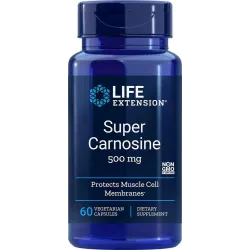
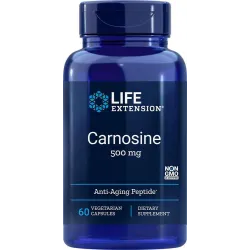
Super Carnosine
Price: 39,81 €Antioxidant and anti-aging agent Provides powerful protection against... -
Related posts
-
 Is Conventional Pomegranate Extract Enough?
An abundance of clinical data has established pomegranate as a broad-spectrum, multi-modal defense against the...
Is Conventional Pomegranate Extract Enough?
An abundance of clinical data has established pomegranate as a broad-spectrum, multi-modal defense against the... -
Feed Your Brain!
Millions of people around the world are adhering to low-fat, low-cholesterol diets in an effort to reduce the impact...
-
Lipoic Acid Reverses Mitochondrial Decay
It is estimated that 85% of the oxygen contained in every breath you take is consumed by the mitochondria within each...
-
Vitamin C and Dihydroquercetin
Every day, our bodies are under continual assault by damaging agents known as free radicals. Generally, both internal...
-
How Resveratrol Combats Leading Causes of Death
In 1997, the first scientific paper on resveratrol was published showing that this polyphenol could prevent cancer in...