
 English
 Polski
 Deutsch
 Français
 ελληνικά
 Español
 Italiano
Wide-Ranging Longevity Benefits Of Pycnogenol
 After 40 years of research and being the subject of over 300 publications, Pycnogenol (French Maritime pine extract) continues to astonish scientists with its longevity applications. First developed in a European laboratory, Pycnogenol is a patented mixture of plant flavonoids with abundant beneficial effects.1
New studies show Pycnogenol can prevent or reverse the oxidative damage that produces blood vessel disease4, metabolic syndrome20, diabetes20,24, and neurodegenerative disorders23,24. This plant extract also shows promise in such far-flung conditions as traumatic brain injury40,41, skin problems37, pain syndromes38,39, and even tinnitus44.
In this article, you will learn the latest clinical research about this European discovery.
Pycnogenol And Cardiovascular Disease
Despite all the advances in cholesterol-lowering medications and surgical interventions, atherosclerosis, coronary artery disease, heart attack, heart failure, stroke, and peripheral vascular disease remain the leading causes of death and disability in the United States.2,3
Pycnogenol, long touted for its powerful antioxidant effects, has shown remarkable results in preventing and reversing cardiovascular disease.
 For example, a recent study of patients with stable coronary artery disease (people with chest pain, or angina, or those who have survived a heart attack) demonstrated a 32% improvement in endothelial function after eight weeks of Pycnogenol supplementation.4 No change was seen in placebo recipients. At the same time, levels of isoprostane, an index of oxidative stress, were reduced by about 8.5% in the supplemented group, again with no change in placebo subjects.
Further demonstration of Pycnogenol’s ability to slow or prevent the progression of cardiovascular disease comes from a 2014 study of people with atherosclerosis of the femoral (leg) or carotid (neck) arteries.5 Although these patients had not yet developed symptoms, they all had atherosclerotic plaques visible on ultrasound examination of their vessels. The patients were divided into several groups that included low-dose Pycnogenol (50 mg/day), higher-dose Pycnogenol (100 mg/day), aspirin, or a combination of Pycnogenol ( 100 mg/day) and aspirin.
In the groups that received either no Pycnogenol or just 50 mg/day, ultrasound evidence of progression (larger or more frequent plaques) was visible. In all groups receiving 100 mg/day Pycnogenol, progression was almost completely halted. The percentage of individual plaques that progressed to the dangerous and irreversible stage called “fibroatheroma” was less than 6% in subjects taking 100 mg/day Pycnogenol, but rose to 16.6% in those receiving aspirin-only, and went up to 21.3% in controls (receiving neither aspirin or Pycnogenol).5
Another human study demonstrated similar effects in a group of patients with mild to moderate congestive heart failure (class II or III, which often follows a heart attack or a lifetime of high blood pressure).6 Researchers treated these patients with placebo or Pycnogenol plus coenzyme Q10. After 12 weeks, the results showed:
- 28% of Pycnogenol/CoQ10-supplemented patients improved by at least one heart failure class compared to 14% of placebo recipients. (Heart failure classes are based on patients’ ability to function, so improvement by one class represents substantial improvement in quality of life.)
- Blood pressures (systolic and diastolic) fell significantly in the supplemented group as compared to controls.
- A measure of blood pumped per heartbeat (ejection fraction) shot up by 22.4% in the supplemented group, while rising just 4% in controls.
- Supplemented patients increased their walking distance on a treadmill more than 3-fold, compared to only slightly in the placebo group.
- Leg swelling, a major heart failure symptom, decreased significantly in the supplemented group, but only slightly in placebo patients.
Three Ways Pycnogenol Protects The Heart
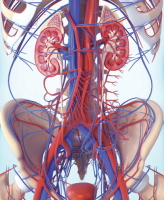 Laboratory studies demonstrate at least three ways Pycnogenol produces such dramatic improvements to heart health:
- Studies show that whole segments of major arteries undergo relaxation when treated with Pycnogenol, in part by stimulation of eNOS, the enzyme system that produces nitric oxide, the artery-relaxation signal.12,13 Indeed, treatment of whole arteries with Pycnogenol not only produces immediate relaxation, but it also reduces arterial wall content of the stiffening protein collagen, which contributes to elevated blood pressure and endothelial damage.13
- Pycnogenol helps to minimize inflammatory changes that occur in response to oxidative stress in blood vessels. Studies show a sharp reduction in activation of NF-kappaB, a master inflammatory regulator largely responsible for the release of inflammatory cytokines.14,15
- Pycnogenol inhibits the expression of specialized “adhesion molecules” that make arterial walls “sticky,” causing platelets and white blood cells to clump along the walls in early stages of plaque formation.14
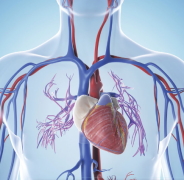 Oxidative stress accelerates aging and brings on most chronic and many acute conditions.
- Pycnogenol, a standardized preparation extracted from French Maritime pine, is rich in procyanidin flavonoid molecules and contains some of the most potent antioxidant properties known.
- Originally used in Europe for patients with chronic venous insufficiency (a condition where the veins do not pump enough blood back to the heart), Pycnogenol is finding multiple targets in a world filled with oxidative stress.
- Studies now show that Pycnogenol can protect heart and blood vessel tissues against the oxidation that can lead to heart attacks, strokes, and other vascular disorders.
- Pycnogenol is also finding a role fighting metabolic syndrome and diabetes, and in protecting brain cells from neurodegenerative diseases.
- Further studies are beginning to reveal Pycnogenol’s preventive capabilities in fighting skin aging, traumatic brain injury, pain syndromes, and even persistent tinnitus.
The Battle Against Metabolic Syndrome
 As a result of excessive calorie consumption and inadequate physical activity, thousands of Americans are suffering from metabolic syndrome, a cluster of conditions consisting of abdominal obesity, high blood pressure, low HDL (good) cholesterol, elevated triglyceride levels, and insulin resistance. In general, the more components of metabolic syndrome you have, the higher your risk of cardiovascular disease, cancer, and diabetes, among many other “age-related” disorders.16,17
Because signs and symptoms of metabolic syndrome often relate to oxidative stress and subsequent inflammation,18,19 it’s natural that researchers in the field would be interested in the potent antioxidant flavonoids found in Pycnogenol. Two excellent human studies tell most of the story.
A group of 64 adults with all five components of metabolic syndrome received 150 mg of Pycnogenol a day for six months; a comparable group of 66 people served as unsupplemented controls.20 At the end of the study, the supplemented patients had significantly lower triglycerides and blood pressure, and significantly higher HDL cholesterol compared to controls. In addition, fasting glucose fell significantly by 14.4%, waist circumference dropped 3.11 inches (7.4%) in men and 2.9 inches ( 8%) in women, and plasma free radicals fell by 34.6% in the supplemented group.
 The second important study involved patients with metabolic syndrome who were showing early signs of kidney damage (protein in urine) from high blood pressure.21 All patients were treated with ramipril (Altace®), an angiotensin-converting enzyme (ACE) inhibitor drug used in hypertension, while a subgroup was supplemented with Pycnogenol as well. After six months, the Pycnogenol group experienced a number of improvements over the Ramipril-only group:
- Urinary protein fell 52.7% in supplemented subjects compared to 22.4% in the drug-only group.
- Blood flow in the kidneys (an essential measure of kidney damage) in the Pycnogenol group improved by 139% compared to less than 100% with Ramipril alone (measured by diastolic flow).
- C-reactive protein (an important measure of inflammation) dropped by 25.3% in Pycnogenol subjects, but decreased only slightly in the drug-only group.
- Body mass index (BMI) was lowered in Pycnogenol subjects (5.7%), while the drug-only group did not show any appreciable changes after treatment.
These two studies showed convincingly that Pycnogenol is capable of remedying all five of the classic risk factors for metabolic syndrome, and demonstrated the underlying impact on oxidative stress and inflammation.
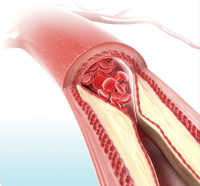 Oxidative stress leads to the oxidation of LDL particles that have accumulated within the inner lining of the arterial wall (endothelium).
- Oxidized LDL and damaged endothelial cells trigger an inflammatory response in which immune cells (monocytes/macrophages) are recruited.
- The recruited macrophages ingest oxidized LDL and transform into “foam cells,” which accumulate within the endothelium to form plaque.
- Muscle cells in the artery then proliferate and secrete fibrous elements to form a “cap” around the plaque.
The result is stiffening of the arteries and impeding blood delivery to vulnerable tissues across the body, potentially producing heart attacks, strokes, and other manifestations of cardiovascular disease.
Pycnogenol acts to slow or stop multiple stages in the domino effect leading to cardiovascular disease, with impressive clinical results.4-6
Diabetes
Not surprisingly, similarly compelling results are now being seen in human and laboratory studies of diabetes, one of the unfortunate potential outcomes of metabolic syndrome.
 In one study, patients with type II diabetes took either a placebo or 100 mg of Pycnogenol for 12 weeks while continuing their standard anti-diabetic treatment.22 The fasting plasma glucose levels fell significantly in the Pycnogenol group compared with placebo recipients. The Pycnogenol group also experienced lower hemoglobin A1c levels (a measure of long-term glucose control) in the first month. Importantly, the Pycnogenol group also had a significant reduction in endothelin-1, a protein that promotes blood vessel constriction and hence, higher blood pressure.
In a second human study of diabetics with early microangiopathy (small vessel disease that precedes development of skin ulcers as well as kidney and eye complications), patients took either no additional medication, or 50 mg of Pycnogenol three times daily for four weeks.23 After that time, no significant changes were seen in control subjects, but in the supplemented group there was a progressive decrease in measures of microangiopathy and of capillary leakiness, with a significant improvement in blood perfusion (delivery of blood to a tissue).23 Together, these results can mean a reduced risk for developing the kind of diabetic ulcers that can lead to amputation.23
Diabetics often suffer from microvascular damage to their nerves, which may produce excruciating and dangerous diabetic neuropathy. Lab studies now show that blood sugar reductions in Pycnogenol-supplemented animals are accompanied by improvements in the impaired nerve conduction velocity seen in diabetic neuropathy.24
Pycnogenol can directly oppose the excessive oxidative stress produced by diabetes, which is responsible for so much of that disease’s age-accelerating damage. Multiple animal studies demonstrate that Pycnogenol restores to normal the elevated markers of oxidation seen in tissues and organs of diabetic animals, while also restoring normal levels of protective intracellular antioxidant systems.25-27 This has now been shown to lead directly to reductions in inflammatory molecules, including thromboxane, a protein that triggers platelets to clump together with the potential for a dangerous clot to form.28
Finally, Pycnogenol has been shown to inhibit alpha-glucosidase, a key intestinal enzyme that breaks down simple starch into sugars.29 Blocking alpha-glucosidase is an effective way of slowing absorption of glucose into the bloodstream.30
 As we continue to learn about the essential role of oxidative damage in so many disease processes, we discover the multiple procyanidins in Pycnogenol offer outstanding antioxidant support in a growing number of disorders. Here are a few to watch for in the coming years:
- Skin Health: Animal studies reveal that when Pycnogenol is applied topically, it can protect skin from the inflammation, immune suppression, and cancer risk caused by ultraviolet radiation.36 A recent human study demonstrated that oral Pycnogenol supplementation improved skin hydration and elasticity in post-menopausal women, with the most prominent effect seen in those with dry skin conditions.37
- Pain: Pycnogenol supplements prevent cramps, muscle pain at rest, and pain during and after exercise in normal individuals, in athletes, in those with venous disease and claudication, and in diabetics with microangiopathy (small vessel disease).38 In addition, women with endometriosis achieved significantly more pain relief when Pycnogenol was added to their oral contraceptive, compared with the contraceptive alone.39
- Traumatic Brain Injury: This type of injury is increasingly common, occurring not only in active young people and military personnel, but also in older adults who suffer from falls. Brain damage following trauma results in massive oxidative damage as blood flows to the injured area. Animal studies show that Pycnogenol, even administered up to four hours after a brain injury, significantly reduces oxidative stress and damage to proteins in the delicate synapses, where nerve cells communicate with one another. This is accompanied by a similarly marked reduction in inflammatory markers in brain areas vital for memory and cognition.40,41
- Tinnitus : Tinnitus is a maddening, distressing, and distracting condition in which continuous sound is perceived in one or both ears, without any actual sound being present. It has multiple causes, including poor blood flow and high oxidative stress,42 but no convincing cure has yet been discovered. Risk factors for developing tinnitus include exposure to loud noise, obesity, smoking, excess alcohol consumption, previous head injuries, history of arthritis, and hypertension.43 In a study of 82 patients with mild-to-moderate tinnitus who had decreased blood flow in the cochlea (sound-sensing portion of the ear), Pycnogenol at both 100 and 150 mg/day improved blood flow velocity in the cochlea, with significant relief of symptoms in an average of 34 days.44
Pycnogenol Offers Neuroprotection
 Human studies have not yet been conducted, but exciting basic science is being done in laboratories around the world on the potential for Pycnogenol to improve some of the most heartbreaking diseases of aging, the neurodegenerative conditions that include Alzheimer’s and Parkinson’s diseases. Studies are showing that Pycnogenol’s powerful antioxidant properties can intercept ongoing oxidant damage that contributes to these disorders.
Studies reveal sharp drops in markers of both oxidation and inflammation when Pycnogenol is provided in animal models of Alzheimer’s and Parkinson’s diseases, as well as of diabetes, which is a leading cause of neurodegeneration.24,31-33 Pycnogenol protects brain cells and their supporting structures from premature cell death, and mitigates the decline in cognitive performance seen in an animal model of Alzheimer’s.31,33,34 Pycnogenol also boosts brain cells’ own natural cellular antioxidant systems, helping them resist chronic damage.35
Summary
 Pycnogenol, a standardized mixture of pine bark-derived flavonoids, has long been used in Europe to treat cardiovascular disease, metabolic syndrome, diabetes, and neurodegenerative conditions.
Emerging research reveals that Pycnogenol is valuable in skin inflammation, the management of pain, traumatic brain injury, and tinnitus.36,41-44
It’s regrettable that so few physicians in the United States recommend Pycnogenol considering its clinical utility has been demonstrated in over 300 scientific publications.
Material used with permission of Life Extension. All rights reserved.
- Packer L, Rimbach G, Virgili F. Antioxidant activity and biologic properties of a procyanidin-rich extract from pine (Pinus maritima) bark, Pycnogenol. Free Radic Biol Med. 1999 Sep;27(5-6):704-24.
- Masoudi FA, Ponirakis A, et al. Cardiovascular care facts: a report from the national cardiovascular data registry: 2011. J Am Coll Cardiol. 2013 Nov 19;62(21):1931-47.
- Su JJ, Park SK, Hsieh TM. The effect of testosterone on cardiovascular disease: a critical review of the literature. Am J Mens Health. 2014 Feb 20.
- Enseleit F, Sudano I, Periat D, et al. Effects of Pycnogenol on endothelial function in patients with stable coronary artery disease: a double-blind, randomized, placebo-controlled, cross-over study. Eur Heart J. 2012 Jul;33(13):1589-97.
- Belcaro G, Dugall M, Hosoi M, et al. Pycnogenol(R) and Centella Asiatica for asymptomatic atherosclerosis progression. Int Angiol. 2014 Feb;33(1):20-6.
- Belcaro G, Cesarone MR, Dugall M, et al. Investigation of Pycnogenol in combination with coenzymeQ10 in heart failure patients (NYHA II/III). Panminerva Med. 2010 Jun;52(2 Suppl 1):21-5.
- Tedgui A, Mallat Z. Atherosclerotic plaque formation. Rev Prat. 1999 Dec 1;49(19):2081-6.
- Stocker R, Keaney JF Jr. Role of oxidative modifications in atherosclerosis. Physiol Rev. 2004 Oct;84(4):1381-478.
- Chi Z, Melendez AJ. Role of cell adhesion molecules and immune-cell migration in the initiation, onset and development of atherosclerosis. Cell Adh Migr. 2007 Oct-Dec;1(4):171-5.
- Hunt BJ. The endothelium in atherogenesis. Lupus. 2000;9(3):189-93.
- Crowther MA. Pathogenesis of atherosclerosis. Hematology Am Soc Hematol Educ Program. 2005:436-41.
- Fitzpatrick DF, Bing B, Rohdewald P. Endothelium-dependent vascular effects of Pycnogenol. J Cardiovasc Pharmacol. 1998 Oct;32(4):509-15.
- Rezzani R, Porteri E, De Ciuceis C, et al. Effects of melatonin and Pycnogenol on small artery structure and function in spontaneously hypertensive rats. Hypertension. 2010 Jun;55(6):1373-80.
- Peng Q, Wei Z, Lau BH. Pycnogenol inhibits tumor necrosis factor-alpha-induced nuclear factor kappa B activation and adhesion molecule expression in human vascular endothelial cells. Cell Mol Life Sci. 2000 May;57(5):834-41.
- Available at: http://nar.oxfordjournals.org/content/33/16/5308.full. Accessed March 20, 2014.
- Samson SL, Garber AJ. Metabolic Syndrome. Endocrinol Metab Clin North Am. 2014 Mar;43(1):1-23.
- Extermann M. Metabolic syndrome, aging, and cancer. Crit Rev Oncog. 2013;18(6):515-29.
- Holvoet P. Relations between metabolic syndrome, oxidative stress and inflammation and cardiovascular disease. Verh K Acad Geneeskd Belg. 2008;70(3):193-219.
- Available at: http://www.jci.org/articles/view/21625. Accessed March 20, 2014.
- Belcaro G, Cornelli U, Luzzi R, et al. Pycnogenol(R) supplementation improves health risk factors in subjects with metabolic syndrome. Phytother Res. 2013 Oct;27(10):1572-8.
- Stuard S, Belcaro G, Cesarone MR, et al. Kidney function in metabolic syndrome may be improved with Pycnogenol(R). Panminerva Med. 2010 Jun;52(2 Suppl 1):27-32.
- Liu X, Wei J, Tan F, Zhou S, Wurthwein G, Rohdewald P. Antidiabetic effect of Pycnogenol French maritime pine bark extract in patients with diabetes type II. Life Sci. 2004 Oct 8;75(21):2505-13.
- Cesarone MR, Belcaro G, Rohdewald P, et al. Improvement of diabetic microangiopathy with pycnogenol: A prospective, controlled study. Angiology. 2006 Aug-Sep;57(4):431-6.
- Jankyova S, Kucera P, Goldenberg Z, et al. Pycnogenol efficiency on glycaemia, motor nerve conduction velocity and markers of oxidative stress in mild type diabetes in rats. Phytother Res. 2009 Aug;23(8):1169-74.
- Kolacek M, Muchova J, Vrankova S, et al. Effect of natural polyphenols, pycnogenol(R) on superoxide dismutase and nitric oxide synthase in diabetic rats. Prague Med Rep. 2010;111(4):279-88.
- Maritim A, Dene BA, Sanders RA, Watkins JB, 3rd. Effects of pycnogenol treatment on oxidative stress in streptozotocin-induced diabetic rats. J Biochem Mol Toxicol. 2003;17(3):193-9.
- Parveen K, Khan MR, Mujeeb M, Siddiqui WA. Protective effects of Pycnogenol on hyperglycemia-induced oxidative damage in the liver of type 2 diabetic rats. Chem Biol Interact. 2010 Jul 30;186(2):219-27.
- Nocun M, Ulicna O, Muchova J, Durackova Z, Watala C. French maritime pine bark extract Pycnogenol reduces thromboxane generation in blood from diabetic male rats. Biomed Pharmacother. 2008 Mar;62(3):168-72.
- Schafer A, Hogger P. Oligomeric procyanidins of French maritime pine bark extract (Pycnogenol) effectively inhibit alpha-glucosidase. Diabetes Res Clin Pract. 2007 Jul;77(1):41-6.
- Jo SH , Ha KS, Moon KS, et al. Molecular weight dependent glucose lowering effect of low molecular weight chitosan oligosaccharide (GO2KA1) on postprandial blood glucose level in SD rats model. Int J Mol Sci. 2013 Jul 9;14(7):14214-24. doi: 10.3390/ijms140714214.
- Ishrat T, Parveen K, Hoda MN, et al. Effects of Pycnogenol and vitamin E on cognitive deficits and oxidative damage induced by intracerebroventricular streptozotocin in rats. Behav Pharmacol. 2009 Oct;20(7):567-75.
- Liu F, Lau BH, Peng Q, Shah V. Pycnogenol protects vascular endothelial cells from beta-amyloid-induced injury. Biol Pharm Bull. 2000 Jun;23(6):735-7.
- Khan MM, Kempuraj D, Thangavel R, Zaheer A. Protection of MPTP-induced neuroinflammation and neurodegeneration by Pycnogenol. Neurochem Int. 2013 Mar;62(4):379-88.
- Peng QL, Buz’Zard AR, Lau BH. Pycnogenol protects neurons from amyloid-beta peptide-induced apoptosis. Brain Res Mol Brain Res. 2002 Jul 15;104(1):55-65.
- Ansari MA, Keller JN, Scheff SW. Protective effect of Pycnogenol in human neuroblastoma SH-SY5Y cells following acrolein-induced cytotoxicity. Free Radic Biol Med. 2008 Dec 1;45(11):1510-9.
- Sime, Reeve VE. Protection from inflammation, immunosuppression and carcinogenesis induced by UV radiation in mice by topical Pycnogenol. Photochem Photobiol. 2004 Feb;79(2):193-8.
- Marini A, Grether-Beck S, Jaenicke T, et al. Pycnogenol(R) effects on skin elasticity and hydration coincide with increased gene expressions of collagen type I and hyaluronic acid synthase in women. Skin Pharmacol Physiol. 2012;25(2):86-92.
- Vinciguerra G, Belcaro G, Cesarone MR, et al. Cramps and muscular pain: prevention with pycnogenol in normal subjects, venous patients, athletes, claudicants and in diabetic microangiopathy. Angiology. 2006 May-Jun;57(3):331-9.
- Maia H, Jr., Haddad C, Casoy J. Combining oral contraceptives with a natural nuclear factor-kappa B inhibitor for the treatment of endometriosis-related pain. Int J Womens Health. 2013;6:35-9.
- Scheff SW, Ansari MA, Roberts KN. Neuroprotective effect of Pycnogenol(R) following traumatic brain injury. Exp Neurol. 2013 Jan;239:183-91.
- Ansari MA, Roberts KN, Scheff SW. Dose- and time-dependent neuroprotective effects of Pycnogenol following traumatic brain injury. J Neurotrauma. 2013 Sep 1;30(17):1542-9.
- Neri S, Signorelli S, Pulvirenti D, et al. Oxidative stress, nitric oxide, endothelial dysfunction and tinnitus. Free Radic Res. 2006 Jun;40(6):615-8.
- Baguley D1, McFerran D, Hall D. Tinnitus. Lancet. 2013 Nov 9;382(9904):1600-7
- MG, Belcaro G, Cesarone MR, et al. Improvement in cochlear flow with Pycnogenol(R) in patients with tinnitus: a pilot evaluation. Panminerva Med. 2010 Jun;52(2 Suppl 1):63-7.
Related products
-
-
VenoFlow™
Old price: 49,89 € Price: 42,41 € Discount: -15% Save up: -7,48 €Supports healthy extremity circulation Powerful dual-action formula for... -
Pycnogenol® French maritime pine bark extract
Price: 32,30 €Powerful antioxidant protection, anti-age and whole body support Inhibits...
Related posts
-
 Is Conventional Pomegranate Extract Enough?
An abundance of clinical data has established pomegranate as a broad-spectrum, multi-modal defense against the...
Is Conventional Pomegranate Extract Enough?
An abundance of clinical data has established pomegranate as a broad-spectrum, multi-modal defense against the... -
Feed Your Brain!
Millions of people around the world are adhering to low-fat, low-cholesterol diets in an effort to reduce the impact...
-
Lipoic Acid Reverses Mitochondrial Decay
It is estimated that 85% of the oxygen contained in every breath you take is consumed by the mitochondria within each...
-
Vitamin C and Dihydroquercetin
Every day, our bodies are under continual assault by damaging agents known as free radicals. Generally, both internal...
-
How Resveratrol Combats Leading Causes of Death
In 1997, the first scientific paper on resveratrol was published showing that this polyphenol could prevent cancer in...