
 English
 Polski
 Deutsch
 Français
 ελληνικά
 Español
 Italiano
Quercetin Protects Against Pesticides’ Damaging Effects
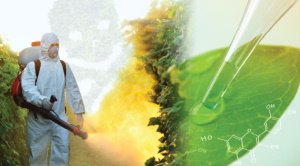 While pesticides kill pests, they also pose danger to humans.
Unprotected human exposure has been linked to cancer, endocrine complications, respiratory disorders, and organ failure.1
More worrisome are studies showing pesticide exposure can increase risk of neurodegenerative diseases.2-4
A number of studies, some published in 2016, indicate that the plant flavonoid quercetin can inhibit the damaging effects of pesticides.
Pesticides are found in our food, air and water. Harmful chemicals are so abundant in our environment that we often absorb them without eating food.
With advances in manufacturing, many pesticides are no longer sprayed on crops. Instead, systemic pesticides are mixed in with fertilizer and absorbed by plants through their vascular system. This makes it impossible for consumers to wash off pesticide residue because it’s within the fruits and vegetables that you eat.
While everyone is vulnerable to the dangers of pesticides, those especially at risk include children, pregnant women, sick persons, and the elderly. Pesticide exposure can result in conditions ranging from learning disabilities to Parkinson’s disease and cancer.3-6 Because many different types of pesticides are used by farmers, exposure can overwhelm our efforts to stay healthy. Even everyday lawn chemicals pose risks and can remain in our body for decades.7,8
Quercetin, a flavonol occurring in certain fruits and vegetables,9-11 shows promise in animal studies to protect against some of the dangers of pesticides.12,13 Until farmers completely stop their use, we are always at risk. But initial studies in the laboratory show that quercetin can provide some measure of cellular protection.
Quercetin Protects Against Pesticides
 In various studies conducted on rats, quercetin was shown to provide substantial protection against a number of pesticides.
A June 2016 study in the journal Human & Experimental Toxicology found that quercetin had protective effects against toxicity induced by a mixture of organophosphate pesticides, which were originally developed as biological warfare agents.
The United States Environmental Protection Agency has indicated that organophosphate pesticides are dangerous not only to humans but also to bees and wildlife.14 The study showed that quercetin can protect against organophosphate pesticide toxicity through the following mechanisms:13
- Preserving energy, fatty acid, and sex hormone metabolism
- Inhibiting oxidative stress
- Protecting against DNA damage
- Preserving kidney and liver function
Also, although there is no specific treatment for poisoning by the pesticide paraquat, researchers are investigating quercetin’s ability to minimize oxidative stress through its free-radical scavenging properties as a possible therapy.15
 In a 2016 study, scientists demonstrated that quercetin protects cells against oxidative stress and cellular death caused by dichlorvos, another organophosphate pesticide. In lab cells exposed to this pesticide, pretreatment with quercetin significantly reduced dichlorvos-induced cell death, inhibited ROS (reactive oxygen species) generation, reduced levels of malondialdehyde (a marker of oxidation), and modulated the activities of two primary antioxidants (catalase and superoxide dismutase).16
In the same year, another rat study produced very similar findings. Various parameters representing the negative health effects of a mixture of pesticides were ameliorated when quercetin was simultaneously administered.17
As the population ages, researchers have increasingly focused on the potentially devastating brain effects of pesticides.
 Although designed to kill pests, pesticide compounds can also trigger negative health effects in humans.
- Excessive or prolonged exposure to pesticides has been linked to cancer, endocrine complications, infertility, respiratory disorders, organ failure, birth defects, mood changes, and Alzheimer’s disease.
- Prominent among the flavonoids produced by plants to protect themselves from destructive forces is the potent compound quercetin, which conveys similar protection to humans.
- Accumulating evidence demonstrates that quercetin protects against many of the biological effects of pesticides.
Pesticides Linked to Alzheimer’s Disease

About 5.4 million Americans live with Alzheimer’s disease,18 the sixth leading cause of death in the US.19 After age 65, the risk of Alzheimer’s disease or vascular dementia doubles every five years.20
Early-stage Alzheimer’s disease patients are usually anxious, well aware that something is wrong. Short-term memory is poor and patients have difficulty finding ordinary words. Crippling depression sets in with the awareness that something is being lost that will never be regained.
A great deal of Alzheimer’s disease research has gone into finding the genes that increase susceptibility. However, multiple other factors are implicated, including chronic infections, declining hormone levels, inflammation, mitochondrial dysfunction, oxidative stress—and toxic chemicals.21-26 Chief among this latter group are the over 1,000 chemicals that comprise pesticides, use of which has quintupled since 1945.27
Recent studies link chronic pesticide exposure to increased prevalence of dementia, including Alzheimer’s disease.2,28 Organophosphate pesticides have been shown to lead to microtubule derangements and tau hyperphosphorylation—a hallmark of Alzheimer’s disease. (Phosphorylation is the addition of a phosphate group to a molecule, which turns a protein enzyme on or off, altering its activity.) This mechanism of action suggests that, at the cellular and molecular level, these pesticides may at least partly account for the neurodegeneration of Alzheimer’s disease.28
Recent studies link chronic pesticide exposure to increased prevalence of dementia, including Alzheimer’s disease.
Scientists evaluating 86 Alzheimer’s disease patients and 79 controls found that serum levels of dichlorodiphenyldichloroethylene (DDE)—a metabolite of the pesticide dichlorodiphenyltrichloroethane (DDT)—were 3.8-fold higher in Alzheimer’s disease patients.29
Although banned in the US in 1972, people still come into contact with DDT through imported foods or by living near farmlands where DDT was formerly sprayed or near industrial sites where manufacturers dumped DDT-containing products.30-33
Similarly, exposure to the pesticide beta-hexachlorocyclohexane (beta-HCH) was found to be detectable in 76% of Parkinson’s disease patients, compared to 40% of those without the disease. Based on serum levels of this pesticide, researchers could predict a Parkinson’s diagnosis with a high degree of confidence.34
 When thinking of pesticides, most people focus on the over 1,000 chemicals used in agriculture today. But these 1,000 chemicals have been formulated into over 20,000 products—a fifth of which are designed for nonagricultural uses—in homes, gardens, schools, playgrounds, offices, golf courses, and hospitals. So microscopic traces of pesticides easily drift into homes. Studies show that detectable levels of these compounds can be found in many people, even newborns.27
Just as they do in pests, pesticides can affect the human nervous system. These common pesticides include:51
- Organophosphates, a synaptic poison that damages the junction between two nerve cells,
- Carbamates, a synaptic poison,
- Pyrethroids, an axonic poison that damages axons that conduct impulses away from the cell,
- Avermectins, an axonic poison,
- Imidacloprid, a synaptic poison, and
- Fipronil, an axonic poison.
Quercetin has been shown to inhibit pesticide damage by preserving energy, fatty acid, and sex hormone metabolism, inhibiting oxidative stress, protecting against DNA damage, and preserving kidney and liver function.13
In addition, research findings show that quercetin is associated with improved cardiovascular health, reduced cancer risk, milder allergic responses, and improved resistance to infection after extensive exercise.52 And, a recently published study demonstrated that quercetin enhanced memory recall in a mouse model of early-stage Alzheimer’s disease—as well as in human, early-stage Alzheimer’s disease patients.53
Quercetin’s Broad Brain-Protective Effects
 Exposure to pesticides can result in a range of very subtle neurological symptoms that are not commonly recognized by the medical community, but that can be devastating to the individual, especially over time. These include loss of memory, poor coordination, reduced stimuli-response speed, decreased vision, altered or uncontrollable moods or other behavior, and impaired motor skills.35
Rapidly accumulating evidence has identified quercetin as a potent neuroprotective nutrient.
Quercetin protects brain cells from excitotoxicity, the damage done by the repeated excitatory electrical impulses observed in Alzheimer’s and other neurodegenerative diseases.36-39 Its potent antioxidant mechanisms reduce toxicity of beta amyloid proteins that accumulate in the brain, eventually producing memory loss and dementia.40,41 Quercetin has also been found to prevent brain-cell death in animal models of Parkinson’s disease.42
Oxidative stress and chronic brain inflammation eventually produce changes that can lead to neurodegeneration.
The brain has a powerful free-radical defense system that upgrades cellular defenses such as glutathione and prevents brain-cell death. This natural defensive shield has been found to be activated by quercetin.43 The quercetin flavonol also increases brain expression of protective paraoxonase 2 (PON2), which scavenges free radicals that damage mitochondrial membranes and cause them to lose their electrical potential.44,45
Oxidative stress and chronic brain inflammation eventually produce changes that can lead to neurodegeneration.46 Quercetin can preserve vital brain-cell function in the face of those changes, limiting the cell death that produces neurodegenerative diseases.47
Not all free radical scavengers deliver the same defense as quercetin against the type of oxidative stress damage associated with Alzheimer’s disease. In one study, isolated rat brain cells were exposed to either quercetin or vitamin C and then to hydrogen peroxide, which replicates the oxidative cell damage that occurs in Alzheimer’s disease. Quercetin-treated brain cells showed significantly less damage to cellular membranes.48
Quercetin’s Potent Neuroprotection
 Additional to stimulating cellular defenses against oxidative stress, quercetin activates sirtuins (SIRT1) and induces autophagy (removal of cellular waste debris)—both possible mechanisms for its neuro-protection.49
This same review found that the neurotoxicity of several toxic agents, including polychlorinated biphenyls, MPTP (1-methyl-4-phenyl-1,2,3,6-tetrahydropyridine)—and the insecticide endosulfan—was decreased by quercetin in vivo. Findings showed that “…quercetin ameliorates Alzheimer’s disease pathology and related cognitive deficits in an aged…Alzheimer’s disease mouse model.”49
Quercetin was shown to protect brain mitochondria against endosulfan. This pesticide normally induces oxidative stress in brain mitochondria by significantly lowering levels of catalase, superoxide dismutase (SOD), and glutathione. In rats, the pesticide resulted in swelling of mitochondria and higher levels of the oxidative stress marker malondialdehyde.50
Pretreatment with quercetin was demonstrated to protect the brain mitochondria from oxidative stress, lipid peroxidation, and mitochondria swelling normally induced by endosulfan. The activities of the natural enzymes systems and the mitochondrial content of glutathione and malondialdehyde were all returned to healthy levels. The study author concluded:
“Thus, although endosulfan can have neurotoxic effects in brain[s of] rats, this toxicity can be prevented by quercetin.”50
Summary
 Pesticide compounds may increase the risk of diseases most commonly associated with aging, including neurodegenerative disorders.
Plants naturally produce molecules known as flavonoids to allow them to withstand a host of destructive forces, including chemical toxins.
New and accumulating evidence demonstrates that the plant flavonoid quercetin delivers protection—for the body and the mind—against many pathological effects associated with pesticide exposure.
The typical daily supplemental dose of quercetin is 150-400 mg. It is often included in resveratrol formulas because of evidence showing that quercetin and resveratrol provide complementary health benefits when taken together.
Material used with permission of Life Extension. All rights reserved.
- Available at: http://www.nursingdegree.net/blog/926/8-possible-side-effects-of-pesticides/. Accessed October 10, 2016.
- Hayden KM, Norton MC, Darcey D, et al. Occupational exposure to pesticides increases the risk of incident AD: the Cache County study. Neurology. 2010;74(19):1524-30.
- Ascherio A, Chen H, Weisskopf MG, et al. Pesticide exposure and risk for Parkinson’s disease. Ann Neurol. 2006;60(2):197-203.
- Allen MT, Levy LS. Parkinson’s disease and pesticide exposure--a new assessment. Crit Rev Toxicol. 2013;43(6):515-34.
- Jurewicz J, Hanke W. Exposure to pesticides and childhood cancer risk: has there been any progress in epidemiological studies? Int J Occup Med Environ Health. 2006;19(3):152-69.
- Lerro CC, Koutros S, Andreotti G, et al. Organophosphate insecticide use and cancer incidence among spouses of pesticide applicators in the Agricultural Health Study. Occup Environ Med. 2015;72(10):736-44.
- Available at: http://www.cbsnews.com/news/lawn-chemicals-can-stay-in-human-body-for-years-even-decades/. Accessed October 10, 2016.
- Available at: http://beyondpesticides.org/resources/pesticide-induced-diseases-database/body-burden. Accessed October 14, 2016.
- Belinha I, Amorim MA, Rodrigues P, et al. Quercetin increases oxidative stress resistance and longevity in Saccharomyces cerevisiae. J Agric Food Chem. 2007;55(6):2446-51.
- Boots AW, Haenen GR, Bast A. Health effects of quercetin: from antioxidant to nutraceutical. Eur J Pharmacol. 2008;585(2-3):325-37.
- Kelly GS. Quercetin. Altern Med Rev. 1998;3(2):140-3.
- Li S, Cao C, Shi H, et al. Effect of quercetin against mixture of four organophosphate pesticides induced nephrotoxicity in rats. Xenobiotica. 2016;46(3):225-33.
- Qi L, Cao C, Hu L, et al. Metabonomic analysis of the protective effect of quercetin on the toxicity induced by mixture of organophosphate pesticides in rat urine. Hum Exp Toxicol. 2016.
- Available at: https://www.epa.gov/mosquitocontrol/naled-mosquito-control##2. Accessed October 14, 2016.
- Blanco-Ayala T, Anderica-Romero AC, Pedraza-Chaverri J. New insights into antioxidant strategies against paraquat toxicity. Free Radic Res. 2014;48(6):623-40.
- Ben Salem I, Boussabbeh M, Graiet I, et al. Quercetin protects HCT116 cells from Dichlorvos-induced oxidative stress and apoptosis. Cell Stress Chaperones. 2016;21(1):179-86.
- Cao C, Zeng Y, Shi H, et al. Metabonomic analysis of quercetin against the toxicity of chronic exposure to a mixture of four organophosphate pesticides in rat plasma. Xenobiotica. 2016;46(9):805-15.
- Available at: http://www.alz.org/facts/. Accessed October 10, 2016.
- Available at: http://www.actionalz.org/sixth_leading_cause.asp. Accessed October 10, 2016.
- Available at: http://www.alz.org/research/science/alzheimers_disease_causes.asp. Accessed October 10, 2016.
- Bibi F, Yasir M, Sohrab SS, et al. Link between chronic bacterial inflammation and Alzheimer disease. CNS Neurol Disord Drug Targets. 2014;13(7):1140-7.
- Chen X, Stern D, Yan SD. Mitochondrial dysfunction and Alzheimer’s disease. Curr Alzheimer Res. 2006;3(5):515-20.
- Tuppo EE, Arias HR. The role of inflammation in Alzheimer’s disease. Int J Biochem Cell Biol. 2005;37(2):289-305.
- Perry G, Cash AD, Smith MA. Alzheimer Disease and Oxidative Stress. J Biomed Biotechnol. 2002;2(3):120-3.
- Yegambaram M, Manivannan B, Beach TG, et al. Role of environmental contaminants in the etiology of Alzheimer’s disease: a review. Curr Alzheimer Res. 2015;12(2):116-46.
- Janicki SC, Schupf N. Hormonal influences on cognition and risk for Alzheimer’s disease. Curr Neurol Neurosci Rep. 2010;10(5):359-66.
- Available at: https://www.thenation.com/article/warning-signs-how-pesticides-harm-young-brain/. Accessed October 10, 2016.
- Zaganas I, Kapetanaki S, Mastorodemos V, et al. Linking pesticide exposure and dementia: what is the evidence? Toxicology. 2013;307:3-11.
- Richardson JR, Roy A, Shalat SL, et al. Elevated serum pesticide levels and risk for Alzheimer disease. JAMA Neurol. 2014;71(3):284-90.
- Available at: https://www.atsdr.cdc.gov/phs/phs.asp?id=79&tid=20. Accessed October 10, 2016.
- Available at: http://npic.orst.edu/factsheets/ddtgen.pdf. Accessed October 10, 2016.
- Available at: https://www.scientificamerican.com/article/the-mystery-of-the-vanishing-ddt-in-the-ocean-near-los-angeles/. Accessed October 10, 2016.
- Available at: http://articles.latimes.com/1986-04-24/local/me-1693_1_ddt-concentrations. Accessed October 10, 2016.
- Richardson JR, Shalat SL, Buckley B, et al. Elevated serum pesticide levels and risk of Parkinson disease. Arch Neurol. 2009;66(7):870-5. Available at: http://www.toxipedia.org/display/toxipedia/Effects+of+Pesticides+on+Human+Health. Accessed October 10, 2016.
- Hynd MR, Scott HL, Dodd PR. Glutamate-mediated excitotoxicity and neurodegeneration in Alzheimer’s disease. Neurochem Int. 2004;45(5):583-95.
- Dong XX, Wang Y, Qin ZH. Molecular mechanisms of excitotoxicity and their relevance to pathogenesis of neurodegenerative diseases. Acta Pharmacol Sin. 2009;30(4):379-87.
- Silva B, Oliveira PJ, Dias A, et al. Quercetin, kaempferol and biapigenin from Hypericum perforatum are neuroprotective against excitotoxic insults. Neurotox Res. 2008;13(3-4):265-79.
- Yang EJ, Kim GS, Kim JA, et al. Protective effects of onion-derived quercetin on glutamate-mediated hippocampal neuronal cell death. Pharmacogn Mag. 2013;9(36):302-8.
- Shi C, Zhao L, Zhu B, et al. Protective effects of Ginkgo biloba extract (EGb761) and its constituents quercetin and ginkgolide B against beta-amyloid peptide-induced toxicity in SH-SY5Y cells. Chem Biol Interact. 2009;181(1):115-23.
- Li Y, Zhou S, Li J, et al. Quercetin protects human brain microvascular endothelial cells from fibrillar beta-amyloid1-40-induced toxicity. Acta Pharm Sin B. 2015;5(1):47-54.
- Karuppagounder SS, Madathil SK, Pandey M, et al. Quercetin up-regulates mitochondrial complex-I activity to protect against programmed cell death in rotenone model of Parkinson’s disease in rats. Neuroscience. 2013;236:136-48.
- Arredondo F, Echeverry C, Abin-Carriquiry JA, et al. After cellular internalization, quercetin causes Nrf2 nuclear translocation, increases glutathione levels, and prevents neuronal death against an oxidative insult. Free Radic Biol Med. 2010;49(5):738-47.
- Costa LG, de Laat R, Dao K, et al. Paraoxonase-2 (PON2) in brain and its potential role in neuroprotection. Neurotoxicology. 2014;43:3-9.
- Costa LG, Tait L, de Laat R, et al. Modulation of paraoxonase 2 (PON2) in mouse brain by the polyphenol quercetin: a mechanism of neuroprotection? Neurochem Res.2013;38(9):1809-18.
- Wenk GL, McGann-Gramling K, Hauss-Wegrzyniak B, et al. Attenuation of chronic neuroinflammation by a nitric oxide-releasing derivative of the antioxidant ferulic acid. J Neurochem. 2004;89(2):484-93.
- Bournival J, Plouffe M, Renaud J, et al. Quercetin and sesamin protect dopaminergic cells from MPP+-induced neuroinflammation in a microglial (N9)-neuronal (PC12) coculture system. Oxid Med Cell Longev. 2012;2012:921941.
- Heo HJ, Lee CY. Protective effects of quercetin and vitamin C against oxidative stress-induced neurodegeneration. J Agric Food Chem. 2004;52(25):7514-7.
- Costa LG, Garrick JM, Roque PJ, et al. Mechanisms of Neuroprotection by Quercetin: Counteracting Oxidative Stress and More. Oxid Med Cell Longev. 2016;2016:2986796.
- Lakroun Z, Kebieche M, Lahouel A, et al. Oxidative stress and brain mitochondria swelling induced by endosulfan and protective role of quercetin in rat. Environ Sci Pollut Res Int. 2015;22(10):7776-81. Available at: http://hillsborough.ifas.ufl.edu/prohort/files/pdf/publications/HC-HowInsecticidesWork.PDF. Accessed October 11, 2016.
- Bischoff SC. Quercetin: potentials in the prevention and therapy of disease. Curr Opin Clin Nutr Metab Care. 2008;11(6):733-40.
- Nakagawa T, Itoh M, Ohta K, et al. Improvement of memory recall by quercetin in rodent contextual fear conditioning and human early-stage Alzheimer’s disease patients. Neuroreport. 2016;27(9):671-6.
Related products
-
Optimized Quercetin
Price: 21,16 €Supports cellular health & immune function Promotes cellular health and... -
Related posts
-
 Is Conventional Pomegranate Extract Enough?
An abundance of clinical data has established pomegranate as a broad-spectrum, multi-modal defense against the...
Is Conventional Pomegranate Extract Enough?
An abundance of clinical data has established pomegranate as a broad-spectrum, multi-modal defense against the... -
Feed Your Brain!
Millions of people around the world are adhering to low-fat, low-cholesterol diets in an effort to reduce the impact...
-
Lipoic Acid Reverses Mitochondrial Decay
It is estimated that 85% of the oxygen contained in every breath you take is consumed by the mitochondria within each...
-
Vitamin C and Dihydroquercetin
Every day, our bodies are under continual assault by damaging agents known as free radicals. Generally, both internal...
-
How Resveratrol Combats Leading Causes of Death
In 1997, the first scientific paper on resveratrol was published showing that this polyphenol could prevent cancer in...