
 English
 Polski
 Deutsch
 Français
 ελληνικά
 Español
 Italiano
Why Aging Humans Need More Carnitine?
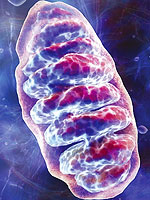 An inevitable consequence of aging is a rapid decline in our cellular energy levels. The outward effects often manifest as a sense of overall fatigue, depression, and sexual dysfunction. The internal effect of a cellular energy deficit is a greater vulnerability to a host of degenerative diseases.
The prime reason cells lose their energy-producing ability is that the powerhouses of the cells—the mitochondria—become dysfunctional. Research has shown that the amino acid carnitine is critical to maintaining optimal mitochondrial function and supporting high energy production.
Carnitine is responsible for fueling the fires of energy production at the cellular level. Without this valuable nutrient, the mitochondria are unable to burn dietary fats to create the energy we need to live.
Scientists have discovered several different forms of carnitine that, in addition to bolstering energy production, produce health benefits that include protecting against neurodegenerative diseases, alleviating depression, stimulating nerve growth, and improving heart function.
Why Carnitine Supplementation Is Essential
During one’s youth, most of the body’s requirement for carnitine is met by internal production of carnitine from lysine, as well as by dietary sources such as red meat and dairy products.1 An increasing body of evidence, however, indicates that to obtain enough carnitine to secure its protective effects against aging requires supplementation in addition to dietary sources.2
While scientific studies initially focused on the simplest form of carnitine, known as L-carnitine, recent findings suggest that specialized carnitine formulations may provide more dramatic, tissue-specific benefits.3
Acetyl-L-carnitine is the most widely studied carnitine supplement. It readily crosses the blood-brain barrier4 and thus confers powerful protective effects on nerve tissue and the central nervous system—enhancing mood, restoring energy, and alleviating nerve pain.
A closely related compound, acetyl-L-carnitine arginate, combines carnitine with the amino acid arginine. It appears to have the same general properties as acetyl-L-carnitine, with the additional benefit of increasing nerve cell growth, thus making it a promising agent in addressing neurodegenerative conditions and possibly trauma.
Finally, propionyl-L-carnitine is a form of carnitine that appears to have potent effects in cardiac and skeletal muscle,3 giving it a potential role in maintaining physical energy and stamina.
This article will examine the complementary roles of these different forms of carnitine and how readers can select carnitine supplements to address their specific health concerns associated with aging.
Acetyl-L-Carnitine Benefits Brain and Nerve Function
Because acetyl-L-carnitine is absorbed from the intestinal tract and readily crosses the blood-brain barrier,4,10,11 it has been studied extensively for its role in brain and nerve functions. Some of the most compelling data are summarized here, according to the kinds of conditions involved.
There is no question that supplementing with any carnitine formulation enhances the mitochondrial use of fatty acids, thus making more energy available to cells and tissues, enhancing their various functions,5 and slowing the mitochondrial damage that leads to aging.2,6,7
However, the very increase of electron flow associated with this more efficient use of fatty acid energy may itself lead to increased formation of reactive oxygen species.2 The solution to this dilemma, according to a research review released in 2002, is co-supplementation with lipoic acid.
Lipoic acid is a natural cofactor for a mitochondrial enzyme that is critical in breaking down fatty acids, which may further enhance cellular energy efficiency. In addition, lipoic acid is a potent antioxidant that increases intracellular levels of vitamin C and glutathione, which are powerful antioxidants in their own right.8,9
By adding lipoic acid to carnitine, scientists have reversed age-related decline in laboratory animals while further reducing oxidative stress.2 This “one-two punch” of carnitine and lipoic acid helps to knock out the oxidative stress that occurs with high energy utilization.
Slowing Alzheimer’s and Neurodegenerative Diseases
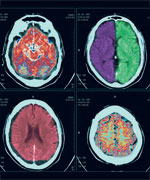 Our brains require vast amounts of energy to function on a daily basis. The long-term effect of this high energy consumption is a kind of “brain rust,” or oxidative damage to mitochondria in the brain. This cellular damage is thought to be an important factor in brain aging and neurodegenerative diseases.12 Protecting brain cells from oxidative damage is one of the most important ways to ensure optimal brain function.
Interestingly, scientific data suggest that acetyl-L-carnitine affects the function of nerve growth factor, a protein that promotes the growth and development of both central and peripheral nerve cells.13 Acetyl-L-carnitine prevents stress-related reductions in nerve growth factor levels, and prevents the death of brain cells in culture.13,14 These mechanisms may explain how it reduces damage to brain cells caused by the amyloid beta peptide, which is found in the brains of patients with Alzheimer’s disease and other neurodegenerative conditions.15-17
Recent well-designed human trials support the use of acetyl-L-carnitine in managing Alzheimer’s disease. In a double-blind, placebo-controlled study of 334 Alzheimer’s patients conducted in 1998, a significant slowing of disease progression was demonstrated in those who supplemented with acetyl-L-carnitine.18 Similar results were found in a small trial of seven Alzheimer’s patients, which showed that acetyl-L-carnitine supplementation led to less deterioration of mental status.19 As a result of these studies, researchers are now conducting larger studies examining acetyl-L-carnitine’s benefits for people suffering from cognitive decline and Alzheimer’s disease.
Scientists have also found significant improvement in Alzheimer’s patients by combining acetyl-L-carnitine with standard medications used in treating the disease. Researchers found a vastly improved response rate in patients taking acetyl-L-carnitine with their medication as opposed to those taking only their standard medication.20 This combination therapy is now being considered an improved management approach to the disease.
The good news continues, as other studies have found that acetyl-L-carnitine supplementation at doses of 1.5-3 grams daily for at least three months provided significant improvement for those with mild cognitive impairment as well as in people with Alzheimer’s.21 These promising findings indicate a role for acetyl-L-carnitine in slowing the cognitive decline associated with Alzheimer’s disease and boosting the effectiveness of prescription therapies.
Averting and Managing Depression
Aging and disease often bring on their own unique forms of depression. Scientists now understand the particular chemistry of these types of depression, and are finding that acetyl-L-carnitine actually improves the brain’s structure and function, which can help alleviate certain forms of depression.
For example, scientists examined two elderly depressed men and found large amounts of high-energy fat metabolites in their brains, indicating poor energy utilization by the brains’ own tissues. This failure of the brain to function optimally resulted in a chemically induced depression. When the men supplemented with acetyl-L-carnitine, the levels of these molecules fell and they experienced significant improvements in their depression rating scale.22
Depression often occurs in those suffering from illnesses such as cancer, diabetes, and heart disease. Sadly, this type of depression is often ignored by the medical profession, thereby increasing the patient’s suffering. A study published in 200423 showed that supplementing cancer patients with carnitine for just one week resulted in marked improvements in depression score, sleep disruption, and fatigue scores. Such quality-of-life improvements are critical and can make the difference between improvement and decline.
Recently, doctors tested acetyl-L-carnitine against the mood-stabilizing drug amisulpride.24 They found that acetyl-L-carnitine was just as effective as amisulpride in treating depression, without any of the drug’s side effects.
Alleviating Physical and Mental Fatigue
Fatigue is one of the most common complaints that doctors hear from their patients. Usually, doctors are at a loss as to the cause or the appropriate treatment. Because carnitine helps produce energy in brain tissue and muscle, it may well be of significant benefit for patients who suffer from fatigue.
 Those suffering from multiple sclerosis often experience debilitating muscle fatigue. In an interesting three-month clinical trial, scientists compared the drug amantadine25 to acetyl-L-carnitine to see which was most effective in reducing fatigue. During the study, patients were switched to determine the most effective treatment. When the patients were evaluated, those using acetyl-L-carnitine scored much better on a scale of fatigue severity than those treated with amantadine. The investigators concluded that acetyl-L-carnitine was better tolerated and more effective than standard pharmaceutical therapy for fatigue related to multiple sclerosis. Acetyl-L-carnitine thus appears to help make muscle tissue more resistant to fatigue.
While the cause of chronic fatigue syndrome is not well understood, scientists believe the condition involves components of both the central nervous and neuromuscular systems. Both acetyl-L-carnitine and propionyl-L-carnitine show impressive results in reducing targeted areas of fatigue. Acetyl-L-carnitine significantly improves mental fatigue, while propionyl-L-carnitine more effectively manages general fatigue. In an open-label, randomized trial of acetyl-L-carnitine and propionyl-L-carnitine (at a dose of 2 grams per day), improvements were seen in 59% of acetyl-L-carnitine-supplemented patients and 63% of those receiving propionyl-L-carnitine.26 In both groups, attention improved, while fatigue worsened two weeks after treatment was halted.
These findings suggest that both acetyl-L-carnitine and propionyl-L-carnitine can help manage the symptoms of chronic fatigue syndrome. Furthermore, individuals may be able to manage their symptoms selectively by choosing the carnitine formulation that is best suited to their specific health concerns.
Protecting Against Painful Neuropathies
Damaged nerve cells contribute to a condition known as neuropathy, which can include symptoms such as pain, numbness, altered sensation, and muscle weakness. Neuropathy can be caused by various drugs,27,28 certain infectious agents, and metabolic conditions such as diabetes. Acetyl-L-carnitine appears to protect against development of neuropathy from many causes, and may even improve symptoms of these painful, debilitating conditions.
Drug-induced neuropathy is most common with certain cancer chemotherapy agents and some anti-retroviral drugs used to treat HIV/AIDS. In a 2003 study, acetyl-L-carnitine protected against the neuropathy commonly caused by cisplatin and paclitaxel, two frequently used chemotherapy drugs.29 In similar studies in 2005, daily treatment with acetyl-L-carnitine produced improvement in 73% of patients,30 as well as significantly better sensory and motor scores.27 Both groups of investigators recommended further testing and suggested that acetyl-L-carnitine has a role in both preventing and treating chemotherapy-induced neuropathy. Moreover, these and other studies have shown that the benefits of acetyl-L-carnitine occur without diminishing the anti-cancer effects of the drugs themselves.31
Drugs that are used to treat HIV/AIDS disrupt mitochondrial DNA synthesis, which may be one of the mechanisms behind the neuropathy associated with their use. Because carnitine levels are known to be low in patients receiving these drugs, scientists sought to determine whether supplements would offset these effects.32 In a 2004 study, acetyl-L-carnitine supplementation produced improvement in an impressive 76% of patients suffering from neuropathy related to HIV/AIDS medications.32
Unfortunately, many HIV patients discontinue their lifesaving medications because of the painful side effect of neuropathy. However, acetyl-L-carnitine may change all of that. In a promising study published in 2006, researchers demonstrated major reductions in pain intensity scores among patients who took their medications and supplemented with acetyl-L-carnitine at 2 grams per day for four weeks.33 Treatment at this dose level was well tolerated. The study suggests that supplementation with acetyl-L-carnitine could allow chronically ill patients to continue taking their medications without suffering many of the drugs’ painful side effects.
Diabetic neuropathy plagues thousands of older adults. In addition to being painful, it can also result in tissue damage to the extremities, which may result in amputation. Since its numerous causes include decreased carnitine levels and high production of free radicals in nerve cells,34 scientists have investigated managing diabetic neuropathy with carnitine supplementation.
In a long-term, randomized, controlled trial in patients with diabetic neuropathy in 2002, acetyl-L-carnitine treatment (daily injections of 1 gram for 10 days, followed by 2 grams per day taken orally for one year) produced notable improvements in nerve conduction velocity and pain compared to placebo.35 Another recent study found that in addition to pain relief among 1,257 patients receiving acetyl-L-carnitine, significant improvements were recorded in nerve fiber numbers and regenerating nerve fiber clusters in people with chronic diabetic neuropathy.36 These exciting results suggest that diabetic neuropathy and other forms of nerve injury may not be as irreversible as they have long been thought to be.
Additional benefits of acetyl-L-carnitine continue to be documented as scientists find new applications for this nutrient. One recent study found that acetyl-L-carnitine treatment helped to prevent nerve cell death, even in traumatically damaged nerve fibers.37 In another promising study, acetyl-L-carnitine improved the function of the specialized nerve cells that make up the retina, the part of the eye involved in visual perception. Individuals with age-related macular degeneration, a common cause of vision loss, received a combination of acetyl-L-carnitine, vitamin E, and other antioxidants, which led to improved function of the retinal nerve cells and slight improvements in visual function.38
Propionyl-L-Carnitine Enhances Muscle Energy
Another advanced carnitine formulation, known as propionyl-L-carnitine, is gaining increasing recognition for its role in increasing muscle energy.
Evidence of Targeted Cardiovascular Effects
Because of carnitine’s impact on both muscle and energy utilization, it is an ideal supplement to improve one of the body’s most important muscles—the heart.
Scientists have looked at numerous applications of propionyl-L-carnitine for cardiac health. Scientists believe that propionyl-L-carnitine appears to work by protecting heart muscle cells from damage caused by lack of blood flow (ischemia) and the subsequent free radical damage that can occur following restoration of blood flow (reperfusion).39-43 Propionyl-L-carnitine quickly penetrates into heart muscle cells,43 an effect thought to account for its superiority in supporting heart muscle recovery following a heart attack (myocardial infarction).3,44 In animal models of heart attack, propionyl-L-carnitine not only prevented tissue damage related to lack of blood flow (ischemia), but also prevented further progression of existing damage.45 Propionyl-L-carnitine’s antioxidant effects46 have been shown to protect animal tissues from damage related to hypertension, another source of danger to the cardiovascular system.47
 This impressive animal data prompted researchers to explore propionyl-L-carnitine’s potential benefits in managing heart disease in humans.48 An early study demonstrated that intravenous administration of propionyl-L-carnitine in a small group of patients with chronic ischemic heart disease improved the heart’s left ventricular function by enhancing cardiac muscle efficiency.49 In a separate study, propionyl-L-carnitine greatly improved exercise tolerance in those with stable chest pain, without contributing to changes in heart rate or blood pressure.50
Because of the increased vulnerability of diabetics’ hearts to injury, researchers in 2005 examined the effects of propionyl-L-carnitine on chemical markers of heart muscle blood flow during coronary surgery.51 The study authors concluded that propionyl-L-carnitine improved multiple aspects of heart function during surgery, through mechanisms affecting metabolism and blood vessel function. These findings have important implications for protecting heart health in at-risk groups, such as people who have diabetes or require cardiac surgery.
Beneficial Actions in Skeletal Muscle
Propionyl-L-carnitine has important effects on skeletal as well as cardiac muscle. As early as 1990, a human study demonstrated that propionyl-L-carnitine could combat the destructive effects of low oxygen status and muscle fatigue.52 By 1997, propionyl-L-carnitine was found to contribute to the body’s ability to increase muscle glycogen stores.53 Since glycogen is the body’s most immediately available form of glucose energy storage, this observation likely explains propionyl-L-carnitine’s fatigue-reducing effects.
In peripheral arterial disease, plaque-filled arteries reduce blood flow to the muscles, resulting in pain and cramping in the legs with activity. However, very recent studies of propionyl-L-carnitine in this context have shed new light on the phenomenon of peripheral arterial disease. An article published in 2004 points out that the pain of peripheral arterial disease can also be caused by alterations in skeletal muscle metabolism.54 The authors note that propionyl-L-carnitine helped increase treadmill walking distance and may improve the metabolic performance of the skeletal muscles in these patients.
Success in Fighting Sexual Dysfunction
Both propionyl-L-carnitine and acetyl-L-carnitine can help men with sexual dysfunction. In one study, scientists looked at a group of diabetic men suffering from erectile dysfunction. They found that men who took propionyl-L-carnitine plus Viagra® showed significant measurable improvements compared to men who took only Viagra®.55
In a related study of sexual dysfunction in aging males, researchers gave patients testosterone, a combination of acetyl-L-carnitine and propionyl-L-carnitine, or placebo.While both testosterone and the carnitine combination notably improved penile blood flow and night-time erections, as well as the International Index of Erectile Dysfunction, depression, and fatigue scores, the carnitine combination outperformed testosterone on measures of erectile function.56 The authors concluded that the carnitine combination was especially useful in managing sexual dysfunction as well as other symptoms associated with male aging.
One of the most dreaded aspects of prostate surgery is the potential side effect of erectile dysfunction. The same investigators mentioned above also examined the effects of propionyl-L-carnitine and acetyl-L-carnitine in restoring sexual function after radical prostate surgery. They concluded that the combination of propionyl-L-carnitine and acetyl-L-carnitine safely and reliably augmented Viagra®’s effectiveness in restoring sexual function following prostate surgery.57
Acetyl-L-Carnitine Arginate May Halt Brain Aging
Acetyl-L-carnitine arginate—which is simply acetyl-L-carnitine with an additional molecule of arginine attached—may be the most important of all forms of carnitine in preventing age-related disease. This addition of arginine appears to give the molecule privileged access to nerve cells, priming them for the effects of nerve growth factor and other factors important in the development and function of nerve cells.58,59
Acetyl-L-carnitine alone is known to be neuroprotective, reducing the rate of nerve cell death in cultured cells exposed to some of the neurotoxic agents that are important in the development of Alzheimer’s disease.16 The observation that acetyl-L-carnitine makes cultured nerve cells much more sensitive to the effects of nerve growth factor,60,61 thereby rescuing them from the effects of aging, led scientists to seek out other compounds with this remarkable capability. What they found was that acetyl-L-carnitine arginate produced rapid differentiation of early brain cells into mature neurons, while increasing the cells’ content of GABA, an important neurotransmitter.62
 A subsequent study demonstrated that acetyl-L-carnitine arginate increased the availability of crucial calcium channels in nerve cells by a factor of more than four—even more than the increase produced by nerve growth factor itself.59 This means that acetyl-L-carnitine arginate not only enhances the growth of nerve cells, but also increases their ability to respond to calcium ions in performing their primary function of transmitting electrical signals. A later study showed that acetyl-L-carnitine arginate’s effect on calcium channels was responsible for the supplement’s ability to rescue nerve cells in culture from the toxic effects of amyloid beta peptide, which is thought to play a role in Alzheimer’s disease.63
In 1995, researchers published the remarkable finding that acetyl-L-carnitine arginate stimulated the outgrowth of neurites, the minute projections from nerve cell bodies that lead to new connections (synapses) between cells and allow increased signaling throughout the central nervous system (comprising the brain and spinal cord).64 Aging in the central nervous system involves a loss of neurons and a reduction in the number of synapses between the surviving cells, possibly as a result of declining levels of nerve growth factor.64
The research group’s insight was connecting acetyl-L-carnitine’s effects in stimulating nerve growth factor activity with acetyl-L-carnitine arginate’s ability to increase cell survival. Their experiment demonstrated that acetyl-L-carnitine arginate increased neurite outgrowth and did it independently of common growth factors—meaning that it might actually be capable of replacing, and not just augmenting, nerve growth factor in the aging brain.64 Acetyl-L-carnitine arginate may thus be a key component of a therapeutic strategy to avert the neurodegenerative diseases of aging.
Summary
The discovery of carnitine’s ability to maximize cellular fuel efficiency while minimizing the wear and tear on delicate cellular machinery has led to a revolution in the way scientists think about some of the most troubling age-related conditions.
The recognition that several advanced formulations of carnitine—including acetyl-L-carnitine, propionyl-L-carnitine, and acetyl-L-carnitine arginate—have very different and complementary effects opens the door to “customized” supplementation regimens, in which individuals can choose the types of carnitine that are most beneficial in addressing their unique health concerns.
Material used with permission of Life Extension. All rights reserved.
1. Retter AS. Carnitine and its role in cardiovascular disease. Heart Dis. 1999 May;1(2):108-13.
2. Hagen TM, Liu J, Lykkesfeldt J, et al. Feeding acetyl-L-carnitine and lipoic acid to old rats significantly improves metabolic function while decreasing oxidative stress. Proc Natl Acad Sci USA. 2002 Feb 19;99(4):1870-5.
3. Cui J, Das DK, Bertelli A, Tosaki A. Effects of L-carnitine and its derivatives on postischemic cardiac function, ventricular fibrillation and necrotic and apoptotic cardiomyocyte death in isolated rat hearts. Mol Cell Biochem. 2003 Dec;254(1-2):227-34.
4. Bruno G, Scaccianoce S, Bonamini M, et al. Acetyl-L-carnitine in Alzheimer disease: a short-term study on CSF neurotransmitters and neuropeptides. Alzheimer Dis Assoc Disord. 1995;9(3):128-31.
5. Gorini A, D’Angelo A, Villa RF. Energy metabolism of synaptosomal subpopulations from different neuronal systems of rat hippocampus: effect of L-acetylcarnitine administration in vivo. Neurochem Res. 1999 May;24(5):617-24.
6. Hagen TM, Yowe DL, Bartholomew JC, et al. Mitochondrial decay in hepatocytes from old rats: membrane potential declines, heterogeneity and oxidants increase. Proc Natl Acad Sci USA. 1997 Apr 1;94(7):3064-9.
7. Hagen TM, Wehr CM, Ames BN. Mitochondrial decay in aging. Reversal through supplementation of acetyl-L-carnitine and N-tert-butyl-alpha-phenyl-nitrone. Ann NY Acad Sci. 1998 Nov 20;854:214-23.
8. Hagen TM, Ingersoll RT, Lykkesfeldt J, et al. (R)-alpha-lipoic acid-supplemented old rats have improved mitochondrial function, decreased oxidative damage, and increased metabolic rate. FASEB J. 1999 Feb;13(2):411-8.
9. Han D, Handelman G, Marcocci L, et al. Lipoic acid increases de novo synthesis of cellular glutathione by improving cystine utilization. Biofactors. 1997;6(3):321-38.
10. Burlina AP, Sershen H, Debler EA, Lajtha A. Uptake of acetyl-L-carnitine in the brain. Neurochem Res. 1989 May;14(5):489-93.
11. Inano A, Sai Y, Nikaido H, et al. Acetyl-L-carnitine permeability across the blood-brain barrier and involvement of carnitine transporter OCTN2. Biopharm Drug Dispos. 2003 Nov;24(8):357-65.
12. Mecocci P, Beal MF, Cecchetti R, et al. Mitochondrial membrane fluidity and oxidative damage to mitochondrial DNA in aged and AD human brain. Mol Chem Neuropathol. 1997 May;31(1):53-64.
13. Foreman PJ, Perez-Polo JR, Angelucci L, Ramacci MT, Taglialatela G. Effects of acetyl-L-carnitine treatment and stress exposure on the nerve growth factor receptor (p75NGFR) mRNA level in the central nervous system of aged rats. Prog Neuropsychopharmacol Biol Psychiatry. 1995 Jan;19(1):117-33.
14. Manfridi A, Forloni GL, rrigoni-Martelli E, Mancia M. Culture of dorsal root ganglion neurons from aged rats: effects of acetyl-L-carnitine and NGF. Int J Dev Neurosci. 1992 Aug;10(4):321-9.
15. Abdul HM, Calabrese V, Calvani M, Butterfield DA. Acetyl-L-carnitine-induced up-regulation of heat shock proteins protects cortical neurons against amyloid-beta peptide 1-42-mediated oxidative stress and neurotoxicity: Implications for Alzheimer’s disease. J Neurosci Res. 2006 Apr 21.
16. Dhitavat S, Ortiz D, Shea TB, Rivera ER. Acetyl-L-carnitine protects against amyloid-beta neurotoxicity: roles of oxidative buffering and ATP levels. Neurochem Res. 2002 Jun;27(6):501-5.
17. Forloni G, Angeretti N, Smiroldo S. Neuroprotective activity of acetyl-L-carnitine: studies in vitro. J Neurosci Res. 1994 Jan;37(1):92-6.
18. Brooks JO, III, Yesavage JA, Carta A, Bravi D. Acetyl L-carnitine slows decline in younger patients with Alzheimer’s disease: a reanalysis of a double-blind, placebo-controlled study using the trilinear approach. Int Psychogeriatr. 1998 Jun;10(2):193-203.
19. Pettegrew JW, Klunk WE, Panchalingam K, Kanfer JN, McClure RJ. Clinical and neurochemical effects of acetyl-L-carnitine in Alzheimer’s disease. Neurobiol Aging. 1995 Jan;16(1):1-4.
20. Bianchetti A, Rozzini R, Trabucchi M. Effects of acetyl-L-carnitine in Alzheimer’s disease patients unresponsive to acetylcholinesterase inhibitors. Curr Med Res Opin. 2003;19(4):350-3.
21. Montgomery SA, Thal LJ, Amrein R. Meta-analysis of double blind randomized controlled clinical trials of acetyl-L-carnitine versus placebo in the treatment of mild cognitive impairment and mild Alzheimer’s disease. Int Clin Psychopharmacol. 2003 Mar;18(2):61-71.
22. Pettegrew JW, Levine J, Gershon S, et al. 31P-MRS study of acetyl-L-carnitine treatment in geriatric depression: preliminary results. Bipolar Disord. 2002 Feb;4(1):61-6.
23. Cruciani RA, Dvorkin E, Homel P, et al. L-carnitine supplementation for the treatment of fatigue and depressed mood in cancer patients with carnitine deficiency: a preliminary analysis. Ann NY Acad Sci. 2004 Nov;1033:168-76.
24. Zanardi R, Smeraldi E. A double-blind, randomised, controlled clinical trial of acetyl-L-carnitine vs. amisulpride in the treatment of dysthymia. Eur Neuropsychopharmacol. 2006 May;16(4):281-7.
25. Tomassini V, Pozzilli C, Onesti E,et al. Comparison of the effects of acetyl L-carnitine and amantadine for the treatment of fatigue in multiple sclerosis: results of a pilot, randomised, double-blind, crossover trial. J Neurol Sci. 2004 Mar 15;218(1-2):103-8.
26. Vermeulen RC, Scholte HR. Exploratory open label, randomized study of acetyl- and propionylcarnitine in chronic fatigue syndrome. Psychosom Med. 2004 Mar;66(2):276-82.
27. Bianchi G, Vitali G, Caraceni A, et al. Symptomatic and neurophysiological responses of paclitaxel- or cisplatin-induced neuropathy to oral acetyl-L-carnitine. Eur J Cancer. 2005 Aug;41(12):1746-50.
28. Moyle GJ, Sadler M. Peripheral neuropathy with nucleoside antiretrovirals: risk factors, incidence and management. Drug Saf. 1998 Dec;19(6):481-94.
29. Pisano C, Pratesi G, Laccabue D, et al. Paclitaxel and Cisplatin-induced neurotoxicity: a protective role of acetyl-L-carnitine. Clin Cancer Res. 2003 Nov 15;9(15):5756-67.
30. Maestri A, De Pasquale CA, Cundari S, et al. A pilot study on the effect of acetyl-L-carnitine in paclitaxel- and cisplatin-induced peripheral neuropathy. Tumori. 2005 Mar;91(2):135-8.
31. Ghirardi O, Lo GP, Pisano C, et al. Acetyl-L-Carnitine prevents and reverts experimental chronic neurotoxicity induced by oxaliplatin, without altering its antitumor properties. Anticancer Res. 2005 Jul;25(4):2681-7.
32. Hart AM, Wilson AD, Montovani C, et al. Acetyl-l-carnitine: a pathogenesis based treatment for HIV-associated antiretroviral toxic neuropathy. AIDS. 2004 Jul 23;18(11):1549-60.
33. Osio M, Muscia F, Zampini L, et al. Acetyl-l-carnitine in the treatment of painful antiretroviral toxic neuropathy in human immunodeficiency virus patients: an open label study. J Peripher Nerv Syst. 2006 Mar;11(1):72-6.
34. Raccah D. Physiopathology of diabetic neuropathies. Functional exploration of peripheral involvement. Diabetes Metab. 1998 Nov;24 Suppl 3:73-8.
35. De GD, Minardi C. Acetyl-L-carnitine (levacecarnine) in the treatment of diabetic neuropathy. A long-term, randomised, double-blind, placebo-controlled study. Drugs R D. 2002;3(4):223-31.
36. Sima AA, Calvani M, Mehra M, Amato A. Acetyl-L-carnitine improves pain, nerve regeneration, and vibratory perception in patients with chronic diabetic neuropathy: an analysis of two randomized placebo-controlled trials. Diabetes Care. 2005 Jan;28(1):89-94.
37. Hart AM, Wiberg M, Youle M, Terenghi G. Systemic acetyl-L-carnitine eliminates sensory neuronal loss after peripheral axotomy: a new clinical approach in the management of peripheral nerve trauma. Exp Brain Res. 2002 Jul;145(2):182-9.
38. Feher J, Papale A, Mannino G, Gualdi L, Balacco GC. Mitotropic compounds for the treatment of age-related macular degeneration. The metabolic approach and a pilot study. Ophthalmologica. 2003 Sep;217(5):351-7.
39. Hotta N, Koh N, Sakakibara F, et al. Effect of propionyl-L-carnitine on motor nerve conduction, autonomic cardiac function, and nerve blood flow in rats with streptozotocin-induced diabetes: comparison with an aldose reductase inhibitor. J Pharmacol Exp Ther. 1996 Jan;276(1):49-55.
40. Hotta N, Koh N, Sakakibara F, et al. Effects of propionyl-L-carnitine and insulin on the electroretinogram, nerve conduction and nerve blood flow in rats with streptozotocin-induced diabetes. Pflugers Arch. 1996 Feb;431(4):564-70.
41. Micheletti R, Giacalone G, Bianchi G. Effect of propionyl-L-carnitine on the mechanics of right and left papillary muscles from volume-overloaded rat hearts. J Cardiovasc Pharmacol. 1996 Jan;27(1):52-7.
42. Shug A, Paulson D, Subramanian R, Regitz V. Protective effects of propionyl-L-carnitine during ischemia and reperfusion. Cardiovasc Drugs Ther. 1991 Feb;5 Suppl 1:77-83.
43. Lango R, Smolenski RT, Narkiewicz M, Suchorzewska J, Lysiak-Szydlowska W. Influence of L-carnitine and its derivatives on myocardial metabolism and function in ischemic heart disease and during cardiopulmonary bypass. Cardiovasc Res. 2001 Jul;51(1):21-9.
44. Broderick TL, Driedzic W, Paulson DJ. Propionyl-L-carnitine effects on postischemic recovery of heart function and substrate oxidation in the diabetic rat. Mol Cell Biochem. 2000 Mar;206(1-2):151-7.
45. Sethi R, Wang X, Ferrari R, Dhalla NS. Improvement of cardiac function and beta-adrenergic signal transduction by propionyl L-carnitine in congestive heart failure due to myocardial infarction. Coron Artery Dis. 2004 Feb;15(1):65-71.
46. El Alaoui-Talibi Z, Guendouz A, Moravec M, Moravec J. Control of oxidative metabolism in volume-overloaded rat hearts: effect of propionyl-L-carnitine. Am J Physiol. 1997 Apr;272(4 Pt 2):H1615-24.
47. Gomez-Amores L, Mate A, Revilla E, Santa-Maria C, Vazquez CM. Antioxidant activity of propionyl-L-carnitine in liver and heart of spontaneously hypertensive rats. Life Sci. 2006 Mar 20;78(17):1945-52.
48. Ferrari R, De GF. The propionyl-L-carnitine hypothesis: an alternative approach to treating heart failure. J Card Fail. 1997 Sep;3(3):217-24.
49. Chiddo A, Gaglione A, Musci S, et al. Hemodynamic study of intravenous propionyl-L-carnitine in patients with ischemic heart disease and normal left ventricular function. Cardiovasc Drugs Ther. 1991 Feb;5 Suppl 1:107-11.
50. Lagioia R, Scrutinio D, Mangini SG, et al. Propionyl-L-carnitine: a new compound in the metabolic approach to the treatment of effort angina. Int J Cardiol. 1992 Feb;34(2):167-72.
51. Lango R, Smolenski RT, Rogowski J, et al. Propionyl-L-carnitine improves hemodynamics and metabolic markers of cardiac perfusion during coronary surgery in diabetic patients. Cardiovasc Drugs Ther. 2005 Aug;19(4):267-75.
52. Corbucci GG, Montanari G, Mancinelli G, D’Iddio S. Metabolic effects induced by L-carnitine and propionyl-L-carnitine in human hypoxic muscle tissue during exercise. Int J Clin Pharmacol Res. 1990;10(3):197-202.
53. Brevetti G, Fanin M, De A, V, et al. Changes in skeletal muscle histology and metabolism in patients undergoing exercise deconditioning: effect of propionyl-L-carnitine. Muscle Nerve. 1997 Sep;20(9):1115-20.
54. Hiatt WR. Carnitine and peripheral arterial disease. Ann NY Acad Sci. 2004 Nov;1033:92-8.
55. Gentile V, Vicini P, Prigiotti G, Koverech A, Di SF. Preliminary observations on the use of propionyl-L-carnitine in combination with sildenafil in patients with erectile dysfunction and diabetes. Curr Med Res Opin. 2004 Sep;20(9):1377-84.
56. Cavallini G, Caracciolo S, Vitali G, Modenini F, Biagiotti G. Carnitine versus androgen administration in the treatment of sexual dysfunction, depressed mood, and fatigue associated with male aging. Urology. 2004 Apr;63(4):641-6.
57. Cavallini G, Modenini F, Vitali G, Koverech A. Acetyl-L-carnitine plus propionyl-L-carnitine improve efficacy of sildenafil in treatment of erectile dysfunction after bilateral nerve-sparing radical retropubic prostatectomy. Urology. 2005 Nov;66(5):1080-5.
58. Rampello L, Giammona G, Aleppo G, Favit A, Fiore L. Trophic action of acetyl-L-carnitine in neuronal cultures. Acta Neurol (Napoli). 1992 Feb;14(1):15-21.
59. Tewari K, Simard JM, Peng YB, Werrbach-Perez K, Perez-Polo JR. Acetyl-L-carnitine arginyl amide (ST857) increases calcium channel density in rat pheochromocytoma (PC12) cells. J Neurosci Res. 1995 Feb 15;40(3):371-8.
60. Taglialatela G, Angelucci L, Ramacci MT, et al. Acetyl-L-carnitine enhances the response of PC12 cells to nerve growth factor. Brain Res Dev Brain Res. 1991 Apr 24;59(2):221-30.
61. Taglialatela G, Angelucci L, Ramacci MT, et al. Stimulation of nerve growth factor receptors in PC12 by acetyl-L-carnitine. Biochem Pharmacol. 1992 Aug 4;44(3):577-85.
62. Westlund KN, Lu Y, Werrbach-Perez K, et al. Effects of nerve growth factor and acetyl-L-carnitine arginyl amide on the human neuronal line HCN-1A. Int J Dev Neurosci. 1992 Oct;10(5):361-73.
63. Scorziello A, Meucci O, Calvani M, Schettini G. Acetyl-L-carnitine arginine amide prevents beta 25-35-induced neurotoxicity in cerebellar granule cells. Neurochem Res. 1997 Mar;22(3):257-65.
64. Taglialatela G, Navarra D, Olivi A, et al. Neurite outgrowth in PC12 cells stimulated by acetyl-L-carnitine arginine amide. Neurochem Res. 1995 Jan;20(1):1-9.
Related products
-
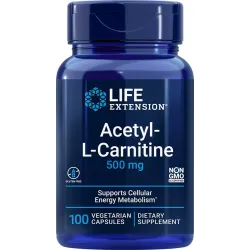
Acetyl-L-Carnitine
Price: 28,98 €Supports cellular energy metabolism Helps maintain cellular energy... -
Related posts
-
 Is Conventional Pomegranate Extract Enough?
An abundance of clinical data has established pomegranate as a broad-spectrum, multi-modal defense against the...
Is Conventional Pomegranate Extract Enough?
An abundance of clinical data has established pomegranate as a broad-spectrum, multi-modal defense against the... -
Feed Your Brain!
Millions of people around the world are adhering to low-fat, low-cholesterol diets in an effort to reduce the impact...
-
Lipoic Acid Reverses Mitochondrial Decay
It is estimated that 85% of the oxygen contained in every breath you take is consumed by the mitochondria within each...
-
Vitamin C and Dihydroquercetin
Every day, our bodies are under continual assault by damaging agents known as free radicals. Generally, both internal...
-
How Resveratrol Combats Leading Causes of Death
In 1997, the first scientific paper on resveratrol was published showing that this polyphenol could prevent cancer in...