
 English
 Polski
 Deutsch
 Français
 ελληνικά
 Español
 Italiano
Rebuild Aging Joints!
 Osteoarthritis—the age-related degradation of joint cartilage and bone—accounts for 25% of all visits to primary care physicians in North America.1
Most doctors today consider this debilitating condition to be progressive and incurable.
Life Extension® members know better.
In this article, you will learn about UC-II®, or undenatured type II collagen, a novel intervention for both rheumatoid and osteoarthritis. Because of its unique molecular characteristics, UC-II® acts as a kind of "reverse vaccine," one that regulates the immune system so that it stops over-reacting to proteins normally found in joint cartilage.
You will also find compelling data from animal and human studies demonstrating how UC-II® improves mobility, reduces pain, and enhances quality of life for arthritis sufferers. Just a small dose each day of this patented type II collagen helped restore knee function in an 88-year-old woman previously disabled by osteoarthritic pain!2
More than 52 million Americans suffer from some form of arthritis—that's 23% of the entire adult population.3 "Arthritis" is a collective term for a group of debilitating diseases, the most common of which is osteoarthritis, which afflicts more than 21 million adults in the US.3,4 Osteoarthritis costs our economy roughly $60 billion annually.4
Despite the fact that half of all prescriptions for non-steroidal anti-inflammatory drugs (NSAIDS) such as ibuprofen are written for osteoarthritis, those drugs do nothing more than transiently blunt the pain—they have no long-term impact on the disease itself.4
This report is about UC-II®, or undenatured type II collagen. Because of its unique molecular characteristics, UC-II® acts as a kind of "reverse vaccine," one that regulates the immune system so that it stops over-reacting to proteins normally found in joint cartilage.5,6 You will understand the pathology behind osteoarthritis and rheumatoid arthritis and how the immune system attacks joint components to inflict pain and disability in those conditions. You will learn how UC-II® interferes with that process and "teaches" inflammation-generating cells to ignore healthy cartilage, thereby reducing joint destruction.
Your Joints in Health and in Sickness
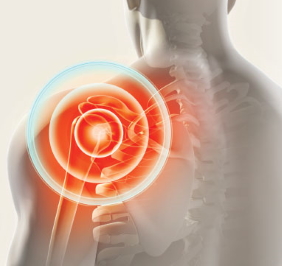 Human joints, like those of all higher animals, are designed to allow for smooth movement of bones on both sides of the joint space. To do that, joints are lined with a smooth, glistening substance called cartilage, which acts as both a lubricant and a shock-absorber. Cartilage is composed of a variety of biomolecules including proteins, water, and small molecules that help reduce friction and keep joints healthy. One of those proteins is collagen, which makes up the bulk of the cartilage in your joints.
The two major forms of arthritis, osteoarthritis and rheumatoid arthritis, both involve destruction and loss of integrity of invaluable cartilage in your joint surfaces.4,7,8 Osteoarthritis was long thought to be a consequence of simple "wear and tear" on joints (and hence largely inevitable).7 Rheumatoid arthritis, on the other hand, was recognized as an inflammatory autoimmune disease that arises when the body mistakenly attacks its own tissues, in this case the joint linings and cartilage.7
We now understand, however, that over-activation of the immune system, and an inflammatory assault on joint cartilage, is an event common to both major forms of arthritis.8
Let's start with a look at what occurs during osteoarthritis, which arises typically in the later years of life.
The hips and knees, especially, must bear most of our body weight and are subject to repetitive movements with each step we take. These large joints in the lower half of our bodies take the greatest beating.
Young, healthy joints bear up well under that punishment, but with advancing age we gradually lose function. Tiny traumas, unnoticeable to a young person, gradually wear away at the smooth cartilage surface, eventually exposing its collagen to immune system cells.4,8
And that's when trouble begins.
Normally shielded from the immune system, those exposed collagen fibers are now falsely identified by immune cells as "new," or "foreign."8 Incorrectly sensing an invasion by a possible enemy, the immune system reacts, producing inflammatory cytokines that draw in more "killer" T-cells.9 Those cells barrage the offending cartilage with toxic chemicals in a misguided attempt to destroy it, creating oxidative stress and further inflammation in the process.
Sustained for long enough, this assault begins to literally eat away at lubricating, shock-absorbing cartilage.
 The result is pain, often accompanied by a sense of friction or grinding with joint movement. The pain in osteoarthritis is often constant, but worsened by w
alking or standing (any form of weight-bearing), and it improves somewhat with rest.4,10 Patients with osteoarthritis often experience joint stiffness or even immobility after periods of inactivity, such as in the morning or after watching a long movie.4
Rheumatoid arthritis, unlike osteoarthritis, is not related directly to joint use or "wear and tear," and therefore arises much earlier in life. Rheumatoid arthritis is an autoimmune disorder in which joint structures such as cartilage and synovial membranes are falsely identified as "enemies" by the immune system.11 But, just as with osteoarthritis, the end result is activation of "killer" T-cells by exposed collagen, destruction of joint surfaces, and ultimately pain and loss of function.7,11
So, in both osteoarthritis and rheumatoid arthritis, the chief culprit is exposed collagen and the ensuing attack by sensitized killer T-cells.6,7 But what if a way could be found to regulate killer T-cells before they encountered exposed collagen? That might have the effect of "teaching" them to ignore those vulnerable collagen strands, sparing the joint an onslaught of destructive inflammation.
It turns out that it is indeed possible to regulate those killer T-cells using a simple biological product from a time-honored home remedy.
Chicken Cartilage Suppresses Joint Inflammation
In 2000, scientists at Nebraska Medical Center made a surprising discovery. They found that chicken soup inhibited the attraction of immune system cells called neutrophils to a site of inflammation.12 On further study, they found that it was not the vegetables, but a soluble component of the chicken broth itself that had this anti-inflammatory activity.
It only makes sense that the soluble component turned out to be collagen itself—the chief component of joint cartilage.
UC-II® Induces Specific Oral Tolerance, Provides Powerful Joint Protection
 Remember that, although rheumatoid arthritis and osteoarthritis are different diseases, they share a common feature: an over-active immune response to exposed collagen. There's now a compelling body of evidence to show that, by inducing oral tolerance to exposed collagen in arthritic joints, UC-II® can relieve symptoms and contribute to enhanced function in the painful joints that typify both conditions.
Since rheumatoid arthritis is an autoimmune condition, it is ripe for intervention by blunting the excessive immune response. Researchers at Harvard's Beth Israel Hospital in Boston have studied UC-II® extensively in patients with rheumatoid arthritis. In one study of 60 patients with active rheumatoid arthritis, a decrease in the number of swollen and tender joints was found in subjects who supplemented with UC-II® for 3 months, but not in placebo recipients.11 Still more remarkably, 14% of those patients receiving UC-II® achieved complete remission of the disease, an unusual finding for any form of treatment. Similar results were obtained in a much larger trial of 274 patients with active rheumatoid arthritis.13
The Harvard group next studied patients with juvenile rheumatoid arthritis, a particularly aggressive form of the disease that begins in childhood. Ten patients supplemented with UC-II® for 12 weeks.14 Eight patients responded to treatment, experiencing average reductions in numbers of swollen and tender joints of 61% and 54%, respectively. Importantly, no serious adverse events were reported in this or any other human study.
More recently, researchers have begun to wonder if UC-II® might also offer benefits in treatment of osteoarthritis, which is increasingly being understood as a disease in which immune response to exposed collagen is a factor. A large number of studies have been done in dogs and horses, animals that are especially prone to arthritis caused by obesity, aging, genetic predispositions, and injuries, all conditions shared with humans who have osteoarthritis.5,6,15
Several dog studies have shown significant improvements in overall pain and pain during limb manipulation, following 90 days of supplementation with UC-II®.15,16 In one large study of horses, UC-II® supplementation reduced overall observed pain by 88%, and pain on limb manipulation by 78%.6 When UC-II® supplementation is withdrawn, pain and exercise-associated lameness promptly return.15
Other studies have shown that UC-II® is superior to the combination of chondroitin and glucosamine sulfate.5,6 Interesting, however, are findings showing that combining UC-II® with glucosamine and chondroitin reduced pain and increased function in arthritic animals.5,6 That's especially important for humans, in whom glucosamine and chondroitin can help repair damaged joints, while UC-II® can prevent further damage.17-19
 In mid-2011, a high-tech approach to measuring joint pain and function in dogs was used to study the impact of UC-II® among a group of moderately arthritic dogs.20 A "ground force plate" was used to measure directly the amount of force and weight the animal was placing on the affected limb. This method improves accuracy of pain and functional assessment, compared with simple observation. Dogs were given placebo, UC-II®, glucosamine plus chondroitin or both UC-II® and glucosamine/chondroitin. All dogs (except placebo recipients) demonstrated reduced pain by observation. The ground force plate revealed that dogs supplemented only with UC-II® were able to place more weight on the sore limbs and use them more naturally. Improvement continued until the study was stopped at 150 days.
A large human study of UC-II® in osteoarthritis showed similarly impressive results. Fifty-two adults (average age 59 years) with osteoarthritis were randomly assigned to receive either two 20 mg capsules of UC-II®, or four capsules each containing 375 mg glucosamine and 300 mg chondroitin sulfate (2 in the morning and 2 at night).4 All patients were assessed at 30-day intervals for a total of 90 days.
The results were impressive, with mean pain scores on the standardized "WOMAC" scale being reduced after 90 days by 33% in the UC-II® group, and only a more modest reduction of 14% in the glucosamine/chondroitin group.4 Similarly, pain scores on the visual analog scale (VAS) dropped by 40% as compared with just 15% in the glucosamine/chondroitin group. Equally importantly, the UC-II® group's scores declined continuously through the study, while the glucosamine/chondroitin group, after initial improvement, showed no further beneficial effects.
UC-II® supplements also reduced functional impairments such as "pain while up from sitting," and "maximum distance walked." Finally, within the first 30 days, 89% of glucosamine/chondroitin recipients needed "rescue medication" with a painkiller drug, while only 33% of UC-II® recipients turned to medication.4 Both of these findings suggest a significant improvement in quality of life in patients afflicted with osteoarthritis.
 Arthritis pain afflicts millions of Americans, while joint destruction can lead to crippling impairment.
- No completely safe and effective medication is available to treat osteoarthritis or rheumatoid arthritis, the two most common forms of the disease.
- Both osteoarthritis and rheumatoid arthritis are set off when killer T-cells of the immune system attack exposed collagen fibers in joint cartilage, triggering an inflammatory response that leads to further joint destruction.
- Oral ingestion of undenatured type II collagen (UC-II®) presents healthy collagen fibers to killer T-cells in specialized "training areas" in the intestine, "teaching" them to ignore exposed collagen in your joints.
- Clinical studies reveal that UC-II® supplementation produces marked relief from joint pain, swelling, and loss of function in both osteoarthritis and rheumatoid arthritis.
- People suffering from the joint pain and stiffness of arthritis should consider adding UC-II® to their joint health program.
How Undenatured Collagen Works
 Immune system T-cells are tasked with recognizing and distinguishing between "self" molecules and "foreign" ones. They do this important work by responding to very specific molecular shapes and 3-dimensional structures.7 If T-cells in the blood are simply exposed, without any "training," to a previously unrecognized protein structure (such as those found on joint collagen) they react violently and trigger a massive inflammatory response to destroy the protein.21
Indeed, when scientists want to create an animal model of arthritis, they inject collagen into their subjects, sensitizing the T-cells in their blood to the protein.22 Those circulating T-cells set up inflammation in the animal's joints, with their rich supplies of collagen.
If T-cells are given adequate preparation, however, they can be "taught" that a specific molecule is a friend rather than a foe. Where does such T-cell "training" take place?
In the intestinal tract, specifically the lower end of the small intestine, which is rich in collections of immune tissue called Peyer's patches. Peyer's patches are veritable academies for T-cells, exposing them to all sorts of molecular shapes that are natural components of the food we eat.23 In that fashion, we desensitize our immune systems and develop a natural tolerance to new foods without having constant allergic or inflammatory reactions.23
So, by providing native collagen of the right 3-dimensional structure to the digestive tract, rather than to the bloodstream directly, we can "educate" our T-cells to ignore collagen when they encounter it in joints.7,24 Scientists say that we have developed oral tolerance to collagen.25,26
And oral tolerance to collagen powerfully suppresses joint inflammation, as has been shown in numerous laboratory studies.24,27,28 Oral administration of soluble type II collagen even prevents arthritis induced experimentally by collagen injections.25,28
But not just any collagen will do. Typical commercial processing causes collagen to become denatured, uncoiling from its normal helical shape and losing its 3-dimensional structure. Denatured collagen has no beneficial effects on joint inflammation.28
A more natural form of collagen, called undenatured type II collagen, or UC-II®, has recently been developed. UC-II® is a highly effective product derived from chicken breast cartilage, a rich source of natural collagen.29 UC-II® retains its original 3-dimensional molecular structure, keeping it recognizable by T-cells in Peyer's patches. And UC-II® is robust enough to survive the harsh conditions in the stomach and small intestine, arriving at Peyer's patches with its molecules intact.7
 An 88-year-old female presented with knee cartilage degeneration, severe pain, and bone spurs. Her doctors advised that she undergo total knee replacement surgery as the best option.2
Total knee replacement comes with significant risks and complications, especially in maturing individuals. These include:
- Blood clots in the legs that can travel to the lungs (pulmonary embolism)
- Urinary tract infection
- Nausea and vomiting (related to pain medication)
- Chronic knee pain and stiffness
- Bleeding into the knee joint
- Nerve damage
- Blood vessel injury
- Infection of the knee, which can require re-operation
Ultimately the patient opted for the recommended 40 mg per day dose of a proprietary ingredient supplying 10 mg of undenatured type II collagen. Within three years, at age 91, she achieved restored mobility and is able to climb five flights of stairs without aid or rest.
Summary
Arthritis impairs or cripples tens of millions of Americans, and until now no truly effective medical treatment has been available. Sufferers have had to rely instead on over-the-counter or prescription drugs with limited effectiveness and significant side effects.
A new form of treatment, based on induction of oral tolerance to exposed collagen, is now available. A simple daily oral supplement with highly purified, undenatured type II collagen from chicken breast cartilage can "teach" your immune system's killer T-cells to stop reacting to exposed cartilage fibers in your joints. That stops the inflammatory cascade that leads to joint destruction, pain, and loss of function.
Clinical trials show that UC-II® is superior to placebo and even to the joint-nourishing combination of glucosamine plus chondroitin. If you suffer from painful, debilitating arthritis, you should consider adding UC-II® to your joint health regimen.
Material used with permission of Life Extension. All rights reserved.
[1] Hasan M, Shuckett R. Clinical features and pathogenetic mechanisms of osteoarthritis of the hip and knee. BCMJ. 2010 Oct;52(8):393-8.
[2] J. Perng, MD. Email communication. October 16, 2007.
[3] Available at: http://www.cdc.gov/nchs/fastats/arthrits.htm. Accessed August 10, 2011.
[4] Crowley DC, Lau FC, Sharma P, et al. Safety and efficacy of undenatured type II collagen in the treatment of osteoarthritis of the knee: a clinical trial. Int J Med Sci. 2009;6(6):312-21.
[5] Crowley DC, Lau FC, Sharma P, et al. Safety and efficacy of undenatured type II collagen in the treatment of osteoarthritis of the knee: a clinical trial. Int J Med Sci. 2009;6(6):312-21.
[6] Bagchi D, Misner B, Bagchi M, et al. Effects of orally administered undenatured type II collagen against arthritic inflammatory diseases: a mechanistic exploration. Int J Clin Pharmacol Res. 2002;22(3-4):101-10.
Heinegard D, Saxne T. The role of the cartilage matrix in osteoarthritis. Nat Rev Rheumatol. 2011 Jan;7(1):50-6.
[7] Bagchi D, Misner B, Bagchi M, et al. Effects of orally administered undenatured type II collagen against arthritic inflammatory diseases: a mechanistic exploration. Int J Clin Pharmacol Res. 2002;22(3-4):101-10.
[8] Heinegard D, Saxne T. The role of the cartilage matrix in osteoarthritis. Nat Rev Rheumatol. 2011 Jan;7(1):50-6.
[9] Heinegard D, Saxne T. The role of the cartilage matrix in osteoarthritis. Nat Rev Rheumatol. 2011 Jan;7(1):50-6.
[10] Heinegard D, Saxne T. The role of the cartilage matrix in osteoarthritis. Nat Rev Rheumatol. 2011 Jan;7(1):50-6.
[11] Cohen ES, Bodmer HC. Cytotoxic T lymphocytes recognize and lyse chondrocytes under inflammatory, but not non-inflammatory conditions. Immunology. 2003 May;109(1):8-14.
[12] Recommendations for the medical management of osteoarthritis of the hip and knee: 2000 update. American College of Rheumatology Subcommittee on Osteoarthritis Guidelines. Arthritis Rheum. 2000 Sep;43(9):1905-15.
[13] Crowley DC, Lau FC, Sharma P, et al. Safety and efficacy of undenatured type II collagen in the treatment of osteoarthritis of the knee: a clinical trial. Int J Med Sci. 2009;6(6):312-21.
[14] Trentham DE, Dynesius-Trentham RA, Orav EJ, et al. Effects of oral administration of type II collagen on rheumatoid arthritis. Science. 1993 Sep 24;261(5129):1727-30.
[15] Bagchi D, Misner B, Bagchi M, et al. Effects of orally administered undenatured type II collagen against arthritic inflammatory diseases: a mechanistic exploration. Int J Clin Pharmacol Res. 2002;22(3-4):101-10.
[16] Rennard BO, Ertl RF, Gossman GL, Robbins RA, Rennard SI. Chicken soup inhibits neutrophil chemotaxis in vitro. Chest. 2000 Oct;118(4):1150-7.
[17] Trentham DE, Dynesius-Trentham RA, Orav EJ, et al. Effects of oral administration of type II collagen on rheumatoid arthritis. Science. 1993 Sep 24;261(5129):1727-30.
[18] Barnett ML, Kremer JM, St Clair EW, et al. Treatment of rheumatoid arthritis with oral type II collagen. Results of a multicenter, double-blind, placebo-controlled trial. Arthritis Rheum. 1998 Feb;41(2):290-7.
[19] Barnett ML, Combitchi D, Trentham DE. A pilot trial of oral type II collagen in the treatment of juvenile rheumatoid arthritis. Arthritis Rheum. 1996 Apr;39(4):623-8.
[20] Deparle LA, Gupta RC, Canerdy TD, et al. Efficacy and safety of glycosylated undenatured type-II collagen (UC-II®) in therapy of arthritic dogs. J Vet Pharmacol Ther. 2005 Aug;28(4):385-90.
[21] Peal A, D’Altilio M, Simms C, et al. Therapeutic efficacy and safety of undenatured type-II collagen (UC-II®) alone or in combination with (-)-hydroxycitric acid and chromemate in arthritic dogs. J Vet Pharmacol Ther. 2007 Jun;30(3):275-8.
[22] Gupta RC, Canerdy TD, Skaggs P, et al. Therapeutic efficacy of undenatured type-II collagen (UC-II®) in comparison to glucosamine and chondroitin in arthritic horses. J Vet Pharmacol Ther. 2009 Dec;32(6):577-84.
[23] Deparle LA, Gupta RC, Canerdy TD, et al. Efficacy and safety of glycosylated undenatured type-II collagen (UC-II®) in therapy of arthritic dogs. J Vet Pharmacol Ther. 2005 Aug;28(4):385-90.
[24] Gupta RC, Canerdy TD, Skaggs P, et al. Therapeutic efficacy of undenatured type-II collagen (UC-II®) in comparison to glucosamine and chondroitin in arthritic horses. J Vet Pharmacol Ther. 2009 Dec;32(6):577-84.
[25] D’Altilio M, Peal A, Alvey M, et al. Therapeutic efficacy and safety of undenatured type II collagen singly or in combination with glucosamine and chondroitin in arthritic dogs. Toxicol Mech Methods. 2007;17(4):189-96.
[26] Jerosch J. Effects of Glucosamine and chondroitin sulfate on cartilage metabolism in OA: outlook on other nutrient partners especially omega-3 fatty acids. Int J Rheumatol. 2011;2011:969012.
Sawitzke AD, Shi H, Finco MF, et al. The effect of glucosamine and/or chondroitin sulfate on the progression of knee osteoarthritis: a report from the glucosamine/chondroitin arthritis intervention trial. Arthritis Rheum. 2008 Oct;58(10):3183-91.
[27] Gupta RC, Canerdy TD, Lindley J, et al. Comparative therapeutic efficacy and safety of type-II collagen (uc-II®), glucosamine and chondroitin in arthritic dogs: pain evaluation by ground force plate. J Anim Physiol Anim Nutr (Berl). 2011 May 30.
[28] Cremer MA, Rosloniec EF, Kang AH. The cartilage collagens: a review of their structure, organization, and role in the pathogenesis of experimental arthritis in animals and in human rheumatic disease. J Mol Med (Berl). 1998 Mar;76(3-4):275-88.
[29] Corthay A, Backlund J, Broddefalk J, et al. Epitope glycosylation plays a critical role for T cell recognition of type II collagen in collagen-induced arthritis. Eur J Immunol. 1998 Aug;28(8):2580-90.
[30] Meyer O. Oral immunomodulation therapy in rheumatoid arthritis. Joint Bone Spine. 2000;67(5):384-92
[31] Park KS, Park MJ, Cho ML, et al. Type II collagen oral tolerance; mechanism and role in collagen-induced arthritis and rheumatoid arthritis. Mod Rheumatol. 2009;19(6):581-9.
[32] Min SY, Park KS, Cho ML, et al. Antigen-induced, tolerogenic CD11c+,CD11b+ dendritic cells are abundant in Peyer’s patches during the induction of oral tolerance to type II collagen and suppress experimental collagen-induced arthritis. Arthritis Rheum. 2006 Mar;54(3):887-98.
Weiner HL. Oral tolerance: immune mechanisms and treatment of autoimmune diseases. Immunol Today. 1997 Jul;18(7):335-43.
[33] Zhu P, Li XY, Wang HK, et al. Oral administration of type-II collagen peptide 250-270 suppresses specific cellular and humoral immune response in collagen-induced arthritis. Clin Immunol. 2007 Jan;122(1):75-84.
Nagler-Anderson C, Bober LA, Robinson ME, Siskind GW, Thorbecke GJ. Suppression of type II collagen-induced arthritis by intragastric administration of soluble type II collagen. Proc Natl Acad Sci U S A. 1986 Oct;83(19):7443-6.
[34] Nagler-Anderson C, Bober LA, Robinson ME, Siskind GW, Thorbecke GJ. Suppression of type II collagen-induced arthritis by intragastric administration of soluble type II collagen. Proc Natl Acad Sci U S A. 1986 Oct;83(19):7443-6.
[35] Zhao W, Tong T, Wang L, et al. Chicken type II collagen induced immune tolerance of mesenteric lymph node lymphocytes by enhancing beta2-adrenergic receptor desensitization in rats with collagen-induced arthritis. Int Immunopharmacol. 2011 Jan;11(1):12-8.
[36] Bagchi D, Misner B, Bagchi M, et al. Effects of orally administered undenatured type II collagen against arthritic inflammatory diseases: a mechanistic exploration. Int J Clin Pharmacol Res. 2002;22(3-4):101-10.
[37] rowley DC, Lau FC, Sharma P, et al. Safety and efficacy of undenatured type II collagen in the treatment of osteoarthritis of the knee: a clinical trial. Int J Med Sci. 2009;6(6):312-21.
[38] Crowley DC, Lau FC, Sharma P, et al. Safety and efficacy of undenatured type II collagen in the treatment of osteoarthritis of the knee: a clinical trial. Int J Med Sci. 2009;6(6):312-21.
[39] J. Perng, MD. Email communication. October 16, 2007.
Related products
-
ArthroMax® Advanced with NT2 Collagen™ &...
Price: 30,05 €Comprehensive joint health, comfort, and mobility formula Promotes joint... -
Collagen UC-II®
Price: 26,92 €UC-II Collagen protects against arthritis and more A Type II Collagen...
Related posts
-
 Next-Generation Nutrients for Rapid Relief of Joint Pain
In recent years, adults seeking relief from the crippling pain of arthritis have had to choose between expensive,...
Next-Generation Nutrients for Rapid Relief of Joint Pain
In recent years, adults seeking relief from the crippling pain of arthritis have had to choose between expensive,... -
Vitamin C and Dihydroquercetin
Every day, our bodies are under continual assault by damaging agents known as free radicals. Generally, both internal...
-
Autoimmune Diseases part 1
Autoimmune diseases are characterized by the body's immune responses being directed against its own tissues, causing...
-
Autoimmune Diseases part 2
In a healthy body, circulating antibodies attack and destroy pathogenic invaders by means of humoral or cell-mediated...
-
Green Tea
Scientific research on the health benefits of green tea is expanding exponentially, with more than 1,500 articles...