
 English
 Polski
 Deutsch
 Français
 ελληνικά
 Español
 Italiano
How Aging Humans Can Slow and Reverse Atherosclerosis
 Scientists long ago documented the ability of HDL (high-density lipoprotein) to remove cholesterol affixed to arterial walls and transport it to the liver for safe disposal.
This is why it is so important to maintain HDL levels above 50 mg/dL of blood and follow steps Life Extension® has outlined to ensure optimal reverse cholesterol transport of lipids away from the arterial wall.
HDL does more than just cleanse arterial walls of plaque. It also protects LDL against oxidation, while inhibiting chronic inflammation, vascular adhesion molecules, and platelet activation—factors that can all lead to atherosclerosis.
For HDL to perform its vital functions, an enzyme called paraoxonase-1 (PON-1) is attached to its surface.
As humans age, PON-1 levels markedly decline, thereby reducing the ability of HDL to protect against heart attack and stroke. This phenomenon helps explain the onset of accelerated atherosclerosis; where within a period of only a few years, an aging person’s healthy arteries rapidly occlude with plaque.
The age-related reduction in PON-1 may also explain studies showing that statin drugs lose their benefit in certain aging populations, since the effects of statins are no longer sufficient to protect against the multiple factors involved in the development of atherosclerosis in the elderly.1-3
Lipid peroxidation is a free radical reaction that severely damages cell membranes and is implicated in a host of degenerative diseases. PON-1 blocks destructive lipid peroxidation reactions,4-7 making it a crucial enzyme for aging humans to maintain.
PON-1 is anchored to the surface of HDL and is emerging as a formidable defense against atherosclerosis, diabetes, stroke, arthritis, and certain forms of cancer.
Pharmaceutical companies would pay a king’s ransom for a drug that elevates PON-1 levels in the body. Fortunately, scientists have discovered low-cost natural methods to elevate PON-1 and unleash its full antioxidant and anti-inflammatory power.
This article uncovers research substantiating the anti-aging effects of PON-1—and how nutrients that most Life Extension members already take boost PON-1 activity for maximum benefit.
Reduce Your Cardiac Risk Factors
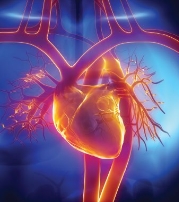 Atherosclerosis is a leading cause of death in the Western world.8 A growing body of clinical evidence suggests that PON-1 (paraoxonase-1) may very well serve as one of the body’s primary defenses against it.
PON-1 is an enzyme produced in the liver and released into the blood, where it attaches exclusively to the HDL molecule.9 As an enzymatic engine that supports HDL’s beneficial action, PON-1 has been shown to inhibit the accumulation of lipoperoxides in LDL cholesterol—the process that results in oxidized LDL’s accumulation on arterial walls, leading to deadly hardening of the arteries.5,6,10
losesits ability to prevent LDL oxidation over time—and there is evidence that an age-related drop in serum PON-1 levels may be part of the reason.11 By preserving HDL’s integrity, activity, and efficacy, PON-1 helps HDL protect arterial health.
PON-1 selectively breaks down oxidized fats, acting as a “cleanup” system to prevent oxidized molecules from triggering inflammatory cells in the blood5,6,12 (one of the mechanisms of action behind HDL’s heart-protective benefit).13 Increases in PON-1 activity after red wine consumption provided some of the first clues to why red wine, and specifically its active component, resveratrol, are protective against cardiovascular diseases.14-16
In mice genetically engineered to lack the PON-1 gene, scientists have found a dramatic increase in oxidative stress on macrophages, immune cells that can become laden with oxidized lipids and contribute to a pro-atherogenic cascade of inflammation in vessel walls.4
Similarly, humans with low PON-1 levels are at substantially increased risk for cardiovascular events compared with those who have normal levels.17 Healthy humans endowed with the most active genetic expression of PON-1 also display enhanced protective responses to natural antioxidants.10,18 New methods of measuring PON-1 activity in the blood show that it is correlated to coronary artery disease risk, regardless of lipid profiles or lipid-lowering therapy.19
PON-1 is more closely related to cardiovascular risk in individuals already at high risk for atherosclerosis. People with chronic kidney disease on hemodialysis, for example, have 30% less PON-1 activity than normal, which produces a startling 127% decrease in their HDL’s antioxidant function.20 PON-1 levels, in fact, are an accurate predictor of cardiovascular mortality in kidney hemodialysis patients. Lower than average PON-1 levels were not only predictive of cardiovascular mortality, but also of all-cause mortality.7
In addition to its ability to protect HDL against oxidation, PON-1 has also been shown to hydrolyze (break apart) homocysteine thiolactones,21 which are responsible for damage to blood vessels. So PON-1 on its own is a blood vessel protector.
Evidence from animal research on PON-1 uniformly shows that PON-1 is protective against atherosclerosis. However, it has not been possible to definitively determine if decreased PON-1 activity is the cause of cardiovascular events, or a reflection of the events themselves.6 Prospective studies are needed to make this determination. Until now, there has been only one such study, and it clearly showed that low PON-1 in the blood was an independent risk factor for coronary events in men with pre-existing coronary artery disease.22
However, the increasingly persuasive substantiation of the relationship between PON-1 and a broad spectrum of cardiac risk factors has prompted researchers to deem this enzyme “a player in cardiovascular medicine”23 and “an important target for future pharmacological agents aimed at decreasing cardiovascular risk.”9
A Potent Weapon Against Diseases of Aging
 With the boom in scientific interest in PON-1 over the past two decades,23 the documented range of its disease-fighting modes of operation in the body continues to broaden. As leading researcher Janice E. Chambers of Mississippi State University puts it, PON-1 has emerged as a “multitasking protein.”24
A growing roster of chronic, age-related conditions has been associated with dangerously low PON-1 levels. They also happen to be associated with significantly elevated levels of lipid peroxidation. This in turn increases the amount of PON-1 the aging body needs to compensate for the onslaught of oxidative damage to healthy cells.
To take one example, researchers have recently discovered that overweight individuals and those suffering from metabolic syndrome display a demonstrable decrease in PON-1 activity, rendering them still more vulnerable to cardiovascular disease.25,26
PON-1 plays a number of essential roles in preventing diabetes and its consequences, particularly in managing the postprandial (after-meal) spikes in blood sugar that produce deadly advanced glycation end products (AGEs). When blood sugar levels rise, liver production of PON-1 increases as well, possibly to compensate for the oxidative stress induced by glucose.27
This appears to be the reason why PON-1 levels increase following a meal in non-diabetic people, preventing oxidation levels in healthy tissue from rising.28 But in diabetics and people with impaired glucose tolerance (pre-diabetics), oxidation products rise rapidly after eating. Diabetics actually have a significant decrease in postprandial PON-1 concentrations, further boosting their risk for cardiovascular disease.28
Helicobacter pylori—a bacterium closely associated with ulcers and cancer of the stomach—also suffer from elevated oxidative stress, lower PON-1 levels, and increased risk of atherosclerosis.29 People with high homocysteine may have dysfunctional HDL molecules characterized by reduced PON-1 activity, which appears to account in part for their higher cardiovascular risk.30
Even those with seemingly unrelated diseases of aging—including osteoarthritis and age-related macular degeneration (AMD)—exhibit diminished PON-1 activity.31,32 High LDL and low HDL cholesterol levels commonly occur in individuals with AMD, further increasing susceptibility to lipid peroxidation and cardiovascular disease.
- Lipid peroxidation—the continuous onslaught of free radical damage to cell membranes—is a primary aging factor implicated in a host of degenerative diseases.
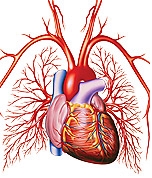
- A little-known enzyme called PON-1 has drawn increasing scientific interest because of its demonstrated ability to block lipid peroxidation.
- Individuals suffering from obesity, metabolic syndrome, diabetes, elevated homocysteine, and other inflammatory conditions have been shown to have low PON-1 levels.
- A correlation has been demonstrated between PON-1 levels and cardiovascular disease risk.
- Pomegranate and its extracts have been shown to powerfully increase PON-1 levels and activity in the blood.
- This effect is achieved through upregulation of PON-1 genes, stabilization of PON-1 levels, and protection from oxidative damage.
- Strong scientific evidence points to pomegranate’s PON-1-boosting effects as a key reason for its cardioprotective effect.
- Resveratrol and quercetin are also emerging as potential PON-1 boosters.
How to Boost Your PON-1 Levels
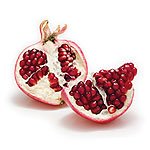 The most recent research indicates that pomegranate and its extracts can significantly elevate levels of PON-1 activity in the body. Pomegranate does this through a number of distinct biomolecular pathways that include combating inflammation and LDL adhesion and favorably modulating gene expression.
Pomegranate extracts reduce oxidation and inflammation largely through their effect on PON-1 activity, intervening at each step in the development of atherosclerosis.33
Atherosclerosis begins with oxidation of LDL cholesterol. Damaged LDL “clumps” together and accumulates in specialized immune system cells called foam cells. The foam cells invade blood vessel walls, triggering inflammatory responses and the formation of early atherosclerotic plaque.
Inflamed plaque attracts clot-forming platelets, leading ultimately to a narrowing of blood vessels that restricts blood flow. When inflamed plaques rupture—or clots form that block blood flow entirely—tissue dies, producing a heart attack or stroke, depending on location.
A dedicated group of Israeli researchers led the way in detailing how pomegranate disrupts atherosclerosis formation at each of these developmental phases—and the crucial role PON-1 plays in this process. They began with a landmark study in 2000 that focused on pomegranate’s antioxidant properties.
The team started with a group of healthy male volunteers, along with laboratory mice genetically engineered to develop atherosclerosis.33 When human subjects consumed pomegranate juice for 2 weeks, the researchers found dramatic reductions in LDL “clumping” and retention in vessels, accompanied by a 20% increase in PON-1 activity. In the atherosclerosis-prone mice, a 90% reduction in oxidation of LDL cholesterol was seen. Supplemented mice also developed atherosclerotic lesions 44% smaller than unsupplemented controls, an effect attributed to reduction in the number of inflammatory foam cells.
The Israeli researchers went on to show that concentrated pomegranate extract and pomegranate juice induced profoundly protective effects—even in mice with advanced atherosclerosis.34 Pomegranate not only reduced accumulation of oxidized fat in macrophages within cells—it reversed it, boosting the outflow of cholesterol by 39%! In other words, pomegranate may be able to interrupt and even reverse atherosclerosis, not just prevent it.
After the Israeli group’s landmark discoveries, additional supportive evidence emerged. The scientists found that pomegranate polyphenols accumulated inside of the arterial macrophages (immune cells) that absorb LDL cholesterol, preventing them from oxidizing their LDL burden and keeping them from turning into dangerous foam cells.35 They also observed that pomegranate-induced elevation in PON-1 activity stimulated the breakdown of existing oxidized LDL cholesterol—even in atherosclerotic plaques that have already formed.
Additional findings of interest were evinced in patients with carotid artery stenosis,36 a narrowing of the main blood vessels supplying the brain. These individuals are at very high risk for stroke.
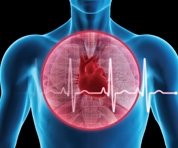 After one year, patients in this study given pomegranate experienced an 83% increase in PON-1 levels and their oxidized LDL levels consequently fell by a remarkable 90%. The placebo group worsened by 9% whereas carotid artery narrowing was reversed by 30% in the pomegranate supplemented patients. This translates to a significant increase in blood flow to the brain in those using pomegranate. Both groups continued taking their conventional medications.36
PON-1’s capacity to powerfully inhibit lipid peroxidation in this pomegranate study cohort appears to have resulted in substantial reduction in stroke risk for patients with atherosclerosis. Other benefits were seen as well: serum levels of antibodies directed against oxidized LDL (important contributors to the inflammatory component of atherosclerosis) fell by 19%, while total plasma antioxidant status rose by an astounding 130%. Systolic blood pressure was also reduced by 12% in supplemented patients over the course of a year.36
Evidence has also come to light for PON-1’s role in diabetes management through pomegranate consumption. When patients with type 2 diabetes were compared to healthy controls, their PON-1 levels were found to be depressed by 23%. When these same patients were given pomegranate juice (50 mL/day for 3 months), their serum PON-1 activity rose by 24%, helping restore it to healthy levels.37
In 2007, researchers discovered pomegranate polyphenols upregulated genes for PON-2 in LDL-scavenging macrophages.38 PON-2 is a molecule closely related to PON-1 that exerts similarly beneficial effects. The resulting increase in production of PON-2 directly improved these cells’ oxidative status.
Upregulation of PON-1 genes has also been documented in liver cells exposed to pomegranate polyphenols—a critical benefit, since liver cells are responsible for PON-1 production.39 In the past few years researchers have also demonstrated that pomegranate stabilizes PON-1’s molecular bond with beneficial HDL. PON-1 molecules can degrade over time, detaching from the “mother” HDL molecule. Pomegranate extracts have been shown to strengthen and support the molecular bond between PON-1 and HDL complexes—thereby protecting HDL from oxidative decay.40,41
Other PON-1 Enhancers
 Strong evidence has recently emerged for several compounds with known cardioprotective effects that may also favorably increase your PON-1 levels. Moderate consumption of wine, beer, and spirits is associated with an increase in PON-1 activity.42 Red wine polyphenols increase PON-1 activity and reduce LDL oxidation.16,43,44 Specifically, resveratrol, the best-known of the red wine polyphenols, exerts powerful control over the PON-1 gene, increasing PON-1 expression in human liver cells and protecting against atherosclerosis in animal models.45,46 (The liver is where PON-1 is produced in the body.)
Quercetin, another polyphenol found in red wine and many other plant sources, also upregulates PON-1 gene expression, protecting against LDL oxidation.47 Quercetin also possesses numerous mechanisms
pomegranate,it helps stabilize and preserve PON-1 activity against oxidative stress.48
Summary
Lipid peroxidation—free radical damage to healthy cell membranes—is a primary aging factor implicated in the onset of numerous degenerative diseases. PON-1 (paraoxonase-1) is an under-recognized enzyme attached to beneficial HDL that has been shown to block lipid peroxidation. Recent research suggests that PON-1 may serve as a formidable defense against numerous diseases of aging, including heart disease, metabolic syndrome, arthritis, and certain cancers.26,29,32,49,50 PON-1 levels decrease with advancing age, contributing to a decline in the cardioprotective effect of HDL. Pomegranate has been shown to elevate PON-1 activity and support its activity in the body. It has been shown to upregulate the gene that governs PON-1 production, increasing its output in liver cells and elevating its concentration in the blood. Pomegranate extracts protect and sustain PON-1 activity at the molecular level, preventing its degradation, and maintaining its bond within the HDL molecular complex. Emerging evidence suggests that resveratrol and quercetin may exert similar effects on PON-1 levels and activity.
Material used with permission of Life Extension. All rights reserved.
1. Okumachi Y, Yokono K. Anti-aging medicine: the evidence to the value of the antihypertensive drugs, hypoglycemic drugs and statins. Nippon Rinsho. 2009 Jul;67(7):1372-6.
2. Kekes E. Combined antihypertensive and antilipemic therapy as one of the pillars in the poly-pharmacologic preventive strategy for patients with high cardiovascular risk. Orv Hetil. 2008 Sep 28;149(39):1827-37.
3. Gouedard C, Koum-Besson N, Barouki R, Morel Y. Opposite regulation of the human paraoxonase-1 gene PON-1 by fenofibrate and statins. Mol Pharmacol. 2003 Apr;63(4):945-56.
4. Rozenberg O, Rosenblat M, Coleman R, Shih DM, Aviram M. Paraoxonase (PON-1) deficiency is associated with increased macrophage oxidative stress: studies in PON-1-knockout mice. Free Radic Biol Med. 2003 Mar 15;34(6):774-84.
5. Leus FR, Wittekoek ME, Prins J, Kastelein JJ, Voorbij HA. Paraoxonase gene polymorphisms are associated with carotid arterial wall thickness in subjects with familial hypercholesterolemia. Atherosclerosis. 2000 Apr;149(2):371-7.
6. Watson AD, Berliner JA, Hama SY, et al. Protective effect of high density lipoprotein associated paraoxonase. Inhibition of the biological activity of minimally oxidized low density lipoprotein. J Clin Invest. 1995 Dec;96(6):2882-91.
7. Ikeda Y, Suehiro T, Itahara T, et al. Human serum paraoxonase concentration predicts cardiovascular mortality in hemodialysis patients. Clin Nephrol. 2007 Jun;67(6):358-65.
8. Available at: www.who.int/mediacentre/factsheets/fs317/en/index.html.Accessed December 18, 2009.
9. Soran H, Younis NN, Charlton-Menys V, Durrington P. Variation in paraoxonase-1 activity and atherosclerosis. Curr Opin Lipidol. 2009 Aug;20(4):265-74.
10. Bub A, Barth SW, Watzl B, Briviba K, Rechkemmer G. Paraoxonase 1 Q192R (PON-1-192) polymorphism is associated with reduced lipid peroxidation in healthy young men on a low-carotenoid diet supplemented with tomato juice. Br J Nutr. 2005 Mar;93(3):291-7.
11. Cakatay U, Kayali R, Uzun H. Relation of plasma protein oxidation parameters and paraoxonase activity in the ageing population. Clin Exp Med. 2008 Mar;8(1):51-7.
12. Mackness M, Boullier A, Hennuyer N, et al. Paraoxonase activity is reduced by a pro-atherosclerotic diet in rabbits. Biochem Biophys Res Commun. 2000 Mar 5;269(1):232-6.
13. Das DK. Cardioprotection with high-density lipoproteins: fact or fiction? Circ Res. 2003 Feb 21;92(3):258-60.
14. van der Gaag MS, van Tol A, Scheek LM, et al. Daily moderate alcohol consumption increases serum paraoxonase activity; a diet-controlled, randomised intervention study in middle-aged men. Atherosclerosis. 1999 Dec;147(2):405-10.
15. Noll C, Hamelet J, Matulewicz E, Paul JL, Delabar JM, Janel N. Effects of red wine polyphenolic compounds on paraoxonase-1 and lectin-like oxidized low-density lipoprotein receptor-1 in hyperhomocysteinemic mice. J Nutr Biochem. 2009 Aug;20(8):586-96.
16. Aviram M, Fuhrman B. Wine flavonoids protect against LDL oxidation and atherosclerosis. Ann N Y Acad Sci. 2002 May;957:146-61.
17. Ikeda Y, Inoue M, Suehiro T, Arii K, Kumon Y, Hashimoto K. Low human paraoxonase predicts cardiovascular events in Japanese patients with type 2 diabetes. Acta Diabetol. 2009 Sep;46(3):239-42.
18. Bub A, Barth S, Watzl B, et al. Paraoxonase 1 Q192R (PON-1-192) polymorphism is associated with reduced lipid peroxidation in R-allele-carrier but not in QQ homozygous elderly subjects on a tomato-rich diet. Eur J Nutr. 2002 Dec;41(6):237-43.
19. Martinelli N, Girelli D, Olivieri O, et al. Novel serum paraoxonase activity assays are associated with coronary artery disease. Clin Chem Lab Med. 2009;47(4):432-40.
20. Moradi H, Pahl MV, Elahimehr R, Vaziri ND. Impaired antioxidant activity of high-density lipoprotein in chronic kidney disease. Transl Res. 2009 Feb;153(2):77-85.
21. Jakubowski H, Ambrosius WT, Pratt JH. Genetic determinants of homocysteine thiolactonase activity in humans: implications for atherosclerosis. FEBS Lett. 2001 Feb 23;491(1-2):35-9.
22. Mackness B, Durrington P, McElduff P, et al. Low paraoxonase activity predicts coronary events in the Caerphilly Prospective Study. Circulation. 2003 Jun 10;107(22):2775-9.
23. van Himbergen TM, van Tits LJ, Roest M, Stalenhoef AF. The story of PON-1: how an organophosphate-hydrolysing enzyme is becoming a player in cardiovascular medicine. Neth J Med. 2006 Feb;64(2):34-8.
24. Chambers JE. PON-1 multitasks to protect health. Proc Natl Acad Sci U S A. 2008 Sep 2;105(35):12639-40.
25. Ferretti G, Bacchetti T, Masciangelo S, Bicchiega V. HDL-paraoxonase and Membrane Lipid Peroxidation: A Comparison Between Healthy and Obese Subjects. Obesity (Silver Spring). 2009 Oct 15.
26. Park KH, Shin DG, Kim JR, Hong JH, Cho KH. The functional and compositional properties of lipoproteins are altered in patients with metabolic syndrome with increased cholesteryl ester transfer protein activity. Int J Mol Med. 2010 Jan;25(1):129-36.
27. Ikeda Y, Suehiro T, Arii K, Kumon Y, Hashimoto K. High glucose induces transactivation of the human paraoxonase 1 gene in hepatocytes. Metabolism. 2008 Dec;57(12):1725-32.
28. Serin O, Konukoglu D, Firtina S, Mavis O. Serum oxidized low density lipoprotein, paraoxonase 1 and lipid peroxidation levels during oral glucose tolerance test. Horm Metab Res. 2007 Mar;39(3):207-11.
29. Aslan M, Nazligul Y, Horoz M, et al. Serum paraoxonase-1 activity in Helicobacter pylori infected subjects. Atherosclerosis. 2008 Jan;196(1):270-4.
30. Holven KB, Aukrust P, Retterstol K, et al. The antiatherogenic function of HDL is impaired in hyperhomocysteinemic subjects. J Nutr. 2008 Nov;138(11):2070-5.
31. Ates O, Azizi S, Alp HH, et al. Decreased serum paraoxonase 1 activity and increased serum homocysteine and malondialdehyde levels in age-related macular degeneration. Tohoku J Exp Med. 2009 Jan;217(1):17-22.
32. Soran N, Altindag O, Cakir H, Celik H, Demirkol A, Aksoy N. Assessment of paraoxonase activities in patients with knee osteoarthritis. Redox Rep. 2008;13(5):194-8.
33. Aviram M, Dornfeld L, Rosenblat M, et al. Pomegranate juice consumption reduces oxidative stress, atherogenic modifications to LDL, and platelet aggregation: studies in humans and in atherosclerotic apolipoprotein E-deficient mice. Am J Clin Nutr. 2000 May;71(5):1062-76.
34. Kaplan M, Hayek T, Raz A, et al. Pomegranate juice supplementation to atherosclerotic mice reduces macrophage lipid peroxidation, cellular cholesterol accumulation and development of atherosclerosis. J Nutr. 2001 Aug;131(8):2082-9.
35. Aviram M, Dornfeld L, Kaplan M, et al. Pomegranate juice flavonoids inhibit low-density lipoprotein oxidation and cardiovascular diseases: studies in atherosclerotic mice and in humans. Drugs Exp Clin Res. 2002;28(2-3):49-62.
36. Aviram M, Rosenblat M, Gaitini D, et al. Pomegranate juice consumption for 3 years by patients with carotid artery stenosis reduces common carotid intima-media thickness, blood pressure and LDL oxidation. Clin Nutr. 2004 Jun;23(3):423-33.
37. Rosenblat M, Hayek T, Aviram M. Anti-oxidative effects of pomegranate juice (PJ) consumption by diabetic patients on serum and on macrophages. Atherosclerosis. 2006 Aug;187(2):363-71.
38. Shiner M, Fuhrman B, Aviram M. Macrophage paraoxonase 2 (PON2) expression is up-regulated by pomegranate juice phenolic anti-oxidants via PPAR gamma and AP-1 pathway activation. Atherosclerosis. 2007 Dec;195(2):313-21.
39. Khateeb J, Gantman A, Kreitenberg AJ, Aviram M, Fuhrman B. Paraoxonase 1 (PON-1) expression in hepatocytes is upregulated by pomegranate polyphenols: A role for PPAR-gamma pathway. Atherosclerosis. 2009 Sep 6.
40. Fuhrman B, Volkova N, Aviram M. Pomegranate juice polyphenols increase recombinant paraoxonase-1 binding to high-density lipoprotein: Studies in vitro and in diabetic patients. Nutrition. 2009 Sep 15.
41. Rosenblat M, Aviram M. Paraoxonases role in the prevention of cardiovascular diseases. Biofactors. 2009 Jan-Feb;35(1):98-104.
42. Sierksma A, van der Gaag MS, van Tol A, James RW, Hendriks HF. Kinetics of HDL cholesterol and paraoxonase activity in moderate alcohol consumers. Alcohol Clin Exp Res. 2002 Sep;26(9):1430-5.
43. Fuhrman B, Aviram M. Preservation of paraoxonase activity by wine flavonoids: possible role in protection of LDL from lipid peroxidation. Ann N Y Acad Sci. 2002 May;957:321-4.
44. Hayek T, Fuhrman B, Vaya J, et al. Reduced progression of atherosclerosis in apolipoprotein E-deficient mice following consumption of red wine, or its polyphenols quercetin or catechin, is associated with reduced susceptibility of LDL to oxidation and aggregation. Arterioscler Thromb Vasc Biol. 1997 Nov;17(11):2744-52.
45. Gouedard C, Barouki R, Morel Y. Induction of the paraoxonase-1 gene expression by resveratrol. Arterioscler Thromb Vasc Biol. 2004 Dec;24(12):2378-83.
46. Do GM, Kwon EY, Kim HJ, et al. Long-term effects of resveratrol supplementation on suppression of atherogenic lesion formation and cholesterol synthesis in apo E-deficient mice. Biochem Biophys Res Commun. 2008 Sep 12;374(1):55-9.
47. Gong M, Garige M, Varatharajalu R, et al. Quercetin up-regulates paraoxonase 1 gene expression with concomitant protection against LDL oxidation. Biochem Biophys Res Commun. 2009 Feb 20;379(4):1001-4.
48. Aviram M, Rosenblat M, Billecke S, et al. Human serum paraoxonase (PON 1) is inactivated by oxidized low density lipoprotein and preserved by antioxidants. Free Radic Biol Med. 1999 Apr;26(7-8):892-904.
49. Marchesani M, Hakkarainen A, Tuomainen TP, et al. New paraoxonase 1 polymorphism I102V and the risk of prostate cancer in Finnish men. J Natl Cancer Inst. 2003 Jun 4;95(11):812-8.
50. Regieli JJ, Jukema JW, Doevendans PA, et al. Paraoxonase variants relate to 10-year risk in coronary artery disease: impact of a high-density lipoprotein-bound antioxidant in secondary prevention. J Am Coll Cardiol. 2009 Sep 29;54(14):1238-45.
Related products
-

Pomegranate Complete
Price: 27,11 €Standardized extracts from the whole fruit, flower and seed oil... -
Endothelial Defense™ Pomegranate Plus
Price: 52,74 €For healthy arteries, protect your vascular endothelium Promotes arterial... -
Optimized Resveratrol Elite™
Price: 34,25 €Live a long, healthy life with trans-resveratrol & quercetin Longevity... -
Optimized Quercetin
Price: 21,16 €Supports cellular health & immune function Promotes cellular health and... -
Pomegranate Fruit Extract
Price: 21,64 €Heart-healthy pomegranate polyphenols One of nature’s most powerful...
Related posts
-
 Is Conventional Pomegranate Extract Enough?
An abundance of clinical data has established pomegranate as a broad-spectrum, multi-modal defense against the...
Is Conventional Pomegranate Extract Enough?
An abundance of clinical data has established pomegranate as a broad-spectrum, multi-modal defense against the... -
Lipoic Acid Reverses Mitochondrial Decay
It is estimated that 85% of the oxygen contained in every breath you take is consumed by the mitochondria within each...
-
Vitamin C and Dihydroquercetin
Every day, our bodies are under continual assault by damaging agents known as free radicals. Generally, both internal...
-
How Resveratrol Combats Leading Causes of Death
In 1997, the first scientific paper on resveratrol was published showing that this polyphenol could prevent cancer in...
-
Cukrzyca opis choroby Część 2
Cukrzycy typu 1 potrzebują dożywotniej insulinoterapii, choć suplementy wymienione w niniejszym rozdziale mogą pomóc...