
 English
 Polski
 Deutsch
 Français
 ελληνικά
 Español
 Italiano
Udar mózgu i choroby naczyniowo-mózgowe. Część 3
Wsparcie odżywcze dla zdrowych tętnic
 Odżywcza terapia w przypadku chorób naczyniowo-mózgowych związanych z miażdżycą ma kilka powiązanych ze sobą celów. Zaliczamy do nich odwracanie zaburzeń śródbłonka dzięki substancjom odżywczym, które pobudzają śródbłonkową produkcję tlenku azotu, zmniejszają stany zapalne, poprawiają i przywracają mózgowy przepływ krwi oraz zapewniają przeciwutleniające wsparcie, redukując poziom szkodliwych wolnych rodników. Przebadano pod tym kątem wiele substancji odżywczych, które często realizują kilka z tych celów.
Następujące substancje odżywcze wykazały właściwości chroniące śródbłonek:
- L-arginina. L-arginina jest podstawowym aminokwasem znajdującym się w wielu białkach. Jest ona istotna dla rozwoju i dobrego stanu zdrowia u wszystkich kręgowców. Istnieją dowody potwierdzające fakt, że L-arginina ogrywa główną rolę w zachowaniu rozszerzonych naczyń krwionośnych i redukcji ciśnienia krwi, będącego głównym czynnikiem ryzyka udaru. L-arginina wspomaga obniżanie ciśnienia krwi służąc jako prekursor tlenku azotu, który pomaga rozszerzać naczynia krwionośne i wpływa na swobodny przepływ krwi.[1]
U zwierząt wykazano, że L-arginina indukuje zależne od śródbłonka zwiększenie mózgowego przepływu krwi.[2] U ludzi natomiast, podana dożylnie łagodzi wszystkie objawy udaro-podobne (jeśli została podana w przeciągu 30 minut od pojawienia się symptomów).[3] Inne badania wykazały, że podana dożylnie sprawiła, że u pacjentów poddanych zabiegowi endarterektomii tętnicy szyjnej wykazano zredukowaną liczbę zatorowych sygnałów (ograniczenie przepływu krwi) do 24 godzin po operacji.[4] Chociaż wyniki badań są zachęcające, nie przebadano dotychczas na pacjentach po przebytym udarze działanie doustnej dawki L-argininy — ale przeprowadzono za to badania na ofiarach ataku serca i choroby sercowo-naczyniowej.
 Podczas gdy związek między L-argininą i tlenkiem azotu jest oczywisty, nowsze badania sugerują, że suplementacja samej L-argininy nie może zwiększyć poziomu tlenku azotu u pacjentów, którzy przeżyli niedawno atak serca. Pewna próba przeprowadzona na Johns Hopkins Medical Institutions w Baltimore została zatrzymana po znalezieniu przez naukowców dowodów świadczących o zwiększonym ryzyku śmierci osób stosujących L-arginine po przebytym zawale serca. Istnieje kilka możliwych powodów wyjaśniających to zagrożenie, wliczając w to istotny fakt, że tlenek azotu może generować wolne rodniki. Produkując tlenek azotu, L-arginina może podnieść poziom wolnych rodników. Life Extension, zaznacza jednak, że w badaniach kwestionujących skuteczność L-argininy nie dostarczono koniecznych przeciwutleniaczy, by zneutralizować spowodowany przez suplementację wzrost wolnych rodników.
Dlatego Life Extension uważa, że każda osoba, która stosuje L-argininę aby obniżyć ciśnienie i poprawić przepływ krwi, powinna przyjmować również antyoksydanty, takie jak witamina C i E.
- Acetyl-L-karnityna. Acetyl-L-karnityna jest pochodną karnityny. Jest ona związana z transportem kwasów tłuszczowych przez błonę komórkową i jest zużywana jako energia w mitochondriach komórek.[5] Dostarcza również składnik acetylu dla syntezy acetylocholiny, istotnego neuroprzekaźnika. Pewne badania potwierdziły fakt, że u pacjentów po przebytym udarze mózgu, acetyl-L-karnityna wpływa korzystnie na abstrakcyjne i konkretne myślenie oraz pamięć. Uznano wówczas, że acetyl-L-karnityna posiada właściwości przeciwutleniające, które zapewniają ochronę przed peroksydacją lipidów.[6] Dwie inne próby wykazały, że duże dawki dożylnie podawanej acetyl-L-karnityny znacznie poprawiają mózgowy przepływ krwi u pacjentów z chroniczną chorobą naczyniowo-mózgową, którzy doświadczyli udaru ischemicznego.[7]
- Propionyl-L-karnityna. Tak jak w przypadku acetyl-L-karnityny, propionyl-L-karnityna odgrywa ważna rolę w utlenianiu kwasów tłuszczowych. Badania wykazały, że propionyl-L-karnityna może wspomagać ochronę przed zaburzeniami śródbłonka. Pewna próba przeprowadzona na ludzkich komórkach śródbłonka wykazała, że pochodne karnityny, które posiadają przeciwutleniające, przeciwzapalne i zapobiegające rozmnażaniu się właściwości, pobudzają produkcję tlenku azotu w śródbłonku.[8] Inne badania przeprowadzone na szczurach ujawniły, że propionyl-L-karnityna pobudziła zdolność tlenku azotu do rozluźniania tętnic pracującym w warunkach nadciśnienia.[9]
Poniżej przestawione substancje odżywcze zwiększają mózgowy przepływ krwi, zmniejszają ciśnienie krwi i redukują rozmiar uszkodzeń wywołanych przez udar mózgu:
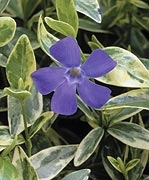 Winpocetyna. Właściwości winpocetyny przywracające przepływ krwi do mózgu ofiar udaru, były przedmiotem wielu badań. Okazuje się, że posiada ona złożony wpływ i ingeruje z kaskadą ischemiczną. Badania wykazały, że redukuje zużycie adenozynotrójfosforanu, który jest głównym komórkowym źródłem energii i działa jako przeciwutleniacz.[10] Niedawno naukowcy odkryli, że duża dawka, dożylnie podanej winpocetyny (do 70 mg na dzień) jest w stanie przywrócić przepływ krwi do mózgu i zmniejszyć rozmiar uszkodzeń udaru niedokrwiennego, prowadząc niektórych badaczy do uznania winopocetyny jako potencjalnej terapii leczącej udar ischemiczny.[11] Ochronne efekty są najwyraźniejsze w obszarach mózgu gdzie jest ona najlepiej absorbowana.[12] Badania te oparły się na wcześniejszych próbach również wykazujących, że doustnie przyjmowana winpocetyna efektywnie zwiększa mózgowy przepływ krwi.[13]
- Difosforan cytydyny - cholina. Difosforan cytydyny - cholina jest związkiem chemicznym znajdującym się w wielu pokarmach. Odgrywa podtrzymującą życie rolę w prawidłowym funkcjonowaniu wszystkich komórek, integralności strukturalnej i właściwości sygnalizujących błon komórkowych oraz transportuje tłuszcze do i z komórek w całym ciele.[14] Difosforan cytydyny - cholinę stosuje się jako lek na receptę, leczący udar mózgu w ponad 70 krajach, wliczając w to Japonię.[15] Okazało się, że posiada neuroprotekcyjny i naprawczy wpływ na zmiany wywołane przez udar niedokrwienny mózgu, zmniejszając rozmiar uszkodzeń i to podczas tylko 12 tygodni leczenia.[16] Kilka dodatkowych badań wykazuje, że difosforan cytydyny - cholina znacznie zmniejsza rozmiar uszkodzeń i może być bezpiecznie stosowana w leczeniu udaru.[17] Niestety w pewnych badaniach USA nie wykazano jej skuteczność i dlatego amerykańska agencja Food and Drug Administration nie zaakceptowało jej jako leku.
- Potas, wapń i magnez. Potas może pomagać obniżyć ciśnienie krwi, zmniejszając ryzyko wystąpienia chorób sercowo-naczyniowych oraz udaru.[18] Pojawiające się dowody potwierdzają fakt, że równowaga potasu, wapnia i magnezu może zmniejszyć agregację płytek krwi i odporność insulinową. Inne badania wykazały, że ich połączona kombinacja jest efektywniejsza w zmniejszaniu ciśnienia krwi, miażdżycy i ryzyka udaru niż w przypadku pojedynczego działanie każdego z tych suplementów.[19]
- Witamina D. Dowody kliniczne potwierdzają, że witamina D może odegrać pewną rolę w kontrolowaniu ciśnienia krwi i metabolizmie insuliny, obu czynników istotnych w spowalnianiu rozwoju miażdżycy i zmniejszaniu ryzyka udaru.[20] Niedawne badania wykazały, że niedobór witaminy D i flawonoidów może prowadzić do ataku serca i udaru.[21] Wagę tych odkryć podkreślają badania NHANES III, sfinansowane przez National Institutes of Health, które oszacowały, że 42 procent afro-amerykańskich kobiet między 15. i 49. rokiem życia i 32 procent białych mężczyzn i kobiet ma niedobór witaminy D. Ogólna średnia wzrasta do 50 procent w populacji osób będących powyżej 50. roku życia - niedobór witaminy D jest większy u starszych ludzi, którzy mają osłabioną zdolność do produkowania witaminy D w wyniku ekspozycji na światło słoneczne.[22]
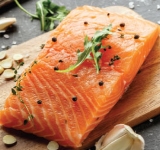 Kwasy tłuszczowe omega 3, posiadające zdolności do redukcji zapalenia, to kolejne istotne substancje odżywcze dla ofiar udaru oraz dla tych, którzy są na niego narażeni. Znajdują się one w oleju zimnowodnych ryb oraz w oleju z nasion lnu. Większość ludzi stosuje dietę, która zawiera zbyt wiele prozapalnych kwasów omega 6 oraz nie wystarczająco dużo kwasów omega 3, by je zbalansować. Bilans ten jest istotny w regulowaniu ciśnienia krwi jak i również zmniejszaniu niewłaściwej agregacji płytek krwi, stanów zapalnych, poziomu LDL i innych czynników ryzyka miażdżycy.[23]
Ustalone losowo próby kliniczne ujawniły, że u pacjentów spożywających duże ilości kwasów tłuszczowych omega 3 wykazano zmniejszoną zachorowalność na udar.[24] Kwasy omega 3 mogą również spowolnić rozwój miażdżycy.[25] W pewnym badaniu naukowcy odkryli, że spożywanie zimnowodnych ryb nawet z tak niewielką częstotliwością jak raz na miesiąc, zmniejsza ryzyko wystąpienia udaru ischemicznego.[26] Dane Amerykańskiego Towarzystwa Udaru Mózgu (American Stroke Association) wskazują, że sama dieta może nie zapewnić wystarczającej ilości kwasów tłuszczowych omega 3 sugerując, że osoby, które mają ich niedobór powinny rozważyć stosowanie suplementów. Ci, którzy mają wysokie poziomy trójglicerydów (tłuszcz we krwi) mogą wymagać większych dawek suplementu oleju rybiego (ponad 4 g na dzień) niż zwykle zaleca się dla ogólnych celów profilaktycznych.[27]
Substancje odżywcze o właściwościach przeciwutleniających:
- Koenzym Q10. Koenzym Q10 jest potężnym przeciwutleniaczem znajdującym się w produkujących energię komórkach organizmu. Związany jest z tworzeniem cząsteczki znanej jako adenozynotrójfosforan, która jest głównym źródłem energii komórkowej. Koenzym Q10 m.in. chroni przed miażdżycą i udarem, zapobiega utlenianiu LDL, zmniejsza całkowity poziom cholesterolu i trójglicerydów, poprawia wrażliwość na insulinę, zmniejsza stan glukozy i obniża ciśnienie krwi.[28] Głównym źródłem pokarmowym Koenzymu Q10 jest mięso i owoce morza.
- Zielona herbata. Katechiny zielonej herbaty, które są bogate we flawonoidy, posiadają potężne właściwości przeciwutleniające, które zostały zbadane pod kątem ograniczania uszkodzeń spowodowanych przez udar niedokrwienny. Próby przeprowadzone na zwierzętach wykazały, że ekstrakt z zielonej herbaty podany natychmiast po wystąpieniu niedokrwienia zmniejsza rozmiar uszkodzeń spowodowanych przez udar w sposób zależny od dawki, prowadząc naukowców do wywnioskowania, że zielona herbata może mieć potencjał w jego leczeniu.[29] Inne badania ujawniły, że u zwierząt, które spożywały duże dawki zielonej herbaty, wykazano mniejsze mózgowe uszkodzenia w wyniku udaru w porównaniu z ich odpowiednikami, którym nie podawano zielonej herbaty.[30]
- Beta karoten. Beta karoten jest jednym z przeciwutleniaczy. Obszerne, długoterminowe badania wykazały, że codzienne spożywanie beta karotenu chroni przed miażdżycą oraz zmniejsza ryzyko wystąpienia udaru niedokrwiennego.[31] Bogatym źródłem beta karotenu jest marchew, warzywa o zielonych liściach, mleko, chude mięso, ryby i drób.
- Witamina C. Witamina C, znana również jako kwas askorbinowy jest rozpuszczalnym w wodzie przeciwutleniaczem, który chroni związki chemiczne przed utlenianiem, samemu poddając się oksydacji. Oprócz właściwości obniżających ciśnienie krwi, [32] długoterminowe uzupełniające badania przeprowadzone na ludziach ujawniły, że redukuje ona również ryzyko chorób sercowo-naczyniowych oraz udaru.[33] Niewielka próba wykazała również, że podanie pacjentom witamin przeciwutleniających, w szczególności witaminy C, w przeciągu 12 godzin od wystąpienia udaru niedokrwiennego zwiększa zdolności antyoksydacyjne, redukuje stany zapalne i zmniejsza oksydację niebezpiecznych lipidów.[34] Wcześniejsze, 20-letnie uzupełniające badania
 doniosły, że większe stężenie witaminy C zmniejsza zachorowalność na zarówno niedokrwienny jaki i krwotoczny udar.[35] Inne próby zbadały wpływ witaminy C na otyłość mężczyzn, którzy mieli wysokie ciśnienie krwi i ujawniły, że niski jej poziom w osoczu wiązał się z większym ryzykiem udaru.[36] Chociaż sama witamina C zapewnia korzyści naczyniowo-mózgowe,[37] badania wykazały, że może być jeszcze skuteczniejsza w połączeniu z innymi substancjami odżywczymi, witaminami, minerałami i przeciwutleniaczami.[38]
- Witamina E. Witamina E jest kolejnym przeciwutleniaczem. Reguluje reakcje utleniania i chroni wielonienasycone kwasy tłuszczowe i witaminę A. Obszerne badania na ludziach, wykazały, że większe spożywanie witaminy E (obecnej w pokarmach takich jak olej roślinny, warzywa o zielonych liściach, całe ziarna, masło, wątróbka, żółtka jajka, mleko, orzechy i nasiona) pomaga zmniejszać ryzyko śmierci w wyniku udaru.[39] Inne próby ujawniły, że spożywanie artykułów spożywczych, bogatych w witaminy przeciwutleniające C i E wpływa na mniejszą zachorowalność na udar, w szczególności u palaczy.[40]
Badania z Helsinek badające wpływ suplementacji witaminy E na osoby będące w grupie ryzyka wysokiego ciśnienia krwi wykazały że, chociaż suplementacja witaminy E może zwiększyć ryzyko udaru krwotocznego, niewielkie ryzyko przeważa nad jej ochronnym wpływem na udar niedokrwienny.[41] Próby wykazały również, że korzystnie wpływa ona na poprawę wrażliwości na insulinę oraz metabolizm glukozy, tym samym obniżając ryzyko miażdżycy i udaru.[42]
Substancje odżywcze, zwiększające poziom glutationu
Glutation jest głównym komórkowym przeciwutleniaczem, który odgrywa centralną rolę w systemie antyoksydacyjnym, pomagając organizmowi reagować na utlenianie. Kiedy poziom glutationu jest niski, istnieje większe prawdopodobieństwo wystąpienia stresu oksydacyjnego.[43] Niedobór glutationu wiąże się z miażdżycą,[44] a dowody potwierdzają, że zwiększanie jego poziomu za pomocą diety lub suplementacji może odwrócić zaburzenia śródbłonka poprzez poprawę produkcji tlenku azotu.[45] Jak wykazano przedstawione poniżej substancje odżywcze zwiększają poziom glutationu:- N-acetylocysteina. N-acetylocysteina (NAC) jest przeciwutleniaczem, który pomaga zwalczyć stres oksydacyjny i zwiększać poziom glutationu.[46] Co więcej NAC obniża stan homocysteiny i lipoprotein, które mogą prowadzić do zmian miażdżycowych oraz pomaga odwrócić agregację płytek krwi, związanych z powstawaniem skrzepów krwi.[47]
- Czosnek. Czosnek od dawna był stosowany w celach leczniczych. Dostarcza komponentu niezbędnego do metabolizmu glutationu, posiada również właściwości przeciwutleniające, które pomagają zmniejszać uszkodzenia wolnych rodników. Badania wykazały, że czosnek obniża również nieco cholesterol i ma zdolności przeciwpłytkowe, które pomagają zapobiec powstaniu skrzepów krwi.[48]
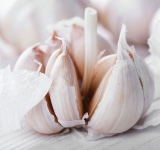
- Selen. Selen jest metalicznym i istotnym mikroelementem niezbędnym dla preoksydazy glutationu. Niedobór selenu może wywołać stres oksydacyjny jak i również inne rodzaje obciążeń, które czynią ludzi wrażliwymi na infekcje lub choroby. Wykazano również, że chroni przed wpływem udaru niedokrwiennego.[49]
DHEA i udar mózgu
 Dehydroepiandrosteron (DHEA) jest najliczniej występującym androgenem nadnerczy w organizmie. Może konwertować zarówno do testosteronu, jak i estrogenu. Wiele badań wykazało, że jego poziom niestety zmniejsza się wraz z wiekiem. W ostatnich latach, naukowcy badający związek między poziomami DHEA a chorobami mózgowo-naczyniowymi, znaleźli istotny dowód potwierdzający fakt, że niskie poziomy DHEA są związane z chorobą mózgowo-naczyniową, a nawet uznali go za istotny w terapii leczącej udar ischemiczny.
W pewnym badaniu, naukowcy założyli, że DHEA funkcjonuje jako neuroprotekcyjny czynnik, który chroni centralny system nerwowy oraz mózg. Przeprowadzając próby na królikach odkryli, że DHEA, w dawce 50 mg/dzień na każdy kg jest w stanie znacznie zmniejszyć szkodliwy wpływ niedokrwienia. Co więcej, efekt ochronny DHEA był trwały, ponieważ utrzymywał się ponad cztery dni.

Life Extension uważa, że najlepszym podejściem do udaru jest przedsięwzięcie zdecydowanych kroków, aby zmniejszyć ryzyko jego wystąpienia. Zaleca zatem przeprowadzanie testów krwi monitorujących krytyczne markery ryzyka naczyniowego, takich jak poziom cholesterolu, białko C reaktywne, homocysteina i inne. Rekomendacje Life Extension w odniesieniu do czynników ryzyka odbiegają nieco od standardowych zaleceń, stosowanych przez medycynę konwencjonalną, które odnoszą się do w miarę “zdrowej” osoby i uwzględniają statystyki mówiące, że choroby serca i udary są pierwszą i trzecią przyczyną śmierci w Stanach Zjednoczonych. Life Extension uważa, że takie podejście nie jest wystarczające.
| Test krwi Fibrynogen Białko C reaktywne Homocysteina Cholesterol LDL HDL Trójglicerydy | Zakres standardowy do 460 mg/dL do 4,9 mg/L do 15 mmol/L do 199 mg/dL do 100 mg/dL nie mniej niż 35 md/dL do 199 mg/dL | Optymalny zakres Life Extension mniej niż 300 mg/dL mniej niż 0,55 mg/L (mężczyźni), 1,5 mg/L (kobiety)poniżej 7 mmol/L między 180–220 mg/dL mniej niż 100 mg/dL więcej niż 50 mg/dL mniej niż 100 mg/dL |
Poniżej przedstawione substancje odżywcze mogą pomóc poprawić funkcje śródbłonka i mózgowy przepływ krwi oraz zmniejszać ryzyko udaru:
- L-arginina — 1800 do 9000 miligram (mg) dziennie
- Acetyl-L-karnityna — 1000 mg dziennie
- Propionyl-L-karnityna — 1000 mg dziennie
- Winpocetyna — 15 do 25 mg dziennie
- CDP- cholina — 250 mg dziennie
- Potas — 99 mg dziennie lub więcej, opierając się na wynikach testów krwi
- Wapń — 1200 do 1500 mg dziennie, z 800 IU witaminy D3
- Magnez — 500 mg dziennie
- Kwasy tłuszczowe omega 3 (z oleju rybnego) — 1400 mg dziennie EPA i 1000 mg dziennie DHA
- Koenzym Q10—100 do 200 mg dziennie
- Zielony herbata — 725 mg dziennie. Dla ludzi wrażliwych na kofeinę dostępna jest bezkofeinowa postać
- Beta karoten — 10000 do 25000 IU dziennie
- Witamina C — 2000 mg dziennie
- Witamina E — 400 IU dziennie (alfa tokoferol) i 200 mg dziennie gamma tokoferol)
- NAC — 600 mg dziennie
- Czosnek — 600 do 1200 mg dziennie
- Selen — 200 mikrogram (mcg) dziennie
- Witamina B6 — 250 mg dziennie
- Witamina B12 — 300 do 500 mcg dziennie
- Folan (kwas foliowy) — 800 mcg dziennie
- DHEA — 15 do 75 mg dziennie, potwierdzone testami krwi po 3 do 6 tygodni stosowania, ustalające jego optymalne poziomy we krwi.
Choroby mózgowo-naczyniowe i udar mózgu - zastrzeżenia
Program stosowania suplementów diety nie powinien być rozpoczęty bez nadzoru lekarza. Kilka substancji odżywczych przedstawionych w tym artykule może nieść ze sobą pewne skutki uboczne:
Acetyl-L-karnityna
- Acetyl-L-karnityna może wywołać objawy gastrojelitowe, takie jak nudności i biegunka
Wapń
- Nie bierz wapnia, jeżeli masz hiperkalcemię (podwyższony poziom wapnia we krwi)
- Nie bierz wapnia, jeżeli budują ci się zawierające wapń kamienie nerkowe.
- Spożywanie wapnia bez jedzenia może zwiększać ryzyko powstawania kamieni nerkowych u kobiet i prawdopodobnie u mężczyzn.
- Wapń może spowodować żołądkowo-jelitowe objawy takie jak zaparcia, wzdęcia i gazy.
- Duże dawki węglanu wapnia (12 gram i więcej dziennie lub 5 gram i więcej pierwiastkowego wapnia dziennie) może wywołać objawy hiperkalcemii, wapnice lub niewydolność nerek.
Cholina
- Nie bierz choliny, jeżeli masz genetycznie uwarunkowaną Trimetyloaminurię.
- Cholina może wywołać „rybny” zapach ciała, nadmierny pot, niedciśnienie (niskie ciśnienie krwi), depresję i objawy gastrojelitowe, takie jak nudności i biegunka.
Koenzym Q10
- Jeżeli stosujesz Koenzym Q10 i masz cukrzycę często odwiedzaj swojego lekarza i monitoruj poziom glukozy we krwi. Kilka klinicznych doniesień sugeruje, że stosowanie CoQ10 może poprawić glikemię i funkcję komórek beta u ludzi, którzy chorują na cukrzycę typu 2.
- Leki statynowe (takie jak lowastatyna, simwastatyna i prawastatyna) zmniejszają poziomy Koenzymu Q10.
DHEA
- Nie bierz DHEA, jeżeli możesz być w ciąży, karmisz piersią lub możesz mieć nowotwór prostaty, piersi, macicy lub jajników.
- DHEA może wywołać efekty androgenne u kobiet, takie jak trądzik, obniżenie głosu, wzrost włosów na twarzy i utrata włosów na głowie.
EPA/DHA
- Skonsultuj się ze swoim lekarzem zanim zażyjesz EPA/DHA, jeżeli przyjmujesz warfarynę (Coumadin). Stosowanie EPA/DHA z warfaryną może zwiększać ryzyko krwawienia.
- Przerwij stosowanie EPA/DHA na 2 tygodnie przed jakimkolwiek zabiegiem chirurgicznym.
Kwas foliowy
- Skonsultuj się ze swoim lekarzem zanim zażyjesz kwas foliowy, jeżeli masz niedobór witaminy B12.
- Codzienne dawki większe niż 1 miligram kwasu foliowego mogą przyśpieszać lub zaostrzyć uszkodzenia neurologiczne spowodowane przez niedobór witaminy B12.
Czosnek
- Czosnek ma przeciwzakrzepowe i rozrzedzające krew właściwości.
- Przerwij stosowanie czosnku przed zabiegiem chirurgicznym.
- Czosnek może wywołać ból głowy, ból mięśni, znużenie, zawroty głowy, mglisty wzrok, astmę i objawy gastrojelitowe, takie jak nudności i biegunka.
- Spożywanie dużych ilości czosnku może wywołać nieprzyjemny oddech i zapach ciała.
Zielona herbata
- Skonsultuj się ze swoim lekarzem zanim zażyjesz wyciąg z zielonej herbaty, jeżeli bierzesz aspirynę lub warfarynę (Coumadin). Jednoczesne stosowanie wyciągu z zielonej herbaty i aspiryny lub warfaryny może zwiększać ryzyko krwawienia.
- Przerwij stosowanie wyciągu z zielonej herbaty na 2 tygodnie przed zabiegiem chirurgicznym. Wyciąg z zielonej herbaty może zmniejszyć agregację płytek krwi.
- Wyciąg z zielonej herbaty zawiera kofeinę, która może wywołać różne objawy wliczając w to, niepokój, nudności, ból głowy, napięcie mięśni, zakłócenia snu i szybki rytm serca.
L-Arginina
- Nie bierz L-argininy, jeżeli cierpisz na rzadkie, genetyczne zaburzenie - argininemia.
- Skonsultuj się ze swoim lekarzem zanim zażyjesz L-argininę, jeżeli masz nowotwór. L-arginina może pobudzić hormon wzrostu.
- Skonsultuj się ze swoim lekarzem zanim zażyjesz L-argininę, jeżeli masz niewydolność nerek lub wątroby.
- Skonsultuj się ze swoim lekarzem zanim zażyjesz L-argininę, jeżeli masz opryszczkę zwykłą. L-arginina może zwiększać możliwość powrotu.
Magnez
- Nie zażywaj magnezu, jeśli masz niewydolność nerek i miastenię ciężko rzekomoporaźną.
NAC (N-acetyl-cysteina)
- Oczyszczanie NAC jest zmniejszone u osób, które mają przewlekłe choroby wątroby.
- Nie zażywaj NAC jeśli miałeś/masz kamienie nerek (w szczególności kamienie nerkowe cystynowe).
- NAC może produkować fałszywie pozytywny wynik w nitroprusydekowym teście na ciała ketonowe, używanym do diagnozowania cukrzycy.
- Skonsultuj się ze swoim lekarzem zanim zażyjesz NAC, jeśli miałeś/masz pepsynową chorobę wrzodową. Czynniki mukolityczne mogą zakłócać żołądkową, śluzówkową barierę.
- NAC może powodować bóle głowy (szczególnie kiedy są stosowane z nitratem) oraz objawy gastrojelitowe, takie jak nudności i biegunka.
Potas
- Nie bierz potasu, jeżeli masz hiperkalemię (większa niż prawidłowa koncentracja potasu we krwi).
- Skonsultuj się ze swoim lekarzem zanim zażyjesz potas przy jego niedoborze.
- Potas może spowodować wysypkę i objawy gastrojelitowe, takie jak nudności, wymioty i biegunka.
Selen
- Duże dawki selenu (1000 mikrogram lub więcej dziennie) zażywane przez długi okres mogą wywołać niepożądane reakcje.
- Duże dawki selenu stosowane przez długi okres mogą spowodować chroniczne zatrucie selenem. Do symptomów zaliczamy utratę włosów i paznokci lub łamliwość włosów i paznokci.
- Selen może spowodować wysypkę, czosnkowy oddech, znużenie, drażliwość, nudności i wymioty.
Winpocetyna
- Nie bierz winpocetyny, jeżeli masz/miałeś reakcje alergiczne lub nadwrażliwość na alkaloidy Vinca.
- Skonsultuj się ze swoim lekarzem zanim zażyjesz winpocetynę, jeżeli bierzesz warfarynę (Coumadin). Jeśli stosujesz winpocetynę i warfarynę często monitoruj ich poziom.
- Skonsultuj się ze swoim lekarzem zanim zażyjesz winpocetynę, jeżeli masz niskie ciśnienie krwi (wliczając przejściowy spadek ciśnienia krwi lub niedociśnienie tętnicze ortostatyczne). Długie stosowanie winocetyny może prowadzić do małych spadków skurczowego i rozkurczowego ciśnienia krwi.
- Winpocetyna może wywołać tymczasowe szybsze bicie serca, ciśnieniowy ból głowy, czerwienienie się na twarzy, zawroty głowy, bezsenność, senność i objawy gastrojelitowe, takie jak nudności i biegunka.
Witamina A
- Nie bierz witaminy A, jeżeli masz hiperwitaminozę A.
- Nie bierz witaminy A, jeżeli bierzesz retinoidy lub odpowiedniki retinoidów (takie jak acytretyna, kwas całkowicie trans-retinowy, beksaroten, etretynat i izotretinoina). Witamina A może zwiększyć toksyczność tych leków.
- Nie bierz dużych ilości witaminy A. Stosowanie dużych ilości witaminy A może wywołać poważną lub chroniczną toksyczność. Do wczesnych oznak i objawów chronicznej toksyczności zaliczamy suchą, szorstką skórę; popękane wargi; rzadkie, szorstkie włosy; utrata włosów brwi. Do późniejszych oznak i symptomów toksyczności wliczamy drażliwość, ból głowy, tzw. rzekomy guz mózgu (łagodne śródczaszkowe nadciśnienie), podniesione poziomy enzymów wątrobowych w osoczu, fibroza i marskość wątroby i śmierć w wyniku niewydolności wątroby.
Witamina B6
- Nie zażywaj dawki większej niż 5 miligram (włącznie) witaminy B6 dziennie, jeżeli jesteś leczony lewodopą, chyba, że stosujesz w tym samym czasie karbidopę.
Witamina B12 (kobalamina)
- Nie zażywaj kobalaminy, jeśli masz zanik wzroku Lebera.
Witamina C
- Nie zażywaj witaminy C, jeśli miałeś/masz kamienie nerkowe lub niewydolność nerek (definiowaną jako poziom kreatyny w surowicy większy niż 2 mg/decylitr i/lub klirens kreatyniny mniejszy niż 30 ml/min).
- Skonsultuj się ze swoim lekarzem zanim zażyjesz duże dawki witaminy C, jeśli masz hemochromatozę, talasemię, anemię syderoblastyczną, anemię sierpowatokomórkową lub niedobór erytrocytowej dehydrogenazy glukozo-6-fosforanowej (G6PD). Może to powodować przeładowanie organizmu żelazem.
Witamina D
- Nie zażywaj witaminy D, jeżeli masz hiperkalcemię.
- Skonsultuj się ze swoim lekarzem zanim zażyjesz witaminę D, jeżeli bierzesz digoxin lub jakiś glikozyd sercowy.
- Zażywaj duże dawki witaminy D (2000 UI lub 50 mcg i więcej dziennie) tylko przy zaleceniu swojego lekarza.
- Często odwiedzaj swojego lekarza, jeżeli bierzesz witaminę D i tiazydy, lub jeżeli stosujesz duże dawki witaminy D. Możesz wywołać hiperkalcemię.
- Notorycznie duże dawki (95 mcg lub 3800 UI i więcej dziennie) witaminy D mogą powodować hiperkalcemię.
Witamina E
- Skonsultuj się ze swoim lekarzem zanim zażyjesz witaminę E, jeżeli bierzesz warfarynę (Coumadin).
- Skonsultuj się ze swoim lekarzem przed przyjmowaniem dużych dawek witaminy E, jeżeli masz niedostatek witaminy K lub problem niewydolności wątroby.
- Skonsultuj się ze swoim lekarzem przed przyjmowaniem witaminy E, jeżeli miałeś w przeszłości zaburzenia krwawienia takie jak wrzody żołądka, udar krwotoczny lub hemofilię.
- Przerwij używanie witaminy E na miesiąc przed jakimkolwiek zabiegiem chirurgicznym.
[1] Chionglo BM et al 2006; Boger RH et al 2005
[2] Willmot M et al 2005
[3] Koga Y et al 2005
[4] Kaposzta Z et al 2001
[5] Rebouche CJ 2006
[6] Suslina ZA et al 2003
[7] Postiglione et al 1991, 1990
[8] Calo LA et al 2006
[9] Bueno R et al 2005
[10] Hadjiev D 2003; Vas et al 2002
[11] Szilagyi G et al 2005; Szapary L et al 2003; Dezsi L et al 2002
[12] Szilagyi G et al 2005
[13] Dezsi L et al 2002
[14] Zeisel SH et al 2006
[15] Adibhatla RM et al 2005
[16] Warach S et al 2000
[17] Clark WM et al 1997 ; Tazaki Y et al 1988
[18] Sacks FM et al 2001; Suter PM 1999
[19] Ahsan SK 1998; Sacks FM et al 2001; Broadhurst CL 1997; Ravnskov U 1998; Gillman MW et al 1997; Ascherio et al 1997; Tavani et al 1997; Appel LK et al 1997).
[20] Dakshinamurti K et al 1996; Lind L et al 1995; Boucher BJ 1998
[21] Marniemi J et al 2005
[22] Holick MF 2006
[23] Knapp HR et al 1989; DeBusk RM 2000
[24] He K et al 2002; Jeerakathil TJ et al 2001
[25] Kris-Etherton PM al 2005 et
[26] He K et al 2002
[27] Kris- Etherton PM al 2005 et
[28] Ernster L et al 1995; Digiesi V et al 1994, 1990; Langsjoen PH et al 1999; Morisco C et al 1993; Kontush A 1997
[29] Suzuki M et al 2004; Lee SY et al 2003
[30] Hong JT et al 2001
[31] Hak AE et al 2004; Hirvonen T et al 2000
[32] Duffy SJ et al 1999
[33] Simon JA 1992; Enstrom JE et al 1992; Wichura CR et al 1995
[34] Ullegaddi R et al 2005
[35] Yokoyama T et al 2000
[36] Kurl S et al 2002
[37] Hirvonen T et al 2000
[38] Galley HF et al 1997; Sacks FM et al 2001; Fotherby MD et al 2000; Toivanen JL 1987; Hajjar IM et al 2001
[39] Yochum LA et al 2000
[40] Voko Z et al 2003
[41] Leppala JM et al 2000
[42] Barbagallo M et al 1999
[43] Thomas JA 2006
[44] Morrison JA et al 1999
[45] Prasad A et al 1999
[46] Jiang B et al 1999; Vasdev S et al 1997, 1996; Meister A et al 1986; Lu Q et al 2001
[47] Gavish D et al 1991; Wiklund O et al 1996; Bostom AG et al 1996; Hultberg B et al 1997; Horowitz JD 1991
[48] Barrett S 2006; Chang HS et al 2005
[49] Ansari MA et al 2004; Schweizer U et al 2004
Related posts
-
 Is Conventional Pomegranate Extract Enough?
An abundance of clinical data has established pomegranate as a broad-spectrum, multi-modal defense against the...
Is Conventional Pomegranate Extract Enough?
An abundance of clinical data has established pomegranate as a broad-spectrum, multi-modal defense against the... -
Feed Your Brain!
Millions of people around the world are adhering to low-fat, low-cholesterol diets in an effort to reduce the impact...
-
Lipoic Acid Reverses Mitochondrial Decay
It is estimated that 85% of the oxygen contained in every breath you take is consumed by the mitochondria within each...
-
Vitamin C and Dihydroquercetin
Every day, our bodies are under continual assault by damaging agents known as free radicals. Generally, both internal...
-
How Resveratrol Combats Leading Causes of Death
In 1997, the first scientific paper on resveratrol was published showing that this polyphenol could prevent cancer in...