
 English
 Polski
 Deutsch
 Français
 ελληνικά
 Español
 Italiano
Udar mózgu i choroby naczyniowo-mózgowe. Część 2
- nagłe osłabienie, zdrętwienie lub paraliż twarzy, ręki czy nogi, szczególnie na jednej stronie ciała;
- nagła dezorientacja lub utrata zdolności obsługiwania się aparatem mowy lub zrozumienia języka mówionego;

- nagła utrata wzroku w jednym lub obu oczach;
- nagły, poważny ból głowy bez oczywistej przyczyny;
- nagłe zawroty głowy, utrata równowagi, problemy z koordynacją lub chodzeniem.
Badania nad udarem: postęp w technologii
Chociaż przejściowe ataki niedokrwienne są najbardziej oczywistymi znakami ostrzegawczymi udaru, ryzyko jego wystąpienia może zostać oszacowane zanim nastąpi atak ischemiczny. Trzeba tylko przeprowadzić odpowiednie testy diagnostyczne. Oczywiście lepiej niż leczyć jest unikać udaru dzięki wczesnej interwencji i środkom zapobiegawczym.W przeszłości, najbardziej precyzyjnym testem badającym miażdżycę była angiografia.
 Podczas tego zabiegu, za pomocą cewnika (kateter) do tętnicy podawany jest specjalny środek wrażliwy na promienie rentgena. Mimo że jest to bardzo istotny test, to związane są z nim pewne zastrzeżenia. Po pierwsze, jest to zabieg inwazyjny i dlatego niepraktyczny jako powszechne narzędzie badawcze. Po drugie może pokazać lekarzowi tylko niewyraźny zarys płytki wewnątrz tętnicy. Nie może zatem zmierzyć trwałości płytki lub określić zdrowia ściany tętniczej.
Obecnie mamy dostępne nieinwazyjne metody obrazujące, badające zdrowie ściany tętniczej, a nawet określające trwałość złogów płytek wewnątrz arterii. Chociaż testy te najczęściej stosowane są do diagnozy istniejących udarów, są również wysoce efektywnymi narzędziami badawczymi.
Zaawansowane tomografy komputerowe, włączając w to te oparte na technologii 64-kanałowej, są w stanie dostarczyć niesamowity obraz arterii. Nie przeprowadzono jeszcze badań nad znaczeniem tej nowej technologii kontrolującej ryzyko udaru i ludzi. Starszy 16-kanałowy tomograf często zalecany jest do określania uszkodzeń już powstałych udarów z powodu jego dużej szczegółowości.[2] Niestety tomografy wystawiają ludzi na działanie bardzo wysokich poziomów promieniowania. Zgodnie z European Commission’s Radiation Protection Report, przeprowadzonej w 2000 roku, przeciętny skan głowy wystawia ciało na działanie tak wielkiego promieniowania jak 100 prześwietleń rentgenowskich klatki piersiowej lub 243 dni naturalnego środowiskowego promieniowania.
Prawdopodobnie, najpowszechniej stosowanym narzędziem badawczym udaru jest ultrasonografia, która dostarcza wartościowej informacji lekarzom, o zdrowiu tętnicy szyjnej. Używając szeroko dostępnej i stosunkowo niedrogiej technologii ultrasonografii, lekarze mogą dostrzec stopień niedrożności tętnicy szyjnej oraz zmierzyć grubości wewnętrznej i środkowej warstwy ściany (intima-media). Znane badania z Rotterdamu wykazały, że jeżeli grubość intima-media arterii szyjnej jest większa niż 1 mm, ryzyko udaru jest zwiększone, nawet jeśli nie wykazano obecności płytek miażdżycowych.[3] Informacja uzyskana dzięki badaniu ultrasonograficznym może zostać użyta do identyfikacji osób będących w grupie wysokiego ryzyka miażdżycy.
Wiele testów krwi również bada zdrowie naczyniowe i może pomóc w identyfikacji ludzi będących w grupie wysokiego ryzyka wystąpienia udaru. Life Extension uważa, że ludzie oprócz powszechnych badań kontrolujących poziom cholesterolu i trójglicerydów, powinni co najmniej raz do roku robić testy badające homocysteinę, białko C reaktywne i fibrynogen. Wykazano bowiem, że u ludzi będących w grupie ryzyka udaru, występuje podniesiony poziom homocysteiny, białka C reaktywnego oraz fibrinogenu.
Zmniejszanie poziomu homocysteiny dla redukcji ryzyka udaru
 Na konferencji American Stroke Association w 2001 roku, naukowcy donieśli o badaniach wykazujących. że zwiększony poziom homocysteiny wiąże się z podniesionym ryzykiem udaru. Przestawiono pewną metanalizę 15 opublikowanych badań, która ujawniła, że łagodnie i umiarkowanie podniesiony poziom homocysteiny wiążą się z aż 86 procentowym wzrostem ryzyka udaru.[4]
Kwas foliowy oraz inne witaminy B pomagają zmniejszyć poziomy homocysteiny.
Metabolizm homocysteiny wiąże się z kilkoma witaminami, ale w szczególności z B6 i B12 oraz kwasem foliowym (folan).[5] Próba badawcza Vitamin Intervention for Stroke Prevention wraz z innymi badaniami ujawniła, że u pacjentów, którzy otrzymali wysokie dawki witaminy B12, poziom homocysteiny zmniejszył się, a wraz z nim nastąpił 21 % spadek ryzyka udaru, śmierci i innych wieńcowych problemów zdrowotnych.[6]
Inne próby dowiodły, że podanie witaminy B w ciągu 12 godzin od wystąpienia udaru niedokrwiennego powoduje zmniejszenie uszkodzeń oksydacyjnych i markerów zapaleń tkanki białka C reaktywnego, bez względu na poziom homocysteiny.[7] Wykazano również, że tylko witamina B6 jest silnie związana z niższym ryzykiem chorób naczyniowo-mózgowych.[8]
Ponadto, testy ujawniły, że u osób, które mają o 25 % podniesiony poziom homocysteiny występuje o 11 % większe ryzyko udaru. Metaanaliza 20 badań pokazała, że zwiększony stan homocysteiny podnosi o 32 % ryzyko niedokrwiennej choroby serca, a udaru o 59 %.[9] Wielokrotne próby wykazały, że kwas foliowy zapobiega zaburzeniom śródbłonka nawet u ludzi z prawidłową koncentracją homocysteiny oraz wysokim cholesterolem, cukrzycą i chorobami serca,[10] co podkreśla znaczenie witamin B.[11]
Białko C reaktywne i fibrynogen
 Jak się okazuje, istnieje ścisły związek między podniesionym poziomem białka C reaktywnego a fibrynogenem, zachorowalnością oraz stopniem zaawansowania przebiegu udaru. Również na konferencji American Stroke Association z 2001 roku, naukowcy przedstawili dowody, potwierdzające fakt, że podniesiony poziom białka C reaktywnego podwaja lub nawet potraja ryzyko udaru.[12] Ponadto wykazano, że u tych którzy przebyli poważny udar mózgu, wyższe poziomy białka C reaktywnego zwiastowały duże prawdopodobieństwo ponownego wystąpienia naczyniowego problemu zdrowotnego, takiego jak atak serca czy udar mózgu, a nawet śmierci w ciągu roku. U pacjentów po udarze, mających duży poziom białka C reaktywnego wykazano blisko 2,4 razy większe prawdopodobieństwo śmierci lub pojawienia się naczyniowych problemów zdrowotnych w przeciągu następnego roku niż u osób z najniższą koncentracją.[13]
Podobnie, Physician’s Health Study odkryło, że pozornie zdrowi mężczyźni z najwyższymi poziomami białka C reaktywnego mieli dwa razy większe ryzyko udaru, trzy razy większe ryzyko ataku serca i cztery razy większe ryzyko choroby naczyń obwodowych.[14] Women’s Health Study wykazało natomiast, że białko C reaktywne było najsilniejszym predyktorem przyszłego ryzyka naczyniowego.[15]
Podniesione poziomy fibrynogenu również są związane z ryzykiem udaru. Fibrynogen jest białkiem produkowanym przez wątrobę. Krąży we krwi i pomaga zatrzymać krwawienie poprzez wspomaganie krzepnięcia krwi. Aktualne, laboratoryjne, standardowe zalecenia poziomu fibrynogenu mieszczą się w przedziale 193 - 423 mg/dL. Oznacza to, że według standardów, poziom fibrynogenu tak wysoki jak 423 mg/dL jest prawidłowy.
Badania opublikowane na łamach Journal of the American Medical Association wykazały jednak, że bez względu na początkowy poziom fibrynogenu u pacjentów poddanych testowi (między 250 mg/dL a 562 mg/dL), wzrost o 100 mg/dL wiązał się ze znacznie podniesionym ryzykiem chorób serca i udaru.[16] W innych próbach odkryto, że u osób z poziomem fibrynogenu większym niż 343 mg/dL wykazano dwukrotny wzrost ryzyka zawału mięśnia sercowego.[17] Poziom fibrynogenu może zostać zmniejszony dzięki stosowaniu suplementów diety, zawierających olej rybi, witaminę C oraz poprzez obniżanie poziomu homocysteiny.
Leczenie osób z udarem: szybkość ma znaczenie
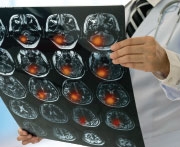 Większość uszkodzeń wywołanych przez udar mózgu występuje w ciągu 24 godzin, dlatego bardzo istotne jest, aby pacjenci jak najszybciej otrzymali odpowiednie leczenie, przywracające dopływ krwi i ograniczające zły wpływ. Jeżeli udaro-podobne symptomy trwają ponad 10 minut, natychmiast wezwij pomoc, nawet jeśli nie masz pewności, że jest to udar.[18]
Po przybyciu pacjenta do szpitala, lekarze szybko określają rodzaj udaru (ischemiczny lub krwotoczny), aby odpowiednio go leczyć. Zwykle, do określenia typu udaru, jak najszybciej przeprowadza się testy diagnostyczne.
Leczenie udaru niedokrwiennego. Celem terapii leczącej udar ischemiczny jest jak najszybsze rozpuszczenie skrzepu krwi (proces o nazwie liza). Badania wykazały, że czynnik trombolityczny (niszczący skrzepy) podany w przeciągu trzech godzin od wystąpienia objawów, może dramatycznie zmniejszyć rozmiar uszkodzeń.[19] Chociaż podane w ciągu 4,5 godzin od udaru są wciąż skuteczne.[20] Niestety, większość pacjentów udaru nie otrzymuje odpowiedniego leczenia czynnikiem trombolitycznym na czas.[21]
 Najpowszechniej stosowanym czynnikiem trombolitycznym jest aktywator plasminogenu tkanki. Zazwyczaj podawany jest dożylnie, ale nowsze metody wykorzystujące podawanie z wykorzystaniem ultrasonografii mogą poprawić skuteczność tych leków.[22]
U osób po przebytym udarze, istnieje duże ryzyko jego powrotu. Aby temu zapobiec, należy stosować terapię antykoagulantami, wliczając w to niskie dawki aspiryny lub długoterminową terapię warfaryną (Coumadin®) czy leki przeciwpłytkowe (takie jak Plavix®).
- Antykoagluanty. Leki te działają poprzez zapobieganie narastaniu skrzepu lub tworzenie się nowych. Warfaryna jest najczęściej stosowanym lekiem tego typu - lekarze często zalecają jej użycie kiedy podejrzewają, że pochodzący z serca skrzep przesuwa się do mózgu, w którym osadzając się, blokuje przepływ krwi oraz powoduje udar zatorowy. Antykoagluanty nie są wskazane kiedy istnieje zwiększone ryzyko krwawienia lub u pacjentów z niekontrolowanym wysokim ciśnieniem krwi.[23]
- Czynniki przeciwpłytkowe. Leki te działają poprzez zapobieganie przywierania do siebie płytek krwi i tworzenia skrzepu. Powszechne leki tego typu to aspiryna, dipirydamol i klopidogrel. Często stosuje się je również do redukcji ryzyka udaru u osób, które miały przejściowy atak ischemiczny lub do zmniejszenia ryzyka wystąpienia kolejnego.
Leczenie udaru krwotocznego. Leczenie udaru krwotocznego opiera się na operacji i środkach farmakologicznych. Leczenie chirurgiczne może pomóc złagodzić uszkodzenia (krwiak), ale stan zdrowia pacjenta przed operacją ma krytyczny wpływ na prędkość rekonwalescencji. Stan osób, które są przytomne i mają małe skrzepy krwi często poprawia się bez operacji. Ale pacjenci będący w śpiączce, którzy mają duże skrzepy, bez względu na rodzaj terapii słabo reagują na leczenie.[24]
Po zakończeniu leczenia, aby kontrolować ciśnienie krwi, które jest głównym czynnikiem ryzyka udaru krwotocznego, często przepisuje się odpowiednie środki farmakologiczne.[25] Do leków na receptę obniżających ciśnienie krwi zaliczamy m.in. leki moczopędne, blokery kanału wapniowego, blokery beta, inhibitory ACE.
Zapobieganie udarom
 Zapobieganie udarom jest tematem wielu debat. Średnio 25 procent ludzi, którzy wracają do zdrowia po przebytym udarze, niestety doznaje kolejnego w przeciągu pięciu lat. Podczas gdy prawdopodobieństwo śmierci i kalectwa zwiększa się z każdym udarem, ryzyko wystąpienia następnego wydaje się być największe w pierwszym roku.[26]
Stosując pomiary takie jak stopień niedrożności tętnicy (jak dużo arterii szyjnej jest zablokowane przez płytki miażdżycowe), eksperci dążyli do ustanowienia stałych wytycznych, by pomóc lekarzom wybrać pomiędzy różnymi opcjami - lekami, angioplastyką a chirurgią. Do powszechnych leków na receptę stosowanych by wspomagać profilaktykę udarów zaliczamy lek obniżający ciśnienie [27] i cholesterol (statyna) oraz lek antyarytmiczny, pomagający kontrolować nieregularne bicie serca, które mogłyby przyczynić się do większego ryzyka udaru. Angioplastyka jest zabiegiem, który polega na wprowadzeniu niewielkiego balonika do tętnicy, a następnie szybkim napełnieniu go co powoduje skruszenie płytki miażdżycowej i udrożnienie arterii. Najpopularniejszą operacją stosowaną w celu zapobiegania wystąpieniu udaru jest endarterektomia arterii szyjnej, podczas której chirurg otwiera tętnice w szyi i usuwa wewnętrzną wyściółkę arterii.
Podczas gdy każda z tych strategii działa w określonych przypadkach, to mają one jeden wspólny słaby punkt - często są stosowanie tylko, gdy ryzyko udaru osiągnie niedopuszczalny poziom. Life Extension preferuje bardziej proaktywne podejście. Dzięki stosowaniu zaawansowanych, wczesnych badań określających ryzyko, podejmowaniu działań poprawiających funkcje śródbłonka, zmniejszaniu czynników ryzyka (takich jak homocysteina i fibrynogen) i ciśnienia krwi, Life Extension dąży do utrzymywania możliwie najniższego profilu ryzyka.
Dieta. Wiele badań wykazało, że dieta bogata w owoce i warzywa zmniejsza ryzyko naczyniowo-mózgowych chorób jak i zarówno niedokrwiennego jak i krwotocznego udaru.[28] Opierając się na wynikach dwóch głównych badań, w celu zmniejszenia ryzyka udaru polityka zdrowia publicznego rekomenduje spożywanie większych ilości przeciwutleniającej witaminy C, beta karotenu, witaminy E, witaminy B (wliczając kwas foliowy), potasu, wapnia, magnezu, witaminy D, błonnika i kwasów tłuszczowych omega 3.[29] Te istotne substancje odżywcze mogą również zostać dostarczone dzięki suplementom diety w połączeniu ze zdrową dietą.
Materiał wykorzystany za zgodą Life Extension. Wszelkie prawa zastrzeżone.[1] NINDS 2005
[2] Kirchhoff K et al 2002
[3] Hollander M et al 2003
[4] Kelly PJ et al 2000
[5] Schwammenthal Y et al 2004
[6] Spence JD et al 2005
[7] Ullegaddi R et al 2004
[8] Kelly PJ et al 2003
[9] Wald DS et al 2002
[10] Moat SJ et al 2004
[11] He K et al 2004, Bazzano LA et al 2002
[12] Kelly PJ et al 2000
[13] Di Napoli N et al 2001
[14] Ridker PM et al 1997
[15] Ridker PM et al 1998
[16] Danesh J et al 2005
[17] Ma J et al 1999
[18] NINDS 2005
[19] Burger KM et al 2005
[20] Davalos 2005
[21] Burger KM et al 2005; Davalos A 2005
[22] Davalos 2005
[23] NINDS 2005
[24] National Stroke Association 2005
[25] Clarke CRA 1998
[26] National Stroke Association 2005
[27] Gorelick PB et al 1999; Goldstein LB et al 2001
[28] Gariballa SE 2000; Sauvaget C et al 2003
[29] Gariballa SE 2000; Johnsen SP 2004
Related posts
-
 Is Conventional Pomegranate Extract Enough?
An abundance of clinical data has established pomegranate as a broad-spectrum, multi-modal defense against the...
Is Conventional Pomegranate Extract Enough?
An abundance of clinical data has established pomegranate as a broad-spectrum, multi-modal defense against the... -
Feed Your Brain!
Millions of people around the world are adhering to low-fat, low-cholesterol diets in an effort to reduce the impact...
-
Lipoic Acid Reverses Mitochondrial Decay
It is estimated that 85% of the oxygen contained in every breath you take is consumed by the mitochondria within each...
-
Vitamin C and Dihydroquercetin
Every day, our bodies are under continual assault by damaging agents known as free radicals. Generally, both internal...
-
How Resveratrol Combats Leading Causes of Death
In 1997, the first scientific paper on resveratrol was published showing that this polyphenol could prevent cancer in...