
 English
 Polski
 Deutsch
 Français
 ελληνικά
 Español
 Italiano
Udar mózgu i choroby naczyniowo-mózgowe. Część 1
Udar mózgu - zapobieganie
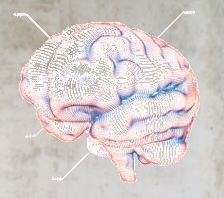 Choroby naczyniowo-mózgowe, wliczając w to udar mózgu, są trzecią z głównych przyczyn śmierci w Stanach Zjednoczonych i najczęstszym powodem kalectwa wśród starszych Amerykanów. Schorzenia te występują, kiedy naczynia krwionośne, dostarczające mózgowi utlenioną krew, są uszkodzone lub ich funkcje są osłabione. Poważnie ograniczony przepływ krwi, pozbawiający nawet na krótko mózg wystarczającej ilości tlenu, może doprowadzić do udaru. Jak wykazano, średnio co 45 sekund jeden Amerykanin doświadcza udaru, który często niesie poważne konsekwencje - nawet śmierć. Jeden na czterech mężczyzn i jedna na pięć kobiet powyżej 45 roku życia doświadczy udaru.
Istnieją dwa główne rodzaje udaru. Najpowszechniejszy - udar niedokrwienny, pojawia się kiedy tętnica w mózgu jest zablokowana przez skrzepy krwi, zwykle spowodowane przez miażdżycę (osadzone płytki miażdżycowe na wewnętrznej ścianie arterii). Również udar krwotoczny może wystąpić kiedy część ściany tętniczej słabnie i pęka. Udar mózgu jest nagłym, poważnym, medycznym stanem zagrożenia dla pacjenta, który wymaga natychmiastowej opieki medycznej. Czas jest krytycznym czynnikiem w jego leczeniu.
Obecnie pewni eksperci określają udary jako „atak na mózg” aby podkreślić konieczność ich natychmiastowego leczenia. Naukowcy przeprowadzili tysiące klinicznych prób szukając lepszych sposobów zapobiegania i leczenia udarów. Dzięki temu posiadamy solidną wiedzę na temat chorób naczyniowo-mózgowych, a każdego dnia uczymy się jeszcze więcej. Tak, jak w przypadku miażdżycy w tętnicach wieńcowych (chorobie tętnicy wieńcowej), podstawowa przyczyna udaru niedokrwiennego może często pozostawiać ślady w organizmie już na dekady przed wystąpieniem choroby. Powstające wówczas uszkodzenia na wewnętrznej wyściółce arterii (śródbłonku), wywołują śmiertelną reakcję łańcuchową. Jako, że zaburzenie śródbłonka zidentyfikowano jako podstawowy proces chorobowy sercowo-naczyniowych i schorzeń naczyniowo-mózgowych, wraz z głównymi czynnikami ryzyka dla zaburzenia śródbłonka, takimi jak wysokie ciśnienie krwi i palenie, naukowcy przeprowadzają nowe terapie, starając się zapobiec udarom poprzez poprawę zdrowia naszych arterii.
 Udar mózgu jest przede wszystkim problemem osób starszych - głównie z powodu narastających skutków zaburzeń śródbłonka, które mogą trwać dekady, aż osiągną punkt krytyczny. Prawie trzy czwarte wszystkich udarów pojawia się u ludzi, będących powyżej 65. roku życia, a ryzyko udaru po osiągnięciu 55 lat podwaja się z każdą dekadą.[1]
Udar mózgu jest pozornie niewinnym stanem z powodu natury anatomii mózgu. Choroba serca często poprzedzona jest charakterystycznym bólem w klatce piersiowej lub ręce (dusznicy) oraz płytkim oddechem. Te symptomy występują kiedy dopływ krwi do serca jest chwilowo zmniejszony. Jednak mózg nie posiada receptorów bólu, dlatego tymczasowe przypadki niedokrwienia nie są bolesne. Chociaż istnieją znaki ostrzegawcze, często pierwszym sygnałem miażdżycy w mózgu jest właśnie udar.
Kiedy dopływ krwi do mózgu jest na krótko zakłócony pojawiają się tzw. mini-udary. Ich symptomy są podobne do udaru (trudności z widzeniem i mową, ograniczony paraliż) ale mniej poważne i zwykle ustępują w ciągu 24 godzin. W przeszłości lekarze rozpatrywali mini-udary jako stosunkowo łagodny stan. Dzisiaj, rozumiemy, że są one nie tylko szkodliwe na swój sposób z powodu pozbawienia mózgu krwi, ale obecność mini-udarów jest głównym sygnałem ostrzegawczym. Każda osoba, która podejrzewa u siebie chorobę naczyniowo-mózgową powinna otrzymać natychmiastową opiekę medyczną. Pacjenci powinni poddać się wszechstronnemu testowi diagnostycznemu, by zbadać prawdopodobieństwo udaru i przedsięwziąć aktywne kroki, aby zmniejszyć ryzyko jego wystąpienia.
Rodzaje udaru
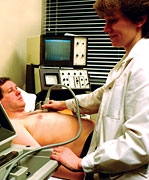 Udary są spowodowane albo przez zator tętniczy, który zmniejsza przepływ krwi do mózgu (udar niedokrwienny) albo przez przerwanie arterii, pozwalając na wylew krwi do otaczającego obszaru (udar krwotoczny). Niezmiernie ważne jest aby jak najszybciej zidentyfikować typ udaru, ponieważ każdy rodzaj leczy się inaczej. Na przykład, jeśli udar spowodowany jest przez skrzepy krwi (udar niedokrwienny), należy zażyć leki, które pomogą rozpuścić skrzepy. Jeżeli jednak byłyby one podane osobie cierpiącej na udar krwotoczny, uszkodzenia mogłoby się tylko nasilić, z powodu narastającego krwawienia.[2]
Udar niedokrwienny stanowi 80 procent wszystkich udarów.[3] Istnieją dwa jego rodzaje. Pierwszy z nich, udar zakrzepowy (skrzeplinowy) powstaje w wyniku skrzepów krwi tworzących się w tętnicy mózgowej, odcinając dostawę krwi do różnych tkanek.
Drugi, udar zatorowy występuje, kiedy formy skrzepu utworzone w innej partii ciała odrywają się i przenoszą do mózgu. Skrzep może pochodzić z obwodowej arterii, samego serca lub tętnicy szyi czy mózgu. U ludzi z nieprawidłowym rytmem serca - migotaniem przedsionków, skrzepy mogą powstać w lewym przedsionku, a następnie przenieść się przez lewą komorę serca oraz aortę do mózgu. Kiedy skrzep osadza się w tętnicy, tkanka poniżej zatoru jest pozbawiona tlenu i zaczyna obumierać.
Udar krwotoczny. Należący do drugiej kategorii - udar krwotoczny, występuje kiedy naczynie w samym mózgu lub blisko niego pęka, co powoduje wylew krwi do mózgu lub otaczającej tkanki. W takim przypadku, krew jest tłoczona w przeciwnym kierunku i powoduje ucisk na zdrowe tkanki mózgu. Większe ciśnienie zmniejsza przepływ krwi, a jeżeli jest wystarczająco wysokie, może spowodować uszkodzenia komórek mózgowych. Istnieją dwa zasadnicze rodzaje udarów krwotocznych - nazywanych zgodnie z miejscem krwawienia:[4]
- Podpajęczynówkowy występuje kiedy krew zalewa przestrzeń między mózgiem i czaszką.
- Domózgowy krwotok pojawia się kiedy tętnica w mózgu pęka, rozlewając krew do otaczającej tkanki mózgowej.
Krwotoczne udary często spowodowane są przez tętniaki lub osłabione części ściany tętniczej. Tętniak może nie wywoływać żadnych symptomów i istnieć niezauważalny przez lata. W wielu przypadkach, pierwszą jego oznaką jest właśnie udar.
Urazy są tak niebezpieczne ze względu na swój paraliżujący i osłabiający wpływ. Wykazano, że nawet mini-udary osłabiają funkcje kognitywne,[5] a duże mogą mieć poważne i zagrażające życiu konsekwencje. Do powszechnych skutków udaru zaliczamy:
- Paraliż lub osłabienie. Paraliż, osłabienie i zmęczenie są najpowszechniejszymi rezultatami udaru. Te efekty mogą dotyczyć jednej strony ciała lub tylko twarzy, ręki czy nogi. Pacjenci mogą również stracić zdolności do kontrolowania oddawania moczu lub stolca. Mogą również wystąpić zaparcia. Problemy nietrzymania moczu są zwykle tymczasowe, ale mogą być pewnym obciążeniem emocjonalnym.
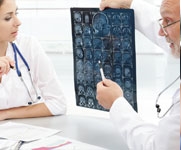
- Afazja. Co najmniej 25 procent osób po przebytym udarze mózgu traci zdolność mowy, ma problemy z pisaniem lub zrozumieniem języka mówionego lub pisanego. Dzięki terapii można ten stan złagodzić.
- Orientacja przestrzenna, myślenie i pamięć. Udar może uszkodzić obszary w mózgu, które kontrolują pamięć, orientację przestrzenną, świadomość oraz zdolności uczenia się. U pacjentów może wystąpić znaczne zmniejszona koncentracja i krótkoterminowe problemy z pamięcią. Ofiary udaru mogą stracić zdolność do uczenia się nowych rzeczy, podążania według instrukcji, robienia planów lub dzielenia zadań na etapy.
- Osłabienie zdrowia umysłowego. Depresja, zmiany osobowości i problemy z kontrolowaniem emocji występują powszechnie u ofiar udaru ze względu na swój paraliżujący i osłabiający wpływ. Udary mogą również uszkadzać korę czołową i inne części mózgu związane z emocjami. Poudarowa depresja zwykle dobrze reaguje na leczenie antydepresantami i konsultację psychologiczną.[6]
Zaburzenie śródbłonka a ryzyko udaru
 Większość udarów jest spowodowana przez skrzepy krwi, które tworzą się w wyniku miażdżycy.[7] Kiedyś znana jako “stwardnienie arterii”, miażdżyca występuje kiedy arterie stają się niedrożne przez złogi płytek miażdżycowych, a struktura i funkcje wewnętrznej ściany tętniczej są osłabione (śródbłonek). Jeżeli pokłady płytek miażdżycowych stają się słabe i pękają, mogą utworzyć się skrzepy krwi, prowadząc do udaru. Naukowcy spędzili dekady wyjaśniając skomplikowane biologiczne procesy, które prowadzą do powstania miażdżycy. Teraz rozumiemy, że jest ona długotrwałą chorobą, którą nasila się wraz z wiekiem, zwiększając ryzyko ataku serca i udaru mózgu.
Przez wiele lat, konwencjonalna nauka porównywała tętnice do rur, często używając „hydraulicznej” analogii, by opisać zabiegi takie jak angioplastyka balonowa lub endarterektomia, w których usuwa się płytkę z wyściółki tętnicy. Problem jednak w tym, że w rzeczywistości tętnice są mięśniowymi, złożonymi tkankami, które odgrywają aktywną rolę w regulowaniu ciśnienia krwi i innych biologicznych funkcji.
Arterie składają się z trzech warstw. Zewnętrzną warstwę stanowi głównie tkanka łączna - zapewnia strukturę dla poniższych warstw. Średnia warstwa składa się z mięśni gładkich - kurczy się i rozszerza się, wspomagając przepływ krwi i utrzymanie ciśnienia krwi. Wewnętrzna warstwa natomiast to cienka warstwa komórek śródbłonka - zapewnia gładką, ochronną powierzchnię. Komórki śródbłonka zapobiegają przenikaniu do mięśnia gładkiego arterii toksycznych, przenoszonych przez krew substancji. Reagują również na zmiany w ciśnieniu krwi i uwalniają substancje do komórek mięśnia gładkiego, które wspomagają zmianę napięcia mięśniowego arterii. Ponadto, komórki śródbłonka wydzielają substancje chemiczne, które prowokują reakcję ochronną w przypadku uszkodzenia tętnicy.
W wyniku uszkodzenia tętnicy, śródbłonek sygnalizuje komórki mięśnia gładkiego, by zgromadziły się w miejscu urazu. Komórki śródbłonka sygnalizują również białym krwinkom, aby zebrały się na zniszczonej ścianie naczynia, wywołując reakcję odpornościową. Jednak wraz z wiekiem, śródbłonek staje się nieszczelny, pozwalając na przenikanie lipidów i toksyn przez jego warstwę do komórek mięśni gładkich. W wyniku tego, komórki mięśnia gładkiego gromadzą się w miejscu urazu, a tętnica z kolei gubi nieco swoją elastyczność. W odpowiedzi, śródbłonek sygnalizuje białym krwinkom, aby zebrały się wzdłuż ściany komórek. Następnie staje się osłabiony przez prozapalną reakcję odpornościową, w której leukotrieny i prostaglandyny przyczyniają się do powstania stanów zapalnych, które pogarszają nieprawidłowe napięcie mięśni gładkich ściany tętniczej.[8] Toksyny wkrótce potem zaczynają przenikać do ściany arterii. Wewnątrz tętnicy, lipidy takie jako lipoproteiny o niskiej gęstości (LDL) cholesterol i trójglicerydy gromadzą się i stopniowo zostają utleniane.
 W tym momencie, proces miażdżycowy zaczyna przybierać poważną postać. W odpowiedzi na oksydacyję lipidów, organizm wzmaga rekcję odpornościową, która sprawia, że więcej krwinek białych atakuje tłuszcze, produkując większe stany zapalne w ścianie tętniczej. Próbując złagodzić uraz, komórki mięśnia gładkiego zaczynają produkować kolagen, by utworzyć "powłokę" na uszkodzonym miejscu. Mieszanina utlenionych lipidów, krwinek białych i komórek mięśni gładkich tworzy złogi płytek. Z czasem, na złogach gromadzi się wapń, tworząc kruchą powłokę. Jeżeli te zwapnione płytki pękną, mogą utworzyć się skrzepy krwi.
Wszystkie opisane powyżej procesy, w których ściana tętnicza jest uszkodzona, a funkcje śródbłonka osłabione, składają się na jego zaburzenia. Do czynników ryzyka, które nasilają zaburzenia śródbłonka, wliczamy wysokie ciśnienie krwi, palenie papierosów, podniesiony poziom LDL i trójglicerydów, niski stan lipoprotein o dużej gęstości (HDL), cukrzycę, podniesioną koncentrację insuliny, otyłość, brak aktywności fizycznej oraz kilka ostatnio zidentyfikowanych - podniesione poziomy homocysteiny i białko C reaktywne. Każdy z tych czynników przyczynia się do zaburzeń śródbłonka tętnicy mózgowej i w następstwie, zwiększonego ryzyka udaru.
Wysokie ciśnienie krwi jest ściśle związane z udarem mózgu (wysokie ciśnienie krwi łączy się z połową udarów niedokrwiennych). Wiadomo, że przyczynia się do zaburzeń śródbłonka. Dym papierosowy jest kolejnym głównym czynnikiem ryzyka, ponieważ zawiera wiele toksyn, które przyczyniają się do uszkodzeń śródbłonka. Wykazano również, że homocysteina powoduje pierwsze jego urazy, co zapoczątkowuje procesy miażdżycowe.[9] Physician’s Health Study odkryło, że u mężczyzn z najwyższymi kwartylami poziomów białka C reaktywnego (marker zapalny, który sygnalizuje o stanie zapalnym w organizmie), wykazano dwukrotnie większe ryzyko udaru niedokrwiennego.[10] Inne badania ujawniły, że białko C reaktywne jest silnym niezależnym predyktorem mniejszego wskaźnika przeżywalności osób po przebytym udarze niedokrwiennym.[11]
Gdyby naukowcy zidentyfikowali leki lub suplementy wspomagające zdrowe funkcje śródbłonka, możliwe stałoby się spowolnienie rozwoju miażdżycy oraz zmniejszenie ryzyka wystąpienia najpowszechniejszego rodzaju razu. Głównym wysiłkiem w przypadku terapii powinna być kwestia tlenku azotu, który sprawia, że tętnice rozszerzają się, poprawiając w ten sposób przepływ krwi. Substancje odżywcze bądź leki, które wspomagają produkcję tlenku azotu mogą mieć potencjał w zmniejszaniu ryzyka udaru lub innych efektów miażdżycy.
Znaczenie również ma modyfikowanie innych czynników, takich jak wysokie ciśnienie krwi, cholesterol a nawet infekcję. Badania połączyły zwiększone ryzyko powstania udaru z pewnymi powszechnymi infekcjami, takimi jak zapalenie płuc wywołane przez chlamydia, bakterie helicobacter pylori i chlamydia pneumoniae oraz wirus cytomegalii.[12] Po raz pierwszy National Health and Nutrition Examination Survey (NHANES) odkrył, że choroba przyzębia mimo, że uleczalna, również jest znacznym czynnikiem ryzyka.[13] Inne badania wykazały, że hospitalizowali pacjenci z bakteryjnymi i wirusowymi infekcjami mieli większe ryzyko udaru w pierwszym tygodniu infekcji, podkreślając jej znaczenie, nawet u ludzi młodych.[14]
- Udar jest trzecią z najpowszechniejszych przyczyn śmierci w Stanach Zjednoczonych. Spowodowany jest przez skrzepy blokujące przepływ krwi dostarczającej tlen do mózgu lub przez krwotok w naczyniach krwionośnych mózgu. Jeden na czterech mężczyzn i jedna na pięć kobiet powyżej 45. roku życia doświadcza w swoim życiu udaru.
- Najpowszechniejszym czynnikiem ryzyka jest wysokie ciśnienie krwi.
- Udar niedokrwienny pojawia się kiedy przepływ krwi do mózgu jest zakłócony z powodu skrzepu krwi. Krwotoczny udar występuje natomiast kiedy przepływ krwi do mózgu jest zakłócony w wyniku pękniętej tętnicy.
- Udar niedokrwienny stanowi około 80 procent wszystkich udarów.
- Udar niedokrwienny jest ściśle związany z miażdżycą i zaburzeniami śródbłonka w arteriach. Każda terapia poprawiająca zdrowie śródbłonka może pomóc zmniejszyć ryzyko udaru.
- Udar doprowadza do długotrwałych kalectw w Stanach Zjednoczonych – i to częściej niż jakakolwiek inną choroba.
- W przypadku podejrzenia wystąpienia udaru, należy niezwłocznie zwrócić się o pomoc medyczną.
- Środki zapobiegawcze mogą zmniejszyć ryzyko wystąpienia pierwszego jak i kolejnego udaru.
[1] NINDS 2005
[2] NINDS 2005
[3] NINDS 2005
[4] Stanford Stroke Center 2005
[5] Mosley TH Jr. et al 2005
[6] NINDS 2005
[7] Gorelick PB 2002
[8] Touyz RM 2005
[9] Sainani GS et al 2002
[10] Ridker PM et al 1997
[11] Di Napoli M et al 2001
[12] Winkelstein JA et al 2001; Meier CR et al 1999; Nieto FJ et al 1999
[13] Wu T et al 2000
[14] Grau AJ et al 1995, 1998, 1999
Related posts
-
 Is Conventional Pomegranate Extract Enough?
An abundance of clinical data has established pomegranate as a broad-spectrum, multi-modal defense against the...
Is Conventional Pomegranate Extract Enough?
An abundance of clinical data has established pomegranate as a broad-spectrum, multi-modal defense against the... -
Feed Your Brain!
Millions of people around the world are adhering to low-fat, low-cholesterol diets in an effort to reduce the impact...
-
Lipoic Acid Reverses Mitochondrial Decay
It is estimated that 85% of the oxygen contained in every breath you take is consumed by the mitochondria within each...
-
Vitamin C and Dihydroquercetin
Every day, our bodies are under continual assault by damaging agents known as free radicals. Generally, both internal...
-
How Resveratrol Combats Leading Causes of Death
In 1997, the first scientific paper on resveratrol was published showing that this polyphenol could prevent cancer in...