
 English
 Polski
 Deutsch
 Français
 ελληνικά
 Español
 Italiano
Major Advance in Healthy Longevity: Senolytics
 TIME Magazine has reported a discovery that will likely transform medical practice. Here is one quote:
“It’s looking like very old mice are able to substantially improve their health span, reduce or delay age-related diseases, and increase their survival.”1
The article describes age-reversal research performed at the Mayo Clinic and Scripps Research Institute.
The therapy targets and eliminates senescent cells, which are a factor in degenerative aging.
These findings represent a significant leap forward in reducing and even reversing aging at the cellular level.
The Los Angeles Times on July 10, 2018, reported further:
“Aging…is beginning to look more and more like a disease—and a treatable one at that.”
“...[this new study]...not only offers a clear look at the power of senescent cells to drive the aging process, but also a pharmaceutical cocktail that, in mice at least, can slow and even reverse it.”
“Compared to mice who aged normally, those that started the dasatinib-quercetin [senolytic] cocktail at an age equivalent to 75 to 90 years in humans ended up living roughly 36% longer, and with better physical function.”2
 The last quote indicates that elderly people may be able to restore physical functionality and live longer by purging their bodies of senescent cells.
The quotes on the left page describing the potential to “transform medical care” were published in a recent issue of the Journal of the American Medical Association.
Senescent cells lose the ability to properly function. Instead, they linger in a sort of zombie-like state, not fully alive, but not dead.
As senescent cells accumulate they inflict systemic damage by:
1) Emitting pro-inflammatory signals and
2) Secreting protein-degrading enzymes.3
Mayo Clinic researchers tested the natural compound quercetin in combination with the drug dasatinib. The purpose was to target and eliminate these zombie-like senescent cells. This experimental “senolytic” treatment restored youthful function and improved survival.4
Fascinated by these findings, Life Extension® scientists have studied the mechanisms of dasatinib and identified intriguing natural compounds (theaflavins) that function in a similar senolytic fashion.
Quercetin and theaflavins have complementary activity, and can provide a dual-action approach to help clear senescent cells from the body to restore youthful function at the cellular level.
Deadly Impact of Zombie-like Cells
What this Mayo Clinic discovery further revealed is the degree of toxicity inflicted by senescent cells:
If only one in 7,000 to 15,000 cells are senescent, then age-related deterioration starts to occur in laboratory mice.5
To reiterate, just one senescent cell out of 7,000-15,000 healthy cells can initiate degenerative aging.
To make matters worse, senescent cells seem to pass on their age-accelerating toxicity to normal cells, creating a spiral of pathologic disorders that result in chronic illnesses and premature death.
FROM THE JOURNAL OF THE AMERICAN MEDICAL ASSOCIATION
 JAMA Network™
Scientific Discovery and the Future of Medicine
“…many human pathologic conditions are associated with the presence of senescent cells.”
“Interventions aimed at eliminating those senescent cells, commonly called senolytic, have also been shown to improve health and extend life in various mouse disease models.”
“If senolytics are shown to be safe and effective in humans, they could transform care of older adults and patients with multiple chronic diseases.”
Reference: “Aging, Cell Senescence, and Chronic Disease: Emerging Therapeutic Strategies.”; Journal of the American Medical Association (JAMA) September 17th 2018.
Cell Senescence and Aging
 Reducing the senescent cell burden in our tissues may help maintain optimal function and reduce the risk for disease.
In our youth, cells naturally eliminate themselves if they become damaged or dysfunctional. This process, which damaged (senescent) cells “shut off,” is called apoptosis.
Apoptosis is often referred to as “programmed cell death.” This self-elimination is a normal and important part of maintaining and regenerating healthy tissues.6 As organs age, however, more cells become senescent.
These zombie-like cells emit harmful compounds that promote inflammation in the surrounding tissue.7-10 Chronic inflammation is a major contributor to degenerative disorders.11-14
Published research demonstrates that buildup of senescent cells accelerates aging processes and increases risk of age-related diseases.15-18 Diabetes, obesity, stroke, vision loss, neurogenerative disorders, osteoarthritis, emphysema, and cancer can be connected to the presence of senescent cells.9,10,17-20
The possibility of removing senescent cells from the body provides a novel approach to modulating and reducing the cellular factors of aging.4
SENOLYTIC THERAPY
 Cellular senescence increases in our tissues as we age.
- The presence of senescent cells is associated with the progression of age-related loss of function and the development of age-related disease.
- Reducing the senescent cell burden in our tissues may help maintain optimal function and reduce the risk for disease.
- Natural compounds, such as quercetin and theaflavins, have demonstrated senolytic activity in animal studies and the ability to improve markers of health in humans.
- Incorporation of quercetin into phytosomes improves quercetin bioavailability, and combining it with theaflavins may prove to be an effective senolytic cocktail.
What Are Senolytics?
 Senolytic compounds can be drugs, peptides, or plant extracts that act to cleanse the body of senescent cells.8,21
In human cell and animal studies, consistent findings show that removing senescent cells from the body improves various markers of aging and prolongs lifespan in some models.4,8,20,22,23
In a 2016 study published in Science, researchers demonstrated that in a mouse model of atherosclerosis, removal of senescent cells led to significant inhibition of growth and even regression of arterial plaque.24 This ability to block or reverse plaque growth could be an important step in preventing heart and blood vessel disease.
In another study published in Nature, a mouse model of aging demonstrated that removing senescent cells benefited multiple tissues, while delaying the onset and slowing progression of age-related disorders.20
How Do Senolytics Work?
Senescent cells fail to undergo programmed self-elimination. Like a contagion, senescent cells pass on their accelerated aging properties to healthy cells by releasing a number of factors that can cause tissues to deteriorate.
Senolytic compounds target anti-apoptotic pathways. This causes senescent cells to self-destruct and be eliminated from the body.
Senolytics are able to specifically target these cells and activate their suicide switch so that they proceed to die a normal death.23 In this way, toxic cells are removed from the body without harming highly functioning cells.
SENOLYTICS: INTERMITTENT VS. CONTINUAL THERAPY – WHICH IS BEST?
 Much debate and discussion has arisen in the longevity community as to optimal treatment regimens with senolytic therapies.
Intermittent therapy with substances having relatively short elimination half-lives may be the better approach to reducing accumulation of senescent cells in the body.4,8,53
For example, drugs that target expression of pro-inflammatory aspects of senescent cells (i.e., the senescence-associated secretory phenotype) seem more effective when administered as intermittent therapy.54
Continuous use of high-dose senolytic agents may adversely impact healthy nonsenescent cells.8
Future research focusing upon rates of senescent cell accumulation, reaccumulation, and the immune system’s role in removing zombie-like senescent cells from the body will help clarify the optimal treatment regimen with senolytic therapy.
For now, intermittent therapy seems best. Based upon the available preclinical research, once weekly ingestion of (high dose) quercetin phytosome and theaflavins appears to be a logical approach until further information is available.
Quercetin: A Plant-Based Senolytic
 Quercetin, a compound found in many fruits and vegetables, has long been recognized for its health benefits.25-30 It is an anti-inflammatory agent that has been shown to protect cells and tissues from injury.26-30
In lab studies, quercetin has been demonstrated to improve markers of aging and extend lifespan.31-36 Human studies have shown quercetin reduces or prevents age-related disease and dysfunction.37,38
In addition to these general health and longevity promoting benefits, the medical literature supporting quercetin as a senolytic has been growing over the last decade.4,8,23,36,39-41
Quercetin, when combined with other compounds, can clear senescent cells from tissues. When applied directly, quercetin may enable a rejuvenating effect in healthy cells.4,36,39
A POTENT DUO TO REMOVE SENESCENT CELLS
 When the Mayo Clinic began to explore the use of senolytic compounds to remove senescent cells they combined the cancer drug dasatinib and the nutrient quercetin.
Based on published studies, researchers discovered that theaflavins, found in black tea, target some of the same cellular signaling pathways as dasatinib and other senolytic drugs known as BCL-2 inhibitors.45-47,56
Signaling pathways comprise the cellular communication network. These signals are passed from molecule to molecule in the cell, giving the cell instructions on what to do. When signaling pathways become distorted it can result in cancer, senescence, or other diseases.
Theaflavins may act as a senolytic agent by inhibiting cellular receptors Eph, BRC-ABL, and BLC-245-47,56 to clear senescent cells from the body. Therefore, without the side effect concerns about drugs that many readers of this magazine have, it is possible to create a senolytic cocktail using both theaflavins and quercetin to target signaling pathways to remove useless senescent cells.
Enhancing Quercetin’s Effects
 A challenge in fully benefiting from quercetin is that it can have low oral bioavailability.42
To improve quercetin’s absorbability so that the body can obtain higher benefits at lower doses, researchers integrated quercetin into a phytosome.
Phytosomes combine a natural compound (like quercetin) with a plant-based phospholipid carrier.43 This enables much more quercetin to enter the bloodstream to exert its beneficial effects throughout the body.
Research led by the Mayo Clinic and Scripps Research Institute scientists used quercetin along with a chemotherapeutic drug, dasatinib, in their studies.
They demonstrated that quercetin along with dasatinib removed human senescent cells from cell cultures to a greater degree than either compound alone.4,5
When dasatinib and quercetin were administered to old mice, systemic regeneration occurred.4
Dasatinib is a drug intended to treat cancer. Yet the rejuvenation potential of properly taking dasatinib and quercetin is compelling.
This prompted Life Extension scientists to seek out a natural compound that exhibits promising senolytic-like effects and shares some of the same mechanisms of action of dasatinib.44-47 The best candidate is a group of natural compounds found in black tea called theaflavins.
Like quercetin, theaflavins have exhibited numerous health benefits, including lifespan extension.44,48-51
Most excitingly, theaflavins demonstrated senolytic-like effects in a recent animal study.44
Theaflavins are safe and are not associated with any of the side effects that can occur with dasatinib.52 The combination of quercetin and theaflavins offers a senolytic punch, without side effect concerns.
Another important finding from Mayo Clinic and Scripps Research Institute is that intermittent dosing of the combination of the senolytics quercetin and dasatinib improved grip strength, coat condition, movement, and overall health.4
This same study also revealed improvement in a biomarker of senescent cells in the kidney compared with control mice.4
These results suggest that combinations of natural senolytics such as quercetin phytosome and theaflavins may also restore youthful cellular function, even when taken on an intermittent basis.
APOPTOSIS: PROGRAMMED CELL DEATH
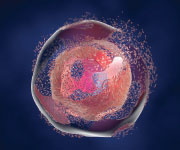 Apoptosis is often referred to as “programmed cell death.”
Ideally, later in life, apoptosis helps to remove old and injured cells, preventing them from interfering with the healthy function of neighboring cells. Hence, apoptosis can help to maintain optimally functioning tissues.
Because pathogenic cellular senescence is characterized by a lack of apoptosis, senescent cells are major contributors to age-related loss of function and risk for disease.55
Summary
 Cell senescence is common in aged tissues.
Senescent cells cannot remove themselves from the body through normal channels. Their impairment and tendency to promote inflammation contribute to loss of physical function and the risk for age-related disease and disability.
Senolytic compounds have the ability to cleanse the body of these cells, improving organ function and preventing disease. Several compounds are being actively studied for these effects and to define their optimal role in promoting longevity.
Quercetin and theaflavins have a number of different properties that promote health and longevity, including senolytic activity. Delivery of quercetin in a phytosome and co-administering it with theaflavins may help maximize the senolytic effect.
Material used with permission of Life Extension. All rights reserved.
- Available at: http://time.com/5333752/aging-drugs. Accessed August 6, 2018.
- Available at: http://www.latimes.com/science/sciencenow/la-sci-sn-anti-aging-cocktail-20180710-story.html. Accessed August 6, 2018.
- Campisi J, d’Adda di Fagagna F. Cellular senescence: when bad things happen to good cells. Nat Rev Mol Cell Biol. 2007;8(9):729-40.
-
Zhu Y, Tchkonia T, Pirtskhalava T, et al. The Achilles’ heel of senescent cells: from transcriptome to senolytic drugs. Aging Cell. 2015;14(4):644-58.
-
Xu M, Pirtskhalava T, Farr JN, et al. Senolytics improve physical function and increase lifespan in old age. Nat Med. 2018.
-
Elmore S. Apoptosis: a review of programmed cell death. Toxicol Pathol. 2007;35(4):495-516.
-
Coppe JP, Desprez PY, Krtolica A, et al. The senescence-associated secretory phenotype: the dark side of tumor suppression. Annu Rev Pathol. 2010;5:99-118.
-
Kirkland JL, Tchkonia T. Cellular Senescence: A Translational Perspective. EBioMedicine. 2017;21:21-8.
-
Tchkonia T, Zhu Y, van Deursen J, et al. Cellular senescence and the senescent secretory phenotype: therapeutic opportunities. J Clin Invest. 2013;123(3):966-72.
-
Zhu Y, Armstrong JL, Tchkonia T, et al. Cellular senescence and the senescent secretory phenotype in age-related chronic diseases. Curr Opin Clin Nutr Metab Care. 2014;17(4):324-8.
-
Khansari N, Shakiba Y, Mahmoudi M. Chronic inflammation and oxidative stress as a major cause of age-related diseases and cancer. Recent Pat Inflamm Allergy Drug Discov. 2009;3(1):73-80.
-
Leonardi GC, Accardi G, Monastero R, et al. Ageing: from inflammation to cancer. Immun Ageing. 2018;15:1.
-
Reuter S, Gupta SC, Chaturvedi MM, et al. Oxidative stress, inflammation, and cancer: how are they linked? Free Radic Biol Med. 2010;49(11):1603-16.
-
Sanada F, Taniyama Y, Muratsu J, et al. Source of Chronic Inflammation in Aging. Front Cardiovasc Med. 2018;5:12.
-
Yanai H, Fraifeld VE. The role of cellular senescence in aging through the prism of Koch-like criteria. Ageing Res Rev. 2018;41:18-33.
-
Fuhrmann-Stroissnigg H, Ling YY, Zhao J, et al. Identification of HSP90 inhibitors as a novel class of senolytics. Nat Commun. 2017;8(1):422.
-
Childs BG, Li H, van Deursen JM. Senescent cells: a therapeutic target for cardiovascular disease. J Clin Invest. 2018;128(4):1217-28.
-
Baker DJ, Petersen RC. Cellular senescence in brain aging and neurodegenerative diseases: evidence and perspectives. J Clin Invest. 2018;128(4):1208-16.
-
Aoshiba K, Nagai A. Senescence hypothesis for the pathogenetic mechanism of chronic obstructive pulmonary disease. Proc Am Thorac Soc. 2009;6(7):596-601.
-
Baker DJ, Wijshake T, Tchkonia T, et al. Clearance of p16Ink4a-positive senescent cells delays ageing-associated disorders. Nature. 2011;479(7372):232-6.
-
Malavolta M, Bracci M, Santarelli L, et al. Inducers of Senescence, Toxic Compounds, and Senolytics: The Multiple Faces of Nrf2-Activating Phytochemicals in Cancer Adjuvant Therapy. Mediators Inflamm. 2018;2018:4159013.
-
Jeon OH, Kim C, Laberge RM, et al. Local clearance of senescent cells attenuates the development of post-traumatic osteoarthritis and creates a pro-regenerative environment. Nat Med. 2017;23(6):775-81.
-
Kirkland JL, Tchkonia T, Zhu Y, et al. The Clinical Potential of Senolytic Drugs. J Am Geriatr Soc. 2017;65(10):2297-301.
-
Childs BG, Baker DJ, Wijshake T, et al. Senescent intimal foam cells are deleterious at all stages of atherosclerosis. Science. 2016;354(6311):472-7.
-
Spagnuolo C, Moccia S, Russo GL. Anti-inflammatory effects of flavonoids in neurodegenerative disorders. Eur J Med Chem. 2018;153:105-15.
-
Chen S, Jiang H, Wu X, et al. Therapeutic Effects of Quercetin on Inflammation, Obesity, and Type 2 Diabetes. Mediators Inflamm. 2016;2016:9340637.
-
Russo M, Spagnuolo C, Tedesco I, et al. The flavonoid quercetin in disease prevention and therapy: facts and fancies. Biochem Pharmacol. 2012;83(1):6-15.
-
Saw CL, Guo Y, Yang AY, et al. The berry constituents quercetin, kaempferol, and pterostilbene synergistically attenuate reactive oxygen species: involvement of the Nrf2-ARE signaling pathway. Food Chem Toxicol. 2014;72:303-11.
-
Tanigawa S, Fujii M, Hou DX. Action of Nrf2 and Keap1 in ARE-mediated NQO1 expression by quercetin. Free Radic Biol Med. 2007;42(11):1690-703.
-
Yao P, Nussler A, Liu L, et al. Quercetin protects human hepatocytes from ethanol-derived oxidative stress by inducing heme oxygenase-1 via the MAPK/Nrf2 pathways. J Hepatol. 2007;47(2):253-61.
-
Abharzanjani F, Afshar M, Hemmati M, et al. Short-term High Dose of Quercetin and Resveratrol Alters Aging Markers in Human Kidney Cells. Int J Prev Med. 2017;8:64.
-
Alugoju P, Janardhanshetty SS, Subaramanian S, et al. Quercetin Protects Yeast Saccharomyces cerevisiae pep4 Mutant from Oxidative and Apoptotic Stress and Extends Chronological Lifespan. Curr Microbiol. 2018;75(5):519-30.
-
Duenas M, Surco-Laos F, Gonzalez-Manzano S, et al. Deglycosylation is a key step in biotransformation and lifespan effects of quercetin-3-O-glucoside in Caenorhabditis elegans. Pharmacol Res. 2013;76:41-8.
-
Pietsch K, Saul N, Menzel R, et al. Quercetin mediated lifespan extension in Caenorhabditis elegans is modulated by age-1, daf-2, sek-1 and unc-43. Biogerontology. 2009;10(5):565-78.
-
Surco-Laos F, Cabello J, Gomez-Orte E, et al. Effects of O-methylated metabolites of quercetin on oxidative stress, thermotolerance, lifespan and bioavailability on Caenorhabditis elegans. Food Funct. 2011;2(8):445-56.
-
Chondrogianni N, Kapeta S, Chinou I, et al. Anti-ageing and rejuvenating effects of quercetin. Exp Gerontol. 2010;45(10):763-71.
-
Chekalina NI, Shut SV, Trybrat TA, et al. Effect of quercetin on parameters of central hemodynamics and myocardial ischemia in patients with stable coronary heart disease. Wiad Lek. 2017;70(4):707-11.
-
Javadi F, Ahmadzadeh A, Eghtesadi S, et al. The Effect of Quercetin on Inflammatory Factors and Clinical Symptoms in Women with Rheumatoid Arthritis: A Double-Blind, Randomized Controlled Trial. J Am Coll Nutr. 2017;36(1):9-15.
-
Malavolta M, Pierpaoli E, Giacconi R, et al. Pleiotropic Effects of Tocotrienols and Quercetin on Cellular Senescence: Introducing the Perspective of Senolytic Effects of Phytochemicals. Curr Drug Targets. 2016;17(4):447-59.
-
Roos CM, Zhang B, Palmer AK, et al. Chronic senolytic treatment alleviates established vasomotor dysfunction in aged or atherosclerotic mice. Aging Cell. 2016;15(5):973-7.
-
Cherniack EP. The potential influence of plant polyphenols on the aging process. Forsch Komplementmed. 2010;17(4):181-7.
-
Rich GT, Buchweitz M, Winterbone MS, et al. Towards an Understanding of the Low Bioavailability of Quercetin: A Study of Its Interaction with Intestinal Lipids. Nutrients. 2017;9(2).
-
Supplier Internal Study. A randomized and crossover pharmacokinetic study of Quercetin 500mg., Quercetin Phytosome 500 mg. and Quercetin Phytosome 250 mg. administered in a single dose to healthy volunteers under fasting conditions. Data on File. 2017.
-
Han X, Zhang J, Xue X, et al. Theaflavin ameliorates ionizing radiation-induced hematopoietic injury via the NRF2 pathway. Free Radic Biol Med. 2017;113:59-70.
-
Noberini R, Koolpe M, Lamberto I, et al. Inhibition of Eph receptor-ephrin ligand interaction by tea polyphenols. Pharmacol Res. 2012;66(4):363-73.
-
Noberini R, Lamberto I, Pasquale EB. Targeting Eph receptors with peptides and small molecules: progress and challenges. Semin Cell Dev Biol. 2012;23(1):51-7.
-
Ting PY, Damoiseaux R, Titz B, et al. Identification of small molecules that disrupt signaling between ABL and its positive regulator RIN1. PLoS One. 2015;10(3):e0121833.
-
Cameron AR, Anton S, Melville L, et al. Black tea polyphenols mimic insulin/insulin-like growth factor-1 signalling to the longevity factor FOXO1a. Aging Cell. 2008;7(1):69-77.
-
Caruana M, Vassallo N. Tea Polyphenols in Parkinson’s Disease. Adv Exp Med Biol. 2015;863:117-37.
-
Chen SQ, Wang ZS, Ma YX, et al. Neuroprotective Effects and Mechanisms of Tea Bioactive Components in Neurodegenerative Diseases. Molecules. 2018;23(3).
-
Peng C, Chan HY, Li YM, et al. Black tea theaflavins extend the lifespan of fruit flies. Exp Gerontol. 2009;44(12):773-83.
-
Aizawa T, Yamamoto A, Ueno T. Effect of oral theaflavin administration on body weight, fat, and muscle in healthy subjects: a randomized pilot study. Biosci Biotechnol Biochem. 2017;81(2):311-5.
-
M. RC, Bin Z, K. PA, et al. Chronic senolytic treatment alleviates established vasomotor dysfunction in aged or atherosclerotic mice. Aging Cell. 2016;15(5):973-7.
-
Laberge RM, Sun Y, Orjalo AV, et al. MTOR regulates the pro-tumorigenic senescence-associated secretory phenotype by promoting IL1A translation. Nat Cell Biol. 2015;17(8):1049-61.
-
Childs BG, Baker DJ, Kirkland JL, et al. Senescence and apoptosis: dueling or complementary cell fates? EMBO Rep. 2014;15(11):1139-53.
-
Leone M, Zhai D, Sareth S, et al. Cancer prevention by tea polyphenols is linked to their direct inhibition of antiapoptotic Bcl-2-family proteins. Cancer Res. 2003 Dec 1;63(23):8118-21.
Related product
-
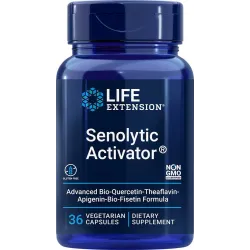
Senolytic Activator
Price: 23,76 €Combat cellular senescence Helps the body manage senescent cells...
Related posts
-
 Is Conventional Pomegranate Extract Enough?
An abundance of clinical data has established pomegranate as a broad-spectrum, multi-modal defense against the...
Is Conventional Pomegranate Extract Enough?
An abundance of clinical data has established pomegranate as a broad-spectrum, multi-modal defense against the... -
Lipoic Acid Reverses Mitochondrial Decay
It is estimated that 85% of the oxygen contained in every breath you take is consumed by the mitochondria within each...
-
How Resveratrol Combats Leading Causes of Death
In 1997, the first scientific paper on resveratrol was published showing that this polyphenol could prevent cancer in...
-
Autoimmune Diseases part 1
Autoimmune diseases are characterized by the body's immune responses being directed against its own tissues, causing...
-
Autoimmune Diseases part 2
In a healthy body, circulating antibodies attack and destroy pathogenic invaders by means of humoral or cell-mediated...