
 English
 Polski
 Deutsch
 Français
 ελληνικά
 Español
 Italiano
Ashwagandha Stress Reduction, Neural Protection, and a Lot More from an Ancient Herb
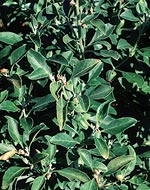 Ashwagandha, an exotic Indian herb, has remarkable stress-relieving properties comparable to those of powerful drugs used to treat depression and anxiety. In addition to its excellent protective effects on the nervous system, ashwagandha may be a promising alternative treatment for a variety of degenerative diseases such as Alzheimer’s and Parkinson’s. Ashwagandha has powerful antioxidant properties that seek and destroy the free radicals that have been implicated in aging and numerous disease states. Even more remarkable, emerging evidence suggests that ashwagandha has anti-cancer benefits as well.
Powerful Protective Effects on the Nervous System
Stress, environmental toxins, and poor nutrition all have a detrimental impact on our nervous systems.
Scientific studies support ashwagandha’s ability not only to relieve stress, but also to protect brain cells against the deleterious effects of our modern lifestyles.
 For example, in validated models of anxiety and depression, ashwagandha has been demonstrated to be as effective as some tranquilizers and antidepressant drugs. Specifically, oral administration of ashwagandha for five days suggested anxiety-relieving effects similar to those achieved by the anti-anxiety drug lorazepam (Ativan®), and antidepressant effects similar to those of the prescription antidepressant drug imipramine (Tofranil®).1
Stress can cause increased peroxidation of lipids, while decreasing levels of the antioxidant enzymes catalase and glutathione peroxidase. When ashwagandha extract was administered by re-searchers one hour before a daily stress-inducing procedure, all of the aforementioned parameters of free radical damage normalized in a dose-dependent manner.2 Premature aging associated with chronic nervous tension may be related to increased oxidative stress, which is abolished by the potent antioxidant properties of ashwagandha extract. Researchers believe this finding supports the clinical use of ashwagandha as an anti-stress agent.
In one of the most complete human clinical trials to date, researchers studied the effects of a standardized extract of ashwagandha on the negative effects of stress, including elevated levels of the stress hormone cortisol. Many of the adverse effects of stress are thought to be related to elevated levels of cortisol. The results were impressive. The participants subjectively reported increased energy, reduced fatigue, better sleep, and an enhanced sense of well-being. The participants showed several measurable improvements, including a reduction of cortisol levels up to 26%, a decline in fasting blood sugar levels, and improved lipid profiles. It would appear from this study that ashwagandha can address many of the  health and psychological issues that plague today’s society.4Other studies of chronic stress support these findings. For example, in a remarkable animal study, examination of the brains of sacrificed animals showed that 85% of the brain cells observed in the animals exposed to chronic stress showed signs of degeneration. It is this type of cellular degeneration that can lead to long-term cognitive difficulties. Amazingly, when ashwagandha was administered to chronically stressed animals, the number of degenerating brain cells was reduced by 80%!3
Over the past five years, the Institute of Natural Medicine at the Toyama Medical and Pharmaceutical University in Japan has conducted extensive research into the brain benefits of ashwagandha. The Institute’s scientists were looking for ways to encourage the regeneration of nerve cell components called axons and dendrites in validated models of the human brain. This important research may one day benefit those who have incurred brain injuries due to physical trauma, as well as those who suffer cognitive decline due to destruction of the nerve cell networks from diseases such as dementia and Alzheimer’s.
Using a validated model of damaged nerve cells and impaired nerve-signaling pathways, re-searchers noted that ashwagandha supported significant regeneration of the axons and dendrites of nerve cells. Furthermore, ashwagandha extract supported the reconstruction of synapses, the junctions where nerve cells communicate with other cells. The investigators concluded that ashwagandha extract helps to reconstruct networks of the nervous system, making it a potential treatment for neurodegenerative diseases such as Alzheimer’s.5
In another study at the same institute, researchers found that ashwagandha helped support the growth of nerve cell dendrites, which allow these cells to receive communications from other cells. This finding suggests that ashwagandha could help heal the brain tissue changes that accompany dementia.6
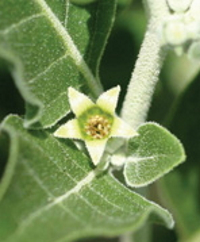 These findings provide tremendous hope that ashwagandha extracts may one day help heal neurodegenerative diseases in humans, freeing patients from the mental prisons of dementia and Alzheimer’s. Clearly, this is just the beginning of research into ashwagandha’s ability to encourage physical re-growth of the brain.Finally, in a third published study, the researchers noted that ashwagandha helped promote the growth of both normal and damaged nerve cells, suggesting that the herb may boost healthy brain cell function as well as benefit diseased nerve cells.7
Ashwagandha also shows promise as a treatment for Parkinson’s and Alzheimer’s diseases, chronic neurodegenerative conditions for which there currently are no cures. In a recent study using a standardized model of human Parkinson’s disease, ashwagandha extract reversed all the parameters of Parkinson’s-type neurodegeneration significantly and in a dose-dependent manner.8 Remarkably, an earlier study showed that ashwagandha extract inhibits acetylcholinesterase, an enzyme responsible for breaking down one of the brain’s key chemical messengers. Drugs currently used in the treatment of Alzheimer’s disease, such as Aricept®, act in this very manner to slow the progression of this frightening, mind-robbing disease.9
Studies Suggest Potent Anti-Cancer Activity
In addition to ashwagandha’s documented neuroprotective effects, exciting recent evidence suggests that it also has the potential to stop cancer cells in their tracks. For example, a recent analysis showed that ashwagandha extract inhibited the growth of human breast, lung, and colon cancer cell lines in the laboratory. This inhibition was comparable to that achieved with the common cancer chemotherapy drug doxorubicin (Caelyx®, Myocet®). In fact, researchers reported that withaferin A, a specific compound extracted from ashwagandha, was more effective than doxorubicin in inhibiting breast and colon cancer cell growth.11,14
 Scientists in India recently conducted cell studies showing that ashwagandha extract disrupts cancer cells’ ability to reproduce—a key step in fighting cancer. Additionally, laboratory analysis indicates that ashwagandha extract possesses anti-angiogenic activity, also known as the ability to prevent cancer from forming new blood vessels to support its unbridled growth. These findings lend further support to ashwagandha’s potential role in fighting cancer.15 Based on these studies, research in this area continues.
In another study, orally administered ashwagandha extract significantly inhibited experimentally induced stomach cancer in laboratory animals. Tumor incidence was reduced by 60% and tumor multiplicity (number) by 92%. Similarly, in a rodent model of skin cancer, ashwagandha inhibited tumor incidence and multiplicity by 45% and 71%, respectively.16 Ashwagandha’s protective effect against skin cancer has been shown in other studies as well.17
A recent experiment demonstrated that ashwagandha extract produced a marked increase in life span and a decrease in tumor weight in animals with experimentally induced cancer of the lymphatic system.18 This is an exciting finding, suggesting that ashwagandha could enhance survival in individuals with cancer.
Ashwagandha's Pharmacological Activity
Scientists speculate that some of ashwagandha’s benefits stem from its antioxidant properties and ability to scavenge free radicals.10
Two main classes of compounds—steroidal alkaloids and steroidal lactones—may account for its broad range of beneficial effects. Steroidal lactones comprise a class of constituents called withanolides. To date, scientists have identified and studied at least 12 alkaloids and 35 withanolides. Much of ashwagandha’s pharmacological activity has been attributed to two primary withanolides, withaferin A and withanolide D.11
Other studies reveal that ashwagandha has antimicrobial properties, with antibacterial activity against potentially dangerous bacteria, including Salmonella, an organism associated with food poisoning. This activity was demonstrated in cell cultures as well as in infected laboratory animals.12
Additional studies show that ashwagandha root extract enhances the ability of macrophage immune cells to “eat” pathogens, as compared to macrophages from a control group that did not receive ashwagandha.13
 Ashwagandha extract may also have applications as an adjunct to cancer chemotherapy treatment. One of the consequences of chemotherapy is neutropenia, a decrease in white blood cells called neutrophils that can leave patients dangerously vulnerable to infection. A study of animals demonstrated that orally administered ashwagandha extract protected against this decline in infection-fighting neutrophils. While further human studies are needed, these findings suggest that ashwagandha may be an excellent adjunctive therapy to chemotherapy.19
Another animal study investigated ashwagandha extract’s effects in normalizing the immune-suppressing effects of chemotherapy. When test animals received a common chemotherapy drug, levels of the desirable immune factors interferon-gamma and interleukin-2 decreased.
When the animals also received orally administered ashwagandha extract, however, their immune system parameters remained normal. These findings add support to the idea that ashwagandha may help protect immune function during chemotherapy treatment.20
Conclusion

Chronic stress exacts a high price from our bodies as well as our minds. Many degenerative diseases, as well as premature aging, are associated with chronic nervous tension. There is great need for safe and effective prevention strategies to combat the ravages of stress on our nervous system.
Ashwagandha, an exotic Indian herb, has demonstrated anti-anxiety and neuroprotective effects, and tantalizing evidence suggests that it is also a cancer fighter. Animal toxicity studies indicate that this remarkable plant is safe and well tolerated.21
Referencias
1. Bhattacharya SK, Bhattacharya A, Sairam K, Ghosal S. Anxiolytic-antidepressant activity of Withania somnifera glycowithanolides: an experimental study. Phytomedicine. 2000 Dec;7(6):463-9.
2. Bhattacharya A, Ghosal S, Bhattacharya SK. Antioxidant effect of Withania somnifera glycowithanolides in chronic footshock stress-induced perturbations of oxidative free radical scavenging enzymes and lipid peroxidation in rat frontal cortex and striatum. J Ethnopharmacol. 2001 Jan;74(1):1-6.
3. Jain S, Shukla SD, Sharma K, Bhatnagar M. Neuroprotective effects of Withania somnifera Dunn. in hippocampal sub-regions of female albino rat. Phytother Res. 2001 Sep;15(6):544-8.
4. Unpublished study, 2005. NutrGenesis, LLC.
5. Kuboyama T, Tohda C, Komatsu K. Neuritic regeneration and synaptic reconstruction induced by withanolide A. Br J Pharmacol. 2005 Apr;144(7):961-71.
6. Tohda C, Kuboyama T, Komatsu K. Dendrite extension by methanol extract of Ashwagandha (roots of Withania somnifera) in SK-N-SH cells. Neuroreport. 2000 Jun 26;11(9):1981-5.
7. Tohda C, Kuboyama T, Komatsu K. Search for natural products related to regeneration of the neuronal network. Neurosignals. 2005;14(1-2):34-45.
8. Ahmad M, Saleem S, Ahmad AS, et al. Neuroprotective effects of Withania somnifera on 6-hydroxydopamine induced Parkinsonism in rats. Hum Exp Toxicol. 2005 Mar;24(3):137-47.
9. Choudhary MI, Yousuf S, Nawaz SA, Ahmed S, Atta uR. Cholinesterase inhibiting withanolides from Withania somnifera. Chem Pharm Bull (Tokyo). 2004 Nov;52(11):1358-61.
10. Govindarajan R, Vijayakumar M, Pushpangadan P. Antioxidant approach to disease management and the role of ‘Rasayana’ herbs of Ayurveda. J Ethnopharmacol. 2005 Jun 3;99(2):165-78.
11. Anon. Monograph. Withania somnifera. Altern Med Rev. 2004 Jun;9(2):211-4.
12. Owais M, Sharad KS, Shehbaz A, Saleemuddin M. Antibacterial efficacy of Withania somnifera (ashwagandha) an indigenous medicinal plant against experimental murine salmonellosis. Phytomedicine. 2005 Mar;12(3):229-35.
13. Davis L, Kuttan G. Immunomodulatory activity of Withania somnifera. J Ethnopharmacol. 2000 Jul;71(1-2):193-200.
14. Jayaprakasam B, Zhang Y, Seeram NP, Nair MG. Growth inhibition of human tumor cell lines by withanolides from Withania somnifera leaves. Life Sci. 2003 Nov 21;74(1):125-32.
15. Mathur R, Gupta SK, Singh N, et al. Evaluation of the effect of Withania somnifera root extracts on cell cycle and angiogenesis. J Ethnopharmacol. 2006 Jan 9.
16. Padmavathi B, Rath PC, Rao AR, Singh RP. Roots of Withania somnifera inhibit forestomach and skin carcinogenesis in mice. Evid Based Complement Alternat Med. 2005 Mar;2(1):99-105.
17. Mathur S, Kaur P, Sharma M, et al. The treatment of skin carcinoma, induced by UV B radiation, using 1-oxo-5beta, 6beta-epoxy-witha-2-enolide, isolated from the roots of Withania somnifera, in a rat model. Phytomedicine. 2004 Jul;11(5):452-60.
18. Christina AJ, Joseph DG, Packialakshmi M, et al. Anticarcinogenic activity of Withania somnifera Dunal against Dalton’s ascitic lymphoma. J Ethnopharmacol. 2004 Aug;93(2-3):359-61.
19. Gupta YK, Sharma SS, Rai K, Katiyar CK. Reversal of paclitaxel induced neutropenia by Withania somnifera in mice. Indian J Physiol Pharmacol. 2001 Apr;45(2):253-7.
20. Davis L, Kuttan G. Effect of Withania somnifera on cytokine production in normal and cyclophosphamide treated mice. Immunopharmacol Immunotoxicol. 1999 Nov;21(4):695-703.
21. Aphale AA, Chhibba AD, Kumbhakarna NR, Mateenuddin M, Dahat SH. Subacute toxicity study of the combination of ginseng (Panax ginseng) and ashwagandha (Withania somnifera) in rats: a safety assessment. Indian J Physiol Pharmacol. 1998 Apr;42(2):299-302.
Related product
-
Optimized Ashwagandha Extract
Price: 11,88 €Enhances mental energy and concentration Is believed to confer...
Related posts
-
 Is Conventional Pomegranate Extract Enough?
An abundance of clinical data has established pomegranate as a broad-spectrum, multi-modal defense against the...
Is Conventional Pomegranate Extract Enough?
An abundance of clinical data has established pomegranate as a broad-spectrum, multi-modal defense against the... -
Feed Your Brain!
Millions of people around the world are adhering to low-fat, low-cholesterol diets in an effort to reduce the impact...
-
Lipoic Acid Reverses Mitochondrial Decay
It is estimated that 85% of the oxygen contained in every breath you take is consumed by the mitochondria within each...
-
Vitamin C and Dihydroquercetin
Every day, our bodies are under continual assault by damaging agents known as free radicals. Generally, both internal...
-
How Resveratrol Combats Leading Causes of Death
In 1997, the first scientific paper on resveratrol was published showing that this polyphenol could prevent cancer in...