
 English
 Polski
 Deutsch
 Français
 ελληνικά
 Español
 Italiano
Preserving and Restoring Brain Function part 1
 Protecting brain health is vital if the pursuit of a longer life is to have any meaning. According to current wisdom, some degree of cognitive impairment is all but inevitable as we age.1-6 That is, unless steps are taken to prevent it.7-12
Scientists in Texas recently noted, “As life expectancy increases worldwide, pandemics of cognitive impairment and dementia are emerging as major public health problems.”2 Another research team tried to inject humor into this sobering topic:
“Cognitive aspects of aging represent a grave challenge for our societal circumstances as members of the baby-boom generation spiral toward a collective ‘senior moment.’”5
The encouraging news is that scientists have discovered methods to preserve and even restore neurological structure and function. These powerful weapons give aging adults unprecedented control over their cognitive health.
Recent data indicate that up to 9.4% of Europeans over the age of 65 suffer from some form of dementia.13 A report from Great Britain notes that the incidence of cognitive impairment may increase dramatically with age.14
Cognitive impairment was detected in 18.3% of subjects in a study of more than 15,000 elderly in the United Kingdom, approximately half of whom were 75-79 years old.14 French researchers noted recently, “In most countries, the prevalence of dementia varies between 6 and 8% for individuals aged 65 years or more. It then dramatically increases with each subsequent decade, reaching around 30% of the population aged over 85.”15
Unfortunately, these statistics fail to estimate the incidence of mild cognitive impairment (MCI). Subtler than dementia, MCI is also undoubtedly more prevalent. MCI, defined as an intermediate state between normal aging and dementia, is characterized by “acquired cognitive deficits, without significant decline in functional activities of daily living.”16 In Australia, a small study attempted to identify the prevalence of MCI without dementia among community-dwelling elderly aged 70-79. One third of the subjects showed evidence of the condition.17
Researchers in Germany studied more than 1,000 elderly adults aged 75 and older. “Mild cognitive impairment is very frequent in older people,” they concluded. Prevalence rates ranged from 3% to 36%, depending on the diagnostic criteria applied. Over the course of about 30 months, up to 47% of those identified with MCI progressed to dementia.18
Strategies for Protecting the Brain
 Cognitive decline is not inevitable with advancing age. It is possible to live a longer and healthier life, but preserving brain health is crucial to accomplishing this goal. Various factors conspire to rob us of mental acuity as we age. Recent studies suggest that inflammation (as determined by elevated levels of interleukin-6 or C-reactive protein), high blood pressure, high blood insulin, excessive body weight or obesity, arterial stiffness, and the increasingly common condition known as metabolic syndrome (characterized by a cluster of abnormal conditions such as insulin resistance, obesity, high cholesterol, and hypertension) are all independent risk factors for dementia.19-24 Psychological health, including anxiety and depression, has recently been implicated as a risk factor as well.25
The ideal strategy for preserving brain function begins with preventing illnesses that may contribute to cognitive decline and dementia. Good nutrition—including dietary supplements—and a healthy lifestyle can keep many of these afflictions at bay. As a first step toward ensuring brain health, keep your blood pressure and weight in check, avoid metabolic syndrome and diabetes, and obtain treatment for depression or anxiety disorders. However, there is much more that can and should be done to protect the aging brain.
Scientists have advanced several theories regarding the causes of cognitive decline associated with advancing age. One familiar hypothesis proposes that toxic by-products of cellular metabolism known as free radicals slowly accumulate within cells, where they cause cumulative and eventually fatal damage.26 Nerve cells (neurons) in the brain rely on the oxidative phosphorylation of glucose within the mitochondria to supply their considerable energy needs. Accordingly, the brain’s appetite for glucose and oxygen is great.27 As a result, the brain is particularly susceptible to oxidative stress. Free radicals are produced by the mitochondria at an accelerated rate. Supplemental antioxidants, therefore, are especially important to preserving healthy cognitive function.10
The Cholinergic System at Risk
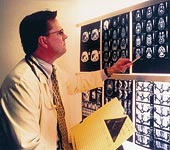 Inflammation is also implicated in the development of various neurological disorders, including Alzheimer’s disease and vascular dementia. It is believed that inflammation triggers a cascade of events that leads to the destruction of neurological tissues.28 In Alzheimer’s disease, the presence of a protein, beta-amyloid (Abeta), appears to trigger inflammation.29 A decline in acetylcholine, an important messenger chemical or neurotransmitter, has also been observed in individuals with Alzheimer’s disease.30 Early on, this inflammation and cholinergic dysfunction may be experienced as mild memory impairment or confusion. Left unchecked, however, it invariably leads to advancing cognitive decline and dementia. Anti-inflammatory strategies thus make sense in protecting cognitive function.
Interruptions in cerebral blood flow have also been implicated in cognitive decline,31,32 so optimizing blood flow is a logical strategy for protecting brain function. Vascular dementia was once considered distinctly different from Alzheimer’s-type dementia, but scientists now believe that vascular dementia and Alzheimer’s share a common pathology—namely, the disruption of cholinergic function.33 Even decreasing psychological stress may be helpful. New research shows that older men who secreted the highest levels of epinephrine (a stress hormone) were more likely to suffer subsequent cognitive decline.34 While body cells are easily replaced, the nerves and supporting tissues of the brain and spinal cord cannot yet be replaced once they are damaged or destroyed. Cells of the brain and nervous system are incapable of further division and renewal once they reach maturity.35,36
Various lifestyle factors contribute to healthy brain aging, including regular exercise and adequate sleep, routine mental stimulation, a positive outlook, and a healthy social network.7,37,38 However, nutritional support for the aging brain likewise is of paramount importance. Supplements that combat inflammation, improve cerebral blood flow, and reverse the loss of acetylcholine and its receptors directly target the causes of age-related brain decline
GPC Benefits Brain Health
 Glycerophosphocholine, or GPC (formerly called L-alpha glycerylphosphorylcholine, or choline alfocerate) is naturally present in all the body’s cells. Its importance to life and safety as a supplement are evidenced by its substantial presence in human breast milk.39,40 First discovered in the late 1990s, GPC is now regarded as essential to the healthy development of newborns, due to the great demand for choline, especially by the rapidly developing brain.40
Among aging adults, the rationale for GPC therapy goes back to the hypothesis, developed more than 30 years ago, that declining levels of acetylcholine—and a concurrent decrease in the number of neurons that are its intended target—are responsible for a range of cognitive deficits.29 Acetylcholine is an essential neurotransmitter involved in muscle control, sleep, and cognition. Its decline coincides with advancing age, and is a hallmark of the neurodegeneration seen in cognitive decline, vascular dementia, and Alzheimer’s disease. By boosting acetylcholine levels in the brain, the hypothesis proposes, it should be feasible to reverse these cognitive deficits and changes in brain structure.1
Early attempts to identify a suitable precursor for acetylcholine failed until scientists experimented with GPC.41-44 Sold in Europe by prescription only, GPC is available in the US as a dietary supplement. GPC provides a crucial building block for the production of new acetylcholine in the brain. Numerous clinical trials have scrutinized the efficacy and safety of GPC in humans and in animal models of human neurological disorders.45-48 These studies, large and small, controlled and informal, have universally demonstrated GPC’s effectiveness, safety, and tolerability.1,49,50 The studies have examined everything from changes in learning, memory, and brain structure in rats, to stroke-induced cognitive deficits in humans, to induced and restored memory deficits in laboratory animals.1,45-51
In early 2001, a retrospective analysis of published clinical data involving 4,054 patients concluded that, overall, GPC improved patients’ clinical conditions. Of the 10 studies devoted to dementia disorders, a majority were controlled trials that compared the efficacy of GPC to either placebo or a reference drug. Dr. Lucilla Parnetti, a coauthor of the analysis, wrote, “Administration of [GPC] significantly improved patient clinical condition . . . results were superior or equivalent to those observed in control groups under active treatment and superior to the results observed in placebo groups.”1
Early clinical trials with GPC used daily dosages of 1200 mg. After an initial two to four weeks at this dose, some people reduce their dose to 600 mg daily. A daily dose of 300 mg may be appropriate for healthy young people.
GPC works in a manner roughly similar to prescription cholinesterase inhibitor drugs such as donepezil (Aricept®) and rivastigmine (Exelon®), which are used to combat acetylcholine deficits in Alzheimer’s and vascular dementia patients.52 However, GPC tackles the problem of too little acetylcholine from a different angle. Rather than interfering with the enzyme that breaks down acetylcholine, GPC provides a means for the body to manufacture new acetylcholine.
Phosphatidylserine Maintains Brain Cell Membranes
 Phosphatidylserine, a natural and integral component of every cell membrane, is a powerful weapon in the fight against brain aging. Phosphatidylserine is sold in Europe and Japan as a regulated drug, where it is often prescribed to combat memory loss and learning deficits. Available as a nutritional supplement in the United States, phosphatidylserine serves as a key component of many brain function-enhancing formulas.
The body manufactures phosphatidylserine to ensure its continual supply, underscoring the importance of this natural phospholipid. Unfortunately, however, aging slows production of this crucial contributor to brain health.
Phosphatidylserine helps the brain use its fuel efficiently. By boosting glucose metabolism and stimulating production of acetylcholine, supplemental phosphatidylserine has been shown to improve the condition of patients experiencing age-associated memory impairment or cognitive decline.8,64-67 Clinical trials using small groups of patients with cognitive decline demonstrated significant improvements with phosphatidylserine supplementation, especially among patients in the early stages. Positron emission tomography (PET) brain-imaging scans verified that patients taking phosphatidylserine experienced significant increases in glucose uptake compared to subjects who received social support or cognitive training but not phosphatidylserine.68
A large multicenter trial examined the use of phosphatidylserine to combat the effects of moderate to severe age-related cognitive decline. Patients were drawn from 23 general medicine or geriatric units. Compared to patients who received dummy placebo pills, phosphatidylserine-supplemented patients demonstrated significant behavioral improvements, including increased socialization, motivation, and initiative.69
Phosphatidylserine is generally safe and well tolerated, with no significant drug interactions reported.70
Material used with permission of Life Extension. All rights reserved.
1. Parnetti L, Amenta F, Gallai V. Choline alphoscerate in cognitive decline and in acute cerebrovascular disease: an analysis of published clinical data. Mech Ageing Dev. 2001 Nov;122(16):2041-55.
2. Meyer JS, Quach M, Thornby J, Chowdhury M, Huang J. MRI identifies MCI subtypes: vascular versus neurodegenerative. J Neurol Sci. 2005 Mar 15;229-230:121-9.
3. Schmitt-Schillig S, Schaffer S, Weber CC, Eckert GP, Muller WE. Flavonoids and the aging brain. J Physiol Pharmacol. 2005 Mar;56 Suppl:123-36.
4. Anstey KJ, Low LF. Normal cognitive changes in aging. Aust Fam Physician. 2004 Oct;33(10):783-7.
5. Bodles AM, Barger SW. Cytokines and the aging brain – what we don’t know might help us. Trends Neurosci. 2004 Oct;27(10):621-6.
6. Richard CC, Veltmeyer MD, Hamilton RJ, et al. Spontaneous alpha peak frequency predicts working memory performance across the age span. Int J Psychophysiol. 2004 Jun;53(1):1-9.
7. Butler RN, Forette F, Greengross BS. Maintaining cognitive health in an ageing society. J R Soc Health. 2004 May;124(3):119-21.
8. Amenta F, Parnetti L, Gallai V, Wallin A. Treatment of cognitive dysfunction associated with Alzheimer’s disease with cholinergic precursors. Ineffective treatments or inappropriate approaches? Mech Ageing Dev. 2001 Nov;122(16):2025-40.
9. Berger MM. Can oxidative damage be treated nutritionally? Clin Nutr. 2005 Apr;24(2):172-83.
10. Somayajulu M, McCarthy S, Hung M, et al. Role of mitochondria in neuronal cell death induced by oxidative stress; neuroprotection by coenzyme Q10. Neurobiol Dis. 2005 Apr;18(3):618-27.
11. Ames BN. Mitochondrial decay, a major cause of aging, can be delayed. J Alzheimers Dis. 2004 Apr;6(2):117-21.
12. Poon HF, Calabrese V, Scapagnini G, Butterfield DA. Free radicals and brain aging. Clin Geriatr Med. 2004 May;20(2):329-59.
13. Berr C, Wancata J, Ritchie K. Prevalence of dementia in the elderly in Europe. Eur Neuropsychopharmacol. 2005 Aug;15(4):463-71.
14. Rait G, Fletcher A, Smeeth L, et al. Prevalence of cognitive impairment: results from the MRC trial of assessment and management of older people in the community. Age Ageing. 2005 May;34(3):242-8.
15. Bonin-Guillaume S, Zekry D, Giacobini E, Gold G, Michel JP. The economical impact of dementia. Presse Med. 2005 Jan 15;34(1):35-41.
16. Luis CA, Loewenstein DA, Acevedo A, Barker WW, Duara R. Mild cognitive impairment: directions for future research. Neurology. 2003 Aug 26;61(4):438-44.
17. Low LF, Brodaty H, Edwards R, et al. The prevalence of “cognitive impairment no dementia” in community-dwelling elderly: a pilot study. Aust N Z J Psychiatry. 2004 Sep;38(9):725-31.
18. Busse A, Bischkopf J, Riedel-Heller SG, Angermeyer MC. Mild cognitive impairment: prevalence and predictive validity according to current approaches. Acta Neurol Scand. 2003 Aug;108(2):71-81.
19. Elias PK, Elias MF, Robbins MA, Budge MM. Blood pressure-related cognitive decline: does age make a difference? Hypertension. 2004 Nov;44(5):631-6.
20. Luchsinger JA, Tang MX, Shea S, Mayeux R. Hyperinsulinemia and risk of Alzheimer disease. Neurology. 2004 Oct 12;63(7):1187-92.
21. Yaffe K, Kanaya A, Lindquist K, et al. The metabolic syndrome, inflammation, and risk of cognitive decline. JAMA. 2004 Nov 10;292(18):2237-42.
22. Scuteri A, Brancati AM, Gianni W, Assisi A, Volpe M. Arterial stiffness is an independent risk factor for cognitive impairment in the elderly: a pilot study. J Hypertens. 2005 Jun;23(6):1211-6.
23. Hassing LB, Grant MD, Hofer SM, et al. Type 2 diabetes mellitus contributes to cognitive decline in old age: a longitudinal population-based study. J Int Neuropsychol Soc. 2004 Jul;10(4):599-607.
24. Rosengren A, Skoog I, Gustafson D, Wilhelmsen L. Body mass index, other cardiovascular risk factors, and hospitalization for dementia. Arch Intern Med. 2005 Feb 14;165(3):321-6.
25. van Hooren SA, Valentijn SA, Bosma H, et al. Relation between health status and cognitive functioning: a 6-year follow-up of the Maastricht Aging Study. J Gerontol B Psychol Sci Soc Sci. 2005 Jan;60(1):57-60.
26. Manczak M, Jung Y, Park BS, Partovi D, Reddy PH. Time-course of mitochondrial gene expressions in mice brains: implications for mitochondrial dysfunction, oxidative damage, and cytochrome c in aging. J Neurochem. 2005 Feb;92(3):494-504.
27. Hayashi T, Abe K. Ischemic neuronal cell death and organellae damage. Neurol Res. 2004 Dec;26(8):827-34.
28. Klegeris A, McGeer PL. Cyclooxygenase and 5-lipoxygenase inhibitors protect against mononuclear phagocyte neurotoxicity. Neurobiol Aging. 2002 Sep;23(5):787-94.
29. Koistinaho M, Koistinaho J. Interactions between Alzheimer’s disease and cerebral ischemia—focus on inflammation. Brain Res Brain Res Rev. 2005 Apr;48(2):240-50.
30. Bartus RT, Dean RL, III, Beer B, Lippa AS. The cholinergic hypothesis of geriatric memory dysfunction. Science. 1982 Jul 30;217(4558):408-14.
31. Ritchie K, Kildea D. Is senile dementia “age-related” or “ageing-related”?—evidence from meta-analysis of dementia prevalence in the oldest old. Lancet. 1995 Oct 7;346(8980):931-4.
32. Ritchie K, Lovestone S. The dementias. Lancet. 2002 Nov 30;360(9347):1759-66.
33. Passmore AP, Bayer AJ, Steinhagen-Thiessen E. Cognitive, global and functional benefits of donepezil in Alzheimer’s disease and vascular dementia: results from large-scale clinical trials. J Neurol Sci. 2005 Mar 15;229-230:141-6.
34. Karlamangla AS, Singer BH, Greendale GA, Seeman TE. Increase in epinephrine excretion is associated with cognitive decline in elderly men: MacArthur studies of successful aging. Psychoneuroendocrinology. 2005 Jun;30(5):453-60.
35. Kanazawa I. How do neurons die in neurodegenerative diseases? Trends Mol Med. 2001 Aug;7(8):339-44.
36. Yeoman MS, Faragher RG. Ageing and the nervous system: insights from studies on invertebrates. Biogerontology. 2001;2(2):85-97.
37. Jennen C, Uhlenbruck G. Exercise and life-satisfactory-fitness: complementary strategies in the prevention and rehabilitation of illnesses. Evid Based Complement Alternat Med. 2004 Sep 1;1(2):157-65.
38. Tanaka H, Shirakawa S. Sleep health, lifestyle and mental health in the Japanese elderly: ensuring sleep to promote a healthy brain and mind. J Psychosom Res. 2004 May;56(5):465-77.
39. Holmes HC, Snodgrass GJ, Iles RA. Changes in the choline content of human breast milk in the first 3 weeks after birth. Eur J Pediatr. 2000 Mar;159(3):198-204.
40. Holmes-McNary MQ, Cheng WL, Mar MH, Fussell S, Zeisel SH. Choline and choline esters in human and rat milk and in infant formulas. Am J Clin Nutr. 1996 Oct;64(4):572-6.
41. Etienne P, Dastoor D, Gauthier S, Ludwick R, Collier B. Alzheimer disease: lack of effect of lecithin treatment for 3 months. Neurology. 1981 Dec;31(12):1552-4.
42. Pomara N, Domino EF, Yoon H, et al. Failure of single-dose lecithin to alter aspects of central cholinergic activity in Alzheimer’s disease. J Clin Psychiatry. 1983 Aug;44(8):293-5.
43. Smith RC, Vroulis G, Johnson R, Morgan R. Comparison of therapeutic response to long-term treatment with lecithin versus piracetam plus lecithin in patients with Alzheimer’s disease. Psychopharmacol Bull. 1984;20(3):542-5.
44. Thal LJ, Rosen W, Sharpless NS, Crystal H. Choline chloride fails to improve cognition of Alzheimer’s disease. Neurobiol Aging. 1981;2(3):205-8.
45. Ricci A, Bronzetti E, Vega JA, Amenta F. Oral choline alfoscerate counteracts age-dependent loss of mossy fibres in the rat hippocampus. Mech Ageing Dev. 1992;66(1):81-91.
46. Amenta F, Ferrante F, Vega JA, Zaccheo D. Long term choline alfoscerate treatment counters age-dependent microanatomical changes in rat brain. Prog Neuropsychopharmacol Biol Psychiatry. 1994 Sep;18(5):915-24.
47. Amenta F, Franch F, Ricci A, Vega JA. Cholinergic neurotransmission in the hippocampus of aged rats: influence of L-alpha-glycerylphosphorylcholine treatment. Ann NY Acad Sci. 1993 Sep 24;695:311-3.
48. Canal N, Franceschi M, Alberoni M, et al. Effect of L-alpha-glyceryl-phosphorylcholine on amnesia caused by scopolamine. Int J Clin Pharmacol Ther Toxicol. 1991 Mar;29(3):103-7.
49. Jesus Moreno MM. Cognitive improvement in mild to moderate Alzheimer’s dementia after treatment with the acetylcholine precursor choline alfoscerate: a multicenter, double-blind, randomized, placebo-controlled trial. Clin Ther. 2003 Jan;25(1):178-93.
50. Mandat T, Wilk A, Manowiec R, et al. Preliminary evaluation of risk and effectiveness of early choline alphoscerate treatment in craniocerebral injury. Neurol Neurochir Pol. 2003 Nov;37(6):1231-8.
51. Drago F, Mauceri F, Nardo L, et al. Behavioral effects of L-alpha-glycerylphosphorylcholine: influence on cognitive mechanisms in the rat. Pharmacol Biochem Behav. 1992 Feb;41(2):445-8.
52. Malouf R, Birks J. Donepezil for vascular cognitive impairment. Cochrane Database Syst Rev. 2004;(1):CD004395.
53. Bhattacharya SK, Bhattacharya A, Sairam K, Ghosal S. Anxiolytic-antidepressant activity of Withania somnifera glycowithanolides: an experimental study. Phytomedicine. 2000 Dec;7(6):463-9.
54. Mishra LC, Singh BB, Dagenais S. Scientific basis for the therapeutic use of Withania somnifera (ashwagandha): a review. Altern Med Rev. 2000 Aug;5(4):334-46.
55. Owais M, Sharad KS, Shehbaz A, Saleemuddin M. Antibacterial efficacy of Withania somnifera (ashwagandha) an indigenous medicinal plant against experimental murine salmonellosis. Phytomedicine. 2005 Mar;12(3):229-35.
56. Mohan R, Hammers HJ, Bargagna-Mohan P, et al. Withaferin A is a potent inhibitor of angiogenesis. Angiogenesis. 2004;7(2):115-22.
57. Prakash J, Gupta SK, Dinda AK. Withania somnifera root extract prevents DMBA-induced squamous cell carcinoma of skin in Swiss albino mice. Nutr Cancer. 2002;42(1):91-7.
58. Padmavathi B, Rath PC, Rao AR, Singh RP. Roots of Withania somniferainhibit forestomach and skin carcinogenesis in mice. Evid Based Complement Alternat Med. 2005 Mar;2(1):99-105.
59. Andallu B, Radhika B. Hypoglycemic, diuretic and hypocholesterolemic effect of winter cherry (Withania somnifera, Dunal) root. Indian J Exp Biol. 2000 Jun;38(6):607-9.
60. Dhuley JN. Nootropic-like effect of ashwagandha (Withania somnifera L.) in mice. Phytother Res. 2001 Sep;15(6):524-8.
61. Chaudhary G, Sharma U, Jagannathan NR, Gupta YK. Evaluation of Withania somnifera in a middle cerebral artery occlusion model of stroke in rats. Clin Exp Pharmacol Physiol. 2003 May;30(5-6):399-404.
62. Choudhary MI, Yousuf S, Nawaz SA, Ahmed S, Atta uR. Cholinesterase inhibiting withanolides from Withania somnifera. Chem Pharm Bull (Tokyo). 2004 Nov;52(11):1358-61.
63. Kuboyama T, Tohda C, Komatsu K. Neuritic regeneration and synaptic reconstruction induced by withanolide A. Br J Pharmacol. 2005 Apr;144(7):961-71.
64. Schreiber S, Kampf-Sherf O, Gorfine M, et al. An open trial of plant-source derived phosphatydilserine for treatment of age-related cognitive decline. Isr J Psychiatry Relat Sci. 2000;37(4):302-7.
65. Delwaide PJ, Gyselynck-Mambourg AM, Hurlet A, Ylieff M. Double-blind randomized controlled study of phosphatidylserine in senile demented patients. Acta Neurol Scand. 1986 Feb;73(2):136-40.
66. Funfgeld EW, Baggen M, Nedwidek P, Richstein B, Mistlberger G. Double-blind study with phosphatidylserine (PS) in parkinsonian patients with senile dementia of Alzheimer’s type (SDAT). Prog Clin Biol Res. 1989;317:1235-46.
67. Crook TH, Tinklenberg J, Yesavage J, et al. Effects of phosphatidylserine in age-associated memory impairment. Neurology. 1991 May;41(5):644-9.
68. Heiss WD, Kessler J, Mielke R, Szelies B, Herholz K. Long-term effects of phosphatidlyserine, pyritinol, and cognitive training in Alzheimer’s disease. A neuropsychological, EEG, and PET investigation. Dementia. 1994 Mar-Apr;5(2):88-98.
69. Cenacchi T, Bertoldin T, Farina C, Fiori MG, Crepaldi G. Cognitive decline in the elderly: a double-blind, placebo-controlled multicenter study on efficacy of phosphatidylserine administration. Aging (Milano.). 1993 Apr;5(2):123-33.
70. van den Besselaar AM. Phosphatidylethanolamine and phosphatidylserine synergistically promote heparin’s anticoagulant effect. Blood Coagul Fibrinolysis. 1995 May;6(3):239-44.
71. Shi J, Yu J, Pohorly JE, Kakuda Y. Polyphenolics in grape seeds-biochemistry and functionality. J Med Food. 2003;6(4):291-9.
72. Li MH, Jang JH, Sun B, Surh YJ. Protective effects of oligomers of grape seed polyphenols against beta-amyloid-induced oxidative cell death. Ann NY Acad Sci. 2004 Dec;1030:317-29.
73. Fan P, Lou H. Effects of polyphenols from grape seeds on oxidative damage to cellular DNA. Mol Cell Biochem. 2004 Dec;267(1-2):67-74.
74. Deshane J, Chaves L, Sarikonda KV, et al. Proteomics analysis of rat brain protein modulations by grape seed extract. J Agric Food Chem. 2004 Dec 29;52(26):7872-83.
75. Kiss B, Karpati E. Mechanism of action of vinpocetine. Acta Pharm.Hung. 1996 Sep;66(5):213-24.
76. Bonoczk P, Gulyas B, Adam-Vizi V, et al. Role of sodium channel inhibition in neuroprotection: effect of vinpocetine. Brain Res Bull. 2000 Oct;53(3):245-54.
77. Szilagyi G, Nagy Z, Balkay L, et al. Effects of vinpocetine on the redistribution of cerebral blood flow and glucose metabolism in chronic ischemic stroke patients: a PET study. J Neurol Sci. 2005 Mar 15;229-230:275-84.
78. Szapary L, Horvath B, Alexy T, et al. Effect of vinpocetin on the hemorheologic parameters in patients with chronic cerebrovascular disease. Orv Hetil. 2003 May 18;144(20):973-8.
79. Gabryel B, Adamek M, Pudelko A, Malecki A, Trzeciak HI. Piracetam and vinpocetine exert cytoprotective activity and prevent apoptosis of astrocytes in vitro in hypoxia and reoxygenation. Neurotoxicology. 2002 May;23(1):19-31.
80. Ukraintseva SV, Arbeev KG, Michalsky AI, Yashin AI. Antiaging treatments have been legally prescribed for approximately thirty years. Ann NY Acad Sci. 2004 Jun;1019:64-9.
81. Szatmari SZ, Whitehouse PJ. Vinpocetine for cognitive impairment and dementia. Cochrane Database Syst Rev. 2003;(1):CD003119.
82. Hagiwara M, Endo T, Hidaka H. Effects of vinpocetine on cyclic nucleotide metabolism in vascular smooth muscle. Biochem Pharmacol. 1984 Feb 1;33(3):453-7.
83. McDaniel MA, Maier SF, Einstein GO. “Brain-specific” nutrients: a memory cure? Nutrition. 2003 Nov;19(11-12):957-75.
84. Dutov AA, Gal’tvanitsa GA, Volkova VA, et al. Cavinton in the prevention of the convulsive syndrome in children after birth injury. Zh Nevropatol Psikhiatr m SS orsakova. 1991;91(8):21-2.
85. Vas A, Gulyas B, Szabo Z,et al. Clinical and non-clinical investigations using positron emission tomography, near infrared spectroscopy and transcranial Doppler methods on the neuroprotective drug vinpocetine: a summary of evidences. J Neurol Sci. 2002 Nov 15;203-204:259-62.
86. Balestreri R, Fontana L, Astengo F. A double-blind placebo controlled evaluation of the safety and efficacy of vinpocetine in the treatment of patients with chronic vascular senile cerebral dysfunction. J Am Geriatr Soc. 1987 May;35(5):425-30.
87. Feigin VL, Doronin BM, Popova TF, Gribatcheva EV, Tchervov DV. Vinpocetine treatment in acute ischaemic stroke: a pilot single-blind randomized clinical trial. Eur J Neurol. 2001 Jan;8(1):81-5.
88. Available at: http://www.pdrhealth.com/drug_info/nmdrugprofiles/nutsupdrugs/vin_0259.shtml. Accessed July 29, 2005.
89. Hitzenberger G, Sommer W, Grandt R. Influence of vinpocetine on warfarin-induced inhibition of coagulation. Int J Clin Pharmacol Ther Toxicol. 1990 Aug;28(8):323-8.
90. Meieran SE, Reus VI, Webster R, Shafton R, Wolkowitz OM. Chronic pregnenolone effects in normal humans: attenuation of benzodiazepine-induced sedation. Psychoneuroendocrinology. 2004 May;29(4):486-500.
91. Karishma KK, Herbert J. Dehydroepiandrosterone (DHEA) stimulates neurogenesis in the hippocampus of the rat, promotes survival of newly formed neurons and prevents corticosterone-induced suppression. Eur J Neurosci. 2002 Aug;16(3):445-53.
92. Goncharova ND, Lapin BA. Effects of aging on hypothalamic-pituitary-adrenal system function in non-human primates. Mech Ageing Dev. 2002 Apr 30;123(8):1191-201.
93. Zietz B, Hrach S, Scholmerich J, Straub RH. Differential age-related changes of hypothalamus – pituitary – adrenal axis hormones in healthy women and men – role of interleukin 6. Exp Clin Endocrinol Diabetes. 2001;109(2):93-101.
94. Schumacher M, Guennoun R, Robert F, et al. Local synthesis and dual actions of progesterone in the nervous system: neuroprotection and myelination. Growth Horm IGF Res. 2004 Jun;14 Suppl AS18-33.
95. Mayo W, Lemaire V, Malaterre J, et al. Pregnenolone sulfate enhances neurogenesis and PSA-NCAM in young and aged hippocampus. Neurobiol Aging. 2005 Jan;26(1):103-14.
96. Mayo W, George O, Darbra S, et al. Individual differences in cognitive aging: implication of pregnenolone sulfate. Prog Neurobiol. 2003 Sep;71(1):43-8.
97. Anon. Zingiber officinale (ginger). Monograph. Altern Med Rev. 2003 Aug;8(3):331-5.
98. Phan PV, Sohrabi A, Polotsky A, et al. Ginger extract components suppress induction of chemokine expression in human synoviocytes. J Altern Complement Med. 2005 Feb;11(1):149-54.
99. Wigler I, Grotto I, Caspi D, Yaron M. The effects of Zintona EC (a ginger extract) on symptomatic gonarthritis. Osteoarthritis Cartilage. 2003 Nov;11(11):783-9.
100. Altman RD, Marcussen KC. Effects of a ginger extract on knee pain in patients with osteoarthritis. Arthritis Rheum. 2001 Nov;44(11):2531-8.
101. Frondoza CG, Sohrabi A, Polotsky A, et al. An in vitro screening assay for inhibitors of proinflammatory mediators in herbal extracts using human synoviocyte cultures. In Vitro Cell Dev Biol Anim. 2004 Mar;40(3-4):95-101.
102. Setty AR, Sigal LH. Herbal medications commonly used in the practice of rheumatology: mechanisms of action, efficacy, and side effects. Semin Arthritis Rheum. 2005 Jun;34(6):773-84.
103. Grzanna R, Phan P, Polotsky A, Lindmark L, Frondoza CG. Ginger extract inhibits beta-amyloid peptide-induced cytokine and chemokine expression in cultured THP-1 monocytes. J Altern Complement Med. 2004 Dec;10(6):1009-13.
104. Hoozemans JJ, Veerhuis R, Janssen I, et al. The role of cyclo-oxygenase 1 and 2 activity in prostaglandin E(2) secretion by cultured human adult microglia: implications for Alzheimer’s disease. Brain Res. 2002 Oct 4;951(2):218-26.
105. Lo AH, Liang YC, Lin-Shiau SY, Ho CT, Lin JK. Carnosol, an antioxidant in rosemary, suppresses inducible nitric oxide synthase through down-regulating nuclear factor-kappaB in mouse macrophages. Carcinogenesis. 2002 Jun;23(6):983-91.
106. Aggarwal BB, Shishodia S. Suppression of the nuclear factor-kappaB activation pathway by spice-derived phytochemicals: reasoning for seasoning. Ann NY Acad Sci. 2004 Dec;1030:434-41.
Related products
-
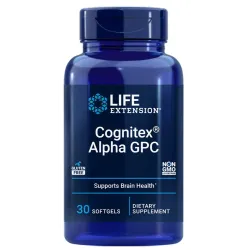
Cognitex® Alpha GPC
Price: 31,11 €Lay a strong foundation for cognitive health Promotes youthful memory... -
Related posts
-
 Rebuild Aging Joints!
In this article, you will learn about UC-II®, or undenatured type II collagen, a novel intervention for both...
Rebuild Aging Joints!
In this article, you will learn about UC-II®, or undenatured type II collagen, a novel intervention for both... -
Is Conventional Pomegranate Extract Enough?
An abundance of clinical data has established pomegranate as a broad-spectrum, multi-modal defense against the...
-
Next-Generation Nutrients for Rapid Relief of Joint Pain
In recent years, adults seeking relief from the crippling pain of arthritis have had to choose between expensive,...
-
Feed Your Brain!
Millions of people around the world are adhering to low-fat, low-cholesterol diets in an effort to reduce the impact...
-
Lipoic Acid Reverses Mitochondrial Decay
It is estimated that 85% of the oxygen contained in every breath you take is consumed by the mitochondria within each...