
 English
 Polski
 Deutsch
 Français
 ελληνικά
 Español
 Italiano
Newly Discovered Anti-Aging Effects of Ginkgo Biloba
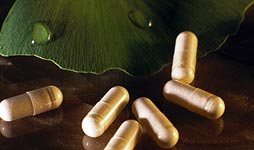 A review of the current scientific literature might suggest that ginkgo (Ginkgo biloba) is the ultimate natural product—a veritable fountain of youth. Not only can it improve memory and help relieve the symptoms of Alzheimer’s disease, but recent evidence also suggests that it can improve mental health in healthy older adults and has uses in treating conditions as various as diabetic retinopathy, intermittent claudication, erectile dysfunction, ulcers, and arthritis. Treating or preventing each of these conditions is important for successful aging. A plant with a long life span itself, ginkgo may help people to live long and healthy lives.
Ginkgo seeds have been used medicinally for thousands of years and the leaf itself has been used medicinally for more than 500 years.1 The seeds of the ginkgo tree traditionally have been used to treat asthma and cough, fight cancer, promote digestion, and treat irritable bladder. While ginkgo leaves were originally applied as a topical skin treatment, the medicinal properties of the leaf extract when taken orally are what has made ginkgo one of the best-selling herbal dietary supplements.1
Although ginkgo may grow in your backyard, its leaf extracts must be pharmacologically standardized to deliver the most benefits.2 Because tea made from the leaves does not contain enough of the active ingredients, ginkgo is one botanical that cannot be prepared as a home remedy. Ginkgo preparations are standardized to the active constituents, ginkgo flavone glycosides and terpene lactones.
An Extensively Researched Botanical
Ginkgo is one of the most clinically studied botanicals, having been evaluated in more than 120 clinical trials.3 A majority of the studies examined ginkgo’s effects on cognition in elderly people with impaired mental function. While most of the research supports the benefits of ginkgo extract, some findings have been contradictory.3
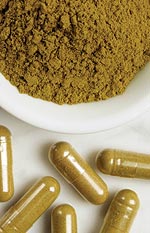 Several factors may account for these seemingly contradictory results. First, a longer treatment duration may be required to see an effect.4 Many studies evaluate ginkgo after weeks of use. It may take longer for ginkgo to counteract the effect of brain aging. Second, it is easier to see improvement of mental function in impaired patients than it is to see maintenance of cognition in healthy patients.4,5 In addition, it is more difficult to scientifically measure improved cognition in healthy individuals because the change is not as dramatic.
The molecular mechanisms of ginkgo extracts support its clinical effectiveness. The terpene lactones in ginkgo extract are potent inhibitors of a platelet-activating factor.6,7 This inhibition reduces platelet aggregation, thus improving blood circulation. Improved blood circulation increases oxygen and glucose delivery to the body’s cells.
Ginkgo extract also contains flavone glycosides, which are potent antioxidants.6 The flavonoids can also alter the release and uptake of brain neurotransmitters.1,8 Ginkgo extract can stimulate endothelium-derived relaxing factor, which relaxes blood vessels to increase circulation,9 and ginkgo also inhi-bits the lipid peroxidation that produces free radicals.10 Ginkgo has numerous other known mechanisms of action, and researchers continue to study its many effects.
Improving Cognition in Healthy Adults
 Some level of cognitive decline may be expected as a normal part of aging. In some people, this may lead to difficulties in performing everyday activities, such as concentrating on a conversation or remembering to attend a grandchild’s recital. This can cause a decline in people’s perceived quality of life and alter their mood. Newly published research suggests that ginkgo extract may be able to counteract these effects.
A study published in 2003 concluded that ginkgo extract improves the general mental health and quality of life of elderly adults with normal cognitive function.4 Sixty-six healthy volunteers aged 50-65 participated in a randomized, double-blind, placebo-controlled trial that evaluated ginkgo extract’s effect on mental functioning. The participants took 240 mg of ginkgo extract or a placebo daily for four weeks. At baseline (before beginning treatment), the characteristics between participants in the placebo group and ginkgo extract group were similar. Compared to the placebo group, subjects who took ginkgo extract saw significant improvements in their self-perceived mental health and quality of life. Participants who took ginkgo extract performed markedly better on action and reaction tests, and also reported improved mood, providing further evidence of the efficacy of ginkgo extract.4
Another study published in 2004 found that healthy older adults who took ginkgo experienced improvement in activities of daily living, mood, and alertness, and that these effects increased the longer they took ginkgo extract.5 A total of 1,570 men and women with an average age of 65 participated in this parallel-group study. Participants took either no dietary supplement or 120 mg of ginkgo extract daily for four, six, or 10 months. Participants who took ginkgo extract had higher ratings of competence in managing the activities of daily living, mood, and alertness compared to participants who did not receive treatment. Activities of daily living included doing two things at the same time, completing household tasks, concentrating during a conversation, remembering important dates, and giving and following directions. The mood factor comprised ratings of anxiety, depression, energy, drowsiness, sadness, and happiness. The alertness factor rated whether the subject felt alert, clumsy, dizzy, relaxed, and tired. The amount of improvement was directly related to the duration of treatment. Participants taking ginkgo extract the longest had the greatest subjective improvement in ratings of activities of daily living, mood, and alertness. The results led the researchers to suggest that 10 continuous months of supplementation with ginkgo extract may be more effective than four months of supplementation or no supplementation.5
Improving Circulation and Retinopathy in Diabetics
 Type II diabetes, also known as adult onset diabetes or non-insulin- dependent diabetes, can cause peripheral circulatory problems and retinopathy, or damage to the eye’s retina eventually leading to blindness. These medical conditions occur because type II diabetics have increased blood viscosity (thickness), red blood cell aggregation (stickiness), red blood cell rigidity, reduced deformability of red and white blood cells (the cells must deform and not be rigid to be able to fit through small vessels), and lipid peroxidation of blood cell membranes.11 Reports on ginkgo extract’s mechanism of action indicate that it should help patients with type II diabetes.
In 2004, researchers first reported that ginkgo extract benefits the deformation and flow properties of the blood cells of diabetic patients.11 Twenty-five patients aged 54-64 with type II diabetes plus retinopathy participated in the study. The patients took 240 mg of ginkgo extract daily for three months. The ginkgo extract decreased the participants’ red blood cell rigidity and blood viscosity, increased their red blood cell deformability, and reduced lipid peroxidation of their blood cell membranes. Ginkgo extract also increased blood flow velocity in the patients’ retinal capillaries (the tiny vessels in the eye). Moreover, the subjects saw increased oxygen transport by the blood, which is important for cellular health. All of these blood improvements could lower peripheral circulation disorders and retinopathy in patients with type II diabetes.11 Ginkgo extract thus may help to prevent the onset of diabetic retinopathy. This is especially important because the disease process of diabetic retinopathy begins before an individual notices a change in vision.
Applications in Alzheimer’s Treatment
Dementia is marked by declines in memory, reasoning, language, judgment, and abstract thinking, as well as by personality changes and diminished capacity to perform the activities of daily living. The most common cause of dementia is Alzheimer’s disease, a brain disorder that occurs later in life and may affect 50% of adults over the age of 85. The cause of Alzheimer’s disease remains a mystery, though it appears to involve an abnormal breakdown of acetylcholine, an important neurotransmitter in the brain. For this reason, cholin-esterase inhibitors, which are drugs that prevent the breakdown of acetylcholine, are used to treat Alzheimer’s.12
Improving Intermittent Claudication
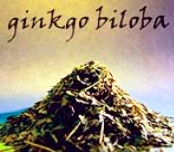 Intermittent claudication is muscle pain or discomfort brought on by exercise and relieved with rest. Even something as simple as walking across the room can be painful to people with intermittent claudication. This condition is caused by inadequate blood supply to meet the metabolic demands of the muscles. Peripheral artery disease caused by atherosclerosis is the most common cause of claudication of the lower extremities. Approximately 30% of people over the age of 70 have peripheral artery disease, and approximately 4 million Americans with peripheral artery disease have claudication symptoms.14
A new meta-analysis evaluated ginkgo extract’s effects on the treatment of intermittent claudication.15 The researchers evaluated nine randomized, double-blind, placebo-controlled trials of ginkgo extract in patients with peripheral arterial occlusive disease with intermittent claudication. In seven of the nine studies, ginkgo extract significantly increased pain-free walking distance compared to placebo.15 In six of the studies, the improvement was clinically relevant. The researchers concluded that ginkgo extract may be an effective treatment for the symptoms of intermittent claudication.15
Treating Erectile Dysfunction
 In men, sexual stimulation in the brain causes nitric oxide to be released in cells of the penis. The nitric oxide initiates a chain of events that causes the smooth muscles of the penile arteries to relax so that blood flows into the penis. An increase in blood, which is temporarily trapped in the penis, produces an erection. Considering that an erection requires intact psychological, neural, and vascular responses, it is not surprising that erectile dysfunction affects approximately 50% of all American men between the ages of 40 and 70.16
Ginkgo extract increases the availability of nitric oxide to cells in the penis. It also induces relaxation of vascular smooth muscle in the penis.16 Ginkgo extract may provide a modest benefit to underlying vascular dysfunction, thus helping a man to respond spontaneously to his partner.16 A study at the University of California in San Francisco demonstrated that ginkgo extract was 76% effective in treating male sexual dysfunction associated with the use of antidepressants.17 Ginkgo may thus be a valuable tool in treating erectile dysfunction, particularly of the kind related to use of antidepressants.
Helping to Repair Peptic Ulcers
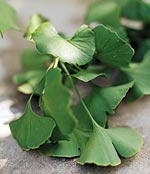 A peptic ulcer is a lesion or excoriated segment in the stomach lining or duodenum (a part of the intestine near the stomach). Typically, peptic ulcers are treated with drugs that decrease stomach acid or with antibiotics to kill the bacteria Helicobacter pylori, which is thought to cause peptic ulcers. Unfortunately, some H. pylori bacteria are resistant to antibiotics and some peptic ulcers are not caused by H. pylori. A novel treatment for peptic ulcers would be welcome, and an exciting new finding suggests that ginkgo extract may well be such a treatment.
A study in animals found that ginkgo extract could help protect against peptic ulcers and help to repair the ulcerated tissue.18 Rats with experimentally induced duodenal ulcers were treated with ginkgo for 14 days. Ginkgo extract increased superoxide dismutase (SOD) activity in the rats, and SOD is thought to protect against the free-radical damage that is involved in the pathogenesis of ulceration.18 Ginkgo extract improved mucosal repair by increasing the formation of microvilli on the cells in the ulcer. In addition, ginkgo increased levels of prostaglandins that help protect the lining of the stomach and duodenum.18 While needing to be confirmed in humans, these preliminary findings are very promising.
Relief for Arthritis Sufferers
A preliminary study found that ginkgo may benefit people with arthritis. In an animal model of arthritis, scientists found that ginkgo’s anti-inflammatory action was as effective as that of the nonsteroidal anti-inflammatory drugs (NSAIDs) Indocin® and Celebrex®, and better than that of Vioxx®, the popular painkiller that was recently removed from the market because it increases the risk of heart attack and stroke.19 The ginkgo extract was also found to reduce pain. NSAIDs are known to produce gastrointestinal bleeding; by contrast, ginkgo extract prevented gastric lesions.
Administration of ginkgo with the NSAIDs produced an additive response, suggesting that ginkgo administered with NSAIDs might increase their efficacy.19
 A newly discovered mechanism of action for ginkgo extracts underscores ginkgo’s importance in treating Alzheimer’s disease.20 Alzheimer’s disease involves the progressive deposition of beta amyloid protein (Abeta) in the brain. Abeta forms when an enzyme called beta-secretase cleaves a larger precursor protein called amyloid precursor protein (APP).20 Alternately, an enzyme called alpha-secretase can cleave APP and release a part of the protein known as alphaAPP.20 AlphaAPP is thought to exert a neuroprotective effect and to enhance learning and memory in the brain.20 Scientists discovered that ginkgo extract could induce the metabolism of APP toward the alpha-secretase pathway, thereby causing the release of alphaAPP.20 This important mechanism of action counteracts reports that ginkgo has no effect in Alzheimer’s disease or on learning and memory.
Conclusion
Ginkgo extract’s broad spectrum of pharmacological effects suggests that it may be a valuable tool in promoting a long and healthful life.
The last 18 months have seen the publication of many exciting new studies on the effects of ginkgo extract. The latest clinical trials indicate that ginkgo may improve the mental health and quality of life of healthy older adults and may prevent retinopathy in people with type II diabetes. Two newly completed meta-analyses allowed researchers to conclude that ginkgo extract may be a good treatment option for people with Alzheimer’s disease who cannot take cholinesterase inhibitors, and that ginkgo extract may improve symptoms of intermittent claudication. A review of the literature and pharmacological activity showed that ginkgo extract may combat erectile dysfunction. The latest scientific discoveries indicate that ginkgo may benefit people with ulcers or arthritis. Finally, a newly discovered mechanism of action for ginkgo indicates that it may help preserve mental function even better than originally thought.
Editor’s note: While clinical studies have shown a benefit in taking 240 mg a day of ginkgo, Life Extension still recommends that members take only 120 mg a day. This dose has demonstrated a high degree of safety in large clinical studies.
Material used with permission of Life Extension. All rights reserved.
1. Blumenthal M, ed. The ABC Clinical Guide to Herbs. Austin, TX: American Botanical Council; 2003
2. Blumenthal M, Goldberg A, Brinckmann J, eds. Herbal Medicine. Expanded Commission E Monographs. 1st ed. Newton, MA: Integrative Medicine Communications; 2000.
3. Cooper R. Gin(kgo) and tonic—with a twist! J Altern Complement Med. 2003 Oct;9(5):599-601.
4. Cieza A, Maier P, Poppel E. Effects of Gink- go biloba on mental functioning in healthy volunteers. Arch Med Res. 2003 Sep;34(5):373-81.
5. Trick L, Boyle J, Hindmarch I. The effects of Ginkgo biloba extract (LI 1370) supplementation and discontinuation on activities of daily living and mood in free living older volunteers. Phytother Res. 2004 Jul;18(7):531-7.
6. Smith JV, Luo Y. Studies on molecular mechanisms of Ginkgo biloba extract. Appl Microbiol Biotechnol. 2004 May;64(4):465-72.
7. McKenna DJ, Jones K, Hughes K. Efficacy, safety, and use of ginkgo biloba in clinical and preclinical applications. Altern Ther Health Med. 2001 Sep;7(5):70-90.
8. Davies JA, Johns L, Jones FA. Effects of bilobalide on cerebral amino acid neuro-transmission. Pharmacopsychiatry. 2003 Jun;36 Suppl 1S84-8.
9. Auguet M, Delaflotte S, Hellegouarch A, Clostre F. Pharmacological bases of the vascular impact of Ginkgo biloba extract. Presse Med. 1986 Sep 25;15(31):1524-28.
10. Yoshikawa T, Naito Y, Kondo M. Ginkgo biloba leaf extract: review of biological actions and clinical applications. Antioxid Redox Signal. 1999;1(4):469-80.
11. Huang SY, Jeng C, Kao SC, Yu JJ, Liu DZ. Improved haemorrheological properties by Ginkgo biloba extract (Egb 761) in type 2 diabetes mellitus complicated with retinopa- thy. Clin Nutr. 2004 Aug;23(4):615-21.
12. Evans JG, Wilcock G, Birks J. Evidence-based pharmacotherapy of Alzheimer’s disease. Int J Neuropsychopharmacol. 2004 Sep;7(3):351-69.
13. Kurz A, Van Baelen B. Ginkgo biloba com- pared with cholinesterase inhibitors in the treatment of dementia: a review based on meta-analyses by the cochrane collaboration. Dement Geriatr Cogn Disord. 2004;18(2):217-26.
14. Jacoby D, Mohler ER, III. Drug treatment of intermittent claudication. Drugs. 2004;64(15):1657-70.
15. Horsch S, Walther C. Ginkgo biloba special extract EGb 761 in the treatment of peripheral arterial occlusive disease (PAOD)—a review based on randomized, controlled studies. Int J Clin Pharmacol Ther. 2004 Feb;42(2):63-72.
16. McKay D. Nutrients and botanicals for erec- tile dysfunction: examining the evidence. Altern Med Rev. 2004 Mar;9(1):4-16.
17. Cohen AJ, Bartlik B. Ginkgo biloba for antidepressant-induced sexual dysfunction. J Sex Marital Ther. 1998 Apr;24(2):139-43.
18. Chao JC, Hung HC, Chen SH, Fang CL. Effects of Ginkgo biloba extract on cytoprotective factors in rats with duodenal ulcer. World J Gastroenterol. 2004 Feb 15;10(4):560-6.
19. Abdel-Salam OM, Baiuomy AR, El batran S, Arbid MS. Evaluation of the anti-inflammatory, anti-nociceptive and gastric effects of Ginkgo biloba in the rat. Pharmacol Res. 2004 Feb;49(2):133-42.
20. Colciaghi F, Borroni B, Zimmermann M, et al. Amyloid precursor protein metabolism is regulated toward alpha-secretase pathway by Ginkgo biloba extracts. Neurobiol Dis. 2004 Jul;16(2):454-60.
Related product
-
Ginkgo Biloba Certified Extract™
Price: 50,00 €Helps maintain memory & healthy circulation Support healthy circulation...
Related posts
-
 Rebuild Aging Joints!
In this article, you will learn about UC-II®, or undenatured type II collagen, a novel intervention for both...
Rebuild Aging Joints!
In this article, you will learn about UC-II®, or undenatured type II collagen, a novel intervention for both... -
Next-Generation Nutrients for Rapid Relief of Joint Pain
In recent years, adults seeking relief from the crippling pain of arthritis have had to choose between expensive,...
-
Feed Your Brain!
Millions of people around the world are adhering to low-fat, low-cholesterol diets in an effort to reduce the impact...
-
Lipoic Acid Reverses Mitochondrial Decay
It is estimated that 85% of the oxygen contained in every breath you take is consumed by the mitochondria within each...
-
Vitamin C and Dihydroquercetin
Every day, our bodies are under continual assault by damaging agents known as free radicals. Generally, both internal...