
 English
 Polski
 Deutsch
 Français
 ελληνικά
 Español
 Italiano
Pomegranate Favorably Modulates Gene Expression
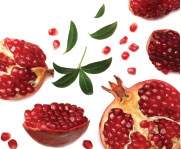 When we consume fewer calories, one proven benefit is favorable changes in the expression of our genes. Favorable changes occur when “youth genes” that promote cellular vitality are “turned on,” while “senescence genes” that rob cellular functionality are “turned off.” Resveratrol has become popular because like calorie restriction, it favorably alters gene expression in ways that have been shown to protect against age-related disease. Several years ago, researchers discovered significant health benefits in response to pomegranate ingestion. New studies show that one way pomegranate protects against cancer, atherosclerosis, type 2 diabetes, and other disorders is by inducing beneficial alterations in gene expression.
This article discusses the many mechanisms that enable pomegranate to combat degenerative disease, including its newly discovered ability to modulate gene expression.
A Multi-Pronged Approach to Preventing Atherosclerosis
 Atherosclerosis (hardening of the arteries) is a leading killer of older adults. Pomegranate extracts work at every step in the deadly atherosclerosis cascade to prevent or reverse the damage, thereby extending life.1,2
Pomegranate juice contains powerful antioxidant polyphenols called ellagitannins and ellagic acid.3,4 Early animal and human studies established that pomegranate juice consumption reduces oxidative stress, low-density lipoprotein (LDL) aggregation and oxidation, and platelet clumping associated with atherosclerosis.5-8 It also inhibits a serum enzyme called angiotensin-converting enzyme (ACE) that can produce high blood pressure, helping to lower systolic blood pressure in humans.9
Another vascular-protective mechanism of pomegranate extracts is inhibition of the inflammatory actions of NF-kappaB in vascular endothelial (vessel lining) cells.10 Israeli researchers found that pomegranate wine powerfully inhibited NF-kappaB that had been activated by blood flow disruptions—a step in development of the inflammatory atherosclerotic plaque.11 Cholesterol-lowering statin drugs have also been found to down regulate inflammatory NF-kappaB. However, these medications have side effects that many people find intolerable.12,13
Pomegranate researchers later found that they could reduce carotid artery wall thickness (a major risk factor for stroke) with three years of pomegranate juice supplementation.14 Excitingly, they discovered that this effect was accompanied by lower blood pressure and reduced LDL oxidation, vividly demonstrating pomegranate’s multi-pronged approach to stroke prevention.
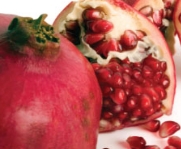 Pomegranate juice exerts powerful control over atherosclerosis-related genes.15 For example, disrupted blood flow (shear stress) in arteries increases expression of oxidation-sensitive genes causing endothelial damage. Pomegranate juice concentrate reduced activation of those dangerous genes in cultured human coronary artery cells exposed to shear stress and blocked progression of atherosclerosis in mice with elevated cholesterol.16,17 Pomegranate juice also markedly increases the stability and activity of the vital paraoxonase-1 (PON-1) complex in humans.18 PON-1 is a component of high-density lipoprotein (HDL) that prevents lipid oxidation.19
Its extraordinary ability to support vascular health extends even further. The vital protective cytokine called prostacyclin prevents platelet clumping and clot formation. When human aortic endothelial cells were exposed to pomegranate juice, their prostacyclin production increased by 61%, a benefit that would be expected to significantly reduce arterial clotting risk (a major cause of heart attack and stroke).20,21 And pomegranate flower extracts radically improved heart muscle metabolism of excess lipids in diabetic rats.22 Human studies confirm this benefit—concentrated pomegranate juice consumption significantly lowered total cholesterol and LDL levels—markers of cardiovascular risk.23
Pomegranate and Cancer
Nearly one-third of all cancer deaths in the United States could be prevented through appropriate dietary modification.24 Pomegranate’s broad-spectrum antioxidant and anti-inflammatory powers, plus its proven safety record, make it a natural for cancer prevention.25 Compelling evidence details how pomegranate juice and extracts prevent a variety of common cancers.
Prostate Cancer
 Prostate cancer is a devastating malignancy, accounting for about 25% of all the newly diagnosed cancers in American men. Although it is highly survivable when detected early, the American Cancer Society estimates that prostate cancer was responsible for more than 29,000 deaths in 2008.26-28 Pomegranate and its extracts are potent suppressors of prostate cancer at virtually every phase of its development.25 Pomegranate extracts powerfully suppressed proliferation, growth, invasion, and blood vessel formation of human prostate cancer cells in culture and when implanted in experimental animals.29-32 Pomegranate juice also helps stimulate the programmed “cellular suicide” called apoptosis that often stops incipient cancer cells from developing into full-blown tumors.33,34 Dramatic synergistic effects were discovered by Israeli researchers, who found that extracts from various parts of the whole fruit acted in concert to block prostate cancer invasion in the laboratory.35 And pomegranate juice blocks activity of carcinogen-activator enzymes called cytochrome P450 in the liver.36
A landmark human clinical trial was published by urologists at the University of California in 2006.37 This study was conducted in a challenging population, showing the true power of pomegranate. The researchers studied men who had already undergone surgery or radiation treatment, but nevertheless had rising levels of prostate-specific antigen (PSA), the serum marker of tumor growth or reoccurrence. Men drank 8 oz of pomegranate juice daily, and the researchers measured the time it took for their PSA levels to double. The longer the doubling time, the more slowly the disease was progressing and the better the quantity and quality of life.
The mean PSA doubling time increased dramatically and significantly with pomegranate supplementation, rising from 15 months before the study, to 54 months post-treatment. In other words, before supplementation these men’s PSA was doubling in less than a year and a half, while it took four and a half years to double after supplementation! Lab studies on the men’s serum showed that it could drastically cut proliferation of prostate cells in culture while radically increasing the cells’ rate of death by apoptosis.
Later studies demonstrated that, by modulating gene expression, pomegranate polyphenols down-regulated production of androgens (male hormones) and the androgen receptors that many prostate cancers need to survive and grow.38 In fact, scientists have found that pomegranate is effective at inhibiting both androgen-dependent (often early) and androgen-independent (often more advanced) cancers of the prostate.39
- Pomegranate juice has long been known to benefit cardiovascular health.

- Exciting new discoveries reveal pomegranate’s effects in cancer and diabetes prevention and treatment.
- Pomegranate’s multiple benefits may arise from its ability to positively modulate gene expression.
- Oral health is radically enhanced by pomegranate preparations, which can enhance body-wide wellness.
- Not all pomegranate products are the same—beware of store-bought “100% juice” that’s mostly apple juice with just a splash of pomegranate.
Breast Cancer
 Given some of pomegranate’s effects on hormone-dependent prostate cancers, it’s not surprising that it would also show promise in preventing (and even treating) breast cancers, which are often reliant on the female hormone estrogen.40 Korean researchers discovered a powerful blocking action of estrogen synthesis by whole pomegranate seed oil and juice concentrates.41 The result was dramatic growth inhibition of estrogen-dependent breast cancer cells (but not of healthy breast tissue). The same study showed inhibition of tumor formation in rodent cells exposed to known breast carcinogens. Using different methods, another research group found a 42% reduction in tumor formation with whole pomegranate juice polyphenols, and an astonishing 87% reduction with pomegranate seed oil.42 A joint Japanese-Israeli partnership showed how powerfully pomegranate extracts slash production of vascular endothelial growth factor (VEGF), a compound tumors use to promote new blood vessel growth.43
Colon Cancer
 Colon cancer is one of the major causes of cancer-related death in the Western world.44 Like prostate cancer, this malignancy can often be treated when caught early, but the effects of chemotherapy are toxic and lose their benefit as the disease becomes advanced. Far better, then, to prevent it in its earliest stages—another natural application for pomegranate juice and extracts! Pomegranate seed oil (rich in healthful linolenic acid) has been shown to suppress experimentally-induced colon cancer in laboratory rats.45
Inflammation is a powerful trigger for colon cancers, which develop in the toxin-rich environment of the large intestine. Pomegranate juice and several of its concentrated extracts (ellagitannins and punicalagin) directly suppress inflammatory cell signaling in colon cancer cells, via several mechanisms involving modulation of gene expression.46 Ellagic acid, produced in the colon from ellagitannins in pomegranate juice, induces apoptosis in colon cancer cells but not in normal colon cells—another example of the remarkable natural “targeting” system of these supplements.47
Pomegranate juice also powerfully inhibits several of the cytochrome P450 enzymes that can activate carcinogens, dramatically lowering the risk that a cancer could even develop.48 Not only that, but ellagic acid from pomegranate juice also increased the expression of powerful detoxifying enzymes, tipping the balance even further away from carcinogenesis.49
Pomegranate’s exciting anticancer potential is now being explored with remarkable effects on lung50,51 and skin cancers.24,52-57 According to noted cancer expert Dr. Imtiaz Siddiqui, “The prevailing mantra of cancer chemoprevention has been: ‘Find effective agents with acceptable or no toxicity and use them in preventing cancer in relatively healthy people or individuals at high risk for developing cancer.’”58 Pomegranate and its extracts fit that bill perfectly.
Diabetes
 Mainstream medicine has stood by virtually powerless as people eat themselves to death, creating the global epidemic of obesity, metabolic syndrome, and type 2 diabetes.59 Pomegranate juice and extracts offer powerful prevention at multiple levels on both diabetic and pre-diabetic states.60
For example, pomegranate extracts lower blood sugar in diabetic rats by as much as 50% just 12 hours after a first dose.61,62 In part this effect results from blocking an important glucose-metabolizing digestive enzyme called alpha-glucosidase.63
Diabetics suffer terribly from lipid disturbances and cardiovascular disease. Human studies show that concentrated pomegranate juice improved lipid profiles in diabetics with elevated blood lipids.23,64 And pomegranate flower extract activates the lipid-lowering receptor protein PPAR-alpha;65 this effect also improved cardiac metabolism in diabetic rats.22,66 Mainstream physicians can also activate PPAR-alpha with drugs in the fibrate category—but these expensive, single-mechanism drugs have their share of side effects not seen with pomegranate. Over time, diabetic hearts develop fibrosis, a reduction in flexibility and contractility of the heart muscle. Pomegranate flower extracts modulate expression of the genes that trigger fibrosis in diabetic rats, reducing the amount of harmful fibrosis-related proteins.67 The extracts also activate genes in the liver that help diabetics cope with abnormal fat accumulation in the liver.68
 Diabetics also suffer more than others from deadly effects of oxidative damage, which contributes to atherosclerosis and its disastrous consequences.69 When diabetics in Israel supplemented with pomegranate juice (just 50 mL or less than 2 oz per day for 3 months), serum markers of tissue oxidation plunged as much as 56%. In diabetics not taking pomegranate, tissue oxidation markers increased by 350%!70 This and other studies also showed marked improvements in the way pomegranate-supplemented diabetics’ bodies handled dangerous oxidized LDL.18,19,71
Diabetics and people with metabolic syndrome often suffer from poor vascular health. Pomegranate juice and extracts decreased markers of vascular inflammation, contributing to improved arterial function.72 Pomegranate seed oil consumption in high fat-fed laboratory rats reduced weight gain.73 It also reduced blood levels of the dangerous inflammatory fat-based cytokine leptin, while increasing beneficial adiponectin. Supplementation in these “metabolic syndrome” animals also increased their insulin sensitivity, lowering their risk of developing type 2 diabetes.73
Oral Health
 Gum disease (gingivitis and periodontitis) is unpleasant, unsightly—and potentially deadly. Inflamed gums release inflammatory cytokines and dangerous bacteria into the main circulation, radically increasing risk of cardiovascular disease and other complications.74 An oral pomegranate gel was more effective at inhibiting bacterial adherence (plaque formation) than the antimicrobial drug miconazole, and was effective at preventing growth of multiple oral bacteria.75 Innovative Thai researchers implanted biodegradable pomegranate-saturated chips into the gum “pockets” of people with periodontitis, finding dramatic improvement in clinical signs of periodontal disease.76,77 Treated subjects also had lower concentrations of inflammatory cytokines, helping to lower their risk of systemic illness.
A pomegranate mouth rinse slashed dangerous bacterial counts in oral plaque by 84%—compared to a 79% reduction with the standard medical treatment chlorhexidine rinse.78 A similar pomegranate rinse reduced plaque-inducing protein in saliva, cut indicators of cell injury, and lowered levels of sugar-degrading enzymes.79 The rinse simultaneously increased radical scavenging capacity and antioxidant enzymes in saliva.
Summary
Pomegranate, often called the “Jewel of Winter,” is turning out to be a crown jewel in our battles against aging. Its antioxidant and anti-inflammatory effects block the development of atherosclerosis and its cardiovascular consequences. It prevents cancer at multiple, complementary sites in the cascade of tumor-producing events. Pomegranate’s gene expression-modifying powers activate natural mechanisms that protect against diabetes and its devastating effects—as effectively as and more safely than prescription drugs. And pomegranate boosts oral health in ways that promote longevity along with overall health and well-being. If you aren’t using concentrated pomegranate products as part of your health-promotion regimen, you are missing some of nature’s most generous gifts!
Material used with permission of Life Extension. All rights reserved.
1. Nutr Rev. 2009 Jan;67(1):49-56.
2. Mol Nutr Food Res. 2009 Mar;53(3):322-31.
3. Tidsskr Nor Laegeforen. 2004 Jun 17;124(12):1643-5.
4. Fitoterapia. 2005 Mar;76(2):181-6.
5. J Nutr. 2001 Aug;131(8):2082-9.
6. Am J Clin Nutr. 2000 May;71(5):1062-76.
7. Drugs Exp Clin Res. 2002;28(2-3):49-62.
8. J Agric Food Chem. 2006 Mar 8;54(5):1928-35.
9. Atherosclerosis. 2001 Sep;158(1):195-8.
10. Ann NY Acad Sci. 2004 Dec;1030:434-41.
11. FASEB J. 2002 Dec;16(14):1931-3.
12. Cardiology. 2008;110(3):182-90.
13. Pharmacogenet Genomics. 2008 Sep;18(9):803-13.
14. Clin Nutr. 2004 Jun;23(3):423-33.
15. Nitric Oxide. 2006 Nov;15(3):259-63.
16. Proc Natl Acad Sci USA. 2005 Mar 29;102(13):4896-901.
17. Cardiovasc Res. 2007 Jan 15;73(2):414-23.
18. J Agric Food Chem. 2008 Sep 24;56(18):8704-13.
19. Biofactors. 2009 Jan;35(1):98-104.
20. J Med Food. 2003;6(4):301-8.
21. J Med Food. 2009 Apr;12(2):334-9.
22. Br J Pharmacol. 2005 Jul;145(6):767-74.
23. Int J Vitam Nutr Res. 2006 May;76(3):147-51.
24. Antioxid Redox Signal. 2008 Mar;10(3):475-510.
25. Cancer Lett. 2008 Oct 8;269(2):262-8.
26. Cell Cycle. 2006 Feb;5(4):371-3.
27. Urology. 2009 May;73(5 Suppl):S4-10.
28. http://www.cancer.org/docroot/PRO/content/PRO_1_1_Cancer_Statistics_2008_Presentation.asp.
29. J Med Food. 2004;7(3):274-83.
30. Invest New Drugs. 2005 Mar;23(2):121-2.
31. J Ethnopharmacol. 2007 Jan 19;109(2):177-206.
32. Int J Oncol. 2008 Feb;32(2):475-80.
33. Proc Natl Acad Sci USA. 2005 Oct 11;102(41):14813-8.
34. J Nutr Biochem. 2005 Jun;16(6):360-7.
35. Invest New Drugs. 2005 Jan;23(1):11-20.
36. J Med Food. 2007 Dec;10(4):643-9.
37. Clin Cancer Res. 2006 Jul 1;12(13):4018-26.
38. J Nutr Biochem. 2008 Dec;19(12):848-55.
39. Mol Cancer Ther. 2008 Sep;7(9):2662-71.
40. J Med Food. 2005;8(4):469-75.
41. Breast Cancer Res Treat. 2002 Feb;71(3):203-17.
42. Eur J Cancer Prev. 2004 Aug;13(4):345-8.
43. Angiogenesis. 2003;6(2):121-8.
44. Pak J Pharm Sci. 2009 Jul;22(3):346-8.
45. Cancer Sci. 2004 Jun;95(6):481-6.
46. J Agric Food Chem. 2006 Feb 8;54(3):980-5.
47. J Nutr Biochem. 2006 Sep;17(9):611-25.
48. J Med Food. 2008 Dec;11(4):623-8.
49. J Agric Food Chem. 2009 Jun 24;57(12):5623-32.
50. Cancer Res. 2007 Apr 1;67(7):3475-82.
51. Carcinogenesis. 2007 Jan;28(1):163-73.
52. Photochem Photobiol. 2005 Jan;81(1):38-45.
53. Exp Dermatol. 2006 Sep;15(9):678-84.
54. Int J Cancer. 2005 Jan 20;113(3):423-33.
55. Exp Dermatol. 2009 Jun;18(6):553-61.
56. J Med Food. 2003;6(3):157-61.
57. J Agric Food Chem. 2008 Sep 24;56(18):8434-41.
58. Chem Biol Interact. 2008 Jan 30;171(2):122-32.
59. J Altern Complement Med. 2004 Apr;10(2):369-78.
60. J Med Food. 2007 Jun;10(2):213-7.
61. Phytother Res. 2001 Nov;15(7):628-9.
62. Biofactors. 2007;31(1):17-24.
63. J Ethnopharmacol. 2005 Jun 3;99(2):239-44.
64. J Med Food. 2004;7(3):305-8.
65. Diabetes Obes Metab. Jan 2008;10(1):10-17.
66. Toxicol Appl Pharmacol. 2005 Sep 1;207(2):160-9.
67. J Cardiovasc Pharmacol. 2005 Dec;46(6):856-62.
68. J Ethnopharmacol. 2009 Jun 22;123(2):280-7.
69. Biomarkers. 2008 Feb;13(1):119-31.
70. Atherosclerosis. 2006 Aug;187(2):363-71.
71. Food Chem Toxicol. 2009 Jan;47(1):50-4.
72. Nitric Oxide. 2007 Aug;17(1):50-4.
73. Br J Nutr. 2009 Jul;102(1):54-9.
74. Clin Microbiol Infect. 2007 Oct;13 Suppl 43-10.
75. Braz Dent J. 2006;17(3):223-7.
76. J Int Acad Periodontol. 2003 Oct;5(4):106-15.
77. J Int Acad Periodontol. 2005 Jul;7(3):70-9.
78. J Herb Pharmacother. 2006;6(2):79-92.
79. Phytother Res. 2009 Aug;23(8):1123-7.
Related products
-

Pomegranate Complete
Price: 27,11 €Standardized extracts from the whole fruit, flower and seed oil... -
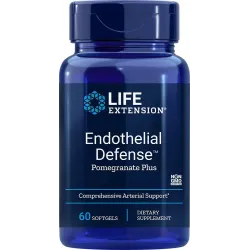
Endothelial Defense™ Pomegranate Plus
Price: 52,74 €For healthy arteries, protect your vascular endothelium Promotes arterial... -
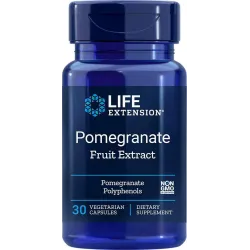
Pomegranate Fruit Extract
Price: 21,64 €Heart-healthy pomegranate polyphenols One of nature’s most powerful...
Related posts
-
 Is Conventional Pomegranate Extract Enough?
An abundance of clinical data has established pomegranate as a broad-spectrum, multi-modal defense against the...
Is Conventional Pomegranate Extract Enough?
An abundance of clinical data has established pomegranate as a broad-spectrum, multi-modal defense against the... -
Lipoic Acid Reverses Mitochondrial Decay
It is estimated that 85% of the oxygen contained in every breath you take is consumed by the mitochondria within each...
-
Vitamin C and Dihydroquercetin
Every day, our bodies are under continual assault by damaging agents known as free radicals. Generally, both internal...
-
How Resveratrol Combats Leading Causes of Death
In 1997, the first scientific paper on resveratrol was published showing that this polyphenol could prevent cancer in...
-
Autoimmune Diseases part 1
Autoimmune diseases are characterized by the body's immune responses being directed against its own tissues, causing...