
 English
 Polski
 Deutsch
 Français
 ελληνικά
 Español
 Italiano
CoQ10 Technology - Innovation that Never Quits!
 Back in 1983, when coenzyme Q10 was first introduced, the only concern was being able to afford it. A 100-count bottle of 10 mg CoQ10 capsules retailed for almost $100 in today’s dollars. CoQ10 prices plummeted as more companies began producing it.
In 1995, Life Extension® introduced an oil-soluble CoQ10 for greater absorption into the blood.
By 2004, Life Extension scientists had developed a novel delivery system for ubiquinone CoQ10 that dramatically increased blood levels even more.
This technology was outmoded in 2006 when Japanese scientists perfected a way to produce the superior ubiquinol form of CoQ10. Ubiquinol not only absorbs into the blood many times better than ubiquinone, but it is proven to produce vastly superior biological effects!
In 2007, Life Extension introduced a better form of ubiquinol that enabled even greater amounts of CoQ10 to be absorbed.
Now in 2009, a novel ubiquinol compound has been shown to function in the mitochondria better than ubiquinol CoQ10 by itself.
Within the last 26 years, Life Extension has gone from introducing a CoQ10 pill that is merely swallowed to achieving vastly improved CoQ10 blood/performance levels. The ubiquinol compound being introduced today increases ATP mitochondrial energy output even better than ubiquinol alone!
A Cutting-Edge Adaptogenic Combination
 For centuries, Ayurvedic practitioners relied on a curious substance called shilajit to treat or prevent a host of health problems. Culled from ancient biomass high in the Himalayas, shilajit was prized for its evident power to restore energy, increase fertility, enhance immunity, and safeguard memory against the effects of aging.
Modern science has confirmed that shilajit is in fact an adaptogen and a super-vitalizer.1-3 Adaptogens are substances that provide broad-spectrum protection throughout the body by helping it adapt to internal and external stressors. Recent research indicates that shilajit achieves these benefits through highly specific effects that restore and sustain cellular energy, particularly through enhanced production of ATP, the vital molecular power source we need to survive.
The latest studies reveal an even more remarkable finding: When shilajit is combined with CoQ10, cellular energy gains increase dramatically. Together they optimize mitochondrial energy levels, activating a super-vitalization of our mitochondria’s ability to convert food into energy. This adaptogenic combination not only radically ramps up available energy — it enhances mitochondrial health, a vital factor in preventing aging at the cellular level.
What is Shilajit?
 Ancient doctors discovered shilajit preserved in the rocks of the Himalayas, and it became an essential part of their treatment for a variety of conditions.2-5 Shilajit is a rich brown organic material that forms in the rhizosphere — the thin layer of earth where living roots and microorganisms interact with the rocky core of the planet itself.2 This intimate organic/inorganic relationship generates the humic substances that make up shilajit, contributing to its more than 85 distinct components.2,6,7
Modern analysis has determined the presence and function of two major components of shilajit, fulvic acids (also called humic acids) and dibenzo-a-pyrones (DBPs). These two components go hand-in-hand to promote and enhance the energy-boosting function of CoQ10 in the body. Here’s how they work.
Fulvic Acids
Found in both living and fossilized organic material (such as peat), fulvic acids protect mitochondria against oxidative damage and reduce dangerous lipid peroxidation.8 Fulvic acids carry DBPs into mitochondria9 thereby augmenting the availability of electrons in the mitochondrial energy pathway.
Fulvic acids and related humic substances found in shilajit also work as “electron shuttles,” augmenting CoQ10 to speed and facilitate essential electron flow in mitochondria.10-13 Mitochondria generate those electrons from the food we eat and capture their energy in ATP molecules. ATP is the cellular energy “juice” that drives all living functions. The larger the flow of electrons, the greater the production of vital ATP — and the more energy there is to power vital functions and protect cells from aging.
Dibenzo-a-pyrones (DBPs)
.jpg) DBPs can come from various sources, including spontaneous formation in the body and from dietary sources such as polyunsaturated fatty acids (PUFAs).9 They serve as an “electron reservoir,” rapidly replenishing the electrons that CoQ10 needs to sustain its antioxidant functions and its vital role in ATP production within mitochondria.14 Cellular stresses and the normal requirements of electron transport deplete stores of active CoQ10, which must be replenished in order to support healthy mitochondrial function.
DBPs can come from various sources, including spontaneous formation in the body and from dietary sources such as polyunsaturated fatty acids (PUFAs).9 They serve as an “electron reservoir,” rapidly replenishing the electrons that CoQ10 needs to sustain its antioxidant functions and its vital role in ATP production within mitochondria.14 Cellular stresses and the normal requirements of electron transport deplete stores of active CoQ10, which must be replenished in order to support healthy mitochondrial function.
Shilajit provides a rich natural source of DBPs, which support and enhance CoQ10 levels in the body.9,14 When laboratory mice are supplemented with oral CoQ10 alone, CoQ10 levels rise in heart, liver, and kidney tissue, as might be expected.1 Astonishingly, when DBPs from shilajit are added to the supplement, CoQ10 levels rise still further — as much as 29% more in the liver alone!1
What’s going on? The DBPs from shilajit are not only sustaining higher levels of CoQ10 from the supplement itself — they are actually increasing concentrations in tissues beyond what the supplement alone can produce. One way that DBPs achieve this remarkable effect is by stabilizing and preserving CoQ10 in its active form. In other words, CoQ10 that would otherwise be depleted during mitochondrial energy production is preserved, thus better protecting mitochondria against oxidant damage.1,14
One recent study highlighted just how DBPs from shilajit preserve CoQ10 in its superior ubiquinol (active) form at a wide variety of pH levels. For example, under alkaline conditions, DBP from shilajit preserves CoQ10 as ubiquinol 48% better than CoQ10 ubiquinol alone at 60 minutes, and is an impressive 148% better at 100 minutes. At neutral conditions (pH=7), DBP from shilajit preserves CoQ10 ubiquinol 71% better at 72 hours than CoQ10 ubiquinol alone.1
The Energy Chain and Cellular Aging
 Critical to conversion of food and oxygen to energy is the mitochondrial energy chain, an astonishingly complex array of enzymes and cofactors featuring CoQ10 in a starring role. CoQ10 and its partners channel electrons from chemical bonds in food to produce ATP molecules. ATP is the body’s universal “energy currency” or “energy juice,” acting as a short-term reserve fuel tank to power everything from muscle activity to brain work. The more ATP that’s available, the more energy the body has at its disposal.
But the intense flow of oxygen and electricity along the energy chain causes cumulative oxidant damage to mitochondria over time, depleting stores of CoQ10.36-38 Depleted CoQ10 and related mitochondrial dysfunction are major contributors to age-related diseases and even to aging itself.39 Aged and damaged mitochondria with insufficient CoQ10 operate inefficiently, producing less energy and more reactive oxygen species.40 This produces still more mitochondrial oxidant damage, driving a vicious cycle.41
That’s where the combination of CoQ10 and shilajit comes in. Think of the energy chain as an old-fashioned bucket brigade, with each enzyme and cofactor in the chain handing its electron burden on to the next in line. You can make the brigade more effective by providing more members, by speeding transfer of buckets from hand to hand, and by making more water available to fill their buckets.
CoQ10 provides more energy chain “members” to move electrons down the line to increase ATP production. Shilajit’s fulvic acid component speeds electron transfer down the energy chain, making it more efficient.11,12 Shilajit’s DBP component makes more electrons available to CoQ10, preserving CoQ10 in its active form. The combination of shilajit plus CoQ10 simply delivers more electrons faster, making mitochondrial energy production safer and more efficient.
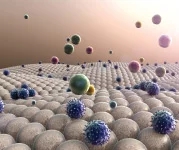
Since shilajit’s components protect, preserve, and enhance CoQ10 in the laboratory, you might expect that putting shilajit and CoQ10 together in one supplement would have even greater effects in living organisms. And you would be right!
A team of researchers published compelling results in 2009 showing how shilajit plus CoQ10 preserve and protect energy function in mice.15 The researchers engaged mice in strenuous and stressful physical activity for two hours each day for seven days. Starting on day four they supplemented the animals orally with CoQ10 alone, shilajit alone, or the two in combination. They measured levels of CoQ10, ATP, and other compounds vital in mitochondrial energy production. They then compared the results with those of the stressed animals given a placebo only, and with animals at rest. The outcomes were nothing short of astounding:
- Compared to a placebo, CoQ10 + shilajit significantly increased energy production (ATP) by 144% in muscle, and the combination was 27% better than CoQ10 alone!
- Compared to a placebo, CoQ10 + shilajit significantly increased energy production (ATP) by 56% in the brain, and the combination was 40% better than CoQ10 alone!
- Compared to control animals at rest, CoQ10 levels in the intense exercise-stressed animals plummeted by 75% — yet the combination of CoQ10 + shilajit restored CoQ10 levels to within 15% of the normal rested animals’ levels!
- The CoQ10 + shilajit combination produced similar synergistic effects on a variety of other measures of cellular energy status, especially in muscle and brain tissue.
What Does This Mean for You?
 The dramatic gains in cellular energy status in these studies are good news for aging people. We tend to think of energy in physical terms of how we feel — and there’s no question that enhanced levels of ATP, CoQ10, and other energy molecules contribute to less fatigue and better physical performance.16-21 But the benefits go far deeper.
Mitochondrial dysfunction from declining CoQ10 levels and oxidative stress is a funda-mental cause of cellular aging.22 Aging cells with damaged mitochondria perform poorly and recover poorly from stress, contributing to immune dysfunction, poor cardiovascular performance, and insulin resistance.23-28 Studies of CoQ10 supplementation alone are producing increasingly dramatic results in patients with heart disease, stroke, and diabetes.29-35
The discovery of the synergistic effects of CoQ10 plus shilajit means greater gains for people working to enhance mitochondrial health and combat aging.
Summary
Ancient Ayurvedic practitioners observed shilajit’s myriad benefits firsthand, but had no way of explaining them. Modern scientists are now discovering precisely how shilajit exerts its beneficial anti-aging, energy-enhancing effects. They’re finding that shilajit works in partnership with the known energy-boosting supplement CoQ10 to speed and augment electron transfer within mitochondria, dramatically increasing the amounts of energy-storing ATP available to tissues. They’re finding that shilajit protects and preserves CoQ10 in its active form, making still more of this vital cofactor available for cellular processes. Together shilajit and CoQ10 protect mitochondria from devastating oxidative damage and reduce aging at the cellular level. The clinical effects are both evident and dramatic — increased exercise tolerance and performance and reduced evidence of oxidant damage. This cutting-edge combination represents a significant scientifically validated advance in anti-aging science and CoQ10 technology.
Material used with permission of Life Extension. All rights reserved.
1. Pharmacology online. 2009;2:690-8.
2. Phytother Res. 2007 May;21(5):401-5.
3. Indian J Exp Biol. 2000 Feb;38(2):119-28.
4. J Ethnopharmacol. 1990 Apr;29(1):95-103.
5. J Ethnopharmacol. 2006 Oct 11;107(3):349-53.
6. Drug Dev Ind Pharm. 2008 May;34(5):506-11.
7. Phytother Res. 2009 Mar;23(3):373-84.
8. Acta Pol Pharm. 2000 Nov;57 Suppl:127-9.
9. Ghosal S. Shilajit in Perspective. New Delhi: Narosa Publishing House; 2006.
10. Sci Total Environ. 1987 Apr;62:347-54.
11. Environ Sci Technol. 2002 Jul 15;36(14):3170-5.
12. Environ Sci Technol. 2002 May 1;36(9):1939-46.
13. Environ Sci Technol. 2009 Feb 1;43(3):878-83.
14. Electronic Journal of Biotechnology. 2008 Jul 15:11(3).
15. Pharmacology online. 2009;1:817-25.
16. Biofactors. 2005;25(1-4):147-52.
17. Nutrition. 2008 Apr;24(4):293-9.
18. Clin Exp Metastasis. 2008;25(2):161-9.
19. Mol Cell Biochem. 2003 Apr;246(1-2):75-82.
20. J Int Soc Sports Nutr. 2008;5:8.
21. J Strength Cond Res. 2009 Jul 28.
22. Exp Biol Med (Maywood). 2003 May;228(5):506-13.
23. Basic Res Cardiol. 2009 Mar;104(2):181-8.
24. Hypertension. 2009 Aug;54(2):322-8.
25. Mech Ageing Dev. 1978 Mar;7(3):189-97.
26. Altern Ther Health Med. 2009 Mar-Apr;15(2):48-50.
27. Biosci Biotechnol Biochem. 2009 Jun;73(6):1262-7.
28. Infect Disord Drug Targets. 2009 Aug;9(4):376-89.
29. Acta Cardiol. 2007 Aug;62(4):349-54.
30. Pediatr Cardiol. 2005 Jul-Aug;26(4):361-6.
31. J Cardiothorac Vasc Anesth. 2008 Dec;22(6):832-9.
32. Biofactors. 2008;32(1-4):119-28.
33. Eur Heart J. 2007 Sep;28(18):2249-55.
34. Diabetes Care. 2009 May;32(5):810-2.
35. Diabetologia. 2002 Mar;45(3):420-6.
36. Gerontology. 1995;41 Suppl 2:109-20.
37. Biol Signals Recept. 2001 Jan-Apr;10(1-2):125-40.
38. Ann N Y Acad Sci. 2004 Apr;1011:86-100.
39. Genes Dev. 2009 Aug 1;23(15):1714-36.
40. Free Radic Biol Med. 2007 Nov 15;43(10):1423-38.
41. Pharmacol Rep. 2009 Jan-Feb;61(1):123-30.
Related products
-
Super Ubiquinol CoQ10 with Enhanced...
Price: 50,35 €Supercharge your cellular energy Ubiquinol CoQ10 absorbs up to 8 times... -
Super Ubiquinol CoQ10 with PQQ
Price: 42,87 €Triple-action support for cellular energy production Contains the... -
Super Ubiquinol CoQ10 with Enhanced...
Price: 50,27 €Supercharge your cellular energy Ubiquinol CoQ10 absorbs up to 8 times... -
Super Ubiquinol CoQ10 with Enhanced...
Price: 48,15 €Supercharge your cellular energy Ubiquinol CoQ10 absorbs up to 8 times... -
Super Ubiquinol CoQ10
Price: 42,58 €Our most absorbable CoQ10 Supports cardiovascular health Promotes healthy...
Related posts
-
 Is Conventional Pomegranate Extract Enough?
An abundance of clinical data has established pomegranate as a broad-spectrum, multi-modal defense against the...
Is Conventional Pomegranate Extract Enough?
An abundance of clinical data has established pomegranate as a broad-spectrum, multi-modal defense against the... -
Lipoic Acid Reverses Mitochondrial Decay
It is estimated that 85% of the oxygen contained in every breath you take is consumed by the mitochondria within each...
-
Vitamin C and Dihydroquercetin
Every day, our bodies are under continual assault by damaging agents known as free radicals. Generally, both internal...
-
How Resveratrol Combats Leading Causes of Death
In 1997, the first scientific paper on resveratrol was published showing that this polyphenol could prevent cancer in...
-
Autoimmune Diseases part 1
Autoimmune diseases are characterized by the body's immune responses being directed against its own tissues, causing...