
 English
 Polski
 Deutsch
 Français
 ελληνικά
 Español
 Italiano
Carnosine: Exceeding Scientific Expectations
 Almost ten years ago, Life Extension® published compelling data showing that supplementation with higher-dose carnosine induced a wide range of anti-aging effects, including marked reductions in lethal glycation reactions.
We reported on experimental findings in the 1990s demonstrating life span extending effects when carnosine was added to the diet.
Since then an enormous number of published scientific studies have corroborated the multiple beneficial effects of carnosine including protecting brain cells from toxic metal ion reactions that lead to dementia.
Carnosine is an amino acid compound found primarily in red meat. A typical red meat meal may provide 250 mg of carnosine, but this is quickly degraded in the body by the carnosinase enzyme. What this means is that even if a person relied on red meat for their carnosine, it would not last long enough in the body to provide sustained protective effects. Supplementation with 1,000 mg a day of carnosine overwhelms the carnosinase enzyme, thus enabling one to maintain consistent blood levels of this critical nutrient.
In this article, we report on a new longevity study using carnosine.1 Highly concentrated in brain and muscle tissue (including the heart), it turns out that carnosine strikes at multiple molecular targets to delay aging in laboratory animals and human tissues!2-4
This article uncovers new data about carnosine’s ability to provide targeted support to vital tissues in the heart, brain, and eye.
Carnosine - A Groundbreaking Discovery
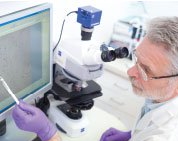 Dr. Sergey Stvolinsky, a highly-regarded anti-aging scientist at the Russian Academy, has studied carnosine for years. In 2010 he published some surprising results in the journal Rejuvenation Research about carnosine’s effect on fruit flies.
Fruit flies are incredibly useful experimental animals, particularly for genetic and aging research, because of their very short life spans and rapid reproductive rates. Stvolinsky and his research team found that adding a tiny amount of carnosine to the flies’ food supply produced an immediate 20% increase in the average life span of male flies.5 Alone, carnosine had little effect on female flies’ life span, but when combined with a water-soluble form of vitamin E, female flies experienced a 36% increase in longevity as well.5,6
Stvolinsky’s work is indeed groundbreaking, but one is left with the question of why carnosine produces such dramatic effects and whether these results in insects have relevance for human life span. Let’s look at carnosine’s broad spectrum longevity benefits for some answers.
Carnosine - Cardiovascular Health Benefits
 Oxidant stress eventually shortens our life span by contributing to the risk of atherosclerosis and its consequences such as heart attack and stroke. Carnosine’s powerful antioxidant effects, coupled with its ability to scavenge both free radicals and damaged protein products, give it unique protective characteristics that have the potential to lengthen life span.7
Carnosine can inhibit sympathetic nervous system activity that otherwise promotes hypertension, thus diminishing obesity-associated blood pressure elevations.8 Its antioxidant properties protect heart muscle directly against toxins, even powerful chemotherapy agents that would otherwise pose serious risks to heart tissue.9 Its anti-glycation properties help prevent harmful modifications of LDL cholesterol molecules that contribute to early stages of arterial plaque formation, a benefit especially important in protecting blood vessels from diabetic damage.10
But even after substantial damage has been done, and arteries are clogged, carnosine offers potentially lifesaving benefits. When blood flow is obstructed, tissue is starved of oxygen and nutrients by the resulting ischemia. Even though the restriction of blood flow produces immediate damage, still more damage occurs when blood flow is restored and  oxygen-rich blood floods the area. This double-hit is called ischemia/reperfusion injury, and accounts for much of the disability that follows a heart attack, stroke, or traumatic injury.
Carnosine protects against ischemia/reperfusion injury in a number of remarkable ways.11 It protects brain cells after a stroke by reducing toxicity of the excitatory neurotransmitter glutamate.12 Interestingly, treatment with carnosine significantly reduced the amount of brain tissue involved in experimentally-produced strokes in mice.13 Perhaps more impressively, carnosine supplements protect animals’ brains against localized ischemia in the first place.14,15 This discovery has been credited with increasing survival of experimental animals following stroke.16
Carnosine also prevents or reverses ischemia/reperfusion injury in liver and kidney tissue following injury or surgical procedures, helping to reduce complications.17-21 The more we learn about ischemia/reperfusion injury the more we find it contributes to long-term disability and reduces life span. Carnosine certainly deserves a place in a cardiovascular prevention program.
Carnosine - Combating the Dangers of Elevated Glucose
 The destructive changes in vital enzymes and other proteins by glucose (the glycation process) is one of the major causes of aging and age-related tissue dysfunction.22 While this process is accelerated in diabetes due to constantly elevated glucose levels, it occurs in all of us, and the effects accumulate over time.23 A substance that can prevent glycation in the first place, or one that can reverse existing protein glycation, would therefore be a powerful anti-aging compound.22
Carnosine acts on multiple targets within cells and tissues to quench the chemical reactions that prevent proteins from functioning properly.22,24,25 One benefit discovered early from this process is a suppression of elevated blood pressure in diabetic animals.22 An animal study showed that carnosine decreases blood glucose levels indirectly through beneficial effects on the autonomic nervous system. This modulation of blood glucose levels makes damaging glycation reactions less likely to occur.26
These benefits have immediate payoff in living organisms. Carnosine stabilizes red blood cell membranes against the damaging effects of glycation products in diabetes.27 Additionally, it protects human LDL cholesterol from both oxidation and glycation, early events in the production of atherosclerosis.10,28 Astonishingly, carnosine supplementation in animals delays onset of diabetes and increases the mass of insulin-secreting pancreatic cells.29
Carnosine - Novel Anti-Cancer Properties
 The use of carnosine as a chemopreventive is in its infancy, but encouraging studies are rapidly emerging as scientists look for more ways to capitalize on its antioxidant, anti-inflammatory features. As an antioxidant, carnosine helps block the DNA damage that can lead to cancerous transformation in cultured cells—and it increases the life span of cells cultured from young subjects in the laboratory.30 Carnosine also prevents release of inflammatory cytokines in intestinal cells, reducing a significant risk for colon cancers.31 Its ability to inhibit new metastases, and to interfere with cancer cells’ energy metabolism, make it still more appealing as a potential anticancer nutrient.32-34
Safeguarding the Aging Brain
 Brain tissue naturally contains high levels of carnosine, which is capable of reducing the oxidative, nitrosative, and glycemic stress to which the brain is especially vulnerable.7,35,36 Oxidation and glycation produce inflammation, and also contribute to cross-linking of proteins, including the Alzheimer’s disease protein called amyloid-beta.37 Carnosine can prevent that cross-linking, preserving normal neuronal function, and also helps minimize toxicity created by the high levels of metal ions that are present in certain areas of the brain.4,38-40
Carnosine levels are significantly lower in patients with Alzheimer’s and other neurodegenerative disorders, suggesting either that carnosine deficiency contributes to the disease, or, more likely, that the disease processes are using up protective carnosine.41,42 In either case, supplementation with carnosine could be expected to alleviate much of the cellular toxicity that contributes to these diseases, which is why animal and human studies now suggest an important role for carnosine supplementation in prevention of Parkinson’s and Alzheimer’s diseases.43-47
 Carnosine lowers blood glucose, enhances insulin sensitivity, and may help prevent type 2 diabetes from emerging.
- Breakthrough research has shown that carnosine can dramatically extend thelifetimes of laboratory animals.
- Carnosine also extends lifetime of human cells in culture.
- Carnosine is a natural antioxidant and anti-glycation substance found in normal human tissues, predominantly in the brain and heart.
- By fighting oxidant and glucose-induced damage, carnosine blocks the central changes to cells and tissues that result in aging and age-related diseases.
- Carnosine helps prevent cardiovascular damage and brain injury through a host of mechanisms closely related to the interplay of glycation, oxidation, and inflammation.
- Carnosine should form a part of a comprehensive anti-aging supplement program.
Carnosine - Blocking Cataract Formation
 In addition to extending the quantity of life, carnosine can contribute to improved quality of life by reducing the risk and severity of cataracts in the eye.48 The lens of the eye is highly sensitive to glycation of its proteins, which render it opaque. Carnosine’s anti-glycation effects, therefore, provide prominent vision protection.49 Carnosine in different delivery systems has been show to reduce cataract formation in studies of diabetic animals, which, like diabetic humans, are prone to cataract development.50-52
 Carnosine levels in the body decline with age. Muscle levels decrease 63% between ages 10 to 70, which may account for the reduction in muscle mass and function seen in aging humans.1
Carnosine acts not only as an antioxidant in muscle, but also as a pH buffer.2 In this way it keeps on protecting muscle cell membranes from oxidation under the acidic conditions of muscular exertion.
Carnosine enables the heart muscle to contract more efficiently through enhancement of calcium response in heart cells.3 Muscle levels of carnosine correlate with the maximum life span of animal species.
Carnosine has been shown to rejuvenate connective tissue cells, which may explain its beneficial effects on wound healing. Damaged proteins accumulate and cross-link in the skin, causing wrinkles and loss of elasticity. The multiplicity of pathological effects caused by protein degradation places this problem beyond the sope of simple antioxidants.4 Carnosine is the most promising broad-spectrum shield against protein degradation.
- Stuerenburg HJ, Kunze K. Concentrations of free carnosine (a putative membrane-protective antioxidant) in human muscle biopsies and rat muscles. Arch Gerontol Geriatr. 1999.29:107-13.
- Burcham PC, Kerr PG, Fontaine F. The antihypertensive hydralazine is an efficient scavenger of acrolein. Redox Rep. 2000;5(1):47-9.
- Zaloga GP, Roberts PR, Black KW, et al. Carnosine is a novel peptide modulator of intracellular calcium and contractility in cardiac cells. Am J Physiol. 1997;272(1 Pt 2):H462-8.
- Wang AM, Ma C, Xie ZH, Shen F. Use of carnosine as a natural anti-senescence drug for human beings. Biochemistry (Mosc). 2000;65(7):869-71.
Carnosine at Work
 An obvious feature of carnosine is its powerful antioxidant effect, which may prevent age-related accumulation of free radicals and their disastrous impact on tissues.53-55
Carnosine is a dipeptide—that is, a small molecule composed of two amino acids, histidine and beta alanine. It continues to work to prevent oxidant damage even after cellular molecules are attacked. It prevents destructive effects of oxidized chemicals such as malondialdehyde (MDA) that are associated with brain cell death in neurodegenerative disorders such as Alzheimer’s and Parkinson’s diseases.4,43
A separate and equally important feature of carnosine is its ability to interfere with protein modifications by glucose and oxygen, two events that contribute powerfully to inflammation and aging.3,56 Carnosine also directly and indirectly inhibits release of inflammatory mediators such as cytokines and inducible nitric oxide synthase (iNOS), and is being closely studied for its ability to mitigate the inflammatory effects of viral infections such as influenza.57
The sum of all these intracellular biochemical events helps to explain the remarkable explosion of literature on carnosine as a possible life span extender. A central biochemical characteristic of aging is the accumulation of proteins altered by chemical reactions with oxygen, nitrogen, and glucose.58,59 Carnosine’s ability to interfere with that alteration may account for its observed ability to extend life span not only of fruit flies but also of “higher” laboratory animals and human tissue in culture.1, 2, 60-63
 A close-up look at carnosine’s actions reveals a remarkable effect on telomeres, the DNA sequences at the ends of chromosomes that act as a sort of cellular “clock,” largely controlling the aging process. As telomeres shorten with each cellular replication, the remaining life span of the cell is diminished.64 Telomere shortening is induced by oxidative changes and other protein modifications of precisely the kind that carnosine can prevent.65 Carnosine can therefore block telomere shortening and reduce aging effects in individual tissues.66 For example, carnosine can prevent telomere shortening-induced cataracts in the lens of the eye.64,67,68
Most people consume relatively small amounts of carnosine in their diet. Based on a study showing that 250 mg of ingested carnosine from 7 oz. of hamburger meat was completely cleared from the blood of study volunteers within 5-6 hours by the carnosinase enzyme,69 Life Extension recommends that individuals seeking its anti-aging effects supplement with at least 1,000 mg of carnosine daily to maintain optimal levels in the body.
Summary
Growing scientific interest in longevity-boosting compounds has led to groundbreaking new research on carnosine. Highly concentrated in brain and muscle, carnosine is a natural antioxidant and glycation-fighting nutrient whose levels in the body naturally decline with age.
A 2010 study revealed that carnosine extends life span in laboratory animals, consistent with other recent findings that carnosine fights aging at multiple targets in heart, brain, skin, and other organ systems.
Carnosine’s multiple and interrelated mechanisms of action mean that carnosine can provide benefits to cells and tissues throughout the body that would otherwise succumb to the pathologic effects of aging.
Material used with permission of Life Extension. All rights reserved.
- Hipkiss AR. On the enigma of carnosine’s anti-ageing actions. Exp Gerontol. 2009 Apr;44(4):237-42.
- Hipkiss AR. Aging, proteotoxicity, mitochondria, glycation, NAD and carnosine: possible inter-relationships and resolution of the oxygen paradox. Front Aging Neurosci. 2010;2:10.
- Hipkiss AR. Carnosine and its possible roles in nutrition and health. Adv Food Nutr Res. 2009;57:87-154.
- Cheng J, Wang F, Yu DF, Wu PF, Chen JG. The cytotoxic mechanism of malondialdehyde and protective effect of carnosine via protein cross-linking/mitochondrial dysfunction/reactive oxygen species/MAPK pathway in neurons. Eur J Pharmacol. 2010 Sep 21.
- Stvolinsky S, Antipin M, Meguro K, Sato T, Abe H, Boldyrev A. Effect of carnosine and its Trolox-modified derivatives on life span of Drosophila melanogaster. Rejuvenation Res. 2010 Aug;13(4):453-7.
- Stvolinsky SL, Bulygina ER, Fedorova TN, et al. Biological activity of novel synthetic derivatives of carnosine. Cell Mol Neurobiol. 2010 Apr;30(3):395-404.
- Guiotto A, Calderan A, Ruzza P, Borin G. Carnosine and carnosine-related antioxidants: a review. Curr Med Chem. 2005;12(20):2293-315.
- Niijima A, Okui T, Matsumura Y, et al. Effects of L-carnosine on renal sympathetic nerve activity and DOCA-salt hypertension in rats. Auton Neurosci. 2002 May 31;97(2):99-102.
- Zieba R, Wagrowska-Danilewicz M. Influence of carnosine on the cardiotoxicity of doxorubicin in rabbits. Pol J Pharmacol. 2003 Nov-Dec;55(6):1079-87.
- Rashid I, van Reyk DM, Davies MJ. Carnosine and its constituents inhibit glycation of low-density lipoproteins that promotes foam cell formation in vitro. FEBS Lett. 2007 Mar 6;581(5):1067-70.
- Stvolinsky SL, Dobrota D. Anti-ischemic activity of carnosine. Biochemistry (Mosc). 2000 Jul;65(7):849-55.
- Shen Y, He P, Fan YY, et al. Carnosine protects against permanent cerebral ischemia in histidine decarboxylase knockout mice by reducing glutamate excitotoxicity. Free Radic Biol Med. 2010 Mar 1;48(5):727-35.
- Min J, Senut MC, Rajanikant K, et al. Differential neuroprotective effects of carnosine, anserine, and N-acetyl carnosine against permanent focal ischemia. J Neurosci Res. 2008 Oct;86(13):2984-91.
- Rajanikant GK, Zemke D, Senut MC, et al. Carnosine is neuroprotective against permanent focal cerebral ischemia in mice. Stroke. 2007 Nov;38(11):3023-31.
- Dobrota D, Fedorova T, Stvolinsky S, et al. Carnosine protects the brain of rats and Mongolian gerbils against ischemic injury: after-stroke-effect. Neurochem Res. 2005 Oct;30(10):1283-8.
- Stvolinsky S, Kukley M, Dobrota D, Mezesova V, Boldyrev A. Carnosine protects rats under global ischemia. Brain Res Bull. 2000 Nov 1;53(4):445-8.
- Fujii T, Takaoka M, Muraoka T, et al. Preventive effect of L-carnosine on ischemia/reperfusion-induced acute renal failure in rats. Eur J Pharmacol. 2003 Aug 8;474(2-3):261-7.
- Fujii T, Takaoka M, Tsuruoka N, Kiso Y, Tanaka T, Matsumura Y. Dietary supplementation of L-carnosine prevents ischemia/reperfusion-induced renal injury in rats. Biol Pharm Bull. 2005 Feb;28(2):361-3.
- Kurata H, Fujii T, Tsutsui H, et al. Renoprotective effects of l-carnosine on ischemia/reperfusion-induced renal injury in rats. J Pharmacol Exp Ther. 2006 Nov;319(2):640-7.
- Baykara B, Tekmen I, Pekcetin C, et al. The protective effects of carnosine and melatonin in ischemia-reperfusion injury in the rat liver. Acta Histochem. 2009;111(1):42-51.
- Fouad AA, El-Rehany MA, Maghraby HK. The hepatoprotective effect of carnosine against ischemia/reperfusion liver injury in rats. Eur J Pharmacol. 2007 Oct 15;572(1):61-8.
- Hipkiss AR, Brownson C, Carrier MJ. Carnosine, the anti-ageing, anti-oxidant dipeptide, may react with protein carbonyl groups. Mech Ageing Dev. 2001 Sep 15;122(13):1431-45.
- Szwergold BS. Intrinsic toxicity of glucose, due to non-enzymatic glycation, is controlled in-vivo by deglycation systems including: FN3K-mediated deglycation of fructosamines and transglycation of aldosamines. Med Hypotheses. 2005;65(2):337-48.
- Aldini G, Facino RM, Beretta G, Carini M. Carnosine and related dipeptides as quenchers of reactive carbonyl species: from structural studies to therapeutic perspectives. Biofactors. 2005;24(1-4):77-87.
- Yan H, Harding JJ. Carnosine protects against the inactivation of esterase induced by glycation and a steroid. Biochim Biophys Acta. 2005 Jun 30;1741(1-2):120-6.
- Nagai K, Niijima A, Yamano T, et al. Possible role of L-carnosine in the regulation of blood glucose through controlling autonomic nerves. Exp Biol Med (Maywood). 2003 Nov;228(10):1138-45.
- Korobov VN, Maurisio RB, Mukalov IO, Stvolinskii SL. Carnosine stabilization of the normal erythrocyte membranes and in experimental diabetes. Patol Fiziol Eksp Ter. 2000 Apr-Jun (2):13-5.
- Lee YT, Hsu CC, Lin MH, Liu KS, Yin MC. Histidine and carnosine delay diabetic deterioration in mice and protect human low density lipoprotein against oxidation and glycation. Eur J Pharmacol. 2005 Apr 18;513(1-2):145-50.
- Sauerhofer S, Yuan G, Braun GS, et al. L-carnosine, a substrate of carnosinase-1, influences glucose metabolism. Diabetes. 2007 Oct;56(10):2425-32.
- Hyland P, Duggan O, Hipkiss A, Barnett C, Barnett Y. The effects of carnosine on oxidative DNA damage levels and in vitro life span in human peripheral blood derived CD4+T cell clones. Mech Ageing Dev. 2000 Dec 20;121(1-3):203-15.
- Son DO, Satsu H, Kiso Y, Shimizu M. Characterization of carnosine uptake and its physiological function in human intestinal epithelial Caco-2 cells. Biofactors. 2004;21(1-4):395-8.
- Chuang CH, Hu ML. L-carnosine inhibits metastasis of SK-Hep-1 cells by inhibition of matrix metaoproteinase-9 expression and induction of an antimetastatic gene, nm23-H1. Nutr Cancer. 2008;60(4):526-33.
- Renner C, Zemitzsch N, Fuchs B, et al. Carnosine retards tumor growth in vivo in an NIH3T3-HER2/neu mouse model. Mol Cancer. 2010;9:2.
- Renner C, Asperger A, Seyffarth A, Meixensberger J, Gebhardt R, Gaunitz F. Carnosine inhibits ATP production in cells from malignant glioma. Neurol Res. 2010 Feb;32(1):101-5.
- Calabrese V, Colombrita C, Guagliano E, et al. Protective effect of carnosine during nitrosative stress in astroglial cell cultures. Neurochem Res. 2005 Jun-Jul;30(6-7):797-807.
- Reddy VP, Garrett MR, Perry G, Smith MA. Carnosine: a versatile antioxidant and antiglycating agent. Sci Aging Knowledge Environ. 2005 May 4;2005(18):pe12.
- Dukic-Stefanovic S, Schinzel R, Riederer P, Munch G. AGES in brain ageing: AGE-inhibitors as neuroprotective and anti-dementia drugs? Biogerontology. 2001;2(1):19-34.
- Hobart LJ, Seibel I, Yeargans GS, Seidler NW. Anti-crosslinking properties of carnosine: significance of histidine. Life Sci. 2004 Jul 30;75(11):1379-89.
- Hipkiss AR. Could carnosine suppress zinc-mediated proteasome inhibition and neurodegeneration? Therapeutic potential of a non-toxic but non-patentable dipeptide. Biogerontology. 2005;6(2):147-9.
- Trombley PQ, Horning MS, Blakemore LJ. Interactions between carnosine and zinc and copper: implications for neuromodulation and neuroprotection. Biochemistry (Mosc). 2000 Jul;65(7):807-16.
- Balion CM, Benson C, Raina PS, Papaioannou A, Patterson C, Ismaila AS. Brain type carnosinase in dementia: a pilot study. BMC Neurol. 2007;7:38.
- Fonteh AN, Harrington RJ, Tsai A, Liao P, Harrington MG. Free amino acid and dipeptide changes in the body fluids from Alzheimer’s disease subjects. Amino Acids. 2007 Feb;32(2):213-24.
- Tsai SJ, Kuo WW, Liu WH, Yin MC. Antioxidative and anti-inflammatory protection from carnosine in the striatum of MPTP-treated mice. J Agric Food Chem. 2010 Oct 6.
- Hipkiss AR. Could carnosine or related structures suppress Alzheimer’s disease? J Alzheimers Dis. 2007 May;11(2):229-40.
- Shen Y, Hu WW, Chen Z. Carnosine and diseases of central nervous system. Zhejiang Da Xue Xue Bao Yi Xue Ban. 2007 Mar;36(2):199-203.
- Boldyrev A, Fedorova T, Stepanova M, et al. Carnosine [corrected] increases efficiency of DOPA therapy of Parkinson’s disease: a pilot study. Rejuvenation Res. 2008 Aug;11(4):821-7.
- Boldyrev AA, Stvolinsky SL, Fedorova TN, Suslina ZA. Carnosine as a natural antioxidant and geroprotector: from molecular mechanisms to clinical trials. Rejuvenation Res. 2010 Apr-Jun;13(2-3):156-8.
- Liu YF, Liu HW, Peng SL. Effects of L-canosine in preventing and treating rat cataract induced by sodium selenite. Zhonghua Yan Ke Za Zhi. 2009 Jun;45(6):533-6.
- Guo Y, Yan H. Preventive effect of carnosine on cataract development. Yan Ke Xue Bao. 2006 Jun;22(2):85-8.
- Yan H, Guo Y, Zhang J, Ding Z, Ha W, Harding JJ. Effect of carnosine, aminoguanidine, and aspirin drops on the prevention of cataracts in diabetic rats. Mol Vis. 2008;14:2282-91.
- Attanasio F, Cataldo S, Fisichella S, et al. Protective effects of L- and D-carnosine on alpha-crystallin amyloid fibril formation: implications for cataract disease. Biochemistry. 2009 Jul 14;48(27):6522-31.
- Babizhayev MA. New concept in nutrition for the maintenance of the aging eye redox regulation and therapeutic treatment of cataract disease; synergism of natural antioxidant imidazole-containing amino acid-based compounds, chaperone, and glutathione boosting agents: a systemic perspective on aging and longevity emerged from studies in humans. Am J Ther. 2010 Jul-Aug;17(4):373-89.
- Yuneva AO, Kramarenko GG, Vetreshchak TV, Gallant S, Boldyrev AA. Effect of carnosine on Drosophila melanogaster life span. Bull Exp Biol Med. 2002 Jun;133(6):559-61.
- Aydin AF, Kucukgergin C, Ozdemirler-Erata G, Kocak-Toker N, Uysal M. The effect of carnosine treatment on prooxidant-antioxidant balance in liver, heart and brain tissues of male aged rats. Biogerontology. 2010 Feb;11(1):103-9.
- Baguet A, Bourgois J, Vanhee L, Achten E, Derave W. Important role of muscle carnosine in rowing performance. J Appl Physiol. 2010 Oct;109(4):1096-101.
- Yan H, Harding JJ. Carnosine inhibits modifications and decreased molecular chaperone activity of lens alpha-crystallin induced by ribose and fructose 6-phosphate. Mol Vis. 2006;12:205-14.
- Babizhayev MA, Deyev AI. Management of the virulent influenza virus infection by oral formulation of nonhydrolized carnosine and isopeptide of carnosine attenuating proinflammatory cytokine-induced nitric oxide production. Am J Ther. 2010 Sep 14.
- Hipkiss AR. NAD(+) and metabolic regulation of age-related proteoxicity: A possible role for methylglyoxal? Exp Gerontol. 2010 Jun;45(6):395-9.
- Calabrese V, Cornelius C, Mancuso C, et al. Cellular stress response: a novel target for chemoprevention and nutritional neuroprotection in aging, neurodegenerative disorders and longevity. Neurochem Res. 2008 Dec;33(12):2444-71.
- McFarland GA, Holliday R. Retardation of the senescence of cultured human diploid fibroblasts by carnosine. Exp Cell Res. 1994 Jun;212(2):167-75.
- McFarland GA, Holliday R. Further evidence for the rejuvenating effects of the dipeptide L-carnosine on cultured human diploid fibroblasts. Exp Gerontol. 1999 Jan;34(1):35-45.
- Holliday R, McFarland GA. A role for carnosine in cellular maintenance. Biochemistry (Mosc). 2000 Jul;65(7):843-8.
- Boldyrev AA. Protection of proteins from oxidative stress: a new illusion or a novel strategy? Ann N Y Acad Sci. 2005 Dec;1057:193-205.
- Babizhayev MA, Vishnyakova KS, Yegorov YE. Telomere-dependent senescent phenotype of lens epithelial cells as a biological marker of aging and cataractogenesis: the role of oxidative stress intensity and specific mechanism of phospholipid hydroperoxide toxicity in lens and aqueous. Fundam Clin Pharmacol. 2010 Apr 19.
- Babizhayev MA, Savel’yeva EL, Moskvina SN, Yegorov YE. Telomere length is a biomarker of cumulative oxidative stress, biologic age, and an independent predictor of survival and therapeutic treatment requirement associated with smoking behavior. Am J Ther. 2010 Mar 29.
- Shao L, Li QH, Tan Z. L-carnosine reduces telomere damage and shortening rate in cultured normal fibroblasts. Biochem Biophys Res Commun. 2004 Nov 12;324(2):931-6.
- Babizhayev MA, Yegorov YE. Telomere attrition in lens epithelial cells – a target for N-acetylcarnosine therapy. Front Biosci. 2010;15:934-56.
- Wang AM, Ma C, Xie ZH, Shen F. Use of carnosine as a natural anti-senescence drug for human beings. Biochemistry (Mosc). 2000 Jul;65(7):869-71.
- Park YJ, Volpe SL, Decker EA. Quantitation of carnosine in humans plasma after dietary consumption of beef. J Agric Food Chem. 2005 Jun 15;53(12):4736-9.
Related products
-
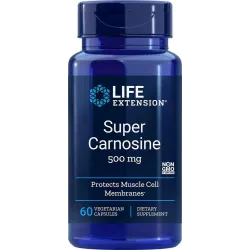
Super Carnosine
Price: 39,81 €Antioxidant and anti-aging agent Provides powerful protection against... -
Related posts
-
 Is Conventional Pomegranate Extract Enough?
An abundance of clinical data has established pomegranate as a broad-spectrum, multi-modal defense against the...
Is Conventional Pomegranate Extract Enough?
An abundance of clinical data has established pomegranate as a broad-spectrum, multi-modal defense against the... -
Feed Your Brain!
Millions of people around the world are adhering to low-fat, low-cholesterol diets in an effort to reduce the impact...
-
Lipoic Acid Reverses Mitochondrial Decay
It is estimated that 85% of the oxygen contained in every breath you take is consumed by the mitochondria within each...
-
Vitamin C and Dihydroquercetin
Every day, our bodies are under continual assault by damaging agents known as free radicals. Generally, both internal...
-
How Resveratrol Combats Leading Causes of Death
In 1997, the first scientific paper on resveratrol was published showing that this polyphenol could prevent cancer in...