
 English
 Polski
 Deutsch
 Français
 ελληνικά
 Español
 Italiano
Benign Prostatic Hyperplasia (BPH) part 2
Drugs Used to Treat BPH
%20part%202.jpg) 5-Alpha-reductase inhibitors. Prostate cells produce 5-alpha-reductase, which converts testosterone into DHT. DHT is much more potent than testosterone at promoting prostate growth. The drug finasteride inhibits 5-alpha-reductase 2, but not 5-alpha-reductase 1. The drug dutasteride inhibits both 5-alpha-reductase 1 and 5-alpha-reductase 2 and is considered more effective (Occhiato EG et al 2004).
5-Alpha-reductase inhibitors. Prostate cells produce 5-alpha-reductase, which converts testosterone into DHT. DHT is much more potent than testosterone at promoting prostate growth. The drug finasteride inhibits 5-alpha-reductase 2, but not 5-alpha-reductase 1. The drug dutasteride inhibits both 5-alpha-reductase 1 and 5-alpha-reductase 2 and is considered more effective (Occhiato EG et al 2004).
Testosterone inhibitors. Prostate cells require androgens for survival. Chemical castration is achieved by using medications such as leuprolide and goserelin, which inhibit testosterone. Leuprolide and goserelin are luteinizing hormone–releasing hormone agonists (LH-RH agonists) that cause chemical castration. Although LH-RH agonists shrink an enlarged prostate gland and are used to treat advanced prostate cancer, they are expensive and have unpleasant side effects. As a result, LH-RH agonists are rarely used to treat BPH (Anonymous 2005; Sugimura Y 2004; Tarlatzis BC et al 2003).
Alpha-blockers. Antihypertension drugs called alpha-blockers act on the nervous system to relax arteries by inhibiting excitatory impulses to muscle cells. The smooth muscle cells in the prostate gland have alpha-receptors, so alpha-blockers are sometimes used to relax the muscle and reduce symptoms. Alpha-blockers used to treat BPH include terazosin, prazosin, and doxazosin. A newer alpha-blocker, tamsulosin, can be taken once a day and is effective in treating patients with BPH who have moderate to severe symptoms (Debruyne F et al 2004; Debruyne F et al 2002; Dunn CJ et al 2002). Many alpha-blockers can cause impotence. If impotence results with one drug, switching to a similar drug may end the undesirable side effects (Tahmatzopoulos A et al 2004; Kyprianou N 2003).
Aromatase inhibitors. Aromatase, the enzyme that converts testosterone to estrogen, can also be inhibited to try to prevent the age-related rise in estrogen. The use of aromatase inhibitors among men with BPH, however, is subject to some controversy. A number of studies have shown that the aromatase inhibitor anastrozole, when used in conjunction with 5-alpha-reductase inhibitors, increased the level of testosterone in animal models of BPH (Sciarra F et al 2000; Suzuki K et al 1998). Some doctors consider this to be counterproductive among men who have BPH. However, studies of a newer aromatase inhibitor known as mepartricin (not yet approved in the United States) suggest that the drug lowered estrogen levels without affecting levels of other sex hormones (Boehm S et al 1998). Anastrozole is a US-approved aromatase inhibitor (although it is not approved to treat BPH). Obviously, more research is needed into the synergistic effects of 5-alpha-reductase inhibitors (such as dutasteride) used in conjunction with aromatase inhibitors (such as anastrozole) in men. It is also important to keep in mind that maintaining youthful testosterone levels is extremely important in aging men. For more information, please see the chapter on Male Hormone Modulation.
Nutrient and Supplemental Therapy
 Herbs and nutrients are a very important and usually underutilized element of BPH therapy. Some of the most effective herbs that treat BPH operate along similar pathways as prescription drugs, which are much stronger, without the adverse effects. If you are in the watchful-waiting period of BPH, you should consider slowing the progression of your condition, and avoiding the unpleasant symptoms of more severe BPH, by using nutrient and supplemental therapy.
Saw palmetto. In Europe, saw palmetto (Serenoa repens) has been used extensively as a drug for some time. Saw palmetto has multiple mechanisms of action: inhibition of 5-alpha-reductase, inhibition of DHT binding to the androgen receptor, reduction of the inflammatory component of prostate growth (by inhibiting COX-2 and an enzyme called 5-lipoxygenase), and inhibition of prostate cell proliferation (Debruyne F et al 2002; Goldmann WH et al 2001; Paubert-Braquet M et al 1998; Gutierrez M et al 1996).
Saw palmetto’s clinical benefits for prostate enlargement include:
- Reduced nocturnal urinary urgency (Boyle P et al 2004)
- Increased urinary flow rate (Boyle P et al 2004; Gerber GS et al 2004)
- Decreased residual urine volume in the bladder (Giannakopoulos X et al 2002)
- Reduced discomfort from urination symptoms (Giannakopoulos X et al 2002; Wilt T et al 2002a)
In fact, results of treatment with saw palmetto compare favorably with finasteride, with far fewer adverse effects (Wilt T et al 2002a). Similarly, another study compared saw palmetto extract to tamsulosin for 1 year. After the treatment period was over, the symptoms of the patients in both groups had improved, and their PSA scores remained stable. However, the size of the prostate gland decreased only in the group taking saw palmetto, and sexual dysfunction was more common in the group taking tamsulosin. Overall, saw palmetto produced a superior response after only 3 months of treatment, and maintained its superiority (Debruyne F et al 2002). Finally, in a meta-analysis of saw palmetto, researchers found there was an average reduction of 5 points in the IPSS across all studies (Boyle P et al 2004).
As with most supplements, it’s important to be sure that you’re buying the highest quality supplement possible. In the case of saw palmetto, that means supercritical, standardized extracts. Supercritical fluid extraction technology produces an extract of extraordinary purity while leaving behind no solvent residues on the product. The first medicinal herb to benefit from large-scale supercritical fluid extraction was saw palmetto.
While a large number of studies document the benefits of saw palmetto by itself, European doctors frequently prescribe saw palmetto extract that is combined with additional herbs that interfere with other factors involved in prostate enlargement.
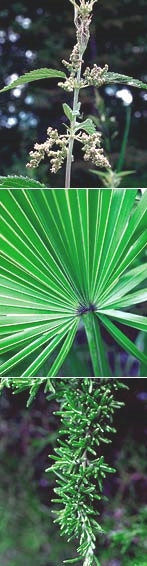 Nettle root extract. Nettle root (Urtica dioica) works by inhibiting the binding of DHT to prostate cell membranes (Hryb DJ et al 1995). Nettle root extract is used extensively, either in combination with saw palmetto or by itself, for relief of BPH symptoms.
In 2005, researchers conducted a randomized, double-blind, placebo-controlled, crossover study of nettle root extract. This is the gold-standard of clinical trial formats and is used to rigorously test pharmaceutical drugs before they gain market approval. Almost 600 patients were enrolled in this trial for up to 18 months. At the end of the study, 81 percent of the treated patients experienced significant relief of their symptoms and significant reductions in their IPSS, compared with only 16 percent of the control subjects. After the 18-month follow-up, only those patients who continued with the therapy experienced any benefits (Safarinejad MR 2005).
These results were confirmed in another study that examined the effect of saw palmetto combined with nettle root extract on men. Once again, this was a double-blind, placebo-controlled study. In this case, the reduction in IPSS was “clearly superior” among men receiving saw palmetto and nettle extract, compared to men receiving placebo (Lopatkin N et al 2005).
Nettle has also shown an affinity for sex hormone binding globulin (SHBG) (Hryb DJ et al 1995). SHBG is closely related to levels of free testosterone and estrogen; most of these hormones travel through the blood stream “bound” to SHBG. Any testosterone that is unbound to SHBG is referred to as “free testosterone.” Studies have shown that men with BPH have elevated levels of SHBG in their prostate glands (Jiang H et al 2004), thus any nutrient that reduces the levels of SHBG may also be able to reduce BPH.
Pygeum. Pygeum or African prune tree (Pygeum africanum) reduces prostate enlargement and blocks DHT from binding to prostate cells. In a large meta-analysis, pygeum provided a moderately large improvement in BPH symptoms and urine flow measurements. Patients with BPH who used pygeum were more than twice as likely to report improvement in overall symptoms. Nocturia was reduced an average of 19 percent, residual urine volume was reduced 24 percent, and peak urine flow was increased 23 percent (Wilt T et al 2002b).
Cernitin. The studies on this extract of bee pollen in men who have symptoms of prostate enlargement have had good results. Cernitin has been shown to inhibit the growth of prostate cells in the laboratory (Habib FK et al 1990). In human studies, when combined with saw palmetto, beta-sitosterol, and vitamin E, cernitin was able to help reduce symptoms. In this randomized, placebo-controlled study, 144 patients were enrolled from three centers around the United States. The patients were given either placebo or the combination product for 3 months. At the end of the study, there was a "highly significant" difference in the symptom index score between the men taking the natural product and the men taking placebo. The natural product also had no significant adverse effects (Preuss HG et al 2001). Earlier studies have shown that cernitin extract alone can reduce symptoms (Yasumoto R et al 1995).
Beta-sitosterol. Beta-sitosterol is a plant fat contained in several European prostate drugs; however, it is not routinely used in the United States. Multiple randomized studies have confirmed the efficacy of beta-sitosterol in alleviating the types of prostate discomfort that aging men so frequently encounter. In a randomized, double-blind, placebo-controlled, multicenter study of 200 men who had benign prostate enlargement, half the group received 180 milligrams (mg) of beta-sitosterol daily, while the other half received placebo. After 6 months, the group taking beta-sitosterol had improvement in major symptom scales (Berges RR et al 1995). In a follow-up study that evaluated durability of response to beta-sitosterol, the beneficial effects of beta-sitosterol were maintained for an additional 18 months (Berges RR et al 2000).
 Lycopene. Progression of BPH to prostate cancer is a significant concern for patients with BPH. Lycopene has been shown to lower the occurrence of prostate carcinoma (Cristoni A et al 2000), suggesting that lycopene may help prevent prostate cancer. Lycopene's mechanisms of action have been studied in patients who consumed tomato sauce before having a prostatectomy (Chen L et al 2001). Lycopene decreased serum PSA levels and oxidative DNA damage in prostate tissue. Programmed cell death (apoptosis) showed a tendency to increase in patients with BPH after they consumed tomato sauce (Kim HS et al 2003). Larger studies are required to prove the promising effect that tomato sauce may have on programmed cell death in patients with BPH.
Micronutrients and additional nutrients. Evidence indicates that micronutrients such as boron, selenium, alpha-tocopherol, gamma-tocopherol, phytoestrogens, and phytosterols may provide benefits in maintaining prostate health (Thomas JA 1999; Feustel A et al 1987). Additional studies have suggested that intake of omega-3 fatty acids, including docosahexaenoic acid (DHA) and eicosapentaenoic acid (EPA) can inhibit the conversion of testosterone to DHT (Pham H et al 2002). Finally, newer research is showing that vitamin D might be able to arrest prostate growth through unknown mechanisms (Colli E et al 2006).
Lifestyle Changes
Specific lifestyle changes can reduce the symptoms associated with BPH. If you want to reduce symptoms associated with BPH:
- Eat ample amounts of fresh fish, fruits, and vegetables. The high mineral and vitamin content (especially of vitamins E and D) of these foods are essential for general health and metabolism but can also reflect positively on prostate cells.
- Reduce stress, both on and off the job.
- Exercise regularly.
- Keep your weight within normal limits.
- Keep track of the number of times you urinate during the night. See your physician as soon as you notice an increase in frequency.
- If your physician prescribes medication to treat your BPH, follow his or her directions precisely. Make sure your physician knows about all botanical extracts or nutritional supplements you are taking.
Life Extension Foundation Recommendations
To slow the natural progression of BPH and its symptoms, the Life Extension Foundation suggests that you have annual screenings, including a PSA test and a DRE. Neither of these tests can rule out prostate cancer; however, they can alert a physician to the need for further testing.
If the results of a DRE or PSA are consistent with clinical exam findings by your doctor that you may have BPH, discuss with your doctor taking the following nutrients:
- Saw palmetto extract—320 milligrams (mg) daily
- Pygeum extract—100 mg daily
- Nettle root extract—240 mg daily
- Beta-sitosterol—180 mg daily
- Cernitin—252 mg daily
- Boron—3 mg daily
- Gamma-tocopherol—200 mg daily
- Alpha-tocopherol—400 International Units (IU) daily
- Lycopene—10 to 30 mg daily
- Selenium—200 to 400 micrograms (mcg) daily
- EPA/DHA—1400 mg/day of EPA and 1000 mg/day of DHA
- Vitamin D3—800 to 2000 IU daily
- Soy isoflavones—55 to 110 mg daily
If you have BPH, you may also benefit from taking medications such as dutasteride and alpha-blockers such as tamsulosin. You may also want to consider taking anastrozole, an aromatase inhibitor, in low doses, to block the conversion of testosterone to estrogen. Please discuss these options with your doctor.
If all else fails and you experience urinary blockage, you may need to undergo TURP. However, even after TURP, nutrients can keep the prostate gland from overdeveloping again.
Benign Prostatic Hyperplasia (BPH) Safety Caveats
An aggressive program of dietary supplementation should not be launched without the supervision of a qualified physician. Several of the nutrients suggested in this protocol may have adverse effects. These include:
Saw Palmetto
- Consult your doctor before taking saw palmetto if you have any form of cancer that is stimulated by hormones.
Beta-Sitosterol
- Do not take beta-sitosterol if you have the genetic disorder sitosterolemia or cerebrotendinotic xanthomatosis.
- Beta-sitosterol can cause gastrointestinal symptoms such as indigestion, gas, diarrhea and constipation.
EPA/DHA
- Consult your doctor before taking EPA/DHA if you take warfarin (Coumadin). Taking EPA/DHA with warfarin may increase the risk of bleeding.
- Discontinue using EPA/DHA 2 weeks before any surgical procedure.
Selenium
- High doses of selenium (1000 micrograms or more daily) for prolonged periods may cause adverse reactions.
- High doses of selenium taken for prolonged periods may cause chronic selenium poisoning. Symptoms include loss of hair and nails or brittle hair and nails.
- Selenium can cause rash, breath that smells like garlic, fatigue, irritability, and nausea and vomiting.
Soy
- Do not take soy if you have an estrogen receptor-positive tumor.
- Soy has been associated with hypothyroidism.
Vitamin D
- Do not take vitamin D if you have hypercalcemia.
- Consult your doctor before taking vitamin D if you are taking digoxin or any cardiac glycoside.
- Only take large doses of vitamin D (2000 international units or 50 micrograms or more daily) if prescribed by your doctor.
- See your doctor frequently if you take vitamin D and thiazides or if you take large doses of vitamin D. You may develop hypercalcemia.
- Chronic large doses (95 micrograms or 3800 international units or more daily) of vitamin D can cause hypercalcemia.
Vitamin E
- Consult your doctor before taking vitamin E if you take warfarin (Coumadin).
- Consult your doctor before taking high doses of vitamin E if you have a vitamin K deficiency or a history of liver failure.
- Consult your doctor before taking vitamin E if you have a history of any bleeding disorder such as peptic ulcers, hemorrhagic stroke, or hemophilia.
- Discontinue using vitamin E 1 month before any surgical procedure.
Material used with permission of Life Extension. All rights reserved.
[1] Occhiato NP. al 2004 et
[2] Anonymous 2005; Sugimura Y 2004; Tarlatzis BC et al 2003
[3] Debruyne F et al 2004; Debruyne F et al 2002; Dunn CJ et al 2002
[4] Tahmatzopoulos et al 2004; Kyprianou N 2003
[5] Sciarra F et al 2000; Suzuki K et al 1998
[6] Boehm S et al 1998
[7] Debruyne F et al 2002; Goldmann WH et al 2001; Paubert-Braquet M et al 1998; Gutierrez M et al 1996
[8] Boyle P et al 2004
[9] Boyle P et al 2004; Gerber GS et al 2004
[10] Giannakopoulos X et al 2002
[11] Giannakopoulos X et al 2002; Wilt T et al 2002 a
[12] Wilt T et al 2002
[13] Debruyne F et al 2002
[14] Boyle P et al 2004
[15] Hryb DJ et al 1995
[16] Safarinejad PANA 2005
[17] Lopatkin N et al 2005
[18] Hryb DJ et al 1995
[19]Jiang H et al 2004
[20] Wilt T et al 2002b
[21] Habib FK et al 1990
[22] Preuss HG et al 2001
[23] Yasumoto R et al 1995
[24] Berges RR et al 1995
[25] Berges RR et al 2000
[26] Cristoni et al 2000
[27] Chen L et al 2001
[28] Kim HS et al 2003
[29] Thomas JA 1999; Feustel et al 1987
[30] Pham H et al 2002
[31] Colli E et al 2006
Related products
-

Ultra Prostate Formula
Price: 32,02 €Next-generation prostate protection Supports prostate health with... -
PalmettoGuard® Saw Palmetto and Beta-Sitosterol
Price: 14,51 €Supports healthy prostate function & hormone metabolism Supports men’s...
Related posts
-
 Is Conventional Pomegranate Extract Enough?
An abundance of clinical data has established pomegranate as a broad-spectrum, multi-modal defense against the...
Is Conventional Pomegranate Extract Enough?
An abundance of clinical data has established pomegranate as a broad-spectrum, multi-modal defense against the... -
Lipoic Acid Reverses Mitochondrial Decay
It is estimated that 85% of the oxygen contained in every breath you take is consumed by the mitochondria within each...
-
Vitamin C and Dihydroquercetin
Every day, our bodies are under continual assault by damaging agents known as free radicals. Generally, both internal...
-
How Resveratrol Combats Leading Causes of Death
In 1997, the first scientific paper on resveratrol was published showing that this polyphenol could prevent cancer in...
-
Autoimmune Diseases part 1
Autoimmune diseases are characterized by the body's immune responses being directed against its own tissues, causing...